1. ArchDaily
  2. Theory and History

Theory and History: The Latest Architecture and News

Architectural Authorship in the Age of the Collective Practices

Subscriber Access | 

This article is part of our new Opinion section, a format for argument-driven essays on critical questions shaping our field.

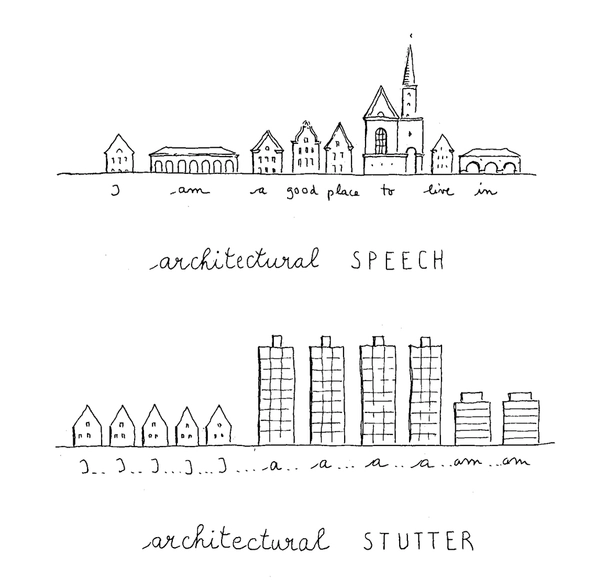
Who designs architecture today? In a professional landscape increasingly defined by collaborative workflows, generative software, and distributed teams, the figure of the architect as a singular creative author feels both anachronistic and inadequate. This article argues that architectural authorship is no longer an individual act, but a collective and distributed condition shaped by institutions, technologies, and shared forms of labor. The transition from individual to collective authorship is not simply a consequence of larger offices or digital tools; it signals a deeper structural shift in how architecture is produced, communicated, and validated.

Architectural Authorship in the Age of the Collective Practices - Image 1 of 4Architectural Authorship in the Age of the Collective Practices - Image 2 of 4Architectural Authorship in the Age of the Collective Practices - Image 3 of 4Architectural Authorship in the Age of the Collective Practices - Image 5 of 4Architectural Authorship in the Age of the Collective Practices - More Images+ 23

The Project as Argument: What is Architectural Thinking?

Architecture is shaped not only by buildings, but by the ideas that make them possible. Before the constraints of capital, regulation, and procurement, there is a moment when architecture is allowed to think aloud. The first confrontation with this fertile moment usually takes place in academia, in the thesis. It is not merely a requirement for graduation, but a space of speculative freedom where architecture formulates hypotheses, builds arguments, and tests positions.

For many, it is also the first opportunity to think beyond the structure of academic programs — a first chance to explore something more personal, unresolved, or even unreasonable. While often seen as an endpoint, the thesis is better understood as a beginning: the first engagement with architecture as a form of reasoning, where the project is not yet a response, but a question.

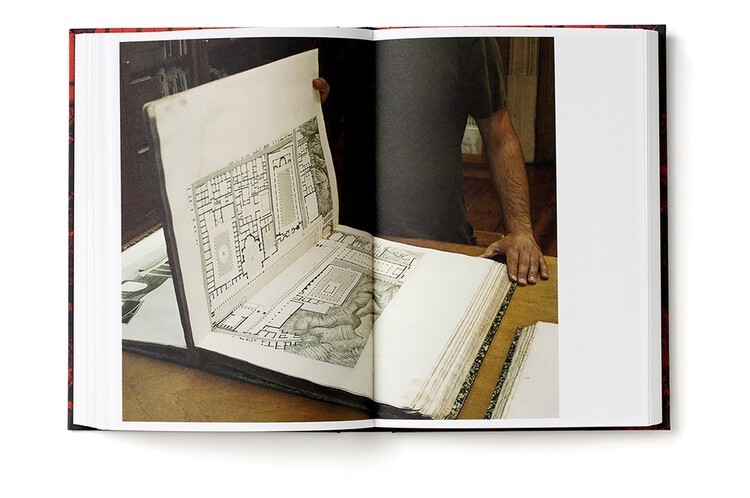
The Project as Argument: What is Architectural Thinking? - Image 1 of 4The Project as Argument: What is Architectural Thinking? - Image 2 of 4The Project as Argument: What is Architectural Thinking? - Image 3 of 4The Project as Argument: What is Architectural Thinking? - Image 4 of 4The Project as Argument: What is Architectural Thinking? - More Images+ 27

The Architect as Writer: Expanding the Discipline Beyond Buildings

Architecture has always been more than bricks and mortar. It is equally constructed through words, ideas, and narratives. From ancient treatises to radical manifestos, from technical manuals to poetic essays, the written word has served as a spatial, pedagogical, and political tool within the field. Writing shapes how architecture is conceptualized, communicated, and critiqued — often long before, or even in the absence of, physical construction.

Historically, figures such as Vitruvius, Alberti, and Palladio employed writing to codify principles, project ideals, and legitimize architecture as a discipline. In the modern era, Le Corbusier, Adolf Loos, and Lina Bo Bardi wrote prolifically to expand the scope of architecture beyond form and function, often using publications as tools for persuasion and experimentation. The postwar period gave rise to new editorial strategies, as evident in the manifestos of Archizoom and Superstudio, and the polemical publications of Delirious New York and Oppositions, where writing served as both critique and project.

The Architect as Writer: Expanding the Discipline Beyond Buildings - Image 1 of 4The Architect as Writer: Expanding the Discipline Beyond Buildings - Image 2 of 4The Architect as Writer: Expanding the Discipline Beyond Buildings - Image 3 of 4The Architect as Writer: Expanding the Discipline Beyond Buildings - Image 4 of 4The Architect as Writer: Expanding the Discipline Beyond Buildings - More Images+ 31

Overprovision: Exploring Purposefully Wasteful Spaces in Residential Design

Overprovision can be seen as an architecture strategy through the lens of resilience—making spaces adaptable to changes, reinterpretations, and future needs. However, could overprovision also offer a productive lens for rethinking spatial design? Are there parallels in architectural theory or practice that align with this concept, as explored by notable figures in the discourse on space?

This question becomes particularly relevant in residential design, especially in regions like Hong Kong or Tokyo, where the demand to maximize space is a cultural and practical norm. Designers are frequently tasked with "making use of every inch" for storage or function, reflecting a tendency among residents to accumulate belongings disproportionate to their living spaces. 

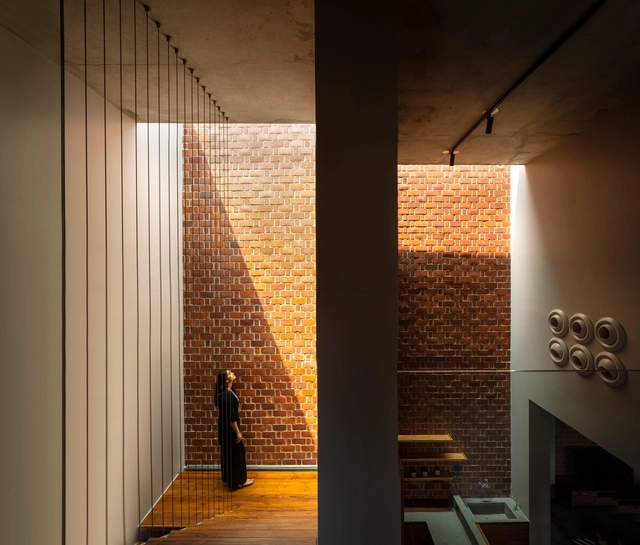
Overprovision: Exploring Purposefully Wasteful Spaces in Residential Design - Image 1 of 4Overprovision: Exploring Purposefully Wasteful Spaces in Residential Design - Image 2 of 4Overprovision: Exploring Purposefully Wasteful Spaces in Residential Design - Image 3 of 4Overprovision: Exploring Purposefully Wasteful Spaces in Residential Design - Image 4 of 4Overprovision: Exploring Purposefully Wasteful Spaces in Residential Design - More Images+ 12

An Epic of Fire and Stone: The Story Behind the Intervention at the Benedictine Monastery of Catania, Sicily

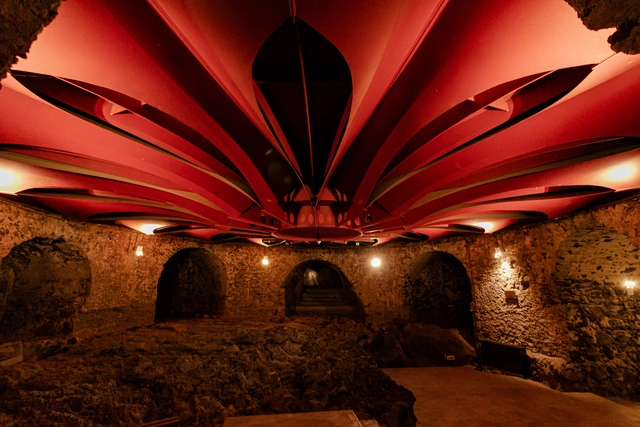
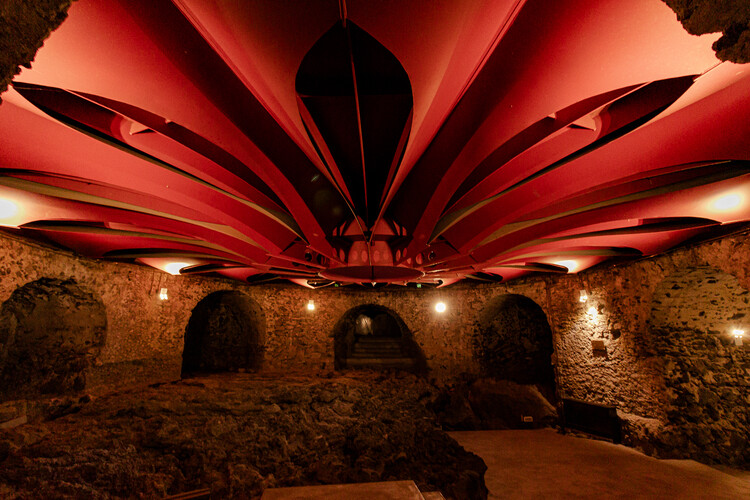
The Benedictine Monastery of San Nicolò l’Arena in Catania, Sicily, holds within its stones the echoes of five centuries, shaped by time, varied uses, violent earthquakes, and the blazing force of Mount Etna. Its walls, silent witnesses to history, were molded both by the fire of nature and by human hands. Yet among all the transformations it underwent, none was as profound or poetic as the one led by Italian architect Giancarlo De Carlo, starting in 1980. After 30 years of dedicated work, time required to truly understand such a complex and awe-inspiring site, the former monastic residence was reborn as a university, not by force, but through revelation.

An Epic of Fire and Stone: The Story Behind the Intervention at the Benedictine Monastery of Catania, Sicily - Image 1 of 4An Epic of Fire and Stone: The Story Behind the Intervention at the Benedictine Monastery of Catania, Sicily - Image 2 of 4An Epic of Fire and Stone: The Story Behind the Intervention at the Benedictine Monastery of Catania, Sicily - Image 3 of 4An Epic of Fire and Stone: The Story Behind the Intervention at the Benedictine Monastery of Catania, Sicily - Image 4 of 4An Epic of Fire and Stone: The Story Behind the Intervention at the Benedictine Monastery of Catania, Sicily - More Images+ 22

Shaping Spaces: The History and Impact of Fireplaces in Architecture

Fireplaces have profoundly shaped architectural design, influencing how spaces are organized, experienced, and perceived. More than merely functional elements, they represent symbols of power, community, comfort, and culture, tracing humanity's evolving relationship with the built environment. From the primitive hearths that characterized early human settlements to the sophisticated ecological designs of contemporary architecture, fireplaces have reflected broader cultural, social, and technological changes, serving as enduring focal points in the spatial narrative of architecture. Scholars have frequently explored the intimate relationship between architecture and fire. Luis Fernández-Galiano, in his seminal work "Fire and Memory: On Architecture and Energy" argues that architecture fundamentally mediates the relationship between humanity and energy. By understanding how these structures have shaped spaces, symbolized cultural values, and driven technological innovation, we gain deeper insight into architecture's complex interplay between form, function, and meaning.

Shaping Spaces: The History and Impact of Fireplaces in Architecture - Image 1 of 4Shaping Spaces: The History and Impact of Fireplaces in Architecture - Image 2 of 4Shaping Spaces: The History and Impact of Fireplaces in Architecture - Image 3 of 4Shaping Spaces: The History and Impact of Fireplaces in Architecture - Image 4 of 4Shaping Spaces: The History and Impact of Fireplaces in Architecture - More Images+ 21

Elements of a Complete Architecture: The Furniture of Louis I. Kahn

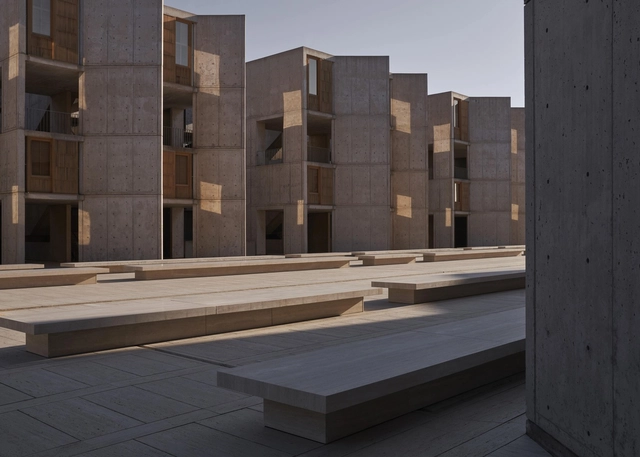
In the history of modern architecture, Louis I. Kahn is regarded as the undisputed master of monumentality in the United States. At the height of his career, Kahn managed to create a unique type of architecture, often awe-inspiring, but avoiding overdone grandiosity, expressing its constructive system, yet avoiding structural exhibitionism, steeped in history but developed with a new language and system of forms. His interest in light as a functional element and the specific qualities of materials extended beyond his buildings, in all the objects he created to populate them following their intrinsic spirit. To celebrate this legacy, Form Portfolios has now launched "Monumental Modernism," the first collection of lighting, objects, and furniture modeled after those discovered in Louis I. Kahn's buildings.

Elements of a Complete Architecture: The Furniture of Louis I. Kahn - Image 1 of 4Elements of a Complete Architecture: The Furniture of Louis I. Kahn - Image 2 of 4Elements of a Complete Architecture: The Furniture of Louis I. Kahn - Image 3 of 4Elements of a Complete Architecture: The Furniture of Louis I. Kahn - Image 4 of 4Elements of a Complete Architecture: The Furniture of Louis I. Kahn - More Images+ 18

Between Fantasy and Reality: Aldo Rossi's Floating Teatro del Mundo for the First Venice Architecture Biennale

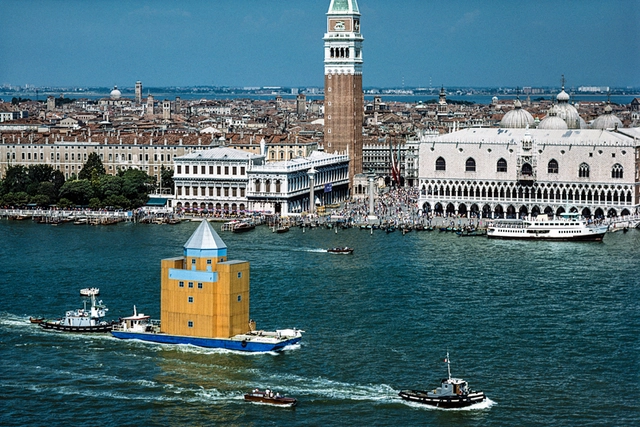
The first edition of the Venice Architecture Biennale took place in 1980, immediately revealing its role as a platform for images and ideas that would become essential references in contemporary architectural theory and practice. This disruptive character was embodied from the very beginning by the strangely familiar floating structure designed by Aldo Rossi, titled Teatro del Mondo. At once temporary and archetypal, the project introduced central themes that would shape Italian architectural discourse in the years that followed. To this day, it continues to inspire reflections on timelessness, imagination, and the memory embedded in cities.

Between Fantasy and Reality: Aldo Rossi's Floating Teatro del Mundo for the First Venice Architecture Biennale - Image 1 of 4Between Fantasy and Reality: Aldo Rossi's Floating Teatro del Mundo for the First Venice Architecture Biennale - Image 2 of 4Between Fantasy and Reality: Aldo Rossi's Floating Teatro del Mundo for the First Venice Architecture Biennale - Image 3 of 4Between Fantasy and Reality: Aldo Rossi's Floating Teatro del Mundo for the First Venice Architecture Biennale - Image 4 of 4Between Fantasy and Reality: Aldo Rossi's Floating Teatro del Mundo for the First Venice Architecture Biennale - More Images

Léon Krier, Influential Voice in New Urbanism, Passes Away at 79

Léon Krier, the Luxembourg-born architect and urban theorist renowned for his critical stance against modernist planning and his influential role in the New Urbanism movement, passed away on June 17, 2025, at the age of 79. Known for his uncompromising critique of modernist planning and his vision for human-scaled, walkable communities, Krier leaves behind a substantial body of built work, theoretical writing, and educational influence.

Over a career spanning several decades, Krier advocated for a return to classical architecture and human-scaled urbanism, positioning himself as a leading critic of sprawling suburban development and high-rise modernism. His advocacy for walkable, mixed-use neighborhoods and his insistence on the cultural and social value of architecture challenged the prevailing norms of late 20th-century urban planning.

Léon Krier, Influential Voice in New Urbanism, Passes Away at 79 - Image 1 of 4Léon Krier, Influential Voice in New Urbanism, Passes Away at 79 - Image 2 of 4Léon Krier, Influential Voice in New Urbanism, Passes Away at 79 - Image 3 of 4Léon Krier, Influential Voice in New Urbanism, Passes Away at 79 - Image 4 of 4Léon Krier, Influential Voice in New Urbanism, Passes Away at 79 - More Images+ 5

Between Geometric Shapes and Raw Materials: The Case of Brutalism in Italy

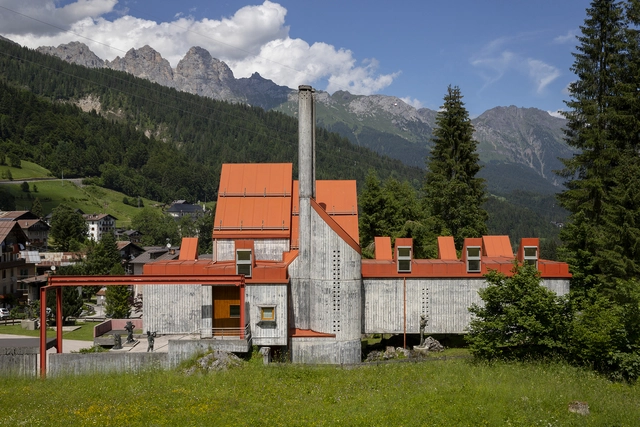
Born in the post-war period in the United Kingdom, the Brutalism movement was first met with skepticism but has found a new appreciation in the last decade, capturing the imagination of new designers fascinated with the interplay between striking geometric shapes and the exposed raw materials in which they are rendered. From Britain, the movement spread throughout Europe, Southeast Asia, and Africa, gathering different variations influenced by the cultural and socio-economic status of each area. In this article, we delve into the particularities that define Italy's contribution to the Brutalist movement, exploring the style through the lens of Roberto Conte and Stefano Perego. The two photographers have also published a photographic essay on the subject, taking the form of a book titled "Brutalist Italy: Concrete Architecture from the Alps to the Mediterranean Sea".

Between Geometric Shapes and Raw Materials: The Case of Brutalism in Italy - Image 1 of 4Between Geometric Shapes and Raw Materials: The Case of Brutalism in Italy - Image 2 of 4Between Geometric Shapes and Raw Materials: The Case of Brutalism in Italy - Image 3 of 4Between Geometric Shapes and Raw Materials: The Case of Brutalism in Italy - Image 4 of 4Between Geometric Shapes and Raw Materials: The Case of Brutalism in Italy - More Images+ 11

Learning from Artists: New Perspectives on Public Space

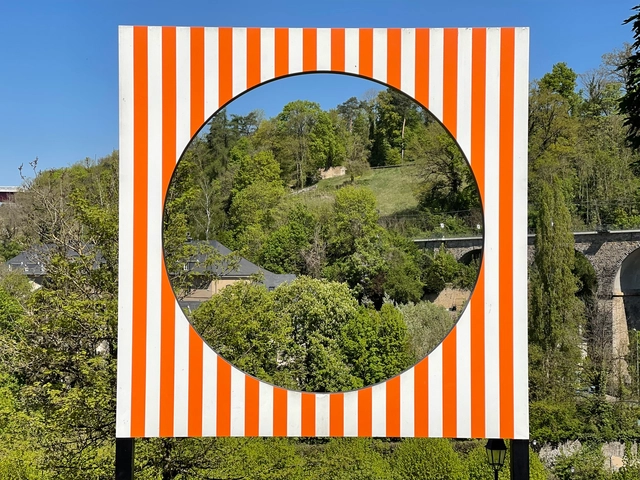
Public space has long been central to architectural thought, often framed in terms of planning, infrastructure, and regulation. From Haussmann's Paris to contemporary masterplans, architects have worked to define and formalise collective life through spatial tools. Yet, outside of these frameworks, artists have continuously offered alternative ways of understanding and inhabiting public space—ways that rely not on construction or permanence, but on presence, perception, and participation. Through actions, objects, or atmospheres, artists engage the city as a site of friction and imagination. These gestures challenge architectural conventions and invite artists to reconsider public space not as a solved form, but as a contingent and open process.

Learning from Artists: New Perspectives on Public Space - Image 1 of 4Learning from Artists: New Perspectives on Public Space - Image 2 of 4Learning from Artists: New Perspectives on Public Space - Image 3 of 4Learning from Artists: New Perspectives on Public Space - Image 4 of 4Learning from Artists: New Perspectives on Public Space - More Images+ 18

Understanding Soft Architecture: The Shift from Monument to Moment

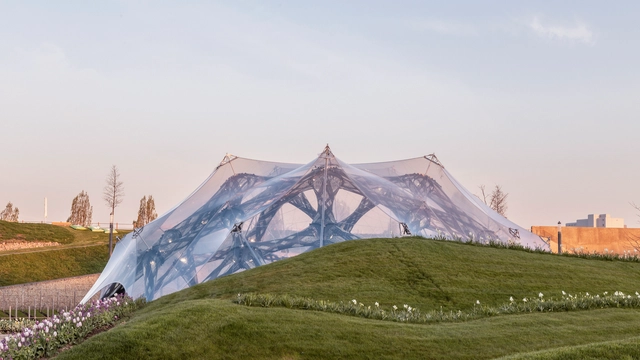
In recent years, architecture has increasingly embraced adaptability, flexibility, and responsiveness as core design principles. This evolution reflects a shift from traditional notions of static, permanent structures to dynamic environments that can adjust to changing needs and conditions. Central to this transformation is the concept of "soft architecture", which leverages pliable materials and innovative systems to create spaces that are functional, sustainable, and user-centric. Soft architecture takes shape through membranes that breathe, façades that move, structures that inflate or fold, and surfaces that bend rather than break. It involves designing for transformation — not only in how a building performs environmentally, but also in how it can accommodate shifting functions, user interactions, or temporary occupations. This approach to building challenges traditional notions of durability and control, proposing instead a more responsive and open-ended architecture. It reflects a growing awareness that buildings, like the societies they serve, must be able to evolve.

Understanding Soft Architecture: The Shift from Monument to Moment - Image 1 of 4Understanding Soft Architecture: The Shift from Monument to Moment - Image 2 of 4Understanding Soft Architecture: The Shift from Monument to Moment - Image 3 of 4Understanding Soft Architecture: The Shift from Monument to Moment - Image 4 of 4Understanding Soft Architecture: The Shift from Monument to Moment - More Images+ 53

What Kind of City Will Humanity Need? Exploring Amancio Williams' Proposal for a Linear City

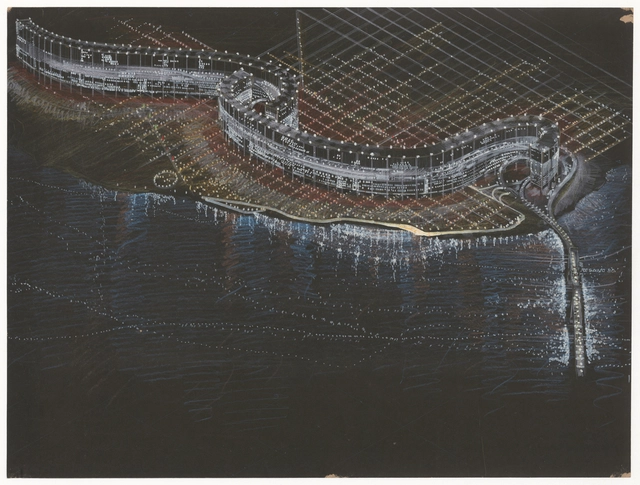
Through his unbuilt projects, built works, and research, Amancio Williams's ideas emerge as the result of a deep understanding of the most advanced trends of his time reflecting on architectural design, urbanism and city planning. By exploring various themes, concepts, and even materials, he aims to create a personal universe that interprets the present as something future-oriented, both international and distinctly Argentine. His proposal "La ciudad que necesita la humanidad" presents linear and layered buildings raised 30 meters above ground, incorporating everything from office spaces to roads and magnetic trains on different levels of a single structure. The Amancio Williams archive at the Canadian Centre for Architecture in Montreal documents Williams' career as an architect and designer from the 1940s to the late 1980s. The fonds documents his work for over 80 architectural, urban planning and design projects, as well as the administration of his architecture practice and his professional activities. Including drawings and sketches, presentation models, photographic materials, such as photographs of models, finished project (when realized), reference images, photographic reproduction of plans, and site photographs, the archive is available to consult offering more details.

What Kind of City Will Humanity Need? Exploring Amancio Williams' Proposal for a Linear City - Image 1 of 4What Kind of City Will Humanity Need? Exploring Amancio Williams' Proposal for a Linear City - Image 2 of 4What Kind of City Will Humanity Need? Exploring Amancio Williams' Proposal for a Linear City - Image 3 of 4What Kind of City Will Humanity Need? Exploring Amancio Williams' Proposal for a Linear City - Image 4 of 4What Kind of City Will Humanity Need? Exploring Amancio Williams' Proposal for a Linear City - More Images+ 5

Modernism in Africa: Shedding Light on Nigeria’s Rich Heritage of Education Buildings

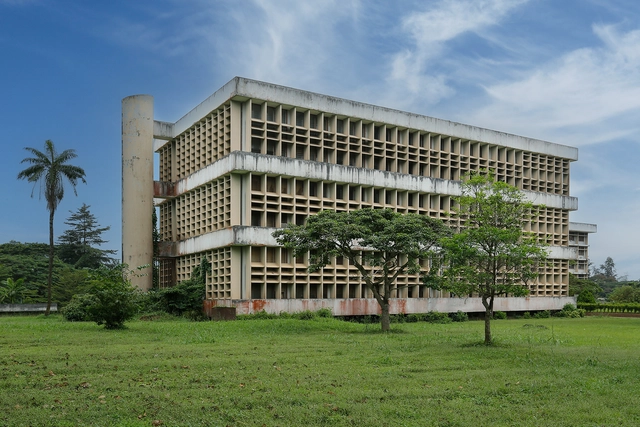
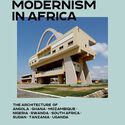
In late 2024, an important addition was made to the growing literature on Modern architecture in Africa. "Modernism in Africa: The Architecture of Angola, Ghana, Mozambique, Nigeria, Rwanda, South Africa, Sudan, Tanzania, Uganda" was published by Docomomo International and Birkhäuser, shedding light on multiple previously unpublished buildings. The book has a focus on education, although other building types are included. Amongst these are several university buildings in Nigeria which are explored here. Like other Modern buildings on the continent, they illustrate historical narratives of independence, decoloniality, international relations, and architectural education.

Modernism in Africa: Shedding Light on Nigeria’s Rich Heritage of Education Buildings - Image 1 of 4Modernism in Africa: Shedding Light on Nigeria’s Rich Heritage of Education Buildings - Featured ImageModernism in Africa: Shedding Light on Nigeria’s Rich Heritage of Education Buildings - Image 2 of 4Modernism in Africa: Shedding Light on Nigeria’s Rich Heritage of Education Buildings - Image 3 of 4Modernism in Africa: Shedding Light on Nigeria’s Rich Heritage of Education Buildings - More Images+ 10

Upper Lawn: A Manifestation of Alison and Peter Smithson's Architectural Vision

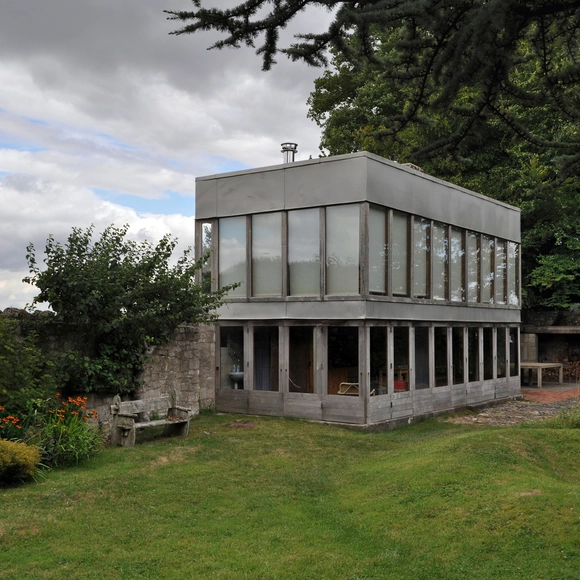
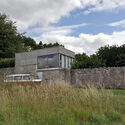
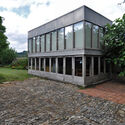
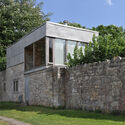
Nestled near the ruins of Fonthill Abbey in the English countryside, Upper Lawn Pavilion — also known as the Solar Pavilion — is a modest yet profound architectural experiment by Alison and Peter Smithson. Built between 1959 and 1962 as a weekend retreat and laboratory for ideas, the pavilion embodies their ethos of economy, material honesty, and respect for context, reflecting the pioneering spirit of New Brutalism.

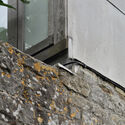
Upper Lawn's thoughtful interplay between the new and the existing is particularly compelling. Built on the remains of an 18th-century English farmhouse, the pavilion repurposes thick masonry walls from the original structure, incorporating elements such as the well, trees, and lawn into its design. Using prefabricated materials like timber, glass, and aluminum, the Smithsons constructed a light-filled space that harmonizes with its surroundings, embodying their principle of "as found architecture" — a concept rooted in honoring and adapting to preexisting conditions rather than imposing on them.

Upper Lawn: A Manifestation of Alison and Peter Smithson's Architectural Vision - Image 1 of 4Upper Lawn: A Manifestation of Alison and Peter Smithson's Architectural Vision - Image 2 of 4Upper Lawn: A Manifestation of Alison and Peter Smithson's Architectural Vision - Image 3 of 4Upper Lawn: A Manifestation of Alison and Peter Smithson's Architectural Vision - Image 4 of 4Upper Lawn: A Manifestation of Alison and Peter Smithson's Architectural Vision - More Images+ 11

From Design Movements to Materials: Reflecting on Architectural Exhibitions in 2024

Reflecting on 2024, numerous architectural exhibitions have opened worldwide, addressing various themes, exhibition formats, and featured architects. Architectural design and architecture practice influence our daily lives in subtle and often unnoticed ways, where the end-users embrace built environments as they are. This reaction may arise from a combination of factors, such as a sense of powerlessness to enact significant change after a building is constructed or the experience of growing up in environments over which individuals had little or no agency in shaping. For these reasons, architectural exhibitions serve an essential purpose, offering society a chance to pause, reflect, and critically examine the myriad issues that surface during designing and building. These issues are often overlooked or need to be acknowledged, as practitioners may prioritize delivering projects within strict timelines over exploring more profound reflections.

In 2024, museums, galleries, and curators responded to the evolving challenges within the built environment with various approaches. Some exhibitions questioned the ethics of building materials and the practices behind supply chains, drawing attention to the broader implications of material choices. Others focused on documenting architectural movements worldwide, emphasizing their cultural and historical significance and the urgent need to preserve and adapt rather than replace them with entirely new builds. These efforts highlight the role of exhibitions in raising awareness about pressing issues while fostering a more critical dialogue about the architectural discipline.

From Design Movements to Materials: Reflecting on Architectural Exhibitions in 2024 - Image 1 of 4From Design Movements to Materials: Reflecting on Architectural Exhibitions in 2024 - Image 2 of 4From Design Movements to Materials: Reflecting on Architectural Exhibitions in 2024 - Image 3 of 4From Design Movements to Materials: Reflecting on Architectural Exhibitions in 2024 - Image 4 of 4From Design Movements to Materials: Reflecting on Architectural Exhibitions in 2024 - More Images+ 20

Rediscovering Modernism in Africa: From Nostalgia to Optimism

The mid-twentieth century marked a transformative period for Africa as 29 countries achieved independence between 1956 and 1964, signaling the dawn of the nation-state across the continent. This era resonated with a spirit of liberation and progress, paralleling the global movements of that time, such as the establishment of international organizations like the United Nations (1945) and the Organization of African Unity (1963). Within this context, Modernist architecture emerged as a powerful symbol of national identity, ambition, and the collective aspiration for a brighter future. As newly independent nations sought to define themselves apart from their colonial pasts, the adoption of Modern Movement principles facilitated the construction of key infrastructures, such as convention centers, parliament buildings, and hotels, as well as the development of architectural education, as native-trained architects begun to either replace or cooperate with foreign-born professionals.

This article inaugurates a new series titled Rediscovering Modernism in Africa, aiming to explore the architectural legacy of the Modern Movement in Africa, highlighting its role in nation-building and the evolution of architectural education, while shedding light on the architects and movements that shaped this transformative era.

Rediscovering Modernism in Africa: From Nostalgia to Optimism - Image 1 of 4Rediscovering Modernism in Africa: From Nostalgia to Optimism - Image 2 of 4Rediscovering Modernism in Africa: From Nostalgia to Optimism - Image 3 of 4Rediscovering Modernism in Africa: From Nostalgia to Optimism - Image 4 of 4Rediscovering Modernism in Africa: From Nostalgia to Optimism - More Images+ 13

2024 Retrospective: Uncovering the Stories Behind Iconic Projects

How many stories are hidden behind every line and every wall? Each project serves a purpose, and its creation leaves a lasting impression on the environment it inhabits. ArchDaily's AD Narratives series seeks to uncover the fascinating—and often unexpected—stories that breathe life into selected projects. Through in-depth research, the series delves into the unique details of the design and construction processes, exploring the cultural, social, and political contexts that have shaped each work.

2024 Retrospective: Uncovering the Stories Behind Iconic Projects - Image 1 of 42024 Retrospective: Uncovering the Stories Behind Iconic Projects - Image 2 of 42024 Retrospective: Uncovering the Stories Behind Iconic Projects - Image 3 of 42024 Retrospective: Uncovering the Stories Behind Iconic Projects - Image 4 of 42024 Retrospective: Uncovering the Stories Behind Iconic Projects - More Images+ 5