1. ArchDaily
  2. Temple

Temple: The Latest Architecture and News

MVRDV Receives Approval for Plum Village Buddhist Monastery Renovations in France

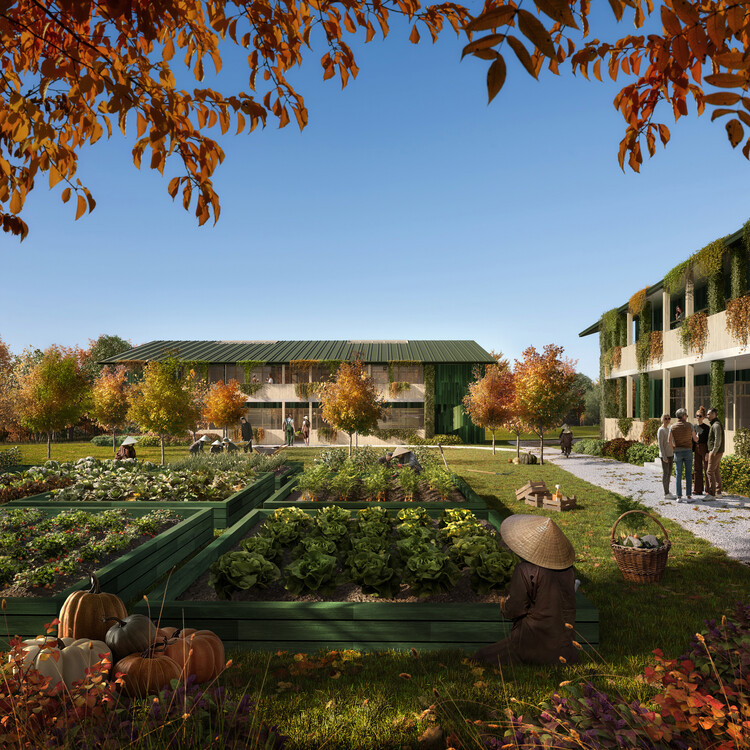
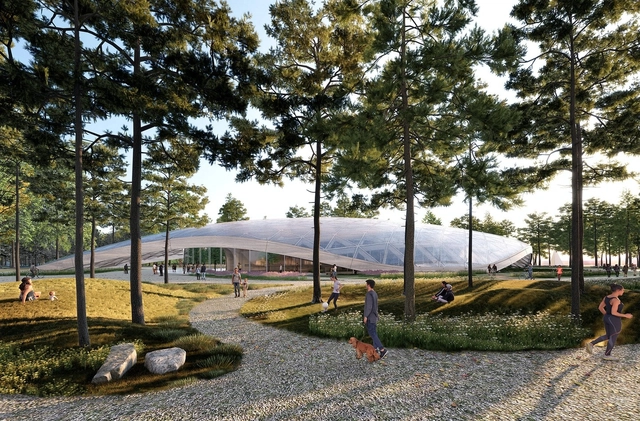
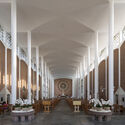
The Plum Village Buddhist Monastery in southern Dordogne, France, has received construction approval for the first phase of its ongoing collaboration with Dutch architecture studio MVRDV. The approvals cover the Upper Hamlet masterplan phase, including the construction of new guest houses and the renovation and expansion of the monastery's bookshop, as well as a new nunnery building at the Lower Hamlet. Developed in collaboration with co-architect MoonWalkLocal and consultants OTEIS, VPEAS, and Emacoustic, the wider project includes two masterplans for the Monastery's Upper and Lower Hamlets, four communal guest houses, a new nunnery, and the transformation of an existing bookshop. Working on a non-profit basis, the design team prioritises renovation alongside the use of circular and bio-based materials, aligning the architectural approach with the monastery's philosophical principles. The proposed additions aim to better accommodate the annual visitors who travel to Plum Village to engage with the teachings of Engaged Buddhism.

MVRDV Receives Approval for Plum Village Buddhist Monastery Renovations in France - Image 1 of 4MVRDV Receives Approval for Plum Village Buddhist Monastery Renovations in France - Image 2 of 4MVRDV Receives Approval for Plum Village Buddhist Monastery Renovations in France - Image 3 of 4MVRDV Receives Approval for Plum Village Buddhist Monastery Renovations in France - Image 4 of 4MVRDV Receives Approval for Plum Village Buddhist Monastery Renovations in France - More Images+ 45

Village in the Vertical City: Tai Hang and the Afterlife of Vernacular Hong Kong

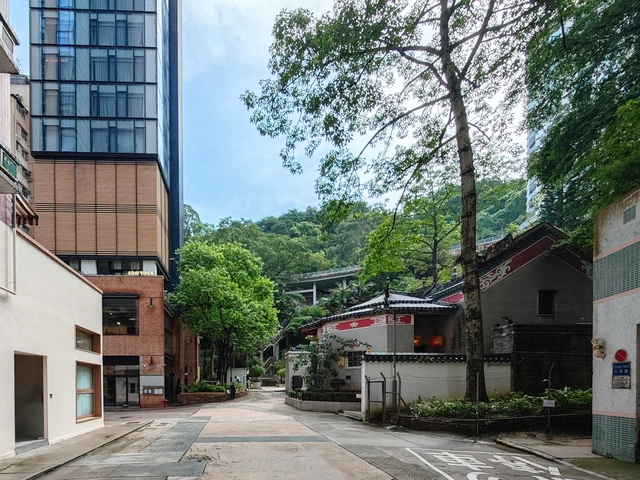
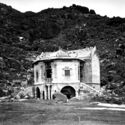
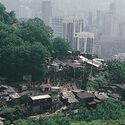
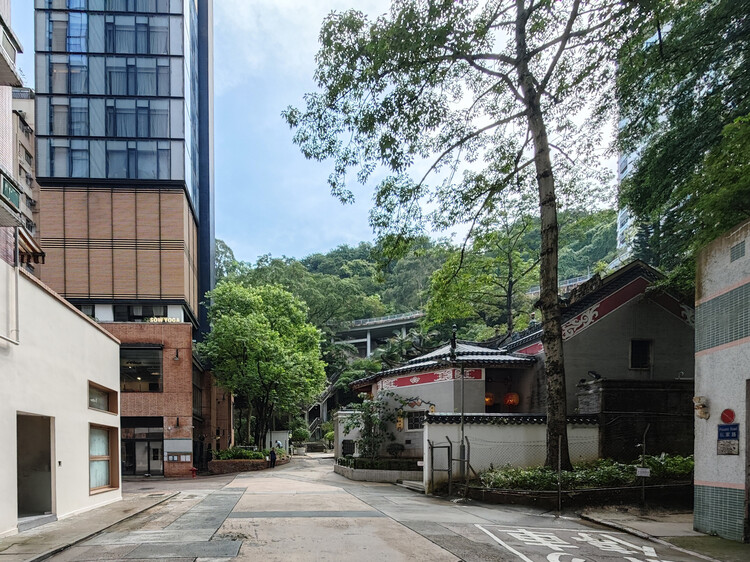
Vernacular architecture in Hong Kong originated as a series of small, coastal settlements—simple, village-like communities that reflected the city's early identity as a fishing hub. These seaside villages were typically composed of low-rise, timber-framed houses clustered around temples, forming tight-knit communities closely tied to the rhythms of the water.

One notable example is Tai Hang, among the earlier settlements established by the Hakka people in Hong Kong. Originally located along a water channel that flowed from the nearby mountains to the sea, the area was once a vital washing site for villagers—hence its name, which literally means "Big Drainage." Before extensive land reclamation, Tai Hang sat quite close to the shoreline. Today, it lies nearly 700 meters inland.

Village in the Vertical City: Tai Hang and the Afterlife of Vernacular Hong Kong - Image 1 of 4Village in the Vertical City: Tai Hang and the Afterlife of Vernacular Hong Kong - Image 2 of 4Village in the Vertical City: Tai Hang and the Afterlife of Vernacular Hong Kong - Image 3 of 4Village in the Vertical City: Tai Hang and the Afterlife of Vernacular Hong Kong - Image 4 of 4Village in the Vertical City: Tai Hang and the Afterlife of Vernacular Hong Kong - More Images+ 11

Secluded Sanctuaries: Contemporary Religious Architecture Inspired by Modernist Principles Across Asia

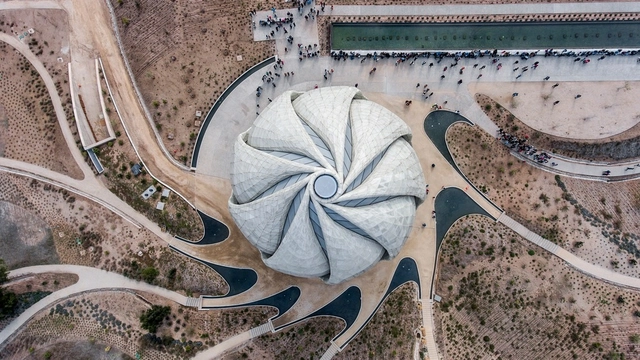
Religious architecture in Asia is evolving by incorporating modernist influences while preserving its spiritual essence. Clean lines, minimalist aesthetics, and materials like concrete, steel, and glass are a common sight. These interventions often replace or complement the intricate ornamentation and natural materials traditionally associated with sacred spaces in the region. This approach allows these structures to achieve a universal appeal while still reflecting their cultural and spiritual foundations.

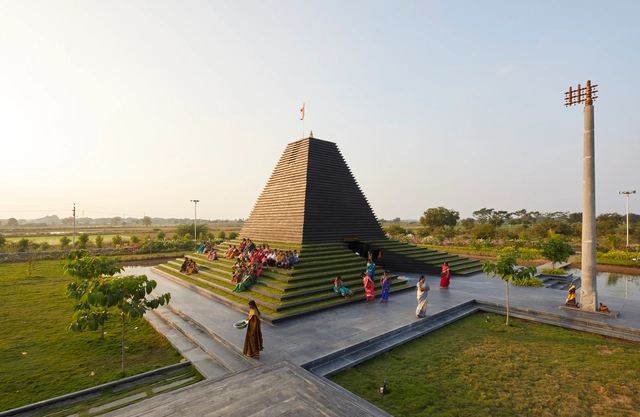
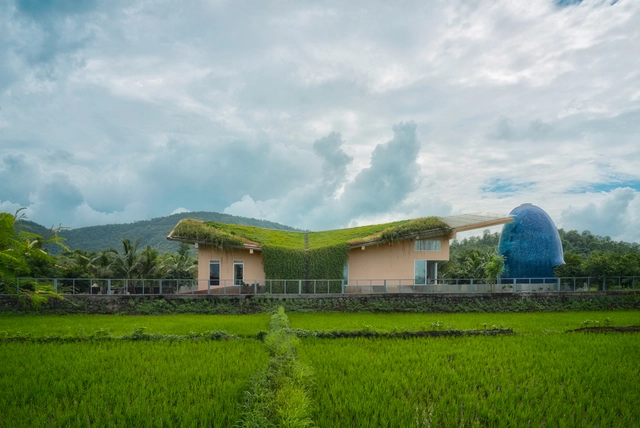
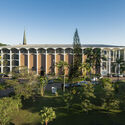
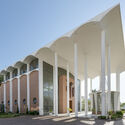
Several examples highlight this blend of tradition and modernity. The Cloud of Luster Chapel in Japan uses slender columns and abundant natural light to create a luminous atmosphere, evoking Frank Lloyd Wright's Johnson Wax Building. The Temple of Steps in India incorporates cascading steps that emulate the traditional Ghats, combining cultural symbolism with Brutalist aesthetics. Similarly, the Water-Moon Monastery in Taiwan employs concrete, straight lines, and reflective pools in a manner influenced by Le Corbusier's Five Points of Architecture. Finally, the Jetavana Buddhist Temple in South Korea and the Upper Cloister in China integrate their layouts with the surrounding stone and hillside, drawing parallels to Wright's desert houses. Together, these projects demonstrate how Asian religious architecture is redefining sacred spaces through a modernist lens while honoring their traditional heritage.

Secluded Sanctuaries: Contemporary Religious Architecture Inspired by Modernist Principles Across Asia - Image 1 of 4Secluded Sanctuaries: Contemporary Religious Architecture Inspired by Modernist Principles Across Asia - Image 2 of 4Secluded Sanctuaries: Contemporary Religious Architecture Inspired by Modernist Principles Across Asia - Image 3 of 4Secluded Sanctuaries: Contemporary Religious Architecture Inspired by Modernist Principles Across Asia - Image 4 of 4Secluded Sanctuaries: Contemporary Religious Architecture Inspired by Modernist Principles Across Asia - More Images+ 3

Computational Design in India: Dialogues between Modern and Vernacular Form

Subscriber Access | 

India's global identity has developed alongside its aspirations for a unique architectural future. Over time, the country's architectural landscape has evolved from vernacular traditions to foreign influences, from post-colonial revivals to modern digital expressions. Computational design has played an influential role in shaping contemporary styles, empowering homegrown architectural firms to experiment with form and structure.
Computational Design in India: Dialogues between Modern and Vernacular Form - Image 1 of 4Computational Design in India: Dialogues between Modern and Vernacular Form - Image 2 of 4Computational Design in India: Dialogues between Modern and Vernacular Form - Image 3 of 4Computational Design in India: Dialogues between Modern and Vernacular Form - Image 4 of 4Computational Design in India: Dialogues between Modern and Vernacular Form - More Images+ 5

Burning Man Reveals the 2024 Temple, Designed with Neo-Gothic and Khaizaran Influences

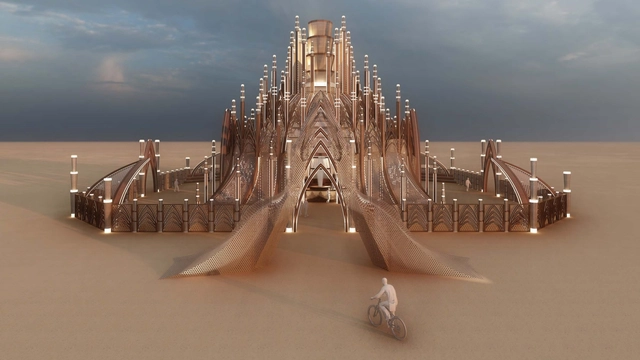
The annual festival Burning Man has revealed the design of the 2024 Temple at Black Rock City, which will become the central installation during the festival happening between August 25th and September 2nd, 2024, in Black Rock Desert, Nevada. Titled “The Temple of Together,” the proposal is designed by Caroline Ghosn, the first BIPOC, female Temple lead artist. The proposal takes cues from neo-gothic religious architecture, combined with Art Deco styles and Lebanese Khaizaran weaving techniques to create a symbol of unity and respect. The design was selected following an international competition that seeks to find novel interventions that fit within the Burning Man tradition.

Burning Man Reveals the 2024 Temple, Designed with Neo-Gothic and Khaizaran Influences - Image 1 of 4Burning Man Reveals the 2024 Temple, Designed with Neo-Gothic and Khaizaran Influences - Image 2 of 4Burning Man Reveals the 2024 Temple, Designed with Neo-Gothic and Khaizaran Influences - Image 3 of 4Burning Man Reveals the 2024 Temple, Designed with Neo-Gothic and Khaizaran Influences - Image 4 of 4Burning Man Reveals the 2024 Temple, Designed with Neo-Gothic and Khaizaran Influences - More Images+ 1

Conservation Architecture in India: Living Buildings and Cultures

Subscriber Access | 

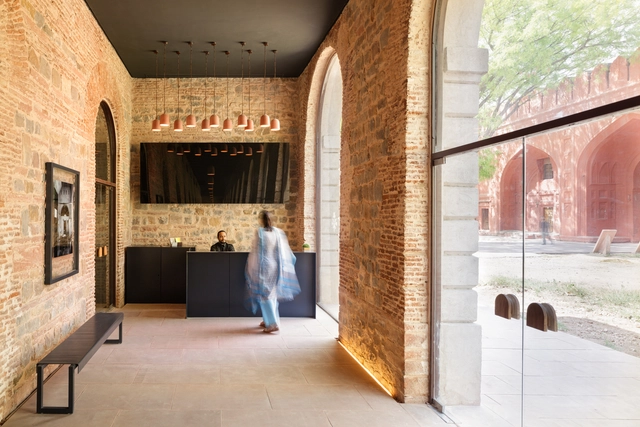
The Indian built environment constantly negotiates ancient traditions, diverse population, and globalized ambitions. When it comes to heritage preservation, these forces often converge to create a distinctive approach to conservation efforts in the country. Beyond the conventional models seen in many parts of the world, India's conservation projects intertwine historical practices, community engagement, and a reverence for the living essence of buildings.

Conservation Architecture in India: Living Buildings and Cultures - Featured ImageConservation Architecture in India: Living Buildings and Cultures - Image 1 of 4Conservation Architecture in India: Living Buildings and Cultures - Image 2 of 4Conservation Architecture in India: Living Buildings and Cultures - Image 3 of 4Conservation Architecture in India: Living Buildings and Cultures - More Images+ 1

SOM Breaks Ground on New American Buddhist Cultural Society Temple in San Francisco

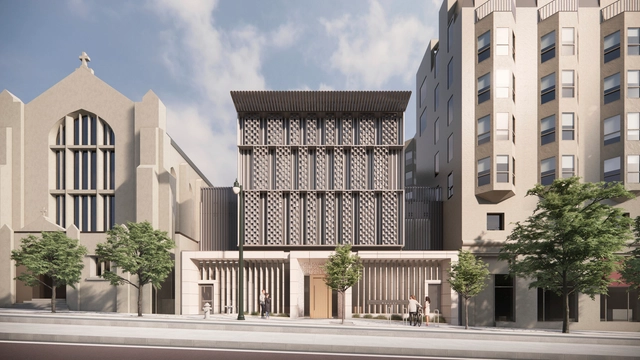
Designed by Skidmore, Owings & Merrill (SOM), the new American Buddhist Cultural Society Temple, also known as the San Bao Temple, has broken ground in San Francisco, California. Located on Van Ness Avenue, the new six-story facility will include a community center, a Buddhist shrine, and a meditation room on the upper levels, along with three levels of private dormitories for visiting monastics and volunteers. In the center of the building, a light-filled atrium offers additional amenities, such as a public art gallery, bookstore, teahouse, and community gathering hall. The temple is expected to open by the end of 2024.

SOM Breaks Ground on New American Buddhist Cultural Society Temple in San Francisco - Image 1 of 4SOM Breaks Ground on New American Buddhist Cultural Society Temple in San Francisco - Image 2 of 4SOM Breaks Ground on New American Buddhist Cultural Society Temple in San Francisco - Image 3 of 4SOM Breaks Ground on New American Buddhist Cultural Society Temple in San Francisco - Image 4 of 4SOM Breaks Ground on New American Buddhist Cultural Society Temple in San Francisco - More Images+ 12

A Temple Renovation in Hungary and a Wine Center in China: 14 Unbuilt Cultural Projects Submitted to ArchDaily

Subscriber Access | 

The diversity of civic spaces in cities and rural areas have continuously showcased how strongly they explore human connections regardless of program, construction technique, scale, and geography. Ranging from educational facilities and museums, to art centers, libraries, religious halls, and memorials, these projects have enriched urban fabrics with cultural programs that have provided members of the community with places to learn, entertain, create, and unwind.

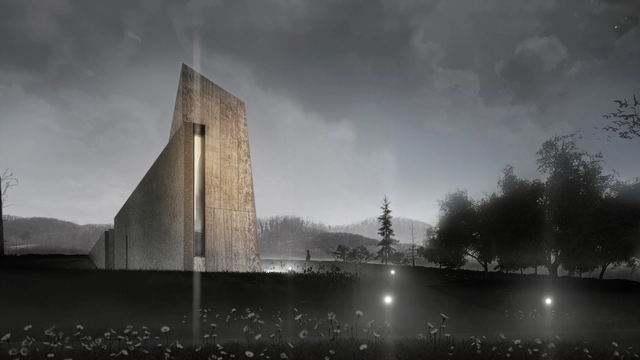
This week’s curated selection of Best Unbuilt Architecture highlights cultural projects submitted by the ArchDaily community from across the world. From a water management system that targets the natural crises in Egypt to a structurally intertwined memorial in the United States, this round up of unbuilt projects showcases how architects responded to the contextual and spatial needs of their projects through innovative and local solutions. The article also includes projects from Italy, China, Uruguay, Poland, Iran, Hungary, Russia, and the United Kingdom.

A Temple Renovation in Hungary and a Wine Center in China: 14 Unbuilt Cultural Projects Submitted to ArchDaily - Image 20 of 4A Temple Renovation in Hungary and a Wine Center in China: 14 Unbuilt Cultural Projects Submitted to ArchDaily - Image 53 of 4A Temple Renovation in Hungary and a Wine Center in China: 14 Unbuilt Cultural Projects Submitted to ArchDaily - Image 83 of 4A Temple Renovation in Hungary and a Wine Center in China: 14 Unbuilt Cultural Projects Submitted to ArchDaily - Image 126 of 4A Temple Renovation in Hungary and a Wine Center in China: 14 Unbuilt Cultural Projects Submitted to ArchDaily - More Images+ 187

An Extreme Sports Park in Russia and a Latvian Eco-Tourism Catalyst: 10 Unbuilt Projects Submitted by our Readers

Subscriber Access | 

10 projects, 10 functions. Featuring a multitude of different programs, this week's curated selection of Best Unbuilt Architecture highlights diverse and innovative conceptual approaches. Submitted by our readers, this variety of proposals includes sports, religious, cultural, educational, and social purposes.

Compiling projects from all over the world, this article puts together a Buddhist temple in Bangkok, Thailand, a ring-shaped experience center and eco-tourism catalyst for Latvia, a cemetery in Bosnia and Herzegovina, and the biggest extreme sports park in Russia. Moreover, unconventional office spaces are underlined with an innovation start-up center in Vietnam, headquarters in Shenzhen, and Tirana's new municipality building.

An Extreme Sports Park in Russia and a Latvian Eco-Tourism Catalyst: 10 Unbuilt Projects Submitted by our Readers - Image 6 of 4An Extreme Sports Park in Russia and a Latvian Eco-Tourism Catalyst: 10 Unbuilt Projects Submitted by our Readers - Image 10 of 4An Extreme Sports Park in Russia and a Latvian Eco-Tourism Catalyst: 10 Unbuilt Projects Submitted by our Readers - Image 20 of 4An Extreme Sports Park in Russia and a Latvian Eco-Tourism Catalyst: 10 Unbuilt Projects Submitted by our Readers - Image 40 of 4An Extreme Sports Park in Russia and a Latvian Eco-Tourism Catalyst: 10 Unbuilt Projects Submitted by our Readers - More Images+ 49

A Post-Pandemic Futuristic Middle School and a Super Green Campus in Shenzhen: 12 Unbuilt Projects Submitted by our Readers

Subscriber Access | 

Putting together competition entries from all around the world, this week’s curated feature for Best Unbuilt Architecture showcases inspiring approaches and concepts. Submitted by our readers, the selection highlights uncommon proposals, part of international contests. While some are winning projects, others received honorable mentions.

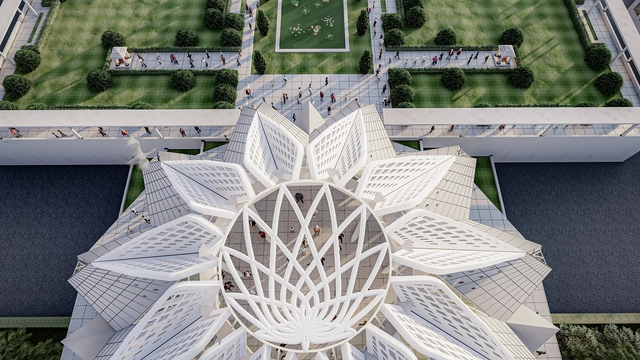
Serie imagines stacked timber pavilion-like offices, Schlaich Bergermann Partner, LAVA, and Latz + Partner design new pedestrian and cycle bridge over the Neckar River in Heidelberg, Germany and Aidia Studio create an Oculus in the Emirati desert. Other competition entries include a landscaped avenue by ZXD Architects in Hangzhou, a community school in Egypt by Hand Over, a winning pavilion for the Singapore’s Archifest 2020 by ADDP Architects and OWIU Design Studio; and a Baha’i House of Worship by SpaceMatters in India.

A Post-Pandemic Futuristic Middle School and a Super Green Campus in Shenzhen: 12 Unbuilt Projects Submitted by our Readers - Image 12 of 4A Post-Pandemic Futuristic Middle School and a Super Green Campus in Shenzhen: 12 Unbuilt Projects Submitted by our Readers - Image 30 of 4A Post-Pandemic Futuristic Middle School and a Super Green Campus in Shenzhen: 12 Unbuilt Projects Submitted by our Readers - Image 45 of 4A Post-Pandemic Futuristic Middle School and a Super Green Campus in Shenzhen: 12 Unbuilt Projects Submitted by our Readers - Image 68 of 4A Post-Pandemic Futuristic Middle School and a Super Green Campus in Shenzhen: 12 Unbuilt Projects Submitted by our Readers - More Images+ 65