1. ArchDaily
  2. Monastery

Monastery: The Latest Architecture and News

MVRDV Receives Approval for Plum Village Buddhist Monastery Renovations in France

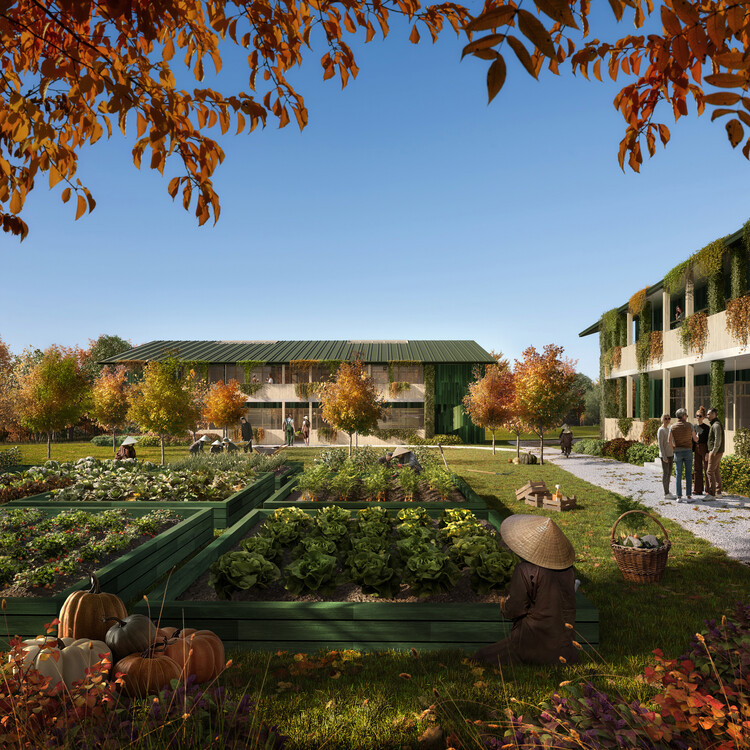
The Plum Village Buddhist Monastery in southern Dordogne, France, has received construction approval for the first phase of its ongoing collaboration with Dutch architecture studio MVRDV. The approvals cover the Upper Hamlet masterplan phase, including the construction of new guest houses and the renovation and expansion of the monastery's bookshop, as well as a new nunnery building at the Lower Hamlet. Developed in collaboration with co-architect MoonWalkLocal and consultants OTEIS, VPEAS, and Emacoustic, the wider project includes two masterplans for the Monastery's Upper and Lower Hamlets, four communal guest houses, a new nunnery, and the transformation of an existing bookshop. Working on a non-profit basis, the design team prioritises renovation alongside the use of circular and bio-based materials, aligning the architectural approach with the monastery's philosophical principles. The proposed additions aim to better accommodate the annual visitors who travel to Plum Village to engage with the teachings of Engaged Buddhism.

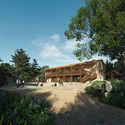
MVRDV Receives Approval for Plum Village Buddhist Monastery Renovations in France - Image 1 of 4MVRDV Receives Approval for Plum Village Buddhist Monastery Renovations in France - Image 2 of 4MVRDV Receives Approval for Plum Village Buddhist Monastery Renovations in France - Image 3 of 4MVRDV Receives Approval for Plum Village Buddhist Monastery Renovations in France - Image 4 of 4MVRDV Receives Approval for Plum Village Buddhist Monastery Renovations in France - More Images+ 45

Monasteries in Transformation: 8 Projects that Redefine Architecture and Devotion

Monasticism emerged from a deep impulse to withdraw—a radical pursuit of spirituality and transcendence. The word itself comes from the Greek μόνος (mónos), meaning “alone,” reflecting the ideal of the holy hermit who retreats from the world to dedicate life entirely to the divine. By the late 3rd century, in Egypt and Palestine, the first Christian monks began to follow this path, creating ways of life that would later give rise to a distinct architecture centered on seclusion.

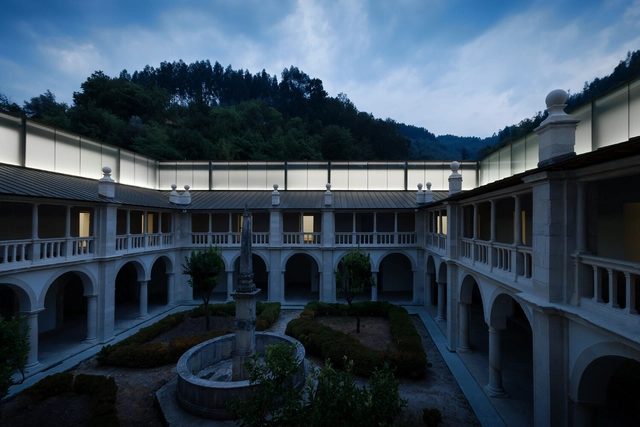
Centuries later, however, this legacy faces an uncertain fate. With the decline of religious vocations from the 1960s onward, countless convents and monasteries were sold, destroyed, or repurposed as hotels, cultural centers, or residences. Even the few that maintain their original function often lack structural updates to meet contemporary needs. In this context, architecture assumes a crucial role: how can these spaces be renovated and reused without becoming mere sets, stripped of the spirituality and memory that once defined them?

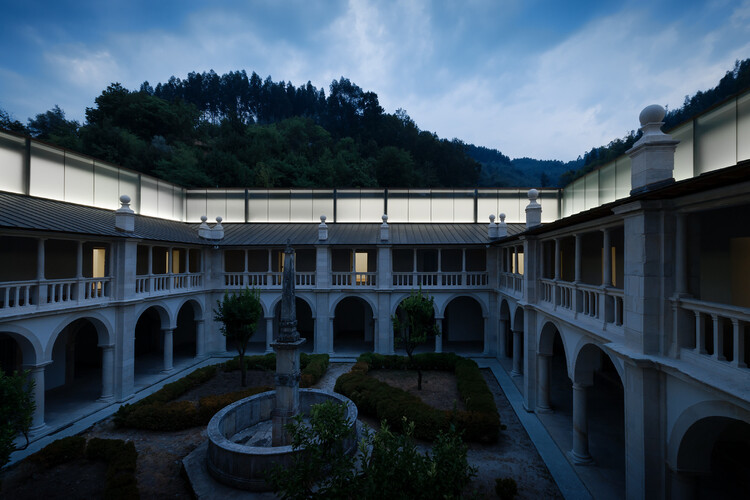
Monasteries in Transformation: 8 Projects that Redefine Architecture and Devotion - Image 1 of 4Monasteries in Transformation: 8 Projects that Redefine Architecture and Devotion - Image 2 of 4Monasteries in Transformation: 8 Projects that Redefine Architecture and Devotion - Image 3 of 4Monasteries in Transformation: 8 Projects that Redefine Architecture and Devotion - Image 4 of 4Monasteries in Transformation: 8 Projects that Redefine Architecture and Devotion - More Images+ 11