1. ArchDaily
  2. SO-IL

SO-IL: The Latest Architecture and News

What Textiles and Translucency Bring to Public Space: 5 Lightweight Interventions

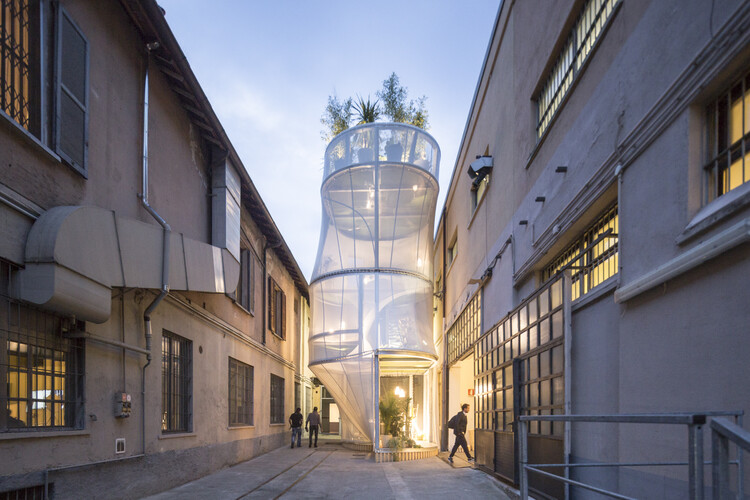
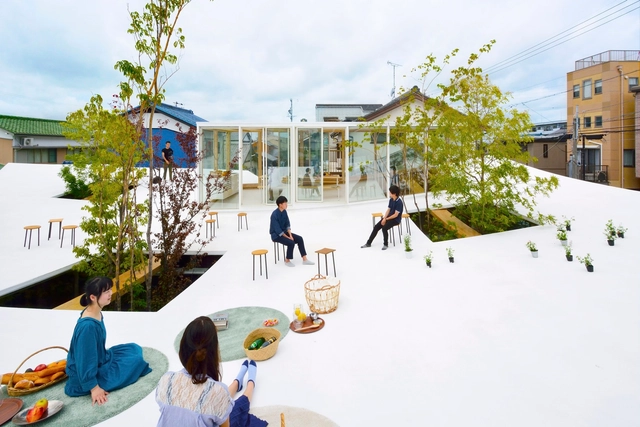
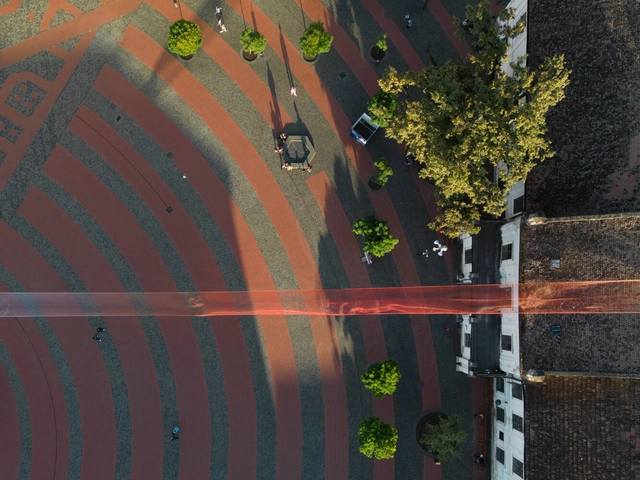
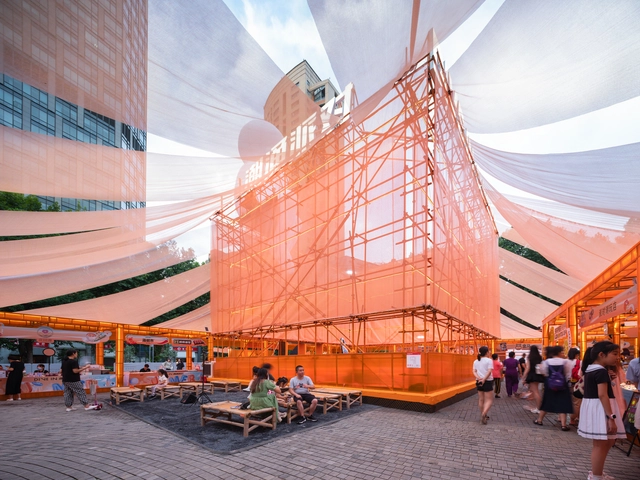
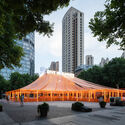
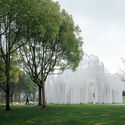
What do lightweight materials bring to public space with an ethical, ecological, and non-extractive design principle? Various textile textures offer a point of entry, being closer to the body than heavy conventional structural materials. Through its flexibility and responsiveness, it enables a form of soft enclosure rather than a fixed boundary in architectural space. Responding to minimal environmental stimuli, the fabric brings continuous movements into space. When layered or assembled, it produces gradations of density, depth, and enclosure, while recent innovative fabrication technologies extend the possibilities of its form and structural durability.

Semi-transparent materials further mediate the conditions of visual permeability and bodily experience of the space. By transmitting and filtering light, they blur clear separations between interior and exterior, solid and void, creating thresholds that are neither fully open nor fully enclosed, but constantly in negotiation. Reinterpreting structure in urban space through lightweight, translucency, and softness opens up alternative modes of spatial perception and bodily engagement.
What Textiles and Translucency Bring to Public Space: 5 Lightweight Interventions - Image 1 of 4What Textiles and Translucency Bring to Public Space: 5 Lightweight Interventions - Image 2 of 4What Textiles and Translucency Bring to Public Space: 5 Lightweight Interventions - Image 3 of 4What Textiles and Translucency Bring to Public Space: 5 Lightweight Interventions - Image 4 of 4What Textiles and Translucency Bring to Public Space: 5 Lightweight Interventions - More Images+ 15

What Fits in the Void? Terrain Vague and Cities That Resist Planning

Subscriber Access | 

Every city carries, woven into its fabric, fissures that resist capture: ruins, vacant lots, leftover infrastructures, and gaps that persist at the margins of the official narrative. These are places that slip through the logics of planning, emerging as unexpected counter-scenes within a territory that seeks to present itself as coherent.

In the rush to organize and predict, we rarely pause to notice what emerges from such unforeseen conditions. Yet it is precisely in them that new forms of urban life begin to take shape. Free from pragmatic control or predetermined codes of conduct, these spaces reveal another layer of the city — one that, in its continual state of latency, opens room for new modes of appropriation.

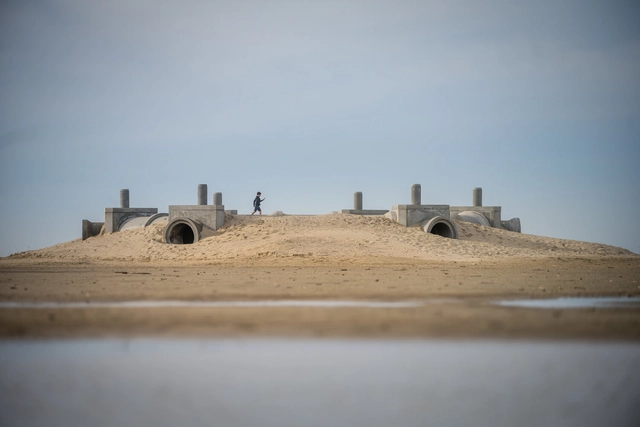
What Fits in the Void? Terrain Vague and Cities That Resist Planning - Image 1 of 4What Fits in the Void? Terrain Vague and Cities That Resist Planning - Image 2 of 4What Fits in the Void? Terrain Vague and Cities That Resist Planning - Image 3 of 4What Fits in the Void? Terrain Vague and Cities That Resist Planning - Image 4 of 4What Fits in the Void? Terrain Vague and Cities That Resist Planning - More Images+ 8

Rethinking the Flat Datum: Designing Space with Incline and Intent

Subscriber Access | 

Historically, architecture and the built environment have insisted on creating flat, hard surfaces. In earlier eras, walking without paved ground meant mud-caked shoes, uneven footing, tripping hazards, standing water after rain, and high maintenance. Hence, as we shaped cities, we prioritized a smooth, continuous, solid horizontal datum. The benefits are real: easier walking, simpler cleaning, and straightforward programming—furniture, equipment, and partitions all prefer a level base. This universal preference for building on flat ground remains the norm and, for many practical reasons, will likely continue to be.

What's less recognized is that making a truly flat surface is surprisingly difficult—and many well-executed "flat" floors aren't perfectly flat at all. They are often gently sloped, calibrated to precise gradients for drainage. While interior spaces do not always require this, many ground floors and wet areas do incorporate subtle inclines as a safeguard—whether for minor flooding or to manage water that overflows from the street or plumbing when one of the discharge systems is malfunctioning.

Rethinking the Flat Datum: Designing Space with Incline and Intent - Image 1 of 4Rethinking the Flat Datum: Designing Space with Incline and Intent - Image 2 of 4Rethinking the Flat Datum: Designing Space with Incline and Intent - Image 3 of 4Rethinking the Flat Datum: Designing Space with Incline and Intent - Image 4 of 4Rethinking the Flat Datum: Designing Space with Incline and Intent - More Images+ 49

Discover the Full List of Special Projects and Participants of the 2025 Venice Architecture Biennale

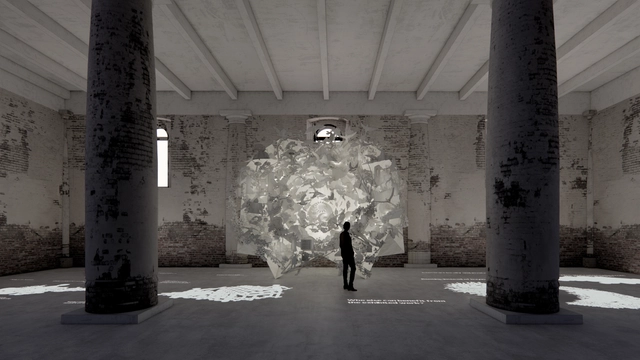
The 19th International Architecture Exhibition, organised by La Biennale di Venezia under Carlo Ratti's curatorship and the theme "Intelligens. Natural. Artificial. Collective," is set to transform Venice into a "Living Laboratory" of experimentation and collaboration. This year's special projects extend beyond the exhibition grounds, integrating into various city locations and Forte Marghera in Mestre, providing an alternative perspective that expands the reach of architectural discourse.

The Biennale promises to be a dynamic platform uniting over 750 participants from diverse backgrounds, including architects, engineers, mathematicians, climate scientists, and artists. Such a broad coalition of over 280 projects underlines the Exhibition's focus on inclusivity and interdisciplinary collaboration, an essential aspect for adaptation. The selection process proposed a bottom-up, open call approach through the Space for Ideas initiative, which ran between May and June 2024. It encouraged participation from global teams, from Pritzker Prize winners and Nobel laureates to emerging architects and scientists.

Discover the Full List of Special Projects and Participants of the 2025 Venice Architecture Biennale - Image 1 of 4Discover the Full List of Special Projects and Participants of the 2025 Venice Architecture Biennale - Image 2 of 4Discover the Full List of Special Projects and Participants of the 2025 Venice Architecture Biennale - Image 3 of 4Discover the Full List of Special Projects and Participants of the 2025 Venice Architecture Biennale - Image 4 of 4Discover the Full List of Special Projects and Participants of the 2025 Venice Architecture Biennale - More Images+ 16

Reed Hilderbrand and SO-IL Reimagine San Antonio Botanical Garden with New Pollinator Habitat and Greenhouse

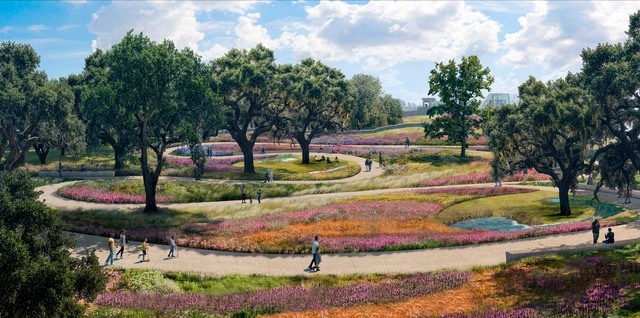
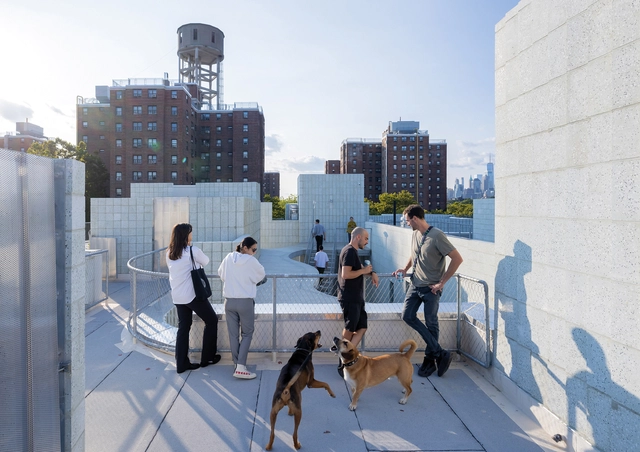
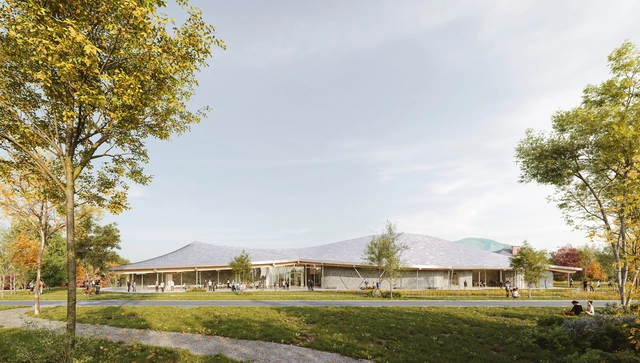
Reed Hilderbrand Landscape Architecture firm has unveiled images of its strategic master plan for Texas' San Antonio Botanical Garden, in the United States. The plan is designed to guide the future of this public landscape, reflecting long-term objectives focused on accessibility, conservation, and horticultural education. The vision includes a new horticultural campus and a public greenhouse for the site, designed by SO-IL, an architectural design firm based in New York whose 450 Warren housing project in Brooklyn was selected by ArchDaily's audience as the Building of the Year 2024 in the Housing category. The master plan aims at a more ecologically sustainable environment while enhancing the visitor experience across the garden's 38-acre landscape.

Reed Hilderbrand and SO-IL Reimagine San Antonio Botanical Garden with New Pollinator Habitat and Greenhouse - Featured ImageReed Hilderbrand and SO-IL Reimagine San Antonio Botanical Garden with New Pollinator Habitat and Greenhouse - Image 1 of 4Reed Hilderbrand and SO-IL Reimagine San Antonio Botanical Garden with New Pollinator Habitat and Greenhouse - Image 2 of 4Reed Hilderbrand and SO-IL Reimagine San Antonio Botanical Garden with New Pollinator Habitat and Greenhouse - Image 3 of 4Reed Hilderbrand and SO-IL Reimagine San Antonio Botanical Garden with New Pollinator Habitat and Greenhouse - More Images

Transforming Historic Industrial Buildings in US Cities: 6 Buildings Adapted For The Contemporary Workspace

Subscriber Access | 

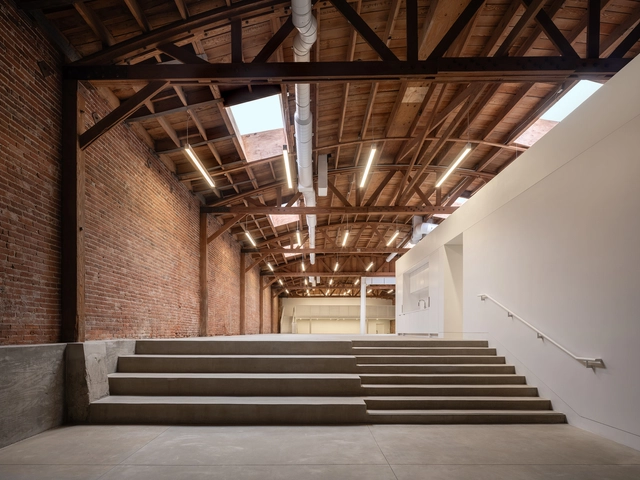
Many major cities in the United States are grappling with large industrial buildings that have fallen into disuse. These buildings hold historical and architectural significance and are often protected from demolition. Consequently, architects face the challenge and responsibility of adapting these buildings to contemporary functionalities. Opting against demolition reflects a sustainable construction approach and highlights the importance of honoring the built heritage.

Transforming Historic Industrial Buildings in US Cities: 6 Buildings Adapted For The Contemporary Workspace - Image 1 of 4Transforming Historic Industrial Buildings in US Cities: 6 Buildings Adapted For The Contemporary Workspace - Image 2 of 4Transforming Historic Industrial Buildings in US Cities: 6 Buildings Adapted For The Contemporary Workspace - Image 3 of 4Transforming Historic Industrial Buildings in US Cities: 6 Buildings Adapted For The Contemporary Workspace - Image 4 of 4Transforming Historic Industrial Buildings in US Cities: 6 Buildings Adapted For The Contemporary Workspace - More Images+ 19

Kengo Kuma, Lina Ghotmeh, and Snøhetta Among the Finalists for the New Kistefos Museum Gallery Competition in Norway

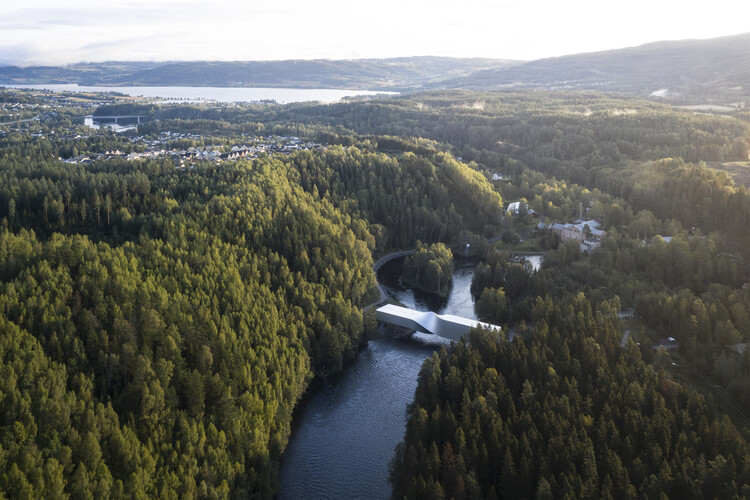
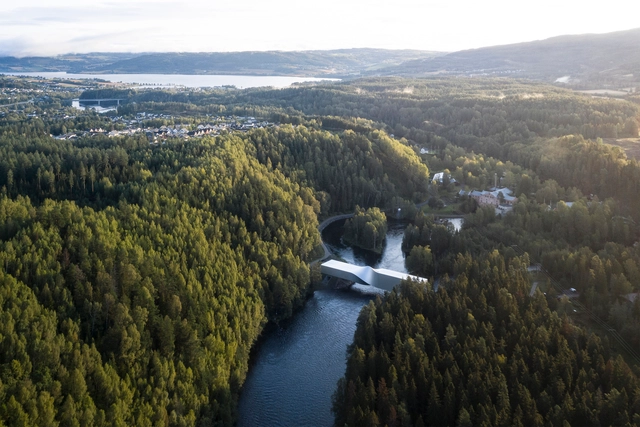
In the autumn of 2024, the Kistefos Museum Foundation invited 28 architectural firms to participate in a prequalification process to design a new site-specific standalone gallery. Scheduled to open in 2031, the new museum building will house the art collection of the museum's founder, Christen Sveaas. The gallery will join Kistefos' sculpture park, which features 55 works by international artists such as Yayoi Kusama, Olafur Eliasson, Fernando Botero, and Anish Kapoor, as well as an industrial museum and BIG's award-winning art gallery, The Twist. Additionally, a new visitor center, designed by the Oslo-based architectural firm Lund Hagem, is set to open in 2026.

Kengo Kuma, Lina Ghotmeh, and Snøhetta Among the Finalists for the New Kistefos Museum Gallery Competition in Norway - Image 1 of 4Kengo Kuma, Lina Ghotmeh, and Snøhetta Among the Finalists for the New Kistefos Museum Gallery Competition in Norway - Image 2 of 4Kengo Kuma, Lina Ghotmeh, and Snøhetta Among the Finalists for the New Kistefos Museum Gallery Competition in Norway - Image 3 of 4Kengo Kuma, Lina Ghotmeh, and Snøhetta Among the Finalists for the New Kistefos Museum Gallery Competition in Norway - Image 4 of 4Kengo Kuma, Lina Ghotmeh, and Snøhetta Among the Finalists for the New Kistefos Museum Gallery Competition in Norway - More Images

Redefining Urban Domesticity: How SO-IL Transforms the Concept of Home

Subscriber Access | 

SO-IL (Solid Objectives – Idenburg Liu) is an architectural design firm based in Brooklyn, New York, founded in 2008 by Florian Idenburg and Jing Liu. Known for an architecture deeply engaged with social, cultural, and environmental contexts, the studio focuses on exploring innovative materials, creating fluid spatial experiences, and prioritizing ecological sustainability. SO-IL's work spans various scales and program types, reflecting their versatile approach to design. In 2024, their housing project 450 Warren in Brooklyn was selected as ArchDaily's Building of the Year by the audience in the housing category.

In their latest book, In Depth: Urban Domesticities Today, SO-IL explores the evolving concept of home in contemporary urban contexts, transforming it "from a source of vulnerability into a tool for empowerment." The book redefines domesticity as an active and shared experience and examines how architects can address pressing urban challenges such as affordability, density, and sustainability. SO-IL's work advocates for flexible, resilient housing that fosters community while integrating ecological and social dimensions. ArchDaily spoke with the architects about the innovative solutions and ideas presented in the book, delving into how their projects challenge conventional systems and envision a future where architecture is a tool for empowerment.

Redefining Urban Domesticity: How SO-IL Transforms the Concept of Home - Image 1 of 4Redefining Urban Domesticity: How SO-IL Transforms the Concept of Home - Image 2 of 4Redefining Urban Domesticity: How SO-IL Transforms the Concept of Home - Image 3 of 4Redefining Urban Domesticity: How SO-IL Transforms the Concept of Home - Image 4 of 4Redefining Urban Domesticity: How SO-IL Transforms the Concept of Home - More Images+ 13

Cover Me Softly: Beta 2024 Explores Architecture as an Act of Copying, Imitating, or Stealing

Subscriber Access | 

The 2024 Beta Architecture Biennial, in Timișoara, Romania, marks the tenth anniversary of this influential event. Curated by Oana Stănescu, this year's biennial, titled "cover me softly," explores the nuanced relationship between originality and influence, challenging conventional notions of copying, imitation, and appropriation. In addition to the Beta Awards, aiming to highlight significant contributions to architecture from across Romania, Hungary, and Serbia, the main exhibition offers a distinctive interpretation of recurring themes of the architectural field.
Cover Me Softly: Beta 2024 Explores Architecture as an Act of Copying, Imitating, or Stealing - Image 1 of 4Cover Me Softly: Beta 2024 Explores Architecture as an Act of Copying, Imitating, or Stealing - Image 2 of 4Cover Me Softly: Beta 2024 Explores Architecture as an Act of Copying, Imitating, or Stealing - Image 3 of 4Cover Me Softly: Beta 2024 Explores Architecture as an Act of Copying, Imitating, or Stealing - Image 4 of 4Cover Me Softly: Beta 2024 Explores Architecture as an Act of Copying, Imitating, or Stealing - More Images+ 16

SO – IL Reveals Design for a New Residential Condominium Project in Brooklyn, New York

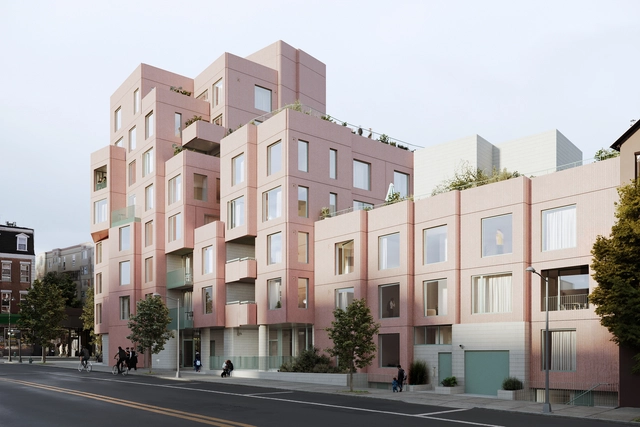
Architecture firm SO – IL has revealed plans for a new residential condominium project planned for Brooklyn's Fort Greene neighborhood. Named 144 Vanderbilt, the development offers 26 condominiums and amenities spanning almost 90,000 square feet. According to SO – IL, the architecture takes cues from Brooklyn's historical heritage, while incorporating a modern twist, as the staggered building prioritizes community interactions and comfortable urban living.

SO – IL Reveals Design for a New Residential Condominium Project in Brooklyn, New York - Image 1 of 4SO – IL Reveals Design for a New Residential Condominium Project in Brooklyn, New York - Image 2 of 4SO – IL Reveals Design for a New Residential Condominium Project in Brooklyn, New York - Image 3 of 4SO – IL Reveals Design for a New Residential Condominium Project in Brooklyn, New York - Image 4 of 4SO – IL Reveals Design for a New Residential Condominium Project in Brooklyn, New York - More Images+ 2

Ephemeral Architectures: Engaging Communities through Temporary Structures

Subscriber Access | 

Ephemeral architectures, characterized by their temporary and flexible nature, have emerged as powerful tools for revitalizing urban spaces and fostering architectural creativity. These transient installations transform public areas, engaging communities, and prompting reflections on the potential futures of our cities. By temporarily transforming environments, ephemeral architectures encourage both architects and the public to reimagine the possibilities of urban living. This dynamic interplay, between the temporary and the permanent, challenges traditional architectural practices and opens up new avenues for sustainable and inclusive urban development.

Ephemeral Architectures: Engaging Communities through Temporary Structures - Image 1 of 4Ephemeral Architectures: Engaging Communities through Temporary Structures - Image 2 of 4Ephemeral Architectures: Engaging Communities through Temporary Structures - Image 3 of 4Ephemeral Architectures: Engaging Communities through Temporary Structures - Image 4 of 4Ephemeral Architectures: Engaging Communities through Temporary Structures - More Images+ 32

The Mies Crown Hall Americas Prize Announces 2024 MCHAP Emerging and Outstanding Projects

The Mies Crown Hall Americas Prize (MCHAP) at the College of Architecture at Illinois Institute of Technology has announced the shortlist of 53 Outstanding projects. The 5th cycle of awards celebrates built works completed in North, Central, and South America in 2022 and 2023, striving to bring visibility to those projects that best address the demands of our time and work towards building resilient communities.

The Mies Crown Hall Americas Prize Announces 2024 MCHAP Emerging and Outstanding Projects - Image 1 of 4The Mies Crown Hall Americas Prize Announces 2024 MCHAP Emerging and Outstanding Projects - Image 2 of 4The Mies Crown Hall Americas Prize Announces 2024 MCHAP Emerging and Outstanding Projects - Image 3 of 4The Mies Crown Hall Americas Prize Announces 2024 MCHAP Emerging and Outstanding Projects - Image 4 of 4The Mies Crown Hall Americas Prize Announces 2024 MCHAP Emerging and Outstanding Projects - More Images+ 19

SO – IL Unveils Design for a Revitalized Arts Campus in the Detroit Marina

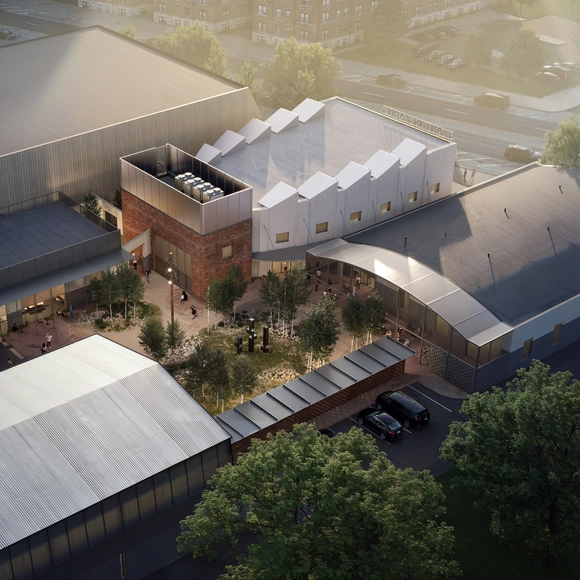
SO-IL, in partnership with Detroit’s Library Street Collective, has revealed the design for a new arts campus in the Stanton Yards marina on the Detroit River. The office is leading the adaptive reuse of four existing pre-war industrial buildings at Stanton Yards with the aim of creating a campus for arts organizations, creative retail, artist studios, and independent hospitality ventures along the waterfront. The master plan for the 13-acre site is led by design firm OSD (Office of Strategy + Design), a development that strives to transform the now-disused waterfront area into a 'dynamic cultural amenity' with over 80,000 square feet of commercial and creative space, 85 boat slips, and programmed waterfront parks. The project aims to expand upon the program of Detroit's Little Village, a diverse arts neighborhood recognized for its cultural and artistic scene.

Spaces of Possibility: Unveiling the Installations of Bruges Triennale 2024

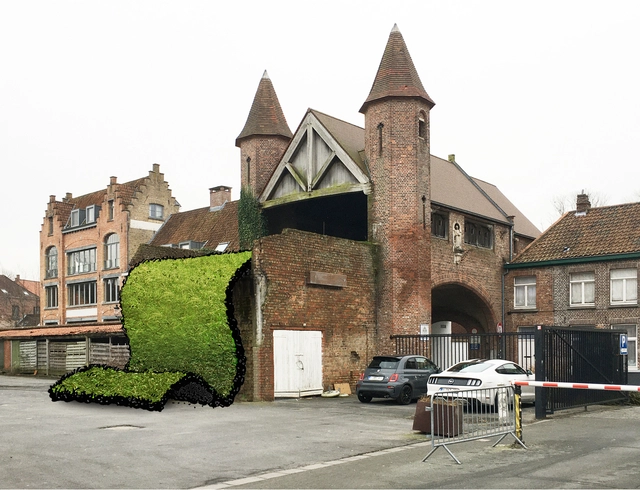
The fourth edition of the Bruges Triennial: Spaces of Possibility, curated by Shendy Gardin and Sevie Tsampalla, will be held from Saturday 13 April to Sunday 1 September 2024. This event promises to transform the streets and historic center of Bruges, Belgium, into a showcase of contemporary art and architectural interventions. With a focus on exploring the latent potential of this UNESCO World Heritage Site, the festival raises questions about how concepts like change and sustainability can interact with preservation.

The 12 selected artists and architects have been prompted to challenge the existing spaces within Bruges. Among the invited names are Boonserm Premthada’s Bangkok Project Studio, Mona Hatoum, Studio Ossidiana, and Sumayya Vally, founder of Counterspace and curator of the first Islamic Arts Biennale, among others. Until September 1st, they are presenting temporary interventions and large-scale installations that seek to reveal the hidden potential of the city, echoing the festival's theme. Against the backdrop of Bruges' rich history, this edition of the Bruges Triennial underscores the importance of adaptable urban spaces in today's ever-evolving world.

Spaces of Possibility: Unveiling the Installations of Bruges Triennale 2024 - Image 1 of 4Spaces of Possibility: Unveiling the Installations of Bruges Triennale 2024 - Image 2 of 4Spaces of Possibility: Unveiling the Installations of Bruges Triennale 2024 - Image 3 of 4Spaces of Possibility: Unveiling the Installations of Bruges Triennale 2024 - Image 4 of 4Spaces of Possibility: Unveiling the Installations of Bruges Triennale 2024 - More Images+ 10

SO–IL Designs a Teaching Museum of Art for Williams College in the United States

Brooklyn-based firm SO-IL has revealed the design for a new campus art museum at Williams College in Massachusetts, created to become a primary teaching resource for the institution renowned for its art history program. Since its inauguration in 1926, the Williams College Museum of Art has gathered an expansive collection of over 15,000 works. Through the design of SO-IL, the museum will be able to move into its first freestanding purpose-built home. In May 2024, the museum will present an exhibition on SO-IL’s design.

SO–IL Designs a Teaching Museum of Art for Williams College in the United States - Image 1 of 4SO–IL Designs a Teaching Museum of Art for Williams College in the United States - Image 2 of 4SO–IL Designs a Teaching Museum of Art for Williams College in the United States - Image 3 of 4SO–IL Designs a Teaching Museum of Art for Williams College in the United States - Image 4 of 4SO–IL Designs a Teaching Museum of Art for Williams College in the United States - More Images+ 13

Sumayya Vally, SO-IL, and Studio Ossidiana Are among the Invited Artists and Architects at Triennial Bruges 2024

The Bruges Triennial 2024 has announced its theme, “Space of Possibility,” along with a list of participating artists and architects and the locations of the 12 installations. Running from Saturday 13 April to Sunday 1 September 2024, the event will take over the streets and historic center of Bruges. Belgium, showcasing contemporary art and architectural interventions. The curators of this edition, Shendy Gardin and Sevie Tsampalla, have selected a list of 12 artists and architects who will challenge the existing locations within the city’s quarters in response to the theme which asks them to seek to reveal the hidden potential of the city.

Sumayya Vally, SO-IL, and Studio Ossidiana Are among the Invited Artists and Architects at Triennial Bruges 2024 - Image 1 of 4Sumayya Vally, SO-IL, and Studio Ossidiana Are among the Invited Artists and Architects at Triennial Bruges 2024 - Image 2 of 4Sumayya Vally, SO-IL, and Studio Ossidiana Are among the Invited Artists and Architects at Triennial Bruges 2024 - Image 3 of 4Sumayya Vally, SO-IL, and Studio Ossidiana Are among the Invited Artists and Architects at Triennial Bruges 2024 - Image 4 of 4Sumayya Vally, SO-IL, and Studio Ossidiana Are among the Invited Artists and Architects at Triennial Bruges 2024 - More Images+ 15

"The Idea of Elasticity and the Pliability of the Architectural Grid is a Fundamental Aspect of Our Thinking ": Florian Idenburg on Their Work With SO–IL

Subscriber Access | 

Fortunately, architecture has the power to solve numerous issues of the modern world and how we live in it, and there are infinite ways of doing so. However, not all architecture is effective in providing solutions while also being sensitive and thought-provoking. With a portfolio that is getting richer every year, SO–IL, an architecture practice based in New York City, has proven that buildings can actually do this and much more.

"The Idea of Elasticity and the Pliability of the Architectural Grid is a Fundamental Aspect of Our Thinking ": Florian Idenburg on Their Work With SO–IL - Image 1 of 4"The Idea of Elasticity and the Pliability of the Architectural Grid is a Fundamental Aspect of Our Thinking ": Florian Idenburg on Their Work With SO–IL - Image 2 of 4"The Idea of Elasticity and the Pliability of the Architectural Grid is a Fundamental Aspect of Our Thinking ": Florian Idenburg on Their Work With SO–IL - Image 3 of 4"The Idea of Elasticity and the Pliability of the Architectural Grid is a Fundamental Aspect of Our Thinking ": Florian Idenburg on Their Work With SO–IL - Image 4 of 4The Idea of Elasticity and the Pliability of the Architectural Grid is a Fundamental Aspect of Our Thinking : Florian Idenburg on Their Work With SO–IL - More Images+ 11

Interstitial Spaces and Public Life, the Overlooked Interventions that Weave our Built Environment

Throughout the years, urban settings have been shifting and taking on new forms. Workspaces became more flexible, home-based offices are common and the increasing costs of housing have led to changes in the way dwellings are designed and built; while turning us towards public and communal outdoor areas for leisurely activities and social gatherings. Our shifting lifestyles are therefore shaping a new urban landscape that’s influencing the way we conceive and use these spaces. Despite everything, some smaller and often unrecognized typologies have persisted and remain as necessary as they’d always been.

They are not places of defined function, yet they still host valuable instances within our day-to-day lives. The latter are the Interstitial (or In-between) spaces, that act as buffers to, and link our private spaces to the public and functional buildings or landscapes. They are the hallways, waiting areas, elevators, staircases, entrances, and transitional zones weave our built environment together. 

Interstitial Spaces and Public Life, the Overlooked Interventions that Weave our Built Environment - Image 1 of 4Interstitial Spaces and Public Life, the Overlooked Interventions that Weave our Built Environment - Image 2 of 4Interstitial Spaces and Public Life, the Overlooked Interventions that Weave our Built Environment - Image 3 of 4Interstitial Spaces and Public Life, the Overlooked Interventions that Weave our Built Environment - Image 4 of 4Interstitial Spaces and Public Life, the Overlooked Interventions that Weave our Built Environment - More Images+ 14