1. ArchDaily
  2. smart city

smart city: The Latest Architecture and News

UNS Designs a 10-Minute Walkable City Master Plan for Multigenerational Living in Seoul, South Korea

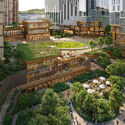
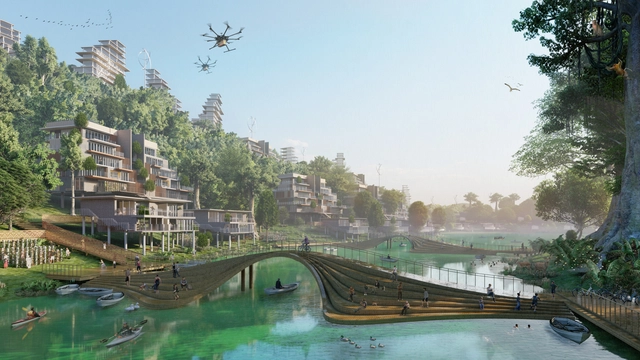
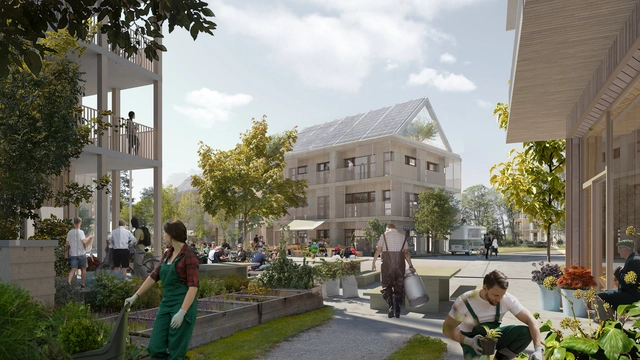
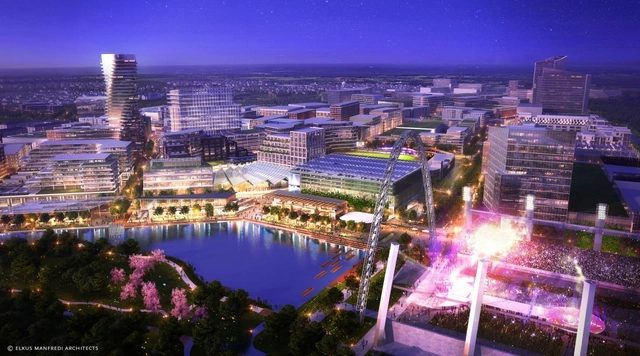
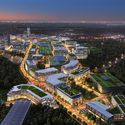
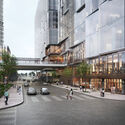
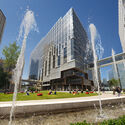
UNS has revealed images of SeoulOne, a master plan designed for Hyundai Development Company (HDC) in Seoul, South Korea, intended as a new model for multigenerational living. The project, already under construction on a brownfield site in the northeast of the city, reimagines an existing industrial site and railway area as a 405,000 m² car-free neighborhood for a multigenerational community. A never-sleeping, green master plan for Seoul, SeoulOne is envisioned as a mixed-use mini-city where all essential services for people of all ages are available within a 10-minute walk. The design includes 24/7 residential towers, retail spaces, offices, a hotel, sports facilities, daycare centers, senior living facilities, and a medical center, offering permanent services within walking distance. More than 30% of the site is dedicated to vegetation, including pocket parks, roof gardens, water gardens, and a forest walk, creating a year-round green village.
UNS Designs a 10-Minute Walkable City Master Plan for Multigenerational Living in Seoul, South Korea - Image 1 of 4UNS Designs a 10-Minute Walkable City Master Plan for Multigenerational Living in Seoul, South Korea - Image 2 of 4UNS Designs a 10-Minute Walkable City Master Plan for Multigenerational Living in Seoul, South Korea - Image 3 of 4UNS Designs a 10-Minute Walkable City Master Plan for Multigenerational Living in Seoul, South Korea - Image 4 of 4UNS Designs a 10-Minute Walkable City Master Plan for Multigenerational Living in Seoul, South Korea - More Images+ 6

National Athletics Centre – Transforming Budapest's Rust Belt into a Vibrant Community Space

 | Sponsored Content

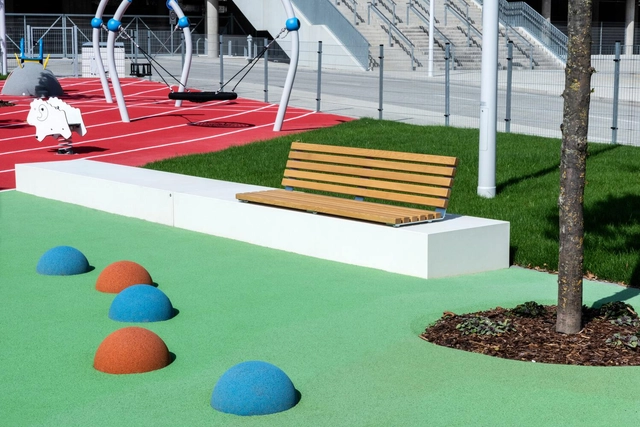
The National Athletics Centre in Budapest marks a significant milestone in urban regeneration and architectural innovation. Located on a former industrial site along the Danube, this transformative project revitalizes a neglected brownfield into a vibrant hub for sports, recreation, and community engagement. Designed by Marcel FERENCZ, architect at NAPUR Architect Ltd., with landscape design created by S-TÉR and several hundred pieces of furniture from VPI Concrete, the Centre is a cornerstone for connecting North Csepel to the city and fostering urban development.

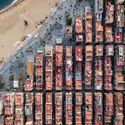
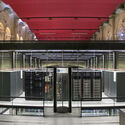
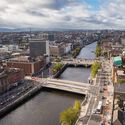
The Future of Smart Cities: How Digital Technologies are Transforming Urban Living in Barcelona and Dublin

Subscriber Access | 

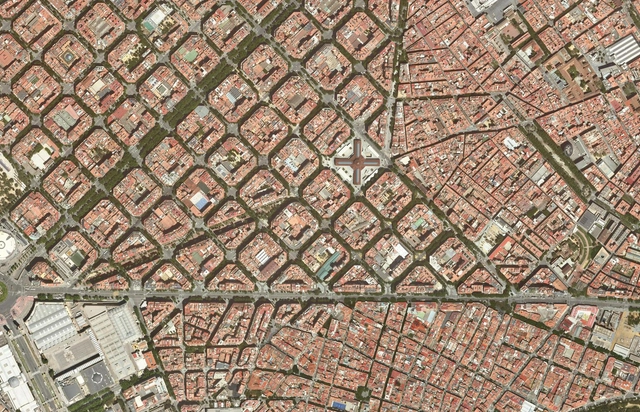
As the world witnesses an unprecedented exodus from rural to urban areas, cities face a monumental challenge: how to accommodate a constantly growing population? This phenomenon, characterized by rapid population growth and increasing density, puts pressure on resources, infrastructure, and urban services. As significant problems demand even larger solutions, it becomes necessary, more than ever, to rethink the tools at our disposal. In this challenging context, the rise of emerging technologies such as the Internet of Things (IoT), data analytics, and artificial intelligence (AI) presents itself as a light at the end of the tunnel. These technologies, initially conceived to simplify everyday tasks and facilitate communication, are potential instruments that enable an effective response to contemporary urban challenges.

The Future of Smart Cities: How Digital Technologies are Transforming Urban Living in Barcelona and Dublin - Image 5 of 4The Future of Smart Cities: How Digital Technologies are Transforming Urban Living in Barcelona and Dublin - Image 2 of 4The Future of Smart Cities: How Digital Technologies are Transforming Urban Living in Barcelona and Dublin - Image 1 of 4The Future of Smart Cities: How Digital Technologies are Transforming Urban Living in Barcelona and Dublin - Image 4 of 4The Future of Smart Cities: How Digital Technologies are Transforming Urban Living in Barcelona and Dublin - More Images+ 4

MVRDV Announces New Residential Complex for Tencent’s Campus in Shenzhen, China

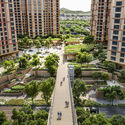
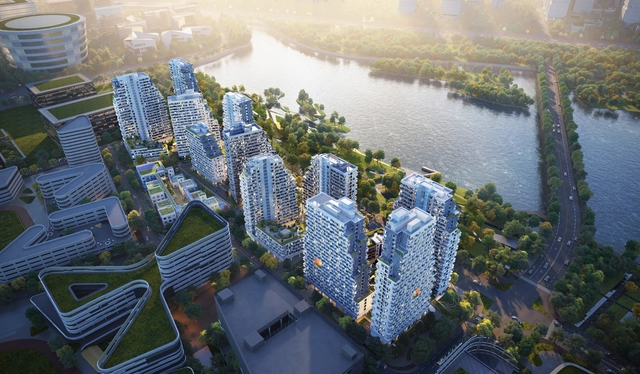
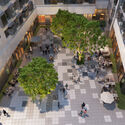
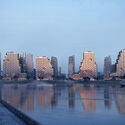
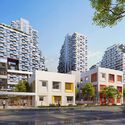
MVRDV has revealed a large-scale residential complex to take shape as part of a new smart city campus built by technology company Tencent in Qianhai Bay, Shenzhen, China. MVRDV’s intervention, named Tencent P5, is comprised of 11 apartment towers arranged around four courtyards. The project also includes amenities such as an adjacent kindergarten, to offer all the necessary facilities for the company’s employees. Construction began in early 2022 and is scheduled for completion in 2024.

MVRDV Announces New Residential Complex for Tencent’s Campus in Shenzhen, China - Image 1 of 4MVRDV Announces New Residential Complex for Tencent’s Campus in Shenzhen, China - Image 2 of 4MVRDV Announces New Residential Complex for Tencent’s Campus in Shenzhen, China - Image 3 of 4MVRDV Announces New Residential Complex for Tencent’s Campus in Shenzhen, China - Image 4 of 4MVRDV Announces New Residential Complex for Tencent’s Campus in Shenzhen, China - More Images+ 8

Designing Smart Cities: A Human-Centered Approach

By 2025, Frost and Sullivan, a market research company, has predicted that there will be at least 26 fully-fledged major smart cities around the world. While some still think that as our cities get more intelligent, they will resemble sci-fi futuristic movies, the reality is that the quality of life in these cities will drastically improve. Cities are set to become more efficient with better services. Nevertheless, before reaching these ideals, let us go back on the process itself, and evaluate the challenges that we might face.

Because the concept of smart cities is still very new, with rare finalized and implemented projects, the topic is still unclear. Although big titles and strategies are well defined, the on-ground application is still uncertain, giving us the opportunity to question its planning process. In fact, how can we go wrong when designing smart cities? What key element are we failing to address in the planning phase?  

Stefano Boeri Designs the Tirana Riverside Neighborhood, Tackling post COVID-19 Needs

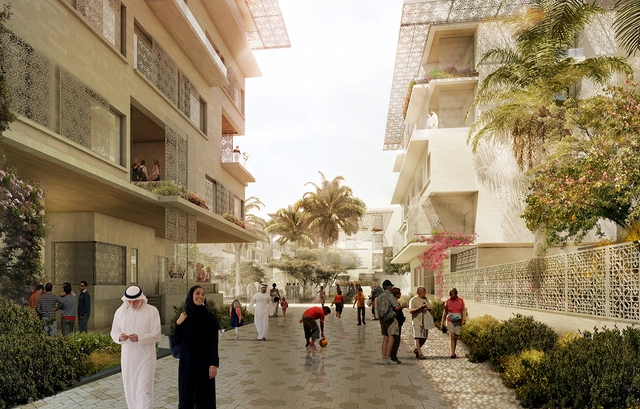
Stefano Boeri Architetti has unveiled its recent scheme for Tirana Riverside, in the Albanian capital. Tackling post-COVID 19 needs, the imagined neighbourhood, a first of its kind in Europe, is a technologically-advanced, green and sustainable novelty, designed in agreement with the Government and the City Authorities.

Goldreed Industrial Design Award 2020 (1st edition)

GIDA 2020 - Goldreed Industrial Design Award - is the new international design award sponsored by the Xiongan Future Industrial Design Institute, with the aim of promoting at an international level the concept of “harmony” applied to design.

The Fundamental Role of AI in Current Post-War Reconstruction

In a world devastated by war and destruction, new ideas for future reconstruction of cities are emerging. The latest technologies are creating opportunities to shape better built environments and better urban experiences. While the world has had its fair share of failed attempts of post-war reconstruction, the 21st century is promising concepts more in touch with culture, integration, and sustainability.

As we all know, technology is the game-changer of this century. It has ultimately modified how we design and build, and with the development of Artificial Intelligence, boundaries have been pushed furthermore. Able to transform the environment we live in, AI can also help shape a better version of the environment we have lost.

The Fundamental Role of AI in Current Post-War Reconstruction - Image 1 of 4The Fundamental Role of AI in Current Post-War Reconstruction - Image 2 of 4The Fundamental Role of AI in Current Post-War Reconstruction - Image 3 of 4The Fundamental Role of AI in Current Post-War Reconstruction - Image 4 of 4The Fundamental Role of AI in Current Post-War Reconstruction - More Images+ 6

An Indonesian Smart City Design and a Contemporary Art School in Vienna: 10 Unbuilt Projects Submitted by our Readers

Subscriber Access | 

Presented part of international competitions, this week’s best-unbuilt architecture gathers award-winning projects submitted by our readers. Highlighting as usual diverse approaches from across the globe, ArchDaily is rounding up in this article, a curated selection of cultural, civic, and urban proposals.

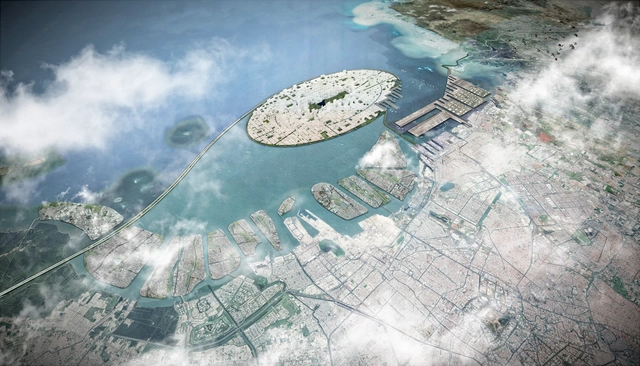
In Singapore, an adaptive reuse project transforms a power station into a creative industrial hub, while in Indonesia, a smart city design for the new capital generates an ecologically responsible environment. Moreover, Kjellander Sjöberg designs and develops an original city block in Stockholm, and TheeAe imagines a city hall for China. Other proposals include an entire reflective surface for a public square in Italy, a new city district in Tampere Finland, a University building in Warsaw, and a school for contemporary art in Vienna.

White Arkitekter + ReGen Villages Create First Circular, Self-Sufficient Communities for Sweden

White Arkitekter, in collaboration with Silicon Valley-based ReGen Villages, have joined forces to create fully circular, self-sufficient and resilient communities in Sweden. Inspired by computer games, the project puts in place organic food production, locally produced and stored energy, comprehensive recycling, and climate positive buildings.

Smart Cities Paving the Way to a Smart Future

The “smart” movement has gained traction and generated buzz over the last decade, but despite all of the hype, what even is a smart city? The dogma behind its loose definition and goals has been rather elusive, and while some claim that it relies on digitization of all urban aspects, others argue an increase in personal data collection is the sole method for improving urban lifestyles. One person’s digital paradise is perhaps another person’s technophobic doomsday. Extending beyond the mere definition of these cities, what role do designers and researchers play in creating this loosely identified futuristic landscape? As Corbusier once defined a home as a machine for living, it’s time to redefine how our buildings shed their passive exteriors and become the true machines for working that they were always meant to be.

Reparametrize Studio Envisions the Future of Post-War Smart City

Reparametrize Studio has followed up their ongoing research “Re-Coding Post-War Syria”, with a project that focuses on analyzing the damaged fabric of post-war cities through 3D scanning technologies. Taking a Street in Zamalka Town in Damascus, Syria as a case study, the investigation can distinguish the areas in need of reconstruction from the areas in useful conditions.

Reparametrize Studio Envisions the Future of Post-War Smart City - Image 1 of 4Reparametrize Studio Envisions the Future of Post-War Smart City - Image 2 of 4Reparametrize Studio Envisions the Future of Post-War Smart City - Image 3 of 4Reparametrize Studio Envisions the Future of Post-War Smart City - Image 4 of 4Reparametrize Studio Envisions the Future of Post-War Smart City - More Images+ 9

PAU Unveils Human-Centered Carbon Neutral Master Plan for Sunnyside Yard in Western Queens

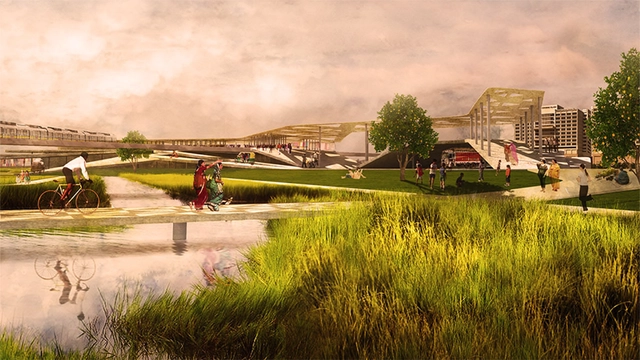
PAU or Practice for Architecture and Urbanism, a multi-disciplinary design and planning firm founded by Vishaan Chakrabarti, created a revitalization plan for Sunnyside Yard in western Queens, New York. Envisioning a more equitable and sustainable future, the 180-acre human-centered carbon-neutral master plan reflects the community’s needs.

PAU Unveils Human-Centered Carbon Neutral Master Plan for Sunnyside Yard in Western Queens  - Image 1 of 4PAU Unveils Human-Centered Carbon Neutral Master Plan for Sunnyside Yard in Western Queens  - Image 2 of 4PAU Unveils Human-Centered Carbon Neutral Master Plan for Sunnyside Yard in Western Queens  - Image 3 of 4PAU Unveils Human-Centered Carbon Neutral Master Plan for Sunnyside Yard in Western Queens  - Image 4 of 4PAU Unveils Human-Centered Carbon Neutral Master Plan for Sunnyside Yard in Western Queens  - More Images+ 2

UNSense Develops an Adaptive Neighborhood of 100 Homes, part of UNStudio Brainport Smart District Master Plan

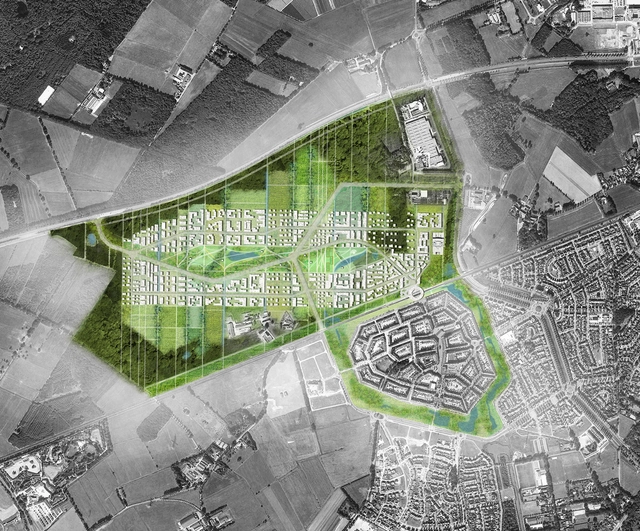
UNSense, the arch-tech company founded by UNStudio, is one step closer to the realization of the "100 Homes Project" after a successful feasibility study. Commissioned by the Brainport Smart District Foundation, the project is a collaboration between many different actors.

UNSense Develops an Adaptive Neighborhood of 100 Homes, part of UNStudio Brainport Smart District Master Plan - Image 1 of 4UNSense Develops an Adaptive Neighborhood of 100 Homes, part of UNStudio Brainport Smart District Master Plan - Image 2 of 4UNSense Develops an Adaptive Neighborhood of 100 Homes, part of UNStudio Brainport Smart District Master Plan - Image 3 of 4UNSense Develops an Adaptive Neighborhood of 100 Homes, part of UNStudio Brainport Smart District Master Plan - Image 4 of 4UNSense Develops an Adaptive Neighborhood of 100 Homes, part of UNStudio Brainport Smart District Master Plan - More Images+ 12

Carlo Ratti Associati Reveals New Vision Plan for Lugano’s Waterfront

Designed by CRA- Carlo Ratti Associati and MIC-Mobility in Chain, the proposed plan for the Swiss city Lugano creates a network of public spaces, that connects the town to the lake. The project puts in place a floating garden and a reconfigurable waterfront.

Carlo Ratti Associati Reveals New Vision Plan for Lugano’s Waterfront - Image 1 of 4Carlo Ratti Associati Reveals New Vision Plan for Lugano’s Waterfront - Image 2 of 4Carlo Ratti Associati Reveals New Vision Plan for Lugano’s Waterfront - Image 3 of 4Carlo Ratti Associati Reveals New Vision Plan for Lugano’s Waterfront - Image 4 of 4Carlo Ratti Associati Reveals New Vision Plan for Lugano’s Waterfront - More Images+ 5

MVRDV Reveals a Smart City Proposal for the Tencent Headquarters Campus in Qianhai Bay

MVRDV has just released images of the firm’s competition entry for the next Tencent headquarters campus, located in Qianhai Bay, Shenzhen. Highlighting the green potential of Smart City Technology, the project imagines an entire urban district including offices, homes for Tencent employees, commercial units, public amenities, schools, and a conference center.

MVRDV Reveals a Smart City Proposal for the Tencent Headquarters Campus in Qianhai Bay  - Image 1 of 4MVRDV Reveals a Smart City Proposal for the Tencent Headquarters Campus in Qianhai Bay  - Image 2 of 4MVRDV Reveals a Smart City Proposal for the Tencent Headquarters Campus in Qianhai Bay  - Image 3 of 4MVRDV Reveals a Smart City Proposal for the Tencent Headquarters Campus in Qianhai Bay  - Image 4 of 4MVRDV Reveals a Smart City Proposal for the Tencent Headquarters Campus in Qianhai Bay  - More Images+ 21