1. ArchDaily
  2. Stefano Boeri Architetti

Stefano Boeri Architetti: The Latest Architecture and News

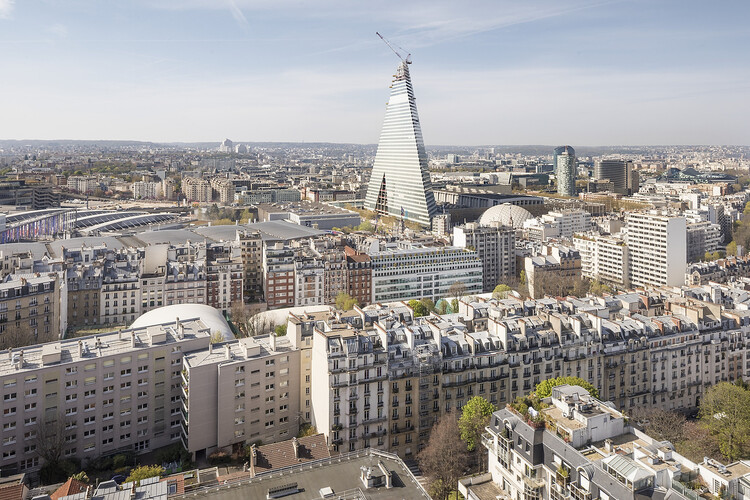
Herzog & de Meuron's Nearly Completed Triangle Tower and OMA's Urban Vision for Rome: This Week's Review

This week, we revisited the ideas currently shaping the design of 21st-century cities, with a view toward a longer timeframe than that which characterised modern design. These examples of today's urban design point toward the cities of tomorrow, seeking to reflect collective memory and social identity while addressing the climate challenges we face today. From a new museum in Panama drawing on Latin American architectural tradition to an inflatable installation on Paris's oldest bridge over the Seine, built and not-yet-built projects rescue architecture as a repository of collective memory, while others explore its transformative potential through the lens of contemporary well-being. In this weekly news compilation, we present ongoing projects from Panama, numerous African countries, France, Canada, Italy, Australia, and the United States.

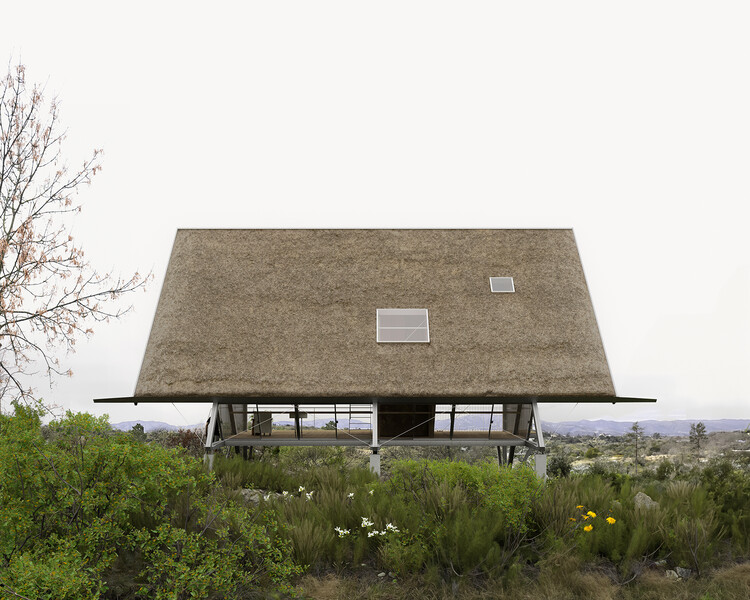
Herzog & de Meuron's Nearly Completed Triangle Tower and OMA's Urban Vision for Rome: This Week's Review - Image 1 of 4Herzog & de Meuron's Nearly Completed Triangle Tower and OMA's Urban Vision for Rome: This Week's Review - Image 2 of 4Herzog & de Meuron's Nearly Completed Triangle Tower and OMA's Urban Vision for Rome: This Week's Review - Image 3 of 4Herzog & de Meuron's Nearly Completed Triangle Tower and OMA's Urban Vision for Rome: This Week's Review - Image 4 of 4Herzog & de Meuron's Nearly Completed Triangle Tower and OMA's Urban Vision for Rome: This Week's Review - More Images+ 30

Stefano Boeri Architetti Converts Former Rome Transit Depot Into Multifunctional Civic Space

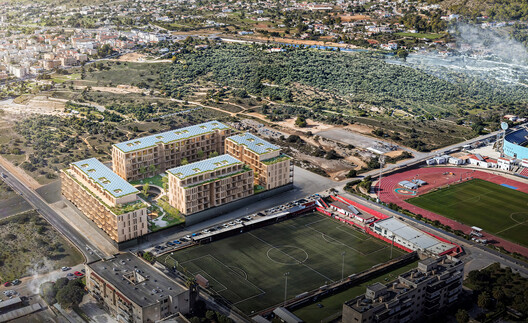
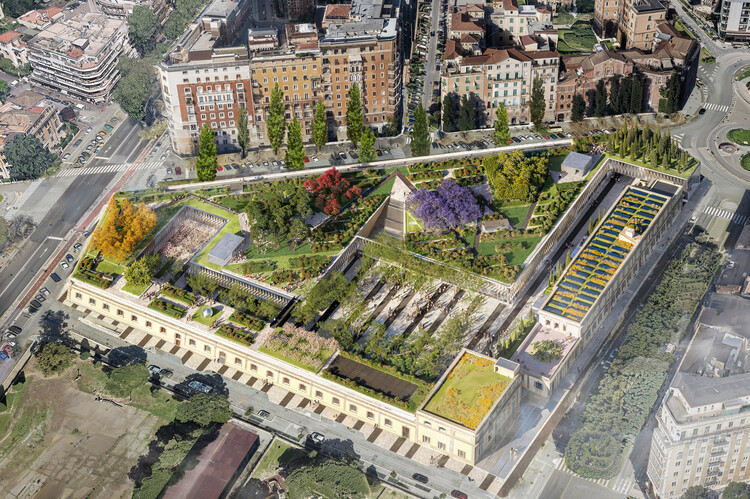
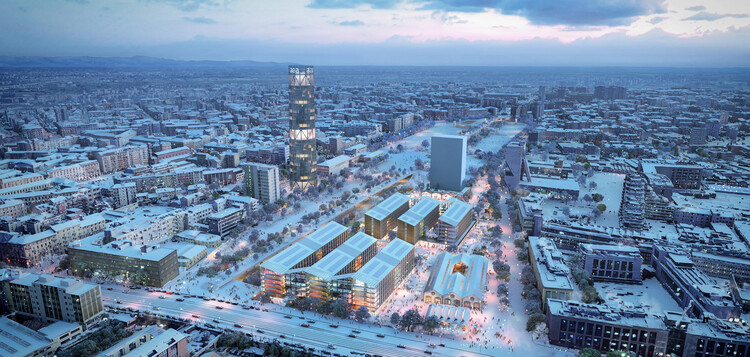
The Rome City Council has approved a Memorandum for the urban regeneration of the Depositi delle Vittorie in Piazza Bainsizza, a former ATAC depot in Rome dating back to the early 1900s. Abandoned for nearly two decades and now privately owned, the site is set to be transformed into a multifunctional complex designed by Stefano Boeri Architetti. The project envisions the adaptive reuse of the former transportation infrastructure through the introduction of cultural, educational, commercial, co-working, and leisure functions, alongside new public spaces and extensive landscaped areas.

Stefano Boeri Architetti Converts Former Rome Transit Depot Into Multifunctional Civic Space - Image 1 of 4Stefano Boeri Architetti Converts Former Rome Transit Depot Into Multifunctional Civic Space - Image 2 of 4Stefano Boeri Architetti Converts Former Rome Transit Depot Into Multifunctional Civic Space - Image 3 of 4Stefano Boeri Architetti Converts Former Rome Transit Depot Into Multifunctional Civic Space - Image 4 of 4Stefano Boeri Architetti Converts Former Rome Transit Depot Into Multifunctional Civic Space - More Images

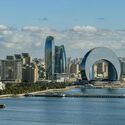
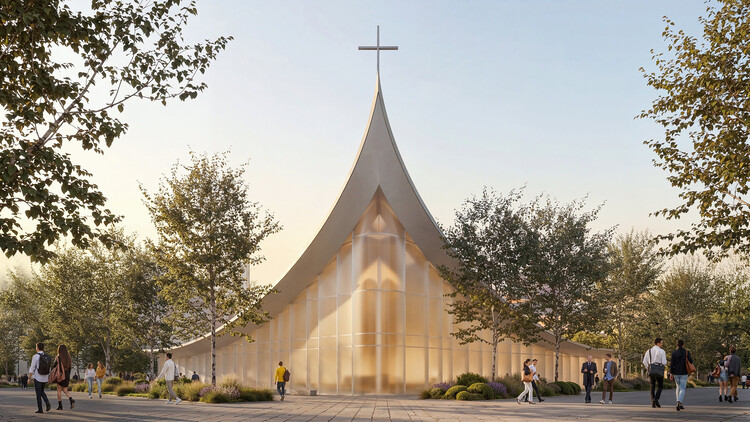
WUF13 in Baku and Stefano Boeri’s Ambrosian Monastery in Milan: This Week’s Review

As global urban challenges intensify alongside growing environmental, social, and cultural pressures, this week's news reflects how institutions, exhibitions, and restoration projects are highlighting the relationship between the built environment and collective experience. From international forums addressing housing insecurity and urban resilience to cultural events examining memory, identity, and spatial perception, positioning architecture as both a framework for policy and a medium for critical reflection. At the same time, major restoration and redevelopment initiatives highlight a renewed focus on preserving historical continuity while adapting heritage sites and cultural institutions to contemporary forms of use, accessibility, and public engagement.
WUF13 in Baku and Stefano Boeri’s Ambrosian Monastery in Milan: This Week’s Review - Image 1 of 4WUF13 in Baku and Stefano Boeri’s Ambrosian Monastery in Milan: This Week’s Review - Image 2 of 4WUF13 in Baku and Stefano Boeri’s Ambrosian Monastery in Milan: This Week’s Review - Image 3 of 4WUF13 in Baku and Stefano Boeri’s Ambrosian Monastery in Milan: This Week’s Review - Image 4 of 4WUF13 in Baku and Stefano Boeri’s Ambrosian Monastery in Milan: This Week’s Review - More Images+ 5

Frank Lloyd Wright’s Fallingwater Restoration and Salone del Mobile.Milano 2026: This Week’s Review

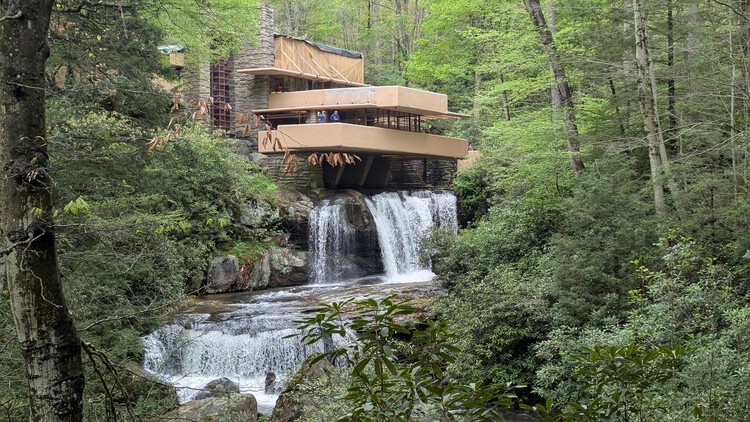
This week marked World Health Day, observed annually on April 7 by the World Health Organization. This year's edition issued the call to "Stand with science," inviting renewed engagement with scientific knowledge as a foundation for collective action across disciplines. In architecture and urban design, this imperative resonates through projects that translate research into spatial strategies: from the deployment of digital twins to inform urban planning and decision-making, to rewilding initiatives that integrate biodiversity as a tool to mitigate climate change, and materially informed practices that engage resource-conscious construction. Within this broader framework, recent works also foreground architecture's social agency at multiple scales, including a landscape-driven cancer support center in Kent that aligns wellbeing with environmental sensitivity, an urban installation in Brescia operating as a civic awareness device around life in prison and pathways to reintegration, and the transformation of a street in Mantua into a pedestrian-oriented, biodiversity-rich public space.

Frank Lloyd Wright’s Fallingwater Restoration and Salone del Mobile.Milano 2026: This Week’s Review - Image 1 of 4Frank Lloyd Wright’s Fallingwater Restoration and Salone del Mobile.Milano 2026: This Week’s Review - Image 2 of 4Frank Lloyd Wright’s Fallingwater Restoration and Salone del Mobile.Milano 2026: This Week’s Review - Image 3 of 4Frank Lloyd Wright’s Fallingwater Restoration and Salone del Mobile.Milano 2026: This Week’s Review - Image 4 of 4Frank Lloyd Wright’s Fallingwater Restoration and Salone del Mobile.Milano 2026: This Week’s Review - More Images+ 30

Imported Futures: Global Architecture Shaping Albania’s Urban Transformation

Subscriber Access | 

In recent years, Albania has undergone a rapid and visible transformation, emerging as one of the most active urban environments in Southeast Europe. This growth is not only reflected in the expansion of its built fabric but also in the scale and ambition of new architectural interventions that seek to redefine the country's image. Across its territory, a series of large developments, cultural institutions, and infrastructural projects are being introduced as part of a broader effort to reposition Albania and its capital, Tirana, within regional and international networks.

A significant number of these interventions are being designed by internationally recognized architectural offices, whose presence has become a defining characteristic of the city's current phase of development. Rather than relying primarily on incremental or locally embedded processes, Tirana's transformation is increasingly shaped through externally authored visions that introduce new formal languages, typologies, and urban strategies. These projects often operate as singular objects or large-scale fragments, contributing to a landscape where the city is assembled through distinct and highly visible gestures.

Imported Futures: Global Architecture Shaping Albania’s Urban Transformation - Image 1 of 4Imported Futures: Global Architecture Shaping Albania’s Urban Transformation - Image 2 of 4Imported Futures: Global Architecture Shaping Albania’s Urban Transformation - Image 3 of 4Imported Futures: Global Architecture Shaping Albania’s Urban Transformation - Image 4 of 4Imported Futures: Global Architecture Shaping Albania’s Urban Transformation - More Images+ 26

Milan Architecture City Guide: 43 Projects from Historic Landmarks to Contemporary Designs

Subscriber Access | 

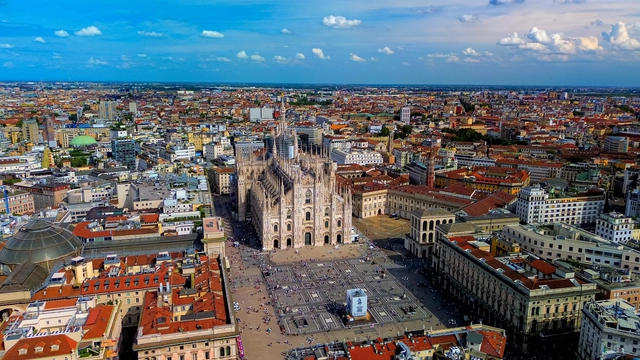
Milan, a global hub of fashion and finance, increasingly asserts itself as a leading center for architecture and design. Its status as Italy's second-largest city underpins its vibrant cultural scene, attracting both established and emerging creative talent. Additionally, Milan is home to esteemed educational institutions recognized for their focus on heritage preservation and conservation. Its cultural and design significance is increasingly pronounced, as a growing number of creators are relocating to establish their presence in this vibrant creative hub.
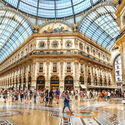
Among Milan's most iconic landmarks are the flamboyant Gothic Duomo di Milano, the historically and artistically significant Santa Maria delle Grazie, and the ornate Galleria Vittorio Emanuele II, along with numerous Renaissance and Baroque sites. The city also boasts some of the most innovative modern and contemporary architecture, showcasing a unique dialogue between tradition and modernity. This synergy is exemplified by the contributions of architects like Aldo Rossi, Gio Ponti, Stefano Boeri, Mario Cucinella, Zaha Hadid, Grafton Architects, Herzog & de Meuron, and Foster and Partners.

The following guide highlights key historical landmarks alongside exemplary contemporary architecture curated by ArchDaily. This guide serves as an indispensable resource for those planning to explore Milan during the 2026 Design Week, presenting a blend of essential sites designed by renowned local and international architects.

Milan Architecture City Guide: 43 Projects from Historic Landmarks to Contemporary Designs - Image 5 of 4Milan Architecture City Guide: 43 Projects from Historic Landmarks to Contemporary Designs - Image 6 of 4Milan Architecture City Guide: 43 Projects from Historic Landmarks to Contemporary Designs - Image 28 of 4Milan Architecture City Guide: 43 Projects from Historic Landmarks to Contemporary Designs - Image 48 of 4Milan Architecture City Guide: 43 Projects from Historic Landmarks to Contemporary Designs - More Images+ 52

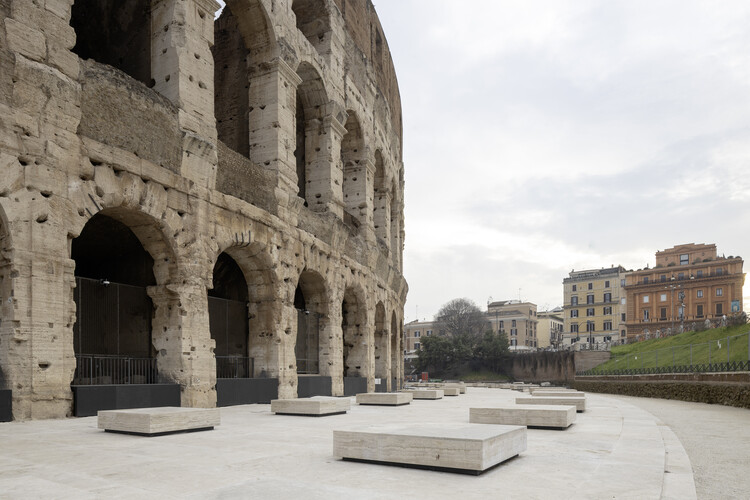
Stefano Boeri Interiors Restores Southern Ambulatory Areas of the Colosseum in Rome

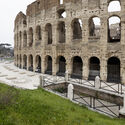
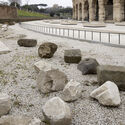
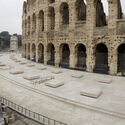
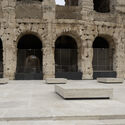
The southern ambulatory of the Colosseum in Rome has been restored through an intervention led by Stefano Boeri Interiors, a multidisciplinary studio founded by architects Stefano Boeri and Giorgio Donà, for the Parco Archeologico del Colosseo, focusing on the reconstruction of the crepidine and the repaving of missing sections to reinstate the monument's original ground levels and improve the legibility of its southern perimeter. The project builds on an archaeological investigation campaign that informed both the geometric definition of the intervention and its material articulation.

Stefano Boeri Interiors Restores Southern Ambulatory Areas of the Colosseum in Rome - Image 1 of 4Stefano Boeri Interiors Restores Southern Ambulatory Areas of the Colosseum in Rome - Image 2 of 4Stefano Boeri Interiors Restores Southern Ambulatory Areas of the Colosseum in Rome - Image 3 of 4Stefano Boeri Interiors Restores Southern Ambulatory Areas of the Colosseum in Rome - Image 4 of 4Stefano Boeri Interiors Restores Southern Ambulatory Areas of the Colosseum in Rome - More Images+ 7

Milano Cortina 2026: How the City Is Preparing for the Winter Olympics

Italy is preparing to host its third Olympic Winter Games as Milan and Cortina d'Ampezzo welcome Milano Cortina 2026, seventy years after Cortina staged the 1956 edition and two decades after Torino 2006. The Games will take place from February 6 to 22, 2026, marking the first time the Winter Olympics are organized across two cities, two regions, Lombardy and Veneto, and two autonomous provinces, Trento and Bolzano. Covering a territory of 22,000 square kilometers, Milano Cortina 2026 will become the most geographically extensive Winter Games to date, with over 90% of venues already existing or designed as temporary facilities.

Milano Cortina 2026: How the City Is Preparing for the Winter Olympics - Image 1 of 4Milano Cortina 2026: How the City Is Preparing for the Winter Olympics - Image 2 of 4Milano Cortina 2026: How the City Is Preparing for the Winter Olympics - Image 3 of 4Milano Cortina 2026: How the City Is Preparing for the Winter Olympics - Image 4 of 4Milano Cortina 2026: How the City Is Preparing for the Winter Olympics - More Images+ 9

Understanding Eco Brutalism: The Paradox of Structure, Sustainability, and Style

Subscriber Access | 

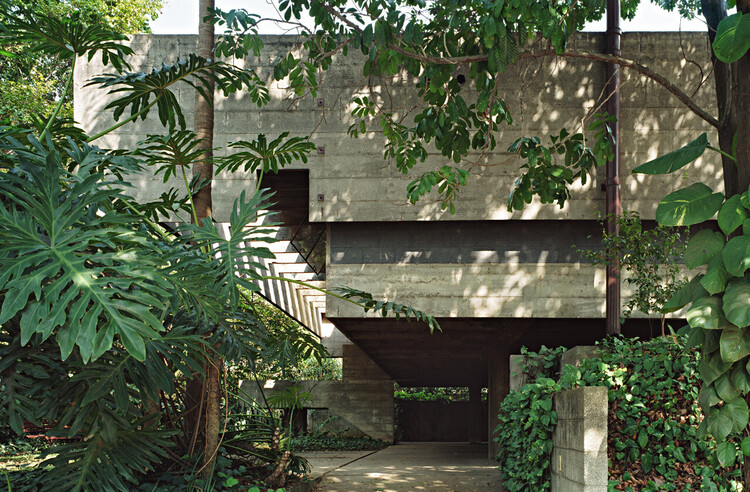
The built environment is expected to reduce carbon emissions, support biodiversity, and respond to changing ecological conditions, all while providing housing for communities and reflecting their cultural values. In this shifting landscape, a once-maligned architectural style emerges in a surprising new form. Brutalism, long associated with institutional gravitas and material austerity, is now being reframed through an ecological lens. This hybrid movement, known as eco-brutalism, combines the power of concrete with greenery and climate-sensitive design strategies. The result is a set of spaces that are visually arresting, conceptually complex, and increasingly popular among designers, urban planners, and the general public. This movement includes not only the direct lineage of 1960s Brutalism but also contemporary projects that, while not strictly Brutalist, share its material honesty, monumental scale, and use of expressive concrete forms.

Understanding Eco Brutalism:  The Paradox of Structure, Sustainability, and Style - Image 1 of 4Understanding Eco Brutalism:  The Paradox of Structure, Sustainability, and Style - Image 2 of 4Understanding Eco Brutalism:  The Paradox of Structure, Sustainability, and Style - Image 3 of 4Understanding Eco Brutalism:  The Paradox of Structure, Sustainability, and Style - Image 4 of 4Understanding Eco Brutalism:  The Paradox of Structure, Sustainability, and Style - More Images+ 39

Bofill Taller de Arquitectura Designs Mixed-Use Towers and a Seaside Resort in Albania

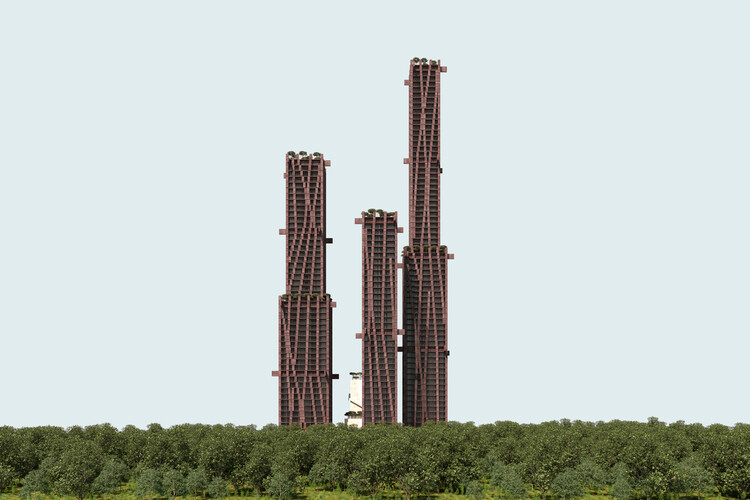
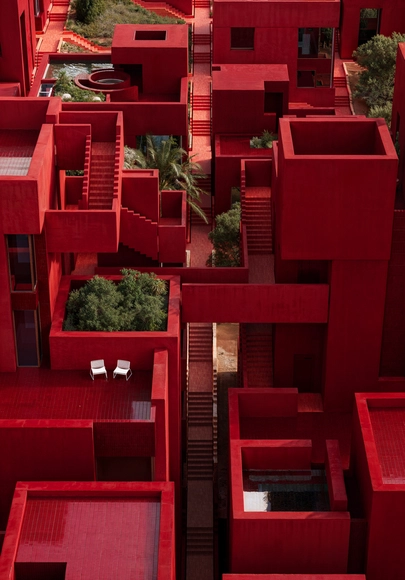
Architecture has been at the center of a transformation process in Albania, particularly significant in Tirana, its capital city. In 2017, the winning project for the Tirana 2030 Masterplan was unveiled, designed by Stefano Boeri Architetti, UNLAB, and IND [Inter.National.Design] as part of a competition organized by the Ministry of Urban Development. Aiming to give Tirana a new metropolitan dimension while promoting and preserving green spaces, the strategy integrates a system of open spaces, natural elements, and strategic projects at key points in the city. The multidisciplinary Catalan firm Bofill Taller de Arquitectura has contributed to this transformation with two mixed-use towers in Tirana and a resort project in the coastal town of Dhërmi, reflecting the distinctive aesthetic of Ricardo Bofill's work.
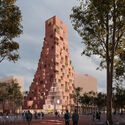

Bofill Taller de Arquitectura Designs Mixed-Use Towers and a Seaside Resort in Albania - Image 1 of 4Bofill Taller de Arquitectura Designs Mixed-Use Towers and a Seaside Resort in Albania - Image 2 of 4Bofill Taller de Arquitectura Designs Mixed-Use Towers and a Seaside Resort in Albania - Image 3 of 4Bofill Taller de Arquitectura Designs Mixed-Use Towers and a Seaside Resort in Albania - Image 4 of 4Bofill Taller de Arquitectura Designs Mixed-Use Towers and a Seaside Resort in Albania - More Images+ 34

Modernism Reconsidered: Revisiting the Movement’s Complex Relationship with Sustainability

Modernism emerged in the early 20th century as a revolutionary movement that rejected historical styles, prioritizing functionality, innovation, and rationality. Grounded in the promise of industrial progress, architects like Walter Gropius, Le Corbusier, and Ludwig Mies van der Rohe championed using new materials and construction methods, striving for a universal architectural language. Their work introduced radical ideas: open floor plans, expansive glazing for natural light, and pilotis that elevated structures, symbolizing a new architectural era. However, alongside its groundbreaking ideas, modernism's relationship with sustainability has sparked ongoing debates.

While modernist architects sought to address social and economic challenges through affordable housing and efficient design, their reliance on energy-intensive materials like concrete and steel created unintended environmental consequences. The large-scale industrialization celebrated by modernists often disregarded local climates and ecological systems, leading to inefficiencies. Yet, the principles of functionality and adaptability embedded in modernist architecture laid the groundwork for what we now recognize as sustainable practices. From Le Corbusier's rooftop gardens to Frank Lloyd Wright's integration of nature, the seeds of environmentally conscious design were undeniably present, albeit limited in their execution.

Modernism Reconsidered: Revisiting the Movement’s Complex Relationship with Sustainability - Image 1 of 4Modernism Reconsidered: Revisiting the Movement’s Complex Relationship with Sustainability - Image 2 of 4Modernism Reconsidered: Revisiting the Movement’s Complex Relationship with Sustainability - Image 3 of 4Modernism Reconsidered: Revisiting the Movement’s Complex Relationship with Sustainability - Image 4 of 4Modernism Reconsidered: Revisiting the Movement’s Complex Relationship with Sustainability - More Images+ 25

International High-Rise Award 2024/25: Discover the 31 Nominated Projects

Deutsches Architekturmuseum (DAM) has announced the International High-Rise Award 2024/25. Selected from more than 1,000 new high-rises worldwide dating from the past two years, the nominated projects are located in 13 counties from 5 continents. In autumn, the five finalists will be announced, followed by the winner announcement scheduled for November 12, 2024. The main objective of the award is to highlight good practices in the ongoing trend of mixed-use high-rises.

With the increase in the construction of high-rises, special features such as the introduction of greenery in the design, unusual shapes, or the construction of clusters of towers, have become the new normal. DAM’s research this year also shows a growing eco-awareness, as the focus in high-rise construction is increasingly on the use of existing buildings. While the majority of tall buildings continue to be erected in China, followed by the USA, Australia, and Singapore have emerged as new hubs of high-rise architecture.

International High-Rise Award 2024/25: Discover the 31 Nominated Projects - Image 1 of 4International High-Rise Award 2024/25: Discover the 31 Nominated Projects - Image 2 of 4International High-Rise Award 2024/25: Discover the 31 Nominated Projects - Image 3 of 4International High-Rise Award 2024/25: Discover the 31 Nominated Projects - Image 4 of 4International High-Rise Award 2024/25: Discover the 31 Nominated Projects - More Images+ 29

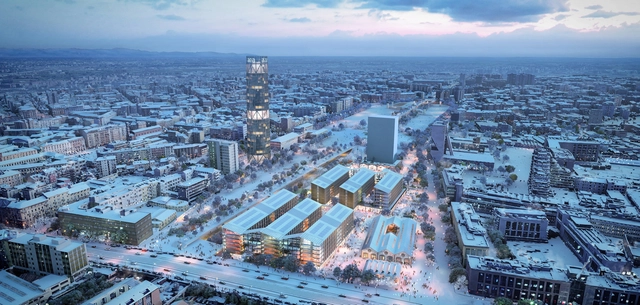
Stefano Boeri Architetti Wins Competition for Green Neighborhood Development in Bratislava, Slovakia

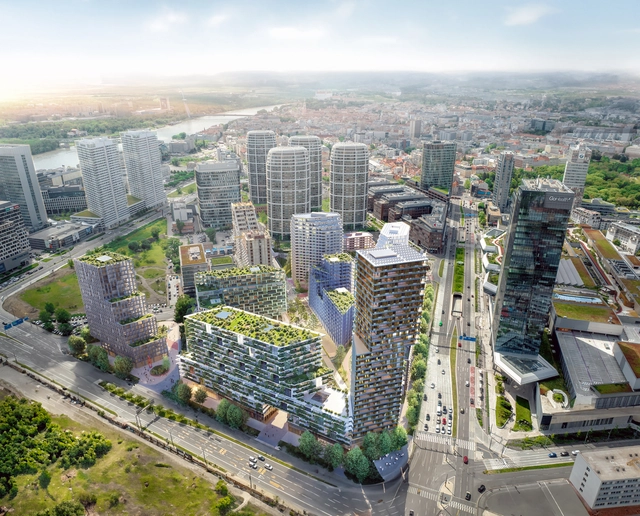
Stefano Boeri Architetti has been declared the winner of the international competition for the redevelopment of a former industrial site in downtown Bratislava. The project includes the transformation of one of the largest abandoned areas in the Slovak capital, with the aim of creating an active new central hub for the city, complete with parks and public spaces, residential units, and a variety of amenities. Stefano Boeri Architetti’s master plan proposal, titled “Urban Oasis,” has been appreciated by the jury for integrating familiar typologies, creating a “European matrix” of medium-density developments organized around accessible public spaces.

Stefano Boeri Architetti Wins Competition for Green Neighborhood Development in Bratislava, Slovakia - Image 1 of 4Stefano Boeri Architetti Wins Competition for Green Neighborhood Development in Bratislava, Slovakia - Image 2 of 4Stefano Boeri Architetti Wins Competition for Green Neighborhood Development in Bratislava, Slovakia - Image 3 of 4Stefano Boeri Architetti Wins Competition for Green Neighborhood Development in Bratislava, Slovakia - Image 4 of 4Stefano Boeri Architetti Wins Competition for Green Neighborhood Development in Bratislava, Slovakia - More Images+ 3

Stefano Boeri Reimagines the Italian Square for Frankfurt Book Fair 2024

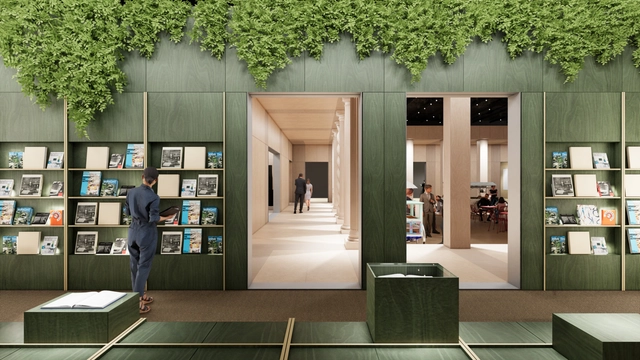
Stefano Boeri has designed a cultural square at the heart of the Italian pavilion for the 76th edition of the Frankfurt Book Fair. With Italy returning as Guest of Honor after 36 years, the book fair is the largest and most significant event in the publishing world and will be held from October 16-20, 2024. The Italian pavilion, designed by Stefano Boeri, seeks to celebrate Italian cultural heritage and publishing, aligning with the theme “Roots in the Future.”

Stefano Boeri Architetti China Wins Competition for Landscape-Inspired Technology Museum in Xi’an

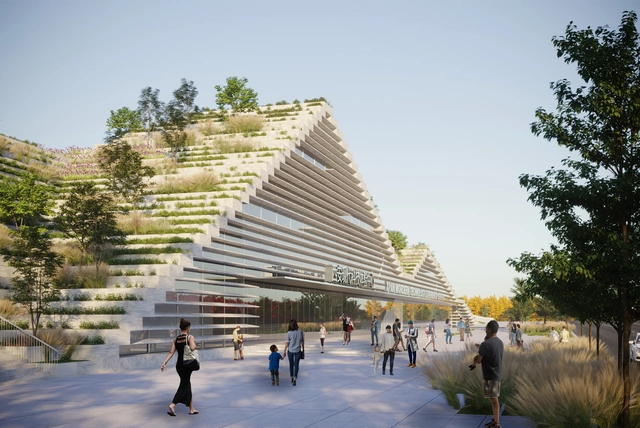
The satellite practice of Stefano Boeri Architetti in China has won the tender for the Culture CBD Modern Technology Experience Centre in Xi'an, the capital of the Chinese province of Shaanxi. The new technology-focused museum is set to become a hub for scientific and cultural exchange. The winning project takes inspiration from the area's natural landscape, characterized by a tortuous system of rivers and mountains, as well as the culture of the ancient city of Xi’an.

Stefano Boeri Architetti China Wins Competition for Landscape-Inspired Technology Museum in Xi’an - Image 1 of 4Stefano Boeri Architetti China Wins Competition for Landscape-Inspired Technology Museum in Xi’an - Image 2 of 4Stefano Boeri Architetti China Wins Competition for Landscape-Inspired Technology Museum in Xi’an - Image 3 of 4Stefano Boeri Architetti China Wins Competition for Landscape-Inspired Technology Museum in Xi’an - Image 4 of 4Stefano Boeri Architetti China Wins Competition for Landscape-Inspired Technology Museum in Xi’an - More Images+ 1

Stefano Boeri Architetti Designs Buddhist Center for Meditation in Nepal

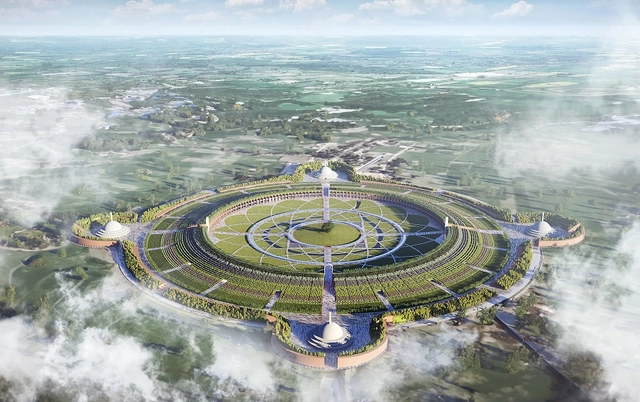
Stefano Boeri Architetti has revealed the designs for the Ramagrama Stupa in Nepal, a master plan intended to enrich this sacred Buddhist location. The proposal features a Biodiversity “Ring Garden” and a Peace Meadow, which encircles the revered Bodhi tree. Situated in Nepal’s Parasi district, the Ramagrama municipality holds immense cultural and religious significance, sheltering a preserved portion of Buddha’s relics.

Stefano Boeri Architetti Designs Buddhist Center for Meditation in Nepal - Image 1 of 4Stefano Boeri Architetti Designs Buddhist Center for Meditation in Nepal - Image 2 of 4Stefano Boeri Architetti Designs Buddhist Center for Meditation in Nepal - Image 3 of 4Stefano Boeri Architetti Designs Buddhist Center for Meditation in Nepal - Featured ImageStefano Boeri Architetti Designs Buddhist Center for Meditation in Nepal - More Images

Stefano Boeri Architetti’s Green Obsession Campaign Wins the United Nations SDG Action Awards

The “Green Obsession” campaign launched by Stefano Boeri Architetti has been declared the winner of the SDG Action Awards, the most important recognition of projects that support the United Nation’s 17 Sustainable Development Goals. As part of the SDG Action Campaign, the United Nations set out to reward initiatives that “mobilize, inspire and connect communities in order to promote positive change.” The winning initiative aims to help improve the relationship between nature and design by implementing the principles of urban forestation. Green Obsession represents a series of conferences, public programs and a book, “Green Obsession: Trees Towards Cities, Humans Towards Forests”, published in 2021 and supported by the Graham Foundation.

Stefano Boeri Architetti’s Green Obsession Campaign Wins the United Nations SDG Action Awards - Image 1 of 4Stefano Boeri Architetti’s Green Obsession Campaign Wins the United Nations SDG Action Awards - Image 2 of 4Stefano Boeri Architetti’s Green Obsession Campaign Wins the United Nations SDG Action Awards - Image 3 of 4Stefano Boeri Architetti’s Green Obsession Campaign Wins the United Nations SDG Action Awards - Image 4 of 4Stefano Boeri Architetti’s Green Obsession Campaign Wins the United Nations SDG Action Awards - More Images+ 1

Madrid Design Festival Honors Stefano Boeri with the Lifetime Achievement Award

Stefano Boeri has been awarded the Lifetime Achievement Award at the sixth edition of the Madrid Design Festival. According to the organizers, this recognition pays homage to a “great figure in design”. It acknowledges the significance of his contributions to the disciplines of architecture and urban planning, as well as publishing and academia. The award ceremony, held at the Institución Libre de Enseñanza (ILE), was conferred by the architect Rafael Moneo, who personally handed the award to Stefano Boeri.

Madrid Design Festival Honors Stefano Boeri with the Lifetime Achievement Award - Image 1 of 4Madrid Design Festival Honors Stefano Boeri with the Lifetime Achievement Award - Image 2 of 4Madrid Design Festival Honors Stefano Boeri with the Lifetime Achievement Award - Image 3 of 4Madrid Design Festival Honors Stefano Boeri with the Lifetime Achievement Award - Image 4 of 4Madrid Design Festival Honors Stefano Boeri with the Lifetime Achievement Award - More Images+ 4