This week's reprint from Metropolis explores the ongoing renovation and transformation of an iconic site in Buffalo, Silo City, in order to create ambitious residential and public projects.



This week's reprint from Metropolis explores the ongoing renovation and transformation of an iconic site in Buffalo, Silo City, in order to create ambitious residential and public projects.
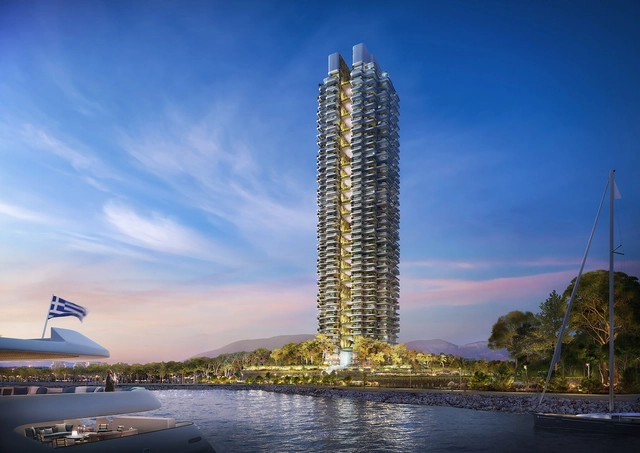
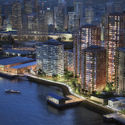
Foster+Partners has unveiled its design for Marina Tower, a residential project set to become the tallest building in Greece. Located in Ellinikon, on the outskirts of Athens, the project is part of a larger development plan meant to transform the site of the former airport into several new neighbourhoods centred around a large coastal park. The 200-metre tall tower at the heart of the masterplan showcases a permeable relationship between interior and exterior spaces in tune with the Mediterranean climate while also featuring various water elements and extensive greenery.
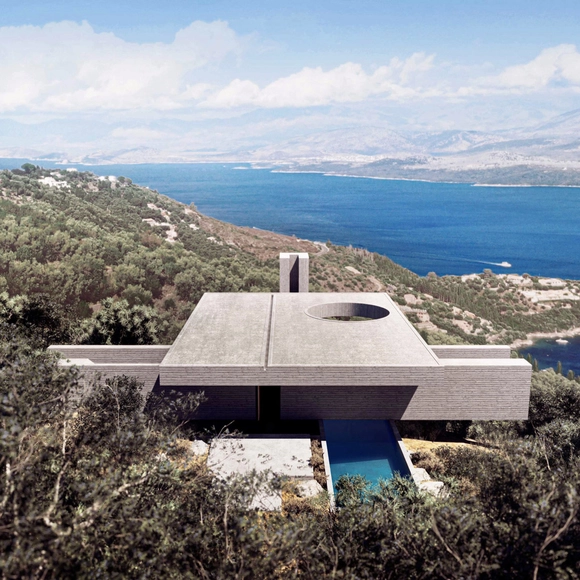
Focusing on the different typologies of houses, this week’s curated selection of Best Unbuilt Architecture highlights conceptual projects submitted by the ArchDaily Community. From urban developments to tiny homes, this article explores the topic of residential architecture and presents approaches from all over the world.
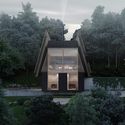
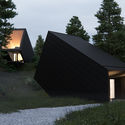
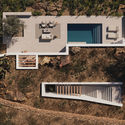
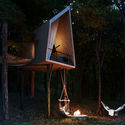
Featuring a cabin amidst the verdant forested region of northern Iran, a development in Georgia that offers an 80% recreational space to 20% housing ratio, and a project in Paris that re-questions our urban reality, and rethinks traditional forms of housing, this roundup tackles a multitude of scales. In addition, it underlines a collection of beach houses in Greece, Italy, Argentina, and Latvia each responding to a different landscape and topography. Other ideas underlined include the renovation of existing developments in Moscow, a residential-led transformation of a former factory in Manchester, and a family of blocks grouped around an elevated communal garden in the Netherlands.
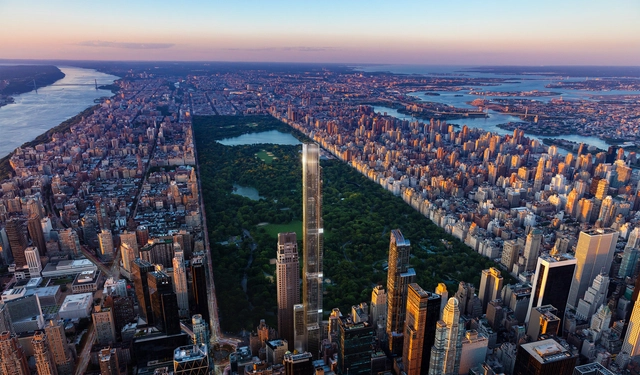
Almost one year into the COVID-19 pandemic, life is starting to feel like it might regain its sense of normalcy. With promising vaccines being slowly rolled around the globe, the focus is shifting away from the immediate, and into what the future looks like- including where people want to live. At the beginning of the pandemic, stories all across the media claimed that cities were dead, people were leaving as a permanent measure of safety and well-being, and that the real estate market would experience a long and slow recovery to the boom it had experienced in the pre-pandemic world. But there’s been a shift, and it’s happening fast- people are returning to cities almost as suddenly as they once left them.
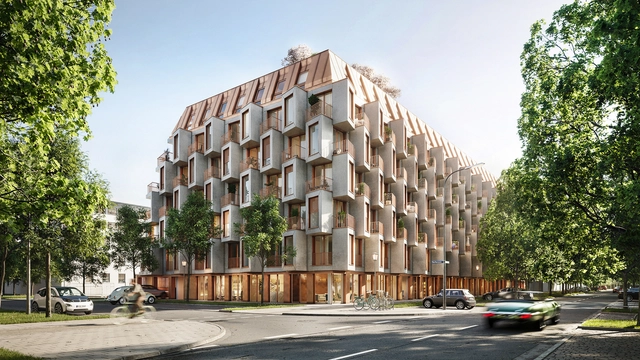
UNStudio and Bauwerk have created a new ‘analog smart’ urban living concept for the Van B residences in Munich, Germany. The completely new form of housing reimagines the future of city living, catering to changing demographics and multiple family constellations. Through adaptable partitions and a system of plugin furniture, the project allows an easy change of configuration. “Quality meters over square meters”.
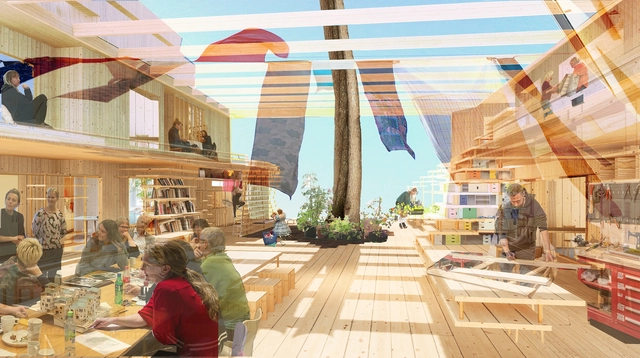
The Nordic Pavilion at the 17th International Architecture Exhibition of the Venice Biennale will be transformed into an experimental cohousing project by architects Helen & Hard, supported by a curatorial team from the National Museum of Norway. Responding to the theme of How will we live together? the intervention “will present a framework for designing and building communities based on participation and sharing”.
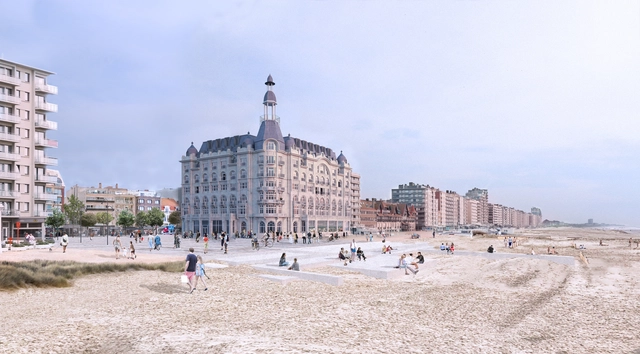
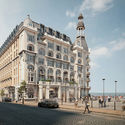
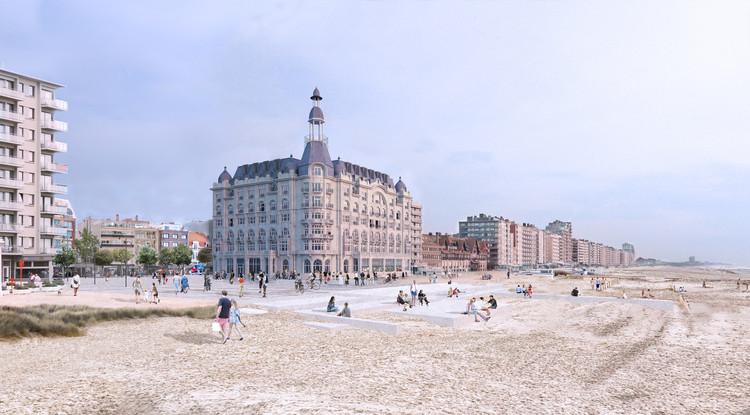
David Chipperfield Architects has unveiled his restoration plans for the Grand Hotel in Nieuwpoort, Belgium. Started in 2019, the project converts the structure into a residential building, while seeking to reinstate its landmark status. Becoming “The Grand residential building”, the architecture will also take on an extension that underlines a “sensitive understanding of heritage value and entails reinterpretation and invention as well as restoration”.


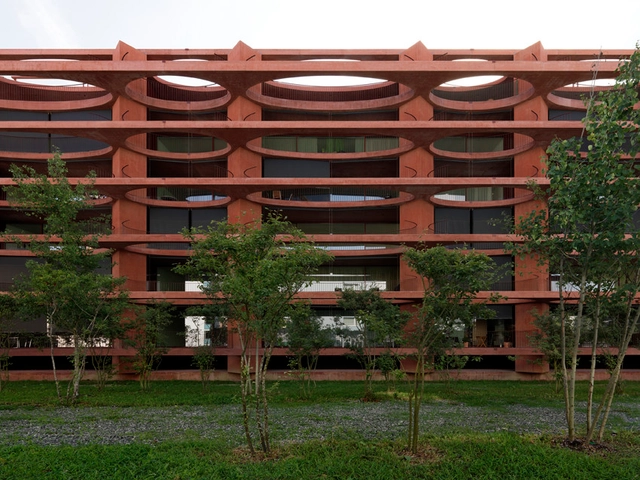
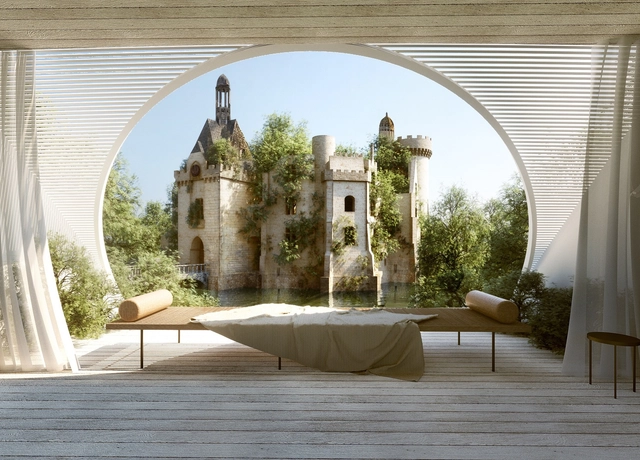
Housing is a ubiquitous typology ripe for experimentation. Exploring form, view, materials and hierarchies, residential projects center on daily life and retreat. Designed to bring people together and provide space for isolation, homes can be open and inviting, secluded and private, or both at the same time. For unbuilt housing projects, these concepts are designed to rethink traditional forms and spatial layouts in the context of local climates and landscape conditions.
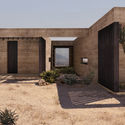
This week’s curated selection of the Best Unbuilt Architecture focuses on homes and residential projects located around the world. Drawn from an array of firms and local contexts, they represent proposals submitted by our readers. They showcase both single family and multi-unit homes, from a series of villas for three friends overlooking the Caspian Sea, to a Cambodian countryside retreat and a pine cabin in the Jezzine village of south Lebanon.
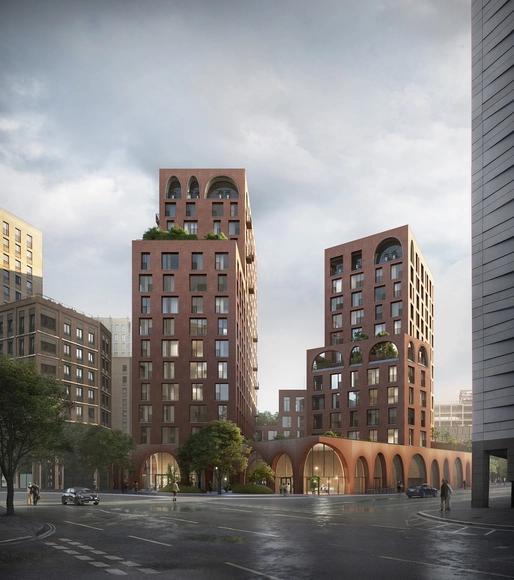
Alison Brooks Architects has created a landmark structure in the emerging area of Kings Cross in London, part of its Central Masterplan. The proposed mixed-use urban block containing 158 dwellings will reinforce the neighborhood’s “unique sense of place and celebrate its emerging and historic contexts”.
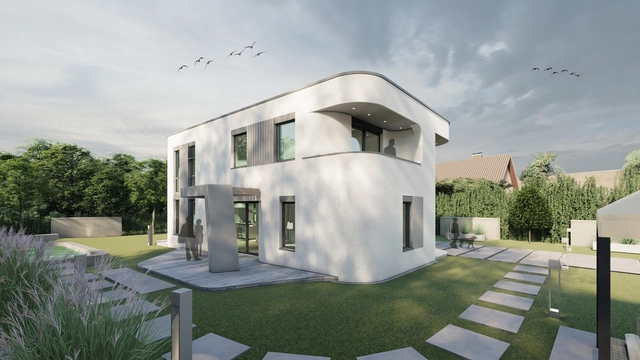
The first 3D printed residential building in Germany, built by PERI GmbH, and designed by MENSE-KORTE ingenieure+architekten is undergoing construction in Beckum, North Rhine-Westphalia. The two-story printed detached house with approx. 80 sqm of living space per floor is using a system put into practice in Germany for the first time. In fact, the construction technique has come through all of the regulatory approval processes over the last few weeks and months.
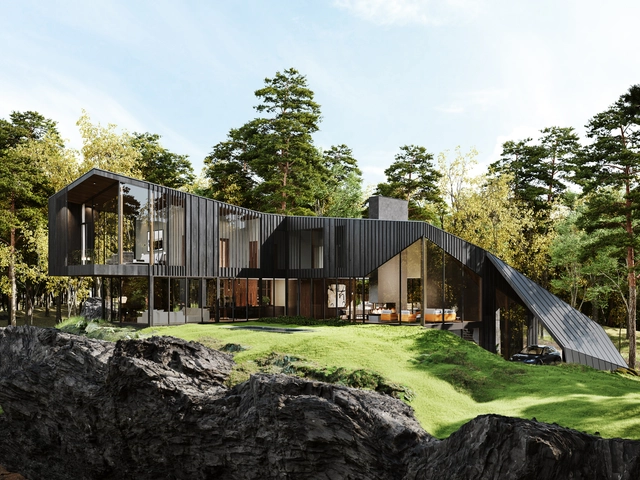
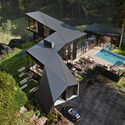
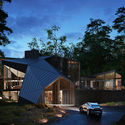
S3 Architecture, in collaboration with the Aston Martin Design Team, has revealed images of its first joint residential project, Sylvan Rock, to be built in the Hudson Valley. The modernist estate nestled in a 55-acre wooded plot generates a rural retreat that comprises a residence, a wellness pavilion, multi-functional guest "pods", treehouse, and agricultural gardens.

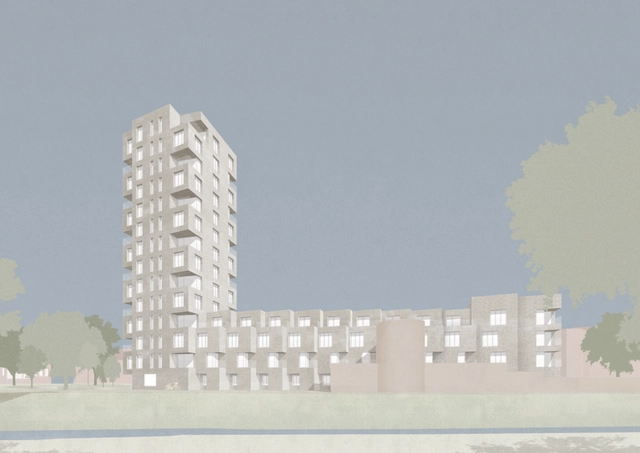
David Chipperfield Architects has received planning permission for Hertogensite residences in Leuven, a new 14-story residential tower in Belgium. Part of a global vision to redevelop a former hospital campus, the project is connected to nine townhouses and a four-story apartment building.
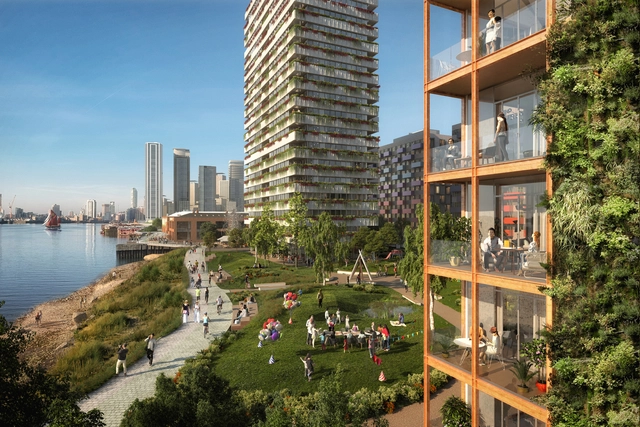
Regeneration specialist U+I submitted plans for Morden Wharf in June 2020, comprising 1,500 new homes, employment spaces, and a landscaped park along 275m of the River Thames. Located on Greenwich Peninsula in London, the mixed-use scheme designed by OMA includes more than six acres of the high-quality public realm, 12 high quality, and tenure-blind residential buildings, as well as commercial, retail, and community spaces.
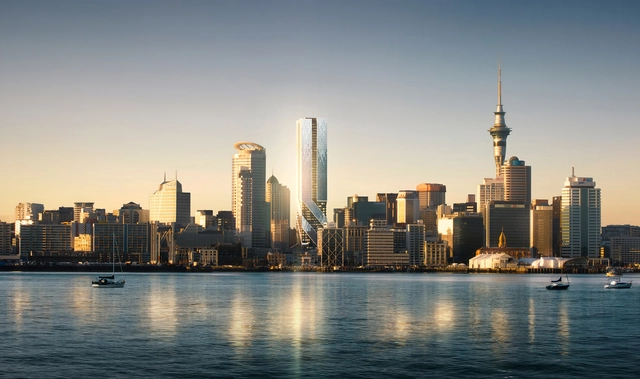
Set to be one of the tallest towers in Auckland at 178.65 meters, The Pacifica will complement the existing skyline of Auckland’s central business district. Designed by Plus Architecture, the tower “allows for a deep connection and interaction at every level”, and highlights a significant shift in Auckland’s housing approach.
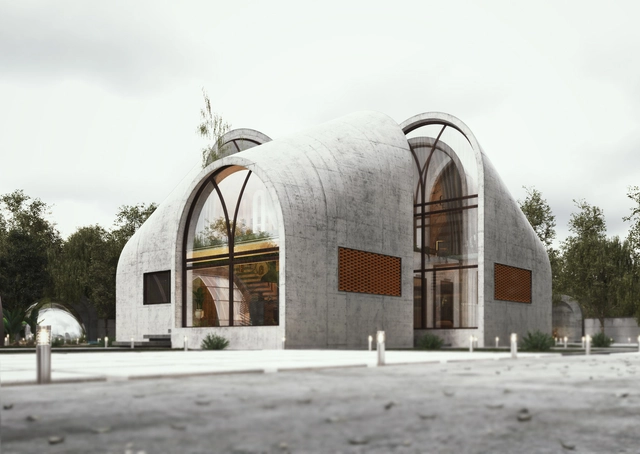
Houses and Villas are the most researched topics on ArchDaily. Putting together a curated selection of conceptual interventions, this week’s Best Unbuilt Architecture focuses on the residential sector. From all over the world, this group presents proposals submitted by our readers.
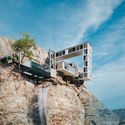
This article highlights a floating terraces project from India, a lodge in Ethiopia, a seasonal home for an Iranian family in Germany, and a residential compound in Saudi Arabia. Beach houses in Greece, Croatia, and the U.S. are also featured, showcasing different approaches for the same program. Moreover, more futuristic interventions include the Mountain House on the rocky cliffs of British Columbia, and the blue house, an aquarium-like type of home.
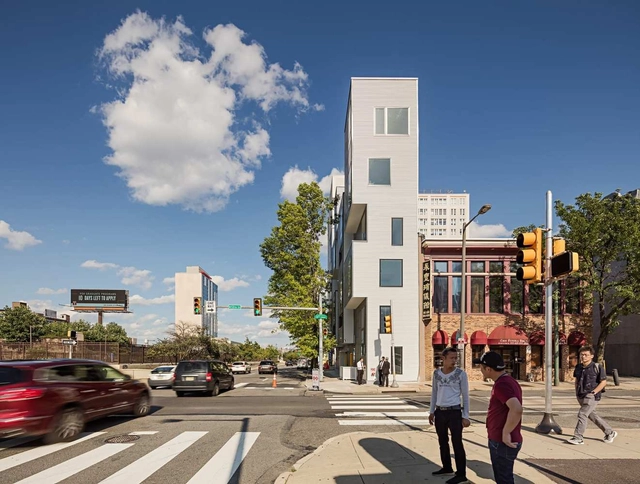
The American Institute of Architects (AIA) is recognizing seven new residential designs with 2020 Housing Awards. The projects are awarded across single family, production, multifamily and specialized housing. Presented by the AIA Housing and Community Development Knowledge Community, the awards emphasize the importance of good housing as a "necessity of life, a sanctuary for the human spirit, and a valuable national resource."
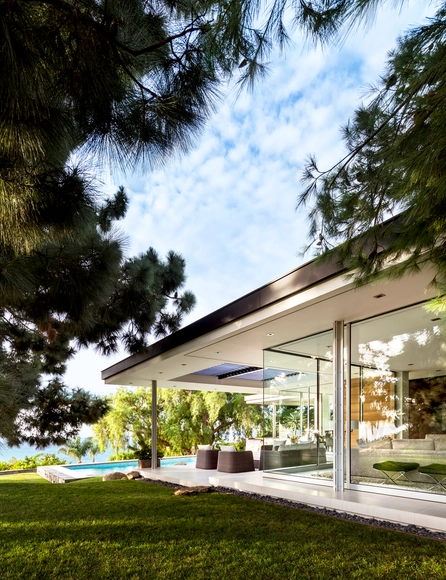
Malibu Crest, a 2019 remodeling of a 1949 International Style home, was a vital undertaking by the architecture firm Studio Bracket that aimed to expand the structure’s square footage and panoramic views of Malibu while retaining over 50% of the home’s original walls. The project was ultimately successful, not only in its refurbishment of the interior rooms and reconfiguration of the space, but in its enlargement of the windows to truly capture views of the surrounding lagoon and mountains. This expansion of the view was done in part through an open corner window scheme and floor-to-ceiling glass, manufactured by Western Window Systems. The uninterrupted glass walls afforded by this open corner technology is one of the most effective ways that architects can open an interior space to the stunning vistas of a natural environment. Yet an even more striking configuration increasingly being employed by residential architects is that of the open corner sliding glass door – a system that can even more completely open an interior space to the unobstructed outdoors. Below, we discuss this technology in more detail, alongside several examples of projects using the open corner glass door.