What can a pavilion’s architecture reveal about its country? At major World Expos, national pavilions are designed to answer this question, transforming into spaces laden with symbolism. Though temporary, these structures are rich in meaning, functioning as architectural expressions of political identity. Their forms and materials encapsulate national ambitions. Expo Osaka 2025, the latest chapter in this ongoing narrative, showcases how nations increasingly use built space to construct global images of themselves—sustainable, technological, culturally distinct, and geopolitically relevant.
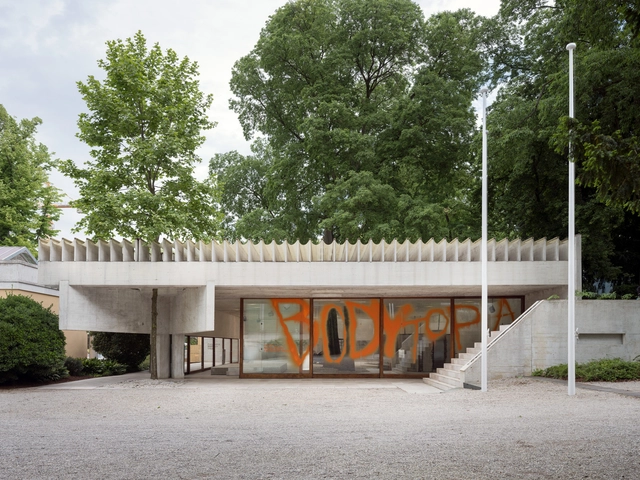
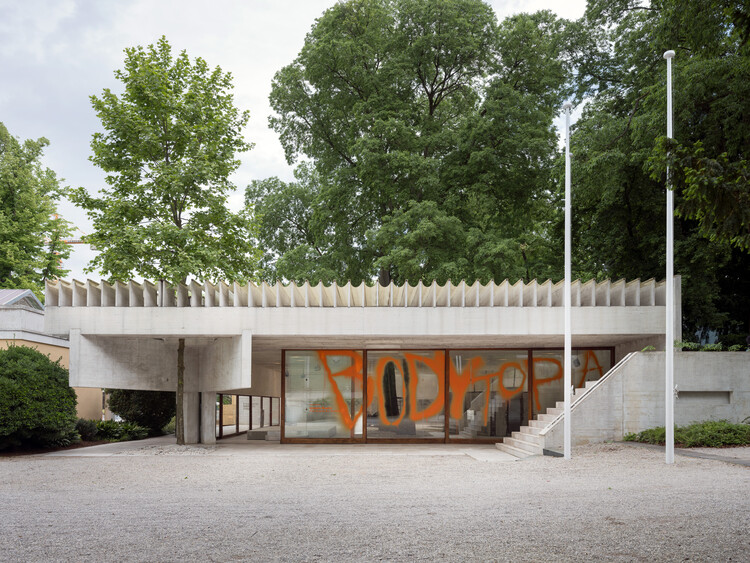
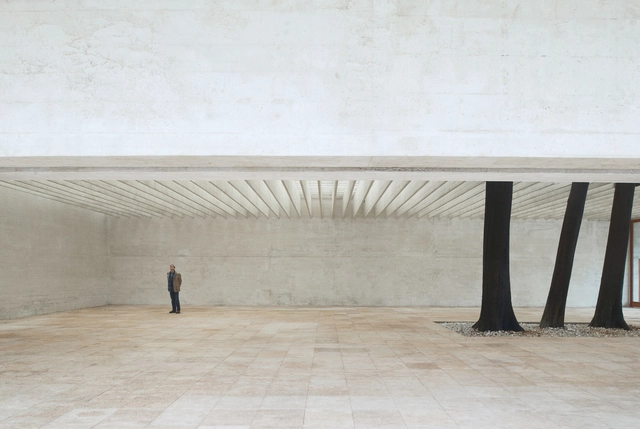
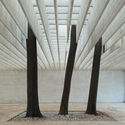
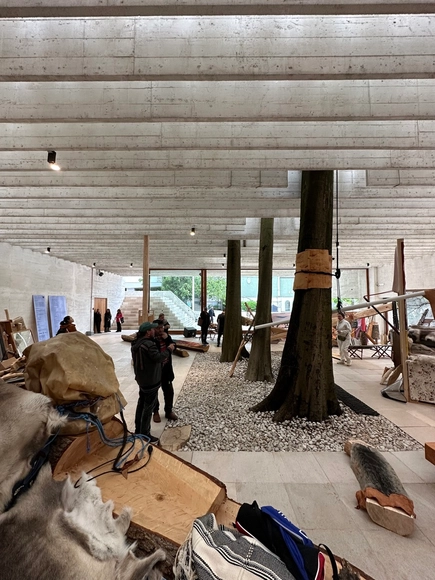
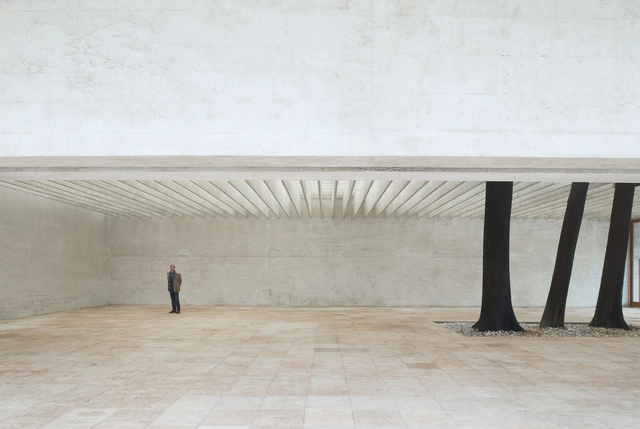
As a result of the ideas competition organized by the governments of Sweden, Finland, and Norway in 1958, Sverre Fehn's Nordic Pavilion won first prize, becoming one of the most significant works of his career and one of the most outstanding Scandinavian architectural achievements during the mid-20th century. Designed to create a space at the Venice Biennale for the biennial exhibitions of these countries, Fehn's proposal addressed several key architectural challenges—ranging from its integration with the site and incorporation of pre-existing elements to the handling of physical boundaries and uniform natural lighting. His design explored the interaction between architecture and trees, the flexibility in the exhibition space, the filtering of light, the connection between interior and exterior, the concept of movement through space, and the display of artworks.
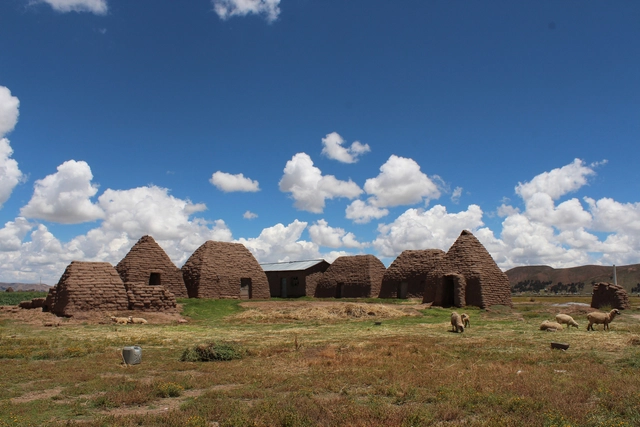
According to the United Nations, indigenous people are "place-based" ethnic cultures that have not migrated from their initial homeland. In today's world, with human-caused climate change driving extreme weather events and a growing demand for authenticity and cultural diversity, architects are increasingly turning to indigenous knowledge systems not only as sources of inspiration but as viable solutions to adapt and respond to local and global challenges. As traditional custodians of the land, Indigenous communities possess a profound understanding of their ecosystems, locally available materials, cultural norms, and social constraints. This knowledge holds insights valuable for shaping contemporary architecture, helping it adapt to both the people and their environments.
Vernacular and indigenous practices are emerging as a foundation for architectural reimagining, informing spatial lays, the choice of materials, and building techniques while also allowing for the integration of innovation and contemporary expression. This careful blend of tradition and modernity can have a significant impact in terms of sustainability, as architects who adopt the indigenous approach to harnessing available resources can not only create structures rooted in their context but also minimize the ecological impact of the construction. Additionally, collaborating directly with Indigenous communities leads to projects that prioritize community participation, cultural sensitivity, and sustainable development.
While exploring the 18th International Architecture Exhibition, the ArchDaily team had a chance to engage in conversation with several curators of the national pavilions, along with Lesley Lokko, the curator of the entire exhibition. The discussions delved into the unique character of this year’s edition focused on an understanding of Africa as a “Laboratory of the Future.” Through this lens, the biennale became “a healing experience,” in the words of Lesley Lokko, reinterpreting and deconstructing the meaning behind ideas such as decolonization, decarbonization, resource management, or finding the hidden potential in vernacular forms of practice.
Following Lokko’s curatorial direction, the exhibitions presented at the national pavilions explored the specific conditions of their territories, striving to uncover and highlight the unique challenges and opportunities faced by their local cultural landscapes. During the interviews, the curators opened up in regard to their personal inspirations and the drive behind the choice of program, the messages embedded in the displays, and their hopes for the future of the profession.
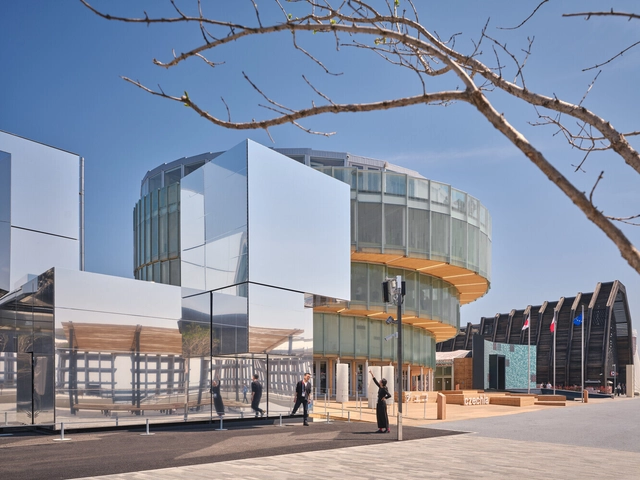
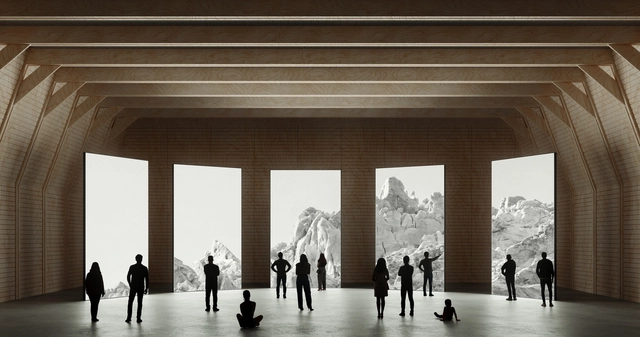
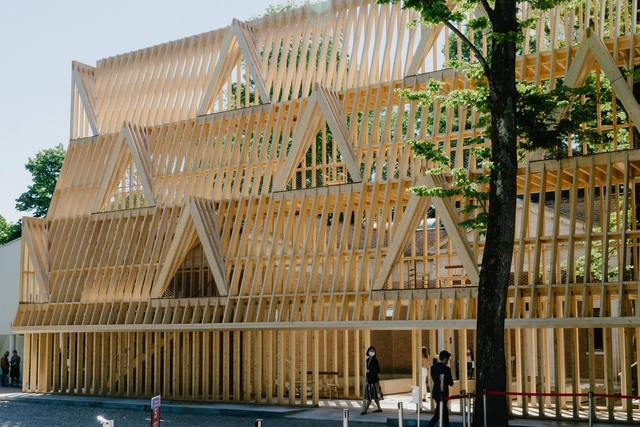
Following an international competition, AMDL CIRCLE has been selected to create the pavilion which will represent the spirit and vision of the Nordic Countries at the Expo Osaka in 2025. Their proposal takes a sustainable and circular approach, as the structure is purposely designed for disassembly and reuse. Technically developed and engineered by Rimond and conceived by AMDL CIRCLE, the pavilion aims to showcase the Nordic people’s respect and connection with the environment while offering ample space for the display of technological innovations.
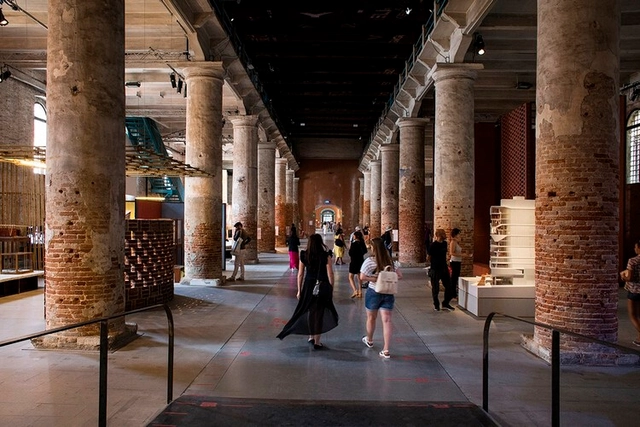
In light of the looming climate crisis and the pursuit of sustainability, the concepts of revival and reuse have emerged as crucial strategies in the quest for decarbonization in the architecture industry. These principles preach that creating new structures may be sustainable but encourage architects to minimize their ecological footprint by reactivating and recycling existing resources. This year specifically, innovative projects in line with these themes were displayed as part of the 18th International Architecture Exhibition – La Biennale di Venezia. This world-renowned event’s core purpose is to serve as a platform for architects, designers, and thinkers to collectively reimagine sustainability, decarbonization, resource conservation, and the industry's future.
Courtesy of Media by Matteo de Mayda/ Courtesy of 18th International Architecture Exhibition – La Biennale di Venezia, The laboratory of the Future
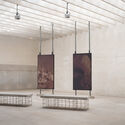
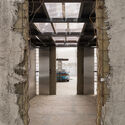
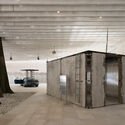
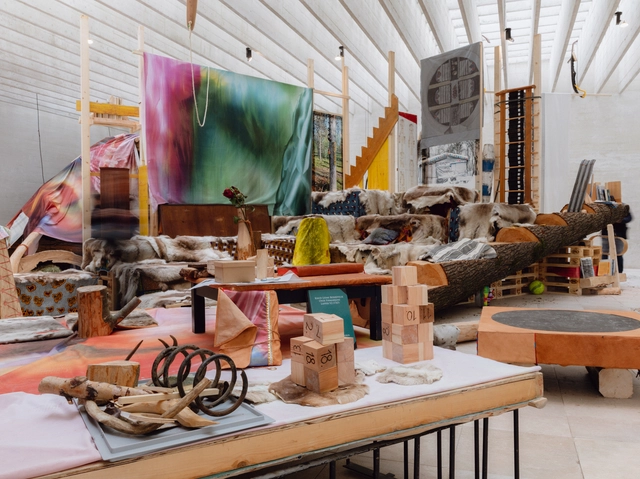
For the 18th International Architecture Exhibition – La Biennale di Venezia, the Nordic Countries Pavilion, representing Finland, Norway, and Sweden, will showcase Girjegumpi, an itinerant collective library project initiated by architect and artist Joar Nango. For over fifteen years, Joar Nango has been assembling an archive of books and materials exploring Indigenous Sámi architecture and design, traditional building knowledge, activism, and decoloniality. The Girjegumpi first opened to the public in 2018, becoming a welcoming space for gathering and promoting the Indigenous culture. In 2023, the library will travel to Venice, where it will be presented in the Nordic Countries Pavilion, designed by Norwegian architect Sverre Fehn.
In this two-part episode of Design and the City - a podcast on how to make cities more livable – reSITE covers the 17th Venice Architecture Biennale, exploring the question of “How will we live together". Part-one looks into the works of the U.S, Nordic, and Luxembourg Pavilion curators, focusing on their use of timber construction as an answer to the exhibition's theme. Part-two features curator Hashim Sarkis and Greg Lindsay, along with the British and Austrian pavilion curators, as they explore the topic of accessibility.
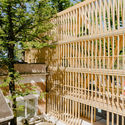
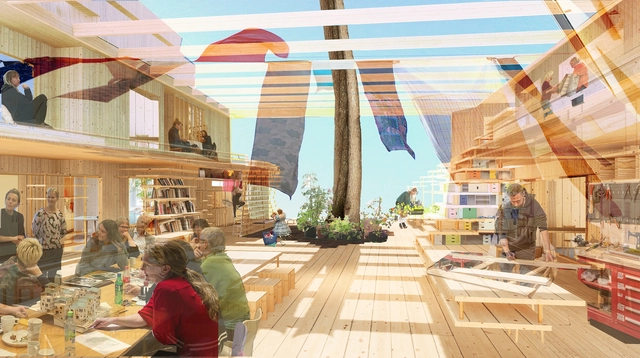
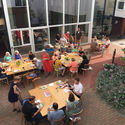
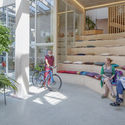
The Nordic Pavilion at the 17th International ArchitectureExhibition of the Venice Biennale will be transformed into an experimental cohousing project by architects Helen & Hard, supported by a curatorial team from the National Museum of Norway. Responding to the theme of How will we live together? the intervention “will present a framework for designing and building communities based on participation and sharing”.
1997 Pritzker Prize laureate Sverre Fehn (August 14th 1924 – February 23rd 2009) was a leader in Post World War II Scandinavian architecture. “His work has an intuitive confidence in how to use the Nordic landscape and its particular light conditions within the built culture, and yet throughout his career each period has reflected a refined sensitivity to international changes and attitudes in architecture,” said his close collaborator Per Olaf Fjeld. “It can be compared to a poetic work conceived on an isolated mountain by a writer with an uncanny, intuitive sense of what is going on in the towns below.” [1]