

-
Architects: Arch&Type
- Area: 780 ft²
- Year: 2024
-
Professionals: McCullough Design, Buffalo Niagara Weldworks, Pike Construction Services, Tala
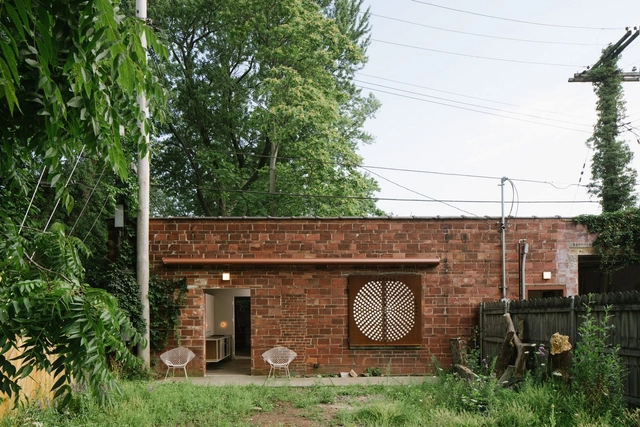
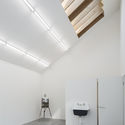
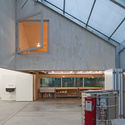
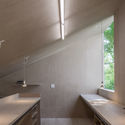
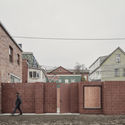
There's something quite exciting about imagining how a particular space within an existing built form can dictate its use and vice-versa, how the function of a determined space can shape the space's appearance, and the endless possibilities that this entails. This reciprocal process is a concept we often find in the works of the experimental architecture duo Davidson Rafailidis, whose projects evidence a thorough understanding of the existing form that results in a careful and thoughtful ensemble of dynamic architecture.
This article was originally published on Common Edge.
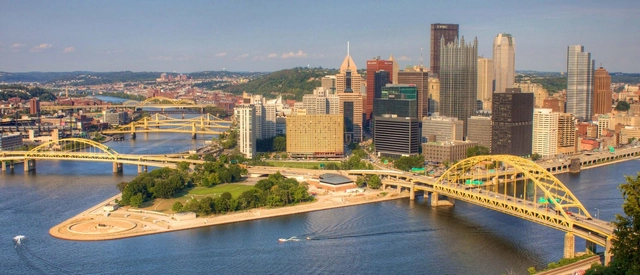
Recently I visited Pittsburgh for a fascinating hand-drawing conference at Carnegie Mellon’s superb school of architecture, which to my knowledge is not among the top 10 in U.S. News and World Report. I wonder why? The curriculum is cutting-edge, the faculty world-renowned, and the students well-grounded and talented. More people of color are in the design community at CMU than at Princeton, SCI-Arc, or Harvard.

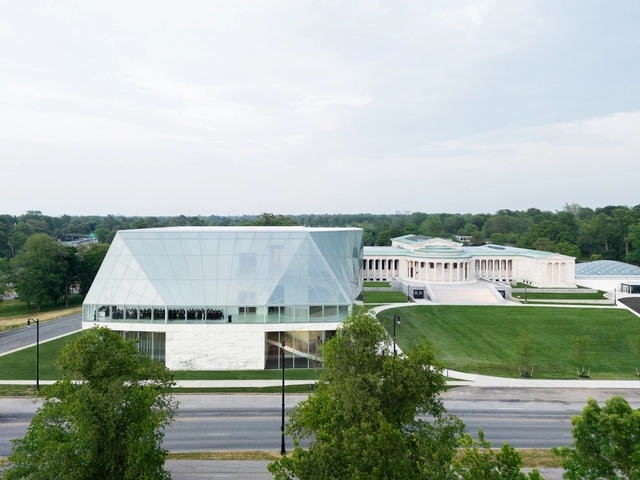
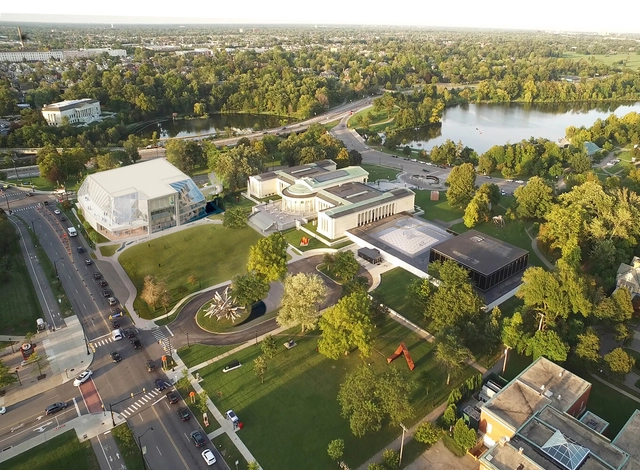
The Buffalo AKG Art Museum (formerly known as the Albright-Knox Art Gallery) has announced that it will welcome its first visitors on the 25th of May, 2023. Revamped and expanded, the new campus designed by OMA/Shohei Shigematsu in collaboration with Cooper Robertson features “new work of signature architecture, the Jeffrey E. Gundlach building, and extensive renovation to existing buildings”.
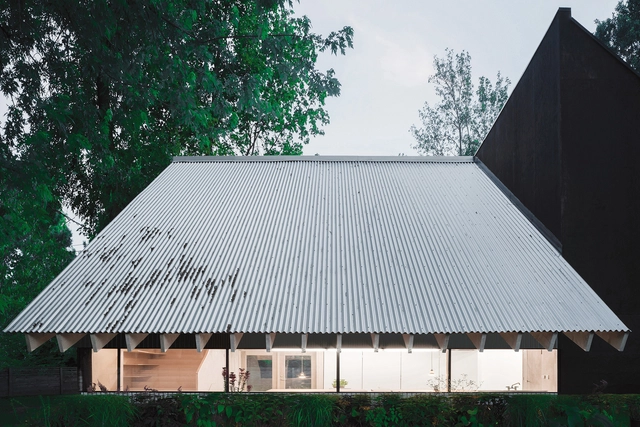

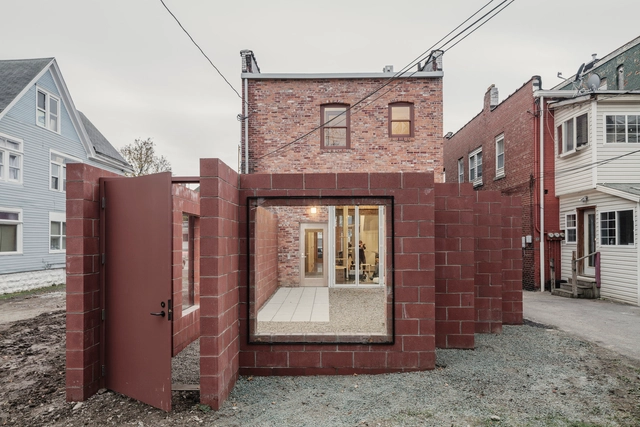
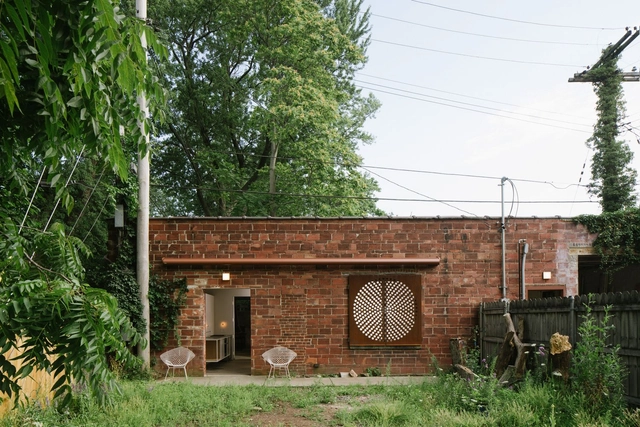
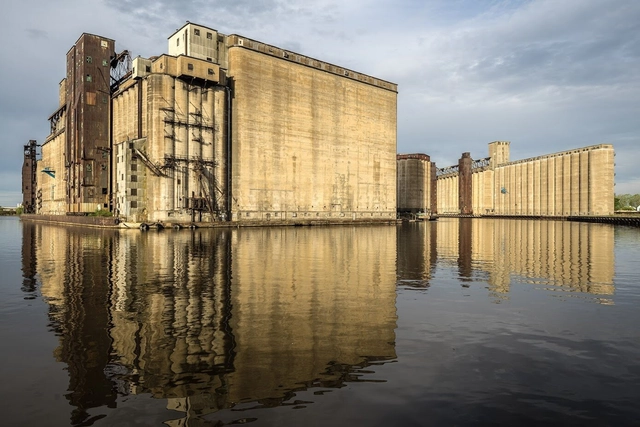
This week's reprint from Metropolis explores the ongoing renovation and transformation of an iconic site in Buffalo, Silo City, in order to create ambitious residential and public projects.

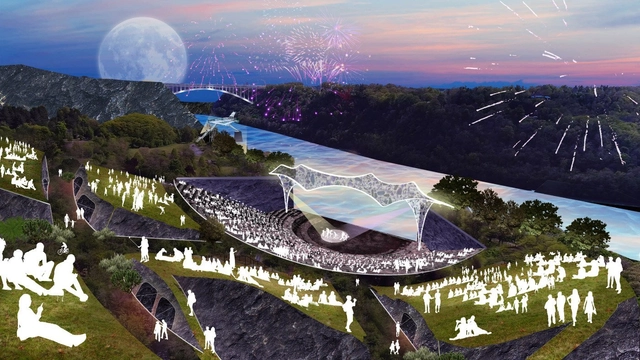
Design practices SO-IL and West 8 have won a competition to redesign a 37-acre cultural hub along New York's Niagara Gorge. The project will include a renovated main stage and an outdoor ampitheatre, as well as a series of pathways, galleries and viewing stations integrated into the canyon. The teams are tasked with the development of a strategy to revitalize the Artpark grounds, while improving connectivity, facilities and programs.

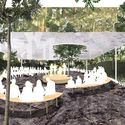
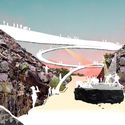
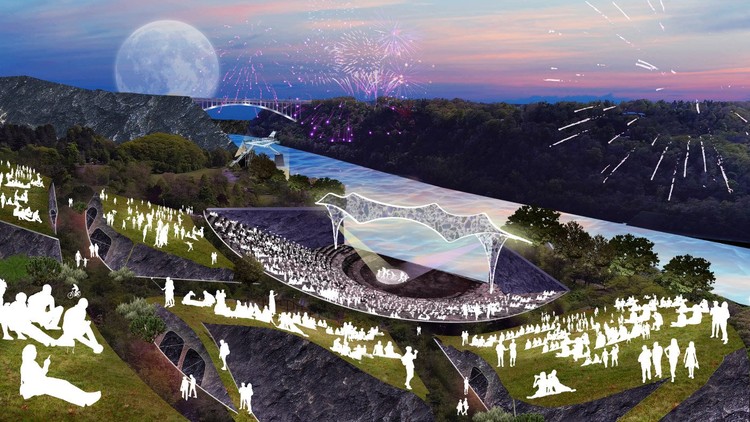
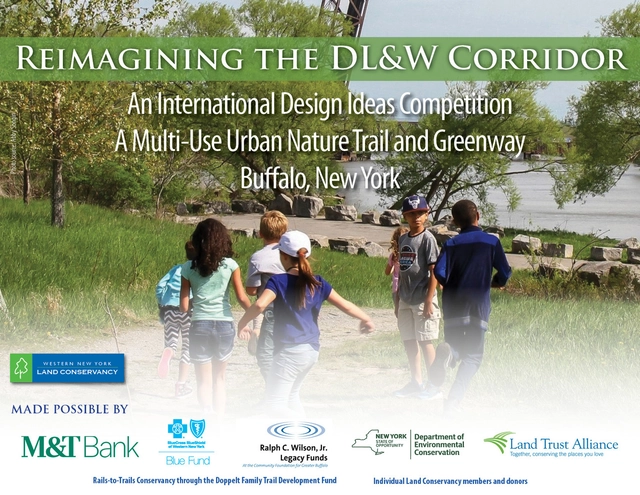
Reimagining the DL&W Corridor: International Design Ideas Competition for a Multi-Use Urban Nature Trail & Greenway in Buffalo, New York
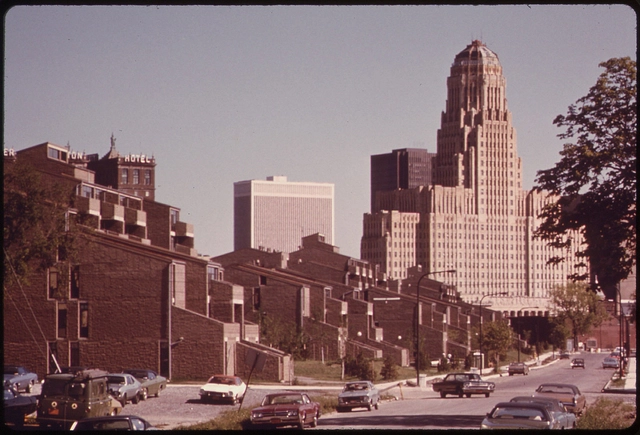
This article was originally published by The Architect's Newspaper as "Demolition of Paul Rudolph’s Shoreline Apartments stalled by single tenant."
Demolition of the Paul Rudolph-designed Shoreline Apartments in Buffalo, New York, has accelerated, and the full destruction of the housing complex is being stalled by a single tenant. John Schmidt has refused to leave his unit in what remains of the brutalist buildings, despite having received an eviction notice, over what he feels are strong-arm tactics from developer Norstar Development Corporation.


Throughout history shifting economies, disasters, regime changes, and utter incompetence have all caused the evacuation of impressive architectural structures. From the 1986 explosion at the Chernobyl Nuclear Power Plant in Ukraine that rendered a region of the then-Soviet Union uninhabitable, to the decline in public transport that saw a number of US train stations becoming superfluous, the history of architectural abandonment touches all cultures. And, without regular maintenance, structures deteriorate, leaving behind no more than awe-inspiring ghosts of the past to fuel the ever-growing internet trend for "ruin porn." Below are 8 abandoned buildings slowly being reclaimed by nature:
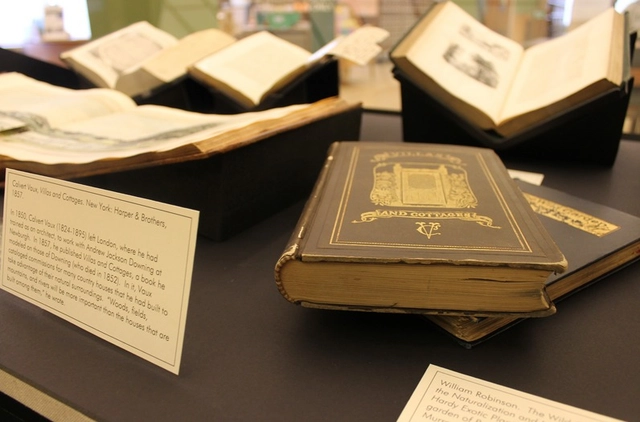
Buffalo and Erie County Public Library of Buffalo, New York, has recently opened a new exhibit at their Central Library titled Building Buffalo: Buildings From Books, Books From Buildings. The exhibit will feature a large selection of rare, illustrated architectural books from the Library’s collection dating from the fifteenth century to the mid-twentieth century. The bonus for those who are geographically distant from Buffalo is that, as part of the exhibit, the Library has also made dozens of historical architecture books available online, completely digitized and free to the public.
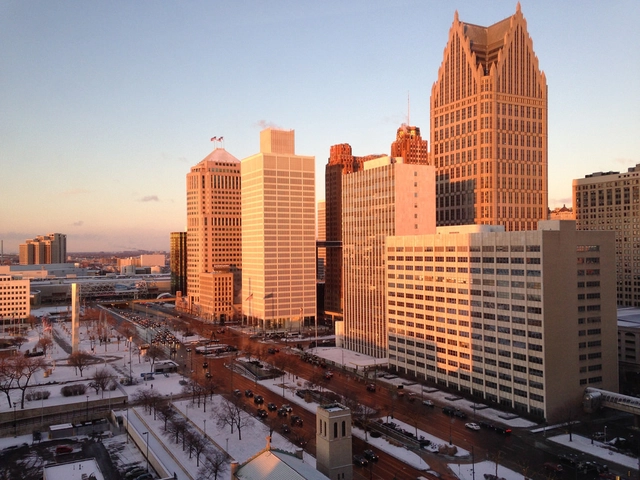
The "Rust Belt," a region of north central United States, is well known as an area where once thriving industrial cities have declined in economic health and population. As a result, many of the region's cities have been subject to grand proposals that aim to fix these city's problems--but could such schemes also provide a way to intervene in other serious global issues? In a recent article, Metropolis Magazine’s Web Editor and former ArchDaily Managing Editor Vanessa Quirk argues that refugees could reinvigorate such cities, describing how refugees are “boosting American’s legacy cities,” but simultaneously “encountering resistance from residents.”

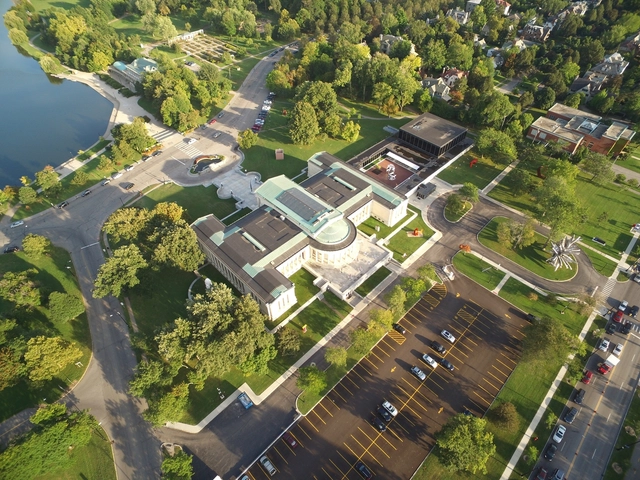
Buffalo’s Albright-Knox Art Gallery has selected OMA to expand and refurbish the historic museum and its campus. The project team is being lead by OMA New York’s Principal, Shohei Shigematsu, who will spend the next year in partnership with the museum and in consultation with the community on how to renew and revitalize the august institution. Known as AK360, the building will be OMA’s first art museum project in the United States, and the Albright-Knox’s first expansion in more than a half-century. According to the museum, the project’s name is a reflection on this being the institution’s third expansion in its 154-year history, in addition, it establishes an embrace of public feedback and the acknowledges the condition of being encircled by parkland.
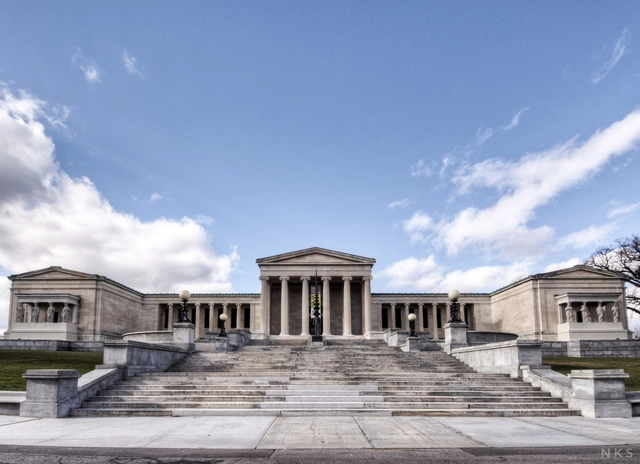
Five major firms have been shortlisted for the Albright-Knox Art Gallery's $80 million expansion in Buffalo, New York. Chosen for their "design intellect" and ability to collaborate, the competing firms will envision ways to expand the gallery's exhibition space and create a new public urban area that maximizes the site's potential, as the Albright-Knox campus is located on the edge of Delaware Park - one of Frederick Law Olmsted’s major works.
“The selection of the architects reflects that malleability, because none of them has a fingerprint style,” Albright-Knox director Janne Sirén said. “All of them, almost, specialize in an ability to build for a given context.”
The five practices include: