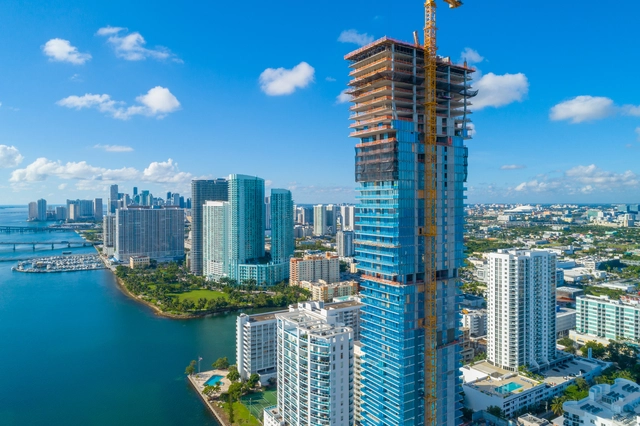
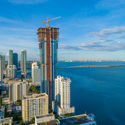
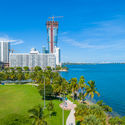
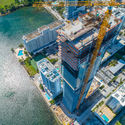
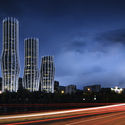
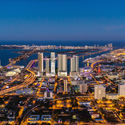
Designed by Arquitectonica, Miami’s most anticipated landmark dubbed Elysee has topped-off construction at 57 stories. Upon its completion in 2020, the 649-foot-tall glass tower will become the tallest residential building in the Edgewater district.


Designed by Arquitectonica, Miami’s most anticipated landmark dubbed Elysee has topped-off construction at 57 stories. Upon its completion in 2020, the 649-foot-tall glass tower will become the tallest residential building in the Edgewater district.
Architects and developers have always been on opposite ends of the construction world. While the first wanted to create dreamy spaces, the latter just wanted to cater to the basic needs. In these past few years, the world has witnessed significant changes, with the aggravation of climate-related issues, the evolution of technological solutions, and the newly acquired awareness and growth of the population.
While everything is transforming, building trends also evolved, mainly due to an alteration in people’s perceptions and priorities. However, one question remains unanswered: Could all these changes mean that the never-ending conflict between architects and developers reached some sort of common grounds? And could they finally be seeking one same goal, of a sustainable, resilient and inclusive future?
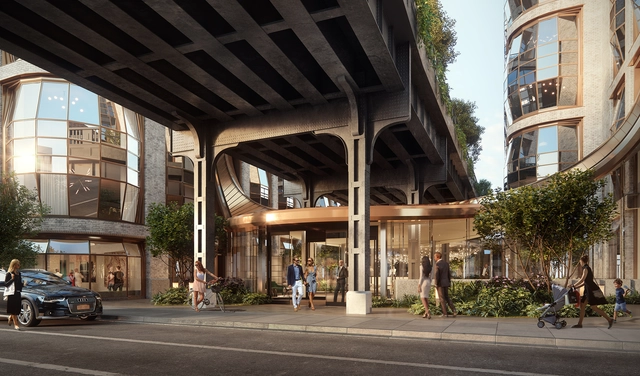
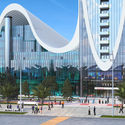
Heatherwick Studio offered a first look at the freestanding glass lobby pavilion at Lantern House, the firm’s first residential building in the United States. The project consists of 2 volumes, an east structure standing at 10-stories and a west structure standing at 22-stories, connected under the High Line.

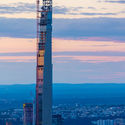
Centered over Central Park in Midtown Manhattan, 111 West 57th Street, the second tallest residential building in the Western Hemisphere has topped out at 1,428 feet. Designed by SHoP Architects with interior architecture by Studio Sofield, the tower is considered the most slender skyscraper in the world.
_OMA.jpg?1571676595&format=webp&width=640&height=580)
Led by Iyad Alsaka, Reinier de Graaf, Jad Semaan, and Adrianne Fisher, OMA’s proposal was selected as the winning entry for a residential project on Kuwait City’s waterfront. In collaboration with local partner Kuwait-based consultant Pace, The Wafra tower will be OMA's first venture in the country upon its completion.
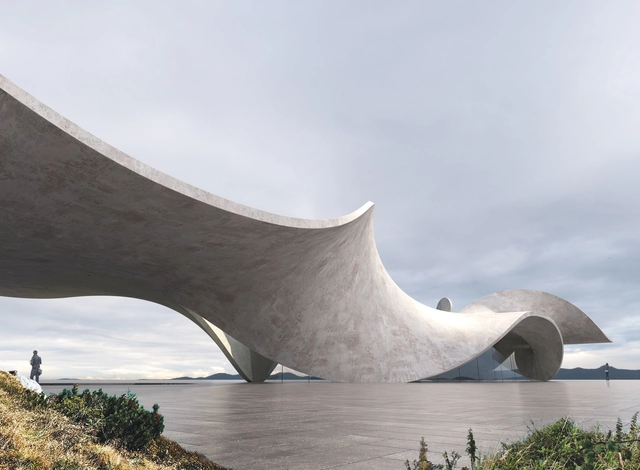
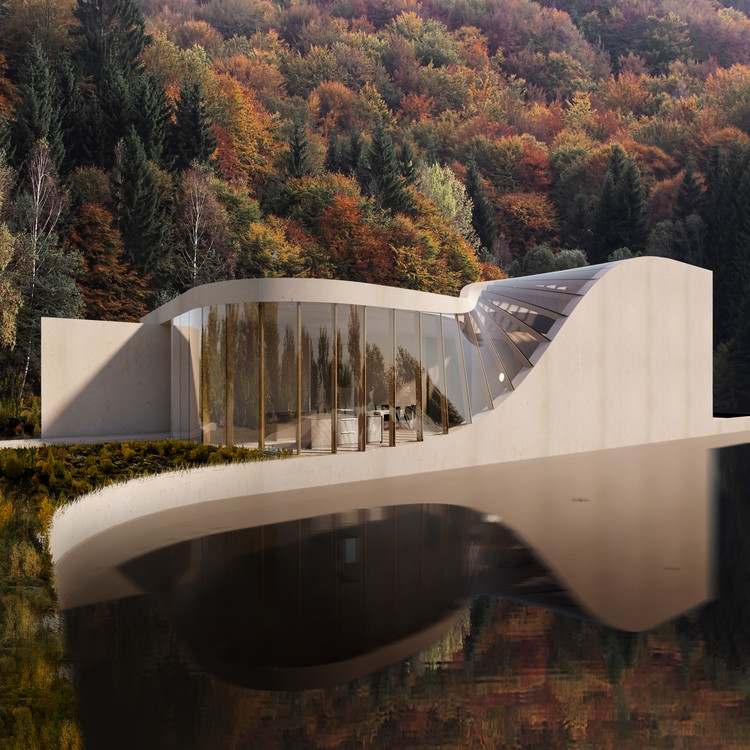
Experimenting with a very rigid material, Antony Gibbon imagines a residential project where the outer concrete shell twists and turns, in order to create livable spaces. With a very basic function, the proposal is an invitation to push technical boundaries and unleash the imagination.
_8918.jpg?1564659851&format=webp&width=640&height=580)
Earlier this year, the L’Abre Blanc Residential Tower was completed in Montpellier, France. Designed by Sou Fujimoto, Nicolas Laisné, Manal Rachdi, and Dimitri Roussel, the tree-like structure features cantilevered balconies protruding from its ‘trunk’ in all directions. An eccentric but unique silhouette, the building is hoped to become an object of pride for the people of Montpellier as well as a tourist attraction.
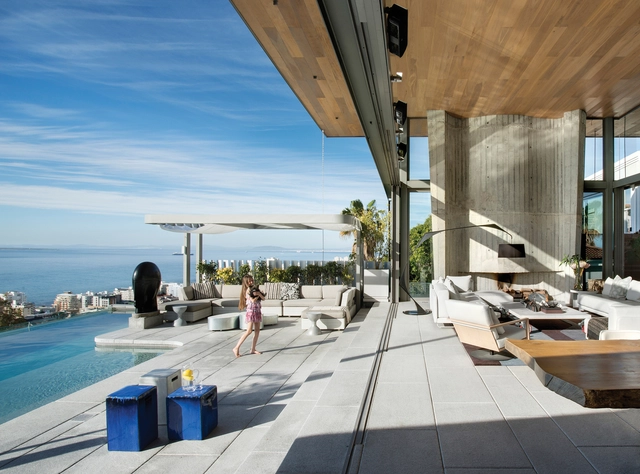
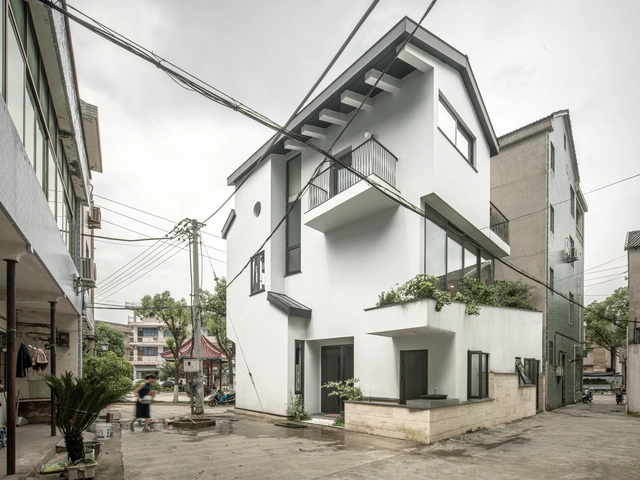

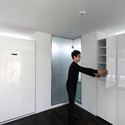
Christophe Benichou Architecture's recent project Sesame is solitary and monolithic. Located in a desert, its facades are split open and fragmented, leaving parts of the walls slightly ajar. In each of these cavities sit icons of domesticity, including a bed, table, bathtub, sink, and toilet.
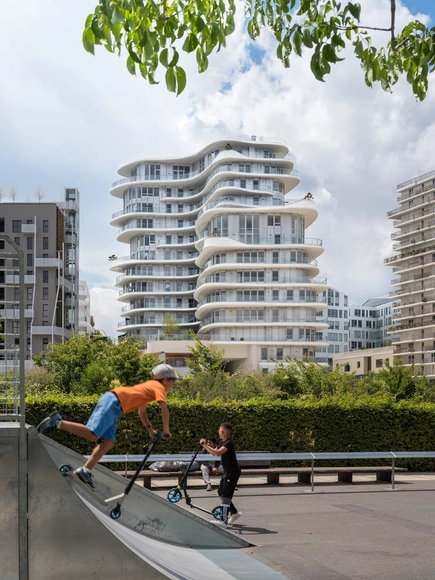
MAD Architects’ first built project in Europe is nearing completion in the French capital of Paris. Led by Ma Yansong, MAD was awarded the project in 2012 following an international design competition, working in collaboration with French firm Biecher Architectes. The building, named “UNIC,” emerges as part of a mixed-use masterplan envisioned adjacent to the Martin Luther King Park: a 10-hectare green space.
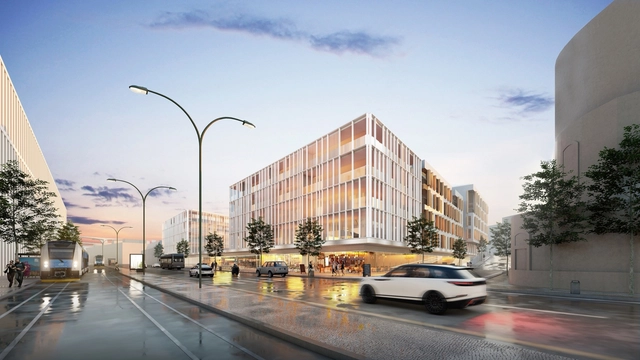
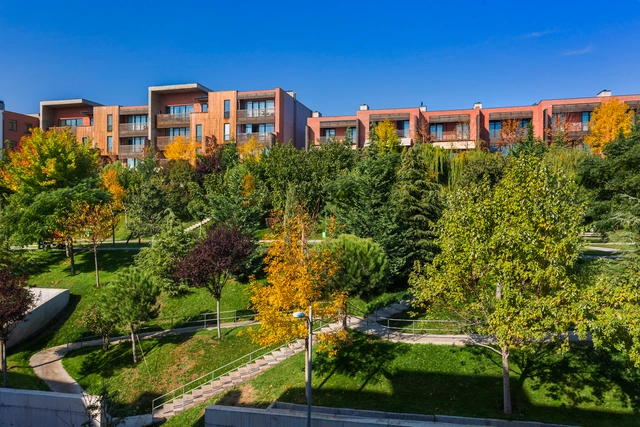
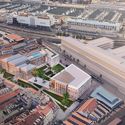
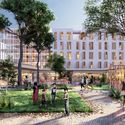
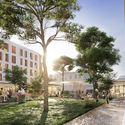
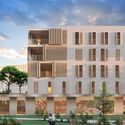
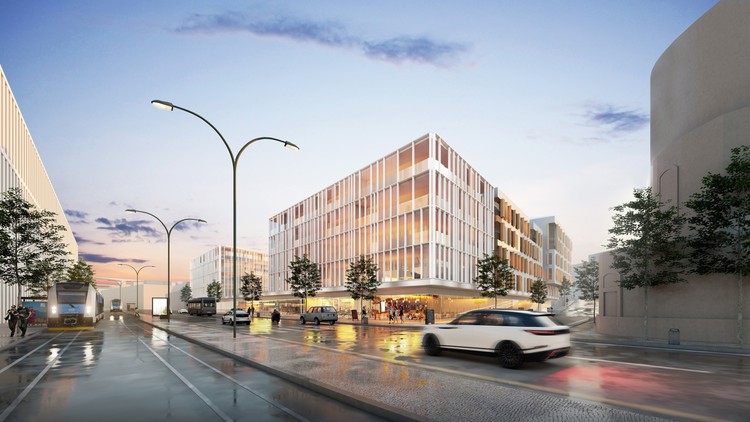
EAA-Emre Arolat Architecture has revealed their design for Alcantara Gardens in Lisbon, Portugal. The 23,000-square-meter scheme contains residential, apartments, office spaces, and public amenities behind facades inspired by vernacular design.
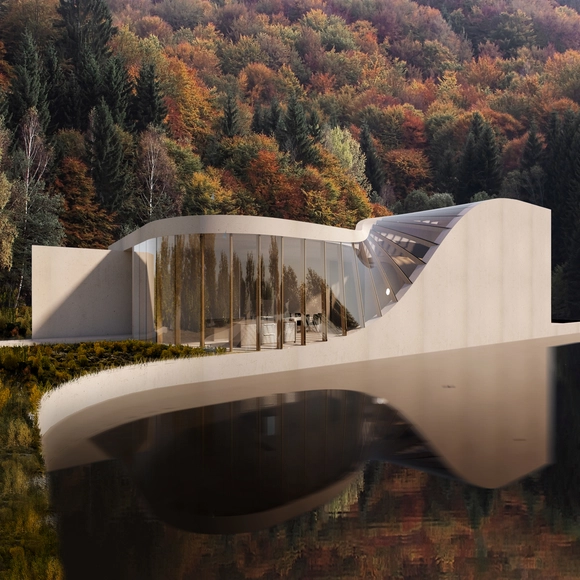
Although small residential projects tend to be limited in spatial capacity, the design possibilities remain endless, especially if the project’s site is the biggest source of inspiration.
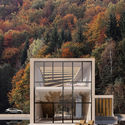
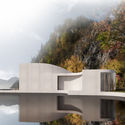
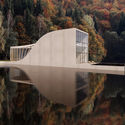
For a small family’s vacation home, Turin-based architecture firm Wafai Architects proposed a uniquely-designed luxury villa overlooking the picturesque Türlersee lake in Switzerland.
.jpg?1559649898&format=webp&width=640&height=580)
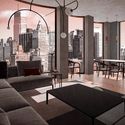
Archimatika has designed a modern high rise residential scheme for Manhattan. “The Snail” prioritizes slow living in the high-paced metropolis, providing residential amenities usually lacking in typical Manhattan housing. While proposing a departure from New York City’s fast-paced lifestyle, the scheme blends with the city’s urban fabric with mosaic concrete facades over a steel frame structure.
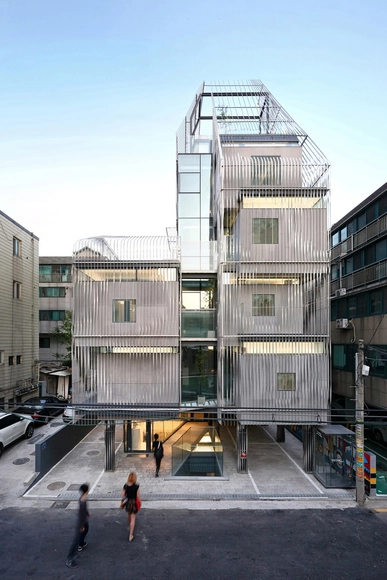
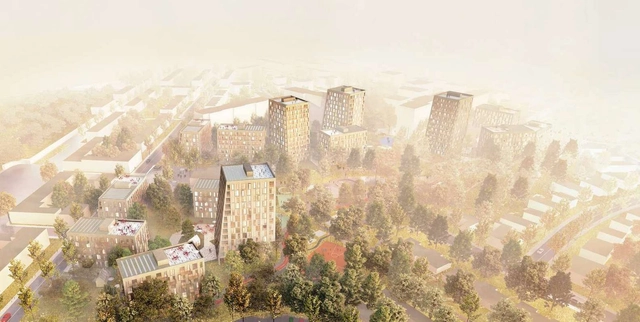
C.F. Møller Architects and BRUT have won a competition for the design of an ambitious urban development in Ostend, Belgium. The neighborhood of 500 houses demonstrates a method of using a human scale to improve the quality of life the residents and the urban realm.
The project centers on the De Nieuwe Stad quarter, where an existing social housing scheme from 1972 has become outdated. The competition for the site’s complete redevelopment attracted 54 firms, from which C.F. Møller Architects and BRUT.






.jpg?1572951787 "Courtesy of 111 West 57th Street")

_OMA.jpg?1571677954 "Courtesy of OMA")
_OMA.jpg?1571684132 "Courtesy of OMA")
_OMA.jpg?1571683555 "Courtesy of OMA")
_OMA.jpg?1571674872 "Courtesy of OMA")
_OMA.jpg?1571676595)


_9105.jpg?1564659862 "© Laurian Ghinitoiu")
_9331.jpg?1564659818 "© Laurian Ghinitoiu")
_9283.jpg?1564659903 "© Laurian Ghinitoiu")
_8623.jpg?1564659967 "© Laurian Ghinitoiu")
_8918.jpg?1564659851)





.jpg?1559649970 "© Archimatika")
_1.jpg?1559649948 "© Archimatika")

.jpg?1559649898)