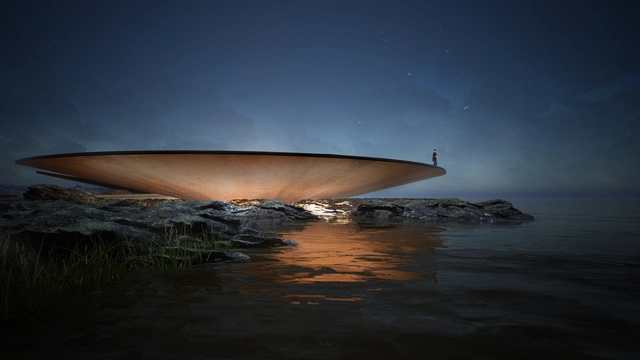
The existing podium, located outside the Secretariat Building in Freetown, commemorates soldiers of the First World War and later incorporated servicemen from the Second World War by removing a small mention of the men of the Carrier Corps, a removal this project seeks to address. Studio founder Tosin Oshinowo is the first woman and the first West African architect to design a memorial for the CWGC.
As communities grow more multicultural and increasingly diverse, these spaces serve as physical manifestations of religious inclusion, encouraging the acceptance of religious and ethnic minorities within multicultural landscapes. Their proliferation reflects a growing need for inclusive environments that cater to diverse spiritual needs while promoting interfaith understanding. However, designing and implementing these spaces presents complex challenges, often sparking debates about representation, neutrality, and the very nature of sacred space. These discussions underscore the delicate balance architects must strike in creating spaces that are both universally welcoming and spiritually meaningful.
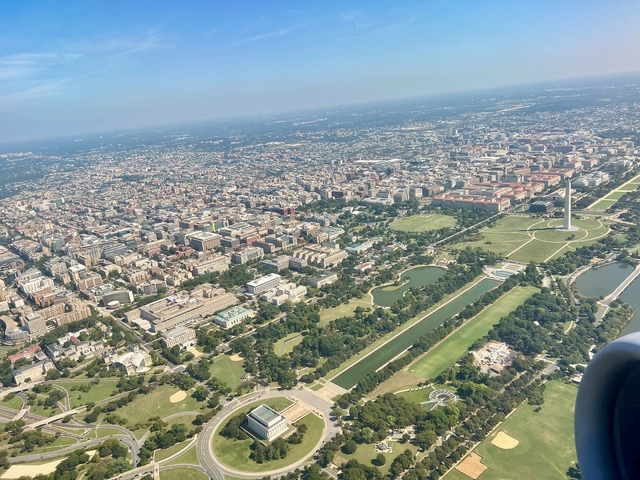
In a surprising development, internationally renowned architect Kengo Kuma has been named the new lead designer for the highly anticipated Global War on Terrorism Memorial on the National Mall in Washington, D.C. The announcement follows the departure of previous designer Marlon Blackwell, who was originally selected in July 2023.
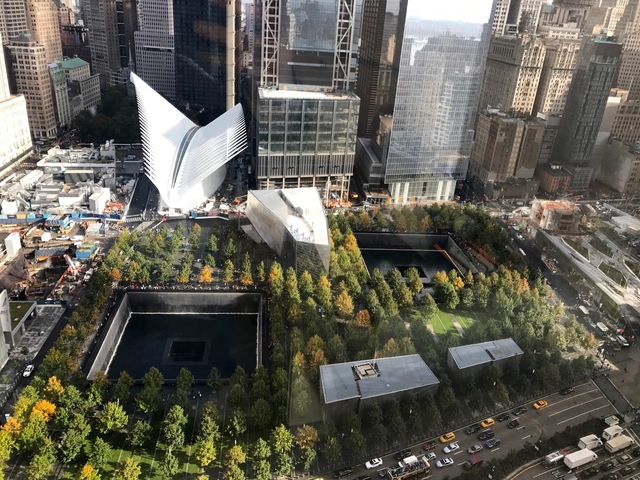
On the morning of September 11, 2001, two hijacked commercial jetliners struck the Twin Towers in Lower Manhattan, a third plane struck the Pentagon, and a fourth crashed in rural Pennsylvania. A total of 2.977 people were killed in the terrorist attacks. In the face of this unprecedented loss, the city of New York promised to rebuild Lower Manhattan as a lively neighborhood while honoring and maintaining the memory of this day. Thus began one of the largest reconstruction projects in New York City, a process that is still ongoing now, 23 years after the tragedy.
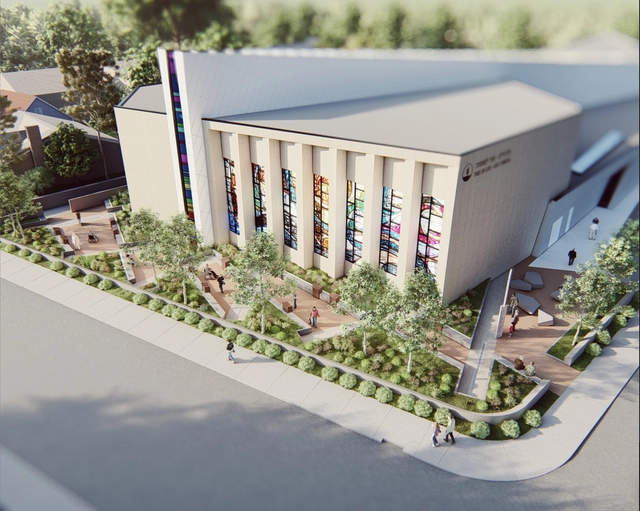
Studio Libeskind, working in close partnership with the Memorialization Working Group, has unveiled the preliminary design for the memorial for the 11 killed on 27 October 2018 at the Tree of Life Synagogue in Pittsburgh, United States. The design was developed in a process led by the victims’ families, communal leaders, and concretional representatives. The building’s official groundbreaking is expected in 2024.
Figure x J. Jih Architecture Collective, led by James Leng and Jennifer Ly in collaboration with J. Roc Jih San Francisco, CA. Image Courtesy of Courtesy City of Los Angeles Department of Cultural Affairs
The city of Los Angeles has selected six finalists for the competition to design a new memorial dedicated to the victims of the 1871 Chinese Massacre. In one of the darkest chapters in the city’s history, on 21 October 24, roughly ten percent of the city’s Chinese population at the time, at least 18 residents, were murdered by a mob of rioters. The memorial seeks to raise public awareness of the 1871 racially motivated mass killing while simultaneously addressing contemporary concerns regarding race, intolerance, and violence. The memorial was first announced in April 2021, and it is set to be built near the site of the massacre and the Chinese American Museum.
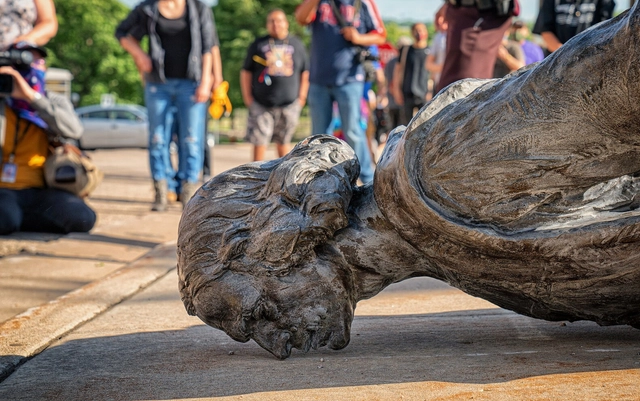
The fallen Christopher Columbus statue outside the Minnesota State Capitol after a group led by American Indian Movement members tore it down in St. Paul, Minnesota, on June 10, 2020. Author: Tony Webster, licensed under the Creative Commons Attribution 2.0 Generic via Wikimedia Commons.
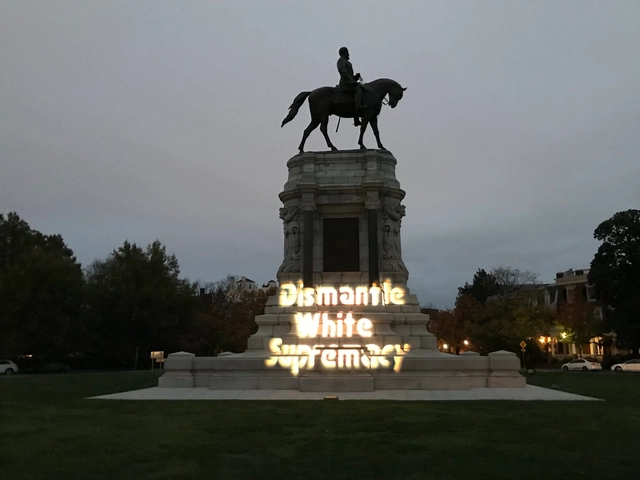
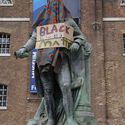
What is the story that your city's public space tells? Who are the people honored in monuments scattered throughout it? Issues like these have led to a series of insurgencies in recent years in several cities. The notions of memory and representation have expanded the reflection on which narrative we build in our spaces, a fact that has triggered an urban question for the future: after all, what do we want to remember (or forget) through the symbols that we rise (or destroy) in cities?
While walking through the city, have you ever felt afraid to be yourself? As strange as the question may sound to some, it is a reality for most LGBTQIA+ people, who at some point have been victims of hostility when they were noticed performing outside the "heteronormative standards" of public spaces. If violence comes from social layers that go beyond the designed space, this does not exempt the importance of thinking about projects that can integrate the physical sphere and insert a symbolic or representational factor to include and educate its citizens. This is the case of Homomonument, which for more than three decades, has become a platform for queer celebration and protest in the heart of Amsterdam.
Videos
Thunderhead by Team Wreford. Image via Canadian Heritage
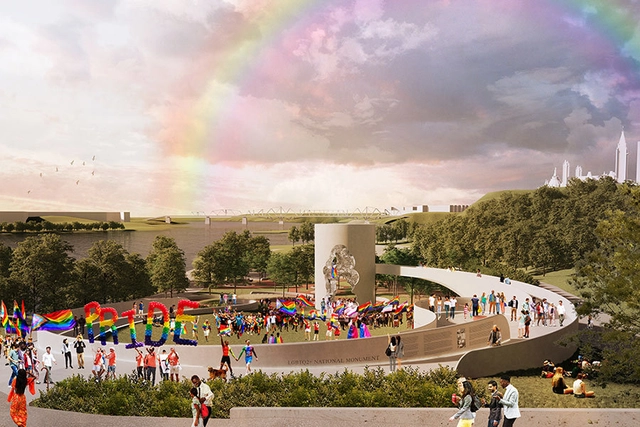
Canada’s Department of National Heritage, along with the Minister of Canadian Heritage Pablo Rodriguez, Minister for Women and Gender Equality and Youth Marci Ien, as well as the LGBT Purge Fund have unveiled “Thunderhead” as the winning concept of Ottowa's LGBTQ2+ National Monument competition. The winning design symbolizes a thunderhead cloud, which embodies the "strength, activism and hope of LGBTQ2+ communities, and will be a lasting testimony to the courage and humanity of those who were harmed by the LGBT Purge, homophobic, and transphobic laws and norms".
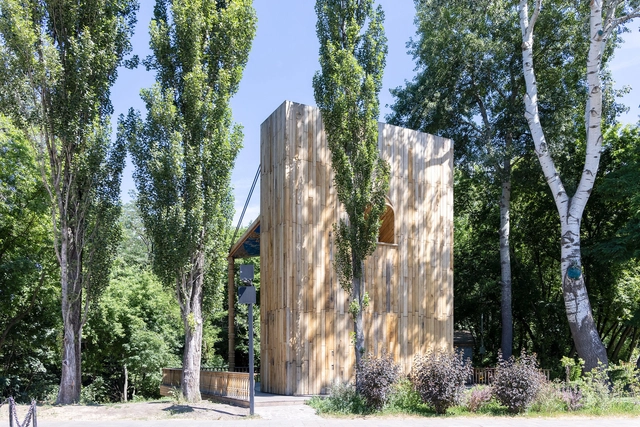
Babyn Yar Synagogue by Manuel Herz, image by Iwan Baan. Image Courtesy of BYHMC
Babyn Yar, a ravine in the Ukrainian capital Kyiv, witnessed the killing of more than 33,000 Jewish men, women, and children, on September 29 and 30, 1941. The site of one of the largest single massacres perpetrated by occupying German troops against Jews during World War II, Babyn Yar became a symbol of the Holocaust by Bullets.
While the main tragic event took place in 1941, throughout the occupation, the site was used as a killing location by the German forces. In fact, it is reported that 70 to 100 000 people lost their lives in Babyn Yar. With no architecture to the tragedy and only a remaining “broken” landscape, people struggled with achieving memorialization and public recognition.
Adjaye Associates has recently designed a project in Niamey, Niger to honor all those that lost their lives in the fight against terrorism on the country’s southern and western borders. The Martyrs Memorial is in fact “tangible documentation of the continuous fight against extremist entities and the soldiers who have fallen in the process”.
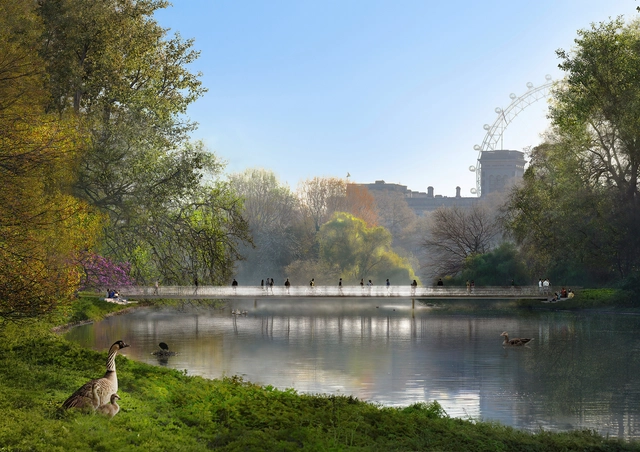
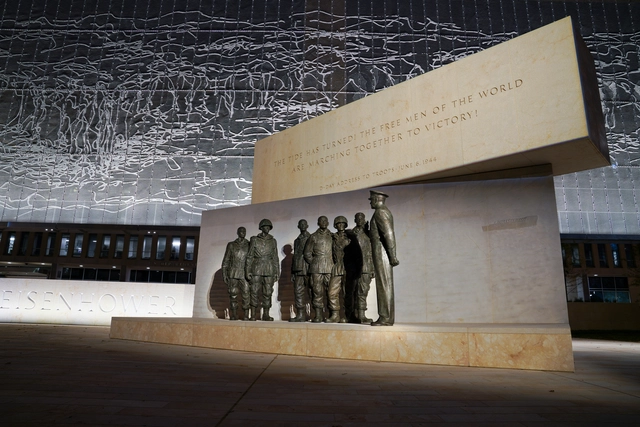
Courtesy of Dwight D. Eisenhower Memorial Commission
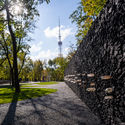
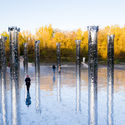
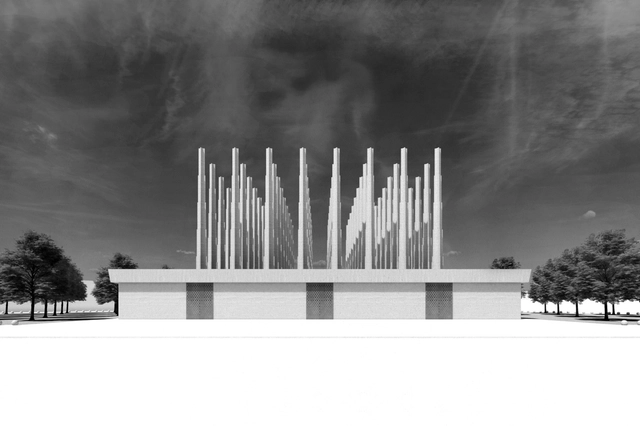
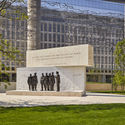
Over two decades in the making, Frank Gehry's design for the Dwight D. Eisenhower Memorial in Washington, D.C. will finally open to the public this Friday. A tribute to the 34th President of the United States, the memorial was commissioned by Congress in 1999 to honor the legacy of the World War II Supreme Allied Commander. Eisenhower is well known for leading the invasion of Normandy, a turning point in the war, and for serving two terms as President of United States.
With a complex debate underway about monuments and the way we engage history, we should start thinking about a COVID-19Memorial. Yes, I know we are in the middle (or is it still the start?) of this pandemic, but the intensity of the moment might actually help us envision what such a memorial could be. Instead of waiting for a time when we have more distance from our current catastrophe, we should capture the passions coursing through society right now.
Architecture firm Gómez Platero has designed a new memorial to honor those affected by COVID-19. Sited in Uruguay, the monument is made to be an expression of hope in an uncertain time. As the first large-scale monument to the worldwide victims of the COVID-19 pandemic, the project is called the "World Memorial to the Pandemic." It aims to be a space for mourning and reflection that's environmentally conscious and emotionally impactful.
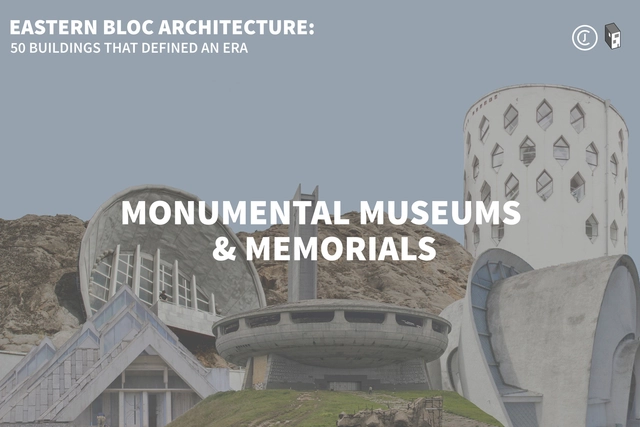
This article is part of "Eastern Bloc Architecture: 50 Buildings that Defined an Era", a collaborative series by The Calvert Journal and ArchDaily highlighting iconic architecture that had shaped the Eastern world. Every week both publications will be releasing a listing rounding up five Eastern Bloc projects of certain typology. Read on for your weekly dose: Monumental Museums and Memorials.
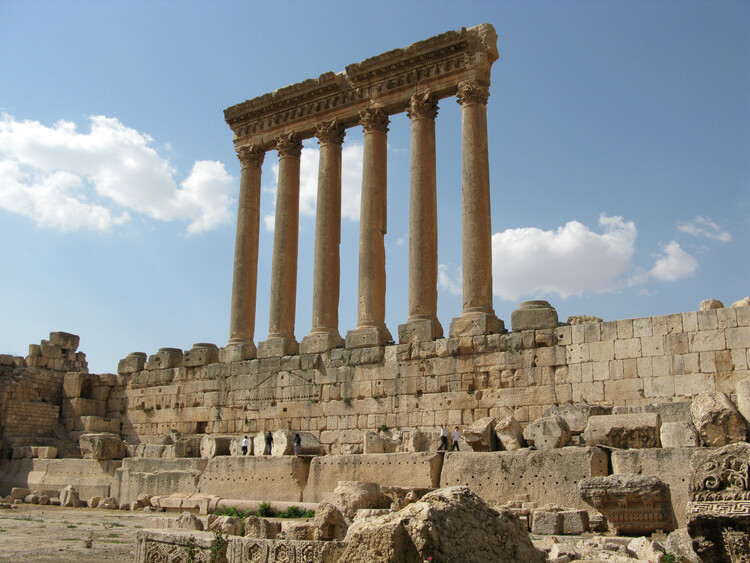
Monuments, as Alois Riegl pointed out a century ago, are aids to memory. “In memoriam,” the carvings cry out. Though they are almost always tainted with political ideologies and social values, they can stand on their own as works of art, absorbing meanings over millennia. Many that we continue to treasure were once associated with events and practices antithetical to modern mores and taboos: Greek temples were founded on the altars of animal—and, earlier, human—sacrifice; the pyramids were made by slaves; market crosses may have served as flogging posts. There really are no innocent human artifacts dedicated to remembering human acts, as fact or fiction.
https://www.archdaily.com/943834/status-statues-and-statutes-the-issue-with-monuments-to-flawed-menMark Alan Hewitt




















.jpg?1599848656 "Courtesy of Dwight D. Eisenhower Memorial Commission")
.jpg?1599849450 "Courtesy of Dwight D. Eisenhower Memorial Commission")
.jpg?1599848766 "Courtesy of Dwight D. Eisenhower Memorial Commission")