Wars, decolonization, economic crises, civil movements, and industrial-technological revolutions: the 20th century was a period of radical and far-reaching transformations. These upheavals reshaped societies and redefined how people expressed their evolving aspirations, with architecture leading the way. Machines and industrialization promised technological progress and modernization, advocating for a clean break from the ornamented, historically rooted styles of the past while embracing a vision focused on functionality, efficiency, and innovation. This shift, embodied by modernism, introduced new concepts, methods, and material uses—all shaped through experimentation.
https://www.archdaily.com/1026242/formal-and-material-experimentation-key-lessons-from-modernist-architecture-pioneersEnrique Tovar
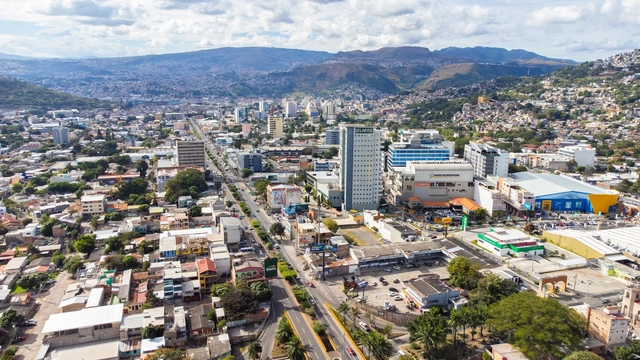
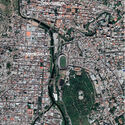
In 1975, Honduras was under a military regime that had been in power for over a decade, led at the time by General Juan Alberto Melgar Castro. During this period, Tegucigalpa underwent several big and unprecedented changes. The influx of people from various parts of the country due to rural migration transformed the city from a compact urban area into an expanding metropolis. This unexpected growth prompted the government to implement a municipal development and planning scheme, a project that would define the city's future and the evolution of its old town. This article was developed with the collaboration of the Honduran architect Lisandro Calderón, who specializes in Urban Planning and is currently a professor at the Central American Technological University (UNITEC), located in Tegucigalpa, Honduras.
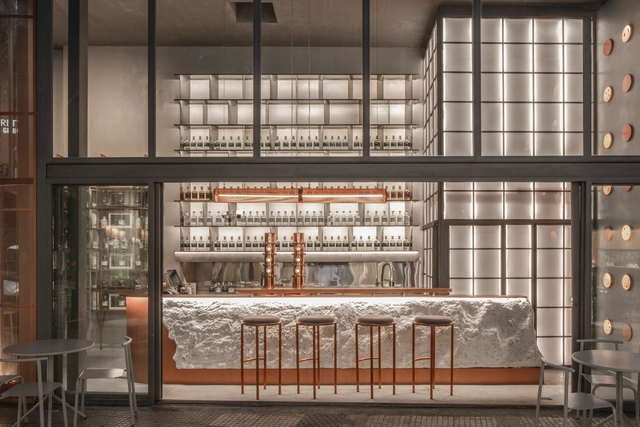
When designing spaces with reduced dimensions, adopting an efficient configuration and distribution is crucial for the user experience and the smooth development of activities and tasks to be carried out. In the case of bars and restaurants, numerous architecture and interior design professionals strive daily to meet the needs of clients, employees, and employers, considering everything from necessary installations and technologies to services, atmospheres, and furniture suitable for the type of gastronomy to be consumed.
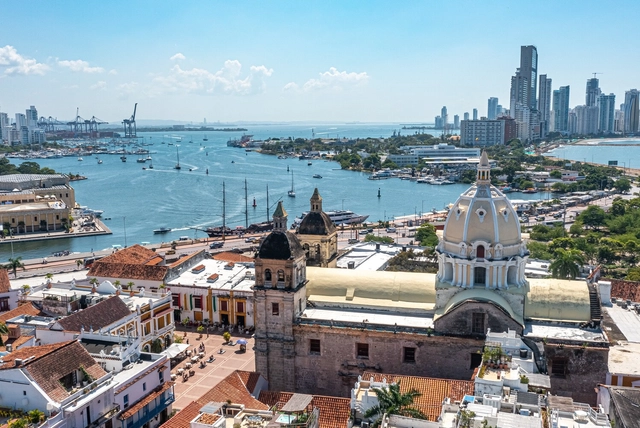
A look at most of the cities within Latin America reveals striking commonalities across countries, from Mexico down to Argentina: most cities have a well-defined area known as "El Centro" (The Center), anchored by a main plaza (Plaza Mayor), flanked by a church on one side and key buildings like the city hall on another. This is no coincidence, as it can be traced back to an urban planning system established during the Spanish colonization of the Americas in the 17th and 18th centuries. It gave standardized guidelines for city design across its viceroyalties. Unlike French and English colonies, Spanish settlements adhered to regulations that contributed to the emergence of a shared urban identity, with cities displaying similar spatial logic and architectural cohesion despite differing scales and contexts.
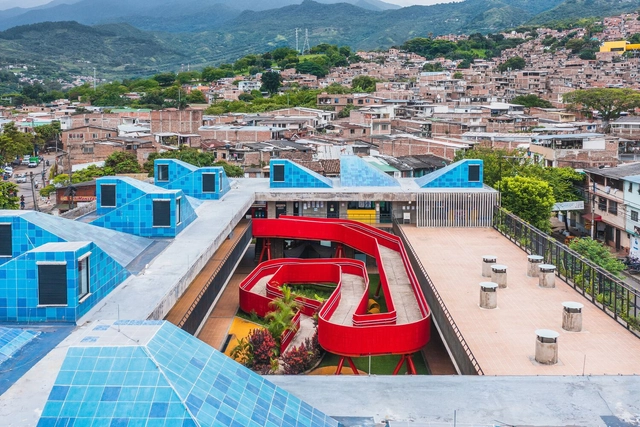
From November 20 to 23, São Paulo hosted the IV International Seminar on Favela Urbanization, bringing together discussions that bridged theory and practice to address interventions in these territories. Centered on Brazil’s realities, the seminar shed light on the political challenges and the struggle to recognize the potential of peripheral spaces. It also highlighted a shared issue across Latin America: the need for adequate funding to support transformative actions and the legitimization of these territories. Within this framework, the article underscores the critical role of high-quality public facilities in favelas and peripheral neighborhoods. These spaces not only provide access to opportunities but also foster community bonds, serving as essential hubs for social organization and collective efforts toward building a more inclusive future.
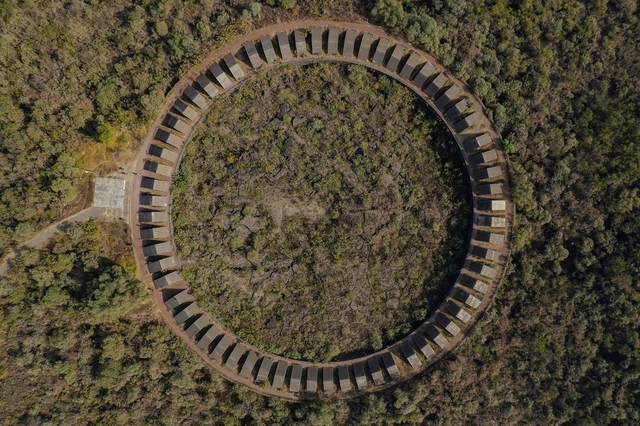
Espacio Escultórico de la UNAM. Image Cortesía de Andrés Cedillo
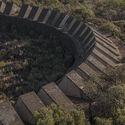
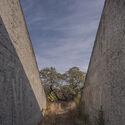
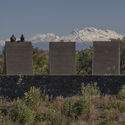
Integrating contemporary art with the landscape in a dialogue between human creation and the natural environment, the Sculpture Space of the National Autonomous University of Mexico (UNAM) represents one of the most important public artworks in Latin America. Both the Sculpture Space and the Pedregal de San Ángel Ecological Reserve at UNAM in Mexico City have recently been awarded the Carlo Scarpa International Prize for Gardens 2023-2024, granted by the Benetton Foundation for Studies and Research based in Treviso, Italy. They were recognized for their high natural, historical, and cultural value as works of preservation and collective art that emerged from a lava surface where new neighborhoods and UNAM’s University City were developed.
Art and architecture go through a series of interpretive processes before their creation that involve recognizing a capacity for wonder, experimentation, communication, and imagination. Sharing sensitivities and creative quests, they can transform the experience of the world by responding to a collective set of ideas that, at times, design, paint, and write about themes related to the connection with nature, the role of society in the built environment, the sensations conveyed by spaces, and more.
On October 24, 2024, the Rogelio Salmona Latin American Architecture Prize award ceremony took place, honoring works that have significantly created meaningful, open, and collective spaces for the public in the region. During the event, held at the Virgilio Barco Public Library auditorium in Bogotá, Colombia, the winners of this prestigious award were announced. This year marked the fourth cycle, titled "Open Spaces/Collective Spaces," with participation from 47 projects.
The jury, composed of international figures such as Sol Camacho (Brazil-Mexico), Nicolás Campodonico (Argentina), Carlos Campuzano (Colombia), and Mauricio Rocha (Mexico), first shortlisted 26 selected works, from which two were awarded the first prize in the Latin America and Colombia categories.
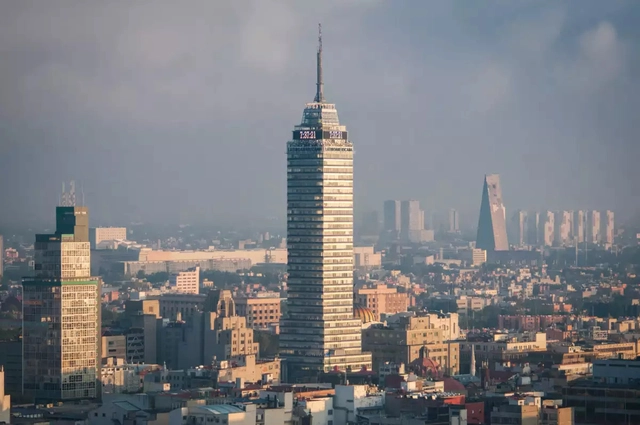
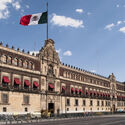
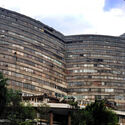
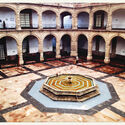
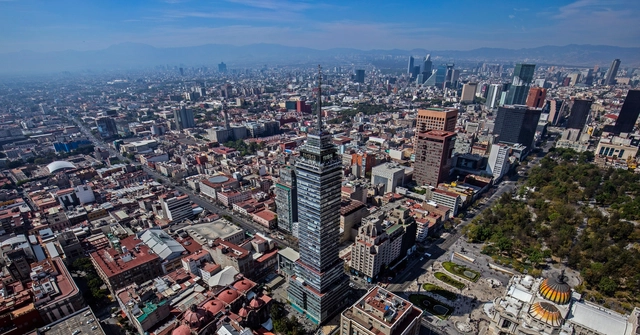
Mexico City's skyline is not just a testament to its rich architectural heritage but also a reflection of the stories, myths, and quirks embedded within its structures. From monumental landmarks to lesser-known buildings, each corner of the city holds a fascinating history that goes beyond its facade. In this article, we dive into some of the most intriguing tales that surround CDMX's most iconic buildings, offering a glimpse into the mysteries and cultural significance hidden within their walls.
Thousands of years ago, a chain of volcanoes and hills formed a valley that became home to five lakes. According to indigenous mythology, this area served as a key reference point for the founding of the ancient Tenochtitlan, marked by the signal of an eagle perched on a cactus, devouring a snake. At the height of its splendor, the city was organized within an intricate system of causeways, many of which still serve as main thoroughfares, along with canals connecting the five water bodies. Over time, events such as colonization, independence, revolution, and modernization transformed its structure and name, leading to what is known today as Mexico City.
https://www.archdaily.com/1022469/mexico-city-a-bustling-evolving-metropolis-built-above-five-lakesEnrique Tovar
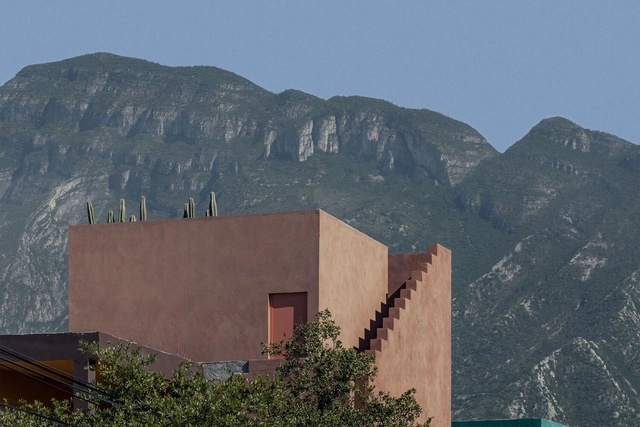
When we think of spaces that foster meditation, our minds often travel either to Japan's Zen gardens, where clean lines and carefully arranged landscaping call for stillness, or to Scandinavia's designs with neutral tones and soft fabrics. These styles evoke a sense of calm through simplicity, often seen as a characteristic of Japanese and Northern European architectural styles. Yet, stillness and meditation are not restricted to these types of settings. Latin American architectural traditions also offer powerful, though often overlooked, approaches to meditative spaces. With earthy tones of terracotta, rough adobe textures, intimate courtyards, and a strong connection to nature, these environments call for reflection through warmth and material richness, creating spaces that are calming without being understated.
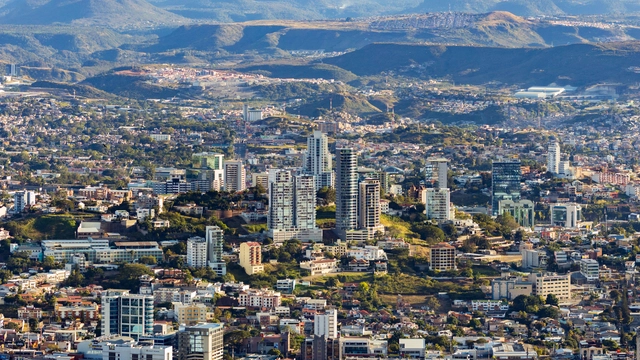
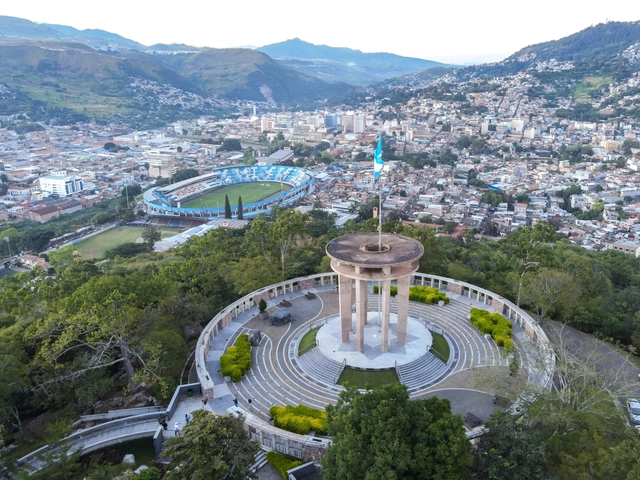
Located in the Central Mountains of Honduras, Tegucigalpa stands as the country's largest city. Being home to approximately 1.5 million residents, it is also one of the biggest urban centers in Central America, with origins that date back to 1578 when it was founded by Spanish colonizers. It was declared the capital in 1880 and has since developed into the political, cultural, and economic heart of Honduras. This history has endowed the city with a diverse architectural heritage, showcasing styles from various periods and influences.
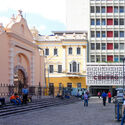
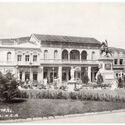
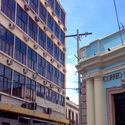
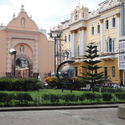
Styles that range from colonial Baroque, Neoclassical, and Art Deco to Modernism and Post-Modernism, reflect its dynamic history. It is also home to several museums that celebrate both traditional and contemporary Honduran arts, such as the Museum of National Identity (MIN) and the National Gallery of Art. Beyond its urban attractions, the city's surrounding mountains are home to the hiking trails of La Tigra National Park and several colonial silver mining towns, which make it a great city to visit while traveling through Central America.
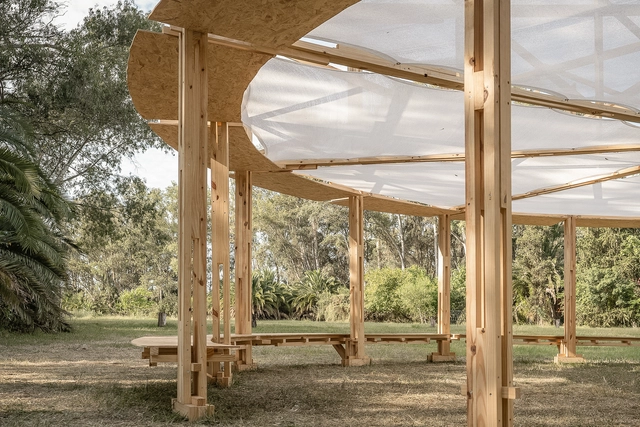
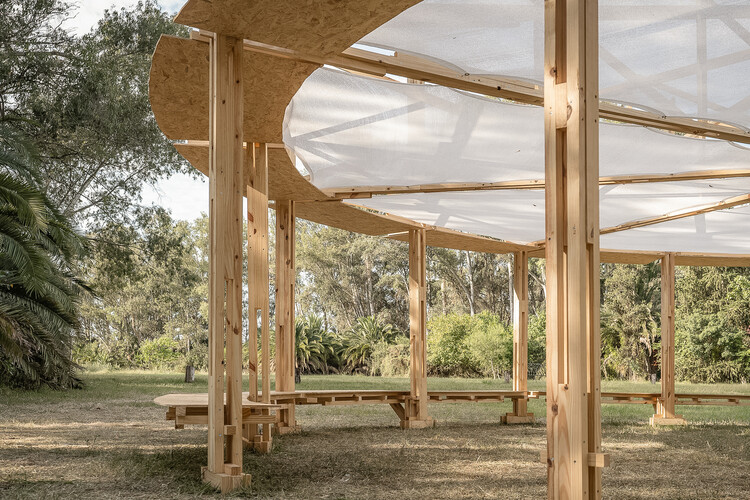
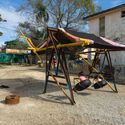
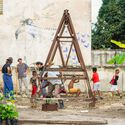
Carpa Itinerante / Fabrizio Pugliese + Gabriel Huarte. Image Cortesía de Fabrizio Pugliese + Gabriel Huarte
Spanning over 20 million square kilometers and featuring nearly all the climates of the world, the Latin American region is home to endemic biological wealth and geographical diversity that ranges from some of the most significant rivers in the world to the mountain range of the Andes, the Amazon rainforests, the plains of Patagonia, the coasts of the Caribbean Sea, and more. In light of a collective effort involving local communities and new generations, the construction of installations and structures in these natural environments is aimed not only at meeting functional needs but also at educational, research, and environmental conservation purposes.
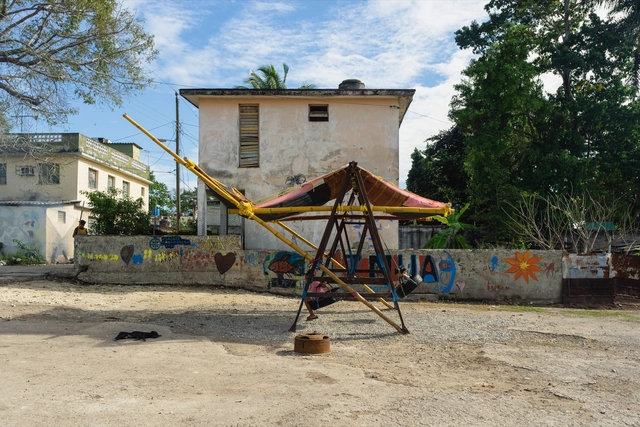
Resisting an adverse context and navigating its restrictions, Grupo Finca emerges, a collective that explores the practice of architecture from an artistic and pedagogical dimension in Havana, Cuba. Given the complexity of the country's political and social situation, informal architecture is common: low resources, difficulty in obtaining materials, high costs, and a lack of skilled labor, among other challenges, are some of the obstacles faced by independent architecture professionals. Coupled with the absence of a regulatory legal framework that would allow them to work formally in the labor market or acquire materials and supplies, the construction of contemporary architecture in Cuba is relegated to independent processes that can somehow overcome these barriers.
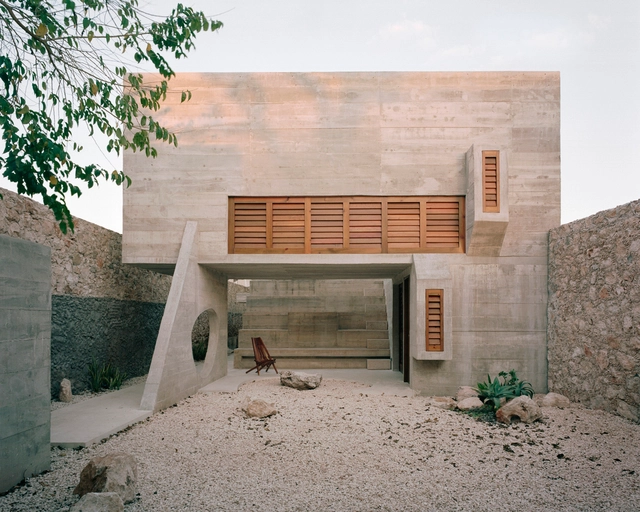
Latin American architecture is rich and diverse. This is reflected in the various stones used across different regions over the centuries. These materials highlight the varied geology of Latin America and illustrate how local cultures have adapted their construction methods to natural conditions, resulting in unique and meaningful architecture. In contemporary architecture, stone aligns with sustainability principles due to its durability, low carbon footprint, and local availability. Additionally, stone's aesthetic appeal enhances the creation of timeless spaces that strengthen the connection with nature and the surrounding landscape.
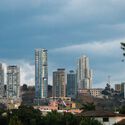
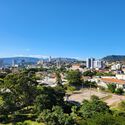
In the first decades of the XXI century, Honduras experienced higher levels of crime and violence compared to its other Central American neighbors. This situation caused the country to be largely avoided by most visitors and investors. However, it didn’t stop Tegucigalpa, its capital city, from experiencing an explosion of residential and office developments which are currently reshaping its skyline. Defined by a unique topography, and tropical weather, the city served as a testing ground for modernist urban principles that contributed to the transformation of a small mining town into one of the largest metropolises in Central America.