

-
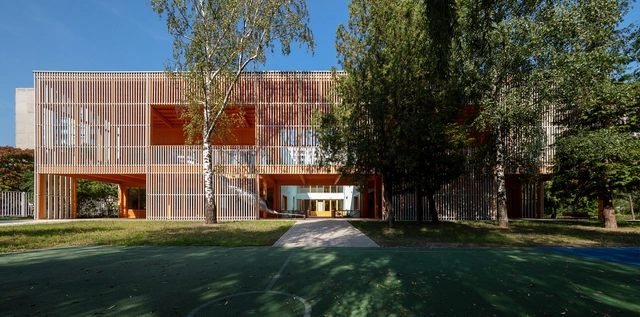
Architects: ARCHIKON ARCHITECTS
- Area: 1962 m²
- Year: 2019
-
Manufacturers: AGROB BUCHTAL, Tubadzin, Alex bútor, Balázs-Diák, Baumit Creative Top, +5
-
Professionals: Ékiterv Mérnökiroda Kft, PHQ Kft, Kartel60 Bt.
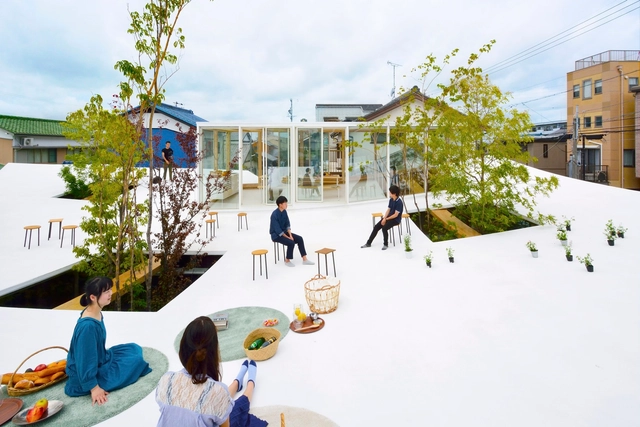
Historically, architecture and the built environment have insisted on creating flat, hard surfaces. In earlier eras, walking without paved ground meant mud-caked shoes, uneven footing, tripping hazards, standing water after rain, and high maintenance. Hence, as we shaped cities, we prioritized a smooth, continuous, solid horizontal datum. The benefits are real: easier walking, simpler cleaning, and straightforward programming—furniture, equipment, and partitions all prefer a level base. This universal preference for building on flat ground remains the norm and, for many practical reasons, will likely continue to be.
What's less recognized is that making a truly flat surface is surprisingly difficult—and many well-executed "flat" floors aren't perfectly flat at all. They are often gently sloped, calibrated to precise gradients for drainage. While interior spaces do not always require this, many ground floors and wet areas do incorporate subtle inclines as a safeguard—whether for minor flooding or to manage water that overflows from the street or plumbing when one of the discharge systems is malfunctioning.
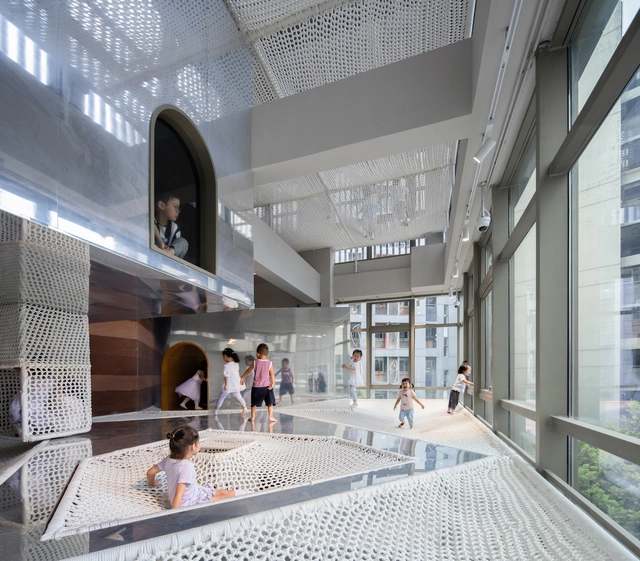
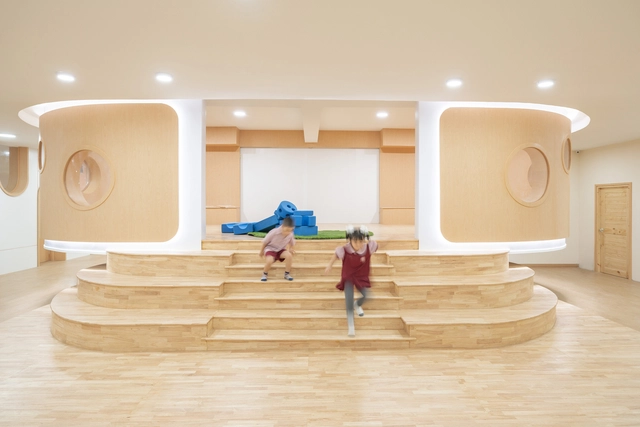
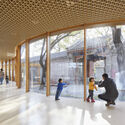
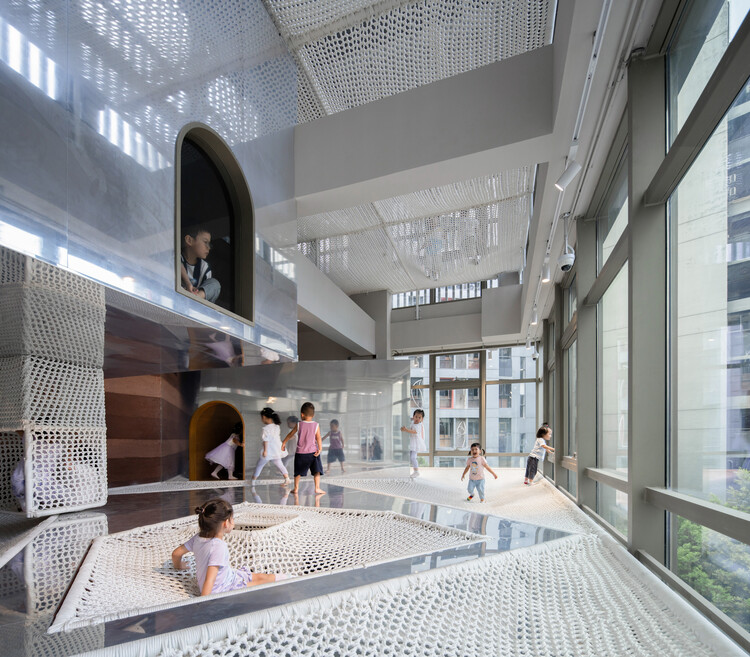
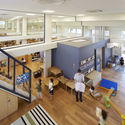
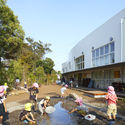
In contemporary Japanese and Chinese kindergarten design, architects are transforming the interior spaces from a simple container into an active, multi-sensory environment. This shift seems to follow Studies in developmental psychology that suggest that a child's experience of space begins with a sensorimotor engagement through touch and manipulation. Thus, they place a strong emphasis on the use of materials and the approach of learning through play. Architects seem to be moving beyond traditional classrooms, into environments that are tactile, stimulating, and rooted in their specific contexts. The buildings themselves become tools for education, encouraging children to learn and explore through direct physical engagement.
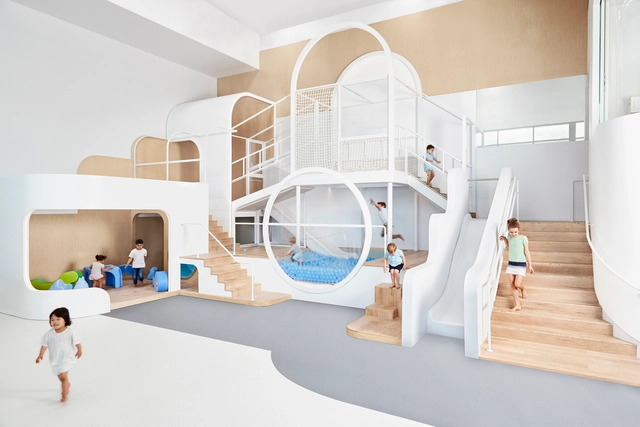
Designing for children is certainly not child's play. While adults lead the design process, the end-users are often children, as seen in kindergartens, schools, and parks. Architects have the responsibility to create built environments that provide children with opportunities to play, explore, and learn, even in today's digital age.
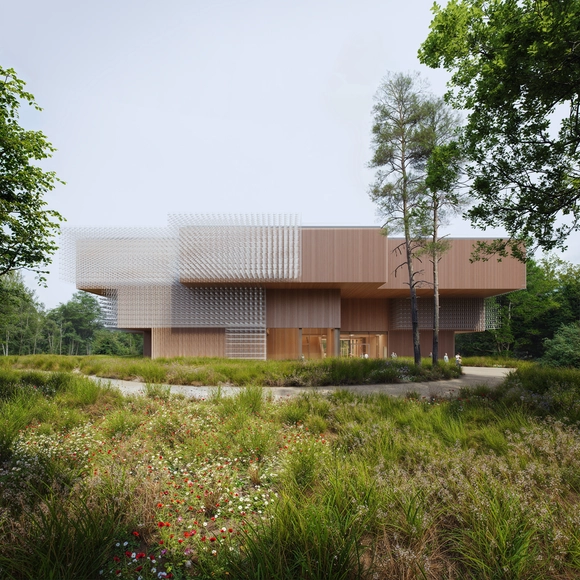
Educational and cultural centers serve as pivotal spaces where communities engage with knowledge, creativity, and shared experiences. As architectural programs, they offer unique opportunities to explore how physical environments can foster learning, cultural expression, and social interaction. The significance of these projects lies not just in their function but in how they reflect the values and aspirations of society. When established architecture firms take on these projects, their design choices become a lens through which we can examine contemporary approaches to space, place, and community, offering a glimpse into the evolving role of architecture in shaping educational and cultural landscapes.
Among this week's curated list of unbuilt projects submitted by established architecture practices, fala atelier’s project for a school in Broc, Switzerland, stands out with its sensitive integration of Alpine architectural elements; WXCA’s Xylopolis Centre in Poland reflects a deep contemplation on humanity’s relationship with nature, while KPF’s life sciences building in London and Jones Studio’s Water Education Center in Arizona further exemplify how architecture can address contemporary societal needs, from fostering innovation ecosystems to educating the public on critical environmental issues.
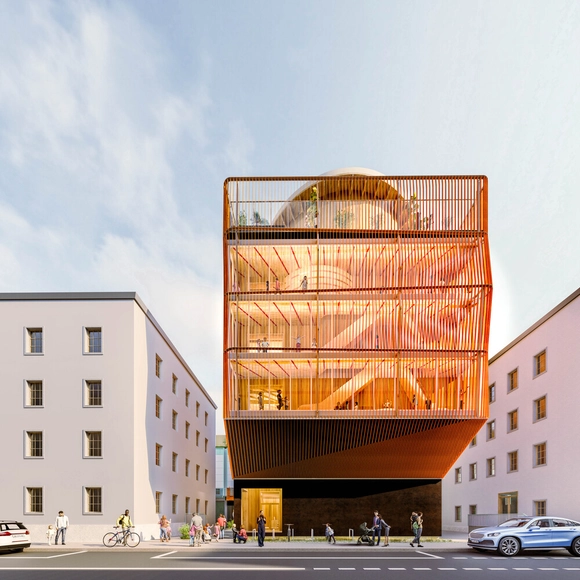
Kéré Architecture has revealed the design for a vertical childcare center at Munich’s Technical University (TUM) in Germany. Named "Ingeborg Pohl Kinderoase an der TUM," the center will be built in wood to the extent allowed by local norms and regulations for energy efficiency, thermal comfort, fire protection, and acoustics. The new building, located between the TUM main campus and the university canteen, broke ground on April 18 and is expected to be completed by the end of 2025.
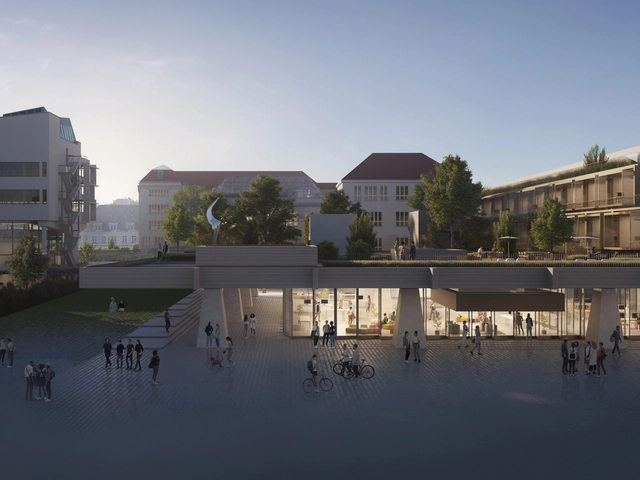
As the summer days come to an end, the focus naturally shifts to the realm of academia, a space full of curiosity, energy, and ingenuity. For architects, educational spaces are an opportunity for exploration, as they gather eager students together with professors and experts in their respective fields. The environment of educational facilities thus becomes a canvas for the cultivation of creativity, curiosity, and growth. From the playfulness of kindergartens and preschools to the halls of faculties that shape the scholars of tomorrow, the architecture of educational spaces must balance structure and flexibility to respond to the needs of students, teacher, and their larger communities.
This week’s curated selection of Best Unbuilt Architecture highlights designs submitted by the ArchDaily community dedicated to educational institutions. From innovative programs dedicated to child development and community engagement to specialized high schools or inclusive institutions learning to work with locally available materials such as rammed earth, this selection highlights projects dedicated to the exchange of knowledge in its varied forms.
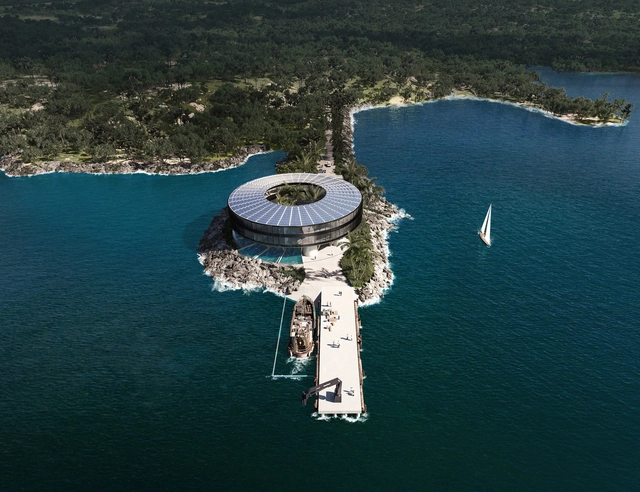
For many, schools and kindergartens represent the first contact with public architecture. They, together with every educational facility, serve as the foundation for learning and knowledge dissemination, playing an important role in shaping the formative years of children and young adults. In consequence, these buildings need to respond to the needs of different age groups, while creating functional and flexible spaces for learning, but also for play and unstructured interaction. Light and ventilation needs contribute to the complexity of these architectural programs. However, designing educational facilities presents opportunities for innovation and creative expression, as they are required to adapt continuously to the changing needs of students and faculty while creating a conductive environment for learning.
This week’s curated selection of Best Unbuilt Architecture highlights designs submitted by the ArchDaily community dedicated to cultural institutions. From a learning center created to offer the girls in Mozambique an equal opportunity to learn, play and connect, to a naval station redesigned as a research center on the coast of Puerto Rico, this selection features projects created to encourage learning, curiosity, and the exchange of knowledge and expertise. The article includes designs from both established and emerging architectural practices, including Moore Ruble Yudell, C+S ARCHITECTS led by Carlo Cappai and Maria Alessandra Segantini, Hello Wood, and snkh studio.
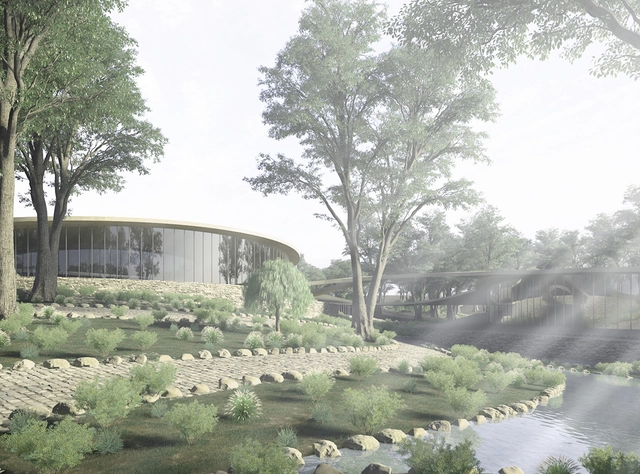
This week’s curated selection of Best Unbuilt Architecture highlights educational facilities submitted by the ArchDaily community. From a contextual Earth school in Senegal, to a borderless, collaborative school in Vietnam, this round up of unbuilt projects showcases how architects infused nature with architecture, offering students the chance to engage with the landscape and learn more about their surroundings from their academic institutes. The article also features projects from Lebanon, Switzerland, Armenia, Ukraine, and Greece.
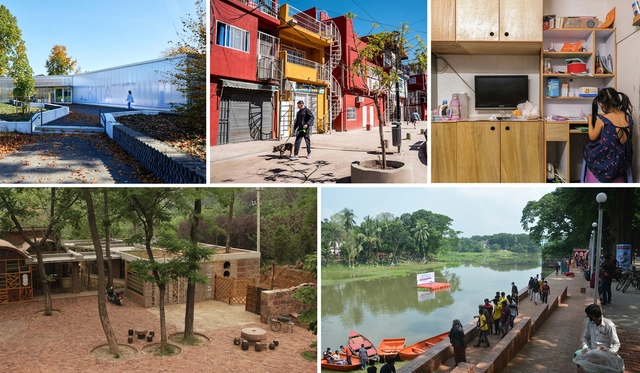
The first edition of the UIA 2030 Award celebrated projects that contribute to the delivery of the UN 2030 Agenda for Sustainable Development. Located in Germany, Hong Kong, Argentina, Bangladesh, and China, the winning interventions were announced during the eleventh session of the World Urban Forum in Katowice, Poland. Organized by the International Union of Architects (UIA), together with the UN-HABITAT, the award program gathered 125 submissions in 40 countries.
ArchDaily had the chance to talk to the winners behind the acclaimed architecture, to discuss furthermore the interventions and certain specificities of each and every project. In addition, the winning teams shared their upcoming and ongoing architectural endeavors as well as their point of view on the importance of architects engaging with the Sustainable Development Goals.
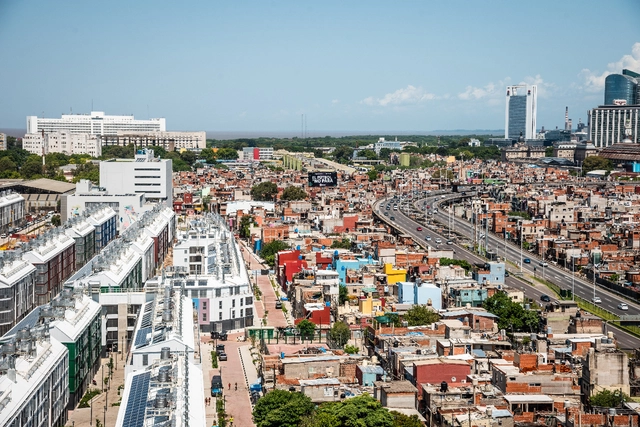
Today, at the eleventh session of the World Urban Forum in Katowice, Poland, the International Union of Architects (UIA), together with the UN-HABITAT, have announced the laureates of the UIA 2030 Award. Seeking to acknowledge the contributions of architects to the UN 2030 Agenda for Sustainable Development and New Urban Agenda through built interventions that demonstrate design quality and alignment with the UN Sustainable Development Goals (SDGs), this first edition of a biennial awards program, selected winning projects from Germany, Hong Kong, Argentina, Bangladesh, and China, from 125 submitted projects in 40 countries.
Organized under six categories: Open Category, Improving Energy Efficiency, Adequate, Safe & Affordable Housing, Participatory, Land-Use Efficient & Inclusive Planning, Access to Green & Public Space, and Utilizing Local Materials, the jurors picked a winner per section, yet were unable to identify an overall winner in the open category and chose instead to recognize six projects as Highly Commended, honoring in total 5 laureates and 15 commendations.
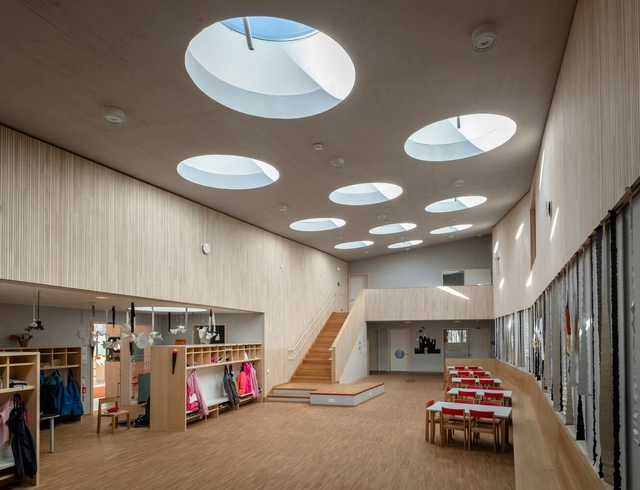
Our environment influences how we feel; we have all experienced this. For students, it is easier to study in a bright place, artists look for inspiring atmospheres, and our mood can improve with the right color scheme. These aspects are also important for kindergartens, daycare centers and schools, because a child-friendly design can stimulate the curiosity and imagination of children, so that they learn in a playful way. The design of a room supports the learning and creativity of children. Daylight systems, for example, flood rooms with light, making them appear larger and friendlier.
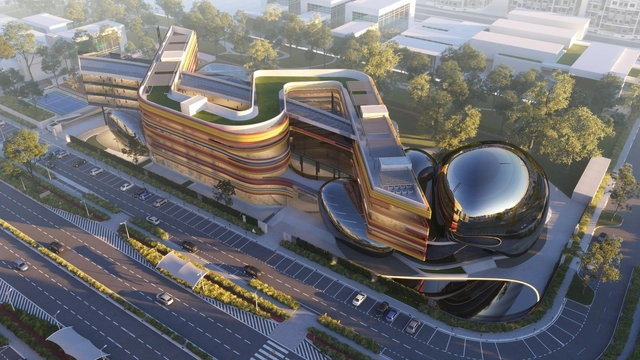
This week’s curated selection of Best Unbuilt Architecture highlights educational architecture submitted by the ArchDaily community. From preschools to higher education institutes, this article explores how architects shifted towards fostering individual creativity, critical thinking, and exploration, and presents projects submitted to us from all over the world.
Featuring a secluded kindergarten in the Icelandic mountains, a vibrantly-colored playschool in the industrial city of Shenzhen, and a Florentine high school with a flow of natural sunlight, this round-up explores how architects prioritize student well being and comfort in spaces that promote productivity, learning, and creativity. The selection also includes preschools, high schools, and academies in France, United States, Egypt, Kazakhstan, and Israel.
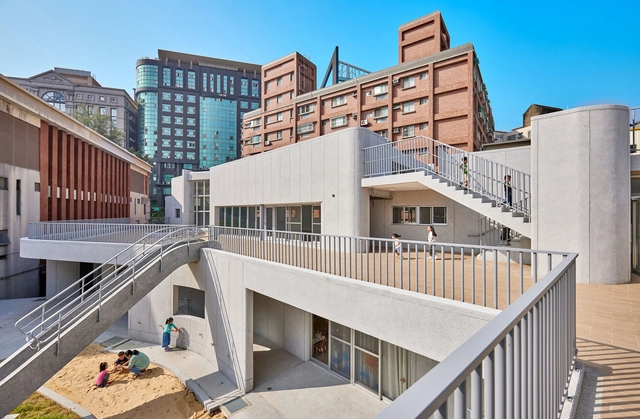
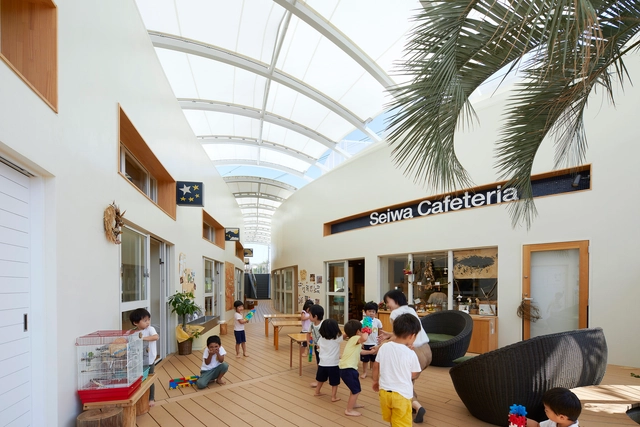
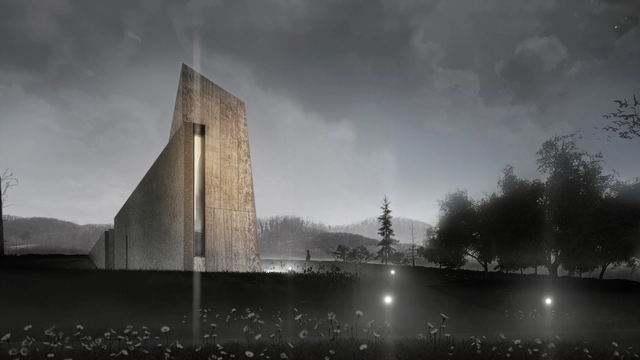
10 projects, 10 functions. Featuring a multitude of different programs, this week's curated selection of Best Unbuilt Architecture highlights diverse and innovative conceptual approaches. Submitted by our readers, this variety of proposals includes sports, religious, cultural, educational, and social purposes.
Compiling projects from all over the world, this article puts together a Buddhist temple in Bangkok, Thailand, a ring-shaped experience center and eco-tourism catalyst for Latvia, a cemetery in Bosnia and Herzegovina, and the biggest extreme sports park in Russia. Moreover, unconventional office spaces are underlined with an innovation start-up center in Vietnam, headquarters in Shenzhen, and Tirana's new municipality building.
.jpg?1496249247&format=webp&width=640&height=580)






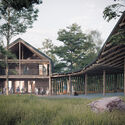
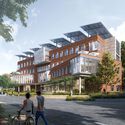
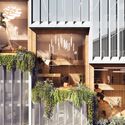
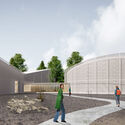


.jpg?1656583509 "The Creeper – COAF Smart Campus Armavir by TarberAK Architectural Studio; TL Bureau. Image Courtesy of TarberAK Architectural Studio; TL Bureau")


_Domat.jpg?1656485110 "Home modification for low-income Families. Image Courtesy of Domat Architects")
.jpg?1656485127 "Co-creation of Urban Spaces by the Nobogonga River. Image Courtesy of Co.Creation.Architects, Jhenaidah Citywide People's Network, Platform of Community Action and Architecture (POCAA), Community Architects Network (CAN)")


.jpg?1656364895 "Co-creation of Urban Spaces by the Nobogonga River. Image Courtesy of Co.Creation.Architects, Jhenaidah Citywide People's Network, Platform of Community Action and Architecture (POCAA), Community Architects Network (CAN)")










.jpg?1496249272 "© Michelle Young, Amy Piddington")
.jpg?1496249166 "© Michelle Young, Amy Piddington")
.jpg?1496249196 "© Michelle Young, Amy Piddington")
.jpg?1496249222 "© Michelle Young, Amy Piddington")
.jpg?1496249247)