Educational and cultural centers serve as pivotal spaces where communities engage with knowledge, creativity, and shared experiences. As architectural programs, they offer unique opportunities to explore how physical environments can foster learning, cultural expression, and social interaction. The significance of these projects lies not just in their function but in how they reflect the values and aspirations of society. When established architecture firms take on these projects, their design choices become a lens through which we can examine contemporary approaches to space, place, and community, offering a glimpse into the evolving role of architecture in shaping educational and cultural landscapes.
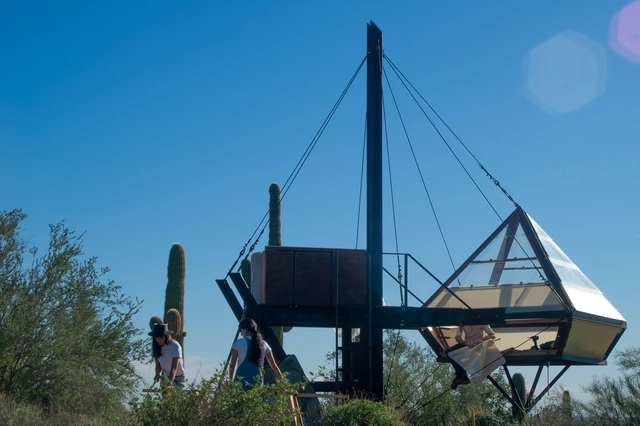
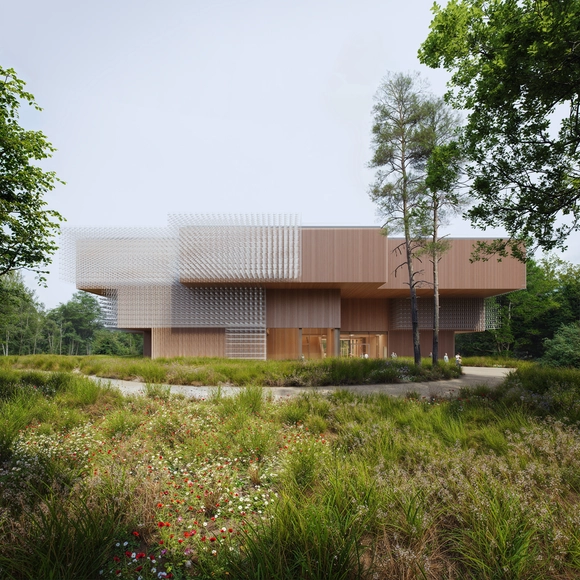
Among this week's curated list of unbuilt projects submitted by established architecture practices,fala atelier’s project for a school in Broc, Switzerland, stands out with its sensitive integration of Alpine architectural elements; WXCA’s Xylopolis Centre in Poland reflects a deep contemplation on humanity’s relationship with nature, while KPF’s life sciences building in London and Jones Studio’s WaterEducation Center in Arizona further exemplify how architecture can address contemporary societal needs, from fostering innovation ecosystems to educating the public on critical environmental issues.
Thermal mass is the ability of a material to absorb, store, and release heat. Used to moderate building temperatures by reducing fluctuations, the concept is crucial in improving energy efficiency. Materials with relatively high thermal mass, such as stone, concrete, rammed earth, and brick, can absorb significant heat during the day and release it slowly when temperatures drop at night, reducing the need for heating and cooling systems. Properties like heat capacity, thermal conductivity, and density are all considered when assessing the thermal mass property of a material.
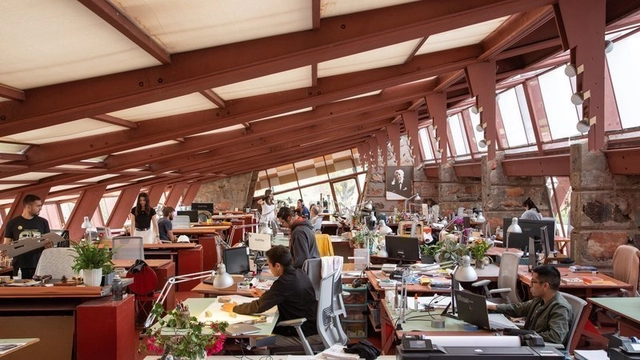
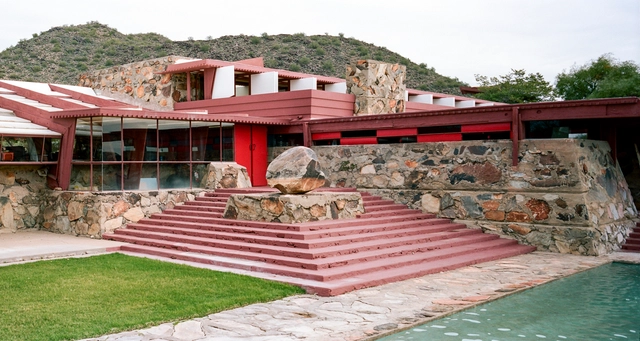
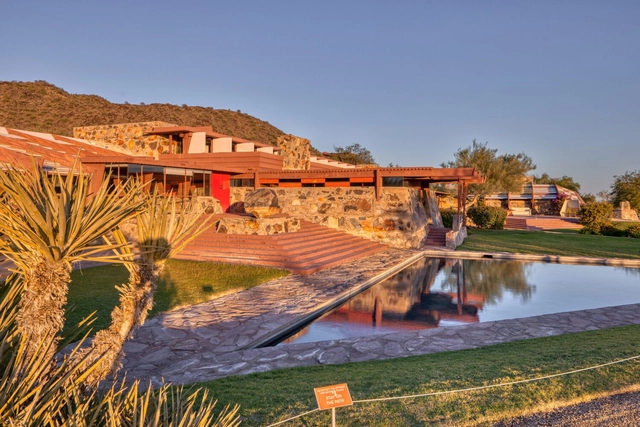
Courtesy of Frank Lloyd Wright Foundation | Taliesin West by Andrew Pielage
The renowned Frank Lloyd Wright Foundation has entrusted Sasaki with the task of designing a comprehensive design for Taliesin West in Scottsdale, Arizona, United States. Deemed a world heritage site, the location is a testament to the cultural and architectural legacy of the famed architect Frank Lloyd Wright, serving as his winter retreat and experimentation hub. The design seeks to pay homage to the heritage of Taliesin West while ensuring its longevity and relevance for generations to come.
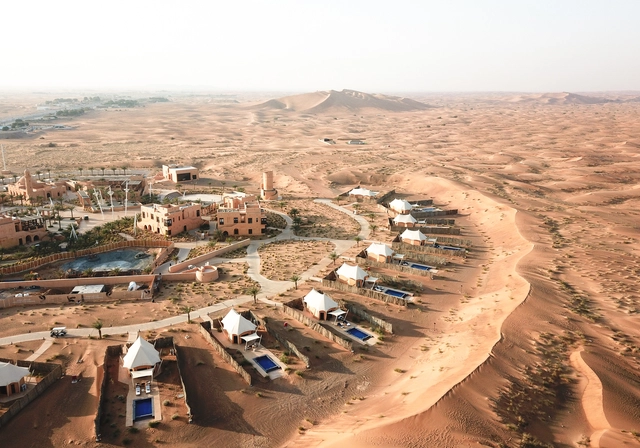
The Mysk Al Badayer Retreat in the desert outside Dubai, United Arab Emirates. Image Courtesy of Mysk Al Badayer Retreat
Set deep within some of the most isolated desert landscapes across the Middle East and further afield, these desert camp hotels offer a way to connect with their surroundings through the solitary experience of open and expansive scenery.
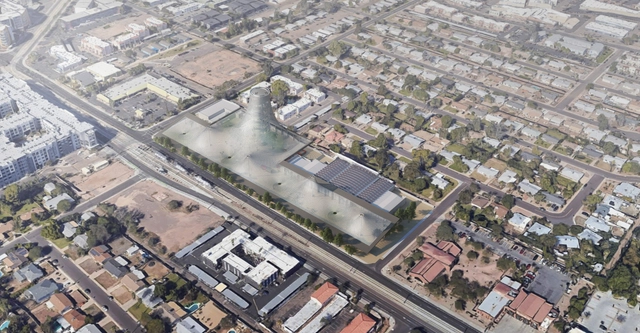
Courtesy of 180 Degrees Design Studio | The Fabric
As the landscape of architecture and urban development adapts to the modern climate, the traditional notion of construction has been significantly modified and adjusted. Specifically, principles of reuse, recycling, adaptive reuse, and the power of transforming existing structures into something more meaningful and sustainable have gained much traction. Looking at these curated collections of unbuilt projects, one can begin exploring a different way of looking at buildings and heritage, which is significantly more sensitive to the built environment.
From the austere office buildings of the United Kingdom to the proposal to re-activate a skyscraper in Ostrava, these diverse contexts tell stories of resilience, innovation, and a profound commitment to the existing built environment. Offering a new way of looking at things, the projects champion adaptive reuse and activation concepts.
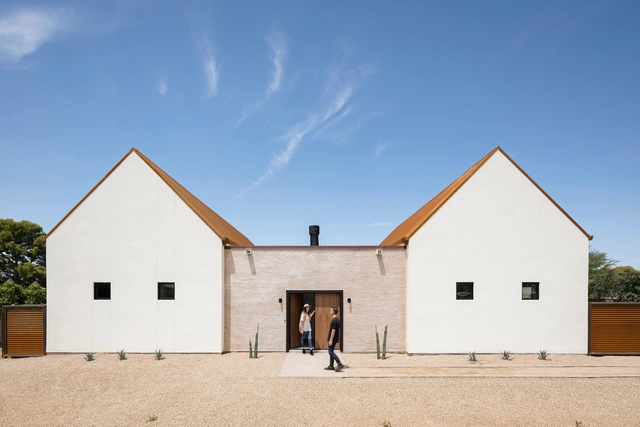
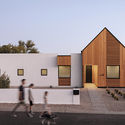
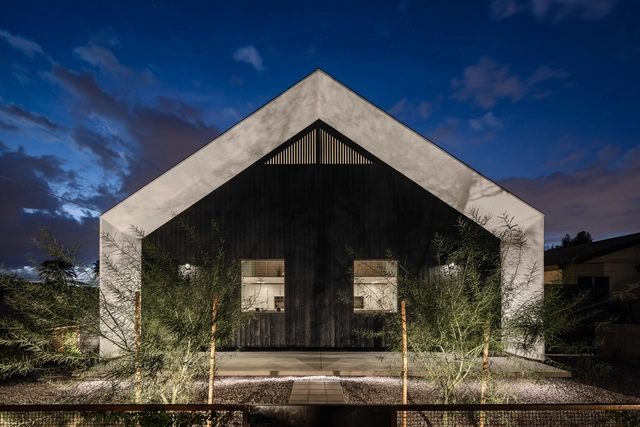
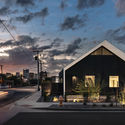
Architect and developer SinHei Kwok has completed Polker, a six-unit multifamily project in the Historic Garfield neighborhood near downtown Phoenix, Arizona. Featuring two-bedroom and loft-style units, the project reconsiders its surrounding context of single family houses. Polker provides a new kind of residence for urban dwellers who do not want to live in a single-family home or big box apartment, but would like to live and work closer to downtown.
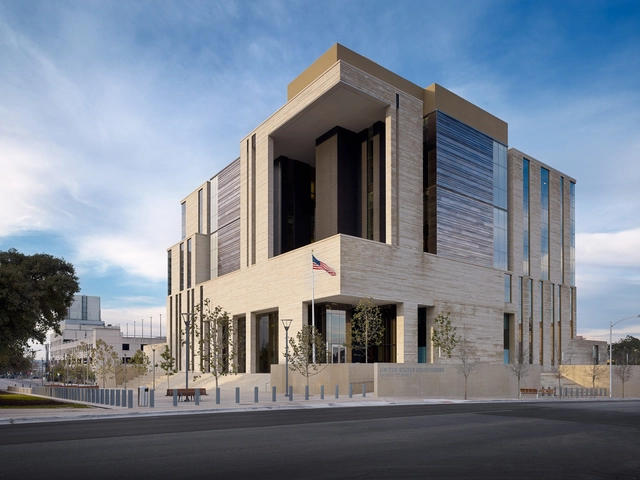
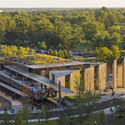
The Southwest United States is known for civic and monumental designs. These projects establish iconic, contemporary expressions that move beyond vernacular traditions. Located on sites throughout Texas, New Mexico, and Arizona, they are designed with modern aesthetics and new ideas. Novel spatial experiences and formal approaches are being explored by both local and international architects. Standing in contrast to the intimate, discreet spaces found within southwest residential architecture, these buildings are prominent landmarks and nodes within their respective cities.
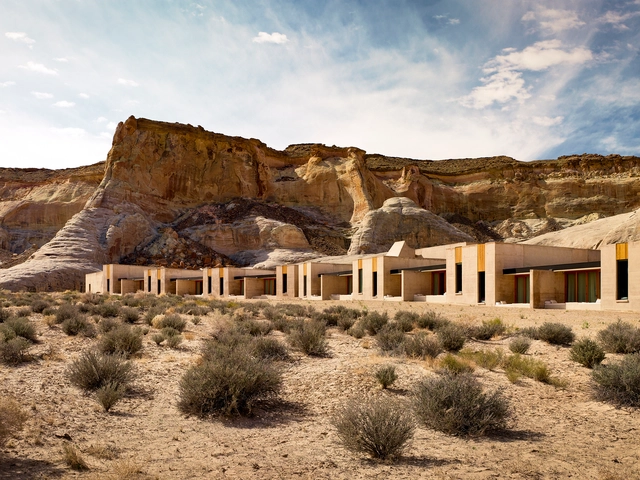
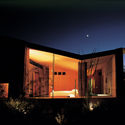
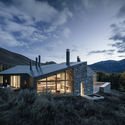
Vladimir Belogolovsky speaks with American architect Rick Joy about his early inclinations towards architecture, what kind of architecture he likes to visit, and about designing his buildings as instruments.
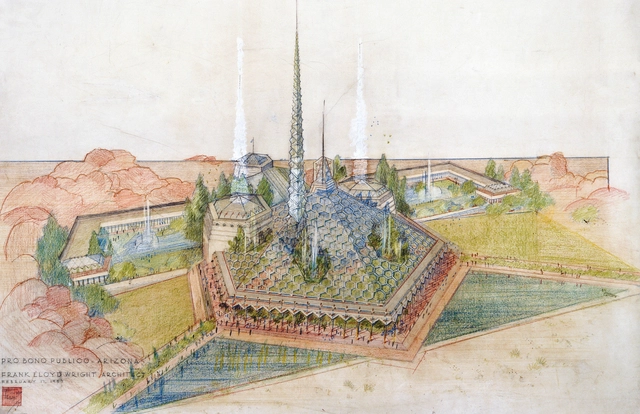
The Frank Lloyd Wright Foundation has uncovered the Arizona State Capitol project, a never seen before unbuilt proposal by Wright. An “oasis of democracy in the Sonoran Desert”, the intervention revealed in the latest issue of The Frank Lloyd Wright Quarterly, has been digitally remodeled, with photorealistic visualizations by David Romero.
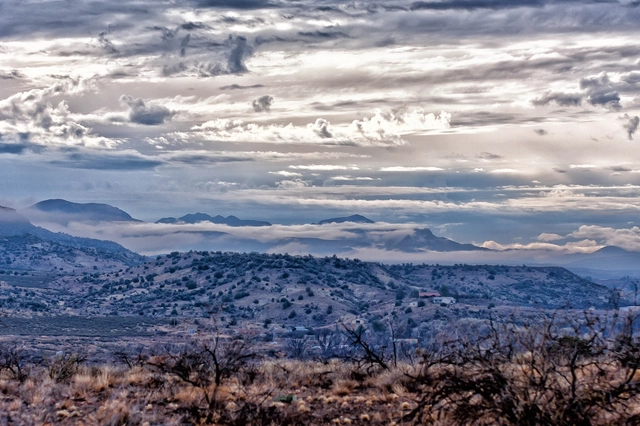
Arizona is located in the western region of the United States. It has geographical borders with Utah, Colorado, and New Mexico, in the United States, as well as with Sonora in Mexico. The state is also situated on the Sierra Madre Occidental and is home to a segment of the Colorado River, as well as the Grand Canyon. Part of Aridoamerica, Arizona's landscape is composed, in its majority, of Cactaceae and desert species.
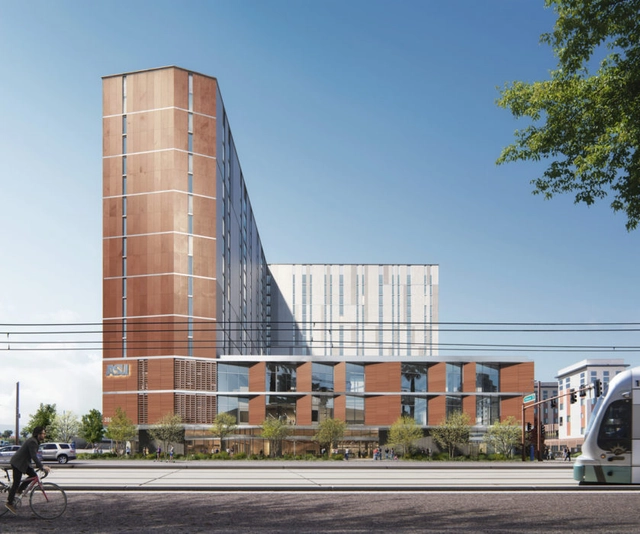
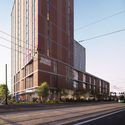
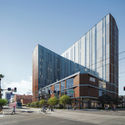
Studio Ma has broken ground on a new mixed-use tower complex for Arizona State University in Phoenix. The downtown residence hall and entrepreneurial center aims to foster innovation and collaboration for students and the campus community. The 16-floor residential tower includes academic and interdisciplinary facilities with living space for up to 530 students. The design was made to connect with the city and regional businesses.
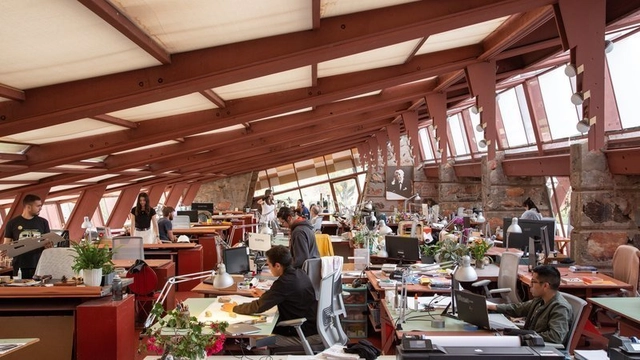
Courtesy of The School of Architecture at Taliesin
The Board of Directors for The School of Architecture at Taliesin (SoAT) has decided to reverse its January 25 vote and keep the school open. Last month, it was announced that the school would be closing after 88 years. The SoAT Board has stated that they have secured additional funding and have long-term operating viability.
The School of Architecture at Taliesin. Image Courtesy of Simon DeAguero, The School of Architecture at Taliesin
Last month, The School of Architecture at Taliesin announced the closing of the school after 88 years. The school and the Frank Lloyd Wright foundation issued statements on the closure, as well as the students. Now, a new petition started by Simon DeAguero aims to save the school from closing. The news of closure followed the conclusion of a multi-year struggle back in 2017, when the school was approved to maintain its accreditation as an institute of higher learning.
Last week, The School of Architecture at Taliesin announced the closing of the school after 88 years. Both the school and the Frank Lloyd Wright foundation issued statements on the closure, and now the Student Body has created their own statement outlining the impact of the decision. The news of closure followed the conclusion of a multi-year struggle back in 2017, when the school was approved to maintain its accreditation as an institute of higher learning.
The School of Architecture at Taliesin has announced the closing of the school after 88 years. The news follows the conclusion of a multi-year struggle back in 2017, when the school was approved to maintain its accreditation as an institute of higher learning. The decision was made by the Governing Board, as the school was not able to reach an agreement with the Frank Lloyd Wright Foundation to keep the school open.
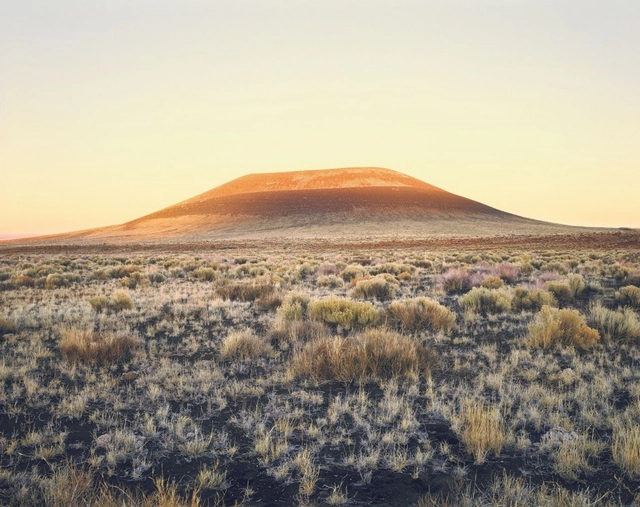
Roden Crater. Image Courtesy of Florian Holzherr/James Turrell Studio
American light and space artist James Turrell's best-known work, Roden Crater, is now set to open to the public within the next few years thanks to a series of partnerships and new funding. Part of the additional funds includes a $10 million donation from Kanye West that would allow the project to expand and open within the next five years. Only a small group of people have experienced the crater, and the new funding will jump-start the updated master plan, which includes a restaurant, visitor’s center, cabins, and a "light-spa."
Since the concept of driverless cars first became a serious prospect, a lot of attention has been given to the possibility of their malfunction—if an autonomous vehicle damages property or even harms a human, who is at fault? And, given a worst-case scenario, how should a vehicle's software choose between whose lives it prioritizes, the passenger or the pedestrian? This last question even became the basis for the Moral Machine, an online platform created by the MIT Media Lab that essentially crowdsources public opinion on different variations of the classic trolley problem thought experiment.
However, all of these questions had been considered largely theoretical until last night when, as The New York Times reports, a woman was struck and killed by an autonomous vehicle in Tempe, Arizona. As a major component of many predictions of futuristic "smart cities," the development and testing of autonomous vehicles hold huge implications for urbanism (ArchDaily has previously covered predictions of major change by car manufacturers and researchers) meaning that this fatal event could have a ripple effect on the development of cities.
An investment firm run by Microsoft founder Bill Gates has paid $80 million for 25,000 acres of Arizona desert to serve as the site of a new “smart city.” To be known as Belmont, the city will be made up of 80,000 residences, as well offices, retail spaces and civic amenities such as schools and police stations. The city will serve as a test ground for the latest in logistical and infrastructural technologies.


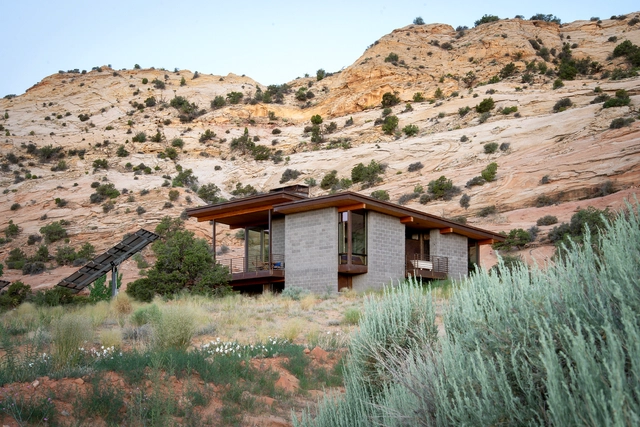












.jpg?1618263979 "Bayhouse / Studio Rick Joy. Image © Jeff Goldberg / ESTO")