1. ArchDaily
  2. Sasaki

Sasaki: The Latest Architecture and News

Design as Repair: How Architecture Is Advancing Environmental Justice

Subscriber Access | 

Environmental justice confronts a simple but uncomfortable truth: the benefits and burdens of the environment are not shared equally. Marginalized communities bear a disproportionate share of polluted air, unsafe water, toxic land uses, extreme heat, and the accelerating risks of climate change in cities around the world. These are the consequential products of decades of policy decisions, investment patterns, exclusionary planning practices, and planning choices that have consistently favored certain communities over others.

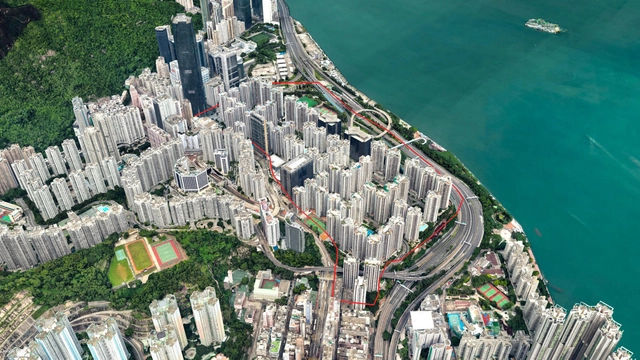
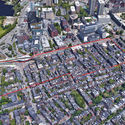
In cities and landscapes alike, these injustices are written into the physical fabric of places, even revealing extreme differences in environmental conditions between neighborhoods and districts. Dense neighborhoods with little tree canopy, for example, absorb and hold heat, exposing residents to higher rates of heat-related illness. Highways, industrial corridors, ports, and waste facilities cluster near low-income neighborhoods and communities of color, shaping conditions of health, air and soil quality, and long-term safety.
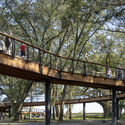
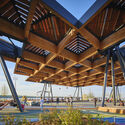
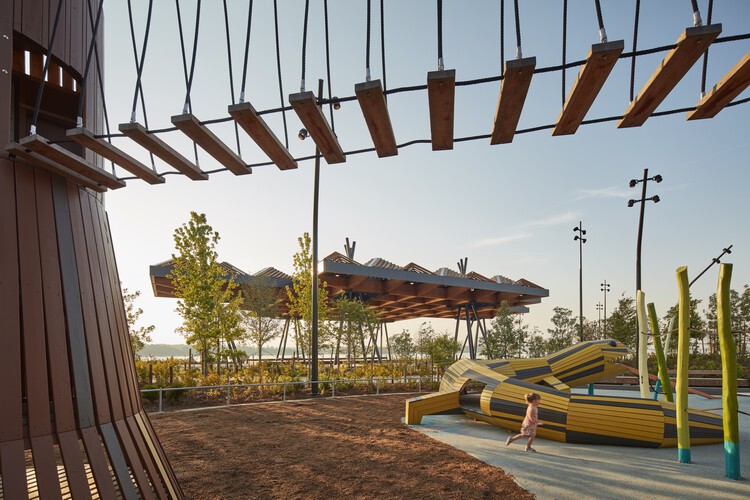
Design as Repair: How Architecture Is Advancing Environmental Justice - Image 1 of 4Design as Repair: How Architecture Is Advancing Environmental Justice - Image 2 of 4Design as Repair: How Architecture Is Advancing Environmental Justice - Image 3 of 4Design as Repair: How Architecture Is Advancing Environmental Justice - Image 4 of 4Design as Repair: How Architecture Is Advancing Environmental Justice - More Images+ 35

Urban Regeneration in Greece: The Ellinikon Master Plan and Beyond

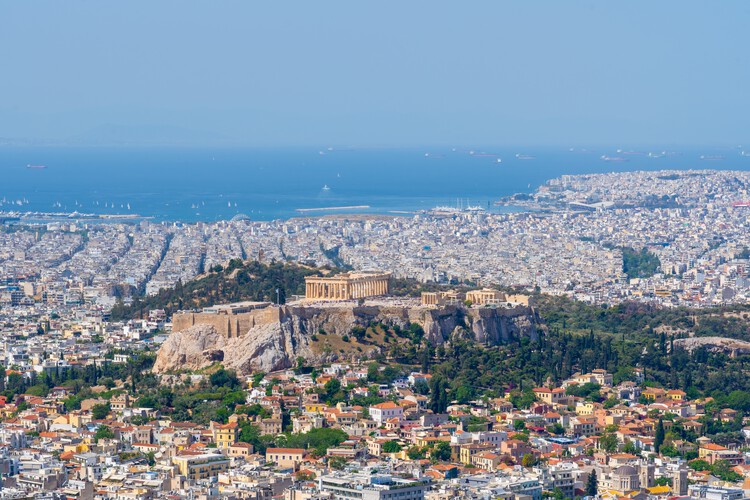
Greece's built environment is shaped by the coexistence of multiple architectural layers, where historic structures, modern interventions, and evolving urban systems intersect. Classical landmarks and their surrounding urban fabrics continue to inform the spatial character of cities, while postwar developments, infrastructural upgrades, and contemporary projects add new dimensions to the country's architectural landscape. This continuity between past and present provides the foundation for current design approaches, which increasingly focus on balancing heritage, environmental considerations, and contemporary urban needs.

Urban Regeneration in Greece: The Ellinikon Master Plan and Beyond - Image 1 of 4Urban Regeneration in Greece: The Ellinikon Master Plan and Beyond - Image 2 of 4Urban Regeneration in Greece: The Ellinikon Master Plan and Beyond - Image 3 of 4Urban Regeneration in Greece: The Ellinikon Master Plan and Beyond - Image 4 of 4Urban Regeneration in Greece: The Ellinikon Master Plan and Beyond - More Images+ 6

Architecture Now: C.F. Møller, Sasaki, 10 Design, and Others Unveil Projects Across Middle East, Asia, and the U.S.

Subscriber Access | 

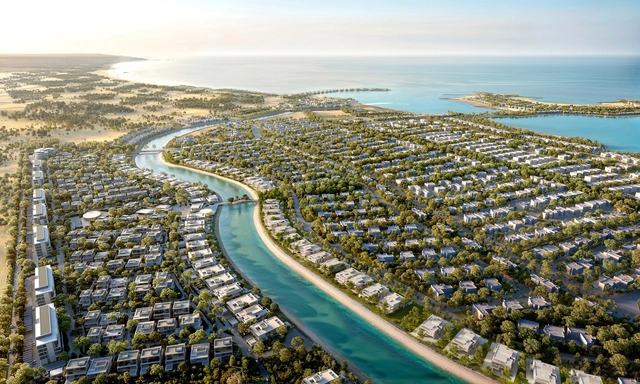
A series of recently announced projects across Europe, Asia, the Middle East, and North America reflects an ongoing shift in architectural thinking toward approaches that integrate buildings with their landscapes, programs with public life, and design with long-term environmental goals. In Nantes, France, a healthcare campus redefines medical education through climate-conscious planning, while in San Antonio, Texas, a new arboretum transforms a former golf course into a research-driven public landscape. Residential towers are rising beside Bangkok's Lumphini Park, a new coastal community is underway in the UAE, and an expansion to the Nelson-Atkins Museum in Kansas City reconsiders how cultural institutions connect with their surroundings. Together, these announcements point to a growing interest in projects that embed architecture within broader ecological and civic systems, proposing new models of spatial integration, accessibility, and resilience.

Architecture Now: C.F. Møller, Sasaki, 10 Design, and Others Unveil Projects Across Middle East, Asia, and the U.S. - Image 1 of 4Architecture Now: C.F. Møller, Sasaki, 10 Design, and Others Unveil Projects Across Middle East, Asia, and the U.S. - Image 2 of 4Architecture Now: C.F. Møller, Sasaki, 10 Design, and Others Unveil Projects Across Middle East, Asia, and the U.S. - Image 3 of 4Architecture Now: C.F. Møller, Sasaki, 10 Design, and Others Unveil Projects Across Middle East, Asia, and the U.S. - Image 4 of 4Architecture Now: C.F. Møller, Sasaki, 10 Design, and Others Unveil Projects Across Middle East, Asia, and the U.S. - More Images+ 9

Architecture Now: International Projects by HOK, COLL-BARREU, and Knight Architects Reshape Public Space

Subscriber Access | 

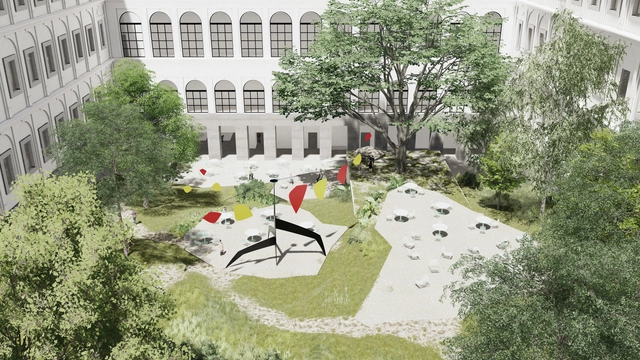
This month's architecture news spotlights a global wave of adaptive reuse, large-scale infrastructure, and public realm transformation. From airport expansions to museum reconfigurations, architects worldwide are rethinking how civic spaces serve communities in the 21st century. Notable developments include Sasaki, SLA, and MVVA being shortlisted to reimagine Toronto's Downsview Airport into a pedestrian-oriented public corridor, and HOK's 2.8 million-square-foot expansion of Dulles International Airport to accommodate future growth while honoring Saarinen's original vision. In Melbourne, Fraser & Partners received planning approval for a heritage-led redevelopment of the Boiler House precinct, while COLL-BARREU ARQUITECTOS completed a subtle reconfiguration of public access at Madrid's Reina Sofía Museum. Finally, in Canada, Knight Architects revealed the "Motion" design for the Alexandra Bridge replacement, an arching structure shaped by ecological references and inclusive public space. Read on for the latest updates shaping architecture today.

Architecture Now: International Projects by HOK, COLL-BARREU, and Knight Architects Reshape Public Space - Image 1 of 4Architecture Now: International Projects by HOK, COLL-BARREU, and Knight Architects Reshape Public Space - Image 2 of 4Architecture Now: International Projects by HOK, COLL-BARREU, and Knight Architects Reshape Public Space - Image 3 of 4Architecture Now: International Projects by HOK, COLL-BARREU, and Knight Architects Reshape Public Space - Image 4 of 4Architecture Now: International Projects by HOK, COLL-BARREU, and Knight Architects Reshape Public Space - More Images+ 4

Sasaki Reimagines Oman’s Second-Largest City with a New Waterfront Masterplan

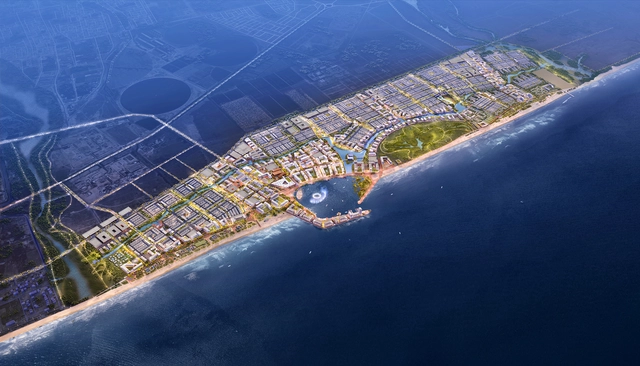
Salalah is Oman's largest logistics port and its second-largest city. Located within a two-hour flight from Dubai and a 90-minute flight from Muscat, the city attracted over one million tourists in 2024. As part of the Oman Vision 2040 investment plan, Oman's Ministry of Housing and Urban Planning has commissioned Sasaki to develop a master plan for redesigning the city's waterfront. The plan includes renovating the city's coastal public spaces and constructing new housing and infrastructure to accommodate projected growth. The project is part of a broader initiative to double tourism's contribution to the nation's GDP by 2030, with on-site construction set to begin later this year, in 2025.

Sasaki Reimagines Oman’s Second-Largest City with a New Waterfront Masterplan - Image 1 of 4Sasaki Reimagines Oman’s Second-Largest City with a New Waterfront Masterplan - Image 2 of 4Sasaki Reimagines Oman’s Second-Largest City with a New Waterfront Masterplan - Image 3 of 4Sasaki Reimagines Oman’s Second-Largest City with a New Waterfront Masterplan - Image 4 of 4Sasaki Reimagines Oman’s Second-Largest City with a New Waterfront Masterplan - More Images+ 7

Reconsidering Brutalist Renovations: A Transformation of the Boston City Hall for the Public

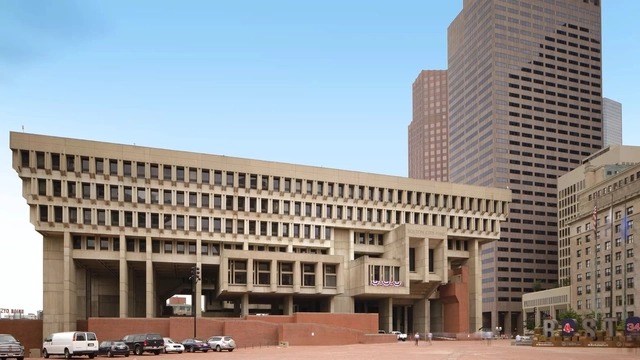
Boston City Hall, one of the most debated examples of Brutalist architecture in the United States, has significantly transformed since its conception. Designed by Kallmann, McKinnell, and Knowles and completed in 1968, the fortress-like concrete exterior and geometric austerity have long divided public opinion. Critics, including a former mayor, called for its demolition for decades arguing that its imposing design was inhospitable, inefficient, and most importantly, not beautiful. However, rather than tearing it down, Boston has chosen to renovate and revitalize the structure, demonstrating that contested Brutalist architectural styles can be adapted for a more sustainable future.

Reconsidering Brutalist Renovations: A Transformation of the Boston City Hall for the Public - Image 1 of 4Reconsidering Brutalist Renovations: A Transformation of the Boston City Hall for the Public - Image 2 of 4Reconsidering Brutalist Renovations: A Transformation of the Boston City Hall for the Public - Image 3 of 4Reconsidering Brutalist Renovations: A Transformation of the Boston City Hall for the Public - Image 5 of 4Reconsidering Brutalist Renovations: A Transformation of the Boston City Hall for the Public - More Images+ 4

Athens’ Urban Regeneration: The Ellinikon Development Takes Shape in Greece

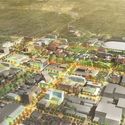
As Athens hosts The Architect Show (TAS) 2024, the event brings together global and local voices to highlight the latest innovations in architecture and design. Against this backdrop, the city's evolving urban narrative is exemplified by The Ellinikon, Europe's largest urban regeneration project. Encompassing 6.2 million square meters, this €8 billion development has already attracted globally renowned architects such as Bjarke Ingels Group (BIG), Kengo Kuma, Foster + Partners, and Aedas. Together, they are shaping the smart city that integrates sustainability, connectivity, and community-focused design into the heart of Athens.

Athens’ Urban Regeneration: The Ellinikon Development Takes Shape in Greece - Image 1 of 4Athens’ Urban Regeneration: The Ellinikon Development Takes Shape in Greece - Image 2 of 4Athens’ Urban Regeneration: The Ellinikon Development Takes Shape in Greece - Image 3 of 4Athens’ Urban Regeneration: The Ellinikon Development Takes Shape in Greece - Image 4 of 4Athens’ Urban Regeneration: The Ellinikon Development Takes Shape in Greece - More Images+ 4

Frank Lloyd Wright Foundation Selects Sasaki to Revitalize Iconic Taliesin West in Arizona, USA

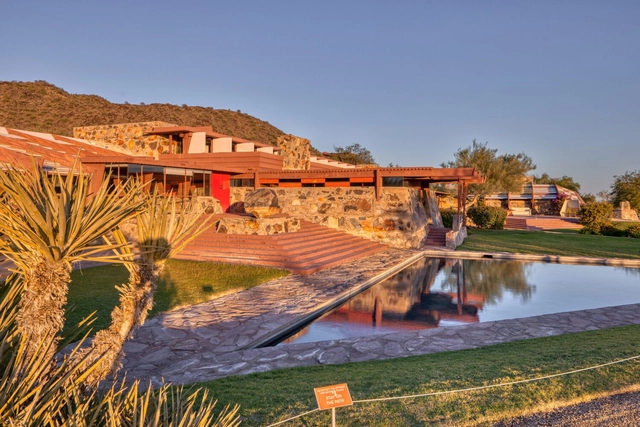
The renowned Frank Lloyd Wright Foundation has entrusted Sasaki with the task of designing a comprehensive design for Taliesin West in Scottsdale, Arizona, United States. Deemed a world heritage site, the location is a testament to the cultural and architectural legacy of the famed architect Frank Lloyd Wright, serving as his winter retreat and experimentation hub. The design seeks to pay homage to the heritage of Taliesin West while ensuring its longevity and relevance for generations to come.

What are Innovation Districts?

Subscriber Access | 

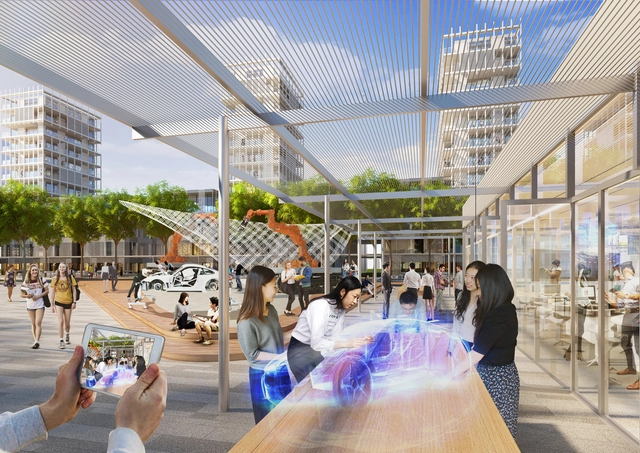
As technology and infrastructure rapidly evolve, a new buzzword finds itself in conversations across industries - innovation. The word is more relevant in light of future-facing challenges such as climate change, inequality, and economic crises. As a result of a surging interest in these concepts, innovation hubs have emerged across the world, aiming to foster creative and collaborative economies to spark quick change. What are innovation districts and how do they influence the built environment?

What are Innovation Districts? - Image 1 of 4What are Innovation Districts? - Image 2 of 4What are Innovation Districts? - Image 3 of 4What are Innovation Districts? - Image 4 of 4What are Innovation Districts? - More Images+ 6

A Highway Turned into Urban Farmland in California and a Contextual Insertion in Central Prague: 8 Urban Renewal Projects Submitted by the ArchDaily Community

Subscriber Access | 

Through urban renewal projects, architects, urban planners, and designers can infuse new life into dilapidated urban landscapes by upgrading the infrastructure, introducing new functions into the urban fabric, and reimagining the character of open public spaces. These types of projects present interest due to their dual character: on the one side they offer an opportunity for reimagining the potential of the city, but the areas they affect are already well-ingrained within the urban fabric, raising challenges of integration and contextual adaptation.

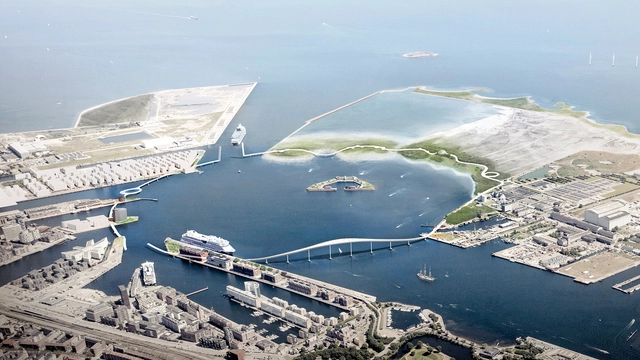
This week's curated selection of Best Unbuilt Architecture highlights projects submitted by the ArchDaily community that enhance functionality, aesthetics, and sustainability of urban areas while respecting and embracing the existing fabric of the city. From a residential neighborhood that prioritizes self-sufficiency and circularity in the Netherlands, to a highway ramp transformed into productive spaces in California, United States, or a new elevated path designed to alleviate urban congestion in the harbor of Copenhagen, his selection features projects that highlight the ever-changing character of our cities. Featuring projects from both emerging and established architectural offices such as Benthem Crouwel Architects, Space&Matter, and Vincent Callebaut Architectures, the projects demonstrate the variety of approaches needed to adapt urban environments to the needs of their residents.

A Highway Turned into Urban Farmland in California and a Contextual Insertion in Central Prague: 8 Urban Renewal Projects Submitted by the ArchDaily Community - Image 5 of 4A Highway Turned into Urban Farmland in California and a Contextual Insertion in Central Prague: 8 Urban Renewal Projects Submitted by the ArchDaily Community - Image 11 of 4A Highway Turned into Urban Farmland in California and a Contextual Insertion in Central Prague: 8 Urban Renewal Projects Submitted by the ArchDaily Community - Image 19 of 4A Highway Turned into Urban Farmland in California and a Contextual Insertion in Central Prague: 8 Urban Renewal Projects Submitted by the ArchDaily Community - Image 28 of 4A Highway Turned into Urban Farmland in California and a Contextual Insertion in Central Prague: 8 Urban Renewal Projects Submitted by the ArchDaily Community - More Images+ 44

Alan Ward's Photographic Interpretation of American Designed Landscapes

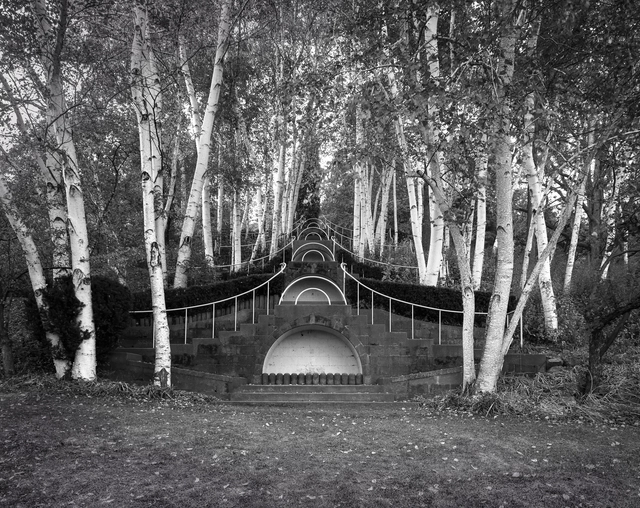
The photographic archive of landscape photographer and architect Alan Ward has been recently gifted to the Cultural Landscape Foundation (TCLF). The collection features 110 Portfolios composed of approximately 2,500 images of parks, estates, memorials, gardens, university campuses, cemeteries, museums, and botanical gardens, taken in 12 different countries, and captured by Alan Ward, a principal at the Boston-based firm Sasaki and a Fellow of the American Society of Landscape Architects.

Alan Ward's Photographic Interpretation of American Designed Landscapes - Image 1 of 4Alan Ward's Photographic Interpretation of American Designed Landscapes - Image 2 of 4Alan Ward's Photographic Interpretation of American Designed Landscapes - Image 3 of 4Alan Ward's Photographic Interpretation of American Designed Landscapes - Image 4 of 4Alan Ward's Photographic Interpretation of American Designed Landscapes - More Images+ 17

Abandoned Airport near Athens, Greece, Set to be Transformed into Europe’s Largest Coastal Park

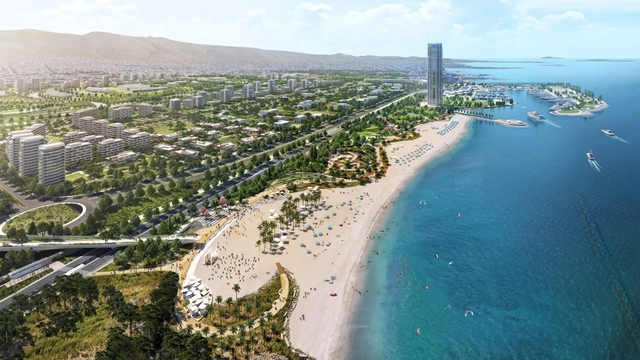
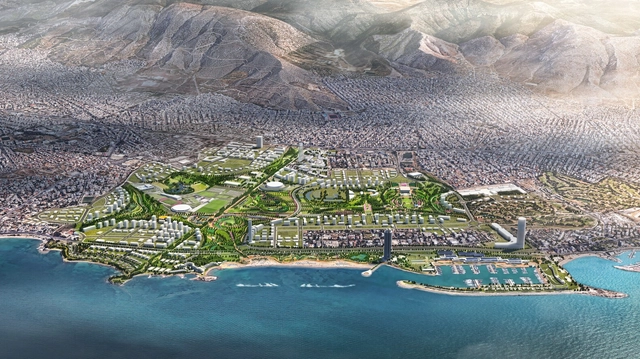
The Athens International Airport was decommissioned in 2001, leading to two decades of work for the local government to establish funding and a governance mechanism to transform the 600 acres of unused space into Europe's largest coastal park. The site has a layered history, from prehistoric settlements to the construction of the airport in the 20th century and the site being used for as an Olympic venue in 2004. Architecture office Sasaki is leading the design to transform the site again and create the Ellinikon Metropolitan Park, a restorative landscape and climate-positive design that will serve as a park, playground, and cultural center for the city of Athens. Developers are planning to break ground early next year.

Abandoned Airport near Athens, Greece, Set to be Transformed into Europe’s Largest Coastal Park - Image 1 of 4Abandoned Airport near Athens, Greece, Set to be Transformed into Europe’s Largest Coastal Park - Image 2 of 4Abandoned Airport near Athens, Greece, Set to be Transformed into Europe’s Largest Coastal Park - Image 3 of 4Abandoned Airport near Athens, Greece, Set to be Transformed into Europe’s Largest Coastal Park - Image 4 of 4Abandoned Airport near Athens, Greece, Set to be Transformed into Europe’s Largest Coastal Park - More Images+ 22

How Sasaki Is Shaping the Future of the World’s Higher Education Campuses

Subscriber Access | 

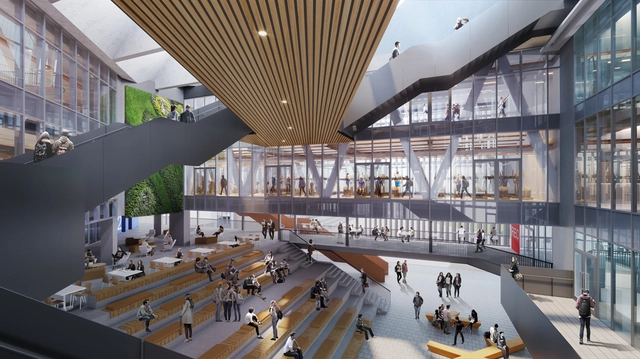
Over the past few years, educational campuses around the world have been confronted with various trends and challenges of change, such as pandemic adaptation, climate crisis, the responsibility for sustainable design and online teaching. Sasaki Architecture, with offices in Boston, Denver and Shanghai, specialises in planning educational campuses around the world. With a broad portfolio of projects at various scales of intervention, recent projects in the United States, China, Mexico and Peru stand out.

How Sasaki Is Shaping the Future of the World’s Higher Education Campuses - Image 1 of 4How Sasaki Is Shaping the Future of the World’s Higher Education Campuses - Image 2 of 4How Sasaki Is Shaping the Future of the World’s Higher Education Campuses - Image 3 of 4How Sasaki Is Shaping the Future of the World’s Higher Education Campuses - Image 4 of 4How Sasaki Is Shaping the Future of the World’s Higher Education Campuses - More Images+ 8

Six Houses With Impressive Views (and Windows)

Subscriber Access | 

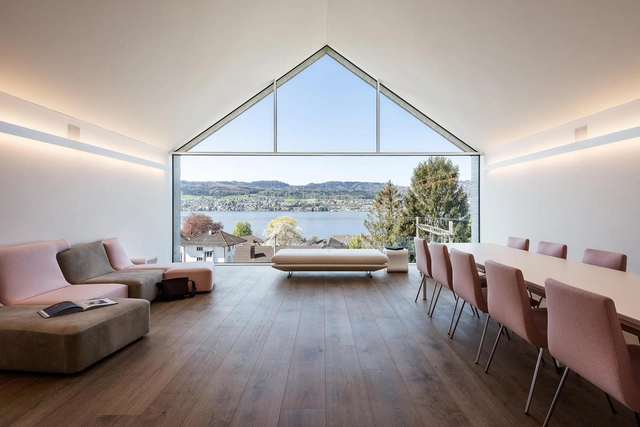
We love to fill our houses with wonderful creative decoration that brings us pleasure every time we enter a room. It’s these decorative features that transform a house into a home. But for those houses lucky enough to be surrounded by captivating landscapes, why shut out all that natural decoration only to replace it with interior imitations?

Using either glass partitions or ground-flush, floor-to-ceiling sliding glass panels, by inviting the environment in, specifiers can connect interior and exterior spaces for a deeper connection with nature, allowing the local landscape itself to become the largest interior in the home. Here is a selection of residential projects that use the latest innovations in sliding windows to form a relationship with the surrounding landscape:

World Architecture Festival 2021 Reveals Its Winners

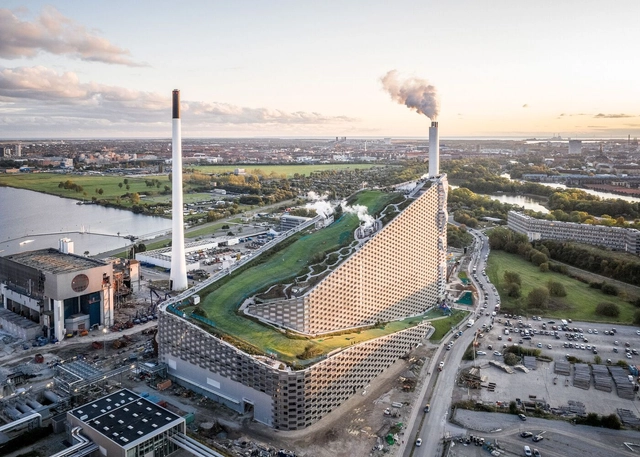
World Architecture Festival has revealed the winners for this year’s categories, highlighting buildings and landscapes completed across the world between 2019 and 2021. Chosen from almost 500 shortlisted projects from 62 countries, the winning projects showcase exemplary contributions to the built environment reflecting this edition’s theme: ‘Resetting the City: Greening, Health and Urbanism’. In addition to the completed buildings categories, the annual award also announced Copenhill, designed by Bjarke Ingels Group, as the 2021 World Building, while SLA was awarded Landscape of the Year for its design of Al Fay Park.

World Architecture Festival 2021 Reveals Its Winners - Image 1 of 4World Architecture Festival 2021 Reveals Its Winners - Image 2 of 4World Architecture Festival 2021 Reveals Its Winners - Image 3 of 4World Architecture Festival 2021 Reveals Its Winners - Image 4 of 4World Architecture Festival 2021 Reveals Its Winners - More Images+ 25

World’s Second Tallest Building Tops Out in Malaysia

World’s Second Tallest Building Tops Out in Malaysia - Featured Image
Courtesy of Fender Katsalidis

In downtown Kuala Lumpur, Merdeka 118 topped out at 678.9 metres tall and 118 storeys, becoming the second-tallest building in the world. Five years after construction started, the tower’s final silhouette is revealed with the completion of the spire, redefining the city’s skyline currently dominated by the Petronas Towers and the Kuala Lumpur Tower. Designed by Australian firm Fender Katsalidis, the project features a triangular faceted glass façade inspired by patterns found in Malaysian art and, together with the surrounding park designed by Sasaki, creates a new layer of the city’s identity.

Sasaki Launches New Urban Planning Online Tool

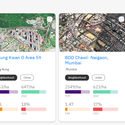
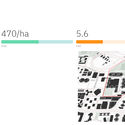
Global design firm Sasaki has announced the launch of Density Atlas, a new online platform for planners, urban designers, developers, and students immersed in the public realm, to have a better understanding about density. The platform explores the limitations of density and defines a more standardized set of metrics for understanding and comparing density across different global contexts, such as in urban centers, college campuses, or community under development.

Sasaki Launches New Urban Planning Online Tool  - Image 1 of 4Sasaki Launches New Urban Planning Online Tool  - Image 2 of 4Sasaki Launches New Urban Planning Online Tool  - Image 3 of 4Sasaki Launches New Urban Planning Online Tool  - Image 4 of 4Sasaki Launches New Urban Planning Online Tool  - More Images

Escenario Todoroki Building / Sasaki Architecture

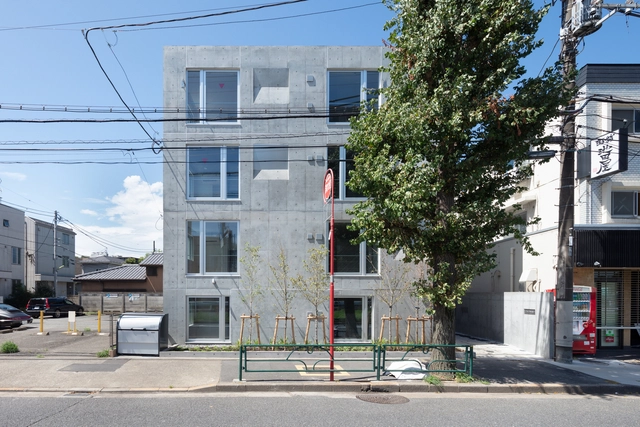
Escenario Todoroki Building / Sasaki Architecture - Interior Photography, Residential, FacadeEscenario Todoroki Building / Sasaki Architecture - Interior Photography, Residential, Kitchen, Door, Facade, LightingEscenario Todoroki Building / Sasaki Architecture - Interior Photography, Residential, Door, Table, Chair, CountertopEscenario Todoroki Building / Sasaki Architecture - Exterior Photography, Residential, Facade, DoorEscenario Todoroki Building / Sasaki Architecture - More Images+ 26

Setagaya City, Japan