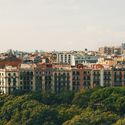
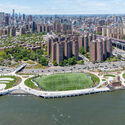
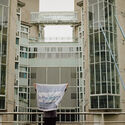
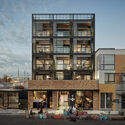
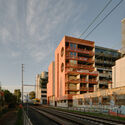
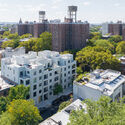
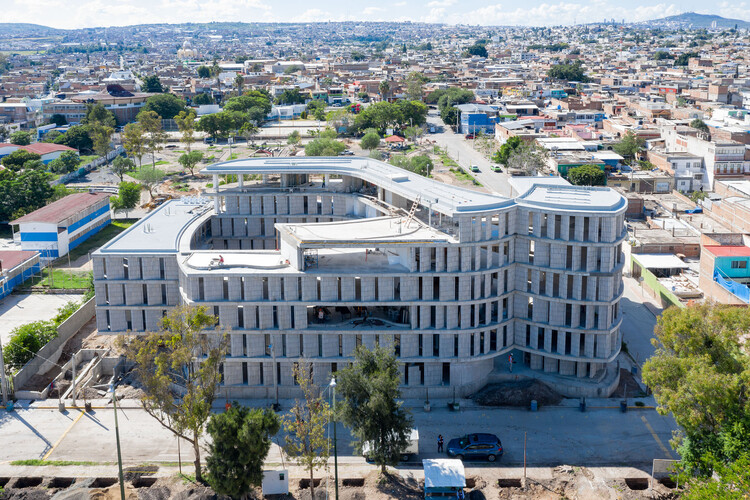
This week, questions about housing, safety, and the future of cities came into focus, from the impact of natural hazards to architecture's role in shaping more inclusive urban environments. The International Day for Disaster Risk Reduction, observed on October 13 under the theme "Resilience Starts at Home," highlighted these questions just days after a magnitude 7.7 earthquake struck Panama, damaging buildings and prompting evacuations nationwide. Beyond disaster preparedness, the week's developments also reflect broader efforts to address housing needs, give existing buildings new purposes, and create spaces that support education, culture, and public life.
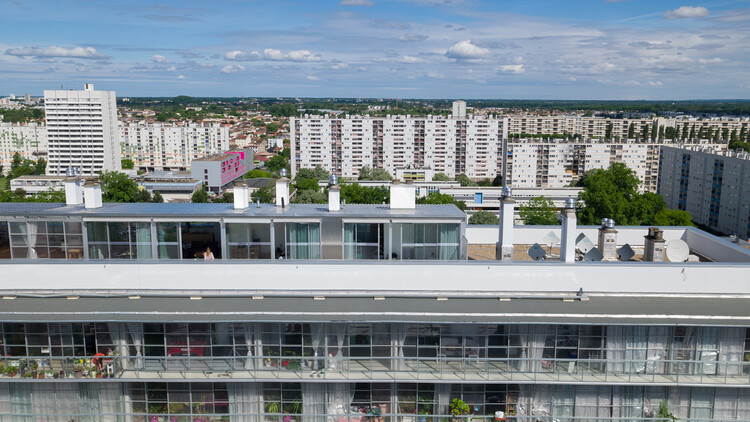
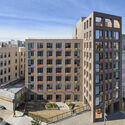
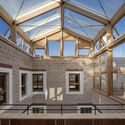
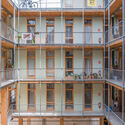
Transformation of 530 dwellings / Lacaton & Vassal + Frédéric Druot + Christophe Hutin architecture. Image Courtesy of Philippe Ruault
The International Union of Architects designates the first Monday of October as World Architecture Day each year, aligning it with the United Nations' World Habitat Day. This year, both occasions are drawing attention to the global housing crisis as a fundamental element of human dignity, inclusion, and well-being. The UIA's motto reads: "Housing is a Human Right. Build It." The organization calls on architects to contribute to advancing equitable access to housing through design, research, and advocacy. From a holistic perspective, the crisis consists not only of a shortage of residential buildings, but of multiple, interconnected barriers to accessing an adequate place to live. The challenge calls on the dual nature of the architect's work: the capacity for abstract design thinking, and the practical knowledge to transform material reality. For architecture to make the right to housing a reality, both capacities must be put into practice: building new governance structures, different models of shared ownership, designs for alternative forms of cohabitation, and new, environmentally sustainable construction systems.
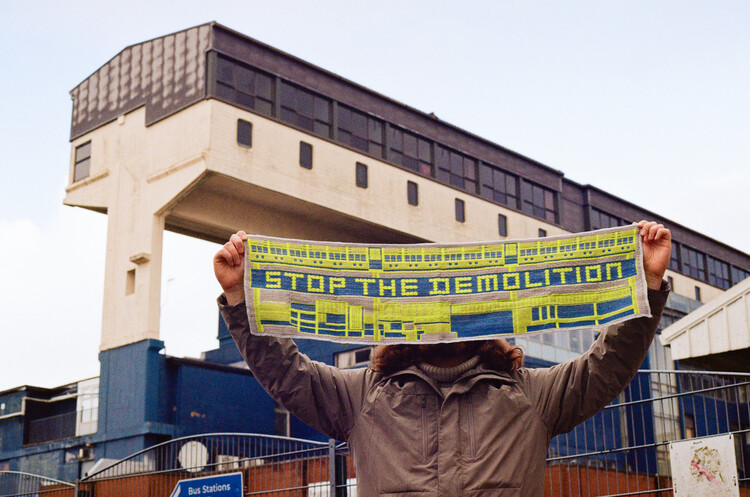
"Right to Housing! Now and Forever" is an official European Citizens' Initiative (ECI) to demand affordable, sustainable, and fair housing across the European Union. The ECI is a governance tool that allows citizens to propose new laws for the European Commission to consider. Initiatives must be organized by a group of at least seven EU citizens living in seven different countries and must gather 1 million valid signatures within one year of receiving official approval. The signature collection for "Right to Housing! Now and Forever" launched on September 14, 2026, and aims to collect 1.2 million signatures across the EU to require the European Commission to formally respond to and address the proposal. The project builds on the HouseEurope! European Citizens' Initiative, which focused strictly on building renovation and closed unsuccessfully on January 31, 2026. This new proposal, put forward by a broader coalition, encompasses not only renovation but also financing tools and measures to ensure access.
Every housing crisis eventually becomes a land question, and every land question eventually becomes a values question. The United States' West Coast has arrived at that point. As cities from Los Angeles to Seattle search for parcels to build the affordable housing they have promised for years, they keep landing on the same answer: the park or the greenbelt. What looks like a zoning decision is a referendum on which form of wellbeing a city is willing to sacrifice for another.
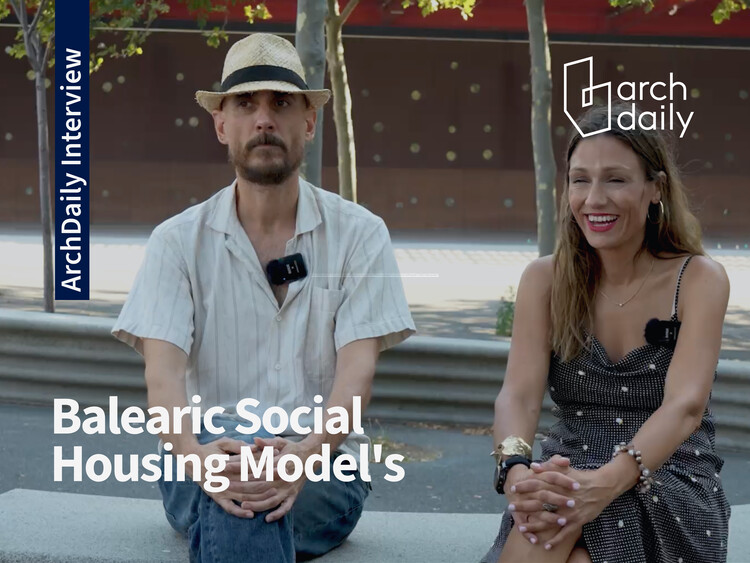
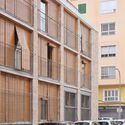
On 1 September 2026, the Balearic Social Housing Model was announced as the recipient of the 2026 OBEL Award. The focus of this award's cycle was "Systems' Hack," calling on architecture to critically engage with the systems that underpin contemporary society and to examine how these interconnected networks might be reconfigured in response to accelerating global challenges. The Balearic Social Housing Model, created by economist and independent consultant Cris Ballester and architect and civil servant Carles Oliver, is a six-point approach to public housing developed between 2019 and 2023, providing additional value and comfort to traditional affordable housing by bringing procurement, architecture, materials, energy, tenure, public capacity and learning together as responses to current social, environmental and economic challenges. In this interview with ArchDaily, the model's creators discuss its origins, ambitions, and material challenges in making social housing a desirable place to live.
Amid growing economic, political, and climatic instability, the 2026 OBEL Award highlights the need for architectural approaches that rethink both existing and emerging infrastructures. The title for this edition is "Systems' Hack," where "systems" are understood as interrelated mechanisms governed by shared rules and "hacking" is framed as a strategic intervention that seeks to alter how these mechanisms operate. Within this framework, the OBEL Foundation has announced the Balearic Social Housing Model as the winner of this year's award, while also announcing a new cycle in 2027 under the same topic. The Balearic Social Housing Model is recognized for "transforming the role of social housing administration in the Balearic Islands between 2019 and 2023," proposing new approaches in response to an acute housing shortage and a critically limited public rental housing stock in Spain.
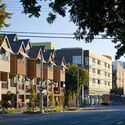
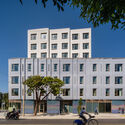
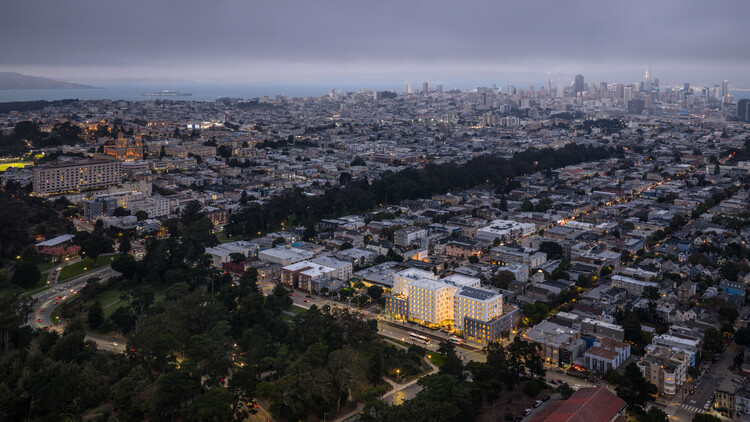
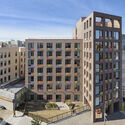
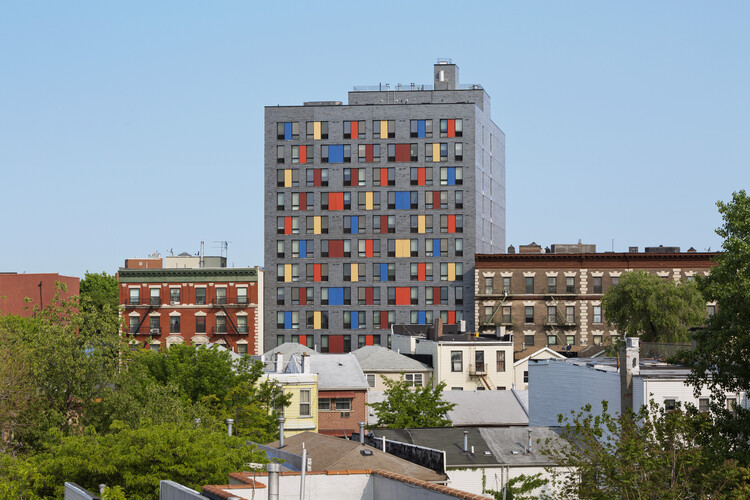
OMA, led by Partner Jason Long, together with San Francisco-based Y.A. Studio, has completed 730 Stanyan, a mixed-use affordable housing development in San Francisco's Haight-Ashbury neighborhood. Developed by the Tenderloin Neighborhood Development Corporation (TNDC) and Chinatown Community Development Center (CCDC), the project provides 160 permanently affordable homes for low-income families, formerly unhoused families, and Transitional Age Youth (TAY). Located at the intersection of Haight and Stanyan Streets, adjacent to the entrance of Golden Gate Park, the development marks OMA's first completed 100% affordable housing project in the United States.
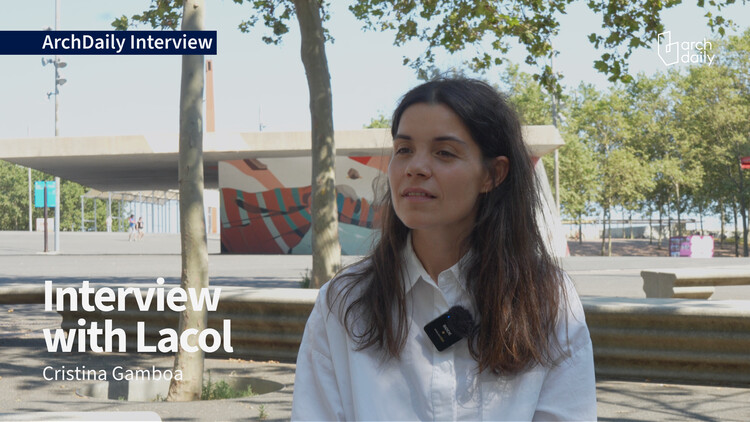
At the UIA World Congress of Architects 2026 in Barcelona, discussions surrounding the future of housing frequently extended beyond questions of design to include governance, ownership, and long-term stewardship. Among the speakers contributing to these conversations was Cristina Gamboa, co-founder of the Barcelona-based cooperative Lacol, whose practice combines architecture, housing advocacy, construction management, and environmental research through a cooperative model. During the Congress, ArchDaily spoke with Gamboa about how cooperative practice reshapes the architect's role, why participation extends beyond consultation, and how projects such as La Borda and La Morada continue to inform broader discussions on housing, care, and collective living.
The 21st Century ROAD to Housing Act, a bipartisan United States Senate housing bill, automatically became law on 11 July 2026. Officially the "Renewing Opportunity in the American Dream (ROAD) to Housing Act," the bill has been called the most significant housing measure in the country since the National Affordable Housing Act in 1990, and "the most comprehensive housing legislation in decades." In a context of global housing crisis, the text revises federal housing programs and expands available financing options, provides grants for communities, targets regulatory requirements for construction, and addresses the concentration of ownership. This law contributes to worldwide initiatives for adequate housing, such as limits on short-term rentals, taxing unoccupied residential units, and the transformation and adaptive reuse of existing structures, with the dual objective of increasing the number of residential units and making existing ones available.
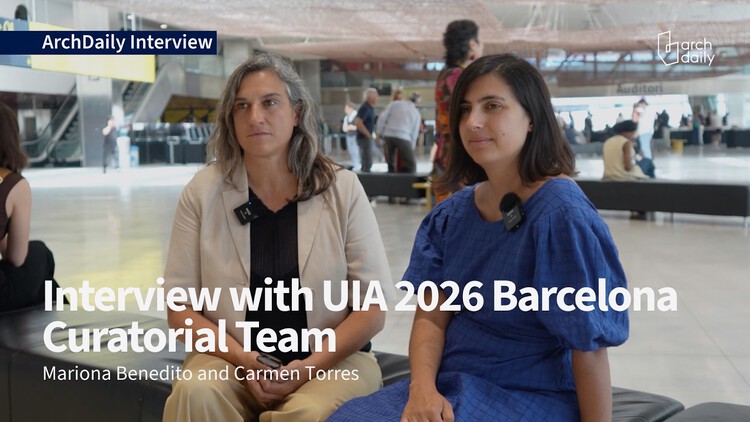
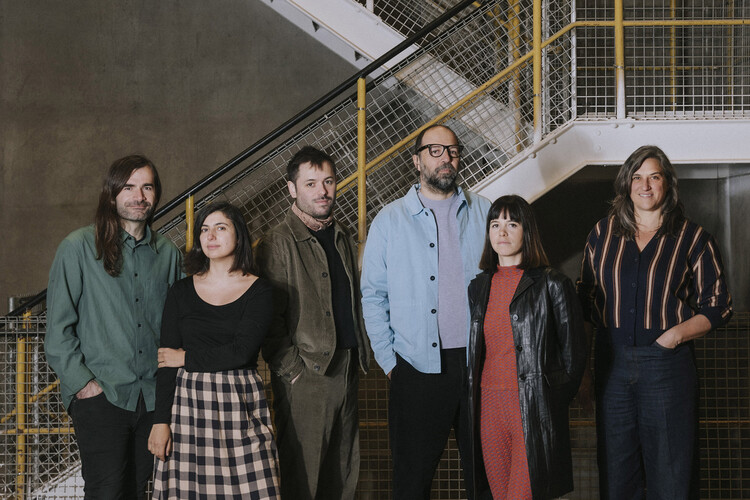
As Barcelona hosts the UIA World Congress of Architects for the second time in its history, thirty years after the 1996 edition, the city becomes a site for reflecting not only on architecture but also on the changing conditions under which it operates. Titled Becoming. Architectures for a Planet in Transition, and developed by the six-member curatorial team of Pau Bajet, Maria Giramé, Mariona Benedito, Tomeu Ramis, Pau Sarquella, and Carmen Torres, the 2026 Congress expands the discussion beyond the city toward planetary questions, addressing architecture through ecological, social, political, and material systems rather than as an isolated discipline. During the opening day of the Congress, ArchDaily spoke with Mariona Benedito and Carmen Torres, two members of the curatorial team, about how this edition revisits Barcelona's architectural legacy, why uncertainty has become central to architectural thinking, and what they hope participants will take away from the event.
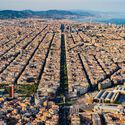
Barcelona is the first city in the history of the UIA World Congress of Architects to host the event twice. The 1996 edition, Present and Futures: Architecture in Cities, arrived at a charged moment, when the post-Olympic city was consolidating an urban model that would become one of the most studied and contested in contemporary urbanism, and when architecture was learning to think through the large metropolis as its primary site of inquiry. Thirty years later, the same city reopens the question under a different condition: one in which the built environment can no longer be understood as a self-contained object, but only through the wider ecological, material, and political systems that sustain it. The theme of the 2026 Congress — Becoming. Architectures for a Planet in Transition — does not abandon the urban concerns of 1996; it reopens them from a planetary scale.
The curatorial team behind this edition, formed by Pau Bajet, Maria Giramé, Mariona Benedito, Tomeu Ramis, Pau Sarquella, and Carmen Torres, approaches architecture as a critical and transformative tool rooted in territory, working across practice, research, and teaching. Their program structures the Congress around six interconnected thematic lines (Becoming More-than-human, Becoming Circular, Becoming Embodied, Becoming Interdependent, Becoming Hyper-Conscious, and Becoming Attuned) and distributes it across three venues of very different characters — Les Tres Xemeneies del Besòs, the Disseny Hub at Glòries, and the CCIB — each chosen for what it represents as much as for what it can hold.
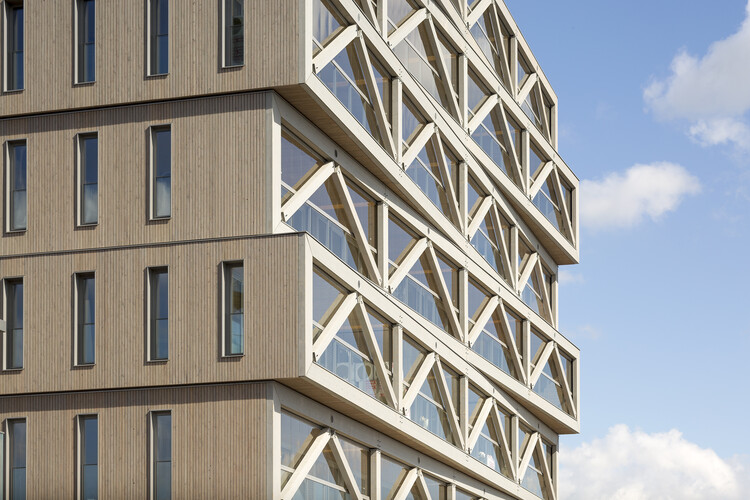
With forty-eight psychogeriatric beds and sixty-eight wheelchair-accessible apartments, accommodation for informal caregivers, and space for bedside care, the De Keyzer building opened in Amsterdam in 2011. Its program had been conceived entirely for elderly people requiring assistance, but shortly after completion, the building was sold to an investment fund, and the apartments began to be rented to young families with children.
For the project's architects, Tom Frantzen and Karel van Eijken, the episode could have been interpreted as a failure of prediction. Instead, it became a confirmation. "It showed, very clearly, that buildings can end up being used in completely different ways than originally intended," Frantzen recalls. The transformation was only possible because the apartments were generous and because the structure allowed for uses more diverse than those anticipated in the original program. Had the building been designed solely for its initial function, the change of use would likely have required a destructive renovation or, in the extreme, demolition.
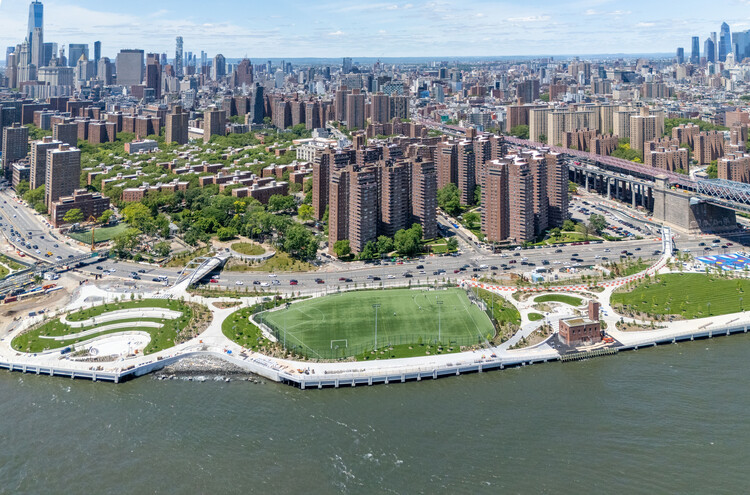
The New York City local government is one of the largest of its kind, with hundreds of city agencies and elected offices. The Mayor, city agencies, the city council, the comptroller, the public advocate, the borough presidents, and community boards organize to provide services and improve the quality of life in the biggest city in the United States and a primary tourist destination. Like other metropolises in the world, urban developers and authorities in New York are facing common challenges: the atmospheric effects and permanent consequences of the climate crisis, the saturation of transport systems, the lack of housing units, and barriers to accessing adequate housing. During June, the New York City mayor's office announcements addressed traffic and mobility, sports events, immigration, and extreme heat. In recent months, a series of policies have been announced to address a larger problem: ensuring access to housing for a greater number of people through government action.
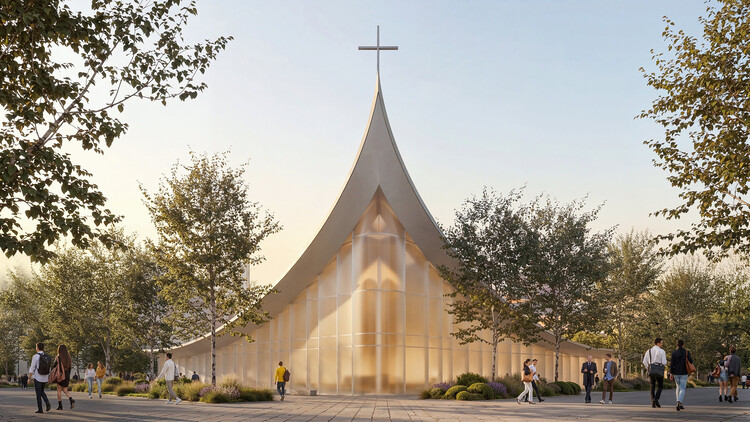
Ambrosian Monastery, Milan. Image Courtesy of Stefano Boeri Architetti
As global urban challenges intensify alongside growing environmental, social, and cultural pressures, this week's news reflects how institutions, exhibitions, and restoration projects are highlighting the relationship between the built environment and collective experience. From international forums addressing housing insecurity and urban resilience to cultural events examining memory, identity, and spatial perception, positioning architecture as both a framework for policy and a medium for critical reflection. At the same time, major restoration and redevelopment initiatives highlight a renewed focus on preserving historical continuity while adapting heritage sites and cultural institutions to contemporary forms of use, accessibility, and public engagement.
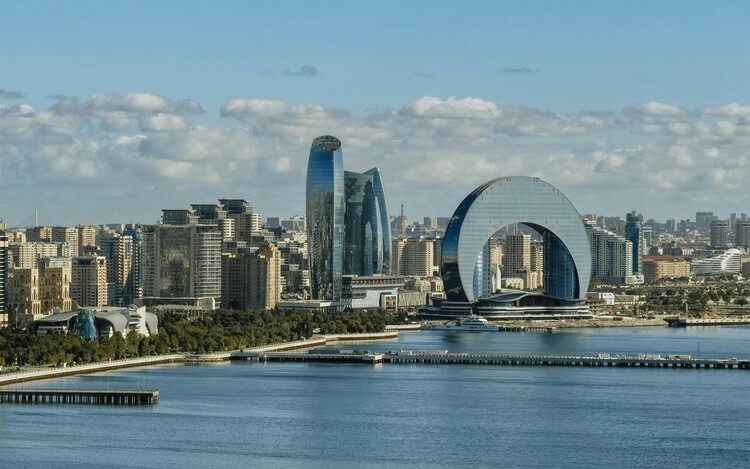
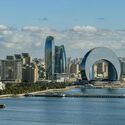
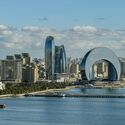
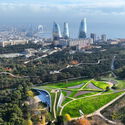
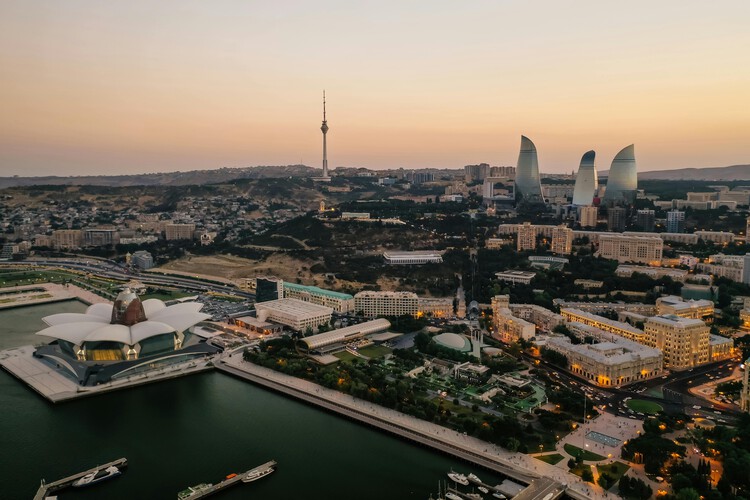
Co-organized by UN-Habitat and the Government of Azerbaijan, the thirteenth session of the World Urban Forum 13 will take place in Baku from May 17 to 22, 2026, under the theme "Housing the World: Safe and Resilient Cities and Communities." Convened every two years by UN-Habitat, the World Urban Forum is considered one of the leading international conferences dedicated to urbanization and the future of cities. Bringing together architects, planners, policymakers, researchers, local governments, and civil society organizations, the forum serves as a platform for discussing the challenges shaping contemporary urban environments and the strategies needed to address them.
Today's housing crisis is a global phenomenon that can be broadly divided into two major problems: a shortage of residential buildings and barriers to accessing those that already exist. The deficit is real and concrete when it comes to what the UN calls "adequate housing for all." According to UN-Habitat, an estimated 96,000 new housing units would need to be built per day to meet population needs by 2030. Climate change and forced migration are broadening the gap. But 2.8 billion people worldwide, representing nearly 40% of the global population, lack access to stable shelter, secure land, and basic sanitation services not only because of underproduction, but also due to an economic barrier: an affordability crisis. As demand grows and prices rise, housing, now increasingly functioning as a form of social security, becomes a target for rental income and real estate speculation. As adequate housing is a human right, pressure on governments and private entities is increasing worldwide to limit speculation and ensure fair access to existing dwellings. Below, we present four examples of initiatives in Spain, Australia, France, and the United States that aim to urgently expand housing access while limiting speculation.