

This guide explains how to structure multi-image prompts in the RunDifussion platform. Explore RunDifussion's product catalog.
News
How to Prompt and Annotate Multiple Images with AI
| Sponsored Content
https://www.archdaily.comhttps://www.archdaily.com/catalog/us/products/38860/how-to-prompt-and-annotate-multiple-images-with-ai-rundiffusion
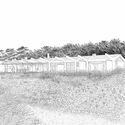
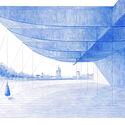
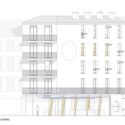
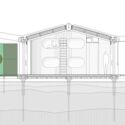
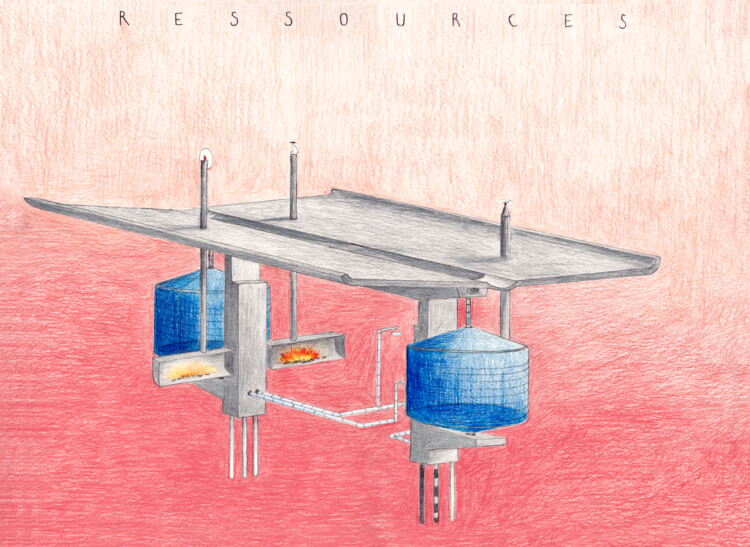
Drawn by Hand: Géométral's Site-Specific Architecture

Founded in 2022 by Clément Masurier and based in Paris, France, Géométral is an architectural practice defined by design strategies that are linked to the landscape, which it treats as a primary determinant of form. The studio, one of the winners of the ArchDaily 2025 Next Practices Awards, approaches each project as a small universe that combines program, atmosphere, and spatial narratives. Rather than a single signature style, they focus on crafting moods and situations tailored to each context and user.
In its early stages, the studio lacked a built portfolio and responded by developing "fictional architectures" situated on real topographies. This exercise was not merely an aesthetic pursuit but a methodological anchor, as it allowed the firm to establish a rigorous process of site analysis and typological testing before receiving physical commissions. By treating imaginary projects with the same technical scrutiny as real ones, the studio developed a library of formal responses to environmental constraints that now dictate their built work.
https://www.archdaily.com/1038214/drawn-by-hand-geometrals-site-specific-architectureMoises Carrasco
Architecture as a Platform: What Makes a Building Evolve?

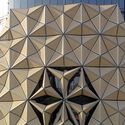
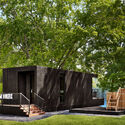
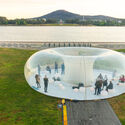
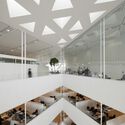
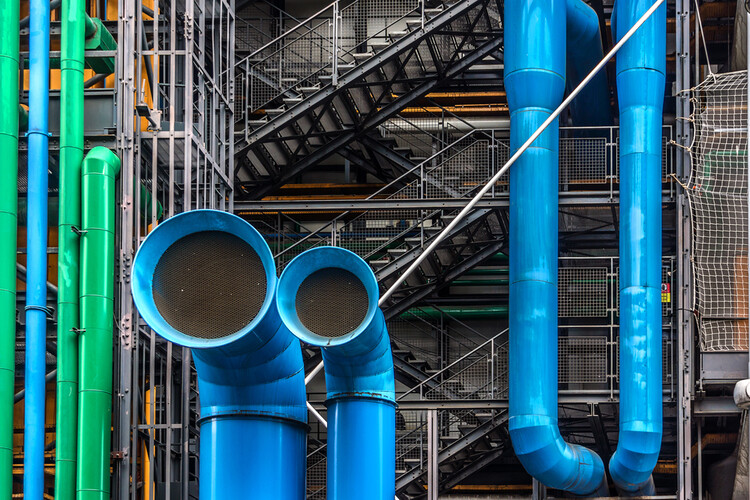
Not long ago, recent enough to feel current, architecture entered a moment in which buildings became legible as products. The framing offered discipline and a refreshed perspective to an industry that often deems novelty more precious than operational clarity. Nudging exercises of "form" towards repeatability, user experience, performance, and scalability prepared buildings to be a "product" that could now be evaluated. Architecture is more answerable to how well it works, how clearly it communicates its use, and how consistently it delivers its intended experience.
The discipline of product design refreshes the perspectives of architects designing for a changing future. Along with offering a new vocabulary and a rubric for design, the field brings in accountability: a product must perform reliably across time and context. It must hold together as a system of decisions rather than a collection of parts. Quality, therefore, is no longer measured solely by uniqueness, but by consistency and by the ability to produce a predictable experience for its occupants.
https://www.archdaily.com/1038868/architecture-as-a-platform-what-makes-a-building-evolveAnkitha Gattupalli
Understanding U-Value: The Foundation of Energy-Efficient Envelopes

Much more than merely as a protective skin, the building envelope functions as a thermal regulator that influences operational energy demand, indoor comfort, and long-term efficiency. And before renewable systems or mechanical strategies are introduced, performance begins in section. The way walls, roofs, windows and floors are layered determines how much heat is lost in winter, gained in summer, and ultimately how much energy a building consumes. At the center of this evaluation lies a fundamental metric: the thermal transmittance, or U-value. Understanding how to calculate it is essential for assessing whether an envelope conserves energy or allows it to escape.
Conceptually, thermal transmittance relates heat flow to both surface area and temperature difference. It expresses how much energy crosses one square meter of envelope for each degree of thermal gradient between its two faces.
If we divide 1 m2 of our envelope by the temperature difference between its faces, we will obtain a value that corresponds to the thermal transmittance, also called U-Value. This value tells us a building's level of thermal insulation in relation to the percentage of energy that passes through it; if the resulting number is low we will have a well-isolated surface and, on the contrary, a high number alerts us of a thermally deficient surface.
https://www.archdaily.com/898843/how-to-calculate-the-thermal-transmittance-u-value-in-the-envelope-of-a-buildingJosé Tomás Franco
On World Hearing Day 2026: From Communities to Classrooms, Designing for Inclusion

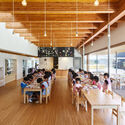
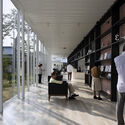
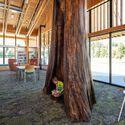
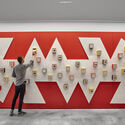
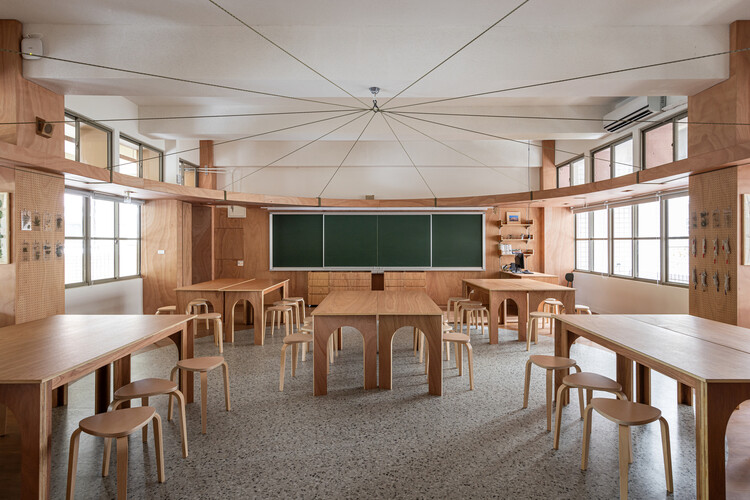
Every year on March 3, World Hearing Day highlights the importance of preventing hearing loss and ensuring equitable access to ear and hearing care worldwide. Led by the World Health Organization, the 2026 theme, "From communities to classrooms: hearing care for all children," emphasizes early identification, inclusive education, and supportive environments as fundamental components of children's development. As global estimates continue to indicate a rising number of children experiencing preventable or untreated hearing conditions, the conversation increasingly expands beyond healthcare systems and into the spaces where daily life unfolds.
https://www.archdaily.com/1039272/on-world-hearing-day-2026-from-communities-to-classrooms-designing-for-inclusionReyyan Dogan
Barbara Buser Recognized With the 2026 Jane Drew Prize for Her Work In Circular Construction

The AJ and The Architectural Review have named architect Barbara Buser as the winner of the 2026 Jane Drew Prize. The prize, named after English modernist architect and urban designer Jane Drew, is part of the W Awards and the W Programme, which recognise women's contributions to the architectural profession. Swiss-based architect Barbara Buser is known as an innovator in the field of recycling and reuse, and as an expert in circular construction, recognised for pioneering repurposing practices in Switzerland. The award, therefore, recognises not only her contribution to architecture itself, but above all her efforts to reduce the industry's environmental impact through socialisation initiatives. The recognition follows Anne Lacaton's award in 2025, as well as other prominent figures in the field, such as Kazuyo Sejima in 2023, Farshid Moussavi in 2022, and Yasmeen Lari in 2020.
https://www.archdaily.com/1039253/barbara-buser-recognized-with-the-2026-jane-drew-prize-for-her-work-in-circular-constructionAntonia Piñeiro
Ethiopian Modernism: Mid-Century Architecture of Africa's Capital

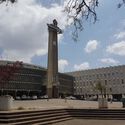
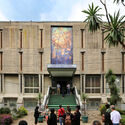
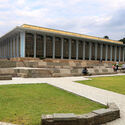
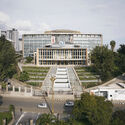
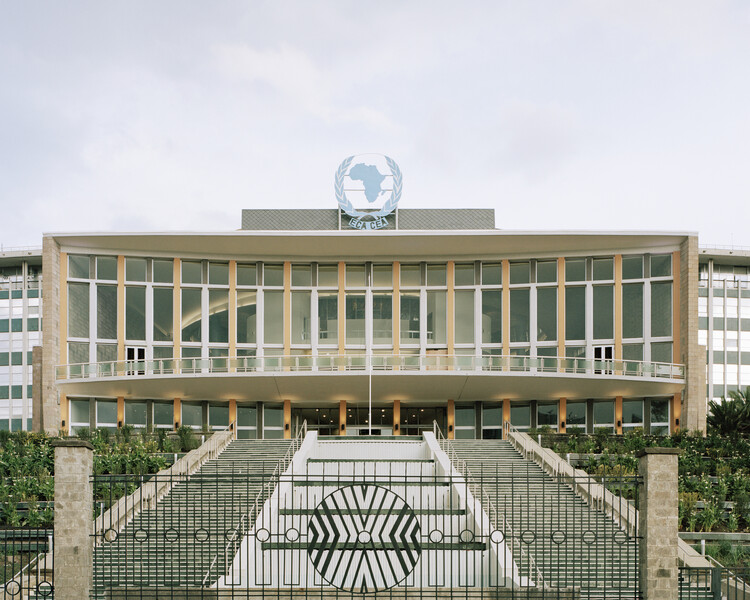
In January 2026, the World Monuments Fund/Knoll Modernism Prize was awarded to Australian firm Architectus for their conservation of the Africa Hall in Addis Ababa, Ethiopia. The award recognizes that Modernist buildings, once seen as a vanguard of architecture, are falling into disrepair and are underappreciated by the public. The situation in Africa is typical of this global sentiment, and this was the first time a building on the continent was graced with this award. The prize also spotlights Ethiopia's rich Modernist inventory, which marks its continental role in the mid and late twentieth century.
https://www.archdaily.com/1039211/ethiopian-modernism-mid-century-architecture-of-africas-capitalMohieldin Gamal
When the School Becomes the City: Community-Centered Projects in the Global South

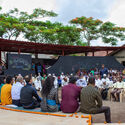
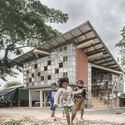
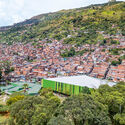
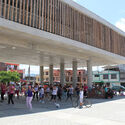
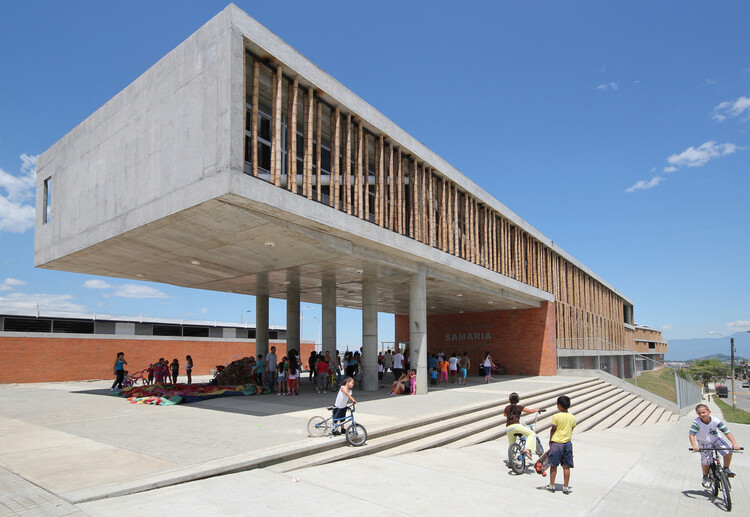
Education and culture have long been established as strategic pillars for promoting profound social transformation. In this context, the quality of physical infrastructure is not merely a functional concern, but a structural element in the implementation of consistent public policies — especially in territories marked by urban precarity, historical inequality, and institutional fragility. Within this framework, school architecture can assume a role that extends far beyond the classroom, becoming a catalyst for social transformation.
https://www.archdaily.com/1038975/when-the-school-becomes-the-city-community-centered-projects-in-the-global-southCamilla Ghisleni
Foster + Partners’ Two World Trade Center Revealed in New Renderings, Construction to Begin in 2026

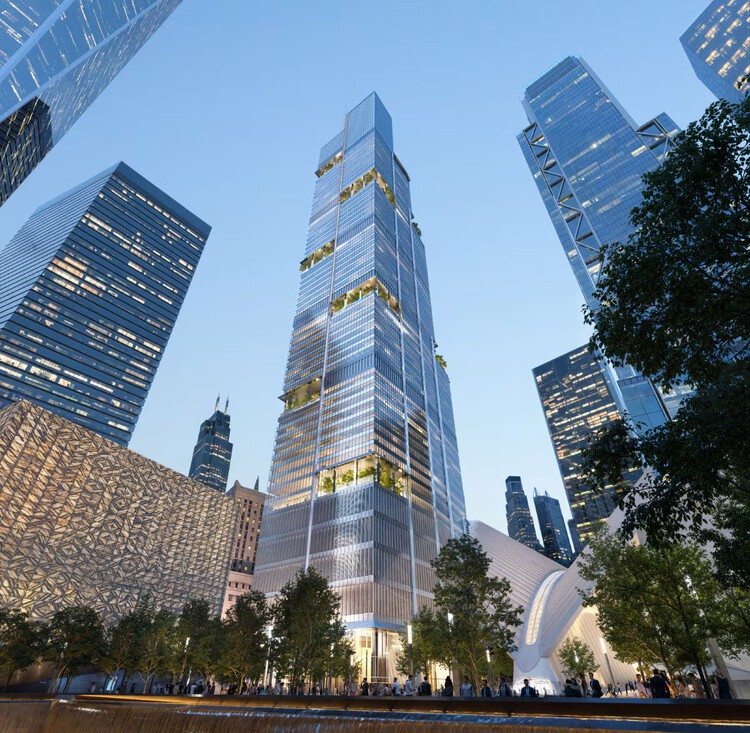
Updated renderings for Two World Trade Center, the final commercial tower planned for the World Trade Center campus in Lower Manhattan, have been unveiled by Foster + Partners in collaboration with developer Silverstein Properties. Rising 373 meters at 200 Greenwich Street, the 55-story skyscraper will occupy a central position within the site, directly across from Santiago Calatrava's Oculus transportation hub and adjacent to the Perelman Performing Arts Center, completing the commercial edge of the master plan. The tower is set to become the new global headquarters of American Express, which will serve as the building's sole owner and occupant. Completion is currently anticipated in 2031, with construction scheduled to begin in spring 2026.



https://www.archdaily.com/1039220/foster-plus-partners-two-world-trade-center-revealed-in-new-renderings-construction-to-begin-in-2026Reyyan Dogan
Renzo Piano Building Workshop and Brunet Saunier & Associés Secure Permit for Urban Forest Hospital in Greater Paris

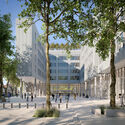
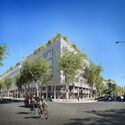
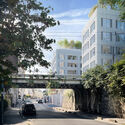
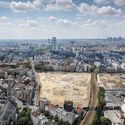
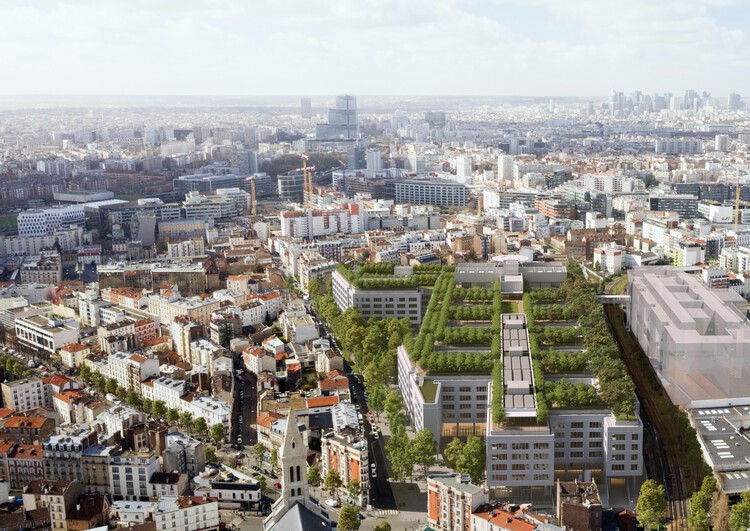
On February 20, Renzo Piano Building Workshop announced that the building permit for the Hôpital Universitaire Saint-Ouen Grand Paris Nord (HUSOGPN) has been officially granted. The project is a state initiative responding to rapid population growth, increasing demand for care, and evolving technical standards with a "next-generation" hospital in Saint-Ouen-sur-Seine, a commune in the northern suburbs of the French capital. The hospital will be located on the site of the former PSA factory, once an industrial engine of the region and now large and well-connected enough to host a program of rare scale: 986 beds and 288 day places, a workforce of over 5,500 professionals, and facilities equipped with contemporary technology for areas such as surgery and maternity. Envisioned as a "hospital-landscape," the building designed by RPBW in association with Brunet Saunier & Associés stands out for featuring a 1.3-hectare roof garden and an urban forest with over 1,000 trees.
https://www.archdaily.com/1039209/renzo-piano-building-workshop-and-brunet-saunier-and-associes-secure-permit-for-urban-forest-hospital-in-greater-parisAntonia Piñeiro
Intestines of a Building: Aziza Chaouni on Architecture’s Systems and Resources

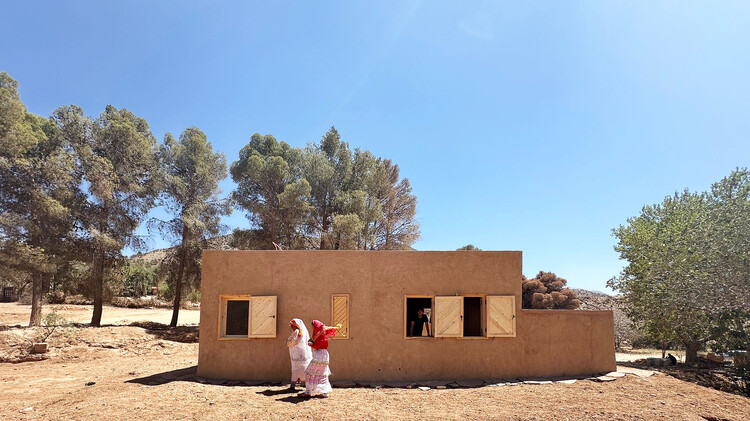
In an age so obsessed with skincare and appearances, few architects are truly interested in the intestines of our buildings. With a practice rooted in contextual awareness and technical pragmatism, sensitive to the needs of the people it serves and to resource limitations, Moroccan architect Aziza Chaouni focuses on the hidden systems that allow architecture to be. Over the past two decades, she has been working on projects across different geographies, particularly in the Saharan region, actively engaging with its communities and heritage.
Currently leading the South–North (SoNo) Lab for Sustainable Construction and Conservation at EPFL in Lausanne, Switzerland, Chaouni brings to the academic realm her architectural expertise in operating under pressing constraints, advocating for reciprocal collaboration between the Global South and the Global North. ArchDaily had the opportunity to speak with Aziza about her experience in Africa and how it can foster more sustainable ways of designing buildings for the future of our cities.



https://www.archdaily.com/1038912/intestines-of-a-building-aziza-chaouni-on-architectures-systems-and-resourcesRomullo Baratto
Who Decides What Is Worth Preserving? Power and Heritage in Latin America

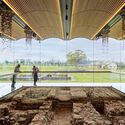
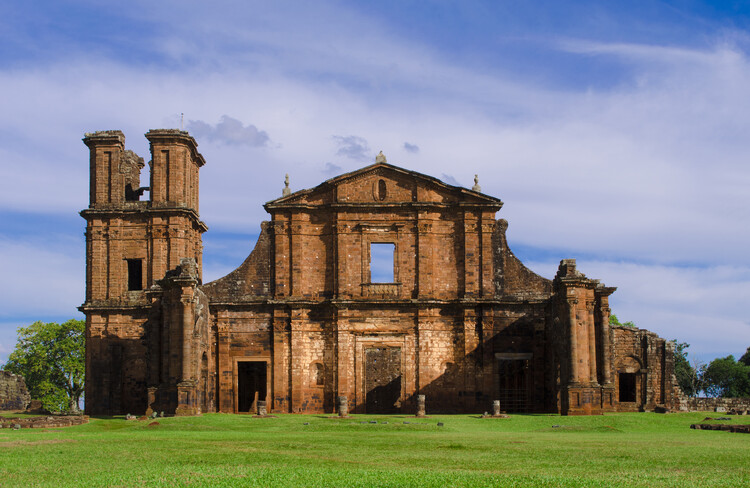
When we enter a museum, walk through a historic center, or review a country’s list of protected heritage sites, we rarely think about the process behind those choices. Who decided, on behalf of all of us, that certain objects, places, and architectures deserved to be preserved and disseminated, while others were discarded?
In most cases, the power of decision lies with specialized professionals—historians, museologists, architects, geographers. But on what basis are these decisions made? Can the complexity of history be reduced to a checklist? Or, more fundamentally, which version of history underlies these choices?

https://www.archdaily.com/1038829/who-decides-what-is-worth-preserving-power-and-heritage-in-latin-americaCamilla Ghisleni
Explore the Longlist of the ArchDaily Student Project Awards

Eighteen years ago, two architecture students decided that they had a project worth pursuing. It wasn't a built structure, but a digital project that ended up revolutionizing the way people around the world consume architectural content. This was how ArchDaily was founded, and it still guides our work to this day. The future of architecture is continuously being shaped in classrooms, studios, and workshops around the world, and we want to continue supporting the students who are actively participating in this evolution. Recognizing the creativity and vision of students who are redefining architectural discourse around the world is what led us to create the Student Project Awards.
We are now pleased to present the longlisted projects for this first edition of the ArchDaily Student Project Awards. With hundreds of projects submitted from around the world, our in-house team of architects and editors carefully combed through every single entry, narrowing them down to 104 longlisted projects. The students who participated represent the diversity of the architectural landscape itself, with submissions from every continent, all levels of study, and in various scales and typologies.
https://www.archdaily.com/1039110/explore-the-longlist-of-the-archdaily-student-project-awardsDaniela Porto
The Centauric Heritage: Equine Scale and Mexican Monumental Architecture

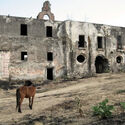
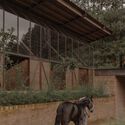
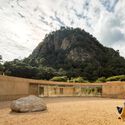
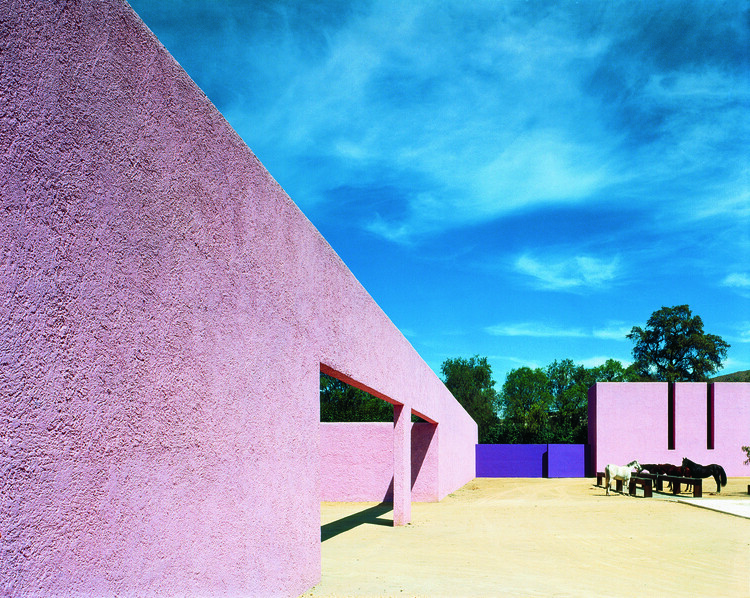
In the architectural history of the Mexican territory, the built environment has functioned not merely as a human stage, but as a biological infrastructure designed to organize proximity between species. The resulting spatial logic is not a solo performance, but a negotiated coexistence between human and animal bodies. To examine this heritage today is to shift the analytical focus away from stylistic authorship and toward a more fundamental phenomenon: the persistence of spatial practices that emerged to sustain shared forms of life.
Many of the architectural features now interpreted as cultural or aesthetic markers — oversized thresholds, expansive patios, and durable surfaces — can be understood instead as material traces of an interspecies contract. For centuries, horses, mules, and livestock were not external to architecture but essential inhabitants whose physical presence shaped scale, circulation, and material choices. Their bodies left measurable imprints in space, from the height of entrances that accommodated mounted riders to paving systems designed to withstand hooves, friction, and biological wear. Nowhere was this contract more visible than at the ground level of the colonial house.
https://www.archdaily.com/1038962/the-centauric-heritage-equine-scale-and-mexican-monumental-architectureValentina Díaz
SCAPE and BIG Unveil Final Plans for Manresa Wilds on Former Power Plant Site in Norwalk, US

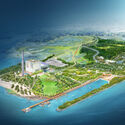
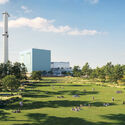
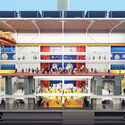
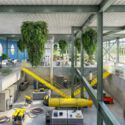
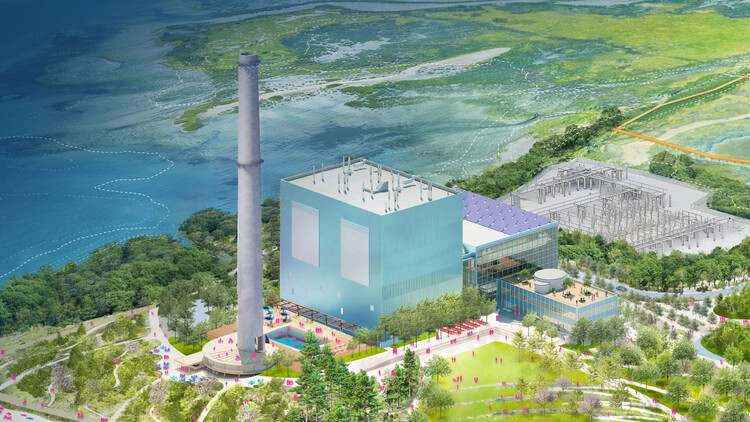
Manresa Island Corp. has unveiled the final vision for Manresa Wilds, a 125-acre waterfront park planned on a former power plant peninsula along Long Island Sound in Norwalk, United States. Developed in collaboration with landscape architecture firm SCAPE and architecture studio BIG, the proposal outlines the transformation of a polluted and long-inaccessible industrial shoreline into a publicly accessible coastal landscape. Following the receipt of a stewardship permit from Connecticut's Department of Energy and Environmental Protection in December 2025, the project will move forward in phases, beginning with the opening of the 28-acre Northern Forest in spring 2027. Subsequent phases, extending into the early 2030s, will deliver the majority of the restored landscape and the adaptive reuse of the 1960s-era power plant as a year-round civic and educational hub, opening nearly two miles of coastline that have been closed to the public for decades.
https://www.archdaily.com/1039175/scape-and-big-unveil-final-plans-for-manresa-wilds-on-former-power-plant-site-in-norwalk-usReyyan Dogan
Lacaton & Vassal and Emmanuelle Delage to Transform Administrative Center into Mixed-Use Housing and Offices in Vannes, France

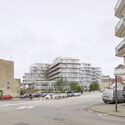
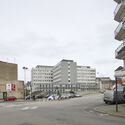
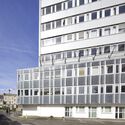
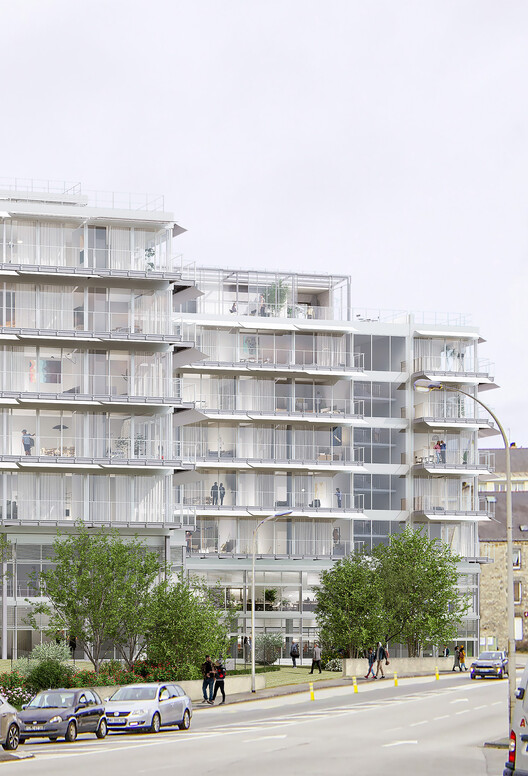
Lacaton & Vassal have announced the transformation of a former administrative center into a mixed-use residential and office building in Vannes, a medieval town in Brittany, northwest France. The project is part of a State policy to mobilize state-owned land for housing. In 2023, the French State launched a call for expressions of interest for a project on the former administrative complex, which housed several State services, in consultation with the City of Vannes. The winning proposal is a partnership between GReeStone Immobilier and Grand Ouest Immobilier, with an architectural team formed by the office of Anne Lacaton and Jean-Philippe Vassal, winners of the 2021 Pritzker Prize, in partnership with Emmanuelle Delage Architecte. According to the city government, the proposal was chosen with the aim of promoting resilience and limiting the carbon footprint by renovating rather than demolishing.

https://www.archdaily.com/1039144/lacaton-and-vassal-and-emmanuelle-delage-to-transform-administrative-center-into-mixed-use-housing-and-offices-in-vannes-franceAntonia Piñeiro
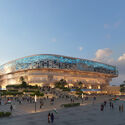
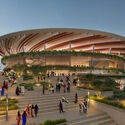
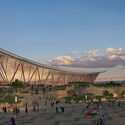
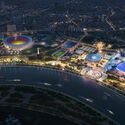
BDP, Cox Architecture, and Collage Design Unveil a Sports District Around the World's Largest Stadium in India

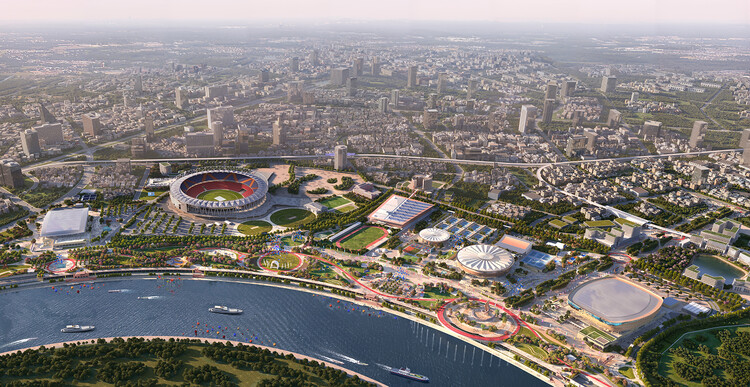
BDP, Cox Architecture, and Collage Design have unveiled the master plan for the 350-acre Sardar Vallabhbhai Patel Sports Enclave in Ahmedabad, India. Positioned on the Sabarmati Riverfront and structured around the 132,000-seat Narendra Modi Stadium, the world's largest stadium by capacity, the project proposes a large-scale sports district integrating international competition venues with public landscapes and community facilities. Conceived as both an events precinct and an urban park, the development is intended to accommodate the 2030 Commonwealth Games centenary event, following Ahmedabad's selection as host city.
https://www.archdaily.com/1039076/bdp-cox-architecture-and-collage-design-unveil-a-sports-district-around-the-worlds-largest-stadium-in-indiaReyyan Dogan
Thermal Memory: How Climate Shapes Architectural Heritage

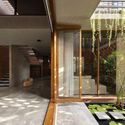
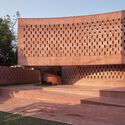
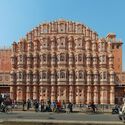
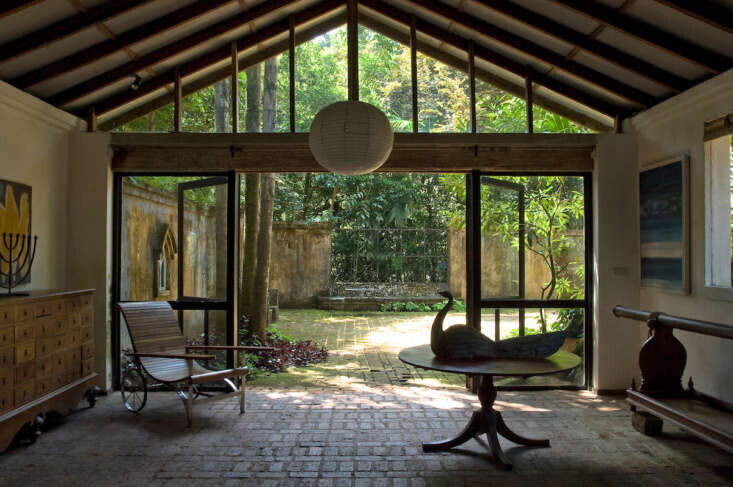
On a hot afternoon in May, when the air over western India turns metallic with heat, no one remembers façade composition. They remember where the shade falls. They remember which corridor breathed. They remember the house that was cooler than the street. What stays in memory is comfort beyond the form. Repeated thermal preference stabilizes into spatial configuration, and over time, those configurations become building types.
Heritage is usually catalogued by what can be drawn, not by what changed temperature. In heat, buildings are learned first through skin, only later through sight. Generations learn, through their bodies, what works. Shade reduces glare and radiant heat. Air movement shifts perception by several degrees. Thick walls slow temperature swings. Over time, these experiences accumulate into a spatial preference. What feels right is repeated. What is repeated stabilizes into type.

https://www.archdaily.com/1039072/thermal-memory-how-climate-shapes-architectural-heritageAnanya Nayak
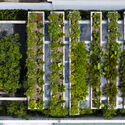
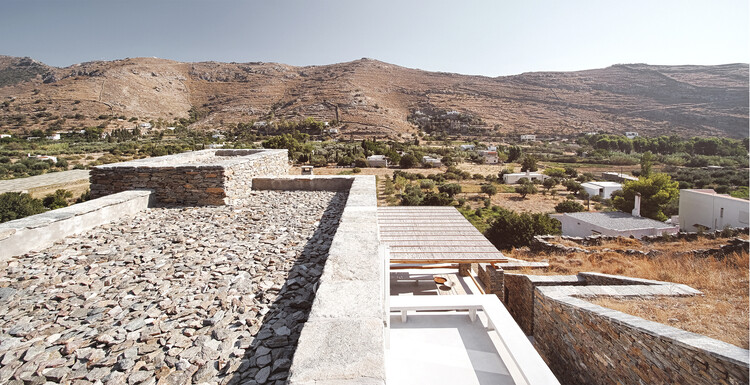
How to Design with the Rain: Architectural Strategies for Rainwater Collection across Climates

As climate variability intensifies, extreme storms are becoming more frequent in some regions while water scarcity deepens in others. Architects are increasingly pressed to reconsider how buildings engage with rainfall as an environmental force and a design resource. How can architecture move beyond shedding the excess water to actively collect, store, and reuse it? What would it mean to treat rainwater as a material that shapes resilient and meaningful spaces?
https://www.archdaily.com/1035353/how-to-design-with-the-rain-architectural-strategies-for-rainwater-collection-across-climatesOlivia Poston
Tuwaiq Sculpture 2026 Transforms Riyadh into a Platform for Public Art
| In Collaboration

For centuries, sculpture has been associated with the materialization of religious values, the celebration of heroic achievements, or the consolidation of political power. Today, it also operates as a critical instrument and an urban mediator. Many contemporary works interrogate the present, challenge scale, engage with movement and circulation, and reshape perceptions of public space. Sculpture is no longer conceived as an isolated object, but as part of broader processes of urban transformation.
Riyadh, the capital of Saudi Arabia, exemplifies a city undergoing intense expansion and restructuring. Particularly under the Vision 2030 agenda, it has invested in upgrading public spaces, diversifying its cultural landscape, and consolidating an urban identity that brings together tradition, infrastructure, and global projection. Within this context, cultural production plays a structuring role, contributing to the redefinition of everyday urban experience and expanding the city's symbolic references.
https://www.archdaily.com/1039013/tuwaiq-sculpture-2026-transforms-riyadh-into-a-platform-for-public-artEduardo Souza
ArchDaily’s Readers Select Who Should Win the 2026 Pritzker Prize

As the architecture community looks ahead to the announcement of the 2026 laureate of the Pritzker Architecture Prize, anticipation once again gathers around what is widely regarded as the profession's highest honor. Founded in 1979 by Jay Pritzker and administered by the Hyatt Foundation, the prize recognizes a living architect whose body of work demonstrates a consistent and significant contribution to humanity and the built environment.
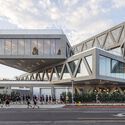
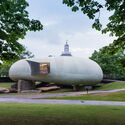
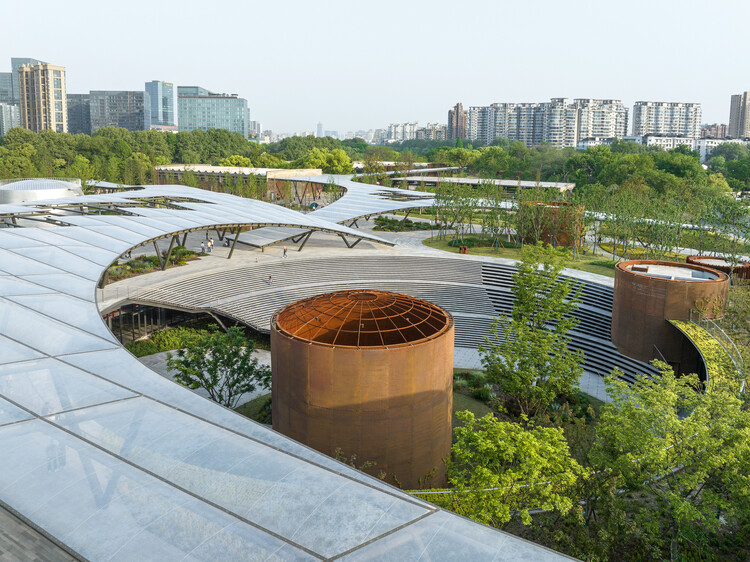
https://www.archdaily.com/1039130/archdailys-readers-select-who-should-win-the-2026-pritzker-prizeReyyan Dogan
La Sagrada Familia’s Milestone and New Housing Futures: This Week’s Review

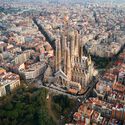
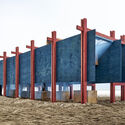
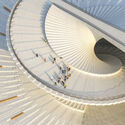
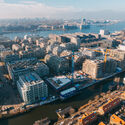
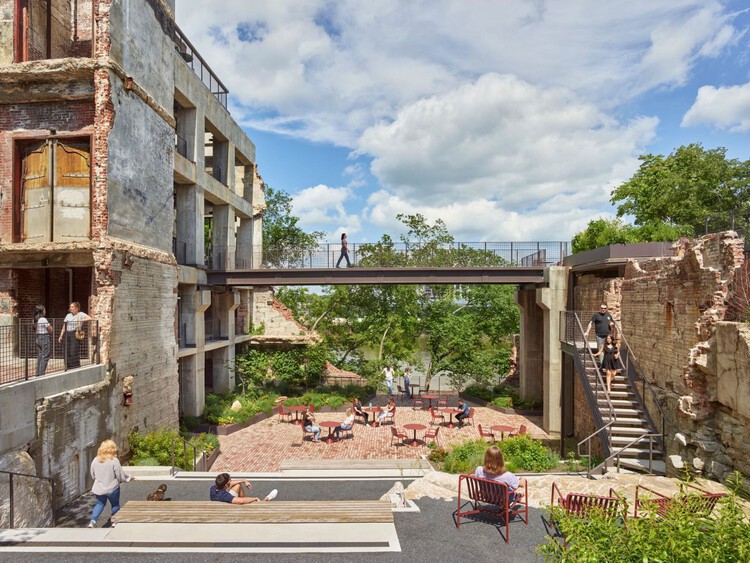
This week began with the World Day of Social Justice, foregrounding urgent questions of labor rights, spatial equity, and resource governance, and framing architecture as both a product of and a response to the social systems that shape access to land, housing, and opportunity. The announcement of the 15 winning projects of the 2026 ArchDaily Building of the Year Awards highlighted a global cross-section of built works recognized for their architectural quality, innovation, and social impact, offering a snapshot of contemporary practice across scales and geographies. This week's news prompts a broader reflection on architecture's civic responsibility, with heritage and community-building through cultural architecture emerging as central themes. Housing, meanwhile, anchors another critical strand of the discussion with three highlighted initiatives: a manifesto reframing housing not as a market commodity but as a civic right and collective project grounded in care; a large-scale waterfront regeneration masterplan responding to regional housing demand through coastal transformation; and a timber residential project that explores the potential of wood in medium-density housing.
https://www.archdaily.com/1039116/from-la-sagrada-familias-milestone-to-new-housing-futures-this-weeks-reviewAntonia Piñeiro
Open Call for Expert Contributors at ArchDaily

ArchDaily is looking for Expert Contributor to join our Sponsored Content team. In this role, you will produce high-quality, editorially strong content that highlights architectural products, materials, and projects while maintaining the editorial integrity and design-focused voice that ArchDaily is known for.
This role requires a strong understanding of architecture and design, experience with branded or sponsored content, and the ability to communicate complex ideas in a clear, engaging, and professional manner. Sponsored content at ArchDaily is brand-funded writing created with partners that presents products, projects, and ideas in ArchDaily's editorial voice, with the aim of informing, inspiring, and engaging readers.
https://www.archdaily.com/1038256/open-call-for-expert-contributors-at-archdailyArchDaily Team
Calibrated Rawness: Studio 1:1 and the Discipline of Making in Hong Kong and Beyond

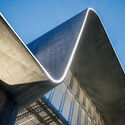
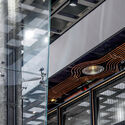
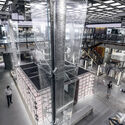
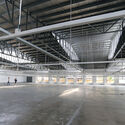
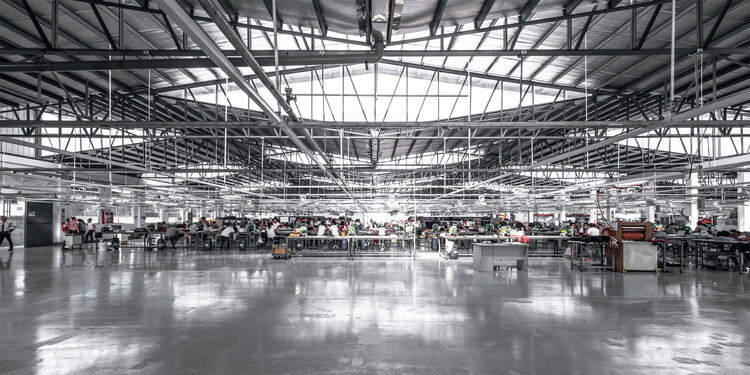
In Hong Kong, where interiors and small buildings are routinely caught between two extremes—high-gloss "luxury" finishes on one end, and budget-cautious industrial roughness on the other—a third attitude has emerged through the calibration of both: a uniquely precise, relevant, and materially honest execution that is not dependent on price point. This is calibrated rawness. Calibrated rawness describes an architecture that retains the directness of matter and materiality—concrete, metal, blockwork, exposed structure, visible services—while subjecting it to rigorous control.
The "raw" is not a costume, and the "refined" is not polished; it is a discipline of precise execution, producing spaces that feel balanced and considered, yet never "made up" or overworked. Studio 1:1 demonstrates this attitude consistently across its work—and its upcoming publication, Architecture under the Radar: Three Projects in Asia (with a foreword by Nader Tehrani), offers a timely frame through which to read this ethos as more than an aesthetic, but as a repeatable architectural method.
https://www.archdaily.com/1038994/calibrated-rawness-studio-1-1-and-the-discipline-of-making-in-hong-kong-and-beyondJonathan Yeung
The Machine in the Age of Collective Practice

This article is part of our new Opinion section, a format for argument-driven essays on critical questions shaping our field.
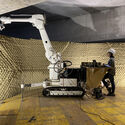
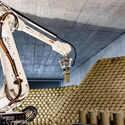
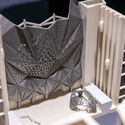
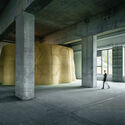
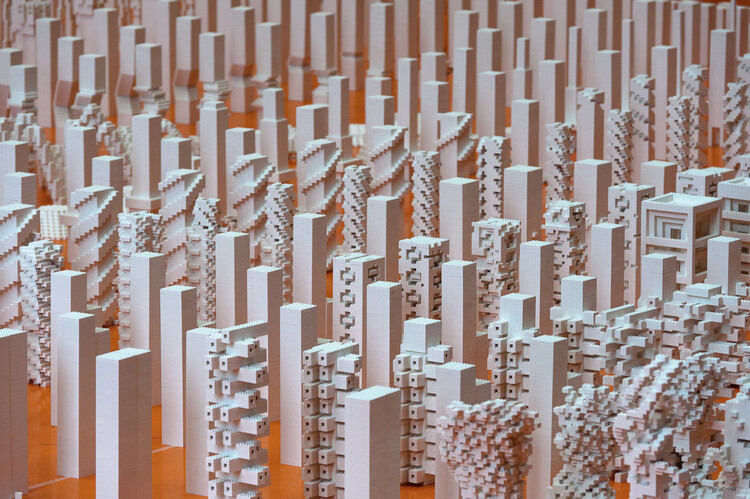
Every architectural epoch has been defined by its instruments. The compass, the drawing board, the camera, and the computer have each altered how architects think and produce. Yet the current moment feels qualitatively different. As artificial intelligence and generative systems enter daily workflows, tools cease to be passive extensions of the architect's hand and begin to operate as semi-autonomous agents. They propose, optimize, and simulate, producing outcomes that are, at times, beyond the author's full anticipation.
https://www.archdaily.com/1038978/the-machine-in-the-age-of-collective-practiceDiogo Borges Ferreira