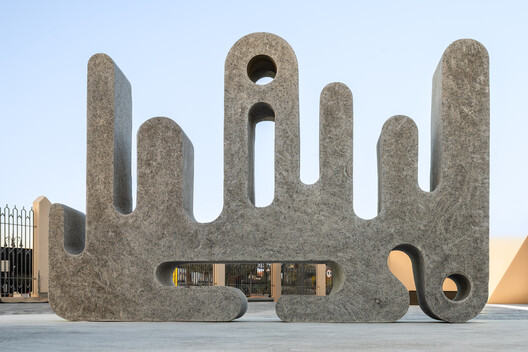
For centuries, sculpture has been associated with the materialization of religious values, the celebration of heroic achievements, or the consolidation of political power. Today, it also operates as a critical instrument and an urban mediator. Many contemporary works interrogate the present, challenge scale, engage with movement and circulation, and reshape perceptions of public space. Sculpture is no longer conceived as an isolated object, but as part of broader processes of urban transformation.
Riyadh, the capital of Saudi Arabia, exemplifies a city undergoing intense expansion and restructuring. Particularly under the Vision 2030 agenda, it has invested in upgrading public spaces, diversifying its cultural landscape, and consolidating an urban identity that brings together tradition, infrastructure, and global projection. Within this context, cultural production plays a structuring role, contributing to the redefinition of everyday urban experience and expanding the city's symbolic references.
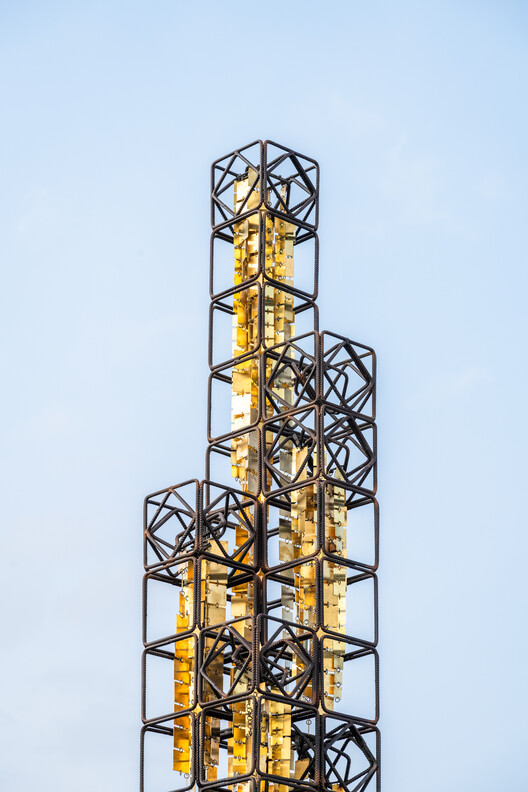
It is within this framework that Tuwaiq Sculpture 2026 takes place, open to the public from February 9 to March 8 along Prince Mohammed bin Abdulaziz Street, known as Tahlia Street. Organized by Riyadh Art, the seventh edition of the symposium presents 25 large-scale sculptures produced live, reaffirming its commitment to integrating artistic practice into the urban environment. The event operates as an open-air laboratory where, between January 12 and February 5, the public was able to follow the creative process, observing artists transform locally sourced stone and reclaimed metal into artworks.
Art and Urban Transformation
Curated by Sarah Staton, Rut Blees Luxemburg, and Lulwah Alhomoud, the 2026 edition unfolds under the theme Traces of What Will Be. The proposal draws from the layered history of Tahlia Street itself, which once housed Riyadh's first desalination infrastructure, a technological milestone that transformed scarcity into resource and played a fundamental role in the city's urban expansion.
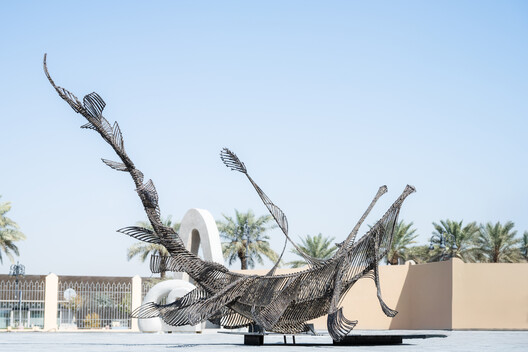
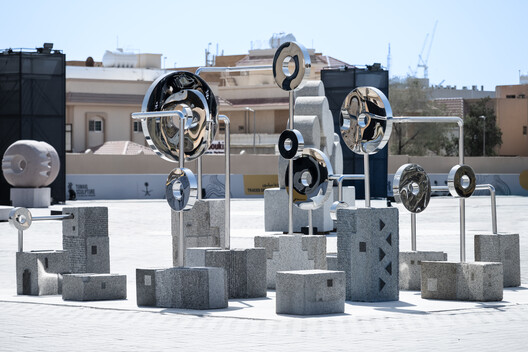
The theme addresses transformation both as a physical process and as a metaphor for urban renewal. Just as desalination reshaped environmental conditions and enabled new cycles of growth, the act of sculpting makes material transformation visible. Raw stone is carved, industrial remnants are reconfigured, and new forms emerge from existing resources. The choice of local and reclaimed materials reinforces this narrative, grounding the works in durability while acknowledging cycles of extraction, use, and adaptation.
Installed along one of Riyadh's main urban corridors, the sculptures activate the street as a space for reflection and encounter. Rather than confining art to institutional settings, Tuwaiq Sculpture integrates contemporary practice into daily life, allowing residents and visitors to experience the works at the rhythm of the city.
An Expanding International Platform
Since its launch in 2019, Tuwaiq Sculpture has established itself as an international symposium of growing relevance. From 2019 to 2026, the program brought together 178 Saudi and international artists representing 57 countries, fostering a dynamic global dialogue through sculpture. Over 60 sculptures from previous editions have already been permanently installed throughout the city, forming a distributed collection that continues to expand.
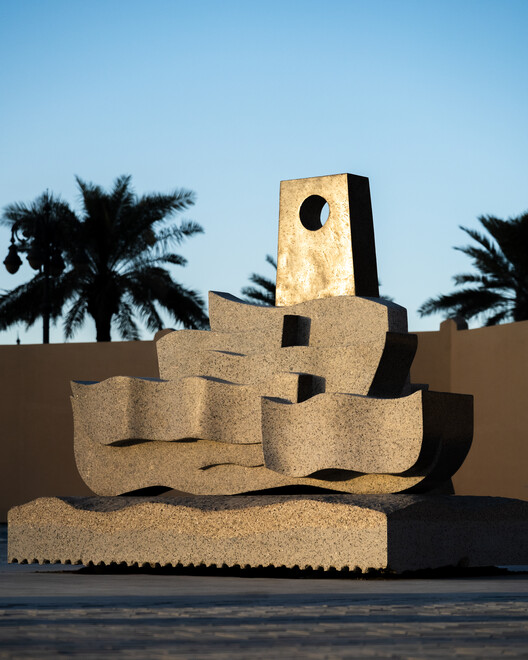
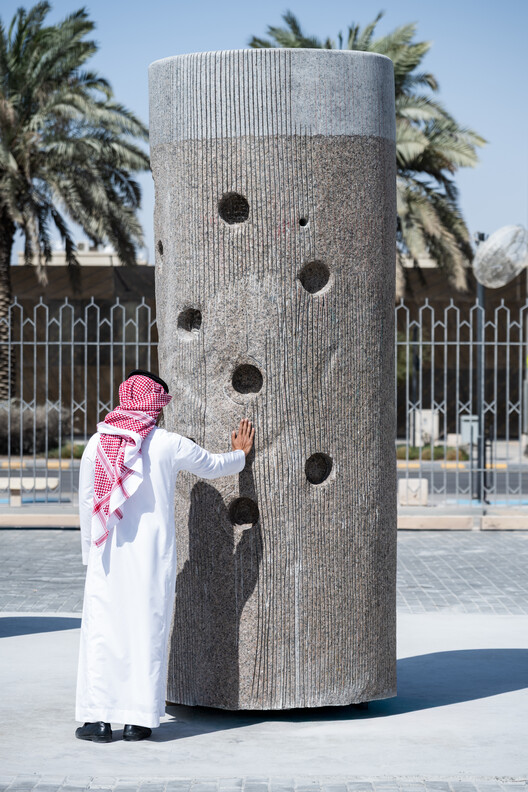
The 2026 edition brings together artists from 18 countries, reflecting broad geographic and cultural diversity. Participants include established sculptors and multidisciplinary practitioners working with stone, metal, land art, conceptual installation, and socially engaged public practices. Their works respond to the symposium's theme through varied interpretations of memory, environmental innovation, identity, and the impact of human intervention in natural and urban contexts.
The pieces range from investigations into geological time and ecological cycles to reflections on migration, craft traditions, and urban memory. By gathering distinct perspectives within a shared site of production, the symposium creates a field of exchange that extends beyond the finished objects and manifests in the collective creative process itself.
Public Art as Urban Infrastructure
Tuwaiq Sculpture is part of the broader Riyadh Art initiative, led by the Royal Commission for Riyadh City and launched in 2019 with the goal of embedding art within the capital's transformation process. Positioned as one of Riyadh's original megaprojects under Vision 2030, Riyadh Art seeks to enrich everyday life, strengthen the creative economy, and reinforce civic identity through accessible cultural platforms.
The symposium's open format fosters dialogue among artists, urban planners, and the public, reinforcing the role of cultural production in city-making processes. After the exhibition closes, all works produced for Tuwaiq Sculpture 2026 will join the Riyadh Art Permanent Collection and be installed in strategic locations across the city, extending their impact beyond the exhibition period.
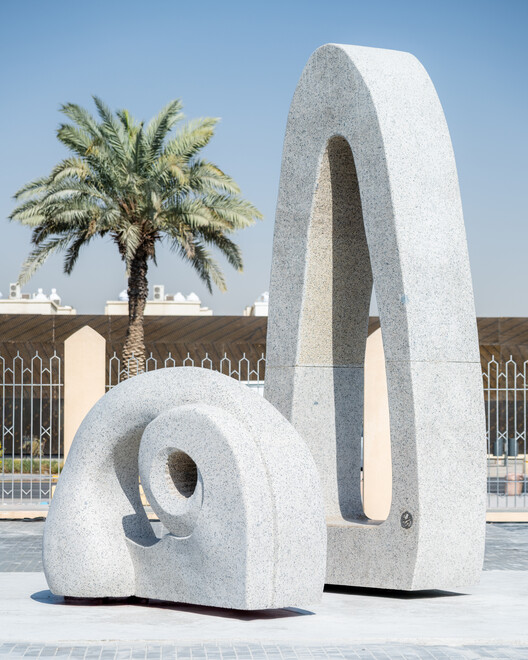
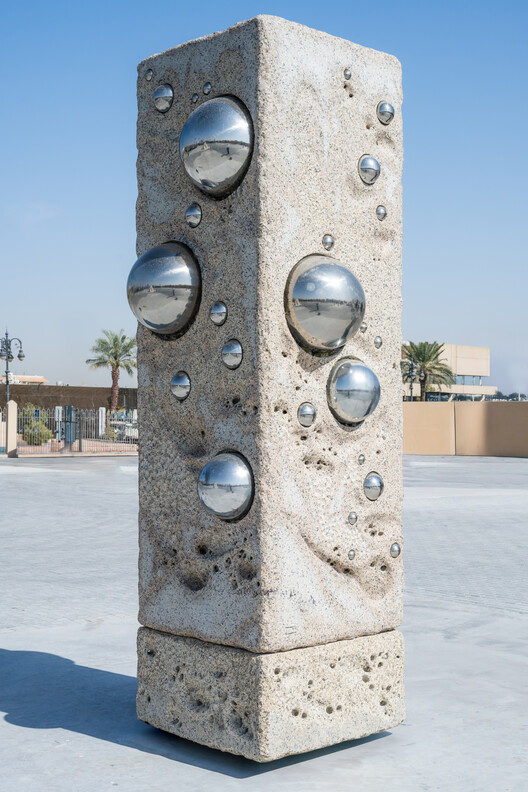
This long-term approach distinguishes the program from temporary formats. Each edition leaves a physical imprint on the city, gradually building a network of sculptural landmarks embedded in parks, plazas, and urban corridors. Over time, these works compose a contemporary cartography of public art in Riyadh, articulating memory, materiality, and transformation.
In a city undergoing rapid change, Tuwaiq Sculpture 2026 reaffirms the role of public art as a catalyst for spatial awareness, material experimentation, and civic imagination. The sculptures inscribe within the urban fabric traces of what is yet to come.


