

This guide explains how to structure multi-image prompts in the RunDifussion platform. Explore RunDifussion's product catalog.
News
How to Prompt and Annotate Multiple Images with AI
| Sponsored Content
https://www.archdaily.comhttps://www.archdaily.com/catalog/us/products/38860/how-to-prompt-and-annotate-multiple-images-with-ai-rundiffusion
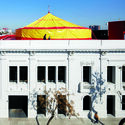
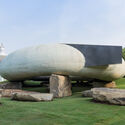
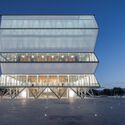
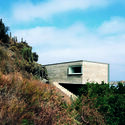
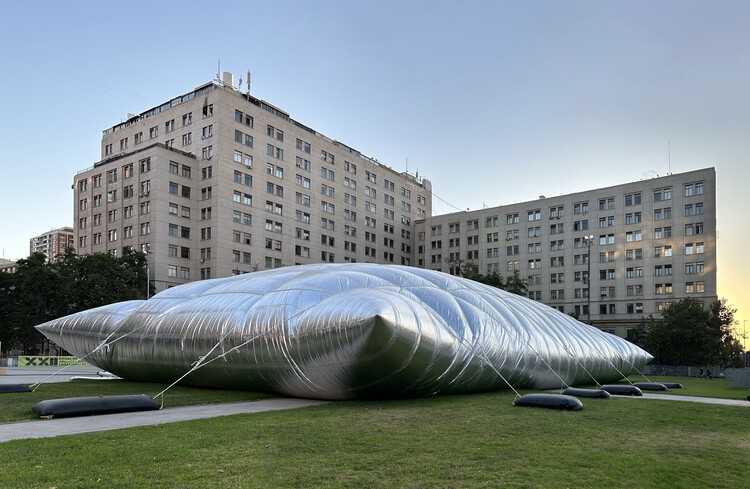
Who Is Smiljan Radić Clarke? 10 Things to Know About the 2026 Pritzker Architecture Laureate

Smiljan Radić Clarke, the 2026 Pritzker Prize winner, is a contemporary Chilean architect known for his experimental approach to design, with a practice that balances the elemental with the intimate, the monumental with the fragile. Over the course of more than three decades, Radić has developed an architecture that resists repetition and conventional stylistic categorization, favoring instead deeply site-specific, materially attuned, and culturally reflective interventions.
His work negotiates between permanence and impermanence, memory and imagination, creating buildings that are as much about human experience and emotion as they are about structure and form. Across residences, cultural institutions, and temporary installations, Radić's architecture foregrounds the interplay between context, materials, and the subtle gestures that shape how spaces are inhabited and perceived.
https://www.archdaily.com/1039554/who-is-smiljan-radic-clarke-10-things-to-know-about-the-2026-pritzker-architecture-laureateReyyan Dogan
Smiljan Radić Clarke: Get to Know the 2026 Pritzker Winner's Work

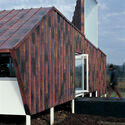
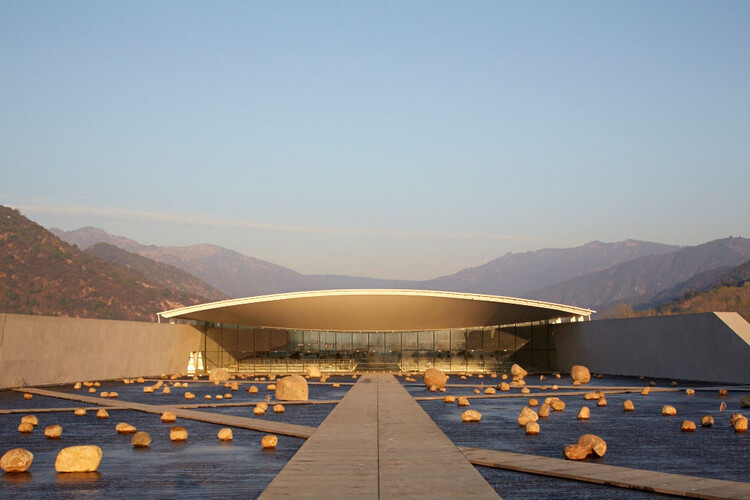
The 2026 Pritzker Price Award has been awarded this year to the Chilean architect of Croatian descent, Smiljan Radić Clarke. Born in Santiago, Chile, in 1965, his practice evokes a geography of extremes, shaped by the tectonic tension between the staggering weight of the Andes and the seismic instability of the territory. After graduating from the Pontifical Catholic University of Chile and pursuing further studies in aesthetics in Venice, Smiljan Radić Clarke established his base in Santiago. From there, he has developed one of the most singular visions in contemporary architecture. His work privileges the intensity of the moment through a fragile architecture. Within it, the building operates as a temporary and tactile refuge that places the spectator in a state of aesthetic uncertainty, oscillating between ancestral ruin and avant-garde artefact.
https://www.archdaily.com/1039546/smiljan-radic-clarke-get-to-know-the-2026-pritzker-winners-workValentina Díaz
From Cloud to Coast: The Physical Cost of AI in Hong Kong’s Borderlands

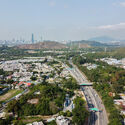
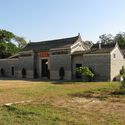
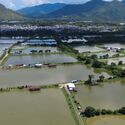
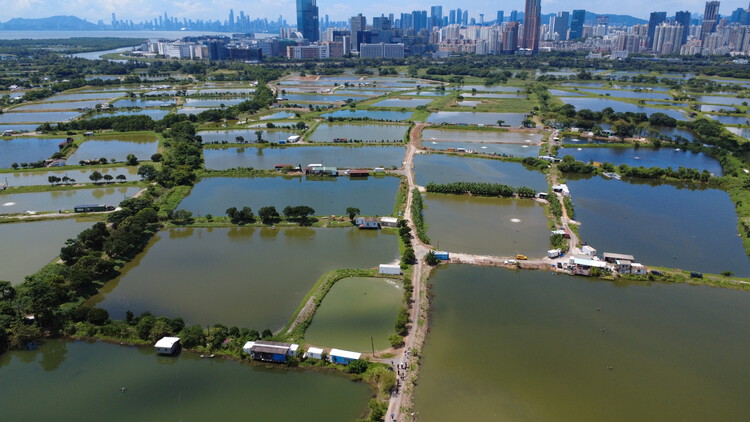
Amid the rapid build-out of data centres and AI economies across the Greater Bay Area—and alongside the celebration of AI as a tool and "author," as featured in 2025 Hong Kong–Shenzhen Bi-City Biennale of Urbanism\Architecture (Hong Kong)—a parallel question becomes unavoidable: how do the planning and construction of AI infrastructure actually begin to shape everyday life? Many of the facilities already built remain intentionally distant from daily experience. The "cloud" may be marketed as immaterial, but its architecture is profoundly physical: high-power, high-heat, service-heavy environments that are often sited in remote or low-density areas to take advantage of lower land costs and to minimize friction with nearby communities. Security and risk management further reinforce this logic. Data centres hold sensitive, privileged information—corporate assets, legal records, government and institutional data—and remoteness becomes part of their operating model, keeping the infrastructures of AI both spatially and socially out of sight.

https://www.archdaily.com/1039481/from-cloud-to-coast-the-physical-cost-of-ai-in-hong-kongs-borderlandsJonathan Yeung
Light from Above: Measuring and Designing Daylight Under Sloped Roofs
| In Collaboration

If we ask a child to draw a house, a triangular silhouette will almost certainly appear, with two sloped planes meeting at a ridge. Few architectural forms are as universally recognizable as the pitched-roof house. From a semiotic perspective, this elemental image functions as a condensed sign of shelter that, in just a few traces, synthesizes protection, interiority, and belonging. What we now read as a universal symbol, however, emerged from a concrete necessity. From Alpine chalets shedding snow to Mediterranean roof tiles mitigating summer heat, the slope responded to climate and construction challenges long before it became an aesthetic code.
Although modern architecture has favored horizontal planes and orthogonal plans, the pitched roof requires a project to be conceived in section. Its angle allows for efficient use of the volume beneath the roof and introduces variations in height, spatial compression, and expansion. When openings are incorporated into this plane, the condition intensifies. Unlike vertical windows, which capture lateral light, roof apertures receive a larger portion of the visible sky and significantly higher luminance than the horizon, offering up to three times more light than vertical glazing on overcast days.
https://www.archdaily.com/1039147/light-from-above-measuring-and-designing-daylight-under-sloped-roofsEduardo Souza
RSHP Wins Competition to Redevelop Rives-Défense Site in Paris

RSHP has won a competition to redevelop the Rives-Défense site in La Défense, the business district of Paris. Announced during MIPIM, the project envisions the transformation of an 8-hectare site at the western edge of the district into a low-carbon mixed-use neighborhood. Commissioned by Paris La Défense, the proposal is developed by a multidisciplinary team led by RSHP and including Atelier SOIL as co-architect and urban planner, Altitude 35 as landscape architect, Arcadis as engineering consultant, as well as Atelier Franck Boutté, Urban Eco, and Mobius.
https://www.archdaily.com/1039576/rshp-wins-competition-to-redevelop-rives-defense-site-in-parisReyyan Dogan
Endangered Heritage in Southwest Asia and Global Transport Infrastructure Projects: This Week’s Review

This week has been marked by the deliberate, rampant, and unjust destruction of war in Southeast Asia. As one of the most damaging manifestations of human abuse of power, we have witnessed the destruction of places that hold memories and sustain culture, as well as the loss and irreparable harm to the human lives that lend them their identity. With the expectation of offering brighter and more constructive scenarios in the future, we present, in contrast to this reality, a scenario of progress in the gender gap that characterizes architecture and its paths forward, a group of landmark projects of public and community interest moving forward from Türkiye to Mexico, and three major multimodal transport infrastructure projects improving the way we circulate and inhabit public space in Europe and the United States.
https://www.archdaily.com/1039551/endangered-heritage-in-southwest-asia-and-global-transport-infrastructure-projects-this-weeks-reviewAntonia Piñeiro
Mobility Justice: Urban Equity in an Era of Innovation

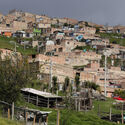
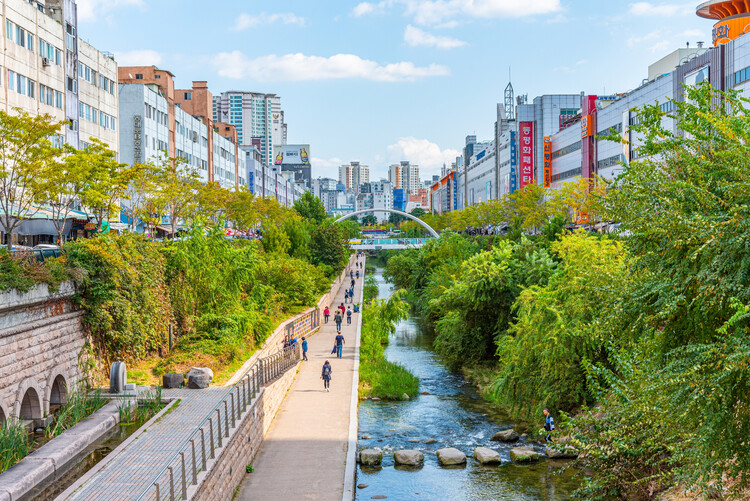
Every city contains two transportation systems. One is the visible network of roads, rail lines, sidewalks, and bus routes mapped in planning documents. The other is the invisible geography of privilege and exclusion embedded within it: the neighborhoods that received highways instead of parks, the communities whose bus routes were cut, the sidewalks that abruptly end at the edge of a district. For many years, built-environment professionals have treated infrastructure as a technical challenge. Mobility justice insists it is, fundamentally, a political one.
https://www.archdaily.com/1039450/mobility-justice-urban-equity-in-an-era-of-innovationOlivia Poston
OPPLE Turns 30 by Making Light a Building Material
| Sponsored Content

At Light + Building 2026 in Frankfurt, OPPLE Lighting marked its 30th anniversary with an architectural proposition rather than a retrospective. Presented under the theme "Hi Light!," the company unveiled Light as Cloud, a booth designed by OMA. The installation also served as the international debut platform for OLL, OPPLE's new high-end design brand. Rather than functioning as a conventional product display, the project positioned light as a spatial system—one that shapes architecture, circulation, and perception.
https://www.archdaily.com/1039455/opple-turns-30-by-making-light-a-building-materialRene Submissions
Setbacks as Courtyards: How Civil Architecture Reimagines the Gulf House in Bahrain

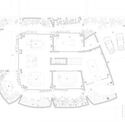
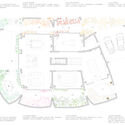
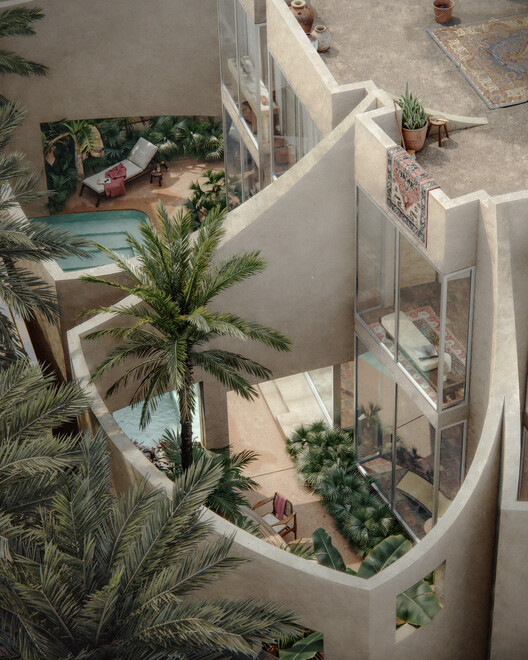
For centuries, domestic architecture throughout the Gulf has been organized around the courtyard. Houses presented thick exterior walls and limited openings to the street, turning inward toward a shaded garden that structured everyday life. This spatial arrangement responded to both climate and culture. The courtyard brought daylight into deep plans, enabled cross-ventilation, and provided a protected outdoor environment within dense urban fabrics. In the House with Seven Gardens, in Diyar Al Muharraq, Bahrain, the Bahrain-based practice Civil Architecture, one of the winners of the ArchDaily 2025 Next Practices Awards, revisits this spatial tradition through the conditions of contemporary suburban housing. Rather than reproducing the courtyard house as a historical model, the project reinterprets its environmental logic within the regulatory frameworks and spatial conditions that shape much of today's urban development in the Gulf.


https://www.archdaily.com/1039457/setbacks-as-courtyards-how-civil-architecture-reimagines-the-gulf-house-in-bahrainDiogo Borges Ferreira
Snøhetta, BIG, and MVRDV Collaborate on New Coastal Neighborhood in Istanbul, Türkiye

Located in Istanbul, Türkiye, an 84-hectare neighborhood is currently under development in the Riva area of Beykoz along the city's Black Sea coast. The master plan has been developed by an international design team including Snøhetta, Bjarke Ingels Group, and MVRDV, alongside local practices KEYM, DB Architects, Rasa, and Bilgin Architects. Known as Ion Riva, the project is conceived as a landscape-led residential community that integrates housing, cultural facilities, and public programs within an ecological framework shaped by the meeting of forest, river, and sea. The first phase of the development, which has received planning permission and is currently under construction, will deliver 969 homes designed for approximately 3,000 residents, with the first completed residences expected to be occupied in 2027.


https://www.archdaily.com/1039525/snohetta-big-and-mvrdv-collaborate-on-new-coastal-neighborhood-in-istanbul-turkiyeReyyan Dogan
SOM Designs Landmark Mixed-Use Tower Complex for the New City of Alatau in Kazakhstan

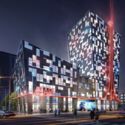
On March 5, 2026, Skidmore, Owings & Merrill (SOM) revealed images of a new landmark project in Kazakhstan, in Central Asia. The project consists of two towers, the "Iconic Complex," and a master plan for the area, the "Gateway District." The complex is located in Alatau, a new city along the Almaty–Qonaev highway planned to become an international investment hub. A strategic project for the country, the city's master plan extends through 2050, with the first phase of major infrastructure projects scheduled for completion by 2030. Within this context, SOM's design is expected to serve as the city's economic and administrative nucleus, establishing the central business district of Alatau City and setting a benchmark for future investment projects in the area.


https://www.archdaily.com/1039500/som-designs-landmark-mixed-use-tower-complex-for-the-new-city-of-alatau-in-kazakhstanAntonia Piñeiro
Gateway in Lunar Orbit: Extending Architecture Beyond Earth

The concept of the technosphere provides a framework for understanding the scale of human impact on Earth. The term was coined by Peter K. Haff, and it is defined as the global network of human-made artifacts: a physical layer of infrastructure, buildings, vehicles, and machinery that functions alongside the biosphere and atmosphere. Currently estimated at 30 trillion tons, this human-constructed mass is dominated by the built environment. In this context, architecture serves as the primary interface, shaping how technology interacts with local ecologies. However, it seems that soon, the Technosphere will no longer be confined to the terrestrial surface. Through NASA's Artemis program, this network of human-made mass is expanding beyond Earth's atmosphere and is looking to establish new orbital infrastructure that represents the first permanent off-world extension of this man-made system.


https://www.archdaily.com/1039446/gateway-in-lunar-orbit-extending-architecture-beyond-earthMoises Carrasco
How Architecture Is Learning to Generate Its Own Energy
| Sponsored Content

Beyond being a source of life, the power of the sun in architecture has long been tied to humanity's need to harness and control it as a vital resource. Since ancient times, solar energy has been used to measure time, support planting and harvesting, and provide protection from heat and cold. Today, solar radiation plays a significant role in global energy consumption. Architectural solutions based on materials, technologies, and environmental analysis are developed with an understanding of solar energy's capacity to transform the interior environment of buildings. But how can buildings be transformed into sources of clean energy?


https://www.archdaily.com/1038623/how-architecture-is-learning-to-generate-its-own-energyAgustina Iñiguez
Facing the Age of Robots? Material Innovation in Architectural Structures

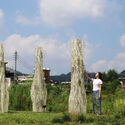
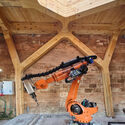
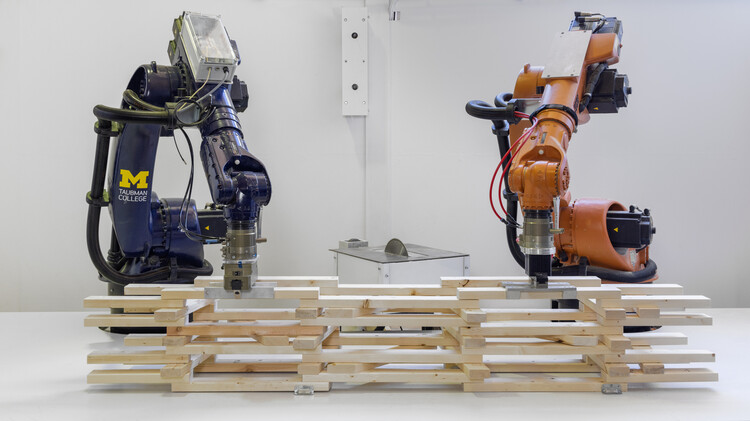
By exploring the art of robotics in construction, advances in architectural technologies are increasingly shaping multiple aspects of human life. From robotic arms and drones to robots that move across large surfaces and even 3D printing robots, their use in construction is accelerating research and the development of new working methods, as well as structural and material experimentation. In collaboration with multiple disciplines and spanning various facets of architecture, the role of robots in the contemporary landscape demonstrates a potential that extends beyond merely automating processes or reducing construction times and costs. This raises the question: Are we building architecture to serve technology, or technology to serve architecture?

https://www.archdaily.com/1039340/facing-the-age-of-robots-material-innovation-in-architectural-structuresAgustina Iñiguez
Obama Presidential Center in Chicago's Jackson Park Set to Open on Juneteenth 2026

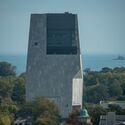
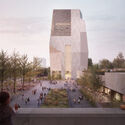
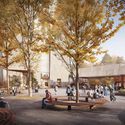
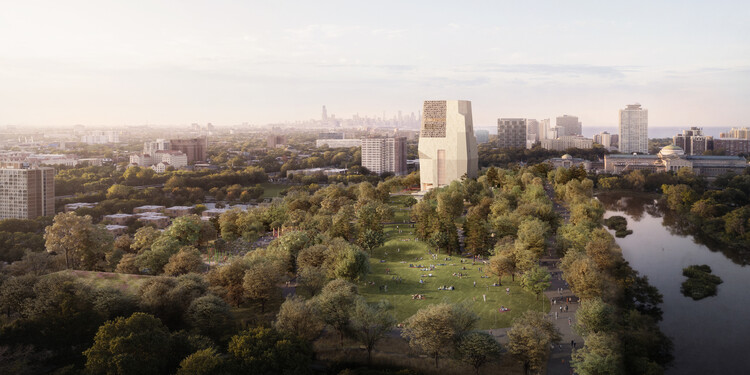
The Obama Presidential Center in Chicago is scheduled to open to the public on June 19, 2026, coinciding with Juneteenth. Located within Jackson Park on the city's South Side, the 19.3-acre campus was designed by Tod Williams Billie Tsien Architects in collaboration with Interactive Design Architects, with landscape architecture by Michael Van Valkenburgh Associates. Opening events organized by the Obama Foundation are planned between June 18 and June 21, beginning with a dedication ceremony at John Lewis Plaza, followed by the public opening of the campus and museum the following day.
https://www.archdaily.com/1039482/obama-presidential-center-in-chicagos-jackson-park-set-to-open-on-juneteenth-2026Reyyan Dogan
Cultural Heritage Sites in the Middle East Damaged as War Strikes Historic Urban Areas

On February 28th, 2026, the news of the loss of human lives, the operational pattern of military strikes, damage to infrastructure, communication disruptions, and international responses following US-Israeli military attacks on Iran confirmed to the world that there was a new focus of war in Southwest Asian territory. This military conflict has also had a human and infrastructural impact on Lebanon, Syria, Iraq, and Jordan, with active combat zones in their territories, and the Gulf States, where damage particularly affected US military bases and energy infrastructure. This adds a new site of armed conflict in the area, following over two years of systematic destruction of life, habitat, and essential facilities in the Gaza Strip, reaching a near total of 81% destroyed structures by the end of 2025. These territories are currently involved in the deliberate destruction of their normality, including essential, everyday, and cultural infrastructure of global value. Although information is currently scattered and partial, it is possible to assess some of the damage to cultural heritage caused by this new outbreak of armed conflict.
https://www.archdaily.com/1039470/cultural-heritage-sites-in-the-middle-east-damaged-as-war-reaches-historic-urban-areasAntonia Piñeiro
6 Unbuilt Retreats Exploring Hospitality Through Landscape and Refuge

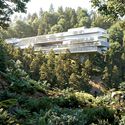
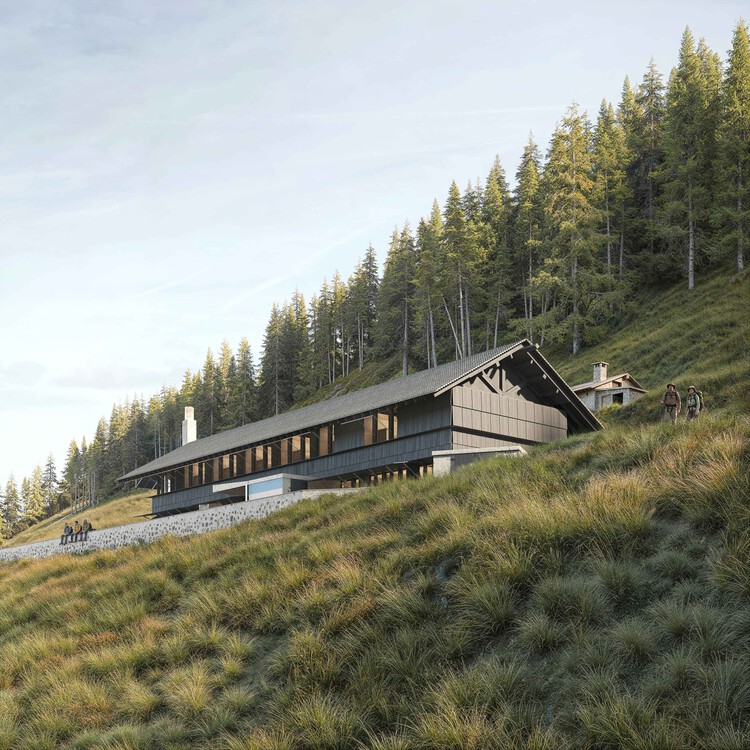
Spaces of retreat continue to offer fertile ground for unbuilt exploration, revealing how architecture can support rest, reflection, and immersion in nature amid shifting environmental and cultural conditions. In this Unbuilt edition, submitted by the ArchDaily community, the selected projects assemble a diverse range of proposals that reconsider hospitality through the lens of refuge. These works position accommodation not as spectacle or excess, but as spatial frameworks shaped by landscape, climate, material restraint, and shared experience.
Across distinct geographies, from Southeast Asian hillsides and Indonesian coastlines to African wilderness, Alpine terrain, Middle Eastern landscapes, and North American forests, the proposals demonstrate varied architectural responses to sensitive sites. They include elevated structures that hover lightly above steep ground, temporary lodge systems embedded in remote ecologies, reconstructed mountain shelters grounded in memory and reuse, courtyard-centered communal stays shaped by lifestyle cultures, contemplative desert retreats, and inclusive woodland camps designed for accessibility and environmental balance.


https://www.archdaily.com/1039434/6-unbuilt-retreats-exploring-hospitality-through-landscape-and-refugeNour Fakharany
Architectural Ingredient: 15 Brazilian Restaurants Where Design Meets Gastronomy

The relationship between architecture and gastronomy goes beyond the simple function of providing a place to eat. It is a sensory symbiosis in which the environment prepares the palate as much as seasoning does. The visual composition of a dish can be understood through principles such as volume, balance, contrast, and rhythm — concepts that are equally fundamental to architectural design. In the same way, a restaurant’s architecture — its colors, lighting, and material choices — acts as an invisible ingredient, capable of elevating the dining experience and shaping the perception of flavor even before the first bite. Both disciplines are dynamic, directly reflecting social behaviors and cultural trends that influence how we occupy space and how we nourish ourselves.


https://www.archdaily.com/1039197/architectural-ingredient-15-brazilian-restaurants-where-design-meets-gastronomyCamilla Ghisleni
Women in Architecture: Progress, Gaps, and the Work Still Ahead

Each year, International Women's Day brings renewed attention to questions of gender within many professional fields, architecture among them. Public conversations often center on celebrating prominent figures or highlighting notable projects, moments that briefly illuminate the contributions of women within the discipline. Yet the visibility produced by these occasions sits within a longer and more complex trajectory. Over the past several decades, the architectural profession has undergone gradual shifts that have expanded opportunities and broadened participation, even as longstanding structures continue to shape how careers develop and how architectural work becomes visible.


https://www.archdaily.com/1039447/women-in-architecture-progress-gaps-and-the-work-still-aheadReyyan Dogan
OMA / Shohei Shigematsu Designs Ellipsoidal Pavilion for Mushroom Cultivation at Casa Wabi in Oaxaca, Mexico

A domed, ellipsoidal pavilion for mushroom production designed by OMA for Fundación Casa Wabi opened on March 4, 2026. The building is located within Casa Wabi's 25-hectare site in Oaxaca, Mexico, on the Pacific coast, about 30 minutes from the city of Puerto Escondido. Casa Wabi is a foundation created by artist Bosco Sodi that promotes the exchange of ideas between artists of various disciplines and local communities. The foundation's flagship building was designed by Japanese architect Tadao Ando and completed in 2014. The OMA-designed pavilion adds a new space for cultivating mushrooms and fostering exchange between food, art, nature, and local communities to the foundation's facilities, which include a multipurpose palapa, six bedrooms, two enclosed studios, six open studios, a screening room and auditorium, a 450-m² exhibition hall, and various workspaces.


https://www.archdaily.com/1039439/oma-shohei-shigematsu-designs-ellipsoidal-pavilion-for-mushroom-cultivation-at-casa-wabi-in-oaxaca-mexicoAntonia Piñeiro
Making Infrastructure Visible: When Systems Become Architecture

For centuries, large-scale infrastructure operated in the background. Ports, power plants, and energy facilities were positioned at the edges of cities, designed primarily for efficiency, and rarely considered part of civic life. Their function was indispensable, yet their architectural presence remained secondary. These structures supported urban growth and global exchange while maintaining a spatial distance from everyday urban experience.
Today, this condition is gradually shifting. As global trade intensifies and energy systems expand in complexity, the buildings that coordinate and house these networks are becoming more visible within the urban landscape. Rather than remaining neutral containers for technical operations, they begin to assert spatial identity. Infrastructure is no longer only operational; it is increasingly institutional, symbolic, and urban. The architecture that supports these systems now participates in how cities project themselves.


https://www.archdaily.com/1039154/making-infrastructure-visible-when-systems-become-architectureDaniela Andino
When Architects Design Time: Tadao Ando and the Meaning of Youth
| Sponsored Content

Tadao Ando has joined forces with Cauny to design the newest watch in The Architects of Time Series. This is a collection of watches designed by some of the greatest architects of our time—an initiative that the nearly century-old brand launched in 2019 with none other than Álvaro Siza. From then until today, the collection has proven to be a Pritzker Prize–based tour de force: Siza, Rafael Moneo, Eduardo Souto Moura, and, this year, Tadao Ando.
https://www.archdaily.com/1037010/when-architects-design-time-tadao-ando-and-the-meaning-of-youthRene Submissions
Legacy in Matter: Material Traditions in South American Architecture

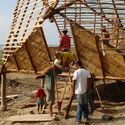
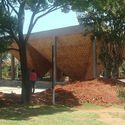
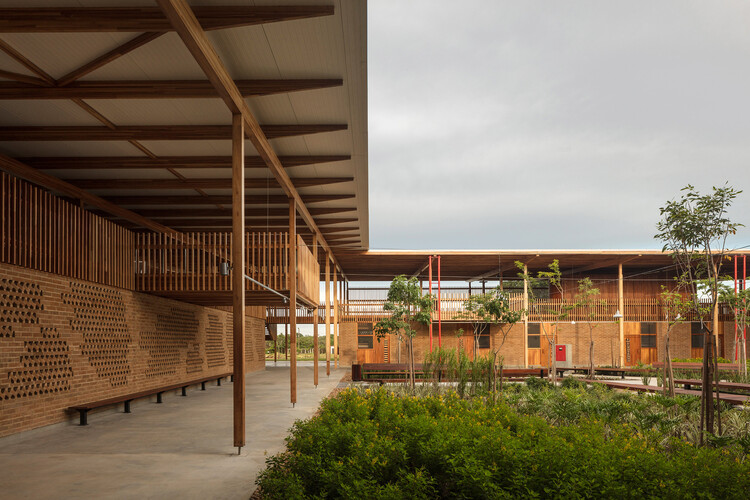
Across South America, architecture endures through the materials it uses, those that persist over time. Bamboo, brick, wood, and concrete appear across regions, connecting climate, labor, and culture in ways that ensure their persistence through generations. Their continuity does not depend solely on preservation or heritage. It depends on use.
In this context, cultural memory does not reside primarily in monuments or images, but in practice. It survives in repeated gestures: laying bricks, tying guadua joints, assembling wood frames, casting slabs that anticipate another floor. These actions are transmitted less through manuals than through participation. Over time, they form systems of knowledge embedded in habit and necessity. Materials endure not because they symbolize the past, but because they continue to work.
https://www.archdaily.com/1038929/legacy-in-matter-material-traditions-in-south-american-architectureDaniela Andino
Error 404: Architectural Memory in the Age of Algorithms

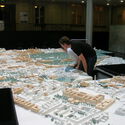
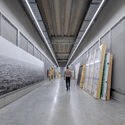
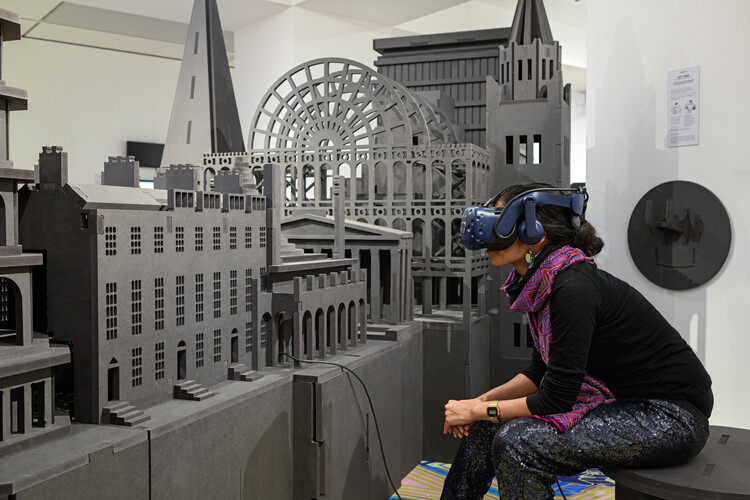
Before the digital turn, architecture's memory was largely tangible. It lived in the weight of drawings, the patina of models, and the thickness of books. To preserve architecture meant to preserve its traces, the documents, sketches, and photographs through which buildings could be remembered long after their material form had changed or disappeared. The modern architectural archive, as it developed in the 20th century, was both a refuge and a device of legitimacy. Institutions such as the Canadian Centre for Architecture, Casa da Arquitectura, or the Deutsches Architekturmuseum were built upon the conviction that to preserve architecture was to preserve its documents.
However, these archives didn't merely store knowledge. They determined what counted as architecture, who belonged to its canon, and how history would be told. To archive is to edit the past — to decide what enters, what is omitted, and how it will be interpreted. The archive, as theorised by Michel Foucault and later by Jacques Derrida, is never neutral; it is an instrument of power, a space that selects and excludes. In architecture, these dynamics are especially evident as they record the visible while silencing what falls outside their categories. The act of collecting has always been, implicitly, an act of judgment.


https://www.archdaily.com/1038820/error-404-architectural-memory-in-the-age-of-algorithmsDiogo Borges Ferreira