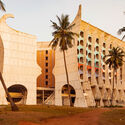
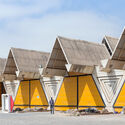
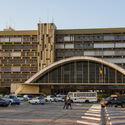
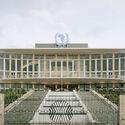
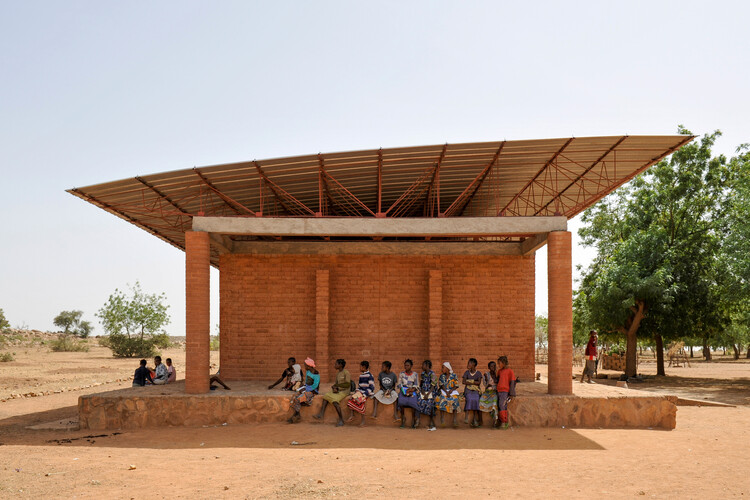
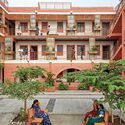
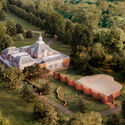
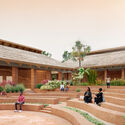
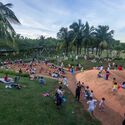
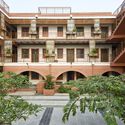
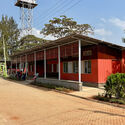
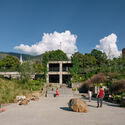
Observed annually on May 25, Africa Day commemorates the founding of the Organization of African Unity in 1963, now the African Union. Established during a period marked by independence movements across the continent, the day recognizes not only political solidarity but also the cultural, social, and intellectual histories that continue to shape African societies today. Within architecture and urbanism, these histories are reflected in evolving conversations around nation-building, heritagepreservation, climate-responsive design, material innovation, and community-centered practice.
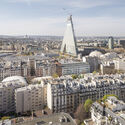
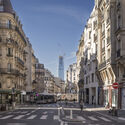
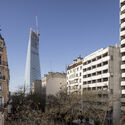
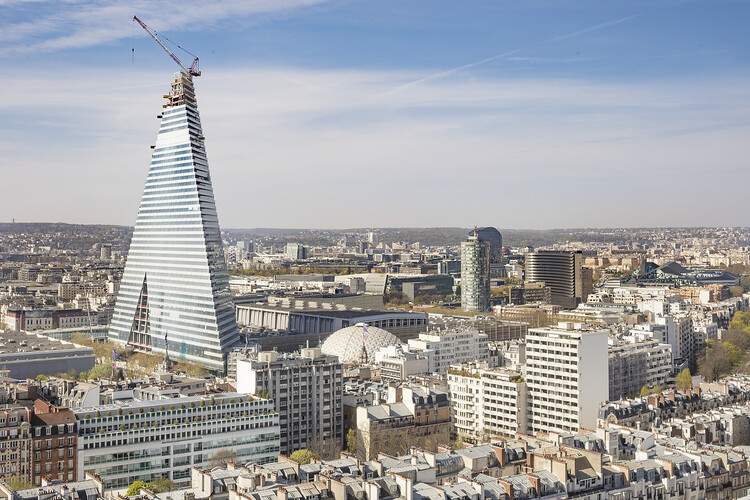
Twenty years after its ideation, Herzog & de Meuron's controversial Tour Triangle in Paris is reaching completion. The triangular, all-glass tower located in the city's 15th arrondissement topped out at 42 stories on April 24, 2026. The project's progress was marked by opposition, financial roadblocks, and legal disputes before construction began in 2022. The 180-meter tower is now the third-tallest building within Paris city limits, behind the 330-meter-tall Eiffel Tower, the 231-meter-tall The Link in La Défense, and the 210-meter-tall Tour Montparnasse. The building will retain this title indefinitely due to a skyscraper ban reinstated in 2023 by Mayor Anne Hidalgo, following persistent opposition to tall buildings in the city. The recent progress was documented by photographer Stefano Candito, ranging from an urban view of the building to a close-up look at its nearly completed structure.
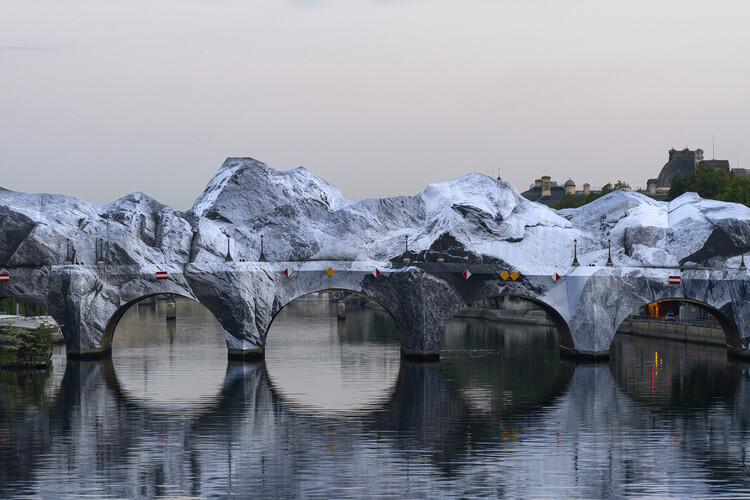
On May 21st, a realistic cave took shape on Paris' Pont Neuf, the oldest standing bridge across the Seine. The inflatable artwork was designed and built by French photographer and street artist JR, along with an extensive multidisciplinary team. La Caverne du Pont Neuf was conceived in honor of Christo and Jeanne-Claude's 1985 work The Pont Neuf Wrapped, an environmental artwork in which the artists wrapped the historic bridge in sandstone-colored fabric for two weeks. The structure creates a trompe-l'œil effect that mimics a textured rock formation through photographic printing in tones of white, black, and gray. The shape of the exterior already gives the public the optical illusion of the artwork, while paving the way for the final stage of the interior design.
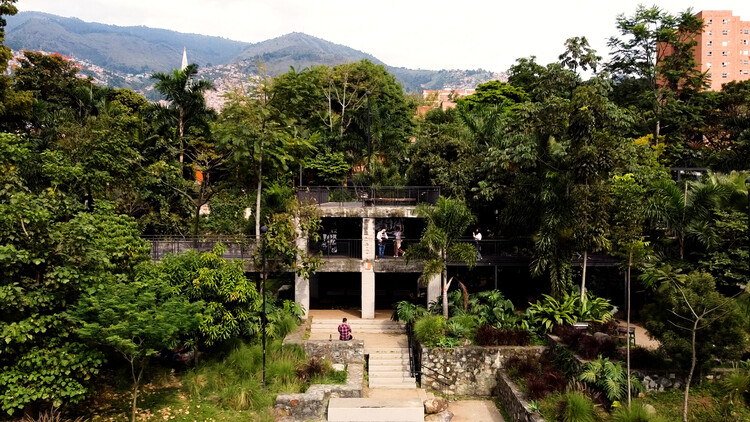
Parque Prado, Colombia, by Connatural Arquitectura en el Paisaje, Category 5 Winner of the UIA 2030 Award. Image Courtesy of International Union of Architects (UIA)
This week's stories reveal a growing focus on reconnecting design with physical reality, whether through construction, landscape, public space, or collective participation. From the curatorial direction of the upcoming Venice Architecture Biennale 2027 to internationally recognized projects addressing flood resilience, affordable housing, and ecological restoration, many of the week's discussions challenged architecture's increasing detachment from material, environmental, and social conditions. At the same time, major cultural interventions, temporary structures, and public forums explored how institutions and civic spaces can become more accessible, adaptable, and engaged with everyday urban life.
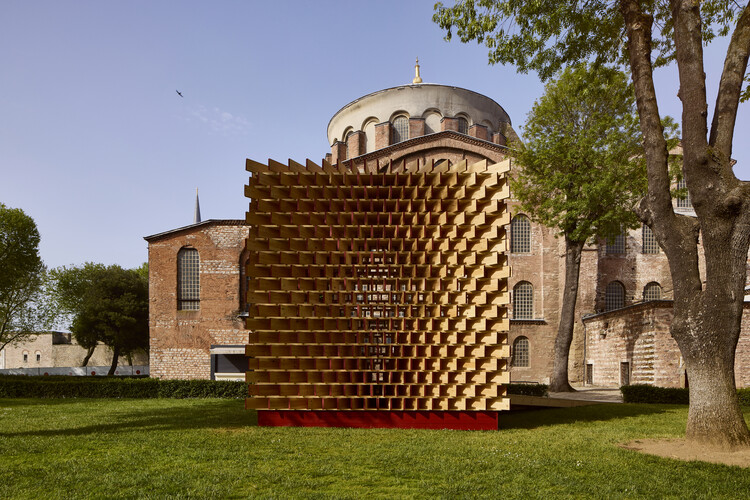
Global Design Forum Istanbul concluded its inaugural edition between May 13 and 16, 2026, bringing together architects, designers, urbanists, and cultural practitioners through a city-wide programme of installations, talks, screenings, and public events. Presented by London Design Festival in collaboration with People Places Ideas, the forum was developed and curated by Artistic Director Melek Zeynep Bulut and Forum Content Advisor Beatrice Galilee. Organized around the theme "Worlds in Contact," the programme featured contributions from figures including Lina Ghotmeh, Marina Tabassum, Liam Young, Tom Dixon, Lesley Lokko, Ma Yansong, Andrew Waugh, and Olaf Grawer, positioning Istanbul as a platform for interdisciplinary discussions on design and the built environment.
On UNESCO's International Day of Light, celebrated annually on May 16, the Daylight Award announced its 2026 laureates. Established to support research into the scientific understanding of daylight and its significance for health, well-being, ecosystems, and architectural design, the award recognizes achievements in two categories: Daylight in Architecture and Daylight Research. This year, Japanese architects Momoyo Kaijima and Yoshiharu Tsukamoto of Atelier Bow-Wow were honored for demonstrating how daylight can shape shared spaces and everyday life, while marine biologists Brittany N. Zepernick, Steven W. Wilhelm, and R. Michael McKay of the United States and Canada were recognized for their research on aquatic microorganisms and their implications for planetary health and biodiversity.
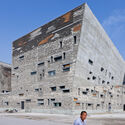
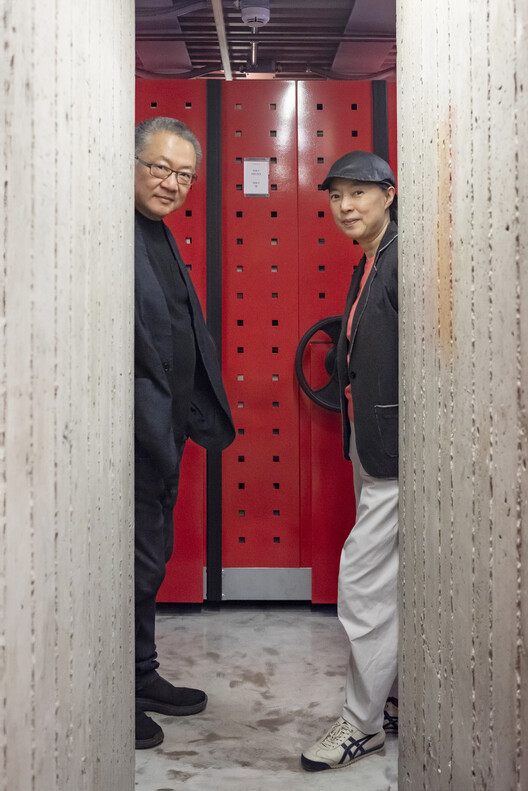
The curatorial direction reflects many of the ideas developed through the work of Amateur Architecture Studio, founded by Wang Shu and Lu Wenyu in 1997. Their projects have consistently explored the reuse of salvaged materials, regional construction techniques, and the continuity between historic and contemporary forms of building. Across both urban and rural contexts, the studio's work often emphasizes craft traditions, collective memory, and the spatial qualities embedded within everyday environments.
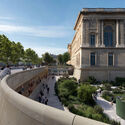
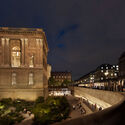
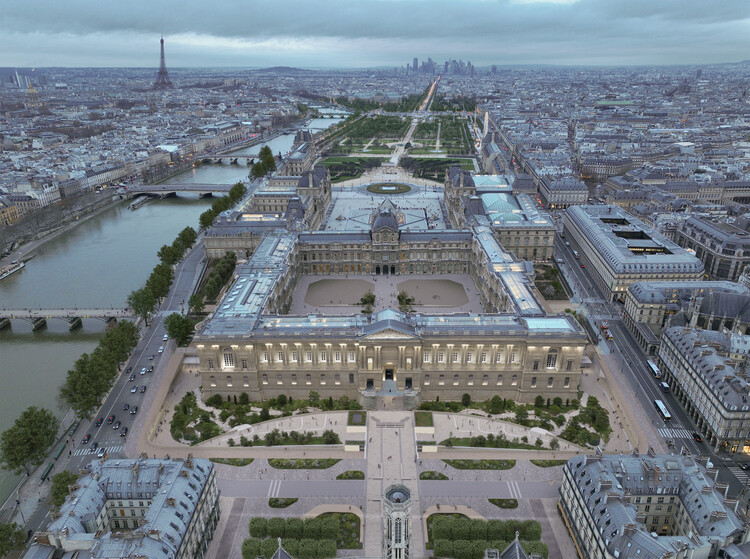
The French Minister of Culture announced on Monday, May 18, 2026, the winner of the "Louvre–Nouvelle Renaissance" competition. The team selected to transform the world-renowned Musée du Louvre is led by STUDIOS Architecture, New York-based Selldorf Architects, and landscape architecture firm BASE Paysagiste. The renovation initiative was announced in January 2025 as a major intervention for the historic complex following concerns expressed by the museum's director regarding its deteriorating condition. The first round of the competition took place in June, with a shortlist of five teams revealed in October. According to French authorities, the project has a dual objective: to repair and transform the building to preserve its collections while updating it to meet contemporary public expectations, including sustainability requirements that will pose significant challenges for the museum in the coming decades.
Mexican architecture practice LANZA atelier has unveiled new details for the 2026 Serpentine Pavilion, titled "a serpentine," which will open to the public on 6 June 2026 at Serpentine South. Designed by studio founders Isabel Abascal and Alessandro Arienzo, the project reinterprets the historic serpentine or crinkle-crankle wall through a lightweight brick structure integrated into the landscape of Hyde Park. Marking the 25th edition of the annual commission, the pavilion will remain on view through October 2026 and serve as a venue for Serpentine's public programme of performances, talks, screenings, and community events.
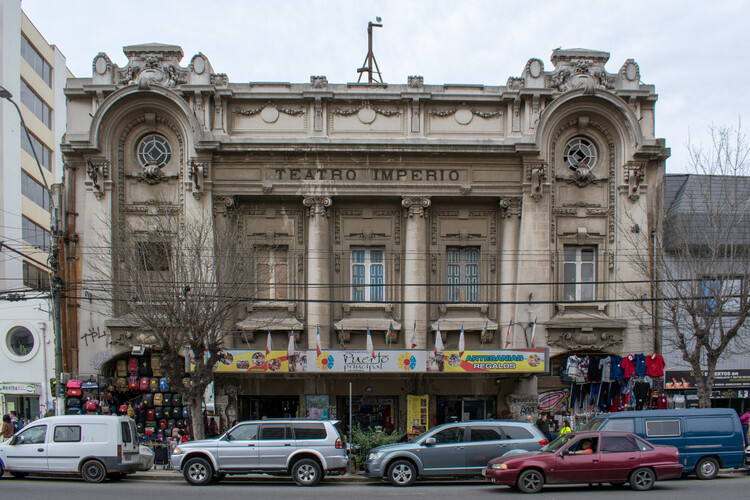
Between 2005 and 2021, French photographers Yves Marchand and Romain Meffre developed a long-term project titled Theaters. Recently exhibited at KYOTOGRAPHIE 2026, the work documents a phenomenon that continues to unfold gradually around the world: the decline of infrastructure originally designed for public entertainment in the early twentieth century. Theaters, cinemas, and performance venues that once accompanied the modernization of cities are increasingly being abandoned, repurposed, or "left suspended as hybrid ruins." This process is often associated with the growing individualization of cultural consumption, from the widespread adoption of television to the rise of the streaming industry, as well as the impact of the COVID-19 pandemic on cultural institutions. Below are three cases located in England, Chile, and Japan that illustrate different stages in this transformation, while also highlighting community-led efforts to preserve modern cultural heritage.
Videos
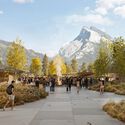
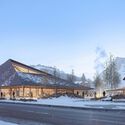
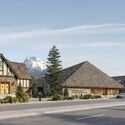
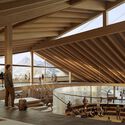
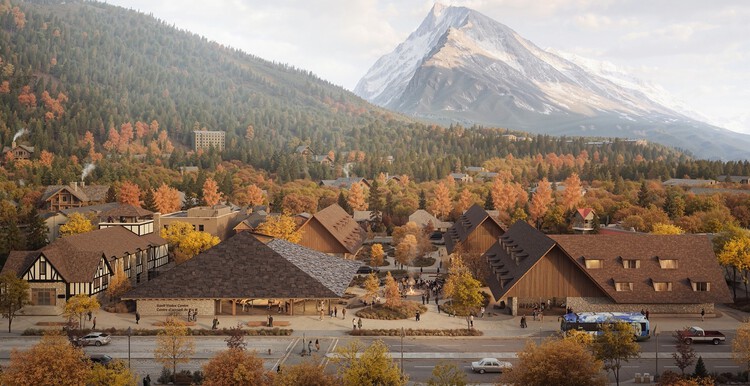
Winning design for a reimagined visitor centre and community space in Banff National Park. Paul Raff Studio and Kengo Kuma & Associates, 2026. Image Courtesy of Parks Canada
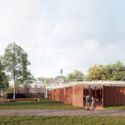
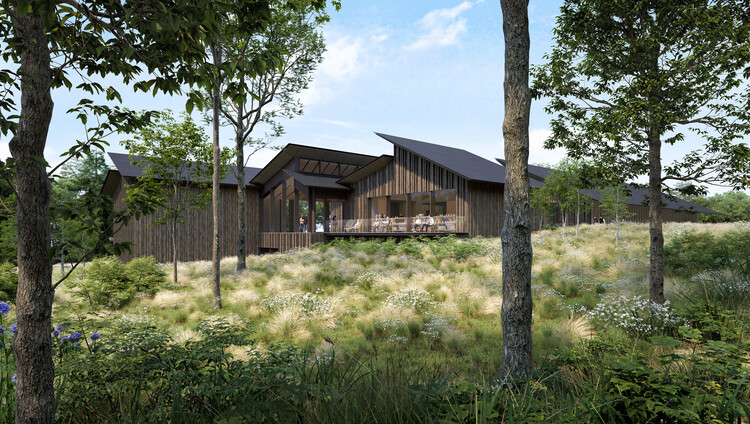
On May 13, 2026, Parks Canada, the federal agency responsible for protecting and managing Canada's natural and cultural heritage, announced the winning design for a reimagined visitor centre and community space in Banff National Park. The competition was organized in partnership with the Royal Architectural Institute of Canada (RAIC) as part of the 200-Block Banff Avenue Redevelopment Project. The proposal by Paul Raff Studio and Kengo Kuma & Associates was selected from a shortlist of five pre-qualified teams that also included EVOQ + Ryder, KPMB Architects, Revery Architecture, and Stantec Architecture. An independent jury assembled by the RAIC selected the design for its approach to landscape, sustainability principles, and its balance between conservation, heritage, Indigenous perspectives, and visitor experience, among other considerations.
Ambrosian Monastery, Milan. Image Courtesy of Stefano Boeri Architetti
As global urban challenges intensify alongside growing environmental, social, and cultural pressures, this week's news reflects how institutions, exhibitions, and restoration projects are highlighting the relationship between the built environment and collective experience. From international forums addressing housing insecurity and urban resilience to cultural events examining memory, identity, and spatial perception, positioning architecture as both a framework for policy and a medium for critical reflection. At the same time, major restoration and redevelopment initiatives highlight a renewed focus on preserving historical continuity while adapting heritage sites and cultural institutions to contemporary forms of use, accessibility, and public engagement.
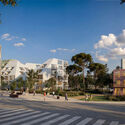
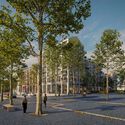
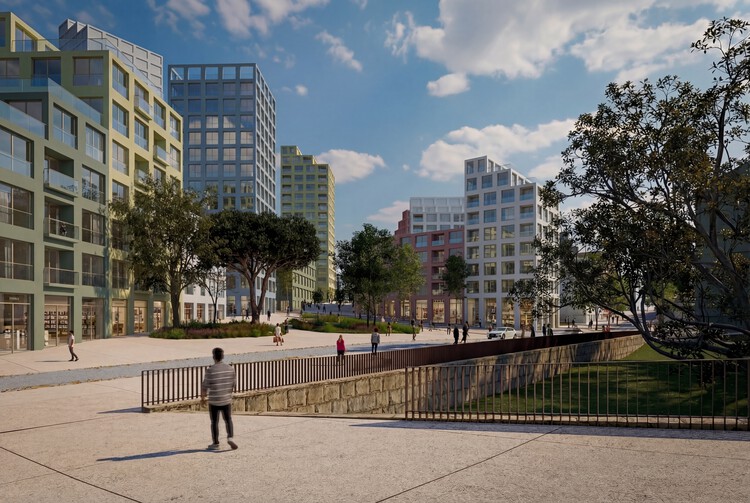
MVRDV and OODA have revealed a new masterplan for the regeneration of a vacant 28-hectare site between Marvila and Beato on Lisbon's riverfront. Recently approved by the Lisbon City Council, the project was developed in collaboration with LOLA Landscape Architects and Thornton Tomasetti to transform the area into a landscape-led urban district. Titled The Marvila Masterplan, the proposal establishes a framework for introducing 1,400 homes alongside public facilities, commercial spaces, and services within a fragmented and largely abandoned territory. The project is a private initiative led by the principal landowner and developed in coordination with the Lisbon City Council and Infraestruturas de Portugal.
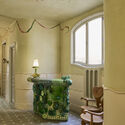
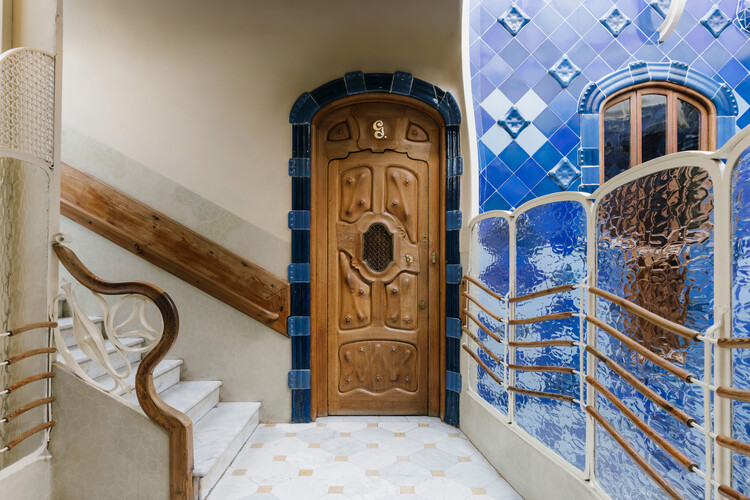
Casa Batlló in Barcelona has unveiled the restored Third Floor of the building, opening the last original residence preserved from Antoni Gaudí's 1904-1906 transformation of the property to the public for the first time. Led by restoration architect Xavier Villanueva and developed over three years through an archaeological-style conservation process, the intervention recovers a largely intact domestic environment that had remained inhabited by descendants of the Batlló family for more than a century. Adapted into a series of private rooms for gatherings, cultural events, and experiences, the restored apartment combines heritage preservation with a contemporary interior design intervention by Paola Navone – OTTO Studio, establishing a new program for one of Barcelona's most recognized architectural landmarks.
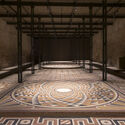
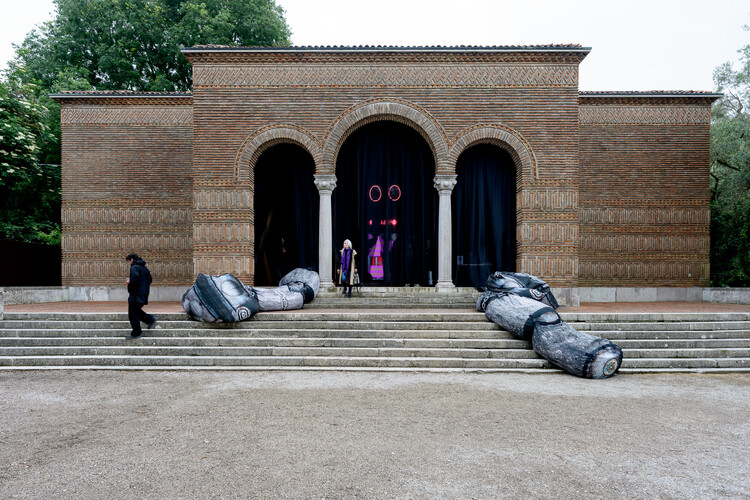
In December 2024, art curator Koyo Kouoh became the first African woman selected to curate the 61st International Art Exhibition of La Biennale di Venezia. She proposed an introspective and sensitive approach to the exhibition, shaped by themes of grief, memory, spirituality, and global exhaustion. Following her premature passing in May 2025, the Biennale decided to continue with the same curatorial project, titled In Minor Keys. Wolff Architects was appointed by Kouoh in early 2025 to realize the exhibition design and scenography, focused on "the transformative spatial power of the threshold as a portal to alternative comprehension and experiences." The event was inaugurated on Saturday, May 9, and will run until Sunday, November 22, 2026, across the Giardini della Biennale, the Arsenale di Venezia, and other locations throughout Venice.
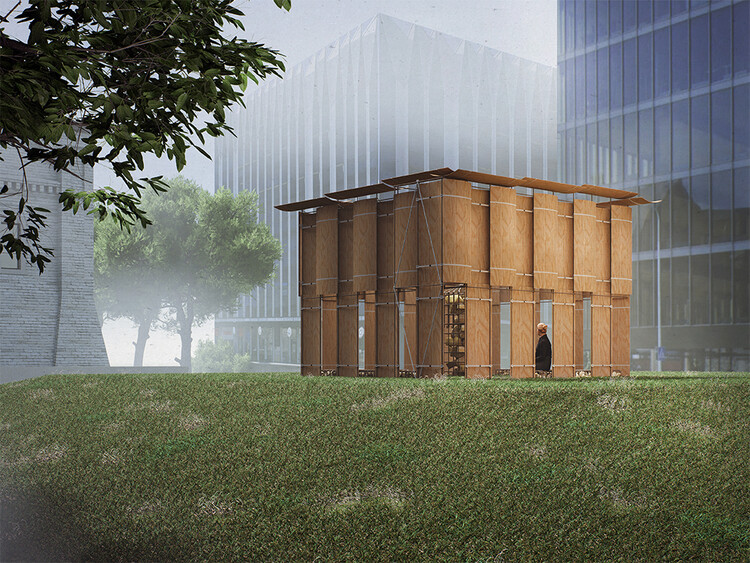
The 8th edition of the Tallinn Architecture Biennale 2026 (TAB 2026) has announced the winners of its Installation Programme Competition and Vision Competition, both developed within the curatorial framework titled "How Much?". Organized by the Estonian Centre for Architecture, the biennale will take place from September 9 to November 30, 2026, with its Opening Week scheduled from September 9 to 13. Curated by Stuudio TÄNA, Mark Aleksander Fischer, and Mira Samonig, TAB 2026 explores the role of money, affordability, and resource allocation in shaping architecture and the built environment, while examining how contemporary practice negotiates economic constraints and cultural value.
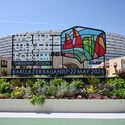
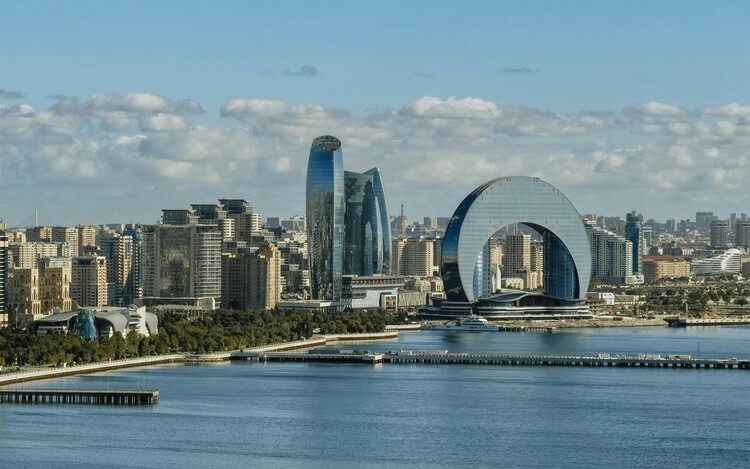
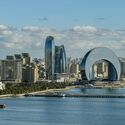
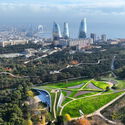
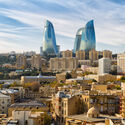
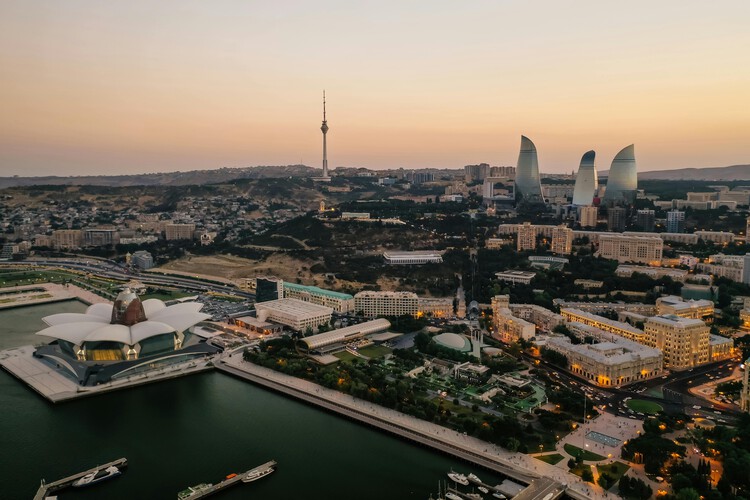
Co-organized by UN-Habitat and the Government of Azerbaijan, the thirteenth session of the World Urban Forum 13 will take place in Baku from May 17 to 22, 2026, under the theme "Housing the World: Safe and Resilient Cities and Communities." Convened every two years by UN-Habitat, the World Urban Forum is considered one of the leading international conferences dedicated to urbanization and the future of cities. Bringing together architects, planners, policymakers, researchers, local governments, and civil society organizations, the forum serves as a platform for discussing the challenges shaping contemporary urban environments and the strategies needed to address them.
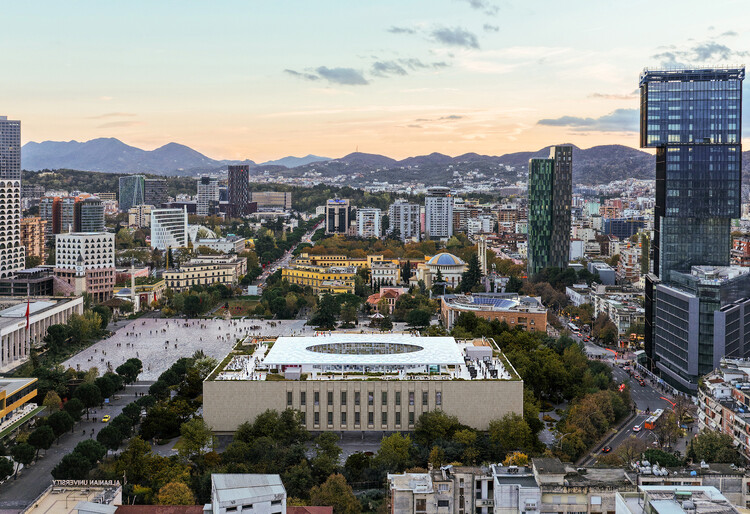
The initial phase of the complete renovation project for the National Historical Museum in Tirana is approaching completion. The project was commissioned by the Ministry of Economy, Culture, and Innovation of Albania and UNOPS, and financed by the European Commission through the EU for Culture (EU4C) program in Albania. The full restoration of the museum's 21,400 square meters is planned in two phases, led by Rotterdam-based Casanova + Hernandez Architects in collaboration with local partner iRI. The first phase consists of restoring the existing building in Skanderbeg Square and is expected to be completed this year, enabling the immediate start of the second phase, focused on implementing the new design for all interior spaces, the courtyard, and the roof.
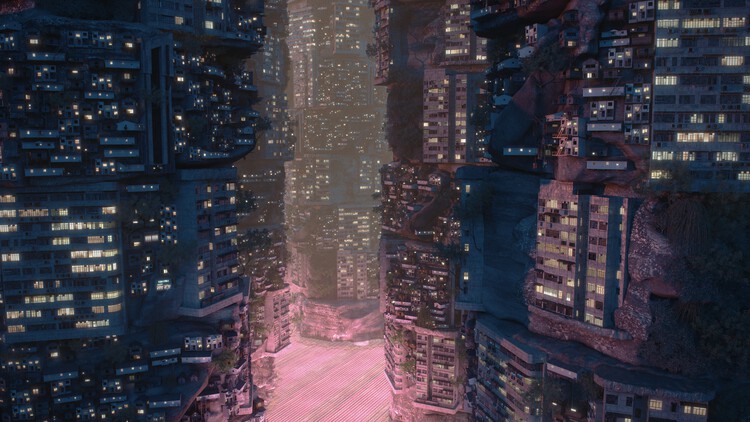
In Other Worlds Film still from Planet City (2021) by Liam Young. Image Courtesy of Liam Young
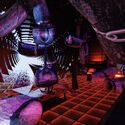
The Barbican Centre has announced In Other Worlds, a major immersive exhibition by speculative architect, filmmaker, and artist Liam Young, opening from May 21 through September 6, 2026. Occupying three distinct locations within the Barbican complex, the Silk Street Entrance, The Curve gallery, and Car Park 5, the exhibition will transform the Brutalist cultural landmark into a sequence of cinematic environments examining architecture, infrastructure, climate futures, and planetary urbanism. Developed in collaboration with writers, scientists, filmmakers, musicians, and performers, the project brings together large-scale projections, LED installations, sound environments, graphic narratives, costumes, and speculative artifacts to explore how fiction and spatial storytelling can shape conversations around environmental and technological change.
Courtesy of Kengo Kuma & Associates and Field Operations
The Brandywine Conservancy & Museum of Art, located near Philadelphia, is dedicated to promoting the natural and cultural connections between the region's landscape, historic sites, and artists. The Conservancy protects land and waterways throughout the Brandywine Valley and other priority conservation areas, while the Museum houses a collection of American art, with particular strengths in landscape and still life painting, portraiture, and illustration. On May 6, 2026, the institution announced a project to transform its 15-acre campus, including the renovation of the historic museum building, a new museum building by Kengo Kuma & Associates, and conservation and landscape interventions by Field Operations that will create a publicly accessible 325-acre reserve with ten miles of trails.
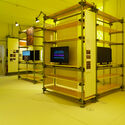
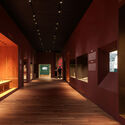
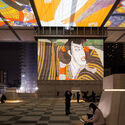
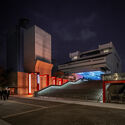
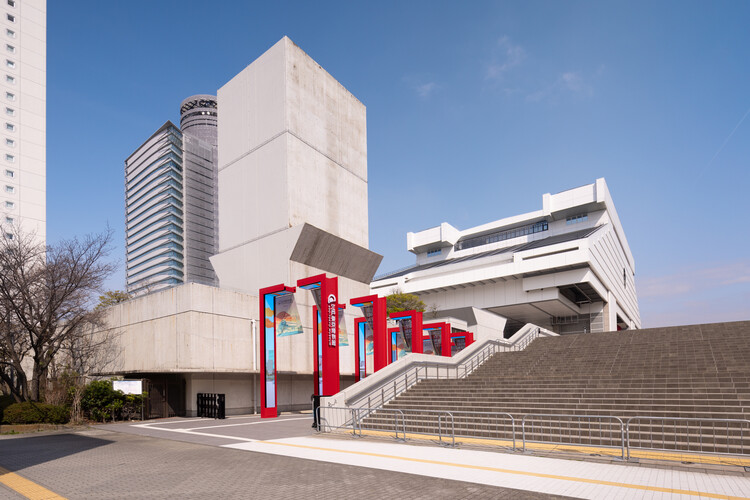
The Edo-Tokyo Museum has reopened to the public following a multi-year renovation, unveiling a series of scenographic interventions and installations designed by OMA under the direction of Shohei Shigematsu. Marking the firm's first public project in Japan, the commission forms part of the broader renewal of the museum's iconic building by Metabolist architectKiyonori Kikutake. Originally opened in 1993 as the first museum dedicated to the history of Tokyo, the institution traces the city's evolution from the Edo period to the present day, and the new interventions aim to strengthen its relationship with contemporary audiences while preserving the identity of Kikutake's architecture.