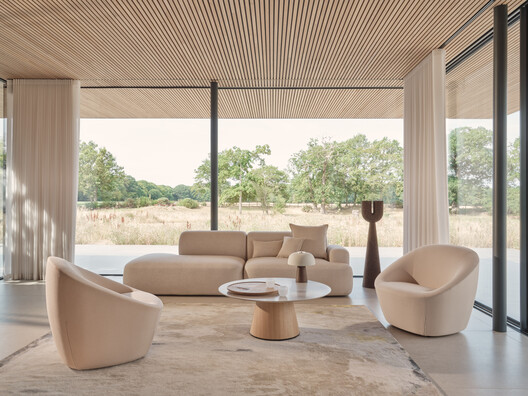
Furniture waste is not always the result of physical damage that renders a product unusable. Chairs, sofas, and tables are often discarded because they no longer fit an interior concept, are perceived as outdated, or are replaced during a renovation. In many cases, their structures remain functional, even when upholstery is worn, or the surrounding space has changed. The result is a cycle of replacement in which usable products become waste, while new resources are extracted and processed to manufacture their successors.
The environmental impact begins long before furniture reaches a landfill. Wood, metals, plastics, foams, and textiles require raw materials, processing, and energy to become finished products. A life cycle assessment of 25 furniture pieces across eight categories found that the pre-production stage, including raw material acquisition and processing, accounted for an average of 76% of the assessed environmental impact. The proportion varied between products, but the findings highlight the resources already invested in furniture by the time it reaches a building. When a product is discarded prematurely, the resources invested in its manufacture may not be fully utilized, while replacement creates demand for additional products and materials.
For manufacturers, addressing this problem means considering what happens after furniture leaves their facilities. Approaches such as The Loop, a circular program by British furniture manufacturer Boss Design, connect product design with repair, reupholstery, reuse, redistribution, and material recovery. The aim is to create practical ways for furniture to stay in service as interiors and organizational needs change, while retaining the value of components that are still fit for use.
Why Furniture Gets Replaced
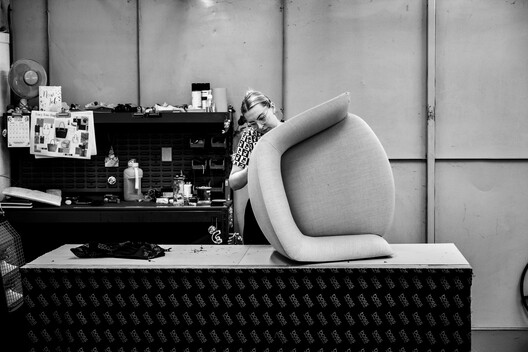
Furniture waste is partly a consequence of how products are purchased and managed. In commercial interiors, refurbishment can involve replacing entire furniture collections to achieve a new visual identity, even when individual pieces remain functional. Changes in workplace layouts, occupancy, and a space's intended use can also make existing furniture seem unsuitable. Without a practical way to adapt or redistribute it, replacement may become easier than renewal.
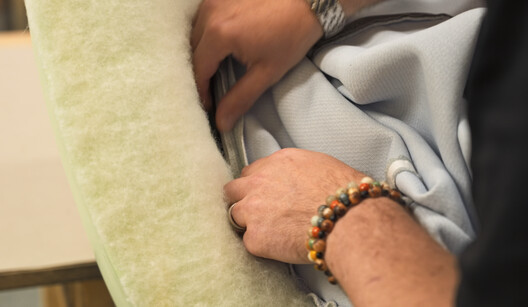
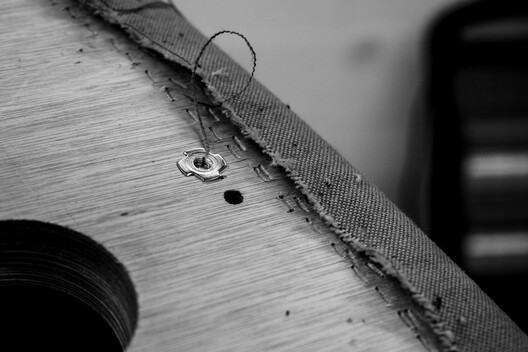
Design decisions influence whether alternatives are possible. Upholstered pieces, for example, combine components with different service lives. A frame may remain structurally sound after its fabric becomes worn, stained, or no longer matches a revised interior palette. If the upholstery cannot be removed and replaced independently, a relatively minor problem can lead to disposing of the entire piece. Replaceable upholstery, accessible fixings, and separable components make maintenance easier and may let furniture adapt to changes in appearance or use.
Designing for Repair and Renewal
Material composition matters as well. Different materials have different environmental impacts, and products containing more material generally have higher impacts, although the relationship varies by design and function. Using recycled content alone does not necessarily guarantee a lower overall impact. Material quantities, manufacturing processes, durability, and how long a product remains useful all influence its environmental performance. Designing with fewer unnecessary components, selecting appropriate materials, and making products easier to maintain can therefore help address the problem at its source.
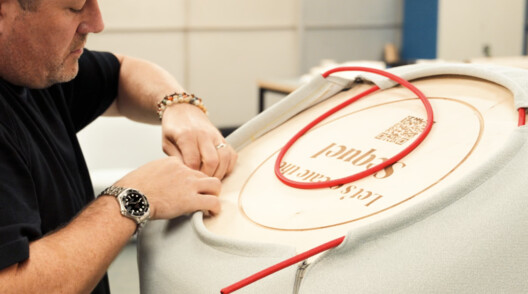
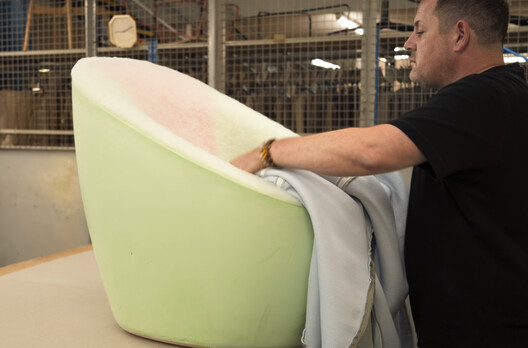
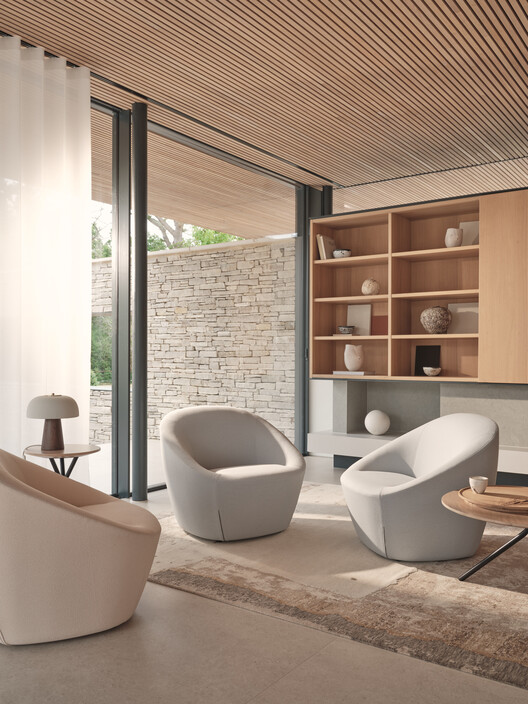
Products such as Boss Design's Lucy lounge chair provide an example of this approach. Developed within The Loop framework, Lucy features a fully removable upholstery cover that can be replaced on site. Rather than requiring the entire chair to be removed when the fabric needs a change, the design allows the upholstery to be renewed while retaining the existing structure. The chair also incorporates BioPUR® foam, a recyclable internal steel frame, responsibly sourced plywood, and minimal fixings intended to facilitate disassembly. These features address different aspects of material selection, maintenance, and recovery.
Keeping Existing Furniture in Circulation
Collections such as the Lucy lounge chair illustrate how repairability can be considered alongside comfort and appearance from the outset. Their actual environmental benefits depend on how the product is used and maintained, as well as whether components are ultimately renewed or recovered, which is why product design is only one part of the process. Even furniture designed for longevity may be discarded if owners lack the time, information, or services needed to maintain it. Extending its useful life therefore also requires practical ways to assess existing products and determine what should happen to them when a project changes.
Efforts such as The Loop address several possibilities and opportunities. Its ReNew service supports repairing and reupholstering eligible furniture, while ReUse helps organizations redistribute existing pieces between departments, floors, or locations. ReSell provides a route to buy back selected furniture, renew it where necessary, and return it to use in future projects. Through RePurpose, furniture that no longer suits one setting can be redirected to charities, educational environments, and community projects. Recycling is considered when further use or renewal is not viable.
For architects, interior designers and owners, it is important to consider not only how furniture will perform in a completed space, but also how it might remain useful as that space changes. Also, before specifying new furniture for a refurbishment, assessing existing pieces can help identify what to retain, repair, adapt, or redistribute. Clear information on materials, maintenance requirements, and construction can make these decisions easier.
Reducing furniture waste requires attention to both the products being made and the systems through which they are purchased, maintained, and eventually discarded. Material selection and manufacturing efficiency remain important, but so does the ability to retain the resources already invested in an existing product.