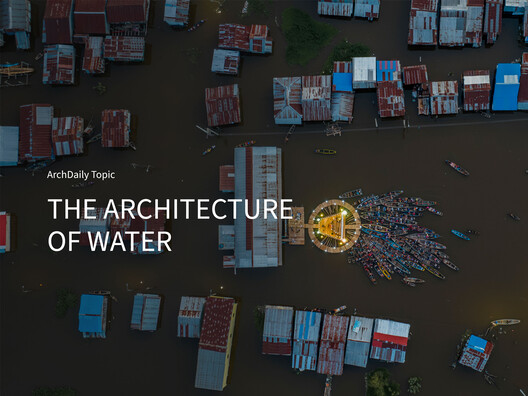
Water is life. Animals, plants, fungi, and bacteria all depend on it: water structures their cells, carries their nutrients, and hosts the chemistry that keeps them alive. Even the rare exceptions confirm the rule. Some seeds and spores can lose nearly all their water and enter a dormancy so deep that their metabolism almost stops, yet it is water that brings them back. In the most literal sense, water connects us.
But it also divides us. Every year, thousands of people leave North Africa in overcrowded boats bound for Lampedusa, seeking better living conditions in Europe; more than 30,000 have died or gone missing in the Mediterranean since 2014. Water draws borders and controls flows. Before the war on Iran began in February 2026, the Strait of Hormuz carried around 25% of the world's seaborne crude oil, with effects felt in fuel prices far from the Gulf. Water also sits at the center of the environmental debate, where its excess can be as lethal as its absence. Severe floods increasingly strike countries that have contributed least to global emissions, while the largest polluters remain better equipped to resist. If water is life, it can also mean death. Ultimately, water is political.
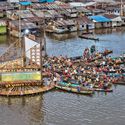
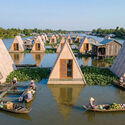

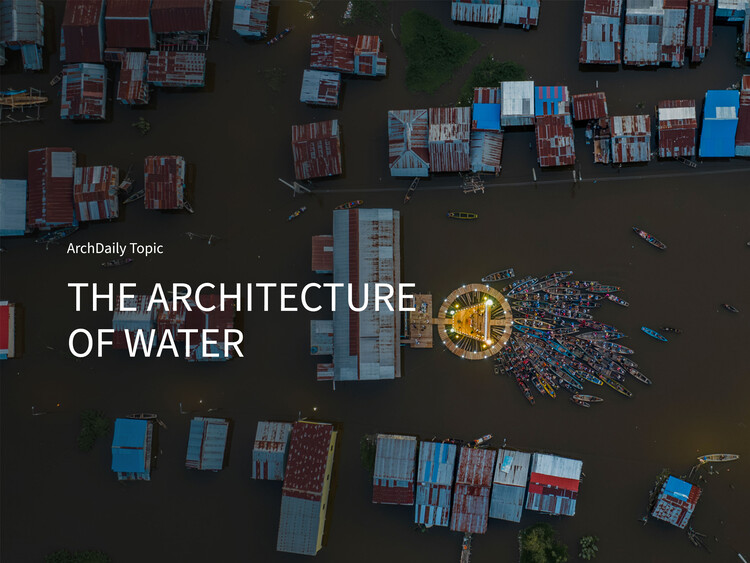
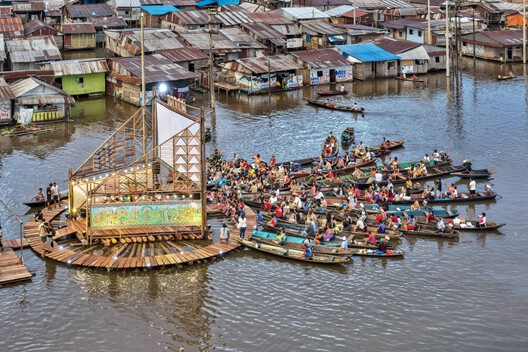
This tension is the starting point for ArchDaily's October Topic: The Architecture of Water: Territories, Tensions & Transformations. Humans have always gravitated toward water, from the river valleys where agriculture began to the coastlines that now concentrate many of the world's largest cities. As seas rise and floods and erosion intensify, the idea of "controlling" water looks increasingly fragile, and building at its edge raises questions of necessity, freedom, and responsibility. Should buildable land be expanded through reclamation, and at what cost to fragile ecosystems? Where does ownership end and stewardship begin? And who gets to claim land on or around water?
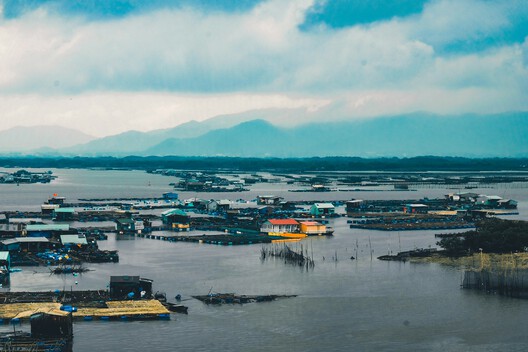
Throughout the month, the coverage moves across scales and geographies. It digs into the ground itself, examining how soil, drainage, and access to water have always been matters of power. It revisits historic water structures, long preserved as monuments, and asks whether they could work as infrastructure once again. Along the coasts, it looks at mangrove forests as living barriers that rival concrete seawalls, and at the bayous, where design is learning to negotiate with shifting land and rising water.
In cities, the coverage follows Southeast Asian canals being reclaimed as ecological and public networks rather than treated as drains, and Latin American plazas and parks designed to flood. Where water is scarce, it explores technologies that draw it from the air, weighing their promise against their limits. Together, these stories point toward a Blue Economy grounded in regeneration rather than exploitation.
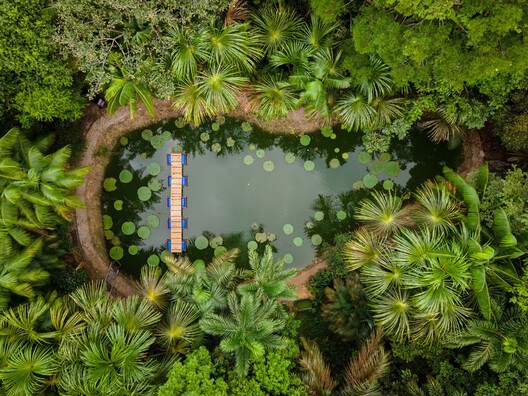
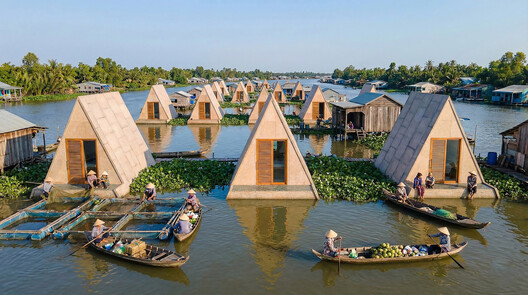
Can architecture accept a degree of uncertainty, designing for water that rises, recedes, and returns? Who decides where water ends and land begins? And what would it mean to treat water not as a resource to be controlled, but as a common to be shared?
This article is part of the ArchDaily Topic: The Architecture of Water: Territories, Tensions & Transformations. Every month we explore a topic in-depth through articles, interviews, news, and architecture projects. We invite you to learn more about our ArchDaily Topics. And, as always, at ArchDaily we welcome the contributions of our readers; if you want to submit an article or project, contact us.


