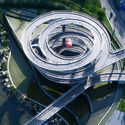
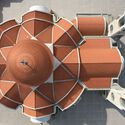
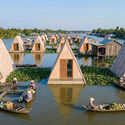
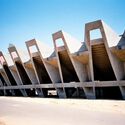
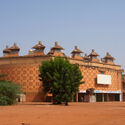
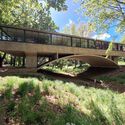
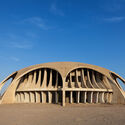
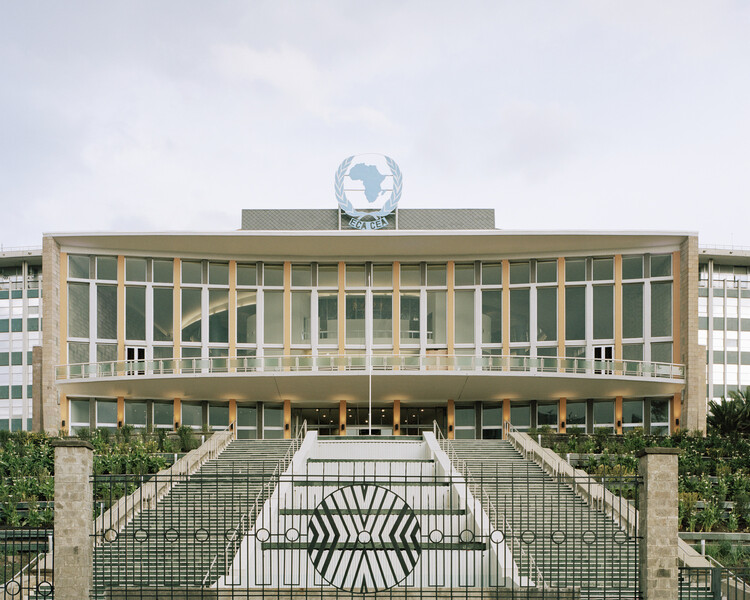
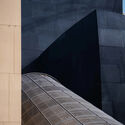
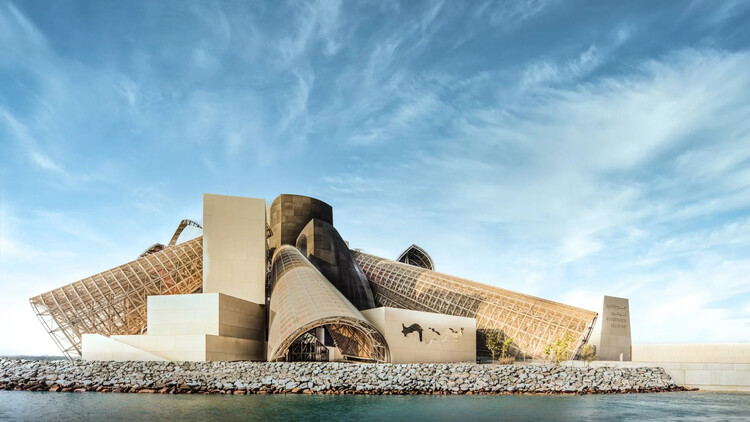
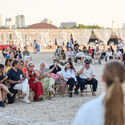
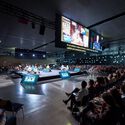
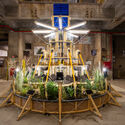
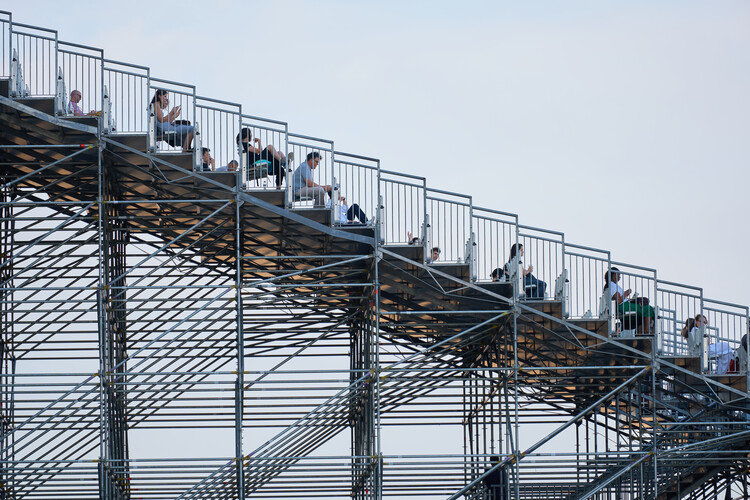
"Design a cultural center on a desert coastline, in the style of Alvar Aalto, wood structure, golden hour, aerial drone shot, photorealistic, 4K." Within seconds, a line like this returns a convincing image. What is less visible is the shift it demands. For centuries, architectural imagination relied on the body: the hand that sketches, the fingers that shape a model, or, more recently, the click of a mouse in computational tools. Words came afterward, to explain what had already taken form. Today, the order is increasingly reversed. Before an image can exist, it must first be described: its references named, its materials listed, its mood specified.
This translation is not trivial. Intuition rarely arrives as a written sentence, and much of what architects imagine resists description. Yet as words increasingly become the entry point to the image, they also shape what can be imagined. The vocabulary available to describe a space begins to define the space itself.