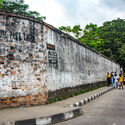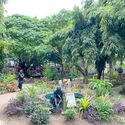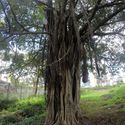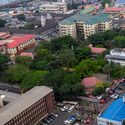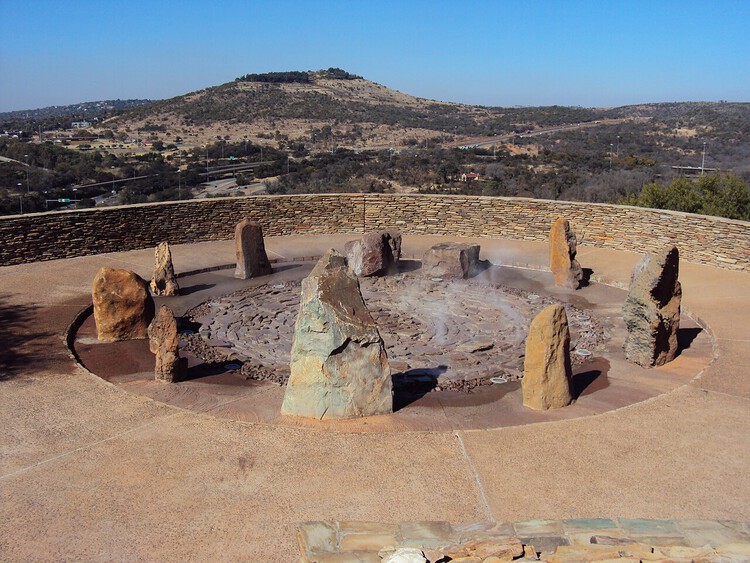
Liberation does not always begin with a monument. It may begin in a garden, a yard, a clearing, a field; in the occupation of land and the possibility of gathering there. Across histories shaped by colonialism and dispossession, space has been more than the setting in which liberation takes place. It has been one of its practices: cultivated, occupied, hidden within, moved through and collectively remade.
Wolff Architects' research Liberation Gardens offers the garden as one way of reading these spatial practices, not simply as planted ground, but as a space through which survival, nourishment and emancipatory imagination can be sustained. The garden in this sense is not defined by landscape design so much as by relationships between people and land, cultivation and knowledge, occupation and autonomy. It can hold cultural production alongside subsistence, and forms of collective life that emerge under conditions of violence and dispossession. Liberation, understood spatially, becomes as much about the possibility of inhabiting differently as it is about arriving at a final condition of freedom.