1. ArchDaily
  2. Memory

Memory: The Latest Architecture and News

Herzog & de Meuron's Nearly Completed Triangle Tower and OMA's Urban Vision for Rome: This Week's Review

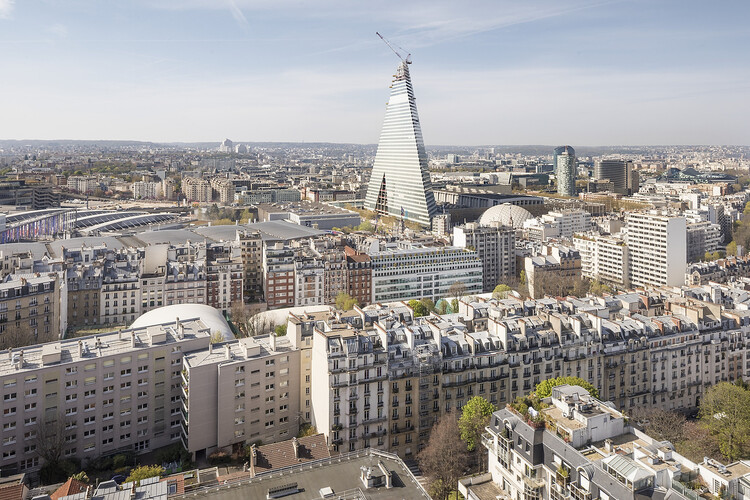
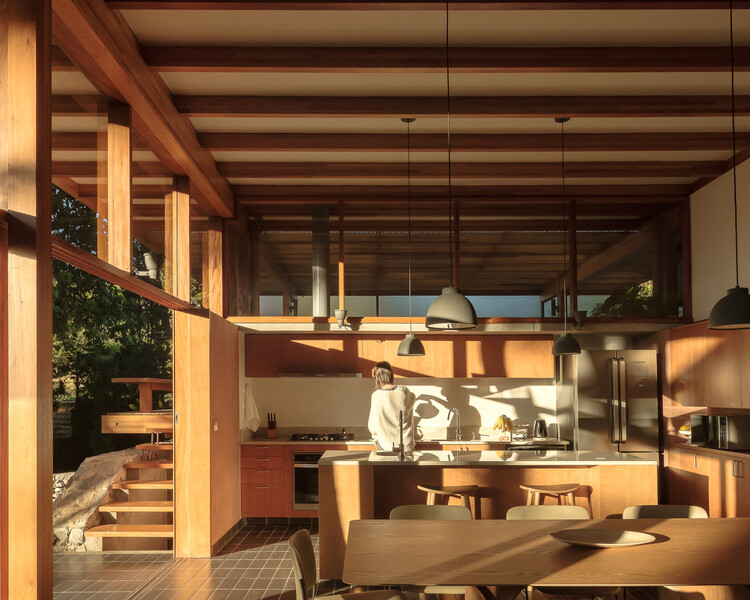
This week, we revisited the ideas currently shaping the design of 21st-century cities, with a view toward a longer timeframe than that which characterised modern design. These examples of today's urban design point toward the cities of tomorrow, seeking to reflect collective memory and social identity while addressing the climate challenges we face today. From a new museum in Panama drawing on Latin American architectural tradition to an inflatable installation on Paris's oldest bridge over the Seine, built and not-yet-built projects rescue architecture as a repository of collective memory, while others explore its transformative potential through the lens of contemporary well-being. In this weekly news compilation, we present ongoing projects from Panama, numerous African countries, France, Canada, Italy, Australia, and the United States.

Herzog & de Meuron's Nearly Completed Triangle Tower and OMA's Urban Vision for Rome: This Week's Review - Image 1 of 4Herzog & de Meuron's Nearly Completed Triangle Tower and OMA's Urban Vision for Rome: This Week's Review - Image 2 of 4Herzog & de Meuron's Nearly Completed Triangle Tower and OMA's Urban Vision for Rome: This Week's Review - Image 3 of 4Herzog & de Meuron's Nearly Completed Triangle Tower and OMA's Urban Vision for Rome: This Week's Review - Image 4 of 4Herzog & de Meuron's Nearly Completed Triangle Tower and OMA's Urban Vision for Rome: This Week's Review - More Images+ 30

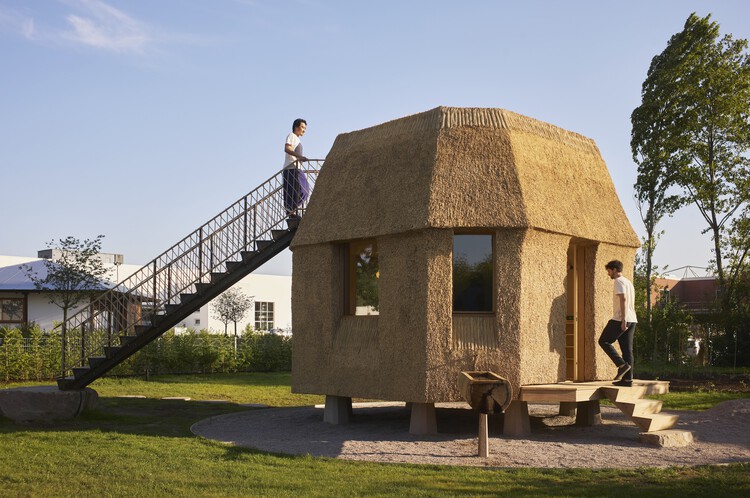
"A Place Remembers What Has Happened:" Tsuyoshi Tane on Memory as a Design Driver in Louisiana Channel Interview

Tsuyoshi Tane is a Japanese architect born in 1979 in Tokyo and based in Paris, where he founded ATTA – Atelier Tsuyoshi Tane Architects in 2006. Working across cultural, institutional, and landscape-related projects, Tane has developed an architectural approach that positions memory as a fundamental design driver. In his interview with Louisiana Channel, filmed in his Paris studio, Tane reflects on architecture as a discipline of observation and thought, arguing that meaningful design emerges from carefully reading the traces embedded within a site. For him, architecture is not produced on a blank slate but begins with an inquiry into what already exists, physically, culturally, and emotionally, beneath the surface of a place.

"A Place Remembers What Has Happened:" Tsuyoshi Tane on Memory as a Design Driver in Louisiana Channel Interview - Image 1 of 4"A Place Remembers What Has Happened:" Tsuyoshi Tane on Memory as a Design Driver in Louisiana Channel Interview - Image 2 of 4"A Place Remembers What Has Happened:" Tsuyoshi Tane on Memory as a Design Driver in Louisiana Channel Interview - Image 3 of 4"A Place Remembers What Has Happened:" Tsuyoshi Tane on Memory as a Design Driver in Louisiana Channel Interview - Image 4 of 4A Place Remembers What Has Happened: Tsuyoshi Tane on Memory as a Design Driver in Louisiana Channel Interview - More Images+ 3

How Waterways and Memory Shape Bathroom Design

 | In Collaboration

Water has always occupied a unique position in architecture: elemental yet elusive, functional yet symbolic. It is both a material and a medium that shapes cities, structures rituals, and influences how space is perceived. Across cultures, water is understood not only as a source of life but as a carrier of meaning, associated with purification, renewal, and continuity. Its presence in the built environment often extends beyond utility, becoming a device through which architecture engages the senses and constructs atmosphere.

How Spanish Ceramics Bridge Culture, Memory and Identity at Milan Design Week 2026

 | In Collaboration

How does an architectural installation express the identity of a region? How can a building material connect with the essence of a nation? Throughout its history, Spain has been shaped by a wide range of cultures and civilizations, including Muslim, Phoenician, Roman, Greek, Carthaginian, and Visigothic influences. From flamenco to ceramic tiles adorning façades and historic monuments, each region of Spain embraces its own customs and traditions, reflected in its architecture, history, art, and design. During Milan Design Week 2026, Tile of Spain presents Spanish Design as a Souvenir at the Fuorisalone—an installation that transforms ceramic tile into a narrative medium through a series of sculptural objects reinterpreting everyday icons of Spanish life.

When Sculpture Becomes Discourse: Reflections on Mujassam Watan

 | Sponsored Content

In the city, aesthetics are not measured by the height of towers or the width of roads, but by their ability to evoke meaning within space. From this perspective, the Mujassam Watan initiative emerges as more than a mere artistic endeavor. It involves a deliberate attempt to redefine the relationship between people and place, between material memory and imagined identity. In the city of Khobar, in the Kingdom of Saudi Arabia—where urban modernity intersects with rapid social transformation—this initiative raises the question: How can a sculpture become an open text, one that is both visually read and experientially felt?

Error 404: Architectural Memory in the Age of Algorithms

Before the digital turn, architecture's memory was largely tangible. It lived in the weight of drawings, the patina of models, and the thickness of books. To preserve architecture meant to preserve its traces, the documents, sketches, and photographs through which buildings could be remembered long after their material form had changed or disappeared. The modern architectural archive, as it developed in the 20th century, was both a refuge and a device of legitimacy. Institutions such as the Canadian Centre for Architecture, Casa da Arquitectura, or the Deutsches Architekturmuseum were built upon the conviction that to preserve architecture was to preserve its documents.

However, these archives didn't merely store knowledge. They determined what counted as architecture, who belonged to its canon, and how history would be told. To archive is to edit the past — to decide what enters, what is omitted, and how it will be interpreted. The archive, as theorised by Michel Foucault and later by Jacques Derrida, is never neutral; it is an instrument of power, a space that selects and excludes. In architecture, these dynamics are especially evident as they record the visible while silencing what falls outside their categories. The act of collecting has always been, implicitly, an act of judgment.

Error 404: Architectural Memory in the Age of Algorithms - Image 1 of 4Error 404: Architectural Memory in the Age of Algorithms - Image 2 of 4Error 404: Architectural Memory in the Age of Algorithms - Image 3 of 4Error 404: Architectural Memory in the Age of Algorithms - Image 4 of 4Error 404: Architectural Memory in the Age of Algorithms - More Images+ 15

Between Materials and Memory: Three Madrid Architecture Practices on Heritage Rehabilitation

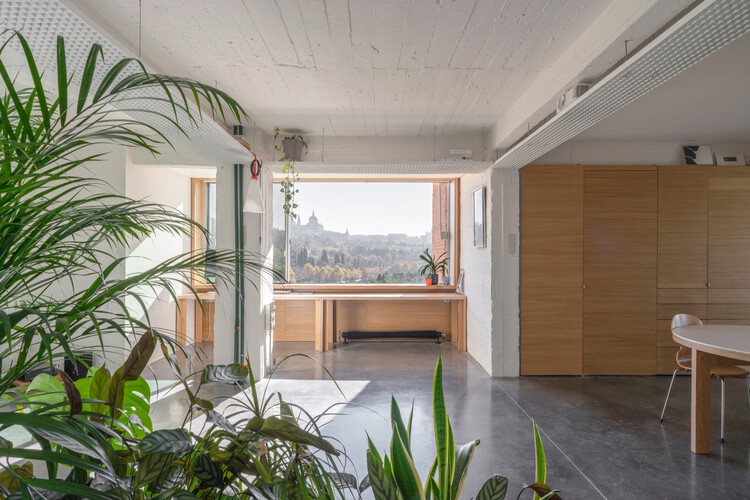
The role of heritage rehabilitation in the contemporary architectural landscape is shaped by a wide range of research, beliefs, memories, and efforts aimed at redefining and strengthening our built environment. When undertaking a transformation, renovation, or preservation project, architects can employ diverse strategies and tools to encourage a meaningful coexistence between what already exists and what is newly introduced. Together with three Madrid-based architecture practices—SOLAR, Pachón-Paredes, and BA-RRO—we set out to engage in conversation and explore their creative processes and ideals, recognizing the complexity and value of historic buildings as repositories of materials, structures, and construction techniques from other eras.

Between Materials and Memory: Three Madrid Architecture Practices on Heritage Rehabilitation - Image 1 of 4Between Materials and Memory: Three Madrid Architecture Practices on Heritage Rehabilitation - Image 2 of 4Between Materials and Memory: Three Madrid Architecture Practices on Heritage Rehabilitation - Image 3 of 4Between Materials and Memory: Three Madrid Architecture Practices on Heritage Rehabilitation - Image 4 of 4Between Materials and Memory: Three Madrid Architecture Practices on Heritage Rehabilitation - More Images+ 22

Rooms as Heritage: How Interior Typologies Carry Cultural Memory

For decades, heritage has been easiest to recognize from the street. We protect facades, skylines, and monuments because they are visible, stable, and legible as cultural assets. Yet most of what we remember about living is how we eat together, withdraw, argue, care, and rest, which happen far from view. It happens inside rooms. As open plans quietly give way to thresholds, corridors, and enclosures, a deeper question emerges: what if cultural memory survives not in what architecture shows, but in how it is lived?

Rooms as Heritage: How Interior Typologies Carry Cultural Memory - Image 1 of 4Rooms as Heritage: How Interior Typologies Carry Cultural Memory - Image 2 of 4Rooms as Heritage: How Interior Typologies Carry Cultural Memory - Image 3 of 4Rooms as Heritage: How Interior Typologies Carry Cultural Memory - Image 4 of 4Rooms as Heritage: How Interior Typologies Carry Cultural Memory - More Images+ 7

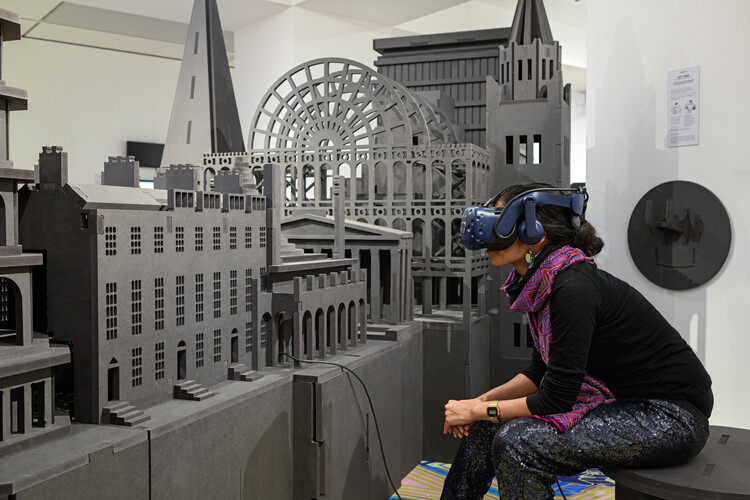
Louisiana Museum of Modern Art Opens Memoryscapes Exhibition Exploring the Design Methodologies of ATTA and DnA

The Louisiana Museum of Modern Art will inaugurate, on January 22, 2026, the second exhibition in its Architecture Connecting series, focusing on the discipline's relationship with science and research across a wide range of fields, including biology, neuroscience, and anthropology. The first exhibition in the series, Living Structures (2024–2025), featured ecoLogicStudio, Atelier LUMA, and Jenny Sabin Studio, highlighting their work at the intersection of algorithms and nature and their development of methods that re-evaluate sustainable architecture and climate considerations. This second exhibition, titled Memoryscapes, explores the memories, stories, and traditions informing the working methodologies of Xu Tiantian's DnA_Design and Architecture (Beijing) and ATTA – Atelier Tsuyoshi Tane Architects (Paris).

Louisiana Museum of Modern Art Opens Memoryscapes Exhibition Exploring the Design Methodologies of ATTA and DnA - Image 1 of 4Louisiana Museum of Modern Art Opens Memoryscapes Exhibition Exploring the Design Methodologies of ATTA and DnA - Image 2 of 4Louisiana Museum of Modern Art Opens Memoryscapes Exhibition Exploring the Design Methodologies of ATTA and DnA - Image 3 of 4Louisiana Museum of Modern Art Opens Memoryscapes Exhibition Exploring the Design Methodologies of ATTA and DnA - Image 4 of 4Louisiana Museum of Modern Art Opens Memoryscapes Exhibition Exploring the Design Methodologies of ATTA and DnA - More Images

Best Articles of 2025: Plural Practices, Environmental Responses, and an Architecture of Care

Across recent years, architectural discourse has been shaped by the emergence of new voices, rediscovered territories, and a growing commitment to shared forms of knowledge. These concerns remain fully present in 2025 as ongoing debates that continue to gain density and nuance. Questions of who produces architecture, from which contexts, and under what conditions remain central, increasingly informed by practices that operate collectively, across disciplines, and beyond singular authorship.

This continuity is reflected in how architecture is understood less as a finished object and more as an ongoing process embedded in social, cultural, and environmental systems. Discussions around agency, participation, and knowledge production persist, alongside sustained attention to rural, peripheral, and historically marginalized contexts. Rather than privileging a single scale or geography, architecture is approached as a practice that moves between territories, acknowledging the unequal conditions that shape how spaces are designed, built, maintained, and inhabited.

Best Articles of 2025: Plural Practices, Environmental Responses, and an Architecture of Care - Image 1 of 4Best Articles of 2025: Plural Practices, Environmental Responses, and an Architecture of Care - Image 2 of 4Best Articles of 2025: Plural Practices, Environmental Responses, and an Architecture of Care - Image 3 of 4Best Articles of 2025: Plural Practices, Environmental Responses, and an Architecture of Care - Image 4 of 4Best Articles of 2025: Plural Practices, Environmental Responses, and an Architecture of Care - More Images+ 31

The Best Interviews of 2025: Architecture’s Year of Reflection, Repair, and Optimism

In 2025, the architectural field has been marked by a dense calendar of exhibitions, a measured slowdown in construction across multiple regions, and a period of reflection that scrutinizes the impact of intelligence (artificial and natural)—both on professional practice and workplace culture, as well as its use as a pedagogical tool. Over this calendar year, ArchDaily has published more than 30 interviews in a range of formats—Q&As, in-person conversations, video features, and more. These exchanges have engaged themes of sustainability and nature, housing and urban development, AI and intelligence, adaptive reuse and public life, and have closely followed major exhibition platforms including the Venice Biennale, Expo 2025 Osaka, Milan Design Week, Concéntrico, and others.

The Best Interviews of 2025: Architecture’s Year of Reflection, Repair, and Optimism - Image 1 of 4The Best Interviews of 2025: Architecture’s Year of Reflection, Repair, and Optimism - Image 2 of 4The Best Interviews of 2025: Architecture’s Year of Reflection, Repair, and Optimism - Image 3 of 4The Best Interviews of 2025: Architecture’s Year of Reflection, Repair, and Optimism - Image 4 of 4The Best Interviews of 2025: Architecture’s Year of Reflection, Repair, and Optimism - More Images+ 15

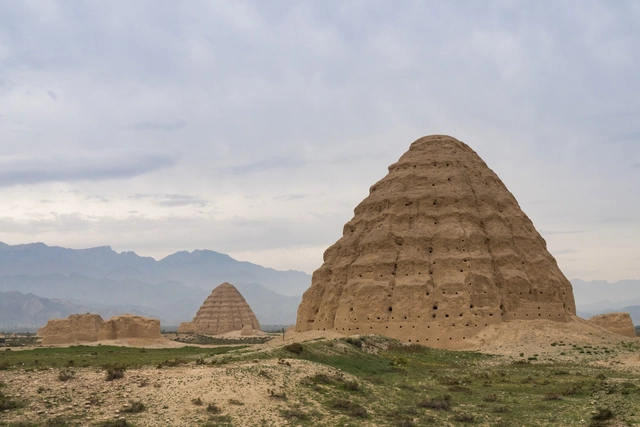
UNESCO Adds 26 New World Heritage Sites Highlighting African Heritage and Shared Prehistory

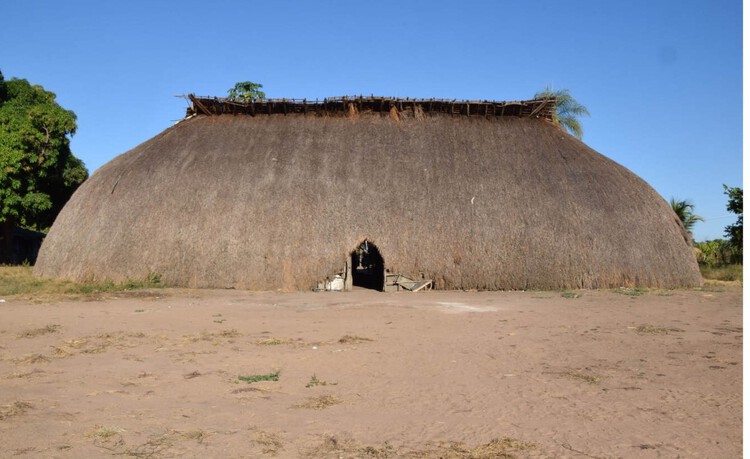
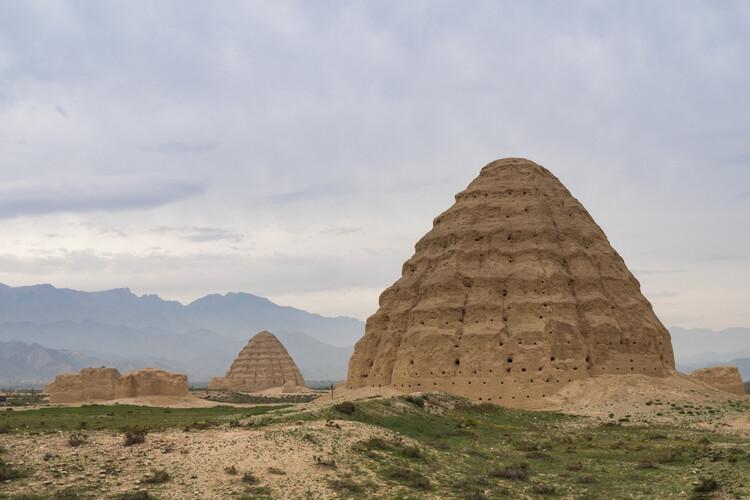
During the 47th session of the World Heritage Committee, held from July 6 to 16, 2025, at UNESCO Headquarters in Paris, France, 26 new properties were inscribed on the World Heritage List. In addition to examining new nominations, the Committee reviewed the conservation and management of existing sites, addressed the impact of climate change on heritage, and approved the extension of two existing sites to create new transboundary natural parks. According to UNESCO, the session placed the work of local communities at the center of safeguarding policies, reinforced efforts to preserve African heritage, and acknowledged the growing recognition of remembrance sites and the protection of humanity's shared prehistory. These 26 properties, located across 26 countries, now benefit from the highest level of international heritage protection.


UNESCO Adds 26 New World Heritage Sites Highlighting African Heritage and Shared Prehistory - Featured ImageUNESCO Adds 26 New World Heritage Sites Highlighting African Heritage and Shared Prehistory - Image 1 of 4UNESCO Adds 26 New World Heritage Sites Highlighting African Heritage and Shared Prehistory - Image 2 of 4UNESCO Adds 26 New World Heritage Sites Highlighting African Heritage and Shared Prehistory - Image 3 of 4UNESCO Adds 26 New World Heritage Sites Highlighting African Heritage and Shared Prehistory - More Images+ 1

Oshinowo Studio Reveals Design for New Commonwealth War Graves Memorial Honoring Sierra Leone’s WWI Carrier Corps

Lagos-based architects Oshinowo Studio have revealed a new memorial design commissioned by the Commonwealth War Graves Commission (CWGC) to honor the fallen of the Sierra Leone Carrier Corps during World War I. The design is an intervention into the existing Freetown Memorial, built in 1930 and designed by Sir Edwin Lutyens.

The existing podium, located outside the Secretariat Building in Freetown, commemorates soldiers of the First World War and later incorporated servicemen from the Second World War by removing a small mention of the men of the Carrier Corps, a removal this project seeks to address. Studio founder Tosin Oshinowo is the first woman and the first West African architect to design a memorial for the CWGC.

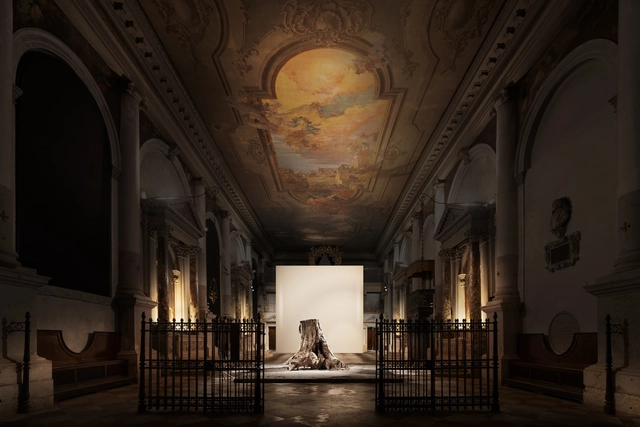
Archi/Tree/tecture: Lithuania’s Pavilion at the 2025 Venice Biennale Explores the Relationship Between Identity and Urban Nature

The Lithuanian Pavilion at the 2025 Venice Architecture Biennale presents Archi / Tree / tecture, a project by the National Architects Association. Commissioned by Juratė Tutlyte and curated by architect Gintaras Balčytis, the exhibition invites architects, students, communities, and visitors to reflect on the deep connections between architecture and urban nature. It positions the discipline as an interpretive medium that reveals the layered relationships shaping our cities, which in turn reflect these dynamic interactions. The proposal evokes an urban memory rooted in landscapes where fields and trees once stood, introducing the dimension of time into discussions on city ecosystems, sustainability, and resilience. The exhibition, an indoor installation designed by architects Paulius Vaitiekūnas, Andrius Pukis, and Vika Pranaitytė, will be set within the Church of Santa Maria dei Derelitti. The audiovisual and light installation in the pavilion was designed by the interdisciplinary art duo Lina Pranaitytė and Urtė Pakers, while the sculptural component of the installation was created by Kęstutis Lanauskas.

Archi/Tree/tecture: Lithuania’s Pavilion at the 2025 Venice Biennale Explores the Relationship Between Identity and Urban Nature - Image 1 of 4Archi/Tree/tecture: Lithuania’s Pavilion at the 2025 Venice Biennale Explores the Relationship Between Identity and Urban Nature - Image 2 of 4Archi/Tree/tecture: Lithuania’s Pavilion at the 2025 Venice Biennale Explores the Relationship Between Identity and Urban Nature - Image 3 of 4Archi/Tree/tecture: Lithuania’s Pavilion at the 2025 Venice Biennale Explores the Relationship Between Identity and Urban Nature - Image 4 of 4Archi/Tree/tecture: Lithuania’s Pavilion at the 2025 Venice Biennale Explores the Relationship Between Identity and Urban Nature - More Images+ 2

Armenian Pavilion at Venice Biennale 2025 Explores AI and Cultural Memory

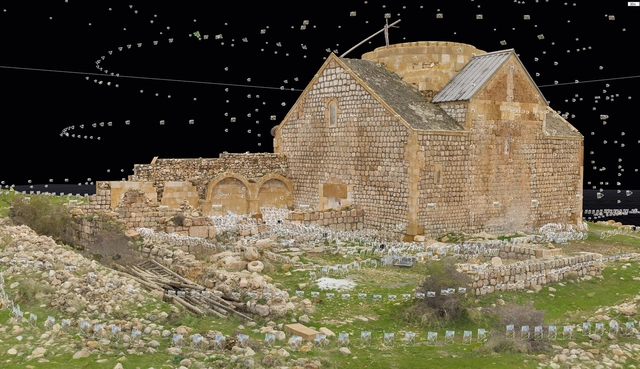
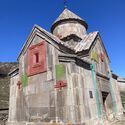
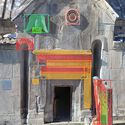
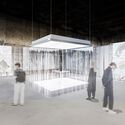
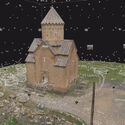
At the 19th International Architecture Exhibition - La Biennale di Venezia 2025, the Republic of Armenia presents "Microarchitecture Through AI: Making New Memories with Ancient Monuments." The pavilion brings attention to the challenges facing cultural heritage today, particularly loss through climate change, conflict, and neglect, while exploring how emerging technologies such as artificial intelligence may offer new methods for preservation and reinterpretation.

Armenian Pavilion at Venice Biennale 2025 Explores AI and Cultural Memory - Image 1 of 4Armenian Pavilion at Venice Biennale 2025 Explores AI and Cultural Memory - Image 5 of 4Armenian Pavilion at Venice Biennale 2025 Explores AI and Cultural Memory - Image 3 of 4Armenian Pavilion at Venice Biennale 2025 Explores AI and Cultural Memory - Image 4 of 4Armenian Pavilion at Venice Biennale 2025 Explores AI and Cultural Memory - More Images+ 3

The European Prize for Public Urban Space Announces Warsaw Park and Porto do Son Beach Design as 2024 Winners

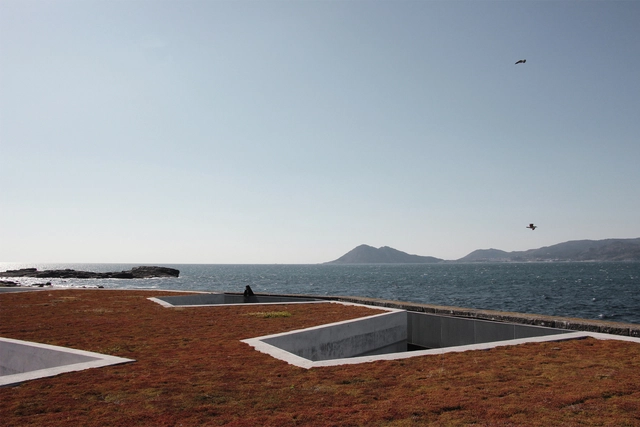
The 2024 European Prize for Urban Public Space has announced the overall winners for the 12th edition: For the General Category, the "Park at the Warsaw Uprising Mound" in Poland by studios topoScape and Archigrest received recognition its ability to honor the site's historical significance; while the Seafront Category prize was given to the "Beach Improvement and Redevelopment of the Harbour Edge" in Porto do Son, Spain, designed by CREUSeCARRASCO and RVR Arquitectos for its careful integration of natural and manmade elements. Selected from a list of 10 finalists, the projects were appreciated for their sensible response to local memory and an understanding of the interplay between various elements that interact with urban life.

The European Prize for Public Urban Space Announces Warsaw Park and Porto do Son Beach Design as 2024 Winners - Image 1 of 4The European Prize for Public Urban Space Announces Warsaw Park and Porto do Son Beach Design as 2024 Winners - Image 2 of 4The European Prize for Public Urban Space Announces Warsaw Park and Porto do Son Beach Design as 2024 Winners - Image 3 of 4The European Prize for Public Urban Space Announces Warsaw Park and Porto do Son Beach Design as 2024 Winners - Image 4 of 4The European Prize for Public Urban Space Announces Warsaw Park and Porto do Son Beach Design as 2024 Winners - More Images+ 12

Edmund Sumner Explores Memory and Emotional Spaces with Architectural Photography Exhibition in London

Starting on June 30th, 2024, Edmund Sumner presents the “Traces” exhibition, a solo show at Rodic Davidson Architects in London featuring architectural photography that explores cultural identity and historical significance across diverse landscapes. The show offers a profound exploration of architecture and design across diverse landscapes, including Europe, India, and Mexico, presenting a compelling intersection between photography and the built environment. Additionally, the photographer is expected to release his fifth book with Thames & Hudson in 2025.

Edmund Sumner Explores Memory and Emotional Spaces with Architectural Photography Exhibition in London - Image 1 of 4Edmund Sumner Explores Memory and Emotional Spaces with Architectural Photography Exhibition in London - Image 2 of 4Edmund Sumner Explores Memory and Emotional Spaces with Architectural Photography Exhibition in London - Image 3 of 4Edmund Sumner Explores Memory and Emotional Spaces with Architectural Photography Exhibition in London - Image 4 of 4Edmund Sumner Explores Memory and Emotional Spaces with Architectural Photography Exhibition in London - More Images+ 4

Architecture and Memory: The Sense of Smell and Recollection

Subscriber Access | 

When asked about his memories of the house where he spent part of his childhood, Finnish architect Juhani Pallasmaa says that more than sight, his memories are based on the smell of the house. According to him, each house has its own smell, which we do not always perceive when we are in it, but immediately recognize upon returning.

Architecture and Memory: The Sense of Smell and Recollection - Image 1 of 4Architecture and Memory: The Sense of Smell and Recollection - Image 2 of 4Architecture and Memory: The Sense of Smell and Recollection - Image 3 of 4Architecture and Memory: The Sense of Smell and Recollection - Image 4 of 4Architecture and Memory: The Sense of Smell and Recollection - More Images+ 5