The Louisiana Museum of Modern Art will inaugurate, on January 22, 2026, the second exhibition in its Architecture Connecting series, focusing on the discipline's relationship with science and research across a wide range of fields, including biology, neuroscience, and anthropology. The first exhibition in the series, Living Structures (2024–2025), featured ecoLogicStudio, Atelier LUMA, and Jenny Sabin Studio, highlighting their work at the intersection of algorithms and nature and their development of methods that re-evaluate sustainable architecture and climate considerations. This second exhibition, titled Memoryscapes, explores the memories, stories, and traditions informing the working methodologies of Xu Tiantian's DnA_Design and Architecture (Beijing) and ATTA – Atelier Tsuyoshi Tane Architects (Paris).



Architecture Connecting II: Memoryscapes is curated by Mette Marie Kallehauge and Kjeld Kjeldsen. The exhibition is grounded in the idea that human narratives are central to creating spaces for the dreams of future generations. It foregrounds architecture's connections to mindsets rooted in anthropology, archaeology, and geology through the work of the two featured studios. Both practices are recognized for their archaeological approaches, delving into history to propose locally grounded architectural solutions, "reaching back in time to design architecture for the future." While the two studios engage with cultural geography through different perspectives and fieldwork methodologies, they are united by a deep exploration of human, cultural, and site-specific histories. By highlighting these links, the exhibition opens a window onto the wide and varied fieldwork practices shaping architecture today.
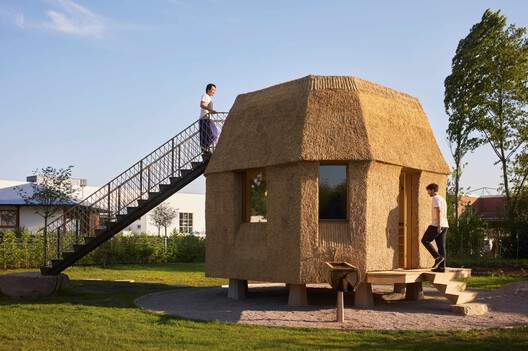
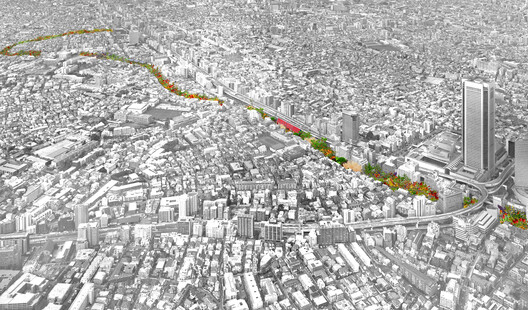
Atelier Tsuyoshi Tane Architects (ATTA) was founded by Japanese architect Tsuyoshi Tane and is based in Paris, while many of its recent projects, across diverse typologies and scales, are realized in Japan. The studio is currently renovating the Imperial Hotel in Tokyo and developing a new green plan for the city. Recently, ATTA completed a garden pavilion on the campus of the Vitra Design Museum. Tsuyoshi Tane's methodology, described as an "Archaeology of the Future," is based on site mapping and the collection of historical materials and narratives. The studio's projects are informed by in-depth research into traditional construction methods, geological transformations, urban planning histories, and cultural customs and rituals. As stated in his architectural manifesto, archaeology of the future is practiced through the investigation of time, memory, space, and place.
Related Article
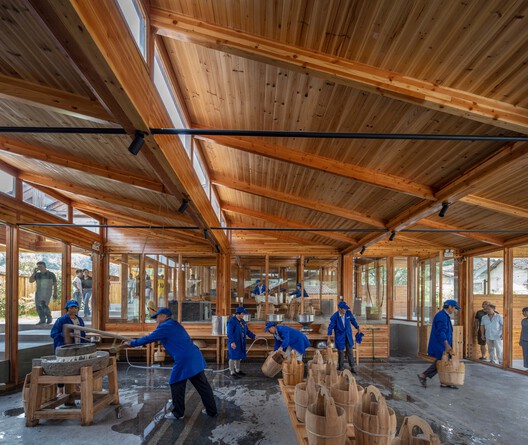
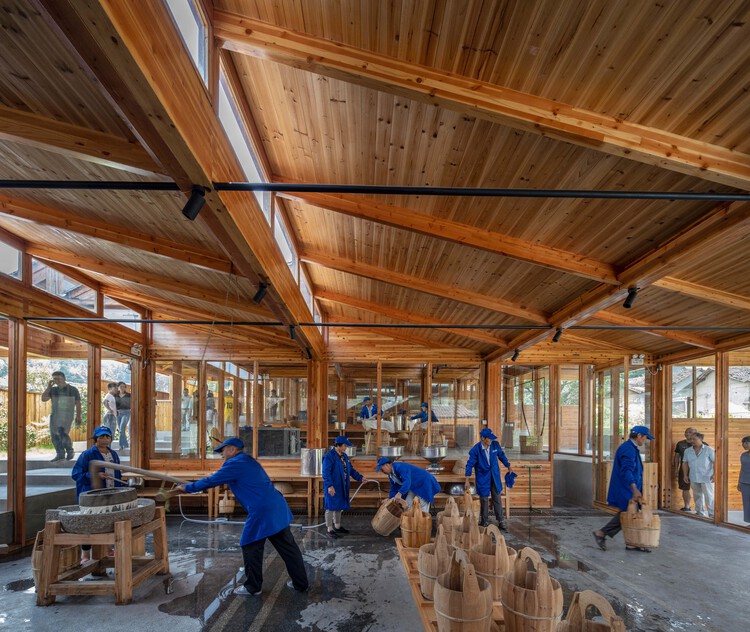
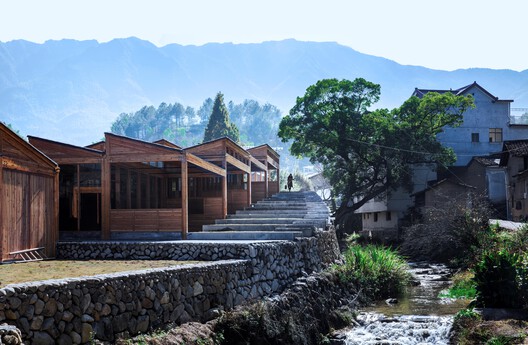
Make Materials Matter: Louisiana Channel Releases New Documentary on Danish Architect Søren PihlmannDnA_Design and Architecture is a Chinese studio founded by Xu Tiantian. Her methodology is described as "architectural acupuncture" and "productionscape," two concepts introduced in the exhibition. Architectural acupuncture, inspired by traditional Chinese therapy, refers to revitalizing architectural heritage without the need for comprehensive renovation. As Xu Tiantian explains, "We can find many reasons to build, but to create architecture, a building isn't always necessary." The practice works both on new construction and on the revitalization of traditional buildings in rural Chinese regions, where the idea of the productionscape, a hybrid factory and visitor center, plays a central role. Traditional production industries, often located in depopulated rural areas, are given new architectural frameworks that meet contemporary requirements while facilitating production and accommodating visitor experiences.
The Louisiana Museum of Modern Art in Denmark is widely known for Louisiana Channel, one of the world's largest platforms dedicated to contemporary art content, featuring artists, architects, and writers across more than 1,300 videos. During the closing week of the Venice Architecture Biennale, Louisiana Channel also launched a new film titled Søren Pihlmann: Make Materials Matter, offering insight into the work and thinking of the founding architect of Pihlmann Architects and his vision of Danish architecture, building practices, and material sensitivity. Other recent interviews include Chinese architect Zhu Pei on architecture as an artistic discipline akin to poetry; Japanese architect Riken Yamamoto on the social role of architecture and the relationship between housing and context; and Mexican architect Gabriela Carrillo on public space, land art, and the role of the preexisting in spatial transformation.


