-
Architects: Hype Studio
- Area: 90 m²
- Year: 2017
-
Manufacturers: Artfreezer, CJ Klein, Mezas, Rosito Luce


The mid-twentieth century marked a transformative period for Africa as 29 countries achieved independence between 1956 and 1964, signaling the dawn of the nation-state across the continent. This era resonated with a spirit of liberation and progress, paralleling the global movements of that time, such as the establishment of international organizations like the United Nations (1945) and the Organization of African Unity (1963). Within this context, Modernist architecture emerged as a powerful symbol of national identity, ambition, and the collective aspiration for a brighter future. As newly independent nations sought to define themselves apart from their colonial pasts, the adoption of Modern Movement principles facilitated the construction of key infrastructures, such as convention centers, parliament buildings, and hotels, as well as the development of architectural education, as native-trained architects begun to either replace or cooperate with foreign-born professionals.

This article inaugurates a new series titled Rediscovering Modernism in Africa, aiming to explore the architectural legacy of the Modern Movement in Africa, highlighting its role in nation-building and the evolution of architectural education, while shedding light on the architects and movements that shaped this transformative era.

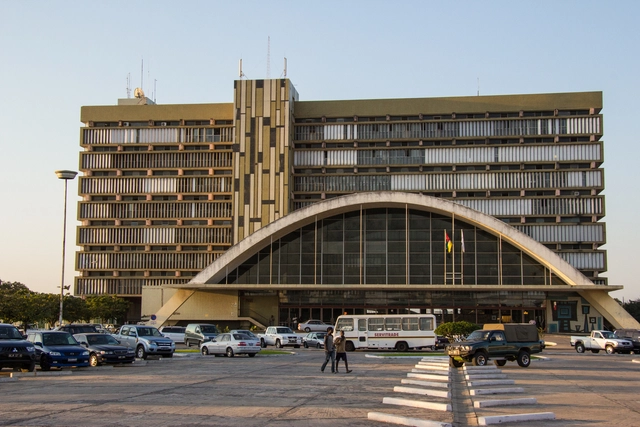
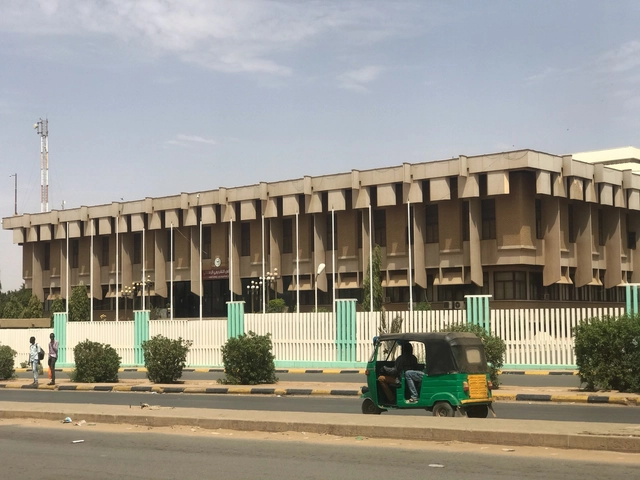
As, one by one, the African nations gained their independence in the middle of the twentieth century, building programs were central to the process of nation-building. In several of those countries, this included the construction of the state's institutions such as their respective national assembly. These buildings not only facilitate the legislative process but also symbolize the new nation's governance, identity, and aspirations. The period of independence movements also coincided with the introduction of the Modern Movement across the continent, which was associated with progress and a break from the colonial past. Across Africa, some national assemblies were constructed early and were part of the nationalization process that preceded independence, while some were constructed long after.

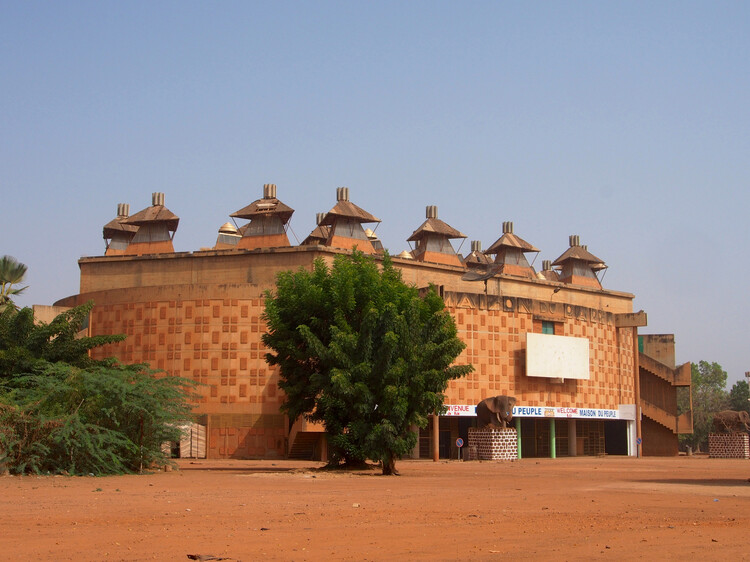
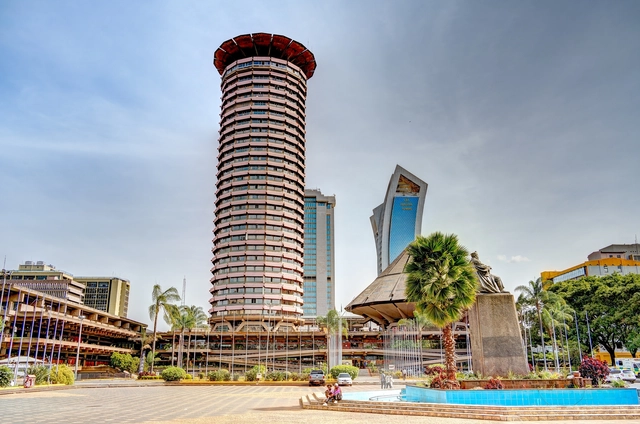
The modern and futuristic architecture of Sub-Saharan Africa reflects the aspirations and progressive spirit that dominated the early years of independence for many countries in this region between the late 1950s and early 1960s. This architectural production, coinciding with economic growth, employed complex construction methods in designs that seamlessly blended interior and exterior spaces (thanks to the tropical climate), focusing on form and expression of materiality. From this fusion of specific conditions emerged architectural masterpieces of unique value that demand 'rediscovery,' among them the Kenyatta International Convention Center (KICC) in Nairobi, Kenya.