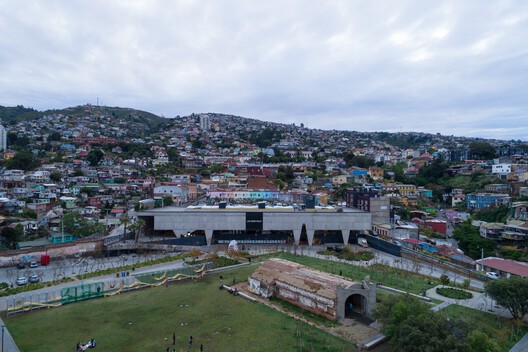
From October 9 to 11, "Oficios en obra" (Trades at Work) will take place at the Parque Cultural de Valparaíso in Chile, a learning and collaboration event centered on the city's traditional construction trades. Organized by the Municipality, the gathering seeks to highlight and preserve work techniques historically tied to the construction of Valparaíso, promoting their recognition and helping ensure their continuity among new generations through activities that are open and free to the public. Once the most important port on the South Pacific, Valparaíso's architecture bears witness to diverse applications of structural timber, rammed earth, and industrial technologies imported during the 19th century. This makes it a subject of study for traditional trades and construction techniques that are being revalued in contemporary contexts of climate and economic crisis, serving as an alternative path forward.

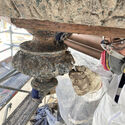


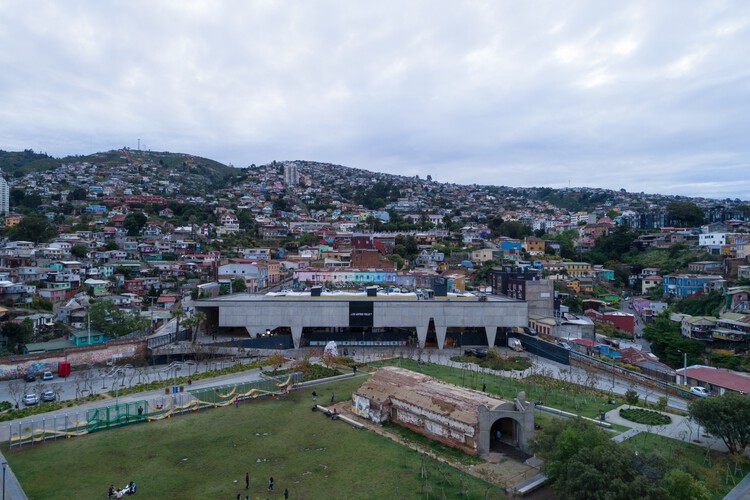
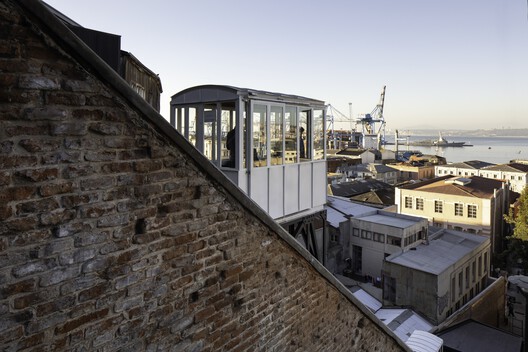
The main objective of "Oficios en obra" is to create a space for exchange, learning, and collaboration around the city's tangible and intangible heritage. Over three days, the event will bring together master tradespeople, practitioners, training institutions, sector businesses, heritage-related organizations, and the community, through trade stands, workshops, and city routes. The program, which includes two days of music, features dialogue panels, keynote talks, hands-on workshops, live demonstrations, knowledge-sharing sessions, heritage routes, and stands, organized around five thematic areas addressing contemporary challenges facing these traditional forms of knowledge.
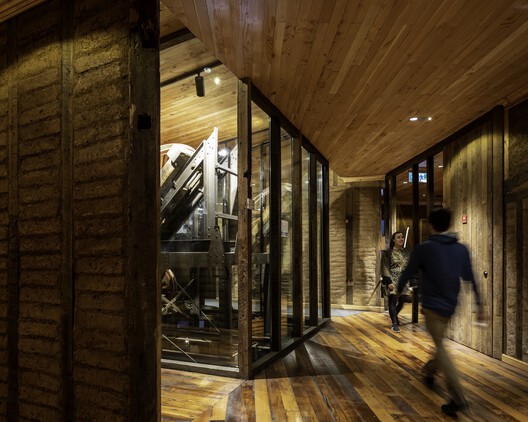

As the first event of its kind in the region, it sets out to explore the relationship between tradition and innovation, considering the incorporation of new technologies into heritage construction (commonly understood as construction that incorporates traditional methods or local materials). Next, and as the gathering's core objective, comes the concern for safeguarding and passing on knowledge, examining the relationship between practitioners, restorers, and companies, the role of specialized master tradespeople, the development of trade schools, and the identification of trades at risk of disappearing.
A third thematic area involves putting traditional knowledge to use in promoting more sustainable construction practices, tied to the use of local materials, efficient resource management, and heritage conservation from an environmentally responsible perspective. From an even more timely angle, the event's fourth thematic area addresses the visibility of the gaps, barriers, and challenges faced by women and gender-diverse individuals in a historically male-dominated sector, bringing a gender lens to the study of heritage trades.
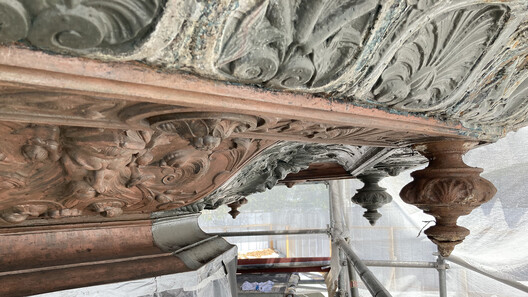
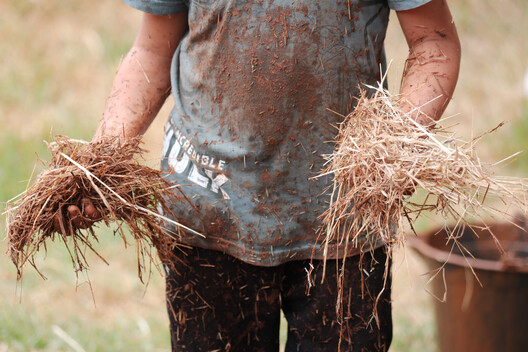
Finally, the last thematic area of "Oficios en obra" focuses specifically on the city of Valparaíso and the material, regulatory, and economic challenges involved in conserving and maintaining its built heritage. In 2003, UNESCO inscribed the historic quarter of Valparaíso on the World Heritage List for its outstanding universal value, one that transcends borders and generations. The decision was based on criterion (iii), "an outstanding testimony to the early phase of globalization at the end of the 19th century, when it became the leading merchant port on the sea routes of the Pacific coast of South America." The event proposes to examine management challenges tied to the implementation of the World Heritage Site's Management Plan, the restoration of heritage housing, disaster and risk management, and the recovery of public space as a common good.
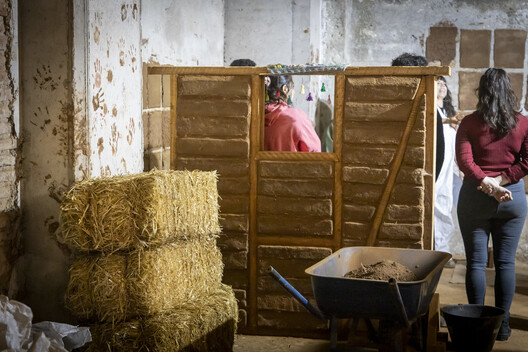
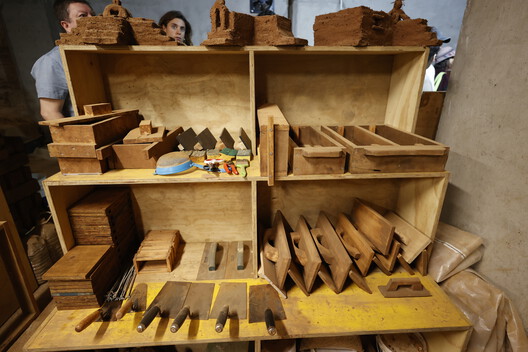
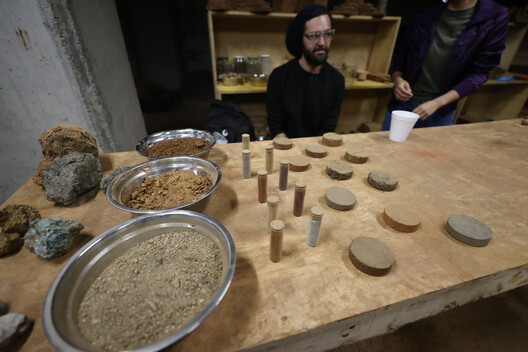
This first edition joins other local initiatives driven by historical conservation, understood not only as built form, but also as a way of doing things and sustaining them over time. Over the past three years, the Municipality of Valparaíso itself has established a Heritage Trades School offering free courses open to the community through an application system. The training cycles include courses in carpentry, mold-making, rammed-earth construction, and public statuary restoration, focused on the techniques and materials found in the city's buildings and public spaces. As with 'Oficios en obra,' the purpose is to foster the joint generation of knowledge about construction trades, as well as to provide citizens with more tools to understand and develop heritage restoration projects.
Other recent news about heritage preservation worldwide includes a new workspace project in London by the art, architecture, and design collective Assemble, transforming a Grade II*-listed building into a new creative and light industrial workspace. Since its founding in 2010, the studio has built a community around craft and making by providing creative and light industrial spaces resilient to market forces, working as a platform for ecologically and socially engaged work. In early August, the Getty Foundation's Conserving Black Modernism program, dedicated to preserving the architectural contributions of African American architects in the Modernist movement across the United States, announced five new grantee sites, while the UNESCO World Heritage Committee announced 25 new inscriptions to the World Heritage List during its 48th session, including 19 cultural properties, five natural sites, and one mixed property.


