1. ArchDaily
  2. Tradition

Tradition: The Latest Architecture and News

See and Foresee: Architectural Research Across Four Southeastern European Cities

 | Sponsored Content

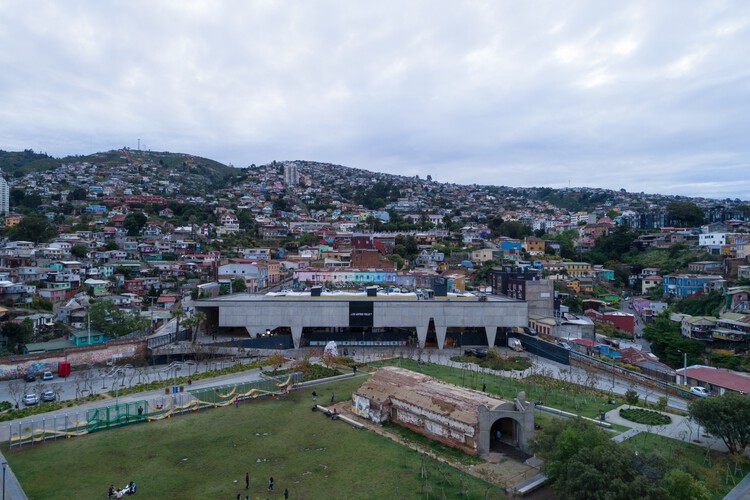
Cities in Southeastern Europe do not wait to be read. They accumulate, layer upon layer of socialist planning, post-socialist disruption, and the quieter, less legible work of citizens remaking space from the ground up. Here, space and legacy insist on their own terms. What happens to architectural research when the cities that we observe already seem to know something our discipline has not yet learned to see?
Architecture that Empowers Communities: The Stories Behind Francis Kéré’s Projects

Subscriber Access | 

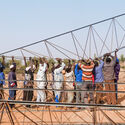
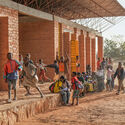
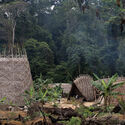
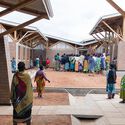
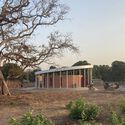
"My only concern is that my work must have a positive impact on the communities in which it is embedded," states Francis Kéré in his book Francis Kéré: Building Stories. His own life story, the context in which he was raised, and the experiences he has lived through all shape his approach to architecture. It is a commitment that extends to people and the places they call home—one that values materiality, collective learning, and the exchange of knowledge. Discovering the stories behind projects such as Primary School in Gando and Naaba Belem Goumma Secondary School inspires reflection on how to design spaces that truly serve humanity.

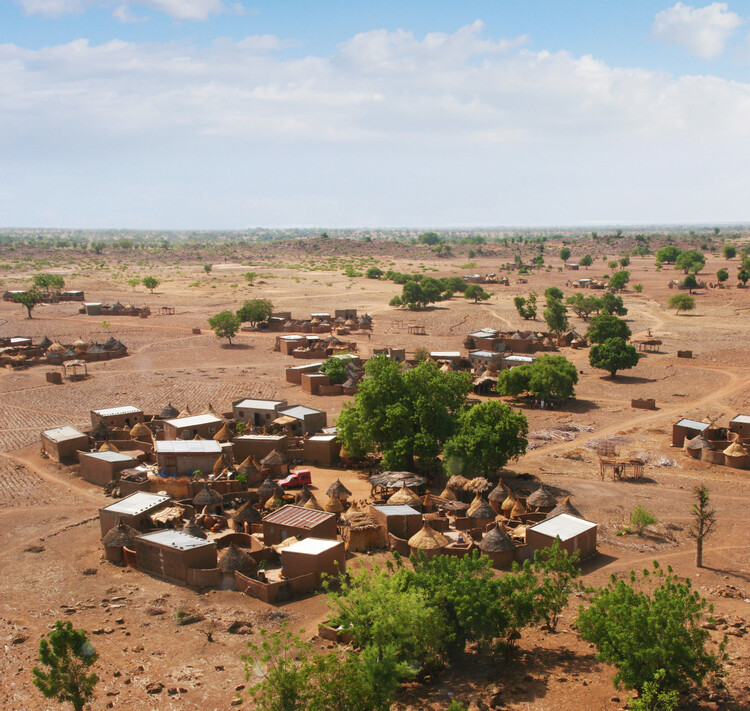
Francis Kéré's story begins in a village in sub-Saharan Africa and extends across many places. Gando was the setting of his first education, where he absorbed the essence and principles that later shaped the core values of his career alongside influences from other cultures. The structure of Gando is formed by different families who organize themselves, according to established customs, within courtyards scattered across the savanna. Growing up in this remote village in the Burkina Faso savanna fosters a strong sense of community, made tangible by the understanding that each resident of every courtyard is part of the life of the whole.

Architecture that Empowers Communities: The Stories Behind Francis Kéré’s Projects - Image 1 of 4Architecture that Empowers Communities: The Stories Behind Francis Kéré’s Projects - Image 2 of 4Architecture that Empowers Communities: The Stories Behind Francis Kéré’s Projects - Image 3 of 4Architecture that Empowers Communities: The Stories Behind Francis Kéré’s Projects - Image 4 of 4Architecture that Empowers Communities: The Stories Behind Francis Kéré’s Projects - More Images+ 25

Designing with What Exists: Rieder’s HQ Expansion Turns Residual Materials into Facade Design

 | In Collaboration

What if industrial leftovers weren't waste, but the start of architectural design? At Rieder's headquarters in Maishofen, Austria, over 1,300 cubic meters of timber, 180 ceiling elements, and hundreds of upcycled glassfiber-reinforced concrete fragments come together in a building shaped as much by reuse as by planning. The new production hall, designed by Kessler² Architecture, treats material leftovers as a design resource. Developed as part of a long-term investment in sustainable manufacturing, the timber-concrete hybrid building introduces a facade technique that inverts conventional architectural workflows: instead of designing first and producing components afterward, the building envelope is generated from the material remnants already available on site establishing a new language for industrial architecture.

Architecture in Ecuador: 16 Projects Rooted in Territory, Craft, and Collective Practice

Subscriber Access | 

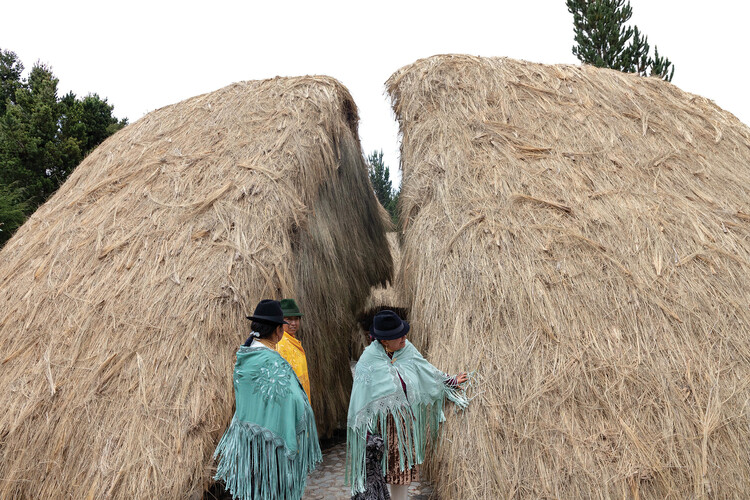
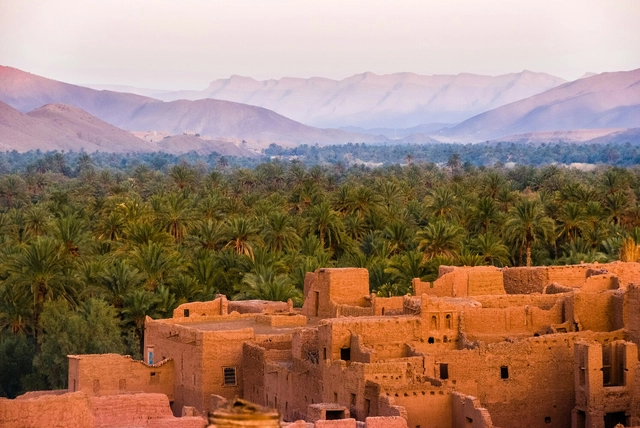
Between the Andes, the coast, and the Amazon, Ecuador's architecture has evolved as a reflection of its layered geography, a place where climate, topography, and culture unite. Throughout the territory, architecture has been an act of adaptation: from vernacular traditions rooted in collective labor and local materials to the colonial and modernist influences that reshaped its cities. This diversity has produced distinct constructive systems, from bamboo and cane structures along the coast to earth and stone constructions in the Andes, forming an archive of adaptive design that continues to influence contemporary practice.

Yet in the past decade, Ecuadorian architecture has undergone a quiet but deep transformation. New academic programs and international references have encouraged a growing awareness of climate and social justice. Emerging architects are redefining practice through workshops, collective studios, and on-site experimentation that blurs the line between design and activism. No longer focused on architecture as an object, a new generation of architects is approaching design as a process. One focused on collaboration, sustainability, and cultural identity. Their questions have shifted the design language from what to build to with whom.

Architecture in Ecuador: 16 Projects Rooted in Territory, Craft, and Collective Practice  - Image 1 of 4Architecture in Ecuador: 16 Projects Rooted in Territory, Craft, and Collective Practice  - Image 2 of 4Architecture in Ecuador: 16 Projects Rooted in Territory, Craft, and Collective Practice  - Image 3 of 4Architecture in Ecuador: 16 Projects Rooted in Territory, Craft, and Collective Practice  - Image 4 of 4Architecture in Ecuador: 16 Projects Rooted in Territory, Craft, and Collective Practice  - More Images+ 12

Rugs as Woven Memory: How Origin and Materiality Shape Interiors

 | In Collaboration

Materials can carry memory. They do more than finish a space; they can anchor it, shape atmosphere, and connect interiors to broader cultural and material narratives. Some architects and designers explore local techniques, natural resources, and craft traditions to balance cultural preservation with modern functionality, introducing context and depth. This is not necessarily a return to the past, but a reinterpretation of inherited knowledge to create architecture that resonates with contemporary needs.

Tradition, Innovation and Experimentation: Contemporary Mexican House Through the Lens of Edmund Sumner

Subscriber Access | 

Blending vernacular techniques with contemporary experimentation, Mexico's architectural landscape is shaped by a continuous dialogue between tradition, materiality, and modernity. As the fifth most biodiverse country in the world, Mexican architecture seeks to respond to its vast range of natural environments, climates, and cultural traditions, all within a territory marked by striking contrasts. Reflecting a visible duality, it can embody both exclusivity and act as a catalyst for social transformation.

Tradition, Innovation and Experimentation: Contemporary Mexican House Through the Lens of Edmund Sumner - Image 1 of 4Tradition, Innovation and Experimentation: Contemporary Mexican House Through the Lens of Edmund Sumner - Image 2 of 4Tradition, Innovation and Experimentation: Contemporary Mexican House Through the Lens of Edmund Sumner - Image 3 of 4Tradition, Innovation and Experimentation: Contemporary Mexican House Through the Lens of Edmund Sumner - Image 4 of 4Tradition, Innovation and Experimentation: Contemporary Mexican House Through the Lens of Edmund Sumner - More Images+ 20

Inhabiting a Layered Past: How Contemporary Design Is Transforming Colonial Houses in Mérida, Mexico

Subscriber Access | 

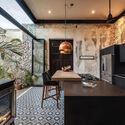
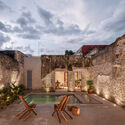
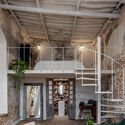
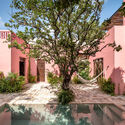
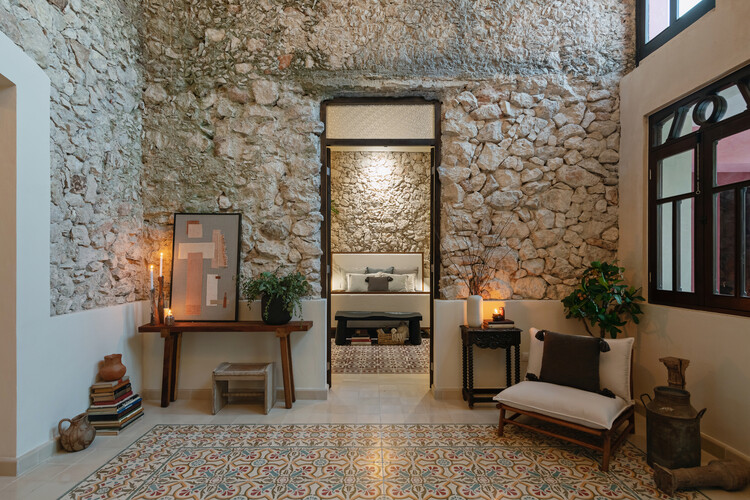
In the pursuit of connecting with the architectural traditions of cities and integrating their natural environments into design projects, the contemporary reinterpretation of colonial homes in Mexico faces the challenge of enhancing the contrast between the old and the new. Through the conservation of historical elements, the reuse of materials, and the fusion with contemporary design, the architecture of Mérida recognizes in its original colonial configuration new opportunities to create spaces in line with today’s demands. From achieving a direct connection with nature to naturally lighting and ventilating interior spaces, numerous ancient constructions, whether in ruins or not, choose to highlight their architecture by giving them a new life.

Inhabiting a Layered Past: How Contemporary Design Is Transforming Colonial Houses in Mérida, Mexico - Image 1 of 4Inhabiting a Layered Past: How Contemporary Design Is Transforming Colonial Houses in Mérida, Mexico - Image 2 of 4Inhabiting a Layered Past: How Contemporary Design Is Transforming Colonial Houses in Mérida, Mexico - Image 3 of 4Inhabiting a Layered Past: How Contemporary Design Is Transforming Colonial Houses in Mérida, Mexico - Image 4 of 4Inhabiting a Layered Past: How Contemporary Design Is Transforming Colonial Houses in Mérida, Mexico - More Images+ 26

The Intelligence of What Remains: On Archiving and Architectural Knowledge

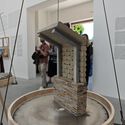
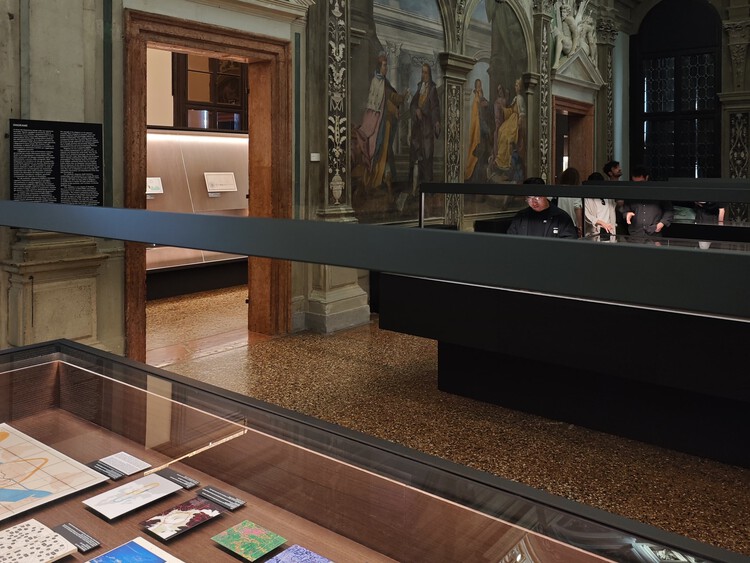
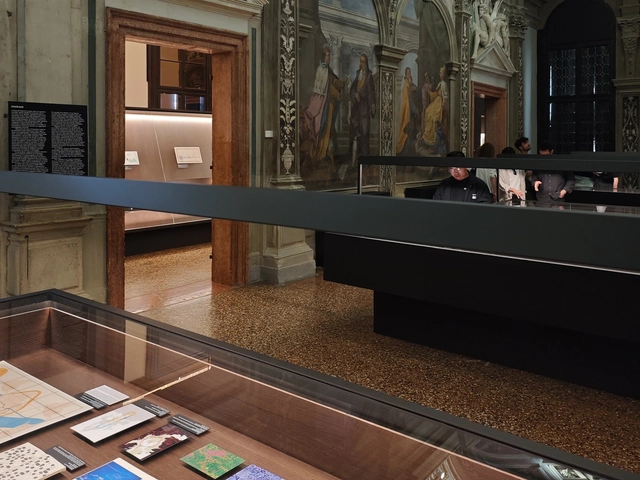
When we speak of intelligence at the 2025 Venice Biennale, the main exhibition broadly categorizes it into three domains: natural, artificial, and collective. While much attention has been drawn to robotic performances, future-forward material experiments—such as Boonserm Premthada's elephant dung bricks, or Canada's display of mesmerizing picoplankton, one often overlooked yet critical form of collective intelligence lies in the act of archiving.

Several national pavilions showcase this collective intelligence through beautifully curated exhibitions—the Spanish Pavilion's witty play on scale, for instance, features meticulously crafted models that invite close reading and delight. These curated collections offer a snapshot of the present, and in some cases, gestures toward the future. But without critically engaging with the past, without documenting and making sense of our shared spatial and architectural knowledge, the potential of collective intelligence remains incomplete. Archiving is not simply an act of preservation; it is a generative tool for projecting new futures.

The Intelligence of What Remains: On Archiving and Architectural Knowledge - Image 1 of 4The Intelligence of What Remains: On Archiving and Architectural Knowledge - Image 2 of 4The Intelligence of What Remains: On Archiving and Architectural Knowledge - Image 3 of 4The Intelligence of What Remains: On Archiving and Architectural Knowledge - Image 4 of 4The Intelligence of What Remains: On Archiving and Architectural Knowledge - More Images+ 10

Rooted in Tradition, Nature, and Community: Wellness and Healing Spaces from the North to the South Africa

Wellness and healing spaces are shaped by cultural traditions, geographical contexts, and social structures. Across the world, certain practices have been deeply rooted for centuries, like Roman baths, Turkish hammams, and Japanese onsens, while others evolve by drawing inspiration from rituals or redefining their own concept and image of a healing environment. Europe, North America, and Oceania are characterized by a focus on personal journeys, self-care, and often luxurious wellness spaces. Asia shapes the prevailing global perception of wellness through meditation-based healing, inner reflection, and holistic retreats. In Africa, wellness is deeply rooted in ancestral traditions, integrated with nature, and centered around community and social interaction. The commonality worldwide lies in sensory engagement, relaxation, and holistic healing, often tied to nature. But what does wellness look like in Africa? What are the healing spaces that shape it, and what architectural languages define wellness from north to south?

Rooted in Tradition, Nature, and Community: Wellness and Healing Spaces from the North to the South Africa - Image 1 of 4Rooted in Tradition, Nature, and Community: Wellness and Healing Spaces from the North to the South Africa - Image 2 of 4Rooted in Tradition, Nature, and Community: Wellness and Healing Spaces from the North to the South Africa - Image 3 of 4Rooted in Tradition, Nature, and Community: Wellness and Healing Spaces from the North to the South Africa - Image 4 of 4Rooted in Tradition, Nature, and Community: Wellness and Healing Spaces from the North to the South Africa - More Images+ 2

A Cultural, Architectural, and Territorial Tradition: Houses That Recycle and Showcase Wooden Shingles in Chile

Subscriber Access | 

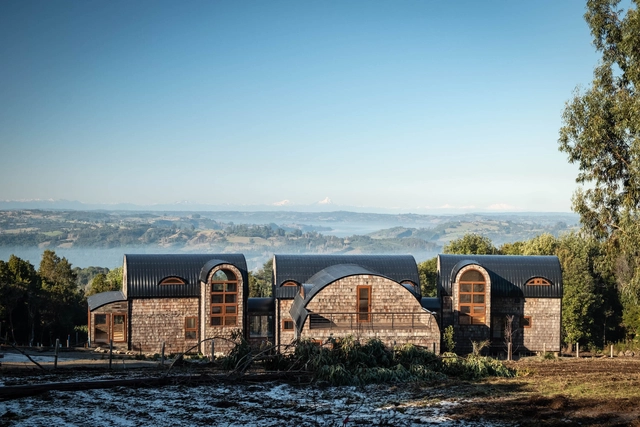
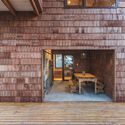
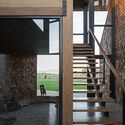
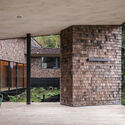
On a slope, along the banks of a river, among trees, or on an expansive hillside, each territory serves as a living testament to its local traditions. Through its architecture, the experimentation, appreciation, and use of certain materials, construction techniques, local crafts, and site-specific tools aim to preserve stories and pass on the discoveries and learnings that have shaped many of the practices still used in construction today. In Chile, the language of wooden shingles evokes a reflection rooted in history and an understanding of relationships, timelines, and life networks.

A Cultural, Architectural, and Territorial Tradition: Houses That Recycle and Showcase Wooden Shingles in Chile - Image 1 of 4A Cultural, Architectural, and Territorial Tradition: Houses That Recycle and Showcase Wooden Shingles in Chile - Image 2 of 4A Cultural, Architectural, and Territorial Tradition: Houses That Recycle and Showcase Wooden Shingles in Chile - Image 3 of 4A Cultural, Architectural, and Territorial Tradition: Houses That Recycle and Showcase Wooden Shingles in Chile - Image 4 of 4A Cultural, Architectural, and Territorial Tradition: Houses That Recycle and Showcase Wooden Shingles in Chile - More Images+ 26

On the New Life of Buildings: Concepts, Reflections, and Adaptive Reuse Projects of 2024

Discussing adaptive reuse involves exploring multiple fields of action and disciplines, interpreting opposing perspectives and opinions from various stakeholders, and even sparking the reactivation or revitalization of certain spaces in favor of communities. In recent years, notable projects have emerged, such as the conversion of factories and industrial warehouses, as well as the transformation of industrial structures into modern offices. Adaptive reuse of existing buildings has continued to evolve and expand globally throughout 2024, aiming to improve the quality of life for residents while also contributing to environmental sustainability.

On the New Life of Buildings: Concepts, Reflections, and Adaptive Reuse Projects of 2024 - Image 1 of 4On the New Life of Buildings: Concepts, Reflections, and Adaptive Reuse Projects of 2024 - Image 2 of 4On the New Life of Buildings: Concepts, Reflections, and Adaptive Reuse Projects of 2024 - Image 3 of 4On the New Life of Buildings: Concepts, Reflections, and Adaptive Reuse Projects of 2024 - Image 4 of 4On the New Life of Buildings: Concepts, Reflections, and Adaptive Reuse Projects of 2024 - More Images+ 19

Interfaith Spaces: Architectural Responses to Religious Diversity

In an increasingly diverse world, the emergence of multi-faith spaces represents a significant shift in architectural design, reflecting the evolving religious landscape of contemporary society. These spaces, which began to be formally established in the 1950s in public buildings like airports and hospitals, serve as microcosms of social transformation and peaceful coexistence. They allow various traditions to harmoniously share environments, embodying principles of inclusivity, flexibility, and adaptability.

As communities grow more multicultural and increasingly diverse, these spaces serve as physical manifestations of religious inclusion, encouraging the acceptance of religious and ethnic minorities within multicultural landscapes. Their proliferation reflects a growing need for inclusive environments that cater to diverse spiritual needs while promoting interfaith understanding. However, designing and implementing these spaces presents complex challenges, often sparking debates about representation, neutrality, and the very nature of sacred space. These discussions underscore the delicate balance architects must strike in creating spaces that are both universally welcoming and spiritually meaningful.

Interfaith Spaces: Architectural Responses to Religious Diversity - Image 2 of 4Interfaith Spaces: Architectural Responses to Religious Diversity - Image 7 of 4Interfaith Spaces: Architectural Responses to Religious Diversity - Image 25 of 4Interfaith Spaces: Architectural Responses to Religious Diversity - Image 8 of 4Interfaith Spaces: Architectural Responses to Religious Diversity - More Images+ 24

Swissness Framed: Micromechanics and Minimalist Windows in Modern Architecture

 | Sponsored Content

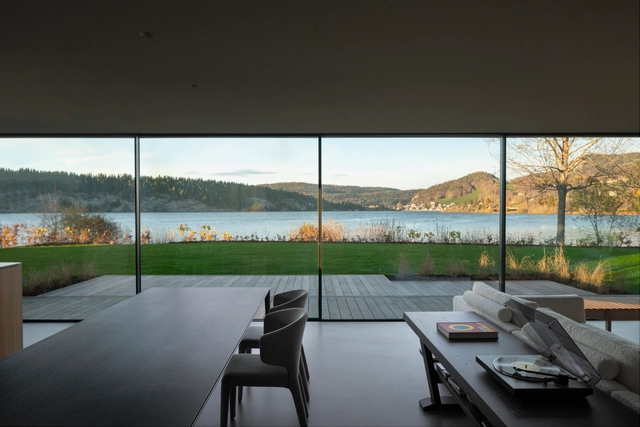
Each region possesses a distinct architectural identity, serving as a cultural "fingerprint" that makes it uniquely recognizable. Italian design, for instance, draws from the Roman legacy using stone and light hues. Turkey is distinguished by intricate glazed tilework that adorns walls and ceilings, whereas Mexico embraces vibrant colors and textures through local materials and artisanry. Many of these elements are rooted in heritage-based practices, yet over time, they have been reimagined and transformed through new processes, giving rise to contemporary architectural expressions. In Switzerland, the concept of "Swissness" frames this core identity—a fusion of watchmaking precision and functionality. Rooted in micromechanics, Swiss engineering, and craftsmanship converge in the design of modern minimalist windows, where clean lines and transparency redefine boundaries and shape the architectural language.

Bali: Balancing Architectural Tradition and Modernity

Subscriber Access | 

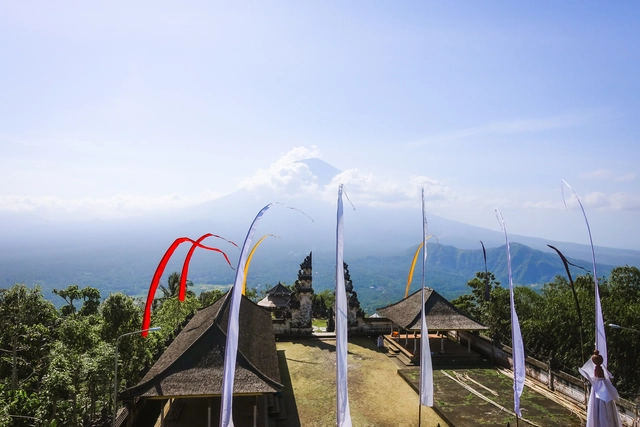
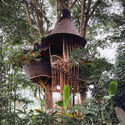
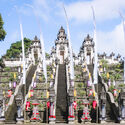
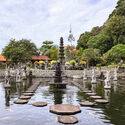
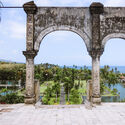
Bali, often called the "Island of the Gods," is known for its unique harmony between the microcosm of human life and the macrocosm of the natural environment. This delicate balance is deeply embedded in its traditional architecture, which reflects a synergy between cultural, religious, and environmental elements. Home to approximately four million people, Bali is Indonesia's only Hindu-majority province. While 1.7% of Indonesia's total population practices Hinduism, 87% of Bali's residents follow the faith. Over centuries, Balinese architecture has evolved through influences from the ancient Bali Aga culture, the Majapahit Kingdom, Dutch colonization, migration, and the rise of global tourism. Visitors are captivated not only by its temples and natural beauty but also by its evolving architectural styles, which strive to preserve the island's cultural essence.

Bali: Balancing Architectural Tradition and Modernity - Image 1 of 4Bali: Balancing Architectural Tradition and Modernity - Image 2 of 4Bali: Balancing Architectural Tradition and Modernity - Image 3 of 4Bali: Balancing Architectural Tradition and Modernity - Image 4 of 4Bali: Balancing Architectural Tradition and Modernity - More Images+ 5

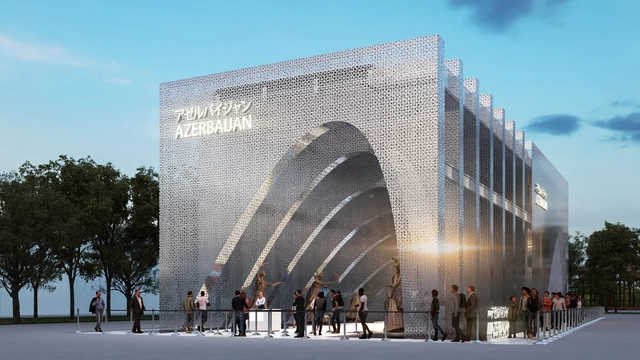
Azerbaijan Pavilion at Expo 2025 Osaka, Designed by Bellprat Partner, Leads Visitors on a Journey Through Traditions

The Republic of Azerbaijan has just revealed its design for it's pavilion at Expo 2025 in Osaka, Kansai. Shining a spotlight on the country's culture, history, and forward-thinking approaches, the pavilion aims to promote connection and sustainability. Designed by Bellprat Partner in collaboration with Eleven, the pavilion will offer visitors a journey through Azerbaijan's rich traditions while emphasizing its modern goals for sustainability and international cooperation.

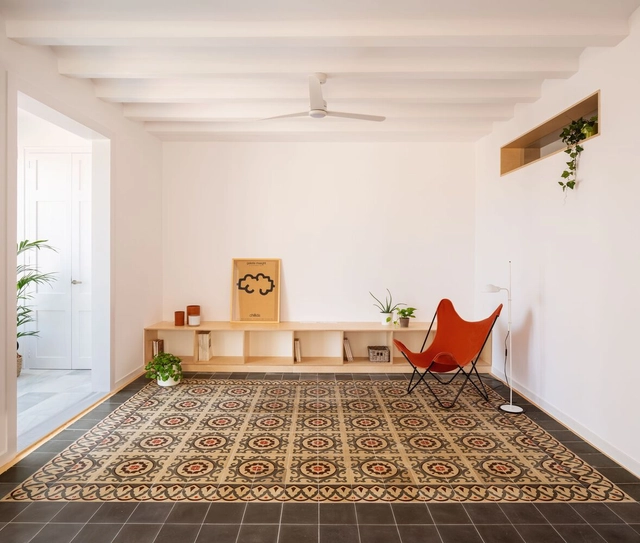
Renovations in Barcelona: 8 Apartments that Preserve Their Hydraulic Tile Floors

Subscriber Access | 

In the quest to preserve certain architectural, historical, and cultural features of original Catalan homes, apartment renovations are conceived as a means of connecting the past and the present through the recovery and/or restoration of coverings, flooring, carpentry, facades, and more. The history of ceramics in Spain has evolved over the years, experiencing periods of productive flourishing as well as decline. However, the expressive language, versatility, and adaptability of hydraulic tiles to tradition and the future stand out in homes' interior and exterior spaces with their wide combination of colors, textures, and patterns.

Renovations in Barcelona: 8 Apartments that Preserve Their Hydraulic Tile Floors - Image 1 of 4Renovations in Barcelona: 8 Apartments that Preserve Their Hydraulic Tile Floors - Image 2 of 4Renovations in Barcelona: 8 Apartments that Preserve Their Hydraulic Tile Floors - Image 3 of 4Renovations in Barcelona: 8 Apartments that Preserve Their Hydraulic Tile Floors - Image 4 of 4Renovations in Barcelona: 8 Apartments that Preserve Their Hydraulic Tile Floors - More Images+ 7

Hotels in Mexico: Utilizing Natural Materials and Waste in Contemporary Construction

In the quest to promote a more sustainable construction where the use of natural materials contributes to the transmission of local traditions and cultures, an increasing number of architecture projects are exploring different resources and techniques to address environmental, economic, or social concerns. Understanding the benefits and qualities of materials such as color or texture influences the final experience of those who inhabit, walkthrough, or visit spaces. Therefore, understanding their technical, constructive, aesthetic, and functional properties should be part of the design process from the beginning.

The Time-Defying Nature of Living Architectural Traditions

This article was originally published on Common Edge.

Traditional architecture is perceived as being historical architecture, both by the general public and by design professionals. Put another way, “traditional” = “style.” There’s no awareness of the process of tradition that creates what’s later considered a style. Modernism takes this perception one step further and frames traditional architecture as “not of our time,” and therefore obsolete.

The Time-Defying Nature of Living Architectural Traditions - Image 1 of 4The Time-Defying Nature of Living Architectural Traditions - Image 2 of 4The Time-Defying Nature of Living Architectural Traditions - Image 3 of 4The Time-Defying Nature of Living Architectural Traditions - Image 4 of 4The Time-Defying Nature of Living Architectural Traditions - More Images+ 5