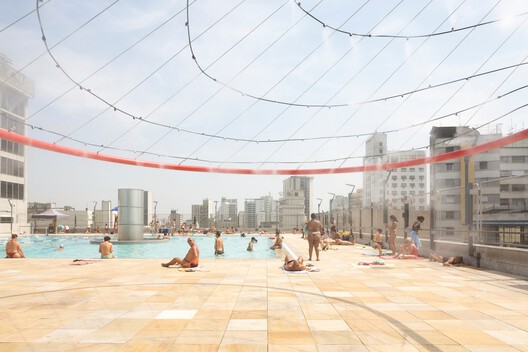
On the International Day of Democracy, this year the United Nations revisits a traditional idea within the concept: broad citizen participation in government decision-making. On this occasion, the international body invites reflection on how participation and the inclusion of diverse voices in government decision-making can help build a more equitable society. From a spatial perspective, reflection on democracy can move beyond this vertical framing and instead understand it through encounter. What does it mean for a space to be democratic? How can architecture contribute to achieving the principles historically associated with democracy? In the current context of crisis in political organization systems worldwide, this day serves as a platform to question individualization and authoritarianism through the socio-spatial tools available to us.

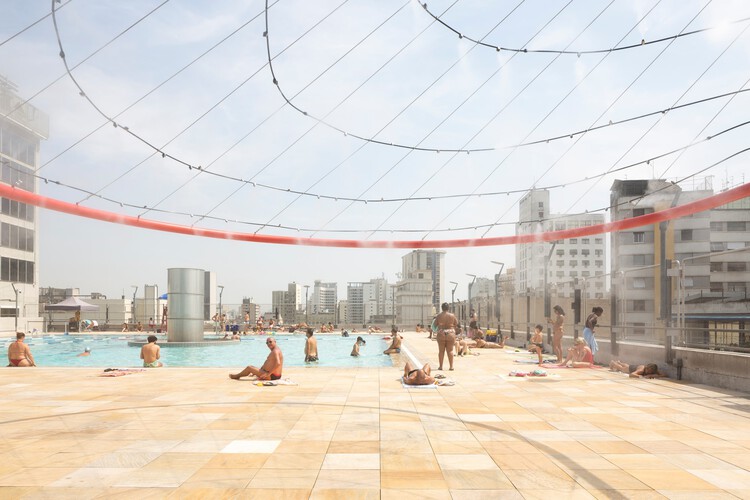
Broad as it is, the concept of democracy is neither neutral nor objective. Historically, democracy has also been used as grounds for processes of colonization, the validation of abusive power structures, and the protection of private property. However, the concept is largely understood as a channel toward shared values such as justice, equity, and social security. In the words of the United Nations, "as much a process as a goal." How can we pursue these values through the design of the built environment and the study of territory? From the angle of freedom of expression, we can understand public space as a platform for encounters between strangers, capable of fostering dialogue and tolerance. From the angle of territorial justice, we have design and private-property regulation tools available to confront the climate crisis and issues of representation and access to housing. At the scale of the building, we can recognize both construction as a political activity and buildings as bearers of social symbols.
Below, we present a selection of articles on four themes: public spaces for participation, climate resilience and property in the territory, public policies for fair access to housing, and symbolism in the design of our buildings. The aim is to open up reflection on the relationship between architecture and democracy from a global, open, and civic perspective.
Related Article
The German Pavilion Examines Coexistence and Democracy Through "CONVIVERE" at the 2027 Venice Architecture BiennalePublic Spaces for Encounters Between Strangers: Dialogue, Participation, and Protest
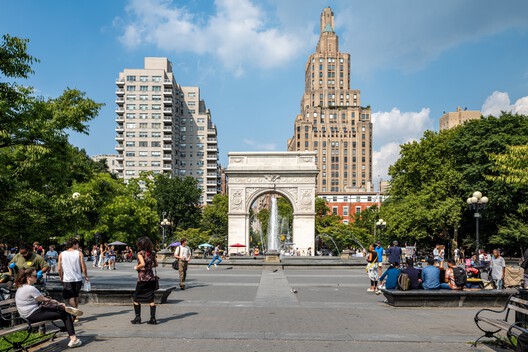
The Role of Urban Spaces in Shaping Movements: 7 Sites of Resistance and Protest Across the USA
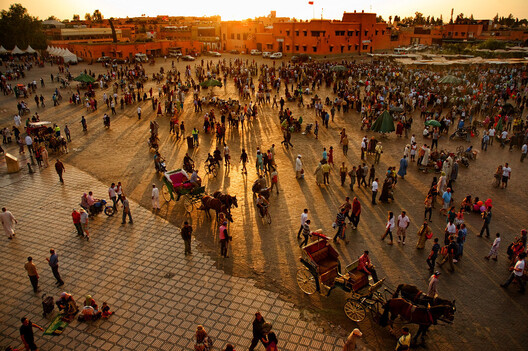
Places of Protest in Africa: Public Spaces for Engaging & Fostering Democracy
The Role of Urban Design in Women's Safety: Lessons from Four Public Spaces
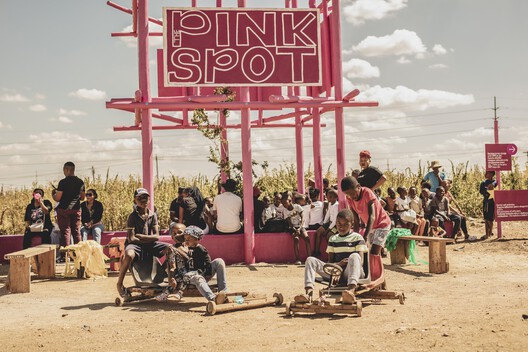
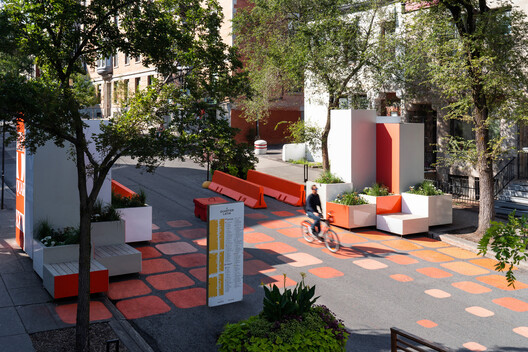
The Role of Color in Urban Space: Designing for Safety and Accessibility
Tools for Territorial Justice: Property, Climate Resilience, and Representation
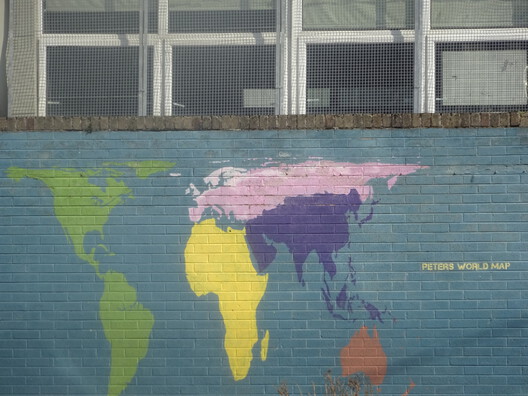
Mapping Narratives: What the UN Map Reveals About Symbolic Reparations
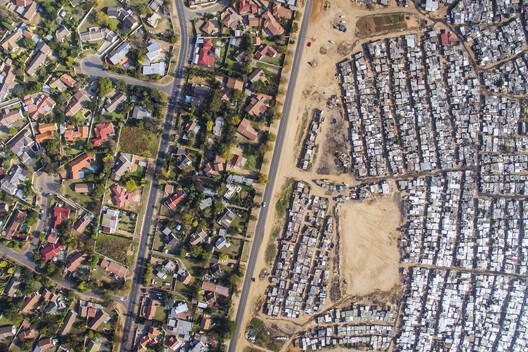
Unearthing the Ground: Architecture and the Politics of Soil
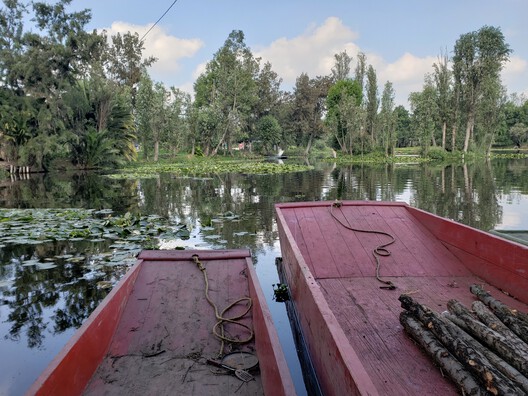
Reconciling the Environment as Housing: The Case of the Chinamperos of Tlacoapa
The Right to Housing: Public Policies to Expand Access
Building, Taxing, and Financing: New York City's Recent Measures to Tackle the Housing Crisis
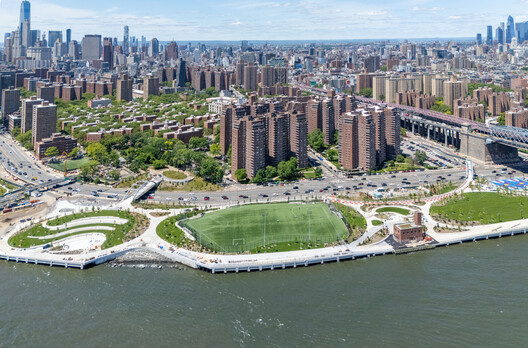
Housing Affordability Crisis: Architectural and Policy Responses from Spain, France, Australia, and the United States
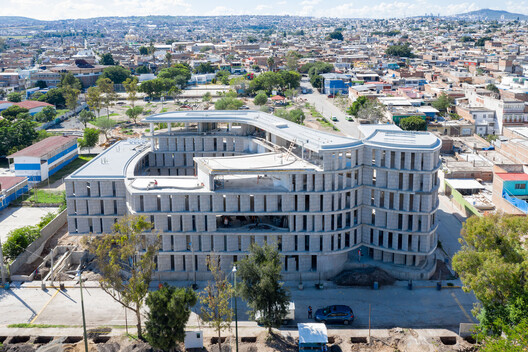
The United States Enacts Sweeping Housing Reform Legislation to Expand Affordable Housing
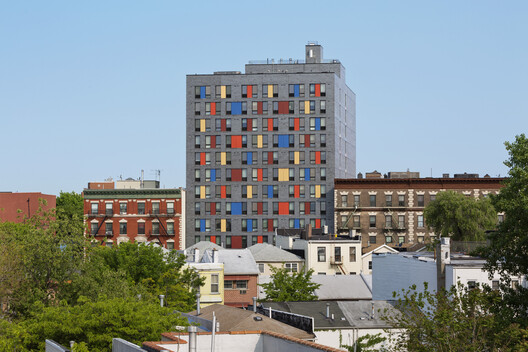
Symbolism in Buildings: Openness, Heritage, and Horizontality
Transparent Buildings and the Illusion of Democracy
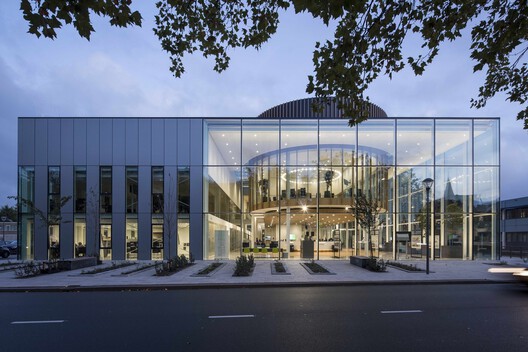
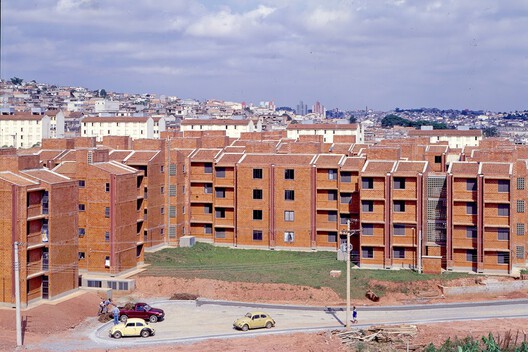
Building as Political Practice: USINA and the Legacy of Collective Construction in Brazil
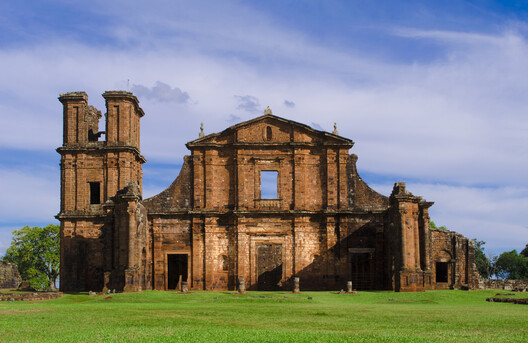
Who decides what deserves to be preserved? Power and heritage in Latin America
Explore ArchDaily's input into recent United Nations International Days: International Youth Day, International Day of the World's Indigenous Peoples, World Population Day, World Environment Day, Africa Day, and International Mother Earth Day.


