1. ArchDaily
  2. Public Policy

Public Policy: The Latest Architecture and News

Reimagining the Complete Neighborhood through Urban Renaturing

Subscriber Access | 

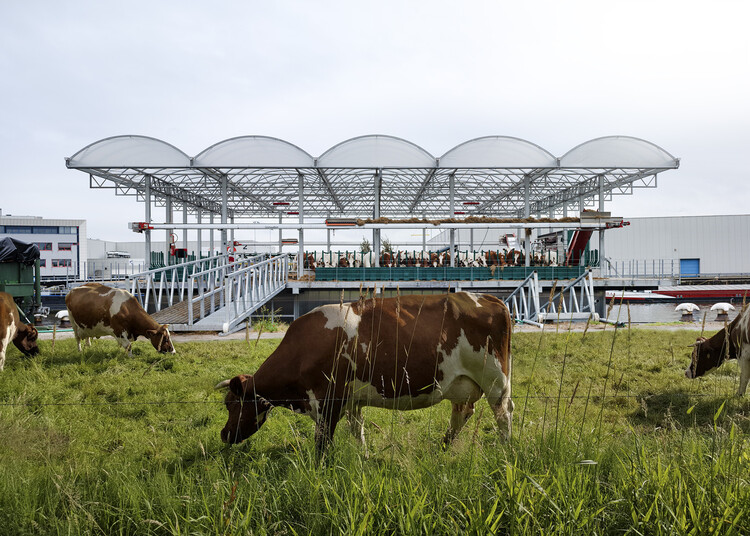
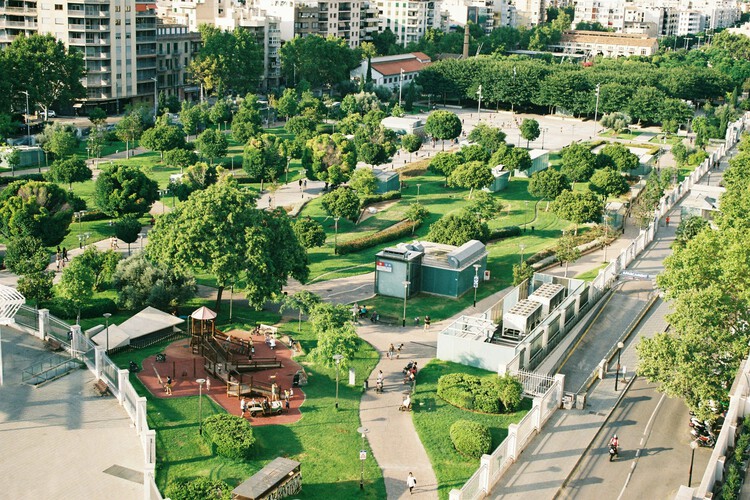
The ReGreeneration project, a Horizon Europe project led by Inetum and supported by C40 Cities, ARUP, Placemaking Europe, and several others, operates as an active collaboration with local governments, private companies, academia, and civil society organizations at the intersection of urban regeneration, green public spaces, and neighborhood-scale design. Its premise addresses how European cities are built and maintained and how they experience a changing climate, arguing that cities must fundamentally change to remain livable under accelerating climate pressures.

Reimagining the Complete Neighborhood through Urban Renaturing - Image 1 of 4Reimagining the Complete Neighborhood through Urban Renaturing - Image 2 of 4Reimagining the Complete Neighborhood through Urban Renaturing - Image 3 of 4Reimagining the Complete Neighborhood through Urban Renaturing - Image 4 of 4Reimagining the Complete Neighborhood through Urban Renaturing - More Images+ 12

European Collective Housing Award Opens for Second Edition

 | Sponsored Content

Collective housing is a hallmark of Europe. The 2nd edition of the award is looking for collective housing projects to highlight their social impact and the policy frameworks that support them. Submissions are free and open until 30 April.

Post-industrial modernity generated a wide range of collective housing models that left a lasting mark on European cities and architectural history: from the Hofs of Vienna and the Weissenhof Siedlung to Le Corbusier's Unité d'habitation and the works presented at Berlin's Interbau.

The excesses of the modern movement cast a long shadow over social housing – a stigma that post-modernity failed to dispel. Yet since the turn of the millennium, new forms of collective housing have re-emerged, reconnecting with welfare-state ideals amid pressures from urbanization, property market tensions and ecological urgency.

From Cloud to Coast: The Physical Cost of AI in Hong Kong’s Borderlands

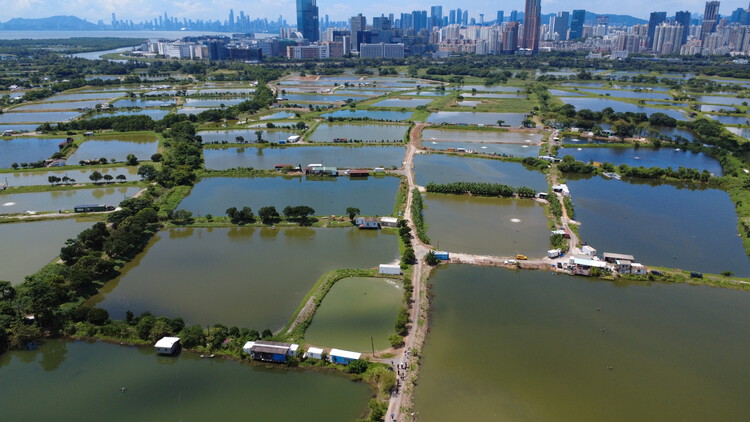
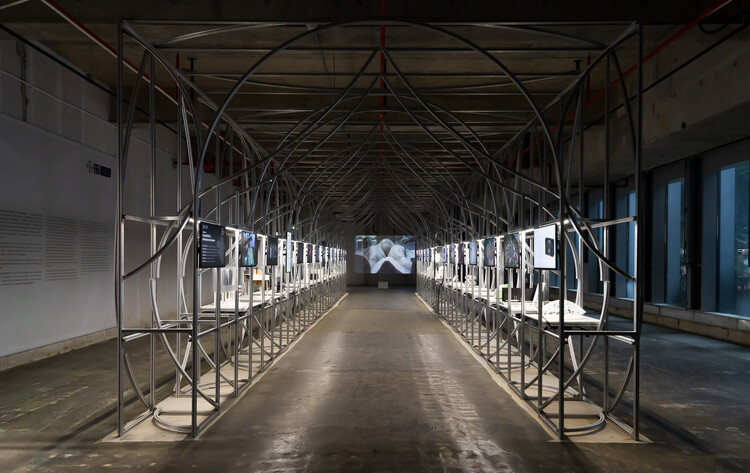
Amid the rapid build-out of data centres and AI economies across the Greater Bay Area—and alongside the celebration of AI as a tool and "author," as featured in 2025 Hong Kong–Shenzhen Bi-City Biennale of Urbanism\Architecture (Hong Kong)—a parallel question becomes unavoidable: how do the planning and construction of AI infrastructure actually begin to shape everyday life? Many of the facilities already built remain intentionally distant from daily experience. The "cloud" may be marketed as immaterial, but its architecture is profoundly physical: high-power, high-heat, service-heavy environments that are often sited in remote or low-density areas to take advantage of lower land costs and to minimize friction with nearby communities. Security and risk management further reinforce this logic. Data centres hold sensitive, privileged information—corporate assets, legal records, government and institutional data—and remoteness becomes part of their operating model, keeping the infrastructures of AI both spatially and socially out of sight.

From Cloud to Coast: The Physical Cost of AI in Hong Kong’s Borderlands - Image 2 of 4From Cloud to Coast: The Physical Cost of AI in Hong Kong’s Borderlands - Image 6 of 4From Cloud to Coast: The Physical Cost of AI in Hong Kong’s Borderlands - Image 3 of 4From Cloud to Coast: The Physical Cost of AI in Hong Kong’s Borderlands - Image 4 of 4From Cloud to Coast: The Physical Cost of AI in Hong Kong’s Borderlands - More Images+ 7

Compute Isn’t Weightless: AI Infrastructure and the Architecture of the City

As artificial intelligence continues to disrupt sectors of the economy and reshape entire industries, institutions and individuals alike are bracing—and rapidly adapting—to the changes that machines seem to hold over our heads. Yet the more precise pressure is not simply AI altering the way people work and live, but the business models and investment logics of the companies developing these systems: the concentration of capital, the new requirements for compute, the race for compartmentalized talent, and the infrastructural footprint needed to sustain it. In the Greater Bay Area—anchored by Guangzhou, Shenzhen, and Hong Kong—this dynamic is especially pronounced. Government-led initiatives are actively accelerating the industry's growth, with policy and planning mechanisms beginning to translate an ostensibly intangible field into physical form: zoning updates, earmarked land, and the emergence of AI-oriented building types, from research laboratories to large-scale data centers.

Compute Isn’t Weightless: AI Infrastructure and the Architecture of the City - Image 1 of 4Compute Isn’t Weightless: AI Infrastructure and the Architecture of the City - Image 2 of 4Compute Isn’t Weightless: AI Infrastructure and the Architecture of the City - Image 3 of 4Compute Isn’t Weightless: AI Infrastructure and the Architecture of the City - Image 4 of 4Compute Isn’t Weightless: AI Infrastructure and the Architecture of the City - More Images+ 23

Health, Habitat, and Civic Infrastructure: Designing the City as a National Park

Subscriber Access | 

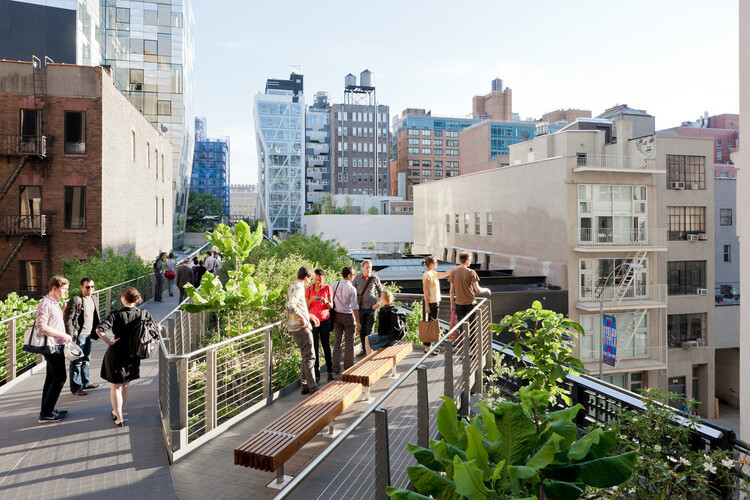
Cities around the world share a common goal: to become healthier and greener, supported by civic infrastructure that restores ecosystems and strengthens public life. The question is how to reach this. Global climate targets, local building codes, and municipal standards increasingly guide designers and planners toward better choices. Still, many cities struggle to translate these frameworks into everyday, street-level comfort and long-term ecological protection. What happens if the city is no longer treated as a traditional city, but as a national park?

National parks operate through systems of protection that treat land as a network of ecological relationships rather than a collection of isolated sites. They establish a shared baseline for what must be preserved, maintained, and made accessible over time. When this logic is applied to the urban environment, success can inspire pride and a sense of shared responsibility among designers, policymakers, and residents, fostering a collective commitment to health, habitat, and civic infrastructure.

Health, Habitat, and Civic Infrastructure: Designing the City as a National Park - Image 1 of 4Health, Habitat, and Civic Infrastructure: Designing the City as a National Park - Image 2 of 4Health, Habitat, and Civic Infrastructure: Designing the City as a National Park - Image 3 of 4Health, Habitat, and Civic Infrastructure: Designing the City as a National Park - Image 4 of 4Health, Habitat, and Civic Infrastructure: Designing the City as a National Park - More Images+ 13

The Story of Miyashita Park: Resistance, Partnership, and Publicness

Subscriber Access | 

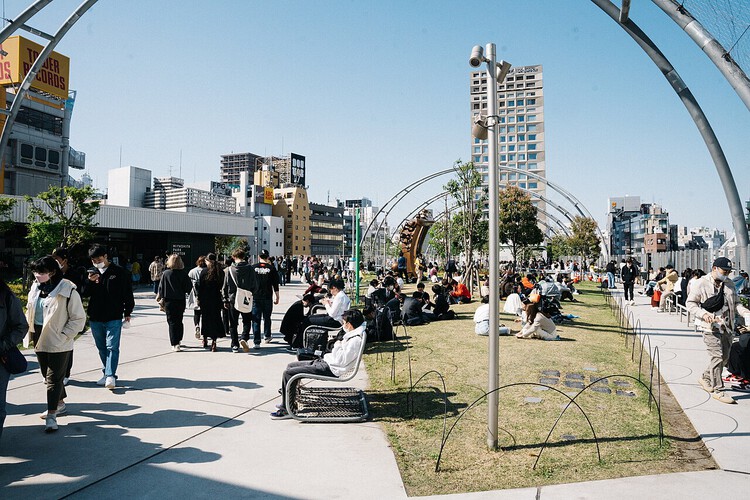
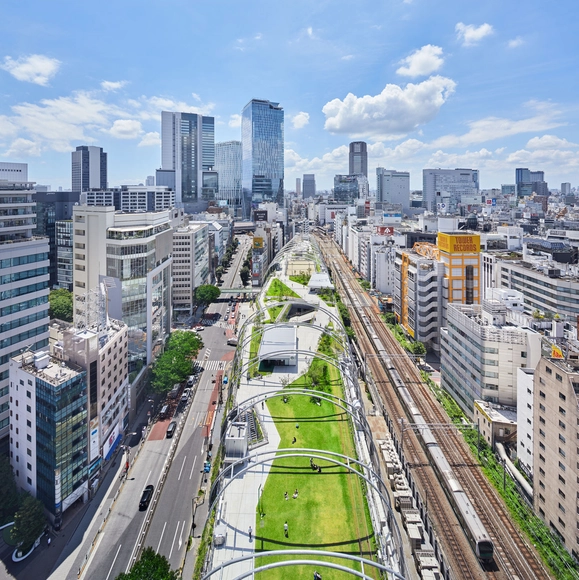
Urban renewal is inherently fraught—financially complex, politically exposed, stakeholder-dense, and almost guaranteed to leave someone dissatisfied. Precisely for these reasons, many cities default to inertia rather than risk the upheaval that comes with reworking entrenched urban fabrics, their residences, and their dynamics; once the "sleeping bear" is prodded, unexpected complications tend to multiply.

Miyashita Park (Miyashita Kōen), located in Shibuya, Tokyo, crystallizes this dilemma. Its current form—a layered, mixed-use complex balancing commercial activity with a publicly accessible park—emerged from years of negotiation, critique, and recalibration. The result is a distinctive example of a public-private partnership that seeks to align urban amenity, everyday leisure, and economic viability, producing a new piece of city that hosts public life while underwriting its own upkeep.

The Story of Miyashita Park: Resistance, Partnership, and Publicness - Image 1 of 4The Story of Miyashita Park: Resistance, Partnership, and Publicness - Image 2 of 4The Story of Miyashita Park: Resistance, Partnership, and Publicness - Image 3 of 4The Story of Miyashita Park: Resistance, Partnership, and Publicness - Image 4 of 4The Story of Miyashita Park: Resistance, Partnership, and Publicness - More Images+ 24

Balancing Liveability and Climate Goals: Edinburgh’s Path to Sustainable Building

Subscriber Access | 

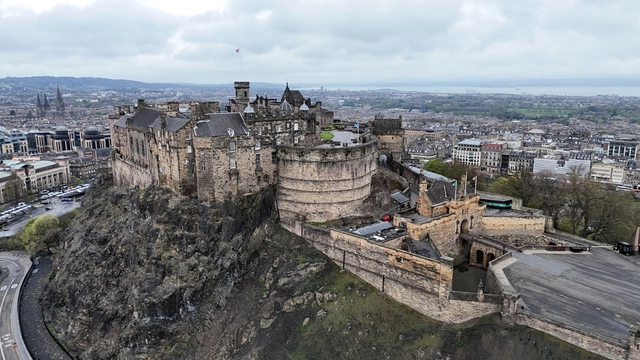
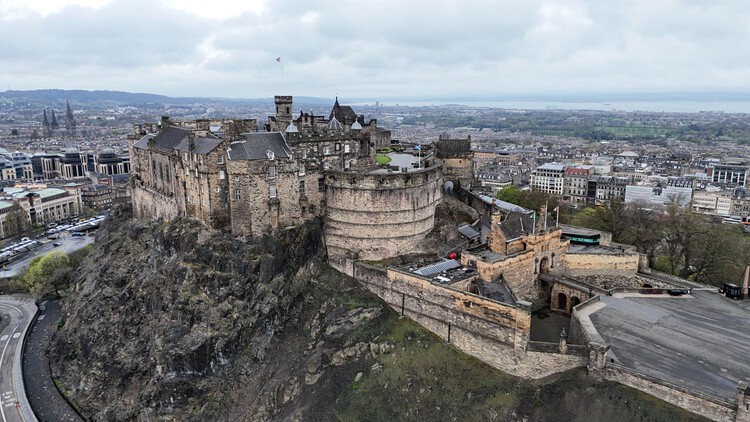
Edinburgh, Scotland's capital, has long been recognized for its rich cultural history and intricate urban fabric. The city thrives within its museums, tenement housing, and shops nestled in Georgian buildings. In 2022, Time Out ranked Edinburgh as the world's best city, citing its efficiency across community building and urban systems such as public transport. However, as climate change makes its effects progressively visible at an urban level, the city inevitably runs into a pressing dilemma: how to sustain this quality of life in increasingly difficult conditions.

The journey toward this balance unfolds through several interconnected strategies, such as retrofitting, adaptive reuse, circular design, and community collaboration, each contributing to Edinburgh's evolving vision of a sustainable urban future.

Balancing Liveability and Climate Goals: Edinburgh’s Path to Sustainable Building - Image 1 of 4Balancing Liveability and Climate Goals: Edinburgh’s Path to Sustainable Building - Image 2 of 4Balancing Liveability and Climate Goals: Edinburgh’s Path to Sustainable Building - Image 3 of 4Balancing Liveability and Climate Goals: Edinburgh’s Path to Sustainable Building - Image 4 of 4Balancing Liveability and Climate Goals: Edinburgh’s Path to Sustainable Building - More Images+ 3

The Architect as Policymaker: The Case of Comayagua's Heritage Preservation in Honduras

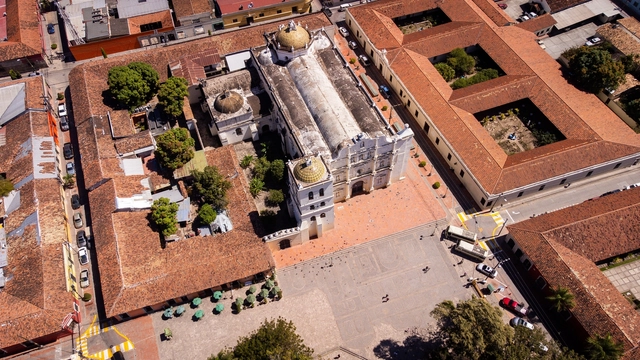
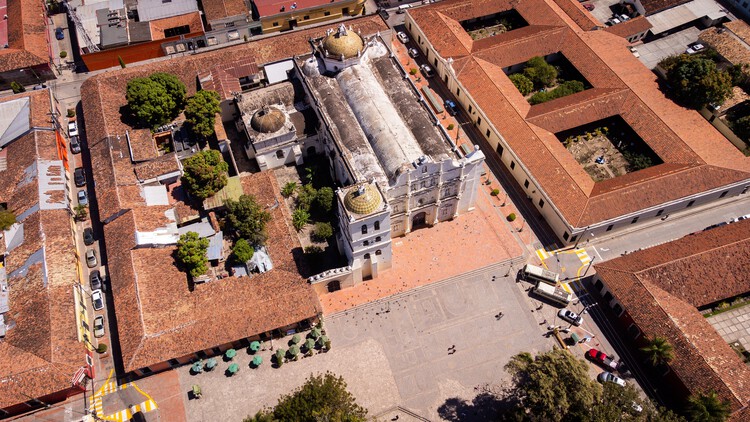
Comayagua is a city in central Honduras nestled in a valley with the same name. It holds a pivotal place in the nation's history, having served as its colonial and early republican capital for over 300 years. However, when the capital was relocated to Tegucigalpa in 1880, Comayagua's urban expansion halted, inadvertently preserving an ample and rich heritage. By the early 1990s, much of the city's architectural legacy was in a state of disrepair. Recognizing the urgent need to protect it, the governments of Honduras and Spain initiated a collaborative effort, with the objective of initiating a long-term restoration program to create a policy framework that would ensure the preservation of the city's historic center for years to come.

The Architect as Policymaker: The Case of Comayagua's Heritage Preservation in Honduras  - Image 1 of 4The Architect as Policymaker: The Case of Comayagua's Heritage Preservation in Honduras  - Image 2 of 4The Architect as Policymaker: The Case of Comayagua's Heritage Preservation in Honduras  - Image 3 of 4The Architect as Policymaker: The Case of Comayagua's Heritage Preservation in Honduras  - Image 4 of 4The Architect as Policymaker: The Case of Comayagua's Heritage Preservation in Honduras  - More Images+ 6

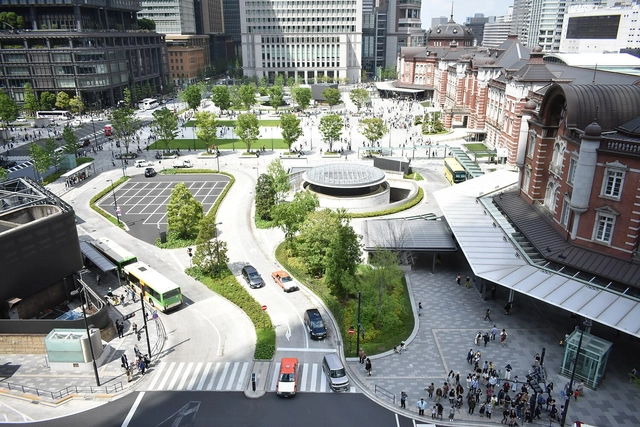
Not Just a Train Stop: The Evolution of Transit-Oriented Developments in East Asia

Subscriber Access | 

Transit-Oriented Development (TOD) is a comprehensive urban planning strategy aimed at creating dense, walkable, and vibrant neighborhoods centered around public transportation hubs. By seamlessly integrating residential, commercial, and recreational facilities within close proximity to transit nodes, TODs seek to reduce automobile dependency, increase public transit ridership, and stimulate local economic development. Government agencies play a pivotal role in supporting these developments through zoning reforms, easing floor area ratios (FARs), selling air rights, and facilitating public-private partnerships to secure capital for public infrastructure. While TODs have gained global traction, East Asia boasts some of the most successful examples. Conversely, efforts to replicate these models in different contexts—such as New York City—highlight the importance of adapting TOD principles to local conditions, geographical characteristics, and community needs.

Not Just a Train Stop: The Evolution of Transit-Oriented Developments in East Asia - Image 1 of 4Not Just a Train Stop: The Evolution of Transit-Oriented Developments in East Asia - Image 2 of 4Not Just a Train Stop: The Evolution of Transit-Oriented Developments in East Asia - Image 3 of 4Not Just a Train Stop: The Evolution of Transit-Oriented Developments in East Asia - Image 4 of 4Not Just a Train Stop: The Evolution of Transit-Oriented Developments in East Asia - More Images+ 17

Architecture Collaborations: What are Public-Private-Partnerships?

In recent years, Public-Private Partnerships (PPPs) have become a significant model for delivering large-scale infrastructure projects around the world. These partnerships bring together the strengths of both the public sector, represented by governments or municipalities, and the private sector, combining their resources, expertise, and investment power. In the context of architecture and urban development, PPPs are increasingly being used to address the complex needs of growing cities, helping to finance, build, and maintain critical projects that would be difficult for either sector to accomplish alone. But what exactly are PPPs, and how do they function in the built environment? This article explores the concept of PPPs, providing examples from across the globe to illustrate how these partnerships are shaping the future of urban spaces, sometimes beyond commercial gains. Furthermore, by exploring the different projects, the article aims to develop a framework around PPPs' positive and negative potential impacts.

Architecture Collaborations: What are Public-Private-Partnerships? - Image 1 of 4Architecture Collaborations: What are Public-Private-Partnerships? - Image 2 of 4Architecture Collaborations: What are Public-Private-Partnerships? - Image 3 of 4Architecture Collaborations: What are Public-Private-Partnerships? - Image 4 of 4Architecture Collaborations: What are Public-Private-Partnerships? - More Images+ 3

Zero Waste Cities: Urban Strategies from San Francisco and Singapore

Subscriber Access | 

With expanding urban populations and evolving consumption patterns, cities are faced with challenges pertaining to waste management. Traditional approaches centered on collection and disposal currently seem inadequate in the face of serious environmental concerns and resource scarcity. Waste management has become a focused topic to address, being introduced as a key strategy towards circular economies. The Zero Waste concept hopes to transform the way cities manage urban waste and build supportive cultures around it.

Zero Waste Cities: Urban Strategies from San Francisco and Singapore  - Image 1 of 4Zero Waste Cities: Urban Strategies from San Francisco and Singapore  - Image 2 of 4Zero Waste Cities: Urban Strategies from San Francisco and Singapore  - Image 3 of 4Zero Waste Cities: Urban Strategies from San Francisco and Singapore  - Image 4 of 4Zero Waste Cities: Urban Strategies from San Francisco and Singapore  - More Images+ 5

Harvard Graduate School of Design Awards Thandi Loewenson Wheelwright Prize 2024

Harvard University Graduate School of Design (GSD) has just announced Thandi Loewenson as the winner of the 2024 Wheelwright Prize. The prestigious $100,000 grant is dedicated to supporting innovative research in contemporary architecture with a global perspective. Loewenson’s project, “Black Papers: Beyond the Politics of Land, Towards African Policies of Earth & Air,” explores the social and spatial dynamics in modern Africa.

Barcelona Plans to Ban Tourist Apartment Rentals to Ease the Housing Crisis

The Spanish city of Barcelona, one of Europe's top tourist destinations, has announced a plan to ban apartment rentals to tourists by November 2028. The move, announced by Mayor Jaume Collboni, aims to alleviate the long-standing housing crisis, lower prices for residents, improve livability, and increase the city’s affordable housing stock. Over the past 10 years, the rise in short-term rentals has driven rents up by 68%, and the cost of buying a house by 38%, contributing significantly to a cost-of-living crisis.

Barcelona Plans to Ban Tourist Apartment Rentals to Ease the Housing Crisis - Image 1 of 4Barcelona Plans to Ban Tourist Apartment Rentals to Ease the Housing Crisis - Image 2 of 4Barcelona Plans to Ban Tourist Apartment Rentals to Ease the Housing Crisis - Image 3 of 4Barcelona Plans to Ban Tourist Apartment Rentals to Ease the Housing Crisis - Image 4 of 4Barcelona Plans to Ban Tourist Apartment Rentals to Ease the Housing Crisis - More Images+ 1

Low-Cost Housing in India: A Multistakeholder Approach

Subscriber Access | 

In a nation grappling with a severe housing shortage for its economically weakest sections, the concept of "low-cost housing" has surprisingly faded from public consciousness and policy discourse. A crisis impacting millions of the nation's poorest, the need for affordable housing has become even more pressing as India's population overtakes China to emerge as the most populous nation. If left unaddressed, the housing crisis may result in mass homelessness and undignified living conditions for citizens.

Low-Cost Housing in India: A Multistakeholder Approach - Image 1 of 4Low-Cost Housing in India: A Multistakeholder Approach - Image 2 of 4Low-Cost Housing in India: A Multistakeholder Approach - Image 4 of 4Low-Cost Housing in India: A Multistakeholder Approach - Image 3 of 4Low-Cost Housing in India: A Multistakeholder Approach - More Images

Social Housing in America: Architects Must Answer the Call

This article was originally published on Common Edge.

If you follow housing policy in America, you may have noticed a particular term cropping up a lot recently: social housing. Maybe you’ve read a longform academic article, live in a city that is codifying a social-housing policy like Seattle or Atlanta, or seen one of the recent mentions in The New York Times, highlighting U.S. and Viennese success stories. On the design front, Dezeen is running a social-housing revival series.

Social Housing in America: Architects Must Answer the Call - Image 1 of 4Social Housing in America: Architects Must Answer the Call - Image 2 of 4Social Housing in America: Architects Must Answer the Call - Image 3 of 4Social Housing in America: Architects Must Answer the Call - Image 4 of 4Social Housing in America: Architects Must Answer the Call - More Images+ 2

Designing Spaces That Are Good for Women and Everybody Else

"We are focused on creating a just public realm," said Chelina Odbert, Hon. ASLA, CEO and founding principal of Kounkuey Design Initiative (KDI), at the National Building Museum in Washington, D.C. And by just, "we mean free, inclusive, accessible, unbiased, and equitable". A "just public realm is open to everyone.” There is unlimited access to streets and public spaces so people can travel to school and work and be full members of their communities.

Unfortunately, the public realm is instead often “intimidating, exclusionary, inaccessible, unjust, and inequitable” for many women, LGBTQIA+ people, people with disabilities, and people of color. Landscape architects, planners, and others need to understand who feels safe and comfortable in public spaces or there is a risk of perpetuating inequalities, Odbert argued.

The Energy Efficiency Policy Package: Key Catalyst for Building Decarbonisation and Climate Action

Subscriber Access | 

The buildings and construction sectors are key players in the fight against climate change –Combined, they are responsible for 30% of global final energy consumption and 27% of total energy sector CO2 emissions. Further, energy demand from buildings and construction continues to rise, driven by improved access to energy in developing countries, growing need for air conditioning, greater ownership and use of energy-consuming appliances, and a rapid growth in global floor area. Without targeted policy actions, the energy used in buildings could increase up to around 70% in 2050.

New Orleans’ Equity-Driven Reforestation Plan

New Orleans experiences the worst urban heat island effect in the country, with temperatures nearly 9 F° higher than nearby natural areas. The city also lost more than 200,000 trees from Hurricane Katrina, dropping its overall tree canopy to just 18.5 percent.

The non-profit organization Sustaining Our Urban Landscape (SOUL) partnered with landscape architects at Spackman Mossop Michaels (SMM) to create a highly accessible, equity-focused reforestation plan for the city that provides a roadmap for achieving a tree canopy of 24 percent by 2040. But more importantly, the plan also seeks to equalize the canopy, so at least 10 percent of all 72 neighborhoods are covered in trees. Currently, more than half of neighborhoods are under the 10 percent goal.

New Orleans’ Equity-Driven Reforestation Plan - Image 1 of 4New Orleans’ Equity-Driven Reforestation Plan - Image 2 of 4New Orleans’ Equity-Driven Reforestation Plan - Image 3 of 4New Orleans’ Equity-Driven Reforestation Plan - Image 4 of 4New Orleans’ Equity-Driven Reforestation Plan - More Images+ 3