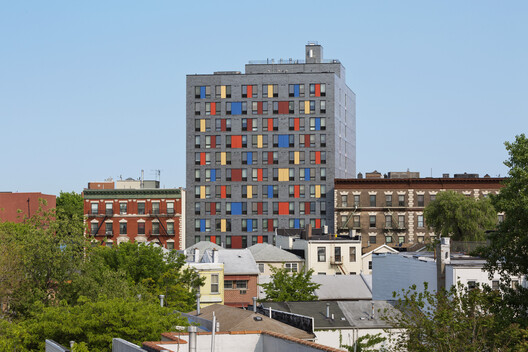
The 21st Century ROAD to Housing Act, a bipartisan United States Senate housing bill, automatically became law on 11 July 2026. Officially the "Renewing Opportunity in the American Dream (ROAD) to Housing Act," the bill has been called the most significant housing measure in the country since the National Affordable Housing Act in 1990, and "the most comprehensive housing legislation in decades." In a context of global housing crisis, the text revises federal housing programs and expands available financing options, provides grants for communities, targets regulatory requirements for construction, and addresses the concentration of ownership. This law contributes to worldwide initiatives for adequate housing, such as limits on short-term rentals, taxing unoccupied residential units, and the transformation and adaptive reuse of existing structures, with the dual objective of increasing the number of residential units and making existing ones available.




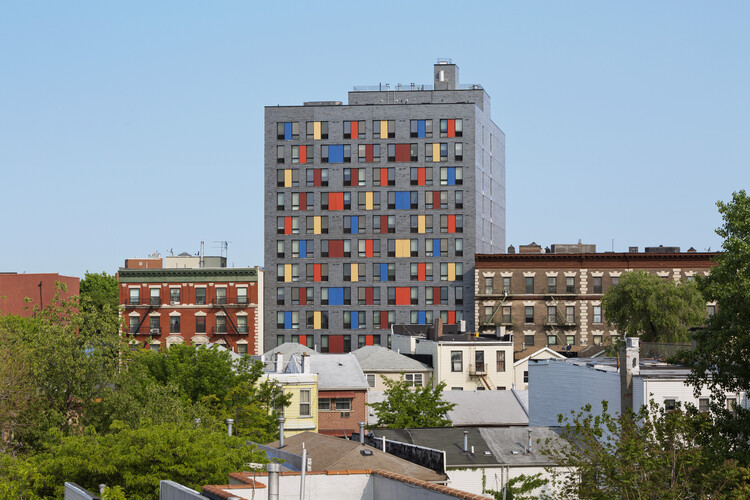
The bill was introduced in the House of Representatives on 11 December 2025, and was led out of the Senate Banking, Housing, and Urban Affairs Committee. After months of work, its approval represented a rare bipartisan consensus in the current United States political moment. The Act combines elements from two earlier bills, incorporating between 40 and 60 individual housing proposals, into a single consensus package. The bill includes funding measures to improve access to homeownership, limits the concentration of ownership of available residential units, provides incentives for housing construction by reducing administrative barriers, and aims to modernise existing programmes to speed up approval times. There are some controversial measures that the legislative package does not address, such as rent control or the establishment of nationwide housing access programmes.

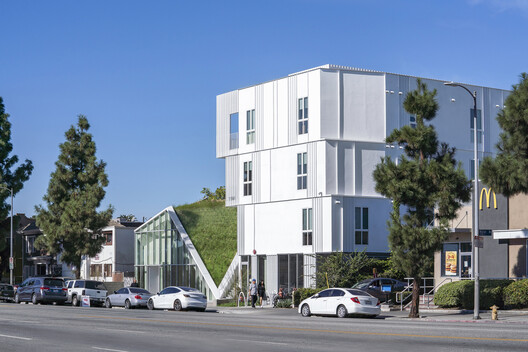
Today, access to housing is largely determined and limited by market criteria, and qualifying for financing is one of the main obstacles younger people face in becoming homeowners. At the same time, in Western cultures, property is a predominant cultural value and a source of security in old age. One of the Act's central goals is to make financing more accessible, particularly for first-time buyers and lower-income households. A significant provision establishes a pilot programme to increase the availability of small-dollar mortgages (low-value home loans), directing federal agencies to test new approaches to make modestly priced homes easier to finance. The Act also updates lending standards for prefabricated mobile homes, encouraging lenders to treat them more like conventional housing and removing construction requirements that increased production costs. It also launches a pilot program to aid local governments in converting vacant commercial buildings into affordable housing.
As in New York's latest housing measures, the legislation also intends to make existing federal housing programmes operate more efficiently by simplifying administrative procedures, improving inspection systems, modernising public housing management, and expanding flexibility for local housing agencies. One of the problems of the global housing crisis is access, which is determined by financing and bureaucracy, and another is the availability of housing units. The law prohibits companies that already own more than 350 single-family homes from purchasing additional existing single-family homes. It doesn't require companies to sell homes they already own, prohibit institutional ownership altogether, or apply to smaller investors below the ownership threshold, but limits future acquisitions by the largest firms. Rental communities can still be built for institutional investors under specific conditions, with the intention of redirecting private investment towards adding new housing supply. It is a legal limit on the concentration of property ownership.

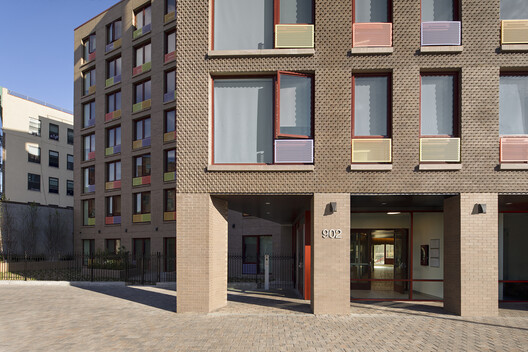
The 21st Century ROAD to Housing Act also aims to reduce regulatory obstacles to housing construction. Most of the changes aim to shorten approval timelines for projects that already meet established criteria. The main tool of the Act is creating incentives for municipalities to permit more housing construction, encouraging, rather than mandating, local zoning and permitting reforms. The central change is updating requirements for project reviews, including applications for manufactured housing, public housing modernisation, federal housing programme administration, and development approvals. To this end, the Act reforms existing housing programmes administered by the Department of Housing and Urban Development (HUD). It expands existing programmes focusing on preserving existing affordable housing while improving the effectiveness of the programmes, such as the Rental Assistance Demonstration (RAD) program; the Community Development Block Grant–Disaster Recovery (CDBG-DR), and a new Moving to Work (MTW) demonstration cohort.
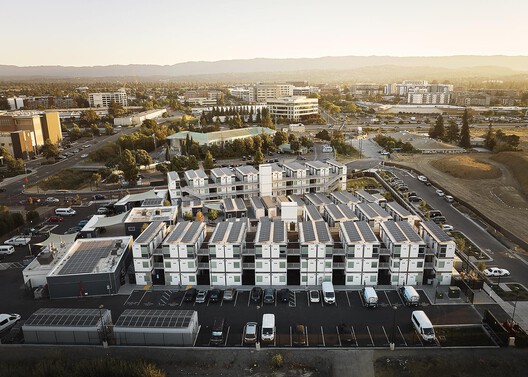
While we must wait to see how this legislative package will affect the available housing stock, the very wording of the measures sets a precedent for housing provision worldwide. With a focus on present conditions, the legislation aims to address what the free market has failed to provide in the area of housing. Architectural projects around the world aim to help address this shortage by increasing the number of available homes. MVRDV has been selected to design Inaura, a mixed-use hotel and residential tower in Downtown Dubai. Studio Libeskind, in collaboration with HJ Design Partners and Seoul-based SAMOO Architects & Engineers, has designed a new high-density residential development in Seoul, South Korea. Nature-inspired architecture practice ORGA has completed the design of a carbon-negative neighbourhood in Marknesse, comprising 12 affordable rental homes built with a high percentage of biobased materials.


