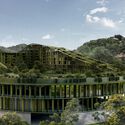
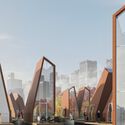
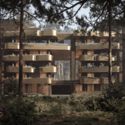
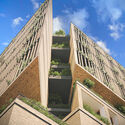
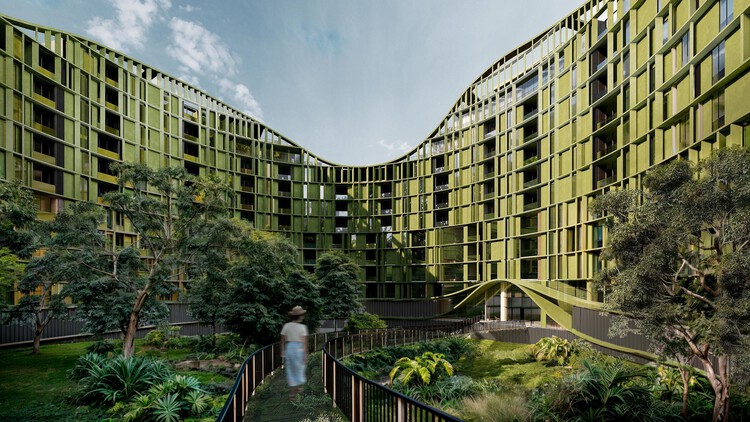
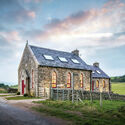
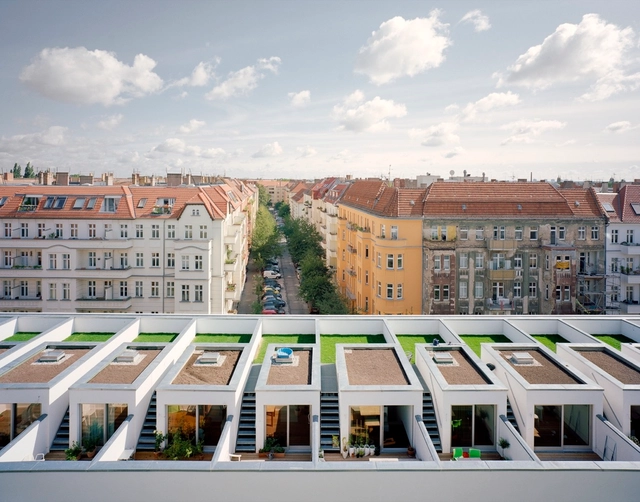
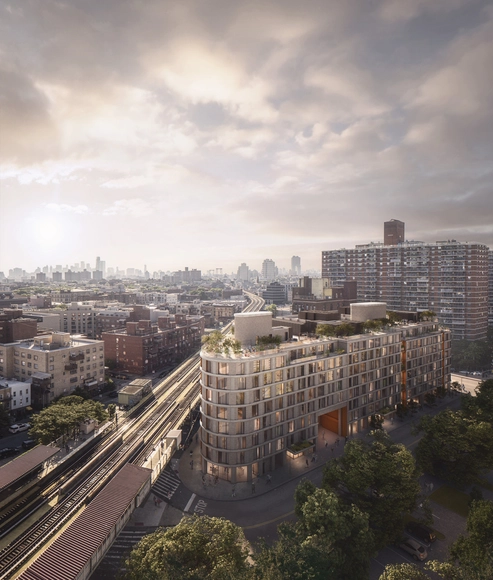
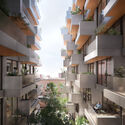
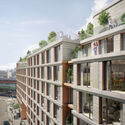
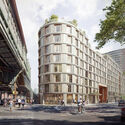
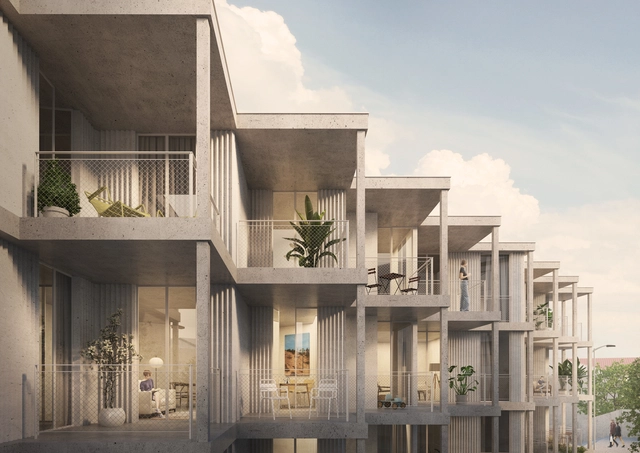
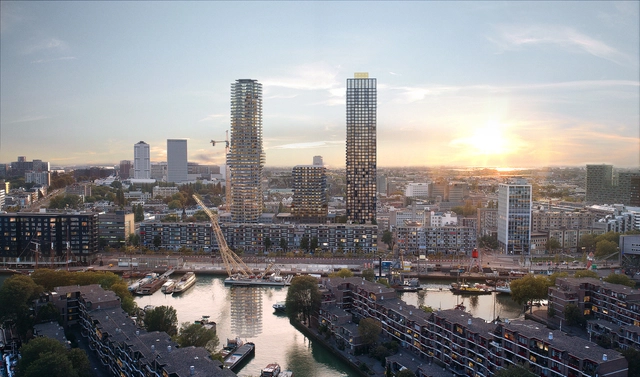
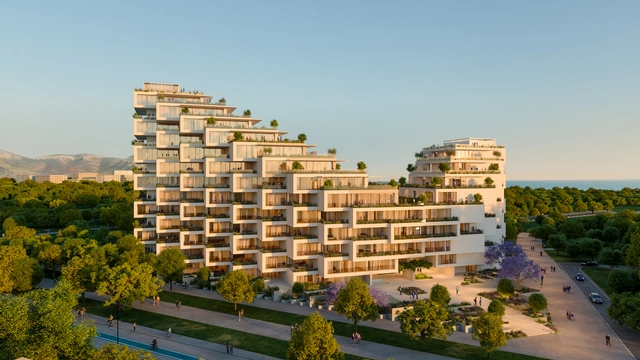
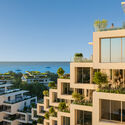
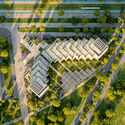
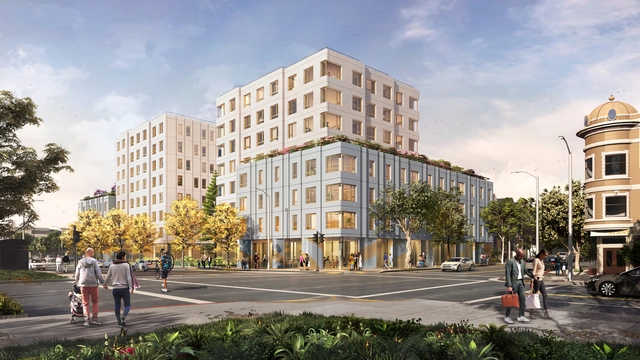
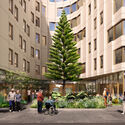
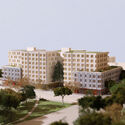
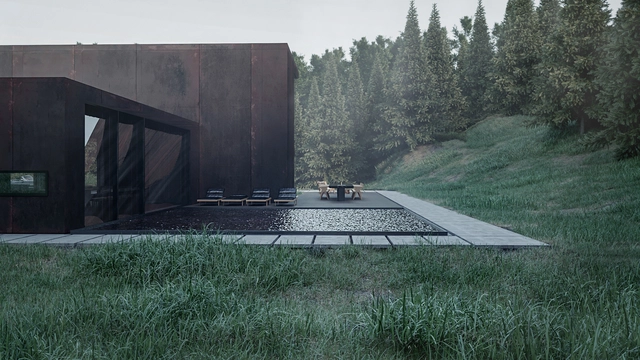
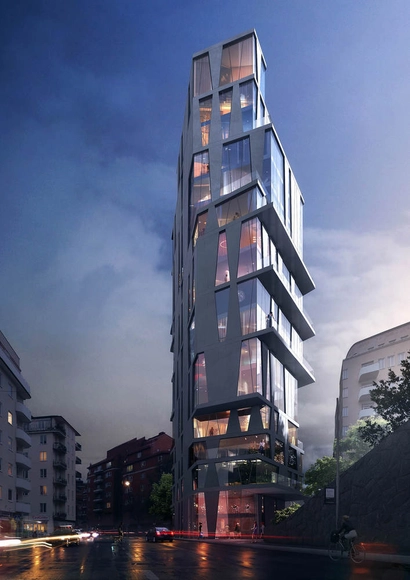
Contemporary housing architecture faces the pressing demands of the global housing deficit and growing urban populations. In architectural practice, we see recurring experimentation with new forms of collective living, taking on the task of offering spaces for personal, family, and community development. The six unbuilt projects presented here show us different facets of the decision to densify: the relationship with pre-existing and planned nature, the availability of urban or suburban land, the development of complementary intermediate spaces that support collective life and ease the experience of density, the replicability of densification models, and the relationship with the neighborhood that accommodates population growth.