1. ArchDaily
  2. Social Housing

Social Housing: The Latest Architecture and News

PREVI Lima and the Politics of Resident Authorship in Social Housing

Subscriber Access | 

Architects are accustomed to being credited for buildings long after construction ends. Names remain attached to projects through photographs, publications, and histories, often decades after the original drawings were produced. Buildings, on the other hand, rarely remain faithful to that narrative for long. Families grow, technologies change, businesses emerge, and daily life introduces demands that no plan can fully anticipate. Over time, architecture accumulates modifications, repairs, additions, and improvisations that gradually distance it from its original form.

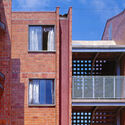
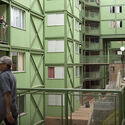
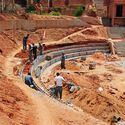
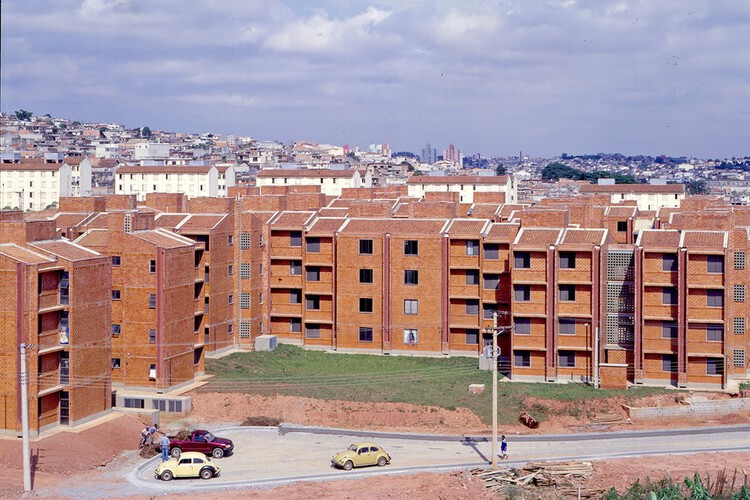
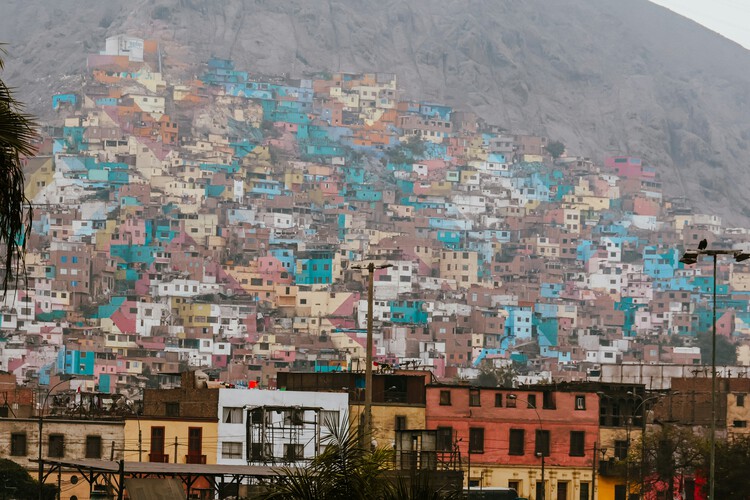
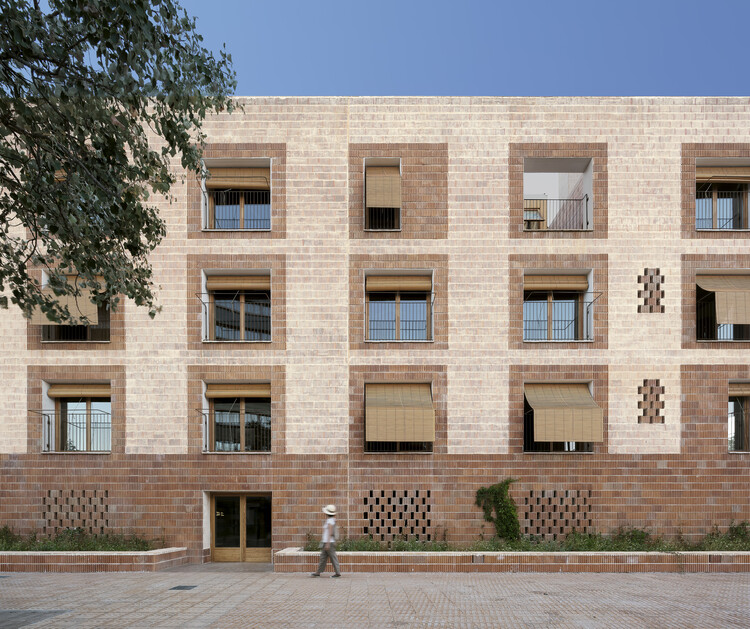
Few projects confront this question as directly as PREVI Lima. Conceived in the late 1960s as Peru's Experimental Housing Project, PREVI invited an international group of architects to develop housing prototypes capable of accommodating growth over time. The project is often remembered for its ambitious roster of designers, which included figures such as James Stirling, Aldo van Eyck, and Christopher Alexander. More than fifty years later, the neighborhood has become a record of resident decisions, revealing a form of architecture designed to remain unfinished.

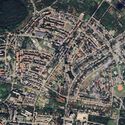
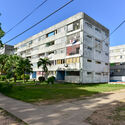
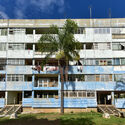
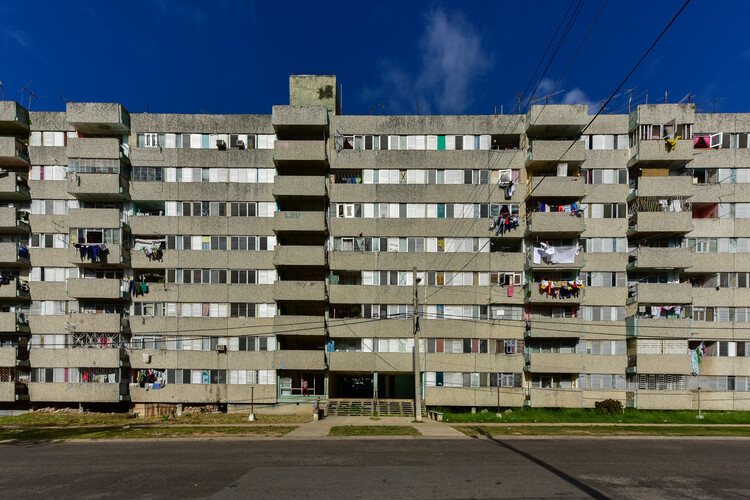
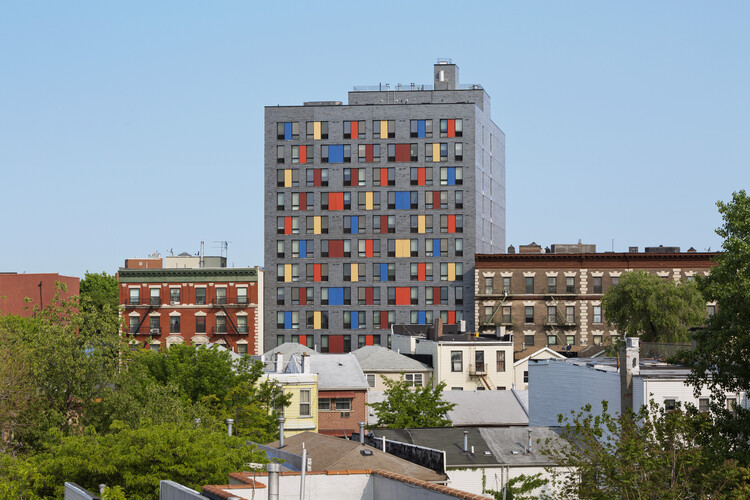
PREVI Lima and the Politics of Resident Authorship in Social Housing - Image 1 of 4PREVI Lima and the Politics of Resident Authorship in Social Housing - Image 2 of 4PREVI Lima and the Politics of Resident Authorship in Social Housing - Image 3 of 4PREVI Lima and the Politics of Resident Authorship in Social Housing - Image 4 of 4PREVI Lima and the Politics of Resident Authorship in Social Housing - More Images+ 14

Architecture and Ideology: How Political Systems Shaped 20th-Century Design

Architecture is often presented as the visible expression of its time, its desires, its faith in progress, its idea of order. Yet this reading tends to flatten the conditions under which buildings are produced. It suggests that architecture follows history when, in many cases, it actively participates in it. Few periods make this more evident than the twentieth century, when architecture became deeply entangled with political programs, economic systems, and competing visions of how collective life should be organized.

What is commonly grouped under the label of Modernism is often described as a coherent project, defined by formal clarity, technological optimism, and a break with historical styles. But this apparent coherence dissolves when we look beyond its canonical centres. The same spatial principles (standardization, functional zoning, industrial production) were adopted in political and economic contexts that differed significantly in their structures and objectives. A static movement unfolded as a flexible system continuously reoriented according to the priorities of each regime. What appeared as a shared language was, in practice, a set of tools applied to distinct agendas.

ORGA Completes Carbon-Negative Biobased Housing Prototype in Marknesse, Netherlands

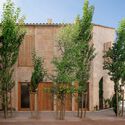
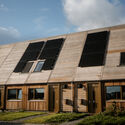
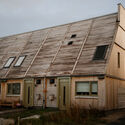
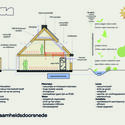
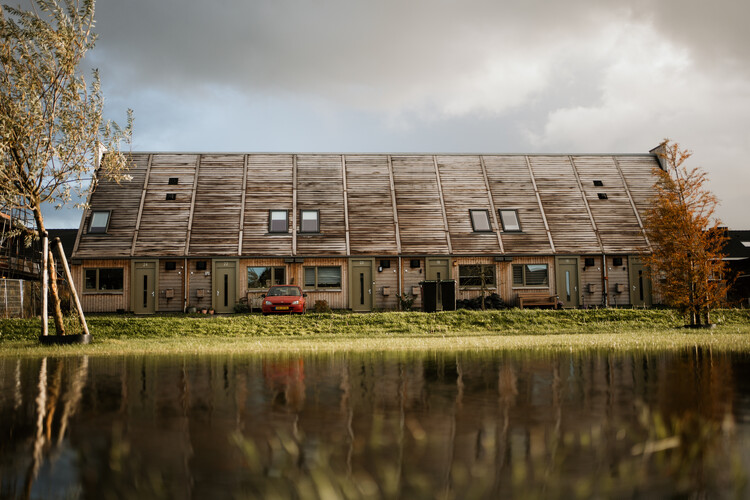
Netherlands-based, nature-inspired architecture practice ORGA has completed the design of a carbon-negative neighborhood in Marknesse, a village in the Dutch province of Flevoland. The project comprises 12 affordable rental homes built with a high percentage of biobased materials. Its main objective is to develop scalable housing solutions that minimize CO₂ emissions and reduce reliance on fossil resources. The design reinterprets the traditional Dutch brick house, known as the "Delft Red" typology, characterized by red brick facades and orange-red roof tiles, while introducing wooden chimneys that double as habitats for bats. Commissioned by housing association Mercatus, the prototype was built in the first half of 2025 and is intended for first-time buyers and low-income households.
ORGA Completes Carbon-Negative Biobased Housing Prototype in Marknesse, Netherlands - Image 1 of 4ORGA Completes Carbon-Negative Biobased Housing Prototype in Marknesse, Netherlands - Image 2 of 4ORGA Completes Carbon-Negative Biobased Housing Prototype in Marknesse, Netherlands - Image 3 of 4ORGA Completes Carbon-Negative Biobased Housing Prototype in Marknesse, Netherlands - Image 4 of 4ORGA Completes Carbon-Negative Biobased Housing Prototype in Marknesse, Netherlands - More Images+ 6

Saint-Denis’ Brutalist Îlot 8 Housing Complex by Renée Gailhoustet Faces Controversial Redevelopment Plan

Saint-Denis is a commune in the northern suburbs of Paris, France, known for the Gothic Basilica of Saint-Denis and the Stade de France. At one corner of Place Jean-Jaurès in its historic center, adjacent to the Basilica, stands the Îlot 8 housing complex, a Brutalist landmark designed by architect Renée Gailhoustet. Built between 1975 and 1986 to provide workers' housing in the city center, countering the trend of relegating social housing to peripheral areas, the project is now at the center of a controversial redevelopment plan. Often referred to as "residentialization" and restructuring, the proposal involves the demolition of significant parts of its original design. This reconversion is part of the French Nouveau Programme National de Renouvellement Urbain (NPNRU) and is justified by concerns over structural deficiencies, safety, and maintenance.

Saint-Denis’ Brutalist Îlot 8 Housing Complex by Renée Gailhoustet Faces Controversial Redevelopment Plan - Image 1 of 4Saint-Denis’ Brutalist Îlot 8 Housing Complex by Renée Gailhoustet Faces Controversial Redevelopment Plan - Image 2 of 4Saint-Denis’ Brutalist Îlot 8 Housing Complex by Renée Gailhoustet Faces Controversial Redevelopment Plan - Image 3 of 4Saint-Denis’ Brutalist Îlot 8 Housing Complex by Renée Gailhoustet Faces Controversial Redevelopment Plan - Image 4 of 4Saint-Denis’ Brutalist Îlot 8 Housing Complex by Renée Gailhoustet Faces Controversial Redevelopment Plan - More Images+ 3

Designed Comfort, Purchased Comfort: Passive Design and Air Conditioning in Hong Kong

Subscriber Access | 

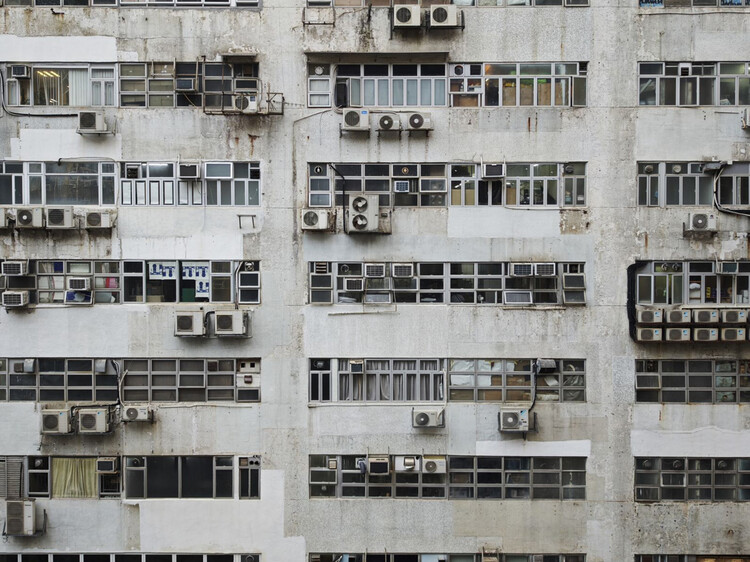
Establishing thermal comfort once demanded a far more deliberate and calibrated architectural intelligence—an interplay of orientation, massing, material behavior, ventilation potential, shading, and the ways daylight and surfaces absorb and release heat. This was not simply a matter of taste, but of necessity. When many of Hong Kong's post-war modernist buildings were constructed in the late 1960s and 1970s, forming a substantial portion of the city's public housing and broader residential stock, air-conditioning was not yet a ubiquitous, default service. Cooling, where present at all, was limited and unevenly distributed; comfort had to be negotiated through passive means, through section, façade depth, operable openings, and climatic detailing. It was only later, particularly through the 1970s and 1980s, as air-conditioning became increasingly standardized across the region, that mechanical cooling began to displace this earlier matrix of architectural decision-making.

Did air conditioning negatively affect architectural space, particularly in Hong Kong and the nearby region? The more precise claim is that widespread reliance on AC has profoundly rearranged the incentive structure of building design.

Designed Comfort, Purchased Comfort: Passive Design and Air Conditioning in Hong Kong - Image 1 of 4Designed Comfort, Purchased Comfort: Passive Design and Air Conditioning in Hong Kong - Image 2 of 4Designed Comfort, Purchased Comfort: Passive Design and Air Conditioning in Hong Kong - Image 3 of 4Designed Comfort, Purchased Comfort: Passive Design and Air Conditioning in Hong Kong - Image 4 of 4Designed Comfort, Purchased Comfort: Passive Design and Air Conditioning in Hong Kong - More Images+ 9

Housing Affordability Crisis: Architectural and Policy Responses from Spain, France, Australia, and the United States

Today's housing crisis is a global phenomenon that can be broadly divided into two major problems: a shortage of residential buildings and barriers to accessing those that already exist. The deficit is real and concrete when it comes to what the UN calls "adequate housing for all." According to UN-Habitat, an estimated 96,000 new housing units would need to be built per day to meet population needs by 2030. Climate change and forced migration are broadening the gap. But 2.8 billion people worldwide, representing nearly 40% of the global population, lack access to stable shelter, secure land, and basic sanitation services not only because of underproduction, but also due to an economic barrier: an affordability crisis. As demand grows and prices rise, housing, now increasingly functioning as a form of social security, becomes a target for rental income and real estate speculation. As adequate housing is a human right, pressure on governments and private entities is increasing worldwide to limit speculation and ensure fair access to existing dwellings. Below, we present four examples of initiatives in Spain, Australia, France, and the United States that aim to urgently expand housing access while limiting speculation.

Housing Affordability Crisis: Architectural and Policy Responses from Spain, France, Australia, and the United States - Image 1 of 4Housing Affordability Crisis: Architectural and Policy Responses from Spain, France, Australia, and the United States - Image 2 of 4Housing Affordability Crisis: Architectural and Policy Responses from Spain, France, Australia, and the United States - Image 3 of 4Housing Affordability Crisis: Architectural and Policy Responses from Spain, France, Australia, and the United States - Image 4 of 4Housing Affordability Crisis: Architectural and Policy Responses from Spain, France, Australia, and the United States - More Images+ 3

Wohnpark Alterlaa: Vienna’s Monumental Vision for Everyday Life

Subscriber Access | 

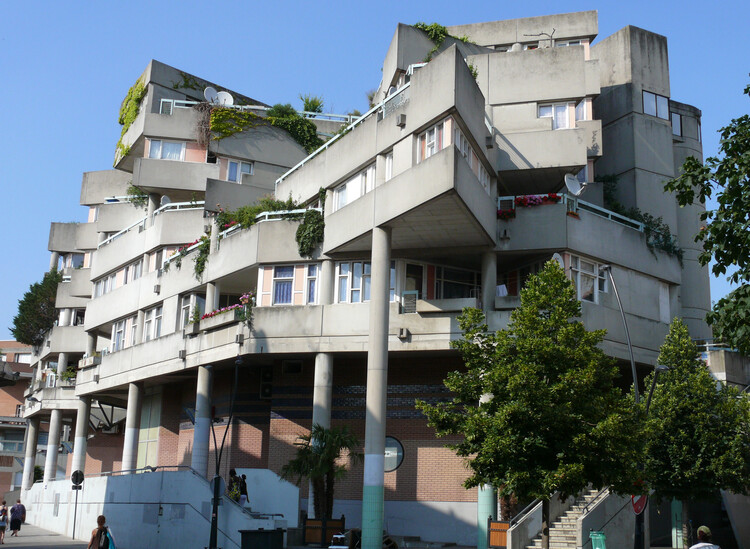
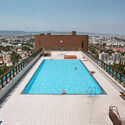
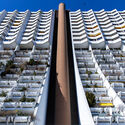
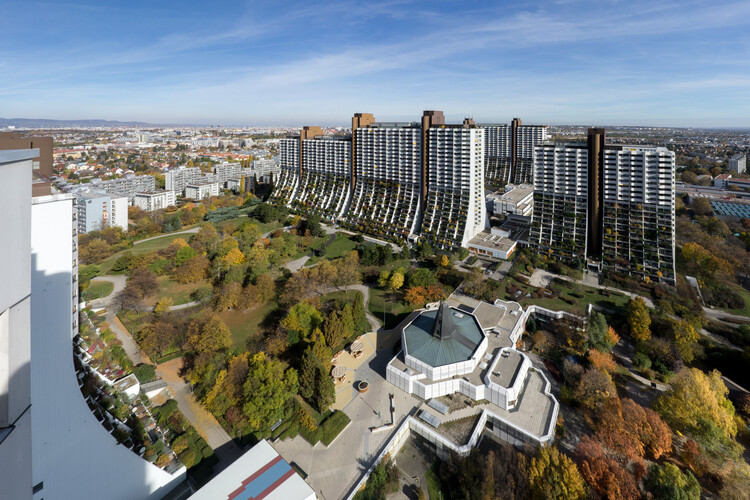
On the southern edge of Vienna, a cluster of monumental terraces rises above the cityscape, their stepped balconies cascading with greenery and their rooftops crowned with swimming pools. This is the Wohnpark Alterlaa, one of the most ambitious social housing projects in postwar Europe. Designed by Austrian architect Harry Glück and built between 1973 and 1985, the complex was founded on a provocative principle: municipal housing should not only provide affordable shelter but also offer the pleasures and amenities usually reserved for the wealthy.

With more than 3,000 apartments housing nearly 9,000 residents, Alterlaa was conceived as a city within the city. Alongside its residential towers, it incorporates shops, schools, medical services, and cultural facilities, ensuring that daily life can unfold entirely within its boundaries. The project reflects a moment of optimism in Vienna's urban policy, when housing was understood as infrastructure for collective well-being rather than as a commodity.
Wohnpark Alterlaa: Vienna’s Monumental Vision for Everyday Life - Image 1 of 4Wohnpark Alterlaa: Vienna’s Monumental Vision for Everyday Life - Image 2 of 4Wohnpark Alterlaa: Vienna’s Monumental Vision for Everyday Life - Image 3 of 4Wohnpark Alterlaa: Vienna’s Monumental Vision for Everyday Life - Image 4 of 4Wohnpark Alterlaa: Vienna’s Monumental Vision for Everyday Life - More Images+ 28

Architecture as Infrastructure: How India Builds for a Billion

Subscriber Access | 

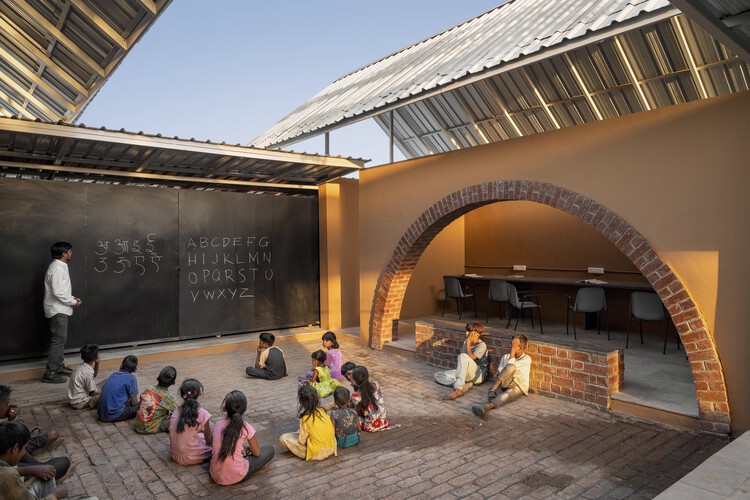
India's built environment has, in recent years, gained visibility through a growing number of transformative architectural and infrastructure projects. Cities and towns scale faster each year, despite looming concerns around climate and economic volatility. The nation has shown resilience in balancing rapid urbanization with resource constraints; this is no small feat. India's architectural practices rarely rely on novelty alone; they are built on systems that have existed for centuries. Through ArchDaily's Building for Billions, recurring stories have highlighted the social intelligence and adaptive capacity embedded in these practices, revealing an architecture that operates less as isolated form and more as infrastructure.
Architecture as Infrastructure: How India Builds for a Billion - Image 1 of 4Architecture as Infrastructure: How India Builds for a Billion - Image 2 of 4Architecture as Infrastructure: How India Builds for a Billion - Image 3 of 4Architecture as Infrastructure: How India Builds for a Billion - Image 4 of 4Architecture as Infrastructure: How India Builds for a Billion - More Images+ 2

ArchDaily Curator’s Picks 2025: A Look Back at 12 Key Project Reviews

For the past couple of years, the project curators at ArchDaily have been revisiting architectural works they believe deserve a deeper look. Through an Instagram post called "Project Review", the curators describe what they consider to be the work's main attribute(s). Delving into the project's stories and the elements that make them truly inspiring, they underline what might otherwise be overlooked initiatives and study them closely, with attention to locality and context. The result is an array of diverse works, often from rural or suburban areas that have a public function or historic significance.

While a couple of houses are listed, the majority of the reviews veer towards cultural centers, libraries, workspaces, or commercial settings. Another thing to note is the fact that many of these works ended up coming in from Asia, with a few key projects from rural China. The picks are quite diverse in materiality and design language; however, they all suggest innovative architectural solutions and captivating narratives.

ArchDaily Curator’s Picks 2025: A Look Back at 12 Key Project Reviews - Image 1 of 4ArchDaily Curator’s Picks 2025: A Look Back at 12 Key Project Reviews - Image 2 of 4ArchDaily Curator’s Picks 2025: A Look Back at 12 Key Project Reviews - Image 3 of 4ArchDaily Curator’s Picks 2025: A Look Back at 12 Key Project Reviews - Image 4 of 4ArchDaily Curator’s Picks 2025: A Look Back at 12 Key Project Reviews - More Images+ 12

Khudi Bari: Architecture for Climate Displacement

Subscriber Access | 

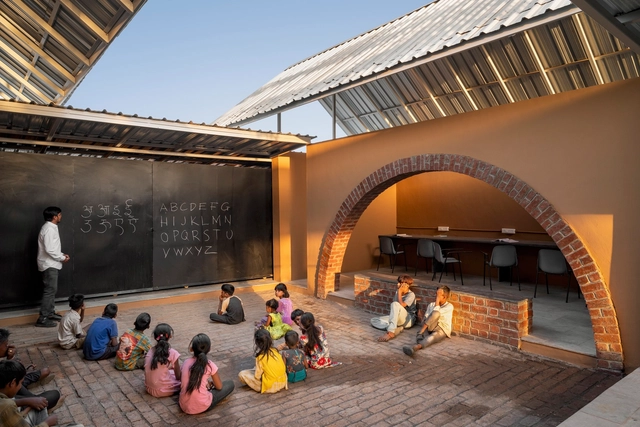
In the low-lying deltas of Bangladesh, water defines both life and loss. Every year, millions are forced to rebuild after floods wash away their homes, crops, and livelihoods. In these precarious territories, the act of building has become an act of resilience. It is here that Khudi Bari emerges as a modest yet radical proposal. Designed by Marina Tabassum Architects, the project provides a lightweight, modular, and affordable dwelling for communities displaced by climate change. Recognized as one of the winners of the 2025 Aga Khan Award for Architecture, it represents a form of architecture that empowers rather than imposes.

Khudi Bari: Architecture for Climate Displacement - Image 1 of 4Khudi Bari: Architecture for Climate Displacement - Image 2 of 4Khudi Bari: Architecture for Climate Displacement - Image 3 of 4Khudi Bari: Architecture for Climate Displacement - Image 4 of 4Khudi Bari: Architecture for Climate Displacement - More Images+ 27

From Bologna to Mexico City: 8 Unbuilt Masterplans Reimagining Communities Through Regeneration and Design

Subscriber Access | 

In today's architectural discourse, masterplanning is increasingly recognized as a means to reconcile growth with long-term social, cultural, and environmental priorities. Beyond organizing buildings and infrastructure, these large-scale proposals aim to regenerate urban fabrics, adapt historic or underutilized sites, and establish frameworks for inclusive and resilient communities. Submitted by the ArchDaily community, the projects featured in this edition of Unbuilt Architecture highlight how masterplans can respond to contemporary challenges while preparing cities for an uncertain future.

Spanning diverse geographies, from Europe to the Middle East and the Americas, the selected projects reinterpret industrial complexes, cultural sites, and residential neighborhoods through strategies that prioritize sustainability, mobility, and collective identity. Many share a focus on regenerative design: reopening historic canals, creating climate-adapted public spaces, and introducing green corridors and community hubs to reconnect people with their environments. Together, they showcase how masterplanning is evolving into a critical tool for rethinking how cities grow, adapt, and sustain civic life.

From Bologna to Mexico City: 8 Unbuilt Masterplans Reimagining Communities Through Regeneration and Design - Image 9 of 4From Bologna to Mexico City: 8 Unbuilt Masterplans Reimagining Communities Through Regeneration and Design - Image 22 of 4From Bologna to Mexico City: 8 Unbuilt Masterplans Reimagining Communities Through Regeneration and Design - Image 30 of 4From Bologna to Mexico City: 8 Unbuilt Masterplans Reimagining Communities Through Regeneration and Design - Image 38 of 4From Bologna to Mexico City: 8 Unbuilt Masterplans Reimagining Communities Through Regeneration and Design - More Images+ 45

“Architecture and Energy” at DAM Explores the Climate Impact of the Built Environment

The Deutsches Architekturmuseum (DAM) in Frankfurt has launched its new exhibition Architecture and Energy: Building in the Age of Climate Change on June 14, which will be open to visitors until October 5, 2025. Developed in collaboration with engineer and sustainability advocate Werner Sobek, the exhibition explores the intersections of architecture, energy, and climate, focusing on the environmental impact of the built environment and the role of architecture in mitigating climate change. By framing architecture as both a challenge and an opportunity in the context of the climate crisis, the exhibition seeks to contribute to a broader shift in thinking, one that positions design as a vital component of a sustainable future.

“Architecture and Energy” at DAM Explores the Climate Impact of the Built Environment - Image 1 of 4“Architecture and Energy” at DAM Explores the Climate Impact of the Built Environment - Image 2 of 4“Architecture and Energy” at DAM Explores the Climate Impact of the Built Environment - Image 3 of 4“Architecture and Energy” at DAM Explores the Climate Impact of the Built Environment - Image 4 of 4“Architecture and Energy” at DAM Explores the Climate Impact of the Built Environment - More Images+ 8

Unpolished Narratives: Exposed Materials in Latin American Affordable Housing

Subscriber Access | 

What makes a building architecture? The eternal debate over what distinguishes architecture from mere utilitarian construction has often included affordable and social housing as an influential topic, sparking different points of view. This question is particularly significant in the Latin American context, where unique conditions go beyond cost concerns, whether imposed or unavoidable. Limited access to financing, the prevalence of self-construction, and the spread of informal settlements are interconnected factors shaping the built environment. These dynamics foster an aesthetic that, for some, challenges notions of good architecture, manifesting in urban landscapes where exposed materials become a defining feature.

Los Angeles Approves Adaptive Reuse Ordinance 2.0 to Tackle Housing Shortage

The Los Angeles City Council has approved the revised Citywide Adaptive Reuse Ordinance (Citywide ARO), which is planned to take effect in 2025. Building on the success of the 1999 ordinance, which facilitated the creation of over 12,000 housing units in Downtown LA, the updated policy aims to address the city's ongoing housing crisis and repurpose underutilized buildings.

Los Angeles Approves Adaptive Reuse Ordinance 2.0 to Tackle Housing Shortage - Image 1 of 4Los Angeles Approves Adaptive Reuse Ordinance 2.0 to Tackle Housing Shortage - Image 2 of 4Los Angeles Approves Adaptive Reuse Ordinance 2.0 to Tackle Housing Shortage - Image 3 of 4Los Angeles Approves Adaptive Reuse Ordinance 2.0 to Tackle Housing Shortage - Image 4 of 4Los Angeles Approves Adaptive Reuse Ordinance 2.0 to Tackle Housing Shortage - More Images+ 1

Kop Dakpark: The Project by INBO and h3o architects that Redefines Social Housing in Rotterdam

Subscriber Access | 

Located at the edge of Rotterdam's iconic Dakpark, the new Kop Dakpark project, designed by the architectural firms INBO and h3o, stands as an innovative model of sustainable and inclusive housing. Developed by Woonstad Rotterdam, this residential complex includes 153 affordable homes —63 social and 90 middle-income— that not only address the need for housing but also integrate nature and community to enhance both the urban and ecological landscape.

Kop Dakpark: The Project by INBO and h3o architects that Redefines Social Housing in Rotterdam - Image 1 of 4Kop Dakpark: The Project by INBO and h3o architects that Redefines Social Housing in Rotterdam - Image 2 of 4Kop Dakpark: The Project by INBO and h3o architects that Redefines Social Housing in Rotterdam - Image 3 of 4Kop Dakpark: The Project by INBO and h3o architects that Redefines Social Housing in Rotterdam - Image 4 of 4Kop Dakpark: The Project by INBO and h3o architects that Redefines Social Housing in Rotterdam - More Images+ 13

From High-Tech Icons to Social Housing: The Evolving Role of Prefabrication

Subscriber Access | 

Prefabrication is one of the most transformative innovations in architecture and construction, redefining how buildings are designed, manufactured, and assembled. While not a new concept, its application has evolved to offer a broader range of advantages. Traditionally valued for its precision and quality, prefabrication is now equally recognized for its cost and time efficiencies, particularly in leveraging regional differences in labor and production. This shift has fueled its resurgence across high-end, design-driven projects and large-scale, cost-efficient public buildings.

From High-Tech Icons to Social Housing: The Evolving Role of Prefabrication - Image 1 of 4From High-Tech Icons to Social Housing: The Evolving Role of Prefabrication - Image 2 of 4From High-Tech Icons to Social Housing: The Evolving Role of Prefabrication - Image 3 of 4From High-Tech Icons to Social Housing: The Evolving Role of Prefabrication - Image 4 of 4From High-Tech Icons to Social Housing: The Evolving Role of Prefabrication - More Images+ 9

ELEMENTAL Designs Prefabricated Housing Project for Reconstruction in Viña del Mar, Chile

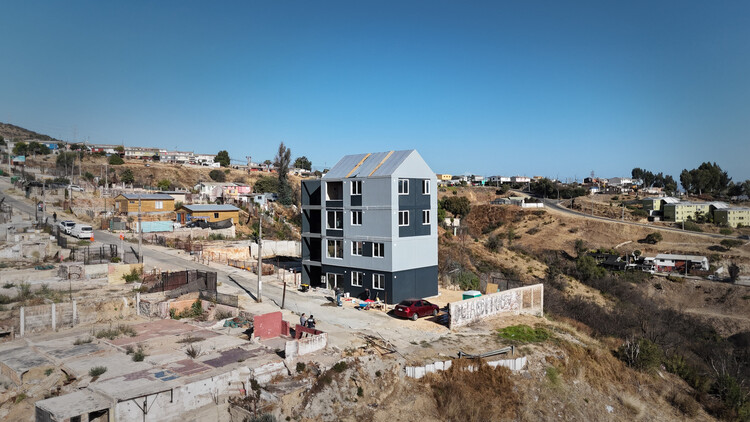
A year after the Viña del Mar mega-fire in Chile and with reconstruction efforts progressing at just 26%, the architecture firm ELEMENTAL and local authorities have begun construction on a prefabricated housing project in one of the residential neighborhoods most affected by the disaster. The project consists of a mid-density residential building with a modular steel structure, intended as a starting point for similar initiatives in response to what is now considered one of the most catastrophic events in Chile's recent history. As stated by Alejandro Aravena and the city's mayor, Macarena Ripamonti, the goal is for the technology and management model behind this project to set a precedent for delivering rapid and permanent housing solutions in emergency situations.

ELEMENTAL Designs Prefabricated Housing Project for Reconstruction in Viña del Mar, Chile - Image 1 of 4ELEMENTAL Designs Prefabricated Housing Project for Reconstruction in Viña del Mar, Chile - Image 2 of 4ELEMENTAL Designs Prefabricated Housing Project for Reconstruction in Viña del Mar, Chile - Image 3 of 4ELEMENTAL Designs Prefabricated Housing Project for Reconstruction in Viña del Mar, Chile - Featured ImageELEMENTAL Designs Prefabricated Housing Project for Reconstruction in Viña del Mar, Chile - More Images+ 19

Designing for Density: How Modernist Principles Continue to Shape Social Housing Solutions Today

When discussing modernist living, several iconic private residential projects may first come to mind—Le Corbusier's Villa Savoye, the Case Study Houses, most notably by Richard Neutra, Pierre Koenig, and Charles and Ray Eames, as well as the glass houses by Mies van der Rohe and Philip Johnson. Most of these projects exemplified an idealized vision of modern living, set in picturesque landscapes and characterized by experimentation with new construction methods, materials, and spatial concepts. Their designs embraced openness, blurring the boundaries between private and public spaces, largely unburdened by constraints such as density, efficiency, accessibility, public transit integration, or communal considerations.

While these modern homes remain influential in contemporary residential design, they also—perhaps unexpectedly—laid the groundwork for high-density housing principles. Concepts such as the interplay between public and private space, modular construction, and prefabrication, initially explored in these private residences, have been adapted to the vastly different constraints of social housing. 

Designing for Density: How Modernist Principles Continue to Shape Social Housing Solutions Today - Image 1 of 4Designing for Density: How Modernist Principles Continue to Shape Social Housing Solutions Today - Image 2 of 4Designing for Density: How Modernist Principles Continue to Shape Social Housing Solutions Today - Image 3 of 4Designing for Density: How Modernist Principles Continue to Shape Social Housing Solutions Today - Image 4 of 4Designing for Density: How Modernist Principles Continue to Shape Social Housing Solutions Today - More Images+ 26