Architecture in the Andes: How Altitude Shapes Design Decisions

Subscriber Access

The Andes are often understood as a continuous mountain range, yet they encompass a wide range of climates and ecosystems. In Ecuador, Peru, Bolivia, Colombia, and Chile, páramos, dry highlands, temperate valleys, and snow-covered landscapes can exist within relatively short distances of one another. As elevation changes, so do temperature, solar radiation, humidity, wind, vegetation, and topography, producing environments that require different ways of building.

Unlike many mountain regions where cold is the defining environmental condition, high-altitude environments in the Andes combine several climatic conditions at once. As elevation increases, solar radiation becomes more intense. Some regions remain humid throughout the year, while others experience prolonged dry seasons. In many places, steep terrain, snow, and changing weather patterns become additional factors that influence how buildings are designed.
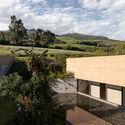
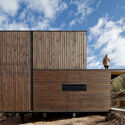
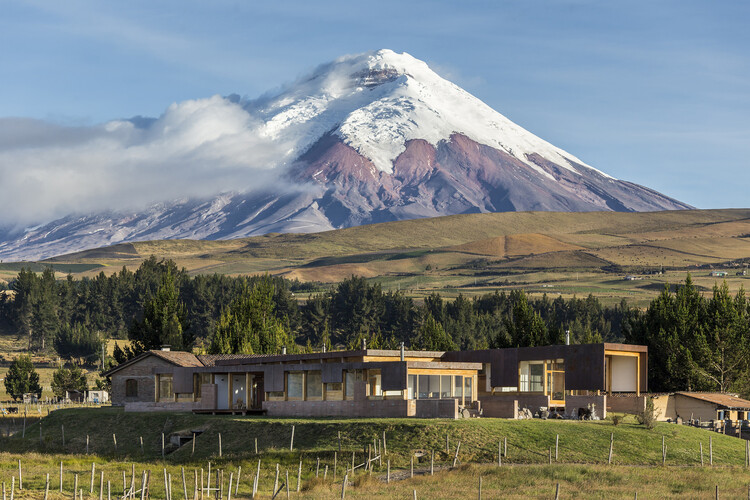
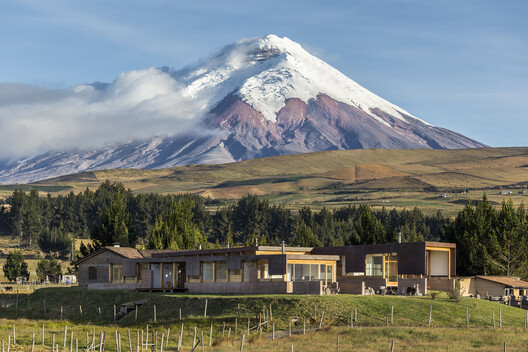
Architecture in the Andes: How Altitude Shapes Design Decisions - Image 2 of 17Architecture in the Andes: How Altitude Shapes Design Decisions - Image 3 of 17Architecture in the Andes: How Altitude Shapes Design Decisions - Image 4 of 17Architecture in the Andes: How Altitude Shapes Design Decisions - Image 5 of 17Architecture in the Andes: How Altitude Shapes Design Decisions - More Images+ 12

Content Loader

Image gallery

See allShow less
About this author
Cite: Daniela Andino. "Architecture in the Andes: How Altitude Shapes Design Decisions" 07 Jul 2026. ArchDaily. Accessed . <https://www.archdaily.com/1042916/architecture-in-the-andes-how-altitude-shapes-design-decisions> ISSN 0719-8884

You've started following your first account!

Did you know?

You'll now receive updates based on what you follow! Personalize your stream and start following your favorite authors, offices and users.