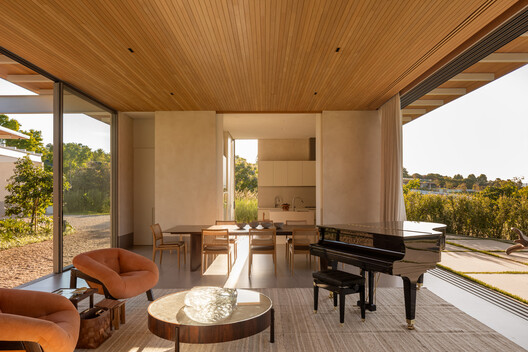
What defines the atmosphere of a home? Beyond material palettes and natural light, sound plays a defining role in how spaces are perceived and inhabited. The reverberation of footsteps across stone, the muted calm of a textile-lined room, or the way music carries through an open-plan interior all shape the sensory identity of domestic space. Architecture is experienced not only visually, but acoustically.
The concept of the "soundscape" describes this relationship between people, sound, and the built environment. In residential architecture, sound is more than background noise or technical performance; it influences privacy, concentration, rest, and emotional comfort. Geometry and materiality act as the primary acoustic conductors: while concrete, glass, and stone reflect and amplify, timber and upholstery soften and absorb. Ceiling heights, circulation paths, and room proportions further shape how sound travels and settles across a space.
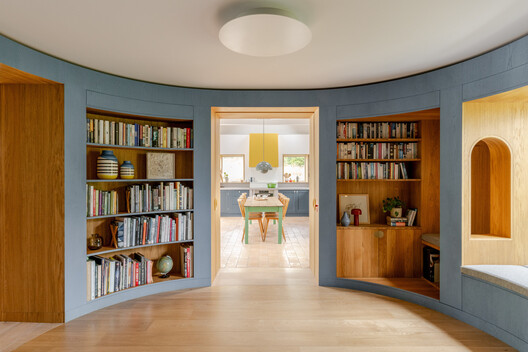
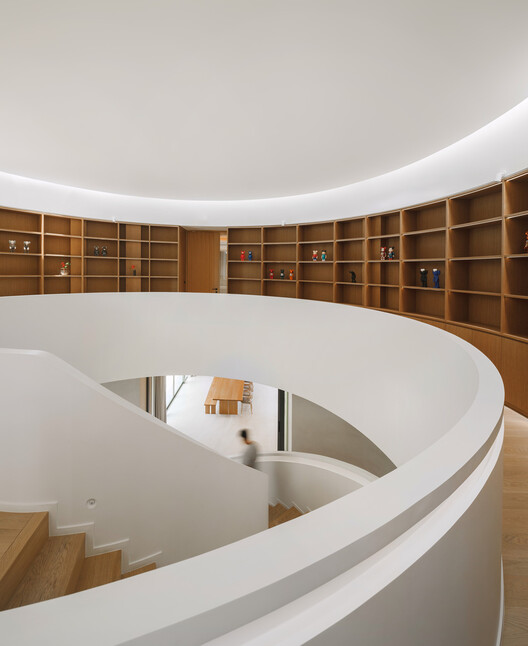
The Acoustic Identity of the Home
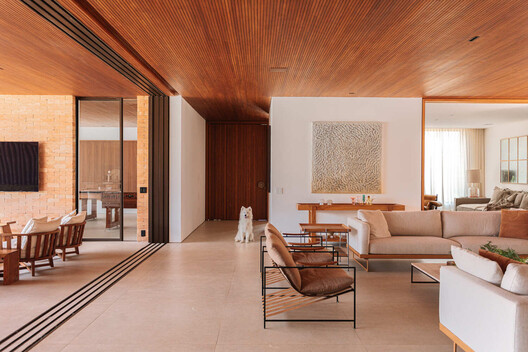
This relationship is most tested in residential interiors, where boundaries between rooms are intentionally blurred. Kitchens merge into living areas, hallways become extensions of social space, and terraces connect indoor and outdoor environments acoustically as much as visually. In these interconnected layouts, acoustic planning must be as integral as the structural grid. In these conditions, professional multi-zone audio systems, such as the Sonos Amp Multi, begin to function as part of the architecture itself, integrated into how spaces are organized, occupied, and experienced throughout the day.
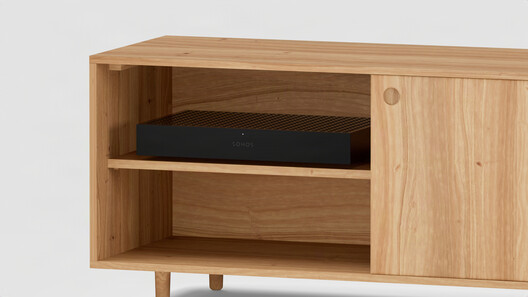
Designed for larger-scale residential projects, systems such as Sonos Amp Multi allow sound to move with the logic of the home itself. A single unit can create up to four independent zones while powering up to 24 Sonos Architectural speakers through eight amplified outputs delivering 125 watts each at 8 ohms. In practice, this allows quieter and more localized sound environments in bedrooms or studies, while communal living areas, kitchens, and terraces can operate as broader, more immersive acoustic spaces. In larger residences, multiple units can be integrated across entire projects while maintaining acoustic cohesion between zones. As Sonos explains:
It brings efficiency and simplicity to ambitious projects, making them quicker to design, smoother to install, and far more seamless for homeowners to enjoy.
Calibrating Sound to Different Spatial Conditions
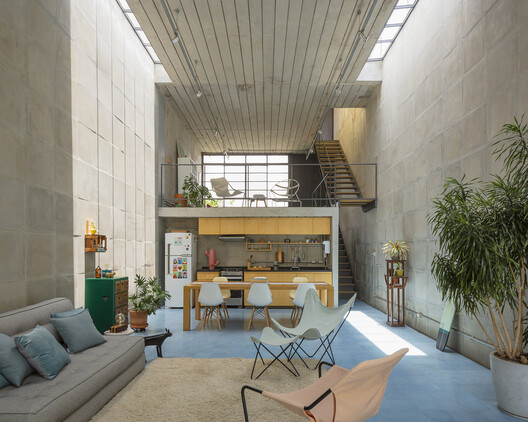
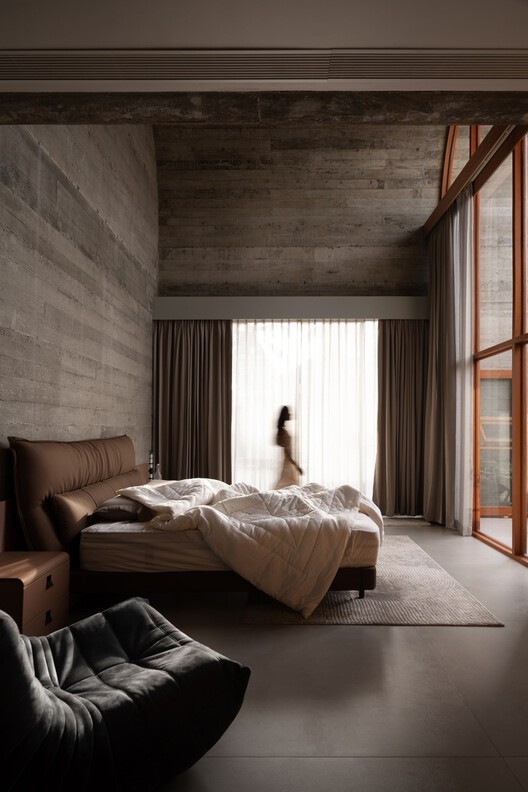
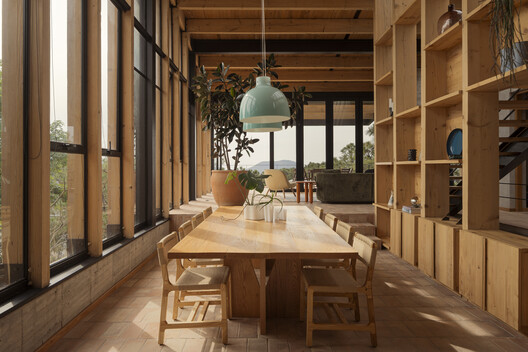
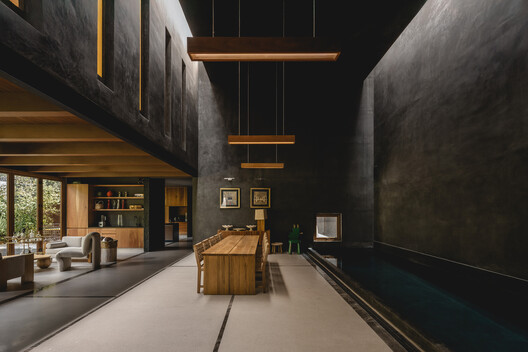
Advanced digital signal processing (DSP) now allows architects and integrators to tune audio output based on the specific physics of a room—adjusting for gain, bandwidth, and delay controls to account for reflective surfaces or unconventional volumes. This flexibility becomes particularly relevant in homes where a single acoustic condition rarely exists. A double-height concrete interior produces a very different listening environment than a timber-lined study or a fabric-softened bedroom. Materials shape reverberation, circulation affects how sound travels between rooms, and open layouts often allow multiple activities to overlap simultaneously. Within these varied environments, acoustic calibration becomes a necessity, much like the dimming of a light or the adjustment of a thermostat.
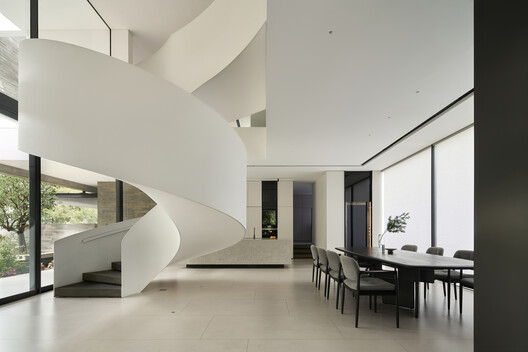
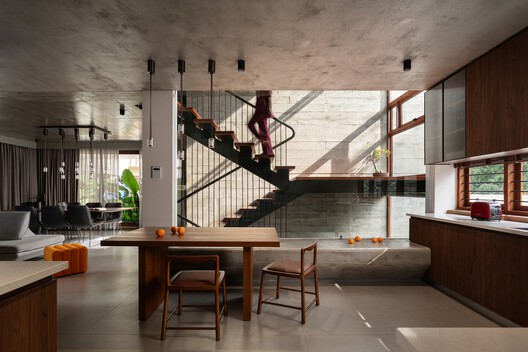
Acoustic Tuning Across Domestic Space
At the hardware level, systems designed for integrated residential audio prioritize both performance and discretion. Systems like the Amp Multi combine GaN power architecture with Class-D post-filter feedback to deliver dynamically controlled, high-output audio while operating silently without fans or moving mechanical parts, an important consideration in environments where background mechanical noise can alter the atmosphere of a space. Its scalable architecture also allows multiple units to be integrated across larger projects while maintaining consistent sound performance throughout the system.
The physical design of these systems reflects a similar architectural restraint. Compact rack-ready chassis, passive cooling systems, and recessed connectors help minimize visual impact within highly considered interiors. In the case of Amp Multi, the dedicated rack-mount integrates ventilation space directly into the installation, supporting cleaner cable management while simplifying integration across larger residential projects.
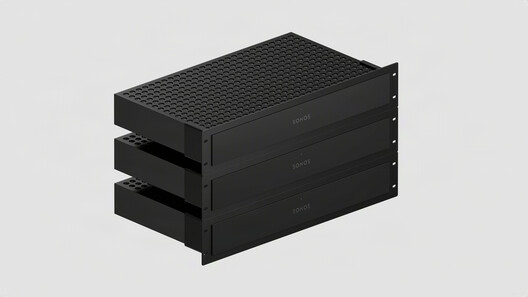
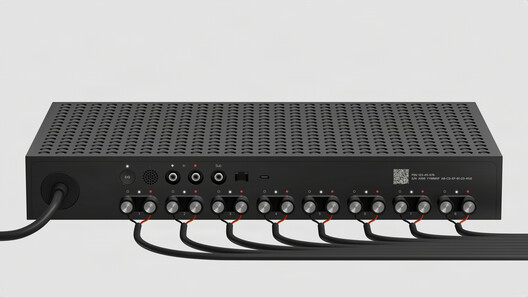
Installation workflows have also been shaped around the realities of professional residential integration. Features such as the ability for each Amp Multi unit to identify itself through a unique audible cue within the Sonos app reduce setup complexity during rack commissioning, particularly across multi-unit systems. Zones, sources, and outputs can then be managed through the same interface, preserving the intuitive user experience of the broader Sonos ecosystem.
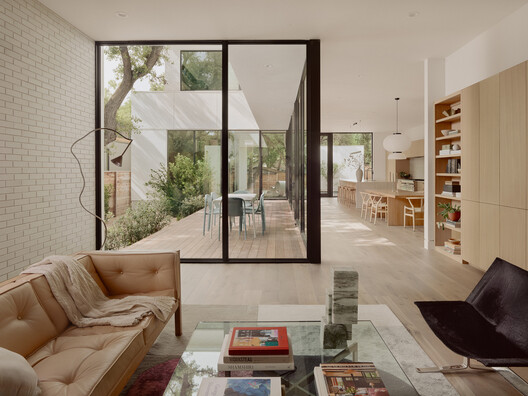
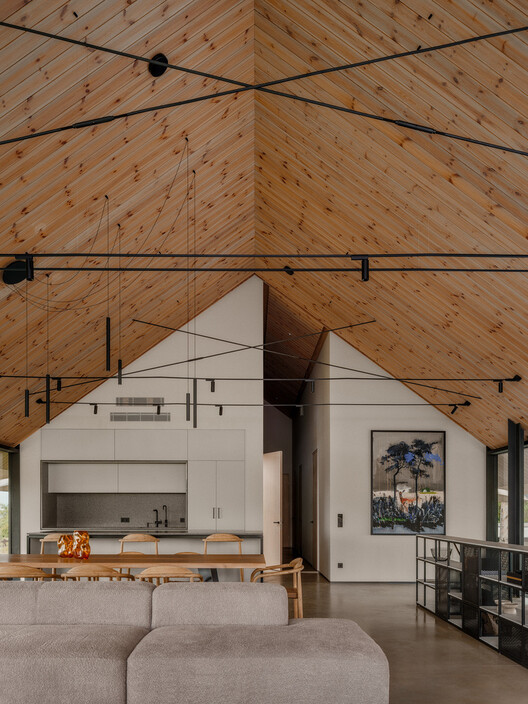
Research into sonic architecture and acoustic ecology frames the home as a multisensory environment where sound directly contributes to well-being and perception. A home is not simply a container that blocks external noise; it is a vessel that cultivates acoustic conditions to support calm, focus, interaction, and retreat. A quiet bedroom, a lively communal kitchen, or a softly layered living space each relies on different sound qualities to function comfortably.
What emerges is an understanding of sound as part of the home's spatial language. Music, ambient noise, reverberation, and silence all contribute to how interiors are occupied and remembered. A home may be defined visually by its materials, light, and proportions, but it is equally shaped by how sound moves through it: how it gathers, dissipates, softens, or expands within the architecture itself. In this sense, systems such as the Sonos Amp Multi become part of the broader relationship between architecture, technology, and atmosphere, shaping how domestic space is experienced acoustically, room to room.