1. ArchDaily
  2. Kitchen

Kitchen: The Latest Architecture and News

Designing with Sound: How Audio Shapes Residential Architecture

 | In Collaboration

What defines the atmosphere of a home? Beyond material palettes and natural light, sound plays a defining role in how spaces are perceived and inhabited. The reverberation of footsteps across stone, the muted calm of a textile-lined room, or the way music carries through an open-plan interior all shape the sensory identity of domestic space. Architecture is experienced not only visually, but acoustically.

The concept of the "soundscape" describes this relationship between people, sound, and the built environment. In residential architecture, sound is more than background noise or technical performance; it influences privacy, concentration, rest, and emotional comfort. Geometry and materiality act as the primary acoustic conductors: while concrete, glass, and stone reflect and amplify, timber and upholstery soften and absorb. Ceiling heights, circulation paths, and room proportions further shape how sound travels and settles across a space.

The Kitchen as a Social Space: Everyday Rituals and the Making of Place

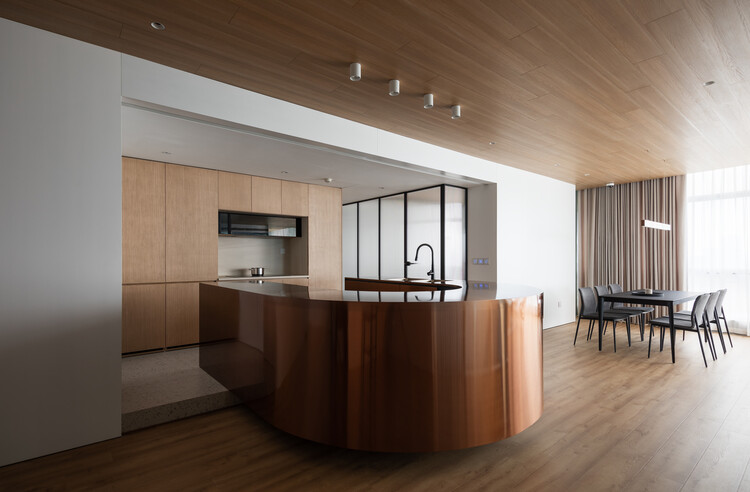
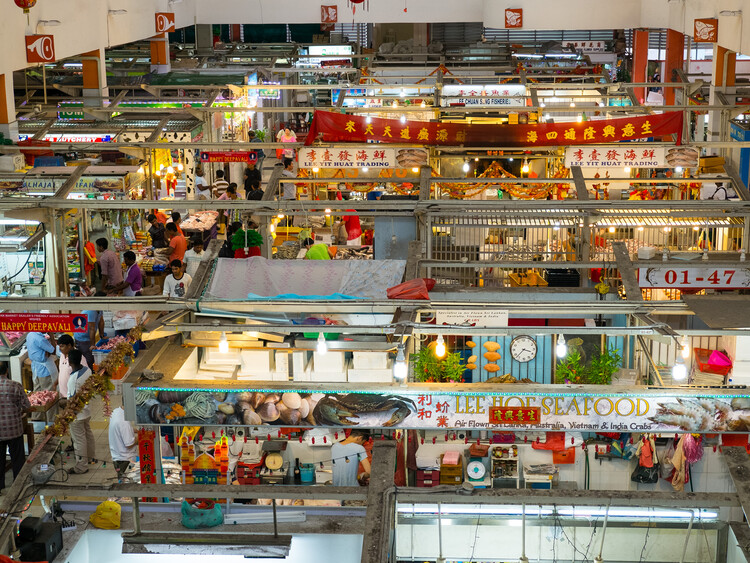
Can architecture be built from food? Between the fire that warms, the smells that spread, and the bodies that gather around the table, the apparent banality of cooking and eating reveals itself as a choreographed dance of spatial appropriation and belonging. These gestures organize routines, produce bonds, and transform the built environment into lived place. The kitchen—domestic, communal, or urban—thus ceases to be merely a functional space and affirms itself as a territory of encounter.

The Kitchen as a Social Space: Everyday Rituals and the Making of Place - Image 1 of 4The Kitchen as a Social Space: Everyday Rituals and the Making of Place - Image 2 of 4The Kitchen as a Social Space: Everyday Rituals and the Making of Place - Image 3 of 4The Kitchen as a Social Space: Everyday Rituals and the Making of Place - Image 4 of 4The Kitchen as a Social Space: Everyday Rituals and the Making of Place - More Images+ 8

The Long Table as a Spatial Protocol: Designing Conditions for Gathering and Pause

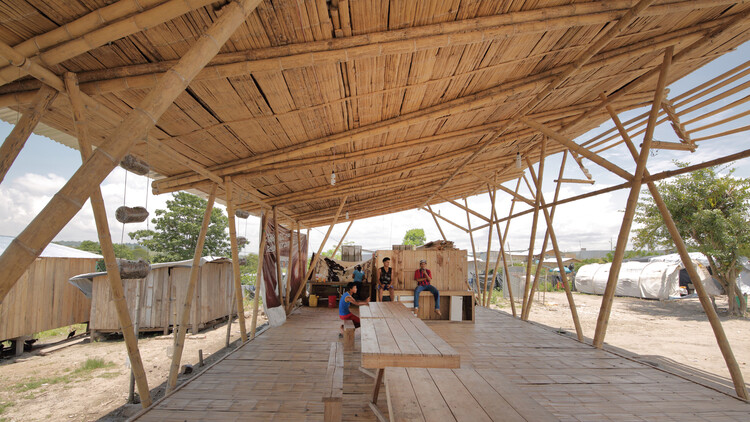
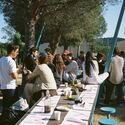
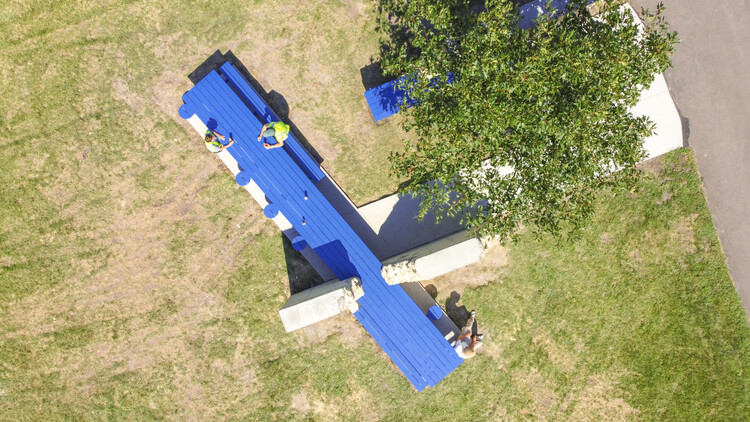
A long table can sit almost anywhere and still do the same work. It can stretch beneath a market canopy, run along a school dining hall, or occupy the center of a shared living room, and it immediately changes the room's temperature.

That is why the long table is less an object than a spatial instrument. It does not guarantee a connection, and it rarely looks "inclusive" by default. Instead, it sets conditions: a shared edge, a common rhythm of arrival, a field of mutual visibility, or a rule that turns eating into a scene with others. Food studies describe this practice as commensality, the act of eating together and the social order it can create, reinforce, or contest. But what matters here is not a specific dimension or the table's function, but the way a long surface holds difference, conversation, and silence; intimacy and distance; the decision to join and the right to hesitate.

The Long Table as a Spatial Protocol: Designing Conditions for Gathering and Pause - Image 1 of 4The Long Table as a Spatial Protocol: Designing Conditions for Gathering and Pause - Image 2 of 4The Long Table as a Spatial Protocol: Designing Conditions for Gathering and Pause - Image 3 of 4The Long Table as a Spatial Protocol: Designing Conditions for Gathering and Pause - Image 4 of 4The Long Table as a Spatial Protocol: Designing Conditions for Gathering and Pause - More Images+ 22

The Kitchen Garden

A beautifully illustrated survey of the world’s most inspiring kitchen gardens, from potagers and historic estates to rooftop urban farms

Morning Rituals: Architecture of Breakfast Spaces

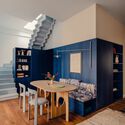
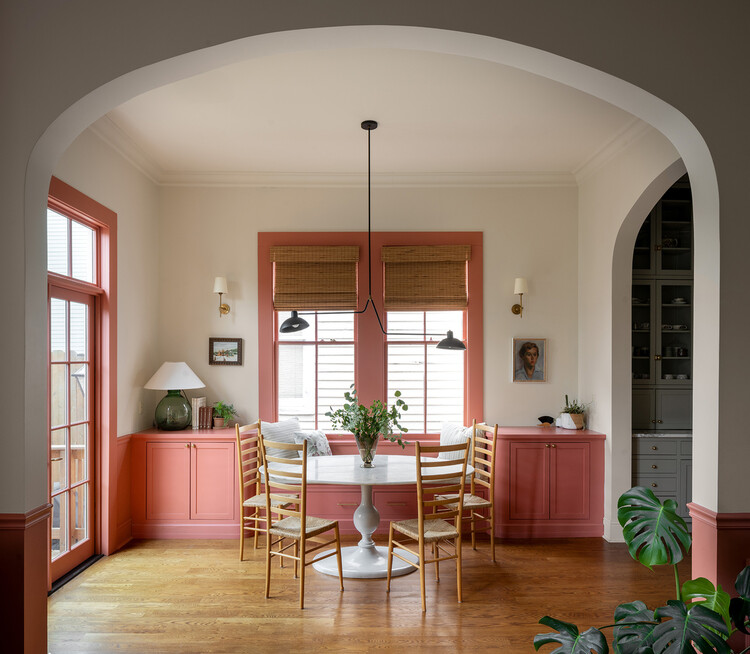
Breakfast nooks emerged in the early twentieth century in response to increasing domestic density and shifting ideas about everyday life. Rooted in the American Arts and Crafts movement and popularized through bungalow housing of the 1910s and 1920s, they evolved from the more formal Victorian breakfast room into compact, built-in spaces embedded within the kitchen. As houses grew smaller and more economical, architects and millwork companies used fixed benches and tables to occupy corners, alcoves, and bay windows that might otherwise be inefficient. These light-filled enclosures provided an affordable means of concentrating daily activities while preserving comfort and spatial clarity.

Morning Rituals: Architecture of Breakfast Spaces - Image 1 of 4Morning Rituals: Architecture of Breakfast Spaces - Image 2 of 4Morning Rituals: Architecture of Breakfast Spaces - Image 3 of 4Morning Rituals: Architecture of Breakfast Spaces - Image 4 of 4Morning Rituals: Architecture of Breakfast Spaces - More Images+ 13

Insights from La Feria De Diseño Medellín: Well-Being, Innovation, and Global Design Perspectives

 | Sponsored Content

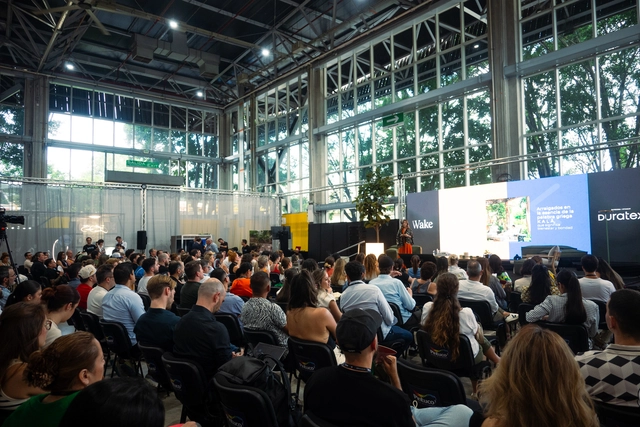
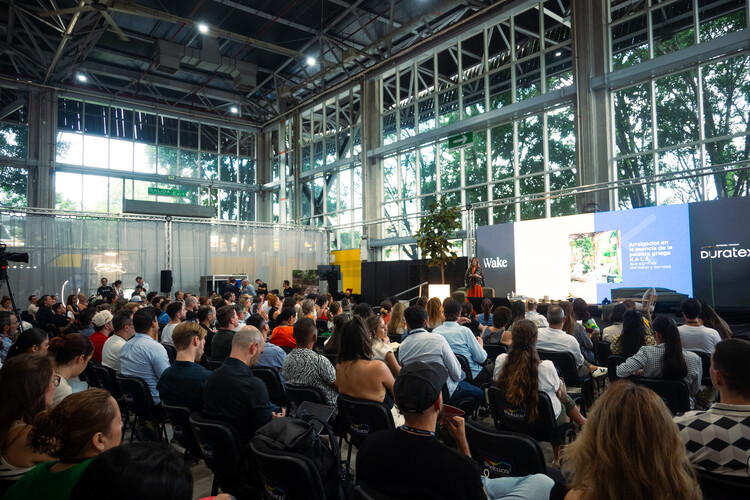
Asking questions is the first step toward challenging what we take for granted and opening up new possibilities for planning and building. These questions, valuable in themselves, gain new strength when shared and examined through different perspectives. As they intersect with the experiences of professionals and brands, they weave together viewpoints that enrich the discussion. Design fairs and events around the world have become spaces where these conversations gain momentum, fostering connections and encouraging collaborative dynamics. In this landscape, Colombia has emerged as a hub, serving as a platform that promotes architecture and design across Latin America and the Caribbean while bringing the region's voice to the global stage.

Insights from La Feria De Diseño Medellín: Well-Being, Innovation, and Global Design Perspectives - Image 7 of 4Insights from La Feria De Diseño Medellín: Well-Being, Innovation, and Global Design Perspectives - Image 2 of 4Insights from La Feria De Diseño Medellín: Well-Being, Innovation, and Global Design Perspectives - Image 12 of 4Insights from La Feria De Diseño Medellín: Well-Being, Innovation, and Global Design Perspectives - Image 4 of 4Insights from La Feria De Diseño Medellín: Well-Being, Innovation, and Global Design Perspectives - More Images+ 8

Swan Taps, Checkered Seashell Fixtures, and the New Frontier of Bespoke Design

 | Sponsored Content

At the heart of design lies the intersection of technique and creativity—a space where ideas take shape and environments are reimagined. In a world prevalent with mass-produced objects, the focus is shifting toward something more deliberate, where every decision opens up new possibilities and allows design to break free from the conventional. Think of the LC1 armchair by Le Corbusier or Mies van der Rohe's Barcelona chair—not simply furniture, but outcomes that illustrate a studio-driven freedom where ideas, materials, and finishes are allowed to converse, not conform. These pieces don't just fill a room; they reimagine it. This spirit of innovation now extends to every detail, from kitchen to bathroom fittings, where the range of choices—materials, form, and function—becomes an opportunity to craft something truly unique.

The Kitchen in the New Spatial Economy: 5 Contemporary Design Approaches

Subscriber Access | 

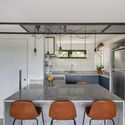
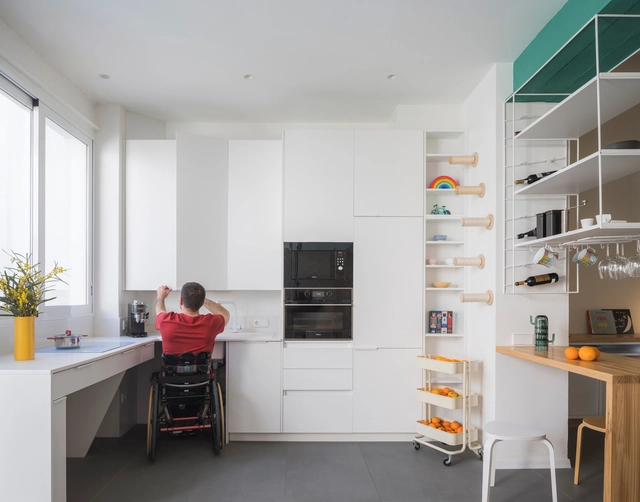
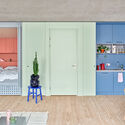
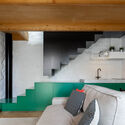
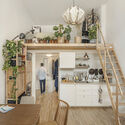
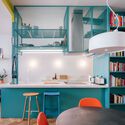
Space has become a luxury in many of the world's most densely populated cities—a growing reality that's hard to ignore. Megacities like Tokyo, Shanghai, Mumbai, Mexico City, and São Paulo already have populations exceeding 20 million, while other urban centers across Asia and Africa continue to expand rapidly. Among these, Delhi stands out: if current trends continue, it is projected to become the most populous city by 2028. As these cities expand, housing—especially new developments—follows a new logic: as square meters shrink, furniture adapts, and daily life learns to fit and thrive in high-density environments. This change isn't just about size; it reflects a new way of living. Where spaciousness once dominated, density now rules. Every corner gains spatial and commercial value, with the kitchen emerging as one of the biggest challenges in housing design today.

The Kitchen in the New Spatial Economy: 5 Contemporary Design Approaches - Image 1 of 4The Kitchen in the New Spatial Economy: 5 Contemporary Design Approaches - Image 2 of 4The Kitchen in the New Spatial Economy: 5 Contemporary Design Approaches - Image 3 of 4The Kitchen in the New Spatial Economy: 5 Contemporary Design Approaches - Image 4 of 4The Kitchen in the New Spatial Economy: 5 Contemporary Design Approaches - More Images+ 18

Reinventing the Cooking Ritual with AI at the Heart of the Home

 | Sponsored Content

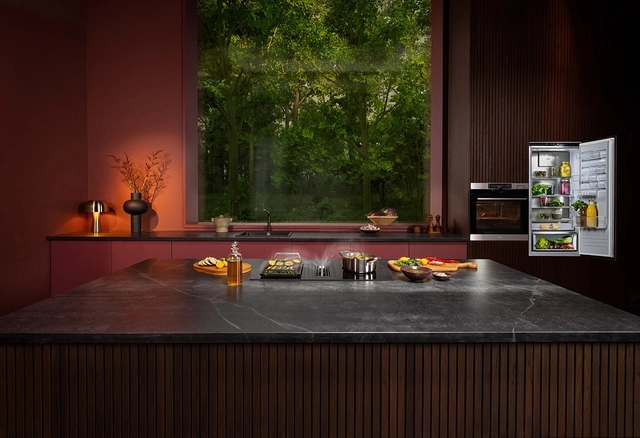
The role of the kitchen has undergone a remarkable transformation—evolving from a purely functional space into the central hub of the home, where creativity thrives and meaningful connections are made. This shift is closely linked to the growing popularity of cooking as a hobby, spurred by a surge in culinary-focused TV shows and dedicated channels. It reflects a broader cultural movement towards authenticity in an increasingly digital world—a counterpoint to the fast-paced nature of modern life that emphasizes a slower, more mindful lifestyle, often referred to as "slow living".

This trend also aligns with a growing focus on health and wellness, as well as a renewed appreciation for nature and cultural heritage. Today, the kitchen is more than just a place to prepare meals—it's where families gather, friends connect, and culinary skills are honed and celebrated. Yet, even an activity as elemental and hands-on as cooking can be transformed by technology. Beyond traditional electronic utensils and appliances that simplify many processes, Artificial Intelligence is emerging as a powerful ally in the modern kitchen.