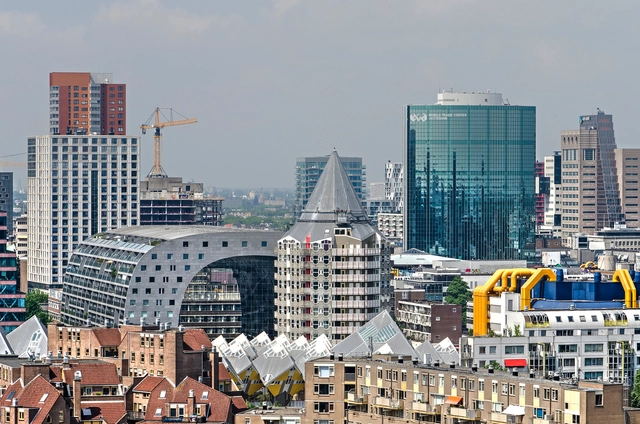
Often referred to as the “Manhattan on the Maas,” Rotterdam is a city unlike any other in the Netherlands. The Dutch metropolis with its striking skyline, tells a unique architectural narrative with chapters filled with the rubble of the devastating bombings of World War II, followed by a story of reconstruction that transformed the city into a hub for experimental architecture and urban planning. Today a mosaic of architectural styles, Rotterdam has embraced innovation, becoming a global showcase for cutting-edge design and sustainable urban development.
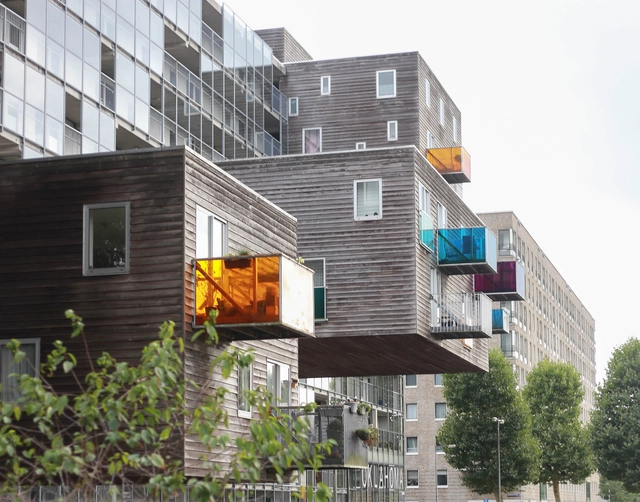
In 1940, almost the entire city center was wiped out by German bombs. Instead of following other European cities’ examples of reconstruction, Rotterdam decided to reinvent itself. Today, the city hosts some of the most well-known Dutch pieces of architecture, such as the Kubuswoningen or the Het Nieuwe Instituut. Its open attitude toward innovation and experimentation continues to attract talent from around the world, as its distinctive skyline continues to change and adapt to contemporary conditions.
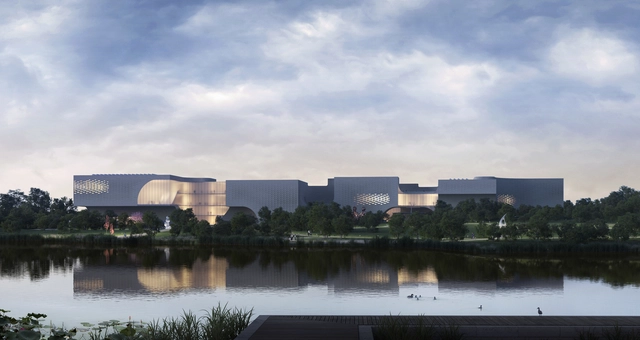
Ennead Architects has revealed the design for the Wuxi Art Museum in the historic port city of Wuxi, China. The competition-winning design proposes a new center for art and culture that builds upon the tradition of the Chinese gardens, a practice with a long legacy in the region. The complex is located in the Shangxianhe Wetland Park, a natural environment that informs and influences the museum experience. According to the designers, the architecture behind the Wuzi Art Museum is conceived as a Taihu Scholar Stone, a contemplative spatial structure sitting quietly in the broader natural context and inviting visitors to pause.
Amsterdam is one of the most beautiful cities in Europe. Its origins lie in the 12th century when fishermen living along the banks of the River Amstel built a bridge across the waterway near the IJ, then a large saltwater inlet. Most of the city’s territory is below sea level and therefore it lies on land that has been reclaimed from the water.
Amsterdam is all about practical urban planning, amazing cycling infrastructure, tulip-lined canal bridges, and old merchant houses that tilt at impossible angles. I visited Amsterdam again last year and discovered some new places.
Benthem Crouwel Architects and West 8 have won the international competition to design the new multimodal hub of Brno. The city announced the winning Dutch teams known for the Rotterdam Central station, and the designers were selected out of a total of 46 applications. It was the largest architectural competition in the history of the Czech Republic.
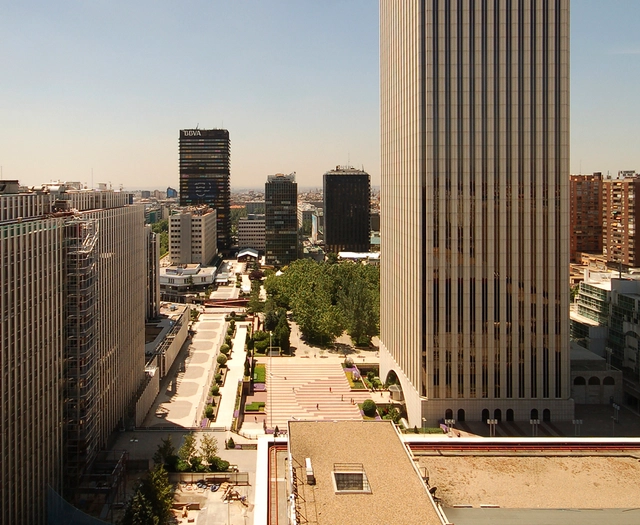
The RENAZCA international competition has released a shortlist for the design of the financial district of Azca in Madrid, Spain, according to El Pais. Directed by IE School of Architecture and Design Martha Thorne and Edgar González, the competition aims to transform the district into the most important economic and cultural node in the Spanish capital. The winning team will be chosen at the end of January 2021 and will have the task of transforming the sector into a "new, open, sustainable urban space connected to the city."
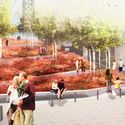
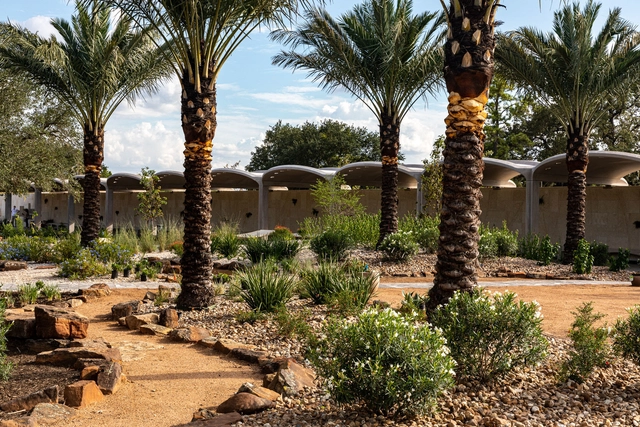
Dutch landscape architecture and design firm West 8 has unveiled the first phase of Houston's first ever Botanic Garden in Texas. Designed to be a "museum of plants", the project features evolving collections to inform scientists, tourists and horticulturalists alike. Conceived over twenty years ago by locals, the project has been developed on an island in the city’s expansive Bayou system.
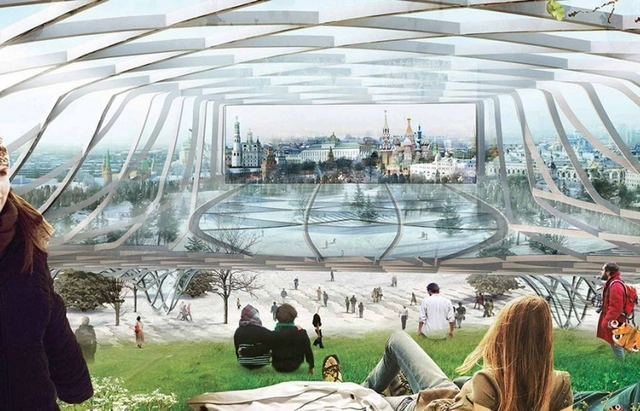
The results of the International Competition for the Architectural Landscape Design Concept for the Tuchkov Buyan Park were just revealed. The proposal by Studio 44 in consortium with WEST 8 won the first place, JV Vogt in consortium with Herzog & de Meuron won the second place while AB CHVOYA in consortium with KARAVAN landskapsarkitekter took the third position.
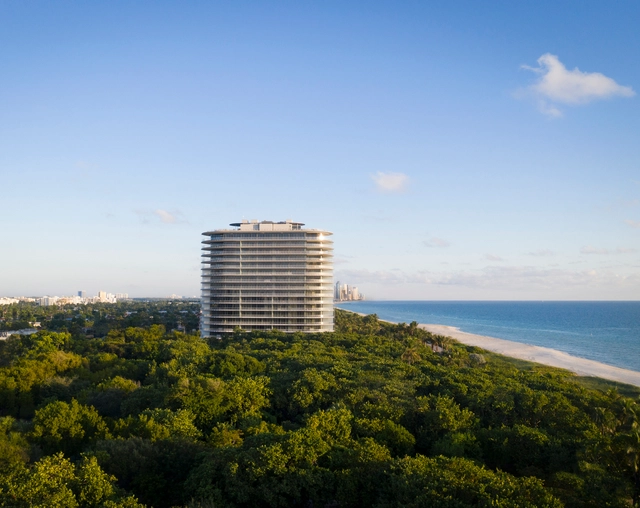
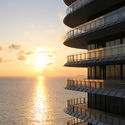
Just completed, Eighty Seven Park in Miami is Renzo Piano’s first residential commission in the United States. The Pritzker Prize winner, known for his cultural interventions around the globe, imagined an architecture that creates the illusion of a floating building above the ocean and park.
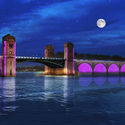
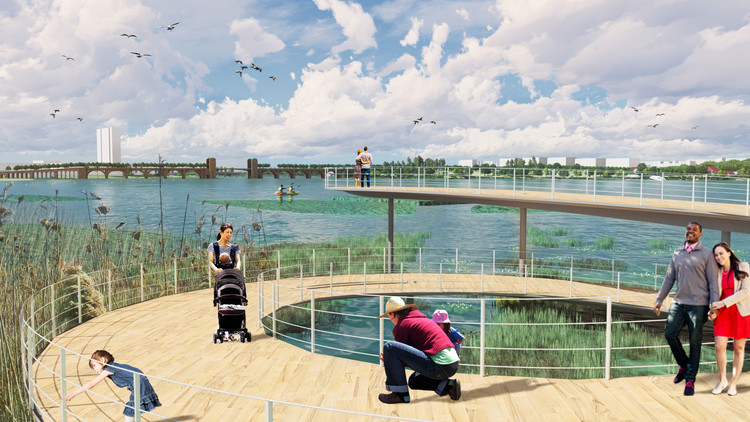
West 8 has won the competition to revitalize the Middle Branch Waterfront in Baltimore, Maryland. The design competition managed and developed by the Parks & People Foundation on behalf of the City of Baltimore and facilitated in coordination with community-based organizations. Working with local partners Mahan Rykiel and Moffatt & Nichol, the team aims to recreate and redefine the blue green heart of Baltimore.
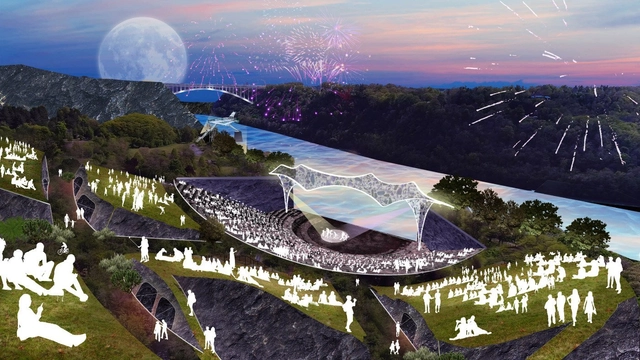
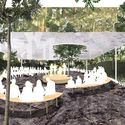
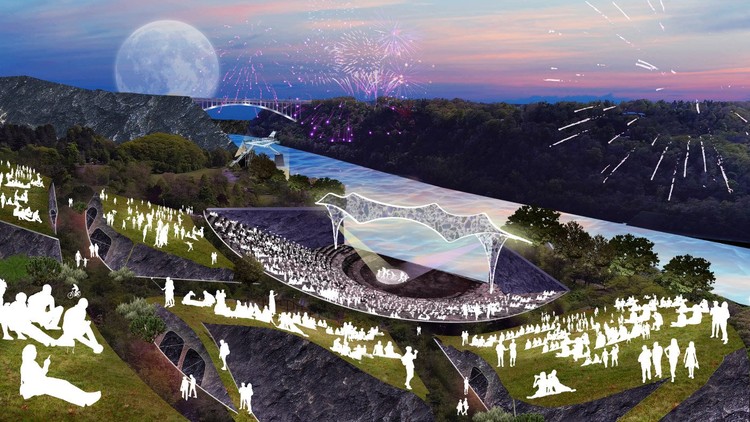
Design practices SO-IL and West 8 have won a competition to redesign a 37-acre cultural hub along New York's Niagara Gorge. The project will include a renovated main stage and an outdoor ampitheatre, as well as a series of pathways, galleries and viewing stations integrated into the canyon. The teams are tasked with the development of a strategy to revitalize the Artpark grounds, while improving connectivity, facilities and programs.
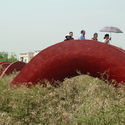
Red is everywhere. From stop signs to bricks and lipstick to wine, our constant use of the color in everyday objects has slowly taken over our subconscious. Red is a color that always blends with the context, telling us how to feel or what to think, but why are we attracted to it? Why did cavemen choose ochre-based paint to draw on their walls? Why do revolutions always seem to use red to stir support? Why do we parade celebrities down red carpets, when green or blue would surely do the same job? While the answers to these questions may be vague and indefinite, red’s use in architecture is almost always meticulously calculated.
The team known as MADE BY HOLLAND has been selected to transform the palace and gardens of Soestdijk, a 17th century country estate and former residence of the Dutch royal family, into a forum for innovation and entrepreneurship, where large-scale exhibitions and events can be held for a wide range of audiences.
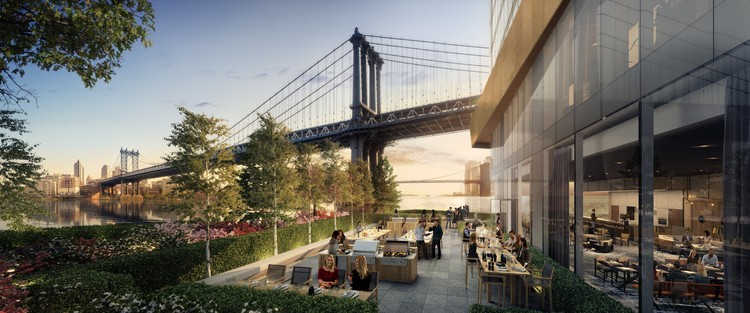
In this video, West 8 co-founder Adriaan Geuze discusses the design process behind New York City’s largest private outdoor gardens, which will be located at One Manhattan Square in the Lower East Side. Currently under construction, the 800-foot-tall glass residential tower will feature more than an acre of exterior garden space designed by West 8 Urban Design and Landscape Architecture.
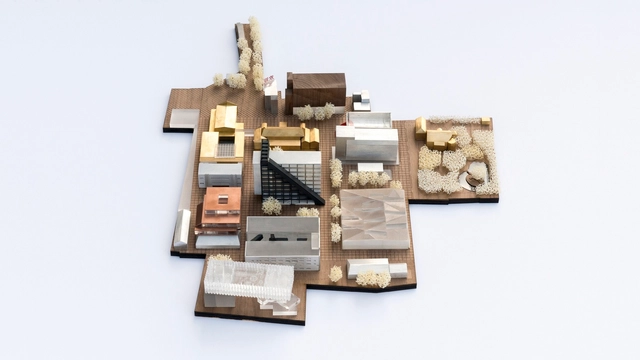
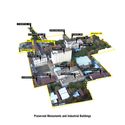
OMA, in collaboration with local architects ECADI and landscape architects West 8, has developed a new mixed-use masterplan for Columbia Circle in the center of Shanghai. Layered with rich history, the site contains preserved colonial monuments, former industrial buildings and 1920’s country club buildings by architect Elliott Hazzard – these elements will be renewed and transformed by the master plan to return Columbia Circle into one of Shanghai’s most prominent public spaces.
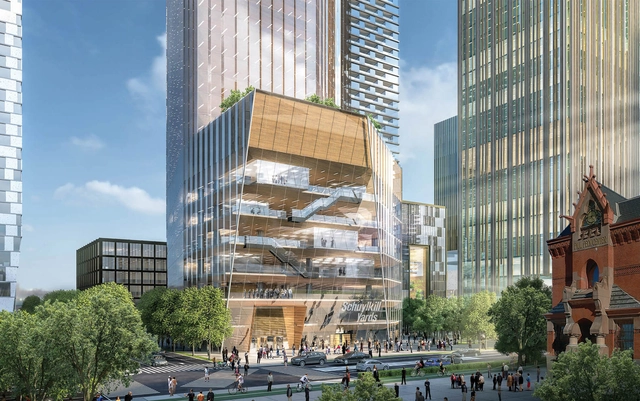
New renderings and information have been revealed for SHoP and West 8’s Schuylkill Yards masterplan envisioned for University City in Philadelphia. Announced last March, the project comprises 14 new buildings on a 14-acre site off the Schuylkill River and around 30th Street Station, the country’s third busiest Amtrak station.
Videos
Zaryadye Park / Diller Scofidio + Renfro. Image Courtesy of Zaryadye Park
When it comes to urbanism these days, people’s attention is increasingly turning to Moscow. The city clearly intends to become one of the world’s leading megacities in the near future and is employing all necessary means to achieve its goal, with the city government showing itself to be very willing to invest in important urban developments (though not without some criticism).
A key player in this plan has been the Moscow Urban Forum. Although the forum’s stated goal is to find adequate designs for future megacities, a major positive side-effect is that it enables the city to organize the best competitions, select the best designers, and build the best urban spaces to promote the city of Moscow. The Forum also publishes research and academic documents to inform Moscow’s future endeavors; for example, Archaeology of the Periphery, a publication inspired by the 2013 forum and released in 2014, notably influenced the urban development on the outskirts of Moscow, but also highlighted the importance of combining urban development with the existing landscape.
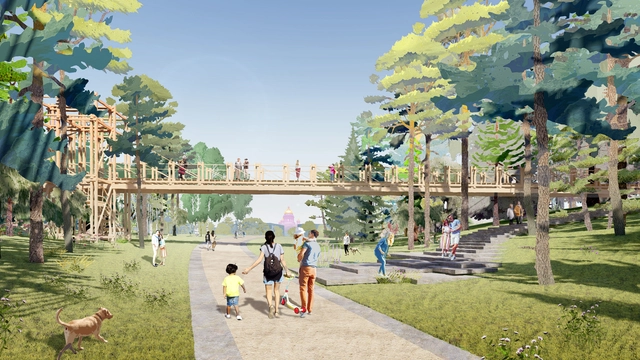
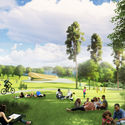
The latest stage of the Governors Island Park project, “The Hills,” is set to officially open to the public on this Tuesday July 19th – nearly a year ahead of schedule. Designed by internationally acclaimed urban design and landscape firm West 8, the park will feature ten acres of sloping landscapes that will provide residents and visitors with slides, art and unparalleled views of the New York Harbor.
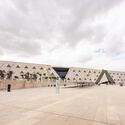
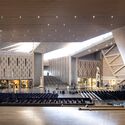
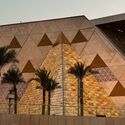
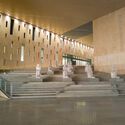






_PLAY-TIME.jpg?1627005843&format=webp&width=640&height=580)
_PLAY-TIME.jpg?1627005842 "Courtesy of PLAY-TIME")
_PLAY-TIME.jpg?1627005966 "Courtesy of PLAY-TIME")
_PLAY-TIME.jpg?1627005895 "Courtesy of PLAY-TIME")
_PLAY-TIME.jpg?1627005969 "Courtesy of PLAY-TIME")
_PLAY-TIME.jpg?1627005843)












.jpg?1528724681)