1. ArchDaily
  2. Urban Growth

Urban Growth: The Latest Architecture and News

PREVI Lima and the Politics of Resident Authorship in Social Housing

Subscriber Access | 

Architects are accustomed to being credited for buildings long after construction ends. Names remain attached to projects through photographs, publications, and histories, often decades after the original drawings were produced. Buildings, on the other hand, rarely remain faithful to that narrative for long. Families grow, technologies change, businesses emerge, and daily life introduces demands that no plan can fully anticipate. Over time, architecture accumulates modifications, repairs, additions, and improvisations that gradually distance it from its original form.

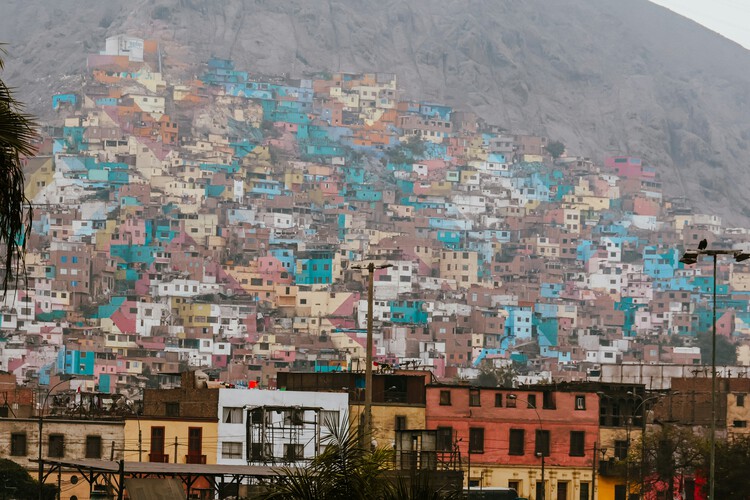
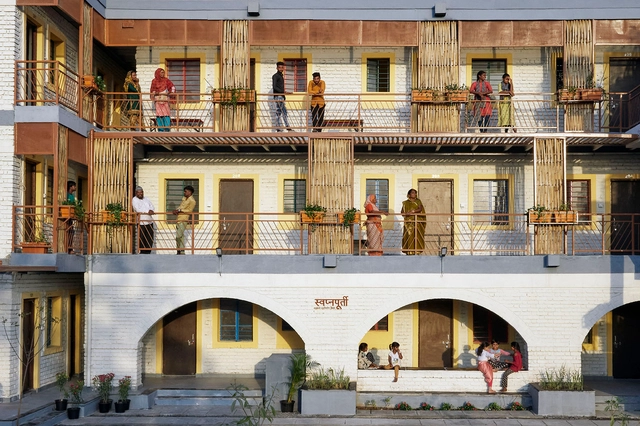
Few projects confront this question as directly as PREVI Lima. Conceived in the late 1960s as Peru's Experimental Housing Project, PREVI invited an international group of architects to develop housing prototypes capable of accommodating growth over time. The project is often remembered for its ambitious roster of designers, which included figures such as James Stirling, Aldo van Eyck, and Christopher Alexander. More than fifty years later, the neighborhood has become a record of resident decisions, revealing a form of architecture designed to remain unfinished.

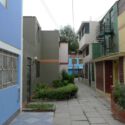
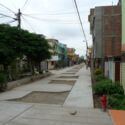
PREVI Lima and the Politics of Resident Authorship in Social Housing - Image 1 of 4PREVI Lima and the Politics of Resident Authorship in Social Housing - Image 2 of 4PREVI Lima and the Politics of Resident Authorship in Social Housing - Image 3 of 4PREVI Lima and the Politics of Resident Authorship in Social Housing - Image 4 of 4PREVI Lima and the Politics of Resident Authorship in Social Housing - More Images+ 14

Equatorial Guinea Relocates Its Capital From Malabo to Ciudad de la Paz on Central Africa’s Mainland

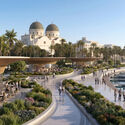
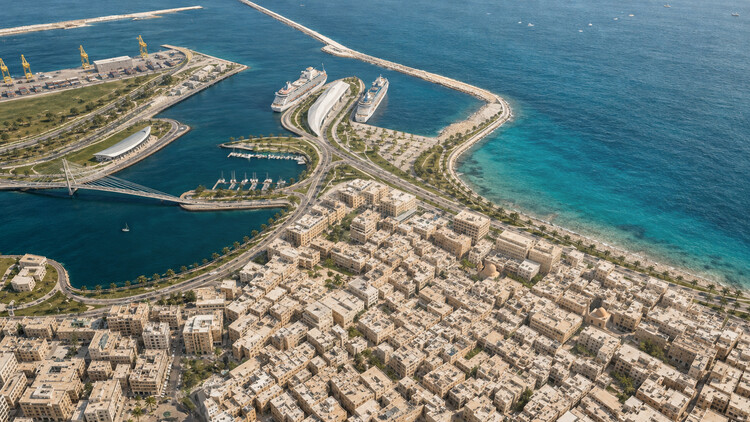
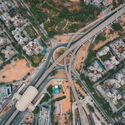
Malabo served as the capital city of Equatorial Guinea from the country's independence from Spain on October 12, 1968, until January 2, 2026, when a decree issued by President Teodoro Obiang Nguema Mbasogo officially transferred the capital to Ciudad de la Paz ("City of Peace"), located in Djibloho Province. Obiang formalized the move as part of a long-planned territorial reorganization. While the former capital remains an important economic center on Bioko Island, Ciudad de la Paz was conceived as a planned capital on Africa's mainland. The initiative to relocate the capital dates back to 2008, with construction beginning in 2011. The new capital, also referred to as Djibloho, after the province, or Oyala, has been framed by the government as a decentralization effort aimed at improving national accessibility.

Seoul Biennale, Curated by Thomas Heatherwick, Unveils Citizen-Led Projects to Reimagine Urban Life

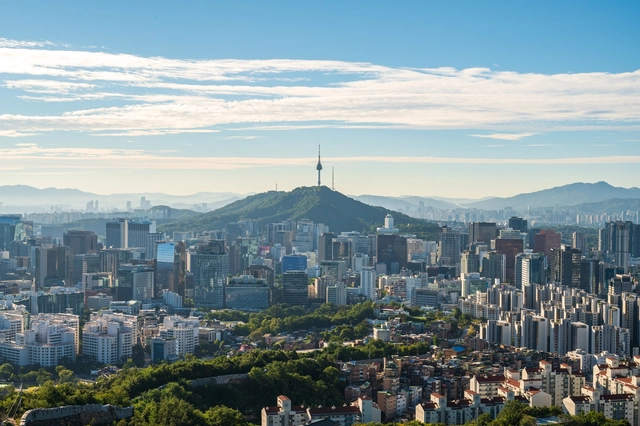
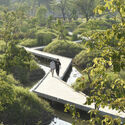
Thomas Heatherwick has been appointed as the General Director and curator of the 2025 Seoul Biennale of Architecture and Urbanism. In its fifth edition, the Seoul Biennale serves as a platform for addressing urban challenges faced by major global cities, fostering innovative solutions and public discussions around architecture and urbanism. As Asia's largest architecture biennale, scheduled to take place from September 1 to October 31, 2025, the exhibition will focus on making cities more joyful, engaging, and radically human-centered. At the heart of this mission is an ambitious public engagement program that directly involves citizens in shaping the Biennale. Through an open call, ten multidisciplinary teams, comprising architects, urban planners, sculptors, community organizers, metalworkers, and textile designers, have been selected to collaborate with local communities. These projects will respond to two central questions: How do buildings make people feel? And how can they be transformed to foster a deeper sense of connection?

Demolition of Modernist Landmark Hotel Jugoslavia Begins in Belgrade, Serbia

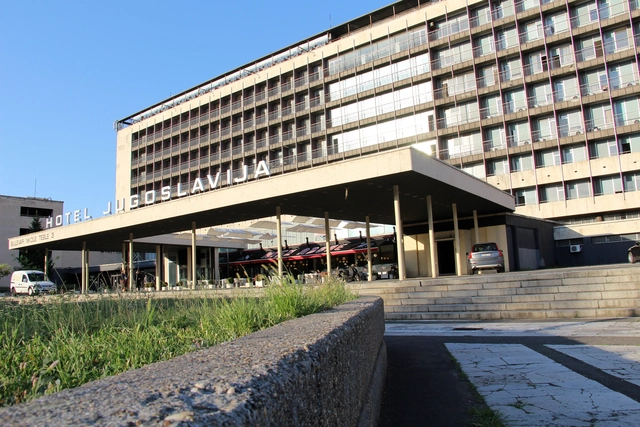
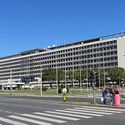
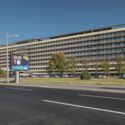
The demolition of Hotel Jugoslavija, a notable example of modernist architecture in Belgrade, has begun, making way for new development in the city's rapidly changing urban landscape. Constructed in 1969 in New Belgrade, the hotel was once among the largest and most prominent in Europe, reflecting the aspirations of the Socialist Federal Republic of Yugoslavia (SFRY) during its peak. Designed by Zagreb architect Lavoslav Horvat, the eight-story hotel was a key project under the leadership of Josip Broz Tito. It showcased the modernist principles of the time, combining functionality with imposing architectural forms. Its interiors featured luxurious details, including a Swarovski chandelier comprised of 40,000 crystals, which underscored the building's significance as a flagship of Yugoslavia's international presence.

Demolition of Modernist Landmark Hotel Jugoslavia Begins in Belgrade, Serbia - Image 1 of 4Demolition of Modernist Landmark Hotel Jugoslavia Begins in Belgrade, Serbia - Image 2 of 4Demolition of Modernist Landmark Hotel Jugoslavia Begins in Belgrade, Serbia - Image 3 of 4Demolition of Modernist Landmark Hotel Jugoslavia Begins in Belgrade, Serbia - Image 4 of 4Demolition of Modernist Landmark Hotel Jugoslavia Begins in Belgrade, Serbia - More Images

World Architecture Day 2023: Fostering Resilient Communities through Architecture

Subscriber Access | 

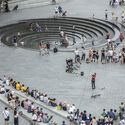
As has become customary in recent years, on the first Monday of October, we celebrate both World Architecture Day and World Habitat Day, serving as a reminder to the global community of its collective responsibility for the well-being of the built environment. This edition, like its predecessors, sheds light on the realm of architecture and the challenges faced by our cities, introducing new themes, contemplating the state of our urban areas, and proposing constructive strategies.

Since urban economies have encountered significant difficulties this year, the UN's World Habitat Day focuses on "Resilient Urban Economies: cities as drivers of growth and recovery." Launching Urban October, this event seeks to bring together diverse urban stakeholders to deliberate on policies to help cities recover after the dual economic impacts caused by the COVID-19 pandemic and conflicts worldwide. Aligned with this concept, World Architecture Day, created by the UIA in 1985, has chosen to concentrate on "Architecture for Resilient Communities," emphasizing the role and duty of architecture in fostering thriving community existence while initiating a global dialogue regarding the interconnectedness of urban and rural regions within every nation.

World Architecture Day 2023: Fostering Resilient Communities through Architecture - Image 1 of 4World Architecture Day 2023: Fostering Resilient Communities through Architecture - Image 2 of 4World Architecture Day 2023: Fostering Resilient Communities through Architecture - Image 3 of 4World Architecture Day 2023: Fostering Resilient Communities through Architecture - Image 4 of 4World Architecture Day 2023: Fostering Resilient Communities through Architecture - More Images+ 1

The Transformative Power of Urbanization: How Indian Cities like Delhi Plan for Urban Growth

Subscriber Access | 

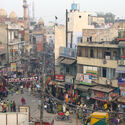
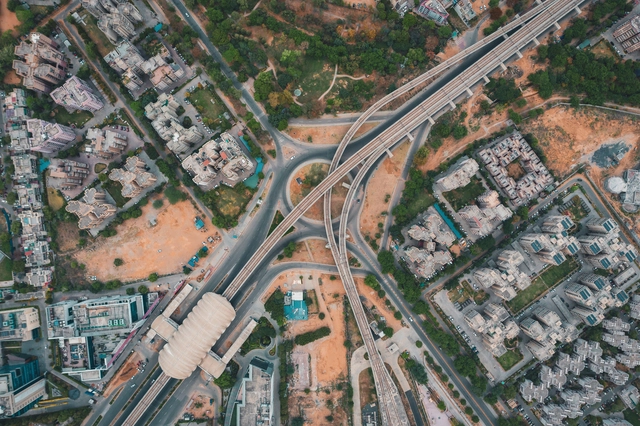
India has witnessed a surge in urbanization and population growth. As a result of natural population growth and migration, the megacities of India have experienced a continual increase in their residents. Standing as the most populous country in the world, India is at a critical junction, grappling with opportunities and challenges in molding its built environment. Population boom, however, is not a recent predicament but a persistent one that has spanned over a century. How have Indian cities dealt with population growth and the complexities it brings?
The Transformative Power of Urbanization: How Indian Cities like Delhi Plan for Urban Growth - Image 1 of 4The Transformative Power of Urbanization: How Indian Cities like Delhi Plan for Urban Growth - Image 2 of 4The Transformative Power of Urbanization: How Indian Cities like Delhi Plan for Urban Growth - Image 3 of 4The Transformative Power of Urbanization: How Indian Cities like Delhi Plan for Urban Growth - Image 4 of 4The Transformative Power of Urbanization: How Indian Cities like Delhi Plan for Urban Growth - More Images+ 1

How Cannabis Legalization Has Changed Cities in the United States

The topic of cannabis can be rather taboo in some instances, as countries around the world have differing views on the legalization of marijuana products based on their cultural and religious beliefs. In the United States specifically, it’s been a long contended issue that each state has, for now, been left to decide on how they want to handle. Each year, more and more states (now totaling 18 and the District of Columbia out of 50), have legalized the recreational sale and use of a limited amount of cannabis, but it remains illegal on a federal level.

Cannabis tax revenue generated more than two billion dollars across legalized states in the last year alone and is expected to grow to nearly 12 billion dollars by 2030, exceeding tax revenues collected from the sale of alcohol, according to bond strategists at Barclays. For the states that do tax the sale of cannabis products, there have already been significant benefits that have helped further develop cities and smaller towns, making the streets safer, and increased funding for new municipal projects, local businesses, subsidies for low-income renters, improvements to public school systems, water and sewer line upgrades, and other significant infrastructure projects.

DeCoding Asian Urbanism Grapples with Asia’s Unprecedented Growth

Subscriber Access | 

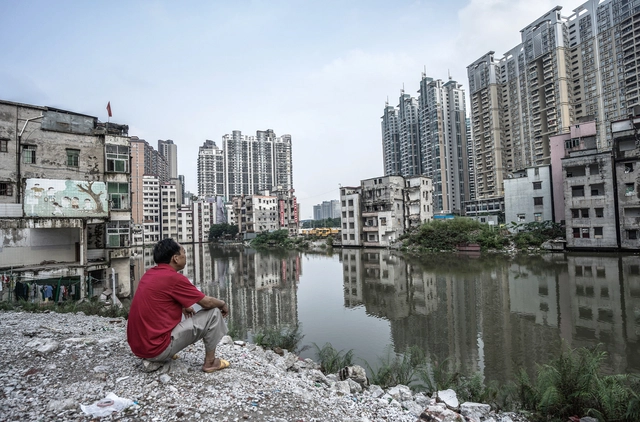
As is obvious to anyone with even a passing interest in demographics, cities are becoming denser—much denser. Rural life continues its steady emptying-out as urban life accelerates its explosive filling-in. The tilt has been apparent at least since the middle of the last century when the French geographer Jean Gottmann invented the word “megalopolis” to describe the continuous urbanization from Boston to Washington, D.C., then containing one-fifth of the United States’ population. But nowhere has the shift from countryside to city been more dramatic than in present-day Asia. 

The SOM Foundation Announces New Research Prize Focusing on "Humanizing High Density"

People are moving into urban centers at an unprecedented rate. According to the United Nations, the world's urban population has increased from 751 million in 1950 to 4.2 billion in 2018. By 2050, an additional 2.5 billion people are expected to reside in urban areas. In response to this rapid urban growth, designers are challenged to create sustainable and resilient spaces that accommodate complex human needs, both necessary and desired.

World-renowned architecture, interior design, engineering, and urban planning firm Skidmore, Owings & Merrill (SOM) invites educators and students from across the U.S. to engage in the 2018 SOM Foundation Research Prize: "Humanizing High Density." The SOM Foundation Research Prize is awarded to a faculty-led interdisciplinary design research proposal "with the potential to advance the practice of architecture, structures, urban design and related design disciplines."

This Genetic Algorithm Predicts the Rise of Skyscrapers in Urban Areas

The growth and expansion of metropolitan areas has been evident over the past decade. Buildings are getting taller, and urban areas are getting larger. What if there was a way to predict this growth and expansion?

A new study by Spanish researchers from the University of A Coruna has discovered that the increase of skyscrapers in a city reflects the pattern “of certain self-organized biological systems,” as reported by ScienceDaily. The study uses "genetic evolutionary algorithms" to predict urban growth, looking specifically at Tokyo's Minato Ward. Architect Ivan Pazos, the lead author of the new study, explained the science behind the algorithm: "We operate within evolutionary computation, a branch of artificial intelligence and machine learning that uses the basic rules of genetics and Darwin’s natural selection logic to make predictions."

Read on for more about the study and what it could mean for the possibility of estimating vertical urban development.