1. ArchDaily
  2. population

population: The Latest Architecture and News

Jakarta Becomes the World’s Most Populous City, According to New UN Data

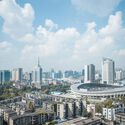
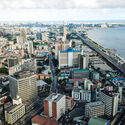
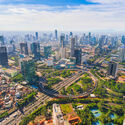
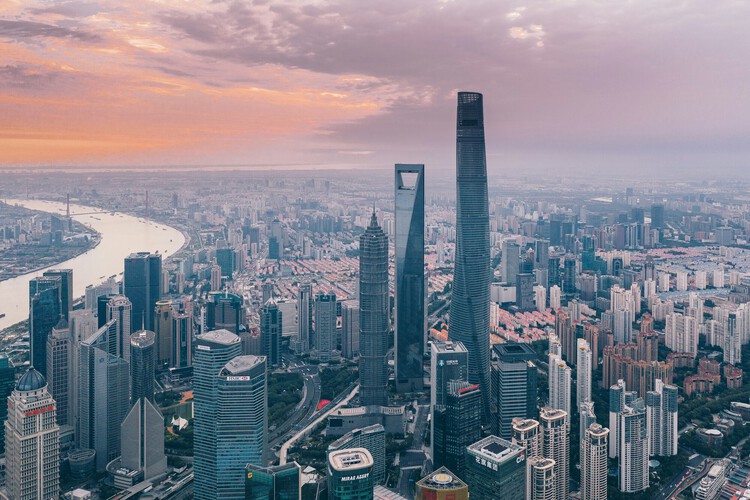
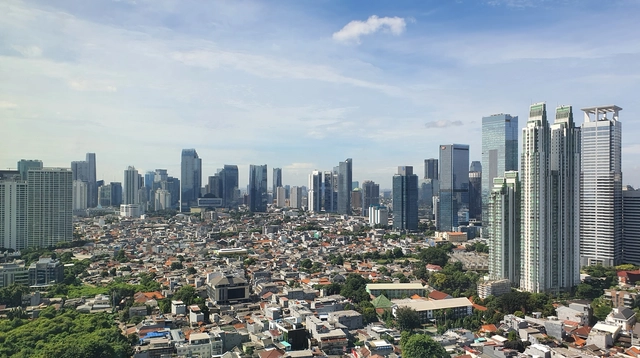
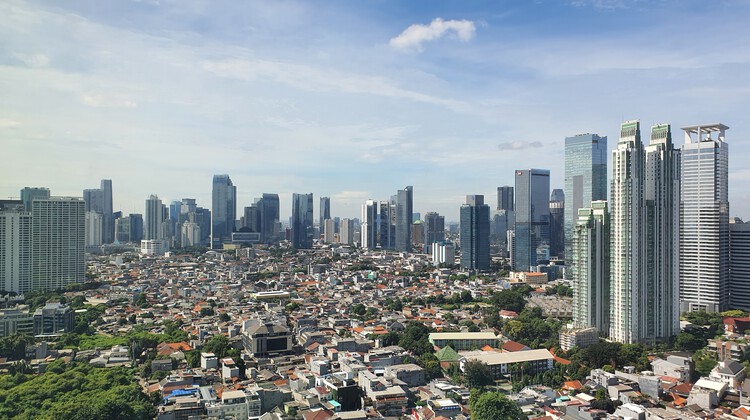
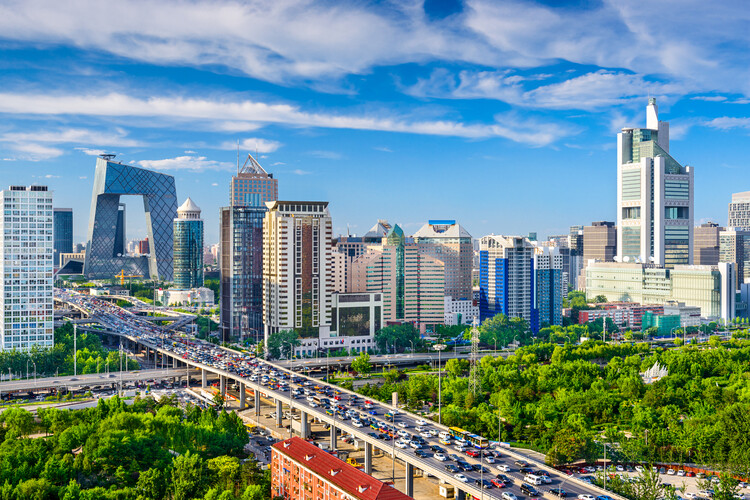
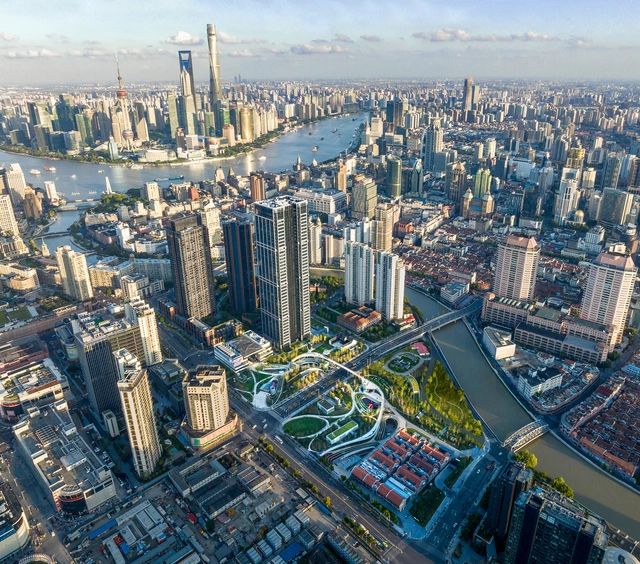
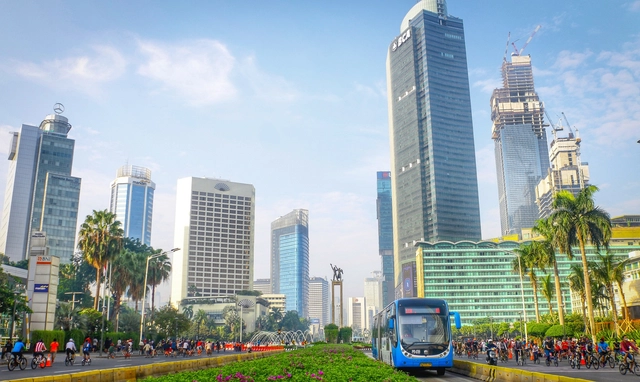
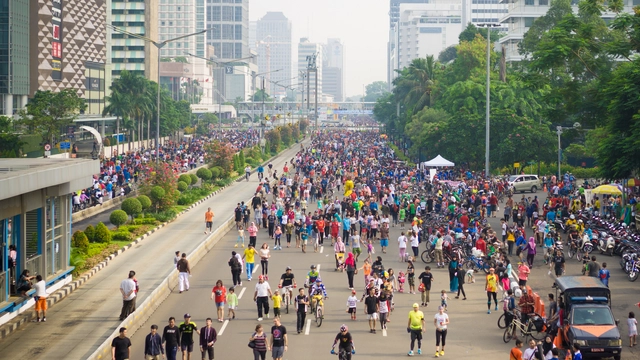
Jakarta has become the world's most populous city, according to the World Urbanization Prospects 2025 released by the United Nations Department of Economic and Social Affairs (UN DESA). Using an updated and harmonized method for defining urban areas, the report estimates Jakarta's population at nearly 42 million, placing it ahead of Dhaka, which is about 40 million, and Tokyo, 33 million. The revised ranking illustrates how updated measurement criteria and continued demographic growth are reshaping understandings of urban scale in Asia and globally.

Jakarta Becomes the World’s Most Populous City, According to New UN Data - Image 1 of 4Jakarta Becomes the World’s Most Populous City, According to New UN Data - Image 2 of 4Jakarta Becomes the World’s Most Populous City, According to New UN Data - Image 3 of 4Jakarta Becomes the World’s Most Populous City, According to New UN Data - Image 4 of 4Jakarta Becomes the World’s Most Populous City, According to New UN Data - More Images

The World's Largest Cities in 2025 by Population

Every year, World Population Day is observed on July 11th, aiming to increase people's awareness of various population issues, such as the importance of urbanization, gender equality, poverty, health, and human rights. In 2025, under the theme "Empowering Youth to Build the Families They Want," the United Nations draws attention to the largest generation of young people in history, many of whom are coming of age in rapidly urbanizing contexts. Urban centers remain key to understanding these demographic patterns, as cities continue to attract populations seeking opportunity, stability, and access to essential services. Today, more than half of the global population resides in urban areas, a share projected to increase to 66% by 2050.

The World's Largest Cities in 2025 by Population - Image 1 of 4The World's Largest Cities in 2025 by Population - Image 2 of 4The World's Largest Cities in 2025 by Population - Image 3 of 4The World's Largest Cities in 2025 by Population - Image 4 of 4The World's Largest Cities in 2025 by Population - More Images+ 16

The 2024 Largest Cities in the World by Population

More than half of the world's population resides in urban areas, with over 4 billion people depending on cities as their main environment. According to the United Nationslatest report on populations in cities, this number is expected to continue to increase over the next 50 years, prompting cities worldwide to strive to find better ways to accommodate their growing population while transitioning to more sustainable urban practices. To highlight this responsibility, the United Nations has declared July 11th the World Population Day.

Under this year’s theme, “To Leave No One Behind, Count Everyone,” the UN aims to also draw attention to the importance of data collection for reflecting societal diversity. The growth of world cities is part of this equation as an important measure for understanding global population trends. The following list presents the top 20 cities worldwide in 2024, ranked by the population size of their metropolitan areas. Comparing the results to the previous editions, the only cities to reduce their size are the two cities from Japan, Tokyo and Osaka. The highest growth rates can be observed in African mega-cities, Kinshasa and Lagos, while China continues to be the most present country in the list, with 5 metropolises present in the top 20: Shanghai, Beijing, Chongqing, Tianjin, and Guangzhou.

The 2024 Largest Cities in the World by Population - Image 1 of 4The 2024 Largest Cities in the World by Population - Image 2 of 4The 2024 Largest Cities in the World by Population - Image 3 of 4The 2024 Largest Cities in the World by Population - Image 4 of 4The 2024 Largest Cities in the World by Population - More Images+ 17

Indonesia Plans to Build Its New Capital from the Ground Up to Replace the Sinking City of Jakarta

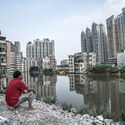
The Indonesian parliament has approved a bill to relocate the capital from the city of Jakarta to a completely new city to be built on the island of Borneo, 1,300 kilometers from the current capital. The decision, first announced in 2019, comes as a reaction to the myriad of challenges faced by Jakarta, including pollution, traffic congestion, and, perhaps the most threatening, rising sea waters. As a consequence of excessive groundwater extraction, rapid urbanization, and rising sea levels, 40% of the city is currently below sea level, making it increasingly difficult for the infrastructure to protect the residents. President Joko Widodo proposes an alternative: relocating the administrative center of the country to a new green metropolis, to be named Nunsantara, meaning ‘archipelago’ in ancient Javanese.

Indonesia Plans to Build Its New Capital from the Ground Up to Replace the Sinking City of Jakarta - Image 1 of 4Indonesia Plans to Build Its New Capital from the Ground Up to Replace the Sinking City of Jakarta - Image 2 of 4Indonesia Plans to Build Its New Capital from the Ground Up to Replace the Sinking City of Jakarta - Image 3 of 4Indonesia Plans to Build Its New Capital from the Ground Up to Replace the Sinking City of Jakarta - Image 4 of 4Indonesia Plans to Build Its New Capital from the Ground Up to Replace the Sinking City of Jakarta - More Images+ 1

Building for a Growing Population: Shifting the Focus to Rural India

Subscriber Access | 

India recently overtook its sub-continental neighbor, China, to become the most populous country in the world with a demography of over 1.4286 billion people. As data from the United Nations also estimates an annual population growth rate of 0.7%, the country’s built environment is set to interact with a new discourse of demography and present its own perspective on how to build for billions. It is set to engage with new challenges of infrastructure, transportation, and adequate housing, which on the surface will force cities to constantly expand as a response to these dynamic needs. However, a critical look at the population distribution within the country reveals that the majority of Indians still live in rural areas as it caters to 65% of the population despite increasing rural-urban migration. This suggests a nudge in a different direction. One where the design and development of the rural areas take precedence over the cities. One that explores architecture in rural areas, its relationship with the cities, and its future as a primary framework to house the exploding population.

Building for a Growing Population: Shifting the Focus to Rural India - Image 1 of 4Building for a Growing Population: Shifting the Focus to Rural India - Image 2 of 4Building for a Growing Population: Shifting the Focus to Rural India - Image 4 of 4Building for a Growing Population: Shifting the Focus to Rural India - Image 5 of 4Building for a Growing Population: Shifting the Focus to Rural India - More Images+ 6

The Transformative Power of Urbanization: How Indian Cities like Delhi Plan for Urban Growth

Subscriber Access | 

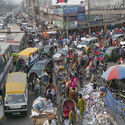
India has witnessed a surge in urbanization and population growth. As a result of natural population growth and migration, the megacities of India have experienced a continual increase in their residents. Standing as the most populous country in the world, India is at a critical junction, grappling with opportunities and challenges in molding its built environment. Population boom, however, is not a recent predicament but a persistent one that has spanned over a century. How have Indian cities dealt with population growth and the complexities it brings?

The Transformative Power of Urbanization: How Indian Cities like Delhi Plan for Urban Growth - Image 1 of 4The Transformative Power of Urbanization: How Indian Cities like Delhi Plan for Urban Growth - Image 2 of 4The Transformative Power of Urbanization: How Indian Cities like Delhi Plan for Urban Growth - Image 3 of 4The Transformative Power of Urbanization: How Indian Cities like Delhi Plan for Urban Growth - Image 4 of 4The Transformative Power of Urbanization: How Indian Cities like Delhi Plan for Urban Growth - More Images+ 1

World Population Milestone: Global Community Reaches 8 Billion People

According to the World Population Clock, the human population reached 8 billion on November 15th. According to the UN, this milestone represents a celebration of human longevity due to improvements in public health and medicine, but it also comes with warnings about inequality, limited access to food and resources, and environmental damage. Despite the impressive number, the annual World Population Prospect report shows that the global population is growing at the slowest rate since 1950, and it predicts a continued deceleration in the second half of this century.

As more than half of the world population lives in cities, an estimated 55.7%, according to UN-Habitat’s latest reports, the urban challenges are growing exponentially. The UN expects this number to increase to 68% by 2050, with close to 90% of this increase taking place in Asia and Africa. Accelerated urbanization can pose significant risks, such as increasing inequality, poverty, sectorized development, social exclusion, and pollution. In this context, a well-balanced urban agenda becomes crucially important in achieving inclusive, safe, and sustainable cities.

World Population Milestone: Global Community Reaches 8 Billion People - Image 1 of 4World Population Milestone: Global Community Reaches 8 Billion People - Image 2 of 4World Population Milestone: Global Community Reaches 8 Billion People - Image 3 of 4World Population Milestone: Global Community Reaches 8 Billion People - Image 4 of 4World Population Milestone: Global Community Reaches 8 Billion People - More Images+ 6

The 2022 World's Best Cities To Live In: Discover the Top 20

Global Finance's ranking of the world's best cities to live in, during 2022 has just been released. Centered on 8 different parameters that calculate and compare the quality of life of people living in urban areas such as economy, culture, population, environment, etc., this year’s edition also took into consideration Covid-19 deaths per thousand for each country, to reflect the new reality we live in. With data from the Global City Power index, Johns Hopkins University, Statista, and Macrotrends, the list seeks to have a complete vision, putting together traditional metrics with new factors.
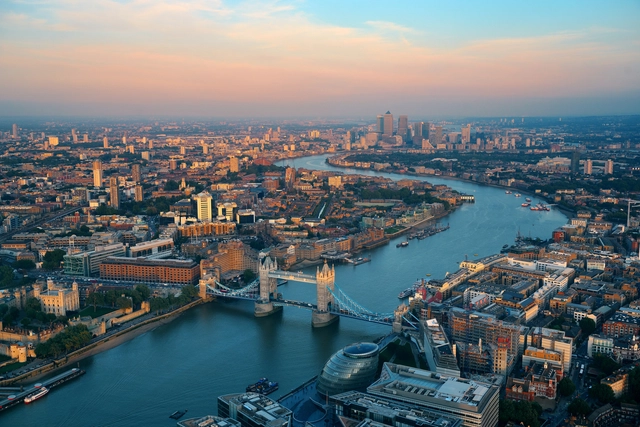
Claiming the first position is London, U.K, a city that although didn’t get high rankings in its Covid-19 metrics, still topped the list, mainly due to its scores in culture, accessibility, and population growth. Tokyo was selected for the second position, showing weakness in one parameter, population, as its numbers have been declining for the past 10 years. Shanghai followed next, in the third position, because of relatively low Covid-19 death figures and strong population growth. Singapore and Melbourne came in 4th and 5th positions.
The 2022 World's Best Cities To Live In: Discover the Top 20 - Image 1 of 4The 2022 World's Best Cities To Live In: Discover the Top 20 - Image 2 of 4The 2022 World's Best Cities To Live In: Discover the Top 20 - Image 3 of 4The 2022 World's Best Cities To Live In: Discover the Top 20 - Image 4 of 4The 2022 World's Best Cities To Live In: Discover the Top 20 - More Images+ 16

DeCoding Asian Urbanism Grapples with Asia’s Unprecedented Growth

Subscriber Access | 

As is obvious to anyone with even a passing interest in demographics, cities are becoming denser—much denser. Rural life continues its steady emptying-out as urban life accelerates its explosive filling-in. The tilt has been apparent at least since the middle of the last century when the French geographer Jean Gottmann invented the word “megalopolis” to describe the continuous urbanization from Boston to Washington, D.C., then containing one-fifth of the United States’ population. But nowhere has the shift from countryside to city been more dramatic than in present-day Asia. 

My City, My Home: Short Story Contest - Call for Submissions

Where we live plays a role in who we are. It influences where we go to school, where we work, who we hang out with, everything. According to the United Nations, almost 75% of everyone on earth will live in a city by 2050. This move to a high-density living will push architecture and the urban experience to its max.

World Population Concentrated

Subscriber Access | 
World Population Concentrated - Featured Image
© www.persquaremile.com

What would the world’s landscape look like if it were concentrated into one megalopolis?  This graphic analysis illustrates the amount of land required to accommodate all 6.9 billion people based on the densities of cities across the globe.  The differences illuminate the adverse affects of suburban sprawl.