1. ArchDaily
  2. Parks

Parks: The Latest Architecture and News

The Story of Miyashita Park: Resistance, Partnership, and Publicness

Subscriber Access | 

Urban renewal is inherently fraught—financially complex, politically exposed, stakeholder-dense, and almost guaranteed to leave someone dissatisfied. Precisely for these reasons, many cities default to inertia rather than risk the upheaval that comes with reworking entrenched urban fabrics, their residences, and their dynamics; once the "sleeping bear" is prodded, unexpected complications tend to multiply.

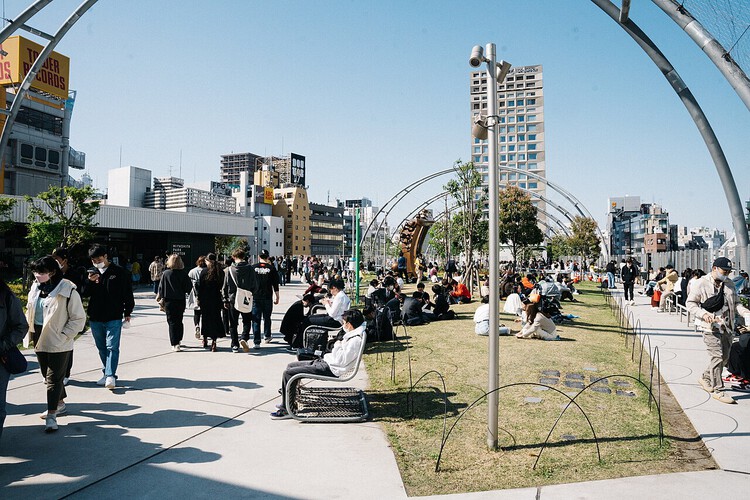
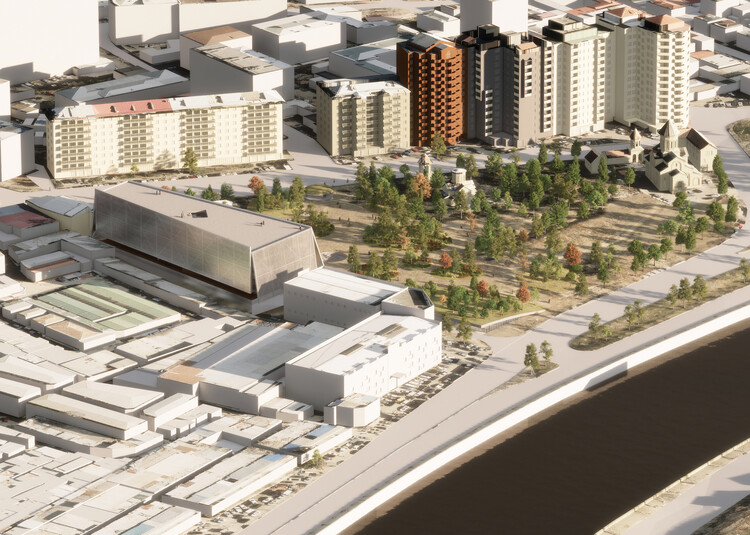
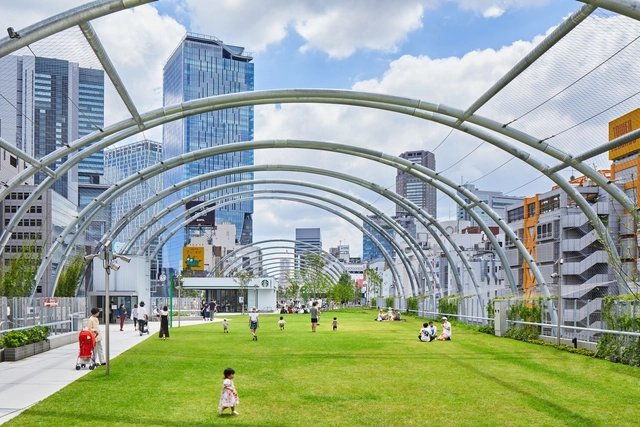
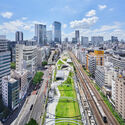
Miyashita Park (Miyashita Kōen), located in Shibuya, Tokyo, crystallizes this dilemma. Its current form—a layered, mixed-use complex balancing commercial activity with a publicly accessible park—emerged from years of negotiation, critique, and recalibration. The result is a distinctive example of a public-private partnership that seeks to align urban amenity, everyday leisure, and economic viability, producing a new piece of city that hosts public life while underwriting its own upkeep.

The Story of Miyashita Park: Resistance, Partnership, and Publicness - Image 1 of 4The Story of Miyashita Park: Resistance, Partnership, and Publicness - Image 2 of 4The Story of Miyashita Park: Resistance, Partnership, and Publicness - Image 3 of 4The Story of Miyashita Park: Resistance, Partnership, and Publicness - Image 4 of 4The Story of Miyashita Park: Resistance, Partnership, and Publicness - More Images+ 24

From Bangkok to Florence: 6 Unbuilt Public Space Projects Rethinking Community, Ecology, and Urban Identity

Subscriber Access | 

Public spaces remain some of the most dynamic sites for unbuilt architectural experimentation, revealing how cities and architects can imagine accessibility, gathering, and civic identity. In this curated Unbuilt edition, submitted by the ArchDaily community, the selected proposals examine parks, pedestrian corridors, cultural landscapes, and open-access urban environments that invite people to meet, move, rest, and participate in collective life. Rather than treating public space as leftover terrain, these projects position it as essential infrastructure—shaping urban health, memory, and social interaction.

From Bangkok to Florence: 6 Unbuilt Public Space Projects Rethinking Community, Ecology, and Urban Identity - Image 19 of 4From Bangkok to Florence: 6 Unbuilt Public Space Projects Rethinking Community, Ecology, and Urban Identity - Image 22 of 4From Bangkok to Florence: 6 Unbuilt Public Space Projects Rethinking Community, Ecology, and Urban Identity - Image 32 of 4From Bangkok to Florence: 6 Unbuilt Public Space Projects Rethinking Community, Ecology, and Urban Identity - Image 26 of 4From Bangkok to Florence: 6 Unbuilt Public Space Projects Rethinking Community, Ecology, and Urban Identity - More Images+ 30

Bugs, Bees, and Trees: How to Integrate Biodiversity in the Built Environment

Subscriber Access | 

Biodiversity, defined by the World Wide Fund for Nature (WWF) as the different kinds of life found in an area, is in a state of crisis all across the world, with declines in the numbers of organisms and many species declared as at risk of extinction. All types are affected, from plants and fungi to large mammals, and there is a clear link to human activity being the cause. Although farming methods and climate change due to greenhouse gases play a major role, cities and buildings can play a small but important role in countering this decline.
Bugs, Bees, and Trees: How to Integrate Biodiversity in the Built Environment - Image 1 of 4Bugs, Bees, and Trees: How to Integrate Biodiversity in the Built Environment - Image 2 of 4Bugs, Bees, and Trees: How to Integrate Biodiversity in the Built Environment - Image 3 of 4Bugs, Bees, and Trees: How to Integrate Biodiversity in the Built Environment - Image 4 of 4Bugs, Bees, and Trees: How to Integrate Biodiversity in the Built Environment - More Images+ 9

Make Space for Girls Launches Strategy for Gender-Inclusive Public Spaces

Make Space for Girls (MSFG) is a London-based charity that campaigns for public spaces and parks in the United Kingdom to be more inclusive of teenage girls. The organization conducts research on how public spaces are used and designed, raises awareness about perceived inequalities in their use, and collaborates with public and private institutions to promote the representation of teenage girls in the planning and design of outdoor environments. Their research indicates that their exclusion from the design of parks and public spaces often leaves them without places where they feel welcomed or valued, and that parks and public spaces for older children and teenagers are currently designed for the default male. From 8 to 15 October, the organization is running a fundraising campaign to support the implementation of its new three-year strategy aimed at promoting more inclusive public spaces.
Make Space for Girls Launches Strategy for Gender-Inclusive Public Spaces - Image 1 of 4Make Space for Girls Launches Strategy for Gender-Inclusive Public Spaces - Image 2 of 4Make Space for Girls Launches Strategy for Gender-Inclusive Public Spaces - Image 3 of 4Make Space for Girls Launches Strategy for Gender-Inclusive Public Spaces - Image 4 of 4Make Space for Girls Launches Strategy for Gender-Inclusive Public Spaces - More Images

Inclusive Playgrounds: Every Body Can Play Through Architecture

Play extends beyond its recreational dimension, unfolding as a social act that encourages children to learn, interact, be creative, and engage with their spatial context. As Johan Huizinga notes in Homo Ludens, it is a fundamental element of culture, where kids form bonds and explore ways of coexisting. When the architecture of play spaces excludes certain bodies or modes of participation, the collective experience becomes fragmented and loses part of its meaning. Designing with inclusion in mind, therefore, means recognizing that the actual value of play lies in its potential to be shared by everyone.

Evolving Urban Playgrounds: 5 Design Strategies and 31 Projects Around the Globe

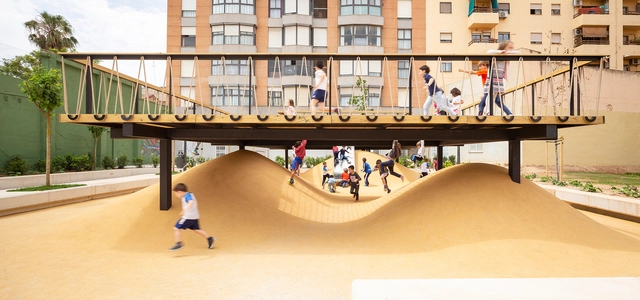
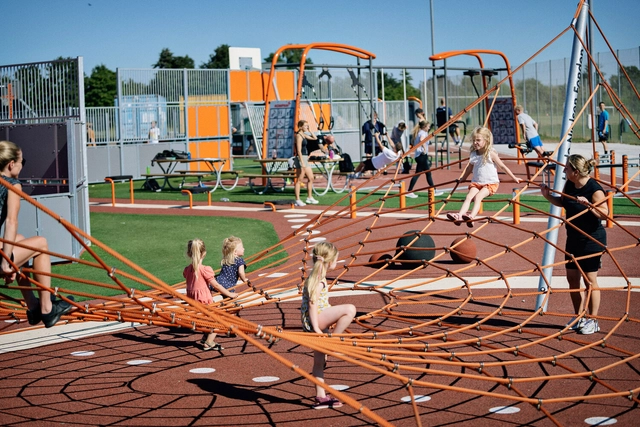
Urban playgrounds are evolving from simple swing sets and slides into dynamic, multi-faceted urban landscapes. These new designs are more than just places to play; they are thoughtfully integrated spaces that address urban challenges, promote community, and inspire creativity. A key trend is the intentional use of color and pattern. Designers are utilizing vibrant color zones to segment different functional areas, creating a visually dynamic experience that contrasts with natural surroundings. This approach can also be used to establish a cohesive urban identity, with thoughtful color palettes that complement the existing cityscape.

Evolving Urban Playgrounds: 5 Design Strategies and 31 Projects Around the Globe - Image 1 of 4Evolving Urban Playgrounds: 5 Design Strategies and 31 Projects Around the Globe - Image 2 of 4Evolving Urban Playgrounds: 5 Design Strategies and 31 Projects Around the Globe - Image 3 of 4Evolving Urban Playgrounds: 5 Design Strategies and 31 Projects Around the Globe - Image 4 of 4Evolving Urban Playgrounds: 5 Design Strategies and 31 Projects Around the Globe - More Images+ 34

Carlo Ratti Associati Wins Competition to Design a Logistics Hub as Social Infrastructure in Alessandria, Italy

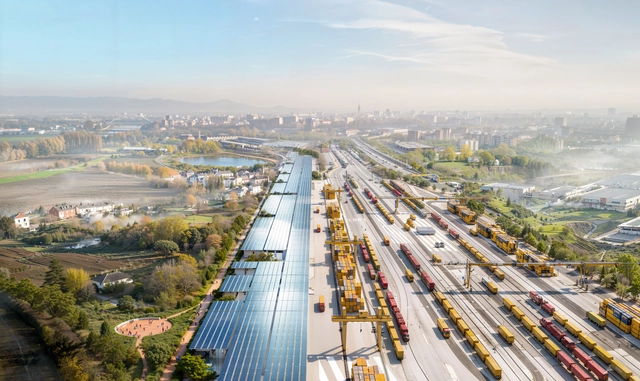
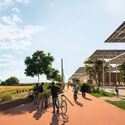
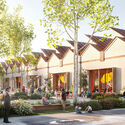
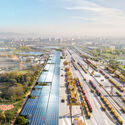
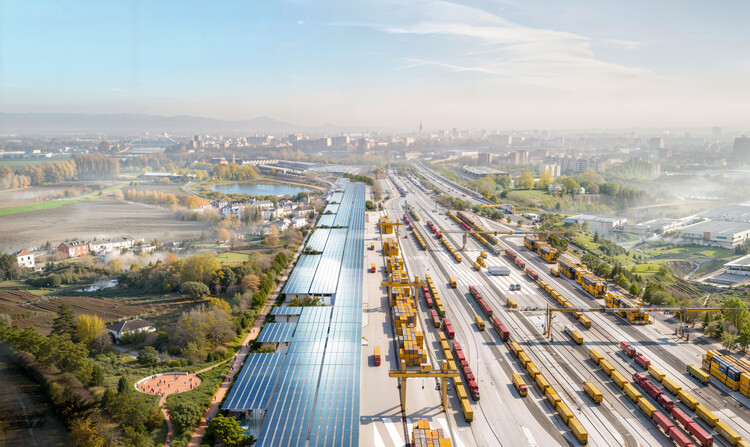
CRA-Carlo Ratti Associati, in collaboration with The Blossom Avenue Partners, has been announced as the winner of the international competition for the urban and architectural design of X-Change, a major multimodal logistics hub located on the site of a former railway yard in Alessandria, Italy. The project reimagines a traditionally introverted typology, rail distribution infrastructure by integrating logistics with energy production, ecological regeneration, and public life. Conceived as one of Southern Europe's largest intermodal hubs, X-Change is set to support Alessandria's evolving role as a backport to Genoa, leveraging future fast rail freight connections.

Carlo Ratti Associati Wins Competition to Design a Logistics Hub as Social Infrastructure in Alessandria, Italy - Image 1 of 4Carlo Ratti Associati Wins Competition to Design a Logistics Hub as Social Infrastructure in Alessandria, Italy - Image 2 of 4Carlo Ratti Associati Wins Competition to Design a Logistics Hub as Social Infrastructure in Alessandria, Italy - Image 3 of 4Carlo Ratti Associati Wins Competition to Design a Logistics Hub as Social Infrastructure in Alessandria, Italy - Featured ImageCarlo Ratti Associati Wins Competition to Design a Logistics Hub as Social Infrastructure in Alessandria, Italy - More Images

New York’s Lincoln Center Unveils Its West Side Transformation by Hood Design Studio, Weiss/Manfredi, and Moody Nolan

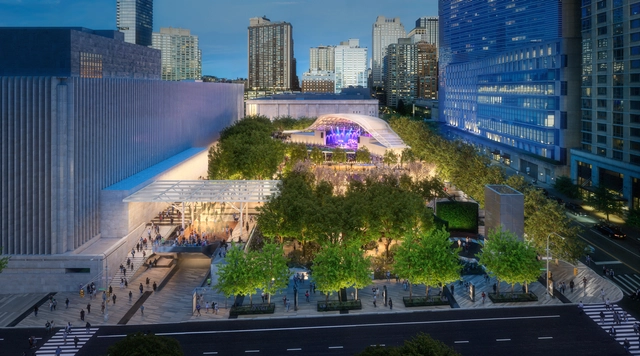
Lincoln Center for the Performing Arts, Inc. has revealed the design for the Amsterdam Avenue side of its campus, developed by Hood Design Studio, Weiss/Manfredi Architecture/Landscape/Urbanism, and Moody Nolan. Recently released renderings illustrate a transformation that includes a new outdoor performance venue, expanded community park spaces, and the removal of the existing wall along Amsterdam Avenue. In response to long-standing calls from both Lincoln Center and local communities, the construction is expected to begin in spring 2026 and be completed by spring 2028.

New York’s Lincoln Center Unveils Its West Side Transformation by Hood Design Studio, Weiss/Manfredi, and Moody Nolan - Image 1 of 4New York’s Lincoln Center Unveils Its West Side Transformation by Hood Design Studio, Weiss/Manfredi, and Moody Nolan - Image 2 of 4New York’s Lincoln Center Unveils Its West Side Transformation by Hood Design Studio, Weiss/Manfredi, and Moody Nolan - Image 3 of 4New York’s Lincoln Center Unveils Its West Side Transformation by Hood Design Studio, Weiss/Manfredi, and Moody Nolan - Image 4 of 4New York’s Lincoln Center Unveils Its West Side Transformation by Hood Design Studio, Weiss/Manfredi, and Moody Nolan - More Images+ 10

Public Space as a Tool for Community Healing: Scales of Intervention in Latin America

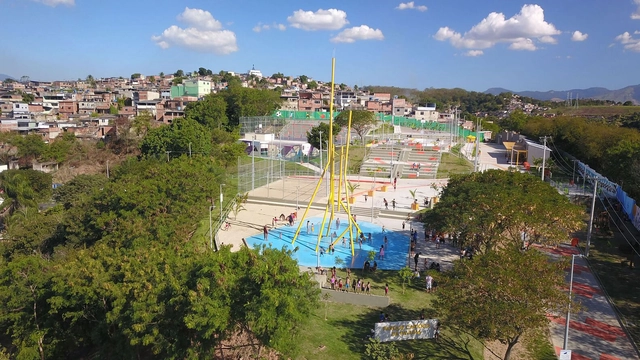
Public spaces are more than just physical voids in the urban fabric—they are stages for social interaction, cultural expression, and collective memory. In times of social fragmentation and environmental stress, these spaces can serve as catalysts for healing, offering safe environments where communities can reconnect. Through thoughtful design and participatory processes, public space interventions can rebuild trust, promote mental well-being, and foster a renewed sense of belonging among community members.

Public Space as a Tool for Community Healing: Scales of Intervention in Latin America - Image 1 of 4Public Space as a Tool for Community Healing: Scales of Intervention in Latin America - Image 2 of 4Public Space as a Tool for Community Healing: Scales of Intervention in Latin America - Image 3 of 4Public Space as a Tool for Community Healing: Scales of Intervention in Latin America - Image 4 of 4Public Space as a Tool for Community Healing: Scales of Intervention in Latin America - More Images+ 7

Liu Jiakun: Get to Know the 2025 Pritzker Winner's Work

Subscriber Access | 

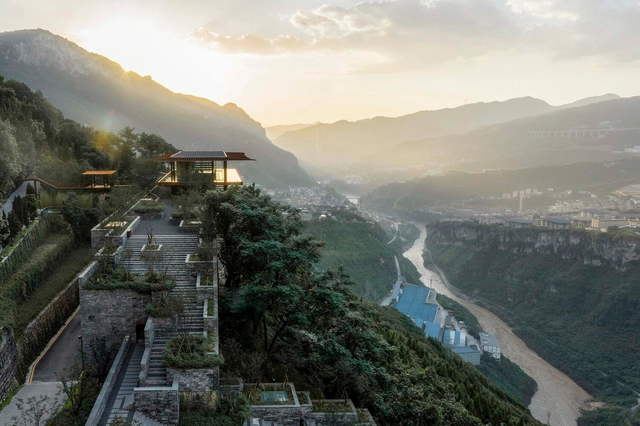
The 2025 Pritzker Prize has been awarded this year to Chinese Architect Liu Jiakun. Born in Chengdu in 1956, he grew up in the densifying city, before attending and graduating from the Chongqing Architecture and Engineering College (Chongqing University) in 1982 with a Bachelor of Engineering degree in Architecture, and becoming one of the first college graduates to be tasked with rebuilding the country during the Chinese transition period. However, it wasn't until many years later that the architect understood that "the built environment could be used as a medium for personal expression". It was then that his endeavors and career took off, with Liu Jiakun starting his practice in 1999, and participating in more collaborative works across China and Europe. Based on his experiences, his works are anchored in his understanding of reality and a respect towards China's multi-traditional history and internal diversity; all while achieving a seamless balance between architecture and nature, tradition and modernity.

These concepts do not obstruct his consciousness of human needs and the importance of community spaces. Through his projects, Liu Jiakun proves that spaces can affect human behavior and become positively evocative. A public space such as those he's created can be conducive to a benevolent atmosphere that provides rest and collaboration. "such as my pursuit of narrative and poetry in design." The comprehensiveness of Liu Jiakun's works makes it easy not to be constrained by stylistic or aesthetic limitations or requirements. He just follows what the site, natural landscape, pre-existing urban frame, and citizen needs might require. The physical result is a mix of all of these with the predominant vernacular traditions.

Liu Jiakun: Get to Know the 2025 Pritzker Winner's Work - Image 1 of 4Liu Jiakun: Get to Know the 2025 Pritzker Winner's Work - Image 2 of 4Liu Jiakun: Get to Know the 2025 Pritzker Winner's Work - Image 3 of 4Liu Jiakun: Get to Know the 2025 Pritzker Winner's Work - Image 4 of 4Liu Jiakun: Get to Know the 2025 Pritzker Winner's Work - More Images+ 42

A Skyward Shift: Exploring the Social Impact of Elevated Public Spaces in Cities

With escalating land values in urban centers, there has been a growing trend to float public spaces from ground level to elevated locations, such as rooftops or podiums between buildings. From a development perspective, maximizing floor area has become crucial as urban environments expand. Ground-level spaces are highly sought after for retail use due to their strategic location, which attracts foot traffic and potential customers and drives city development and economics.

This financial consideration, which often guides building activities and directions in urban centers, contradicts design principles advocated during the modernist era for the benefits of better outdoor space for the public, such as the concept of 'Freeing the Ground'. Architects like Le Corbusier championed this concept through projects like Villa Savoye and Unite d' Habitation. These modernist designs envisioned a future where buildings were elevated to restore open, accessible outdoor ground-level spaces for its users. However, for the reasons above, many contemporary projects instead seek to replicate the function of public grounds within the building's structure.

A Skyward Shift: Exploring the Social Impact of Elevated Public Spaces in Cities - Image 5 of 4A Skyward Shift: Exploring the Social Impact of Elevated Public Spaces in Cities - Image 1 of 4A Skyward Shift: Exploring the Social Impact of Elevated Public Spaces in Cities - Image 2 of 4A Skyward Shift: Exploring the Social Impact of Elevated Public Spaces in Cities - Image 3 of 4A Skyward Shift: Exploring the Social Impact of Elevated Public Spaces in Cities - More Images+ 10

Transforming Urban Spaces: How to Reintegrate Large-Scale Infrastructure Projects?

Large-scale infrastructure projects often aim to connect distant locations within urban areas, facilitating quicker transportation, logistics, and commercial activities along their routes. However, while these projects link distant destinations, their substantial physical presence can significantly affect local communities. This may result in the disconnection and disengagement of previously connected neighborhoods, the disruption of public spaces, and generally negative outdoor experiences caused by noise, pollution, and lack of attention and maintenance to these infrastructures.

Nevertheless, several successful built environment projects have re-integrated contentious infrastructure into the community through thoughtful design of outdoor spaces, with Paris' Coulée verte René-Dumont being one of the first examples and New York's High Line being one of the most prominent examples. The High Line demonstrates how well-conceived outdoor projects can address the alienation caused by extensive infrastructure, foster community reconnection, serve as cultural and economic hubs, and even spur further economic redevelopment, as in Hudson Yards.

Transforming Urban Spaces: How to Reintegrate Large-Scale Infrastructure Projects? - Image 1 of 4Transforming Urban Spaces: How to Reintegrate Large-Scale Infrastructure Projects? - Image 5 of 4Transforming Urban Spaces: How to Reintegrate Large-Scale Infrastructure Projects? - Image 4 of 4Transforming Urban Spaces: How to Reintegrate Large-Scale Infrastructure Projects? - Image 2 of 4Transforming Urban Spaces: How to Reintegrate Large-Scale Infrastructure Projects? - More Images+ 24

The Barcelona Model: Public Space as a Synonym for Urban Adaptation

CityMakers, The Global Community of Architects Who Learn from Exemplary Cities and Their Makers, is working with Archdaily to publish a series of articles about Barcelona, Medellin, and Rotterdam. The authors are the architects, urban planners, and/or strategists behind the projects that have transformed these three cities and are studied in the "Schools of Cities" and "Documentary Courses" made by CityMakers. On this occasion, Jaume Barnada, coordinator of the award-winning Climate Shelters project in Barcelona schools and speaker at the "Schools of Cities", presents his article "Barcelona, the public place as a synonym for the adaptation of the built city."

Cities are dense, built spaces in which pavements have been efficiently imposed on the natural soil. Cities like Barcelona have almost 75% of the land paved and waterproof. Without a doubt, it is an excess to reverse at a time of climate emergency, where we must reconnect with nature. Oriol Bohigas [1] told us that good urbanization had paved the squares of Mediterranean cities and that no one wanted to live in a mudhole. I'm sure he was right. Also, he taught us that the green and, consequently, the natural soil had to have dimension and especially an urban position. Squares are squares and parks are parks, and each space has a type of project. Today, concepts are too frequently confused when urbanizing public places and consequently, we find projects that blur the model.

The Barcelona Model: Public Space as a Synonym for Urban Adaptation - Image 1 of 4The Barcelona Model: Public Space as a Synonym for Urban Adaptation - Image 2 of 4The Barcelona Model: Public Space as a Synonym for Urban Adaptation - Image 3 of 4The Barcelona Model: Public Space as a Synonym for Urban Adaptation - Image 4 of 4The Barcelona Model: Public Space as a Synonym for Urban Adaptation - More Images+ 3

Cultivating Non-Violent Cities: 10 Examples of Friendly Public Spaces

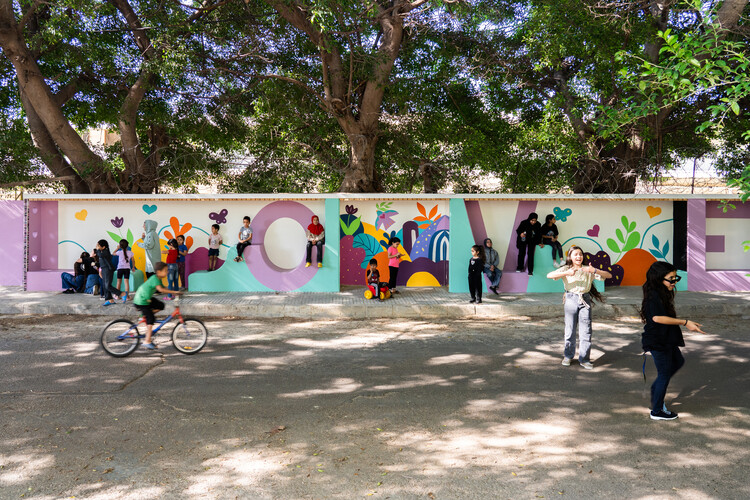
Violent cities result from social and economic inequality, which also affects the urban landscape and the way we live. In honor of International Cities Day, we have selected a series of projects to reflect on non-violent ways of using public space.

Cultivating Non-Violent Cities: 10 Examples of Friendly Public Spaces - Image 1 of 4Cultivating Non-Violent Cities: 10 Examples of Friendly Public Spaces - Image 2 of 4Cultivating Non-Violent Cities: 10 Examples of Friendly Public Spaces - Image 3 of 4Cultivating Non-Violent Cities: 10 Examples of Friendly Public Spaces - Image 9 of 4Cultivating Non-Violent Cities: 10 Examples of Friendly Public Spaces - More Images+ 9

How NYC Plans to Deal With Rainstorms: Global Precedents

Subscriber Access | 

In September of this year, New York City experienced a severe storm that inundated its streets with more than 7 inches of rain in less than 24 hours, causing a number of roads to close, cars to submerge, and buses to get trapped. This event again highlighted the city's old infrastructure's inability to handle fast and heavy rainfall. As climate change intensifies, experts warn that such extreme weather events will become increasingly frequent. This vulnerability is especially concerning in densely populated urban areas such as New York City, where flooding risks increase due to the large amounts of impervious surfaces.

How NYC Plans to Deal With Rainstorms: Global Precedents - Image 1 of 4How NYC Plans to Deal With Rainstorms: Global Precedents - Image 2 of 4How NYC Plans to Deal With Rainstorms: Global Precedents - Image 3 of 4How NYC Plans to Deal With Rainstorms: Global Precedents - Image 4 of 4How NYC Plans to Deal With Rainstorms: Global Precedents - More Images

Ennead Architects and KSS Architects Jean & Ric Edelman Fossil Park Museum at Rowan University in New Jersey Nears Completion

Ennead Architects and KSS Architects have just unveiled the design for the Jean & Ric Edelman Fossil Park Museum of Rowan University. The museum is located at the heart of a 65-acre fossil park in Mantua Township, New Jersey. Spanning 44,000 square feet, the program focuses on exploration, preservation, and education. Moreover, it allows citizens and scientists to have the unique opportunity to participate in fossil excavation alongside research actively. The visitor and the researchers will study the events leading to the fifth mass extinction, all within the confines of a 66-million-year-old former quarry. The project is scheduled to open its doors to the public in early 2024, positioning itself as a symbol of scientific exploration and environmental stewardship.

Ennead Architects and KSS Architects Jean & Ric Edelman Fossil Park Museum at Rowan University in New Jersey Nears Completion - Image 1 of 4Ennead Architects and KSS Architects Jean & Ric Edelman Fossil Park Museum at Rowan University in New Jersey Nears Completion - Image 2 of 4Ennead Architects and KSS Architects Jean & Ric Edelman Fossil Park Museum at Rowan University in New Jersey Nears Completion - Image 3 of 4Ennead Architects and KSS Architects Jean & Ric Edelman Fossil Park Museum at Rowan University in New Jersey Nears Completion - Image 4 of 4Ennead Architects and KSS Architects Jean & Ric Edelman Fossil Park Museum at Rowan University in New Jersey Nears Completion - More Images

6 Successful City Park Projects That Are Hotspots for Biodiversity

Subscriber Access | 

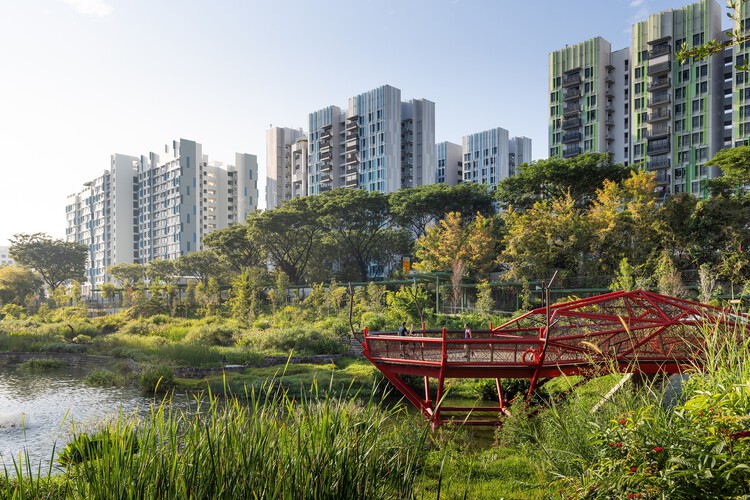
Modernity and globalization have significantly reduced geographical distances, transformed social interactions, and accelerated the flow of information across nations, which has, in a sense, made the world more accessible to people everywhere. However, it's important to note that when we say "everyone," we refer to a vast and diverse population. Modernity and globalization had an impact on noticeable inequalities in both social and technological realms, as more advanced and privileged nations have established benchmarks and norms for leisure, culture, and consumption. As a result, certain cultures have established a dominant influence, promoting the notion that there is a "correct" way to live and build cities. This unchecked pursuit of development comes at a significant cost to the Earth's ecosystems and biomes.

6 Successful City Park Projects That Are Hotspots for Biodiversity - Image 1 of 46 Successful City Park Projects That Are Hotspots for Biodiversity - Image 2 of 46 Successful City Park Projects That Are Hotspots for Biodiversity - Image 3 of 46 Successful City Park Projects That Are Hotspots for Biodiversity - Image 4 of 46 Successful City Park Projects That Are Hotspots for Biodiversity - More Images+ 4

When Architects Design for Communities: 7 Parks and Squares

Subscriber Access | 

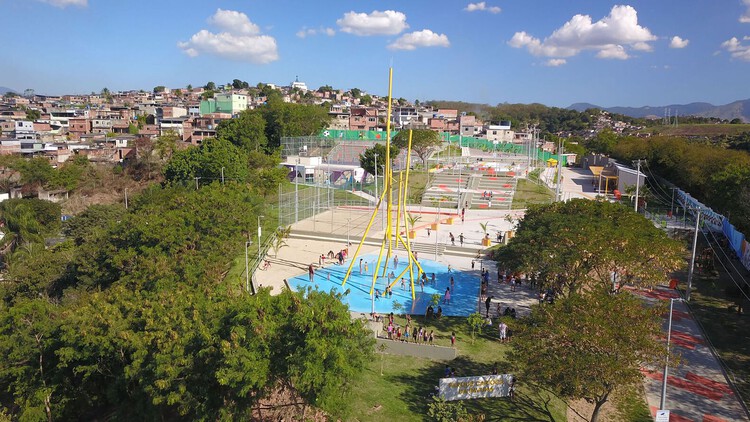
Architecture reconciles the sense of belonging and dignity of space. In addition to designing residential or cultural facilities, addressing public space in communities that inhabit vulnerable areas is also urgent and necessary to provide a dignified infrastructure that provides quality of life for the population. Therefore, we have gathered seven interventions in marginalized territories that show the potential for transformation from the space itself.

When Architects Design for Communities: 7 Parks and Squares - Image 1 of 4When Architects Design for Communities: 7 Parks and Squares - Image 2 of 4When Architects Design for Communities: 7 Parks and Squares - Image 3 of 4When Architects Design for Communities: 7 Parks and Squares - Image 4 of 4When Architects Design for Communities: 7 Parks and Squares - More Images+ 17