1. ArchDaily
  2. MoMA

MoMA: The Latest Architecture and News

Staging Culture: The Architect as Curator

Architecture has never been confined to the act of building. It constantly negotiates between material practice and intellectual reflection, yet throughout the twentieth and twenty-first centuries, many architects felt that the built project alone was insufficient to address the full range of questions facing the discipline. Economic pressures, political contexts, and programmatic demands often narrowed the scope of practice.

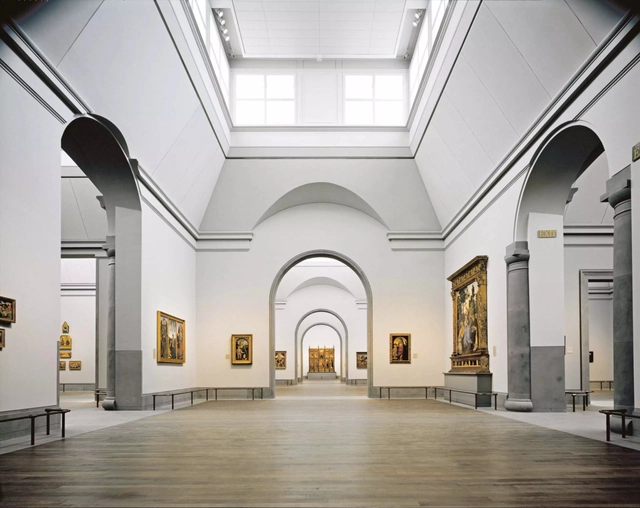
Exhibitions and curatorial platforms, by contrast, created spaces of experimentation and critique, opening arenas where architecture could interrogate itself, where its past could be reinterpreted, its present challenged, and its future projected. In this tension, the figure of the architect-curator emerged, treating curating itself as a form of design — not of walls or facades, but of discourse, narratives, and frameworks of meaning.

Staging Culture: The Architect as Curator - Image 1 of 4Staging Culture: The Architect as Curator - Image 2 of 4Staging Culture: The Architect as Curator - Image 3 of 4Staging Culture: The Architect as Curator - Image 4 of 4Staging Culture: The Architect as Curator - More Images+ 32

Former MoMA Curator Barry Bergdoll Receives the 2025 Vincent Scully Prize

The Vincent Scully Prize, established in 1999 by the National Building Museum in Washington, D.C., recognizes exemplary practice, scholarship, or criticism in architecture, historic preservation, and urban design. Named after its first recipient, Vincent Scully, Sterling Professor Emeritus of the History of Art at Yale University and Visiting Professor at the University of Miami, the prize has been awarded to figures such as Theaster Gates, Jane Jacobs, Laurie Olin, Denise Scott Brown and Robert Venturi, and Mabel O. Wilson. The 2025 prize will go to Barry Bergdoll, art historian and former curator at the Museum of Modern Art in New York.

Former MoMA Curator Barry Bergdoll Receives the 2025 Vincent Scully Prize - Image 1 of 4Former MoMA Curator Barry Bergdoll Receives the 2025 Vincent Scully Prize - Image 2 of 4Former MoMA Curator Barry Bergdoll Receives the 2025 Vincent Scully Prize - Featured ImageFormer MoMA Curator Barry Bergdoll Receives the 2025 Vincent Scully Prize - Image 3 of 4Former MoMA Curator Barry Bergdoll Receives the 2025 Vincent Scully Prize - More Images

A Restored Module from Tokyo’s Nakagin Capsule Tower Goes on Year-Long Display at MoMA

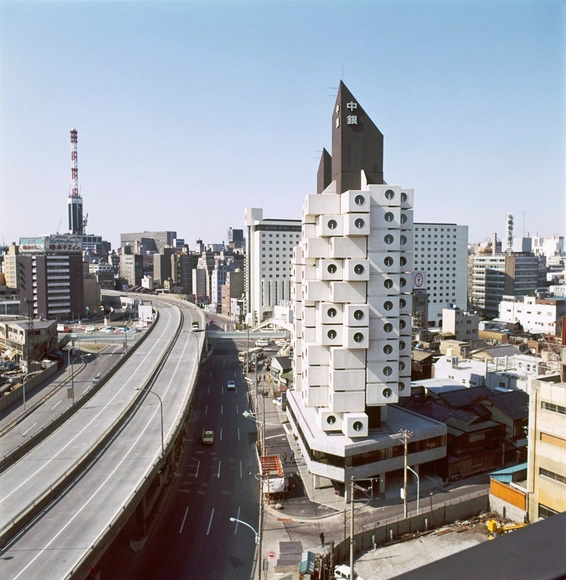
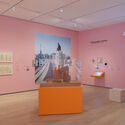
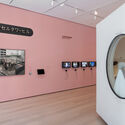
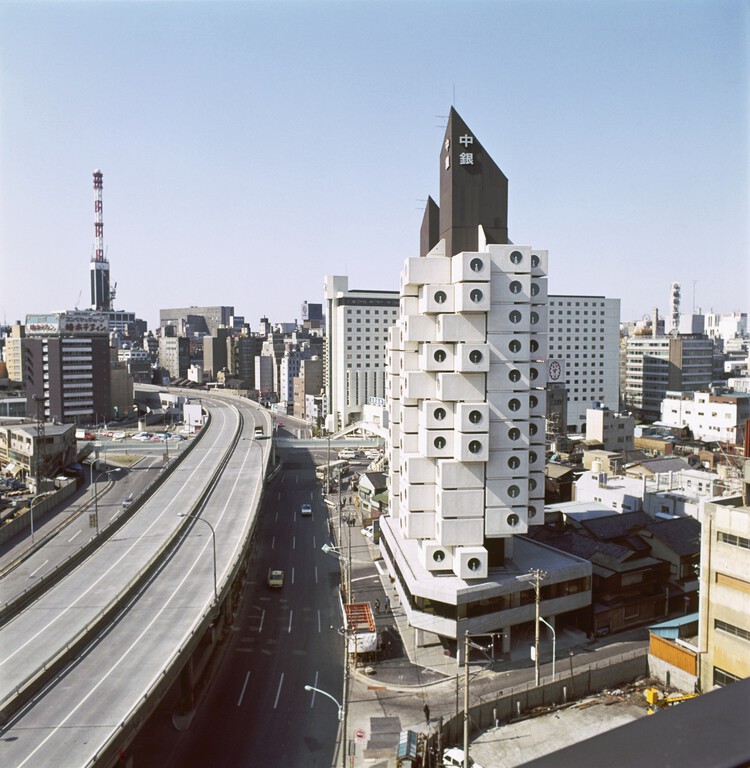
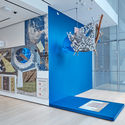
The Museum of Modern Art (MoMA) in New York is hosting an exhibition dedicated to Japanese architect Kisho Kurokawa's Nakagin Capsule Tower from July 10, 2025, through July 12, 2026. Titled The Many Lives of the Nakagin Capsule Tower, the exhibition offers a retrospective on the building's 50-year lifespan. Constructed in Tokyo's Ginza district in 1972 and dismantled in 2022, the tower is presented through contextual materials, original drawings, archival recordings, and a fully restored capsule. The exhibition invites reflection on how cities address aging buildings and the rapid transformation of urban areas. The diverse materials documenting the tower's continuous evolution over five decades encourage viewers to consider how architecture might endure by taking on new roles and functions beyond its original purpose.

A Restored Module from Tokyo’s Nakagin Capsule Tower Goes on Year-Long Display at MoMA - Image 1 of 4A Restored Module from Tokyo’s Nakagin Capsule Tower Goes on Year-Long Display at MoMA - Image 2 of 4A Restored Module from Tokyo’s Nakagin Capsule Tower Goes on Year-Long Display at MoMA - Image 3 of 4A Restored Module from Tokyo’s Nakagin Capsule Tower Goes on Year-Long Display at MoMA - Image 4 of 4A Restored Module from Tokyo’s Nakagin Capsule Tower Goes on Year-Long Display at MoMA - More Images+ 11

Towards an Architecture of Many Intelligences: How Collective Knowledge Shapes the Built Environment

As architecture navigates a rapidly changing world shaped by ecological urgency, social transformation, and technological acceleration, the notion of intelligence is shifting. No longer confined to individual cognition or artificial computation, intelligence can emerge from cultural memory, collective practices, and adaptive systems. In this broader sense, architecture becomes a field of convergence, where natural, artificial, and social intelligences intersect to offer new ways of designing and building.

Vernacular traditions embed generations of environmental knowledge, often transmitted through materials, construction techniques, and spatial logics finely tuned to local conditions; participatory platforms expand decision-making to wider communities to take part in shaping their environments, redistributing agency in the design process; and computational processes simulate and respond to complex data in real time bringing the capacity to analyse, simulate, and respond to complex variables — whether environmental, social, or behavioural — offering new forms of adaptability.

Towards an Architecture of Many Intelligences: How Collective Knowledge Shapes the Built Environment - Image 1 of 4Towards an Architecture of Many Intelligences: How Collective Knowledge Shapes the Built Environment - Image 2 of 4Towards an Architecture of Many Intelligences: How Collective Knowledge Shapes the Built Environment - Image 3 of 4Towards an Architecture of Many Intelligences: How Collective Knowledge Shapes the Built Environment - Image 4 of 4Towards an Architecture of Many Intelligences: How Collective Knowledge Shapes the Built Environment - More Images+ 25

Yoshio Taniguchi, Architect Behind MoMA Redesign, Passes Away at 87

Yoshio Taniguchi, the renowned architect behind the redesign of New York's Museum of Modern Art (MoMA) and other celebrated cultural landmarks, has passed away, at the age of 87 due to pneumonia. Known for his minimalist designs that emphasize clarity and simplicity, Taniguchi's work includes the MoMA expansion completed in 2004, the Heisei Chishinkan Wing of the Kyoto National Museum, and the Toyota Municipal Museum of Art. His projects are characterized by a deep respect for space and proportion, allowing the art within to take center stage.

Yoshio Taniguchi, Architect Behind MoMA Redesign, Passes Away at 87 - Image 1 of 4Yoshio Taniguchi, Architect Behind MoMA Redesign, Passes Away at 87 - Image 2 of 4Yoshio Taniguchi, Architect Behind MoMA Redesign, Passes Away at 87 - Image 3 of 4Yoshio Taniguchi, Architect Behind MoMA Redesign, Passes Away at 87 - Image 4 of 4Yoshio Taniguchi, Architect Behind MoMA Redesign, Passes Away at 87 - More Images

Revisiting Skyscraper Design: The Benefits of Responsive Facades and Passive Designs

Subscriber Access | 

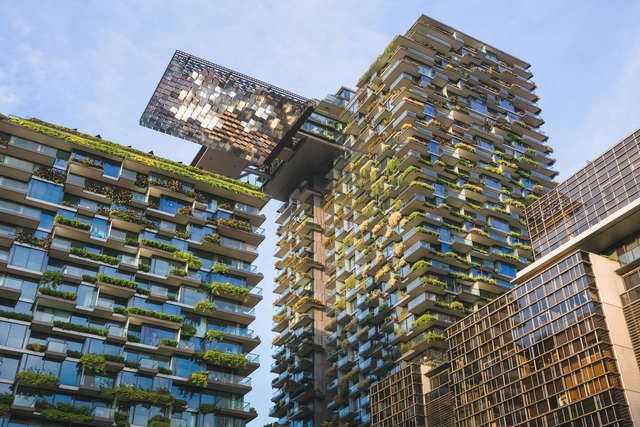
Our contemporary society has been witnessing a surge in skyscraper construction in urban centers worldwide for various reasons—including engineering advancements, increased urban density, space constraints, and, arguably, a competitive drive for building the tallest structures. The allure of all-glass facades and the pursuit of curtain walls with larger panes of continuous glass have often come at the cost of functionality.

In these towers, operable windows are sacrificed for aesthetics and expansive views, with a central core layout that maximizes 360-degree views while creating architectural "solar heat-gain monsters." Without natural or cross ventilation, these glass skyscrapers trap significant heat from solar radiation within habitable spaces, relying almost exclusively on mechanical HVAC systems to cool these spaces. This raises the question: is passive ventilation strategy becoming obsolete in high-rise design, or can operable systems be integrated effectively into our high-tech towers?

Revisiting Skyscraper Design: The Benefits of Responsive Facades and Passive Designs - Image 1 of 4Revisiting Skyscraper Design: The Benefits of Responsive Facades and Passive Designs - Image 2 of 4Revisiting Skyscraper Design: The Benefits of Responsive Facades and Passive Designs - Image 3 of 4Revisiting Skyscraper Design: The Benefits of Responsive Facades and Passive Designs - Image 4 of 4Revisiting Skyscraper Design: The Benefits of Responsive Facades and Passive Designs - More Images+ 24

Ephemeral Architectures: Engaging Communities through Temporary Structures

Subscriber Access | 

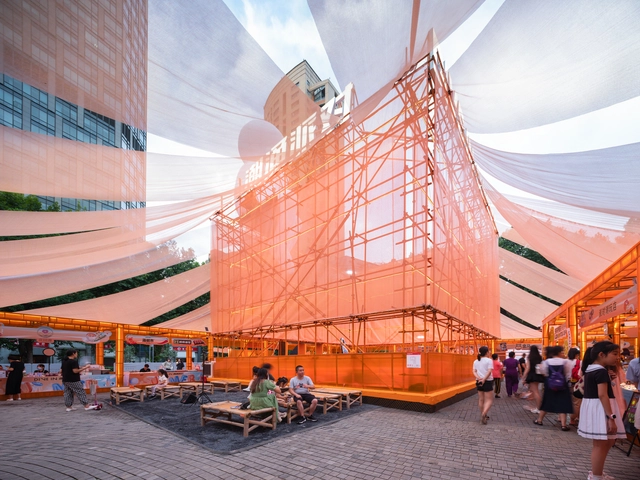
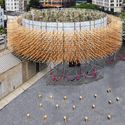
Ephemeral architectures, characterized by their temporary and flexible nature, have emerged as powerful tools for revitalizing urban spaces and fostering architectural creativity. These transient installations transform public areas, engaging communities, and prompting reflections on the potential futures of our cities. By temporarily transforming environments, ephemeral architectures encourage both architects and the public to reimagine the possibilities of urban living. This dynamic interplay, between the temporary and the permanent, challenges traditional architectural practices and opens up new avenues for sustainable and inclusive urban development.
Ephemeral Architectures: Engaging Communities through Temporary Structures - Image 1 of 4Ephemeral Architectures: Engaging Communities through Temporary Structures - Image 2 of 4Ephemeral Architectures: Engaging Communities through Temporary Structures - Image 3 of 4Ephemeral Architectures: Engaging Communities through Temporary Structures - Image 4 of 4Ephemeral Architectures: Engaging Communities through Temporary Structures - More Images+ 32

Utopian Practice, Political Power, and Community in Architecture: An Interview with Olalekan Jeyifous

Subscriber Access | 

After being awarded the prestigious Silver Lion for his contribution to this year's Venice Architecture Biennale, Brooklyn-based artist Olalekan Jeyifous shows no signs of slowing down. Currently in the midst of preparing his entry to the next Sharjah Architecture Triennial, he also recently celebrated the opening of Climate Futurism, a group exhibition that highlights the power and efficacy of artists’ methods and processes to imagine a more equitable future – and is working on a public monument to former United States Representative Shirley Chisholm as part of New York City's She Built NYC initiative, among other projects.

Utopian Practice, Political Power, and Community in Architecture: An Interview with Olalekan Jeyifous - Image 1 of 4Utopian Practice, Political Power, and Community in Architecture: An Interview with Olalekan Jeyifous - Image 2 of 4Utopian Practice, Political Power, and Community in Architecture: An Interview with Olalekan Jeyifous - Image 3 of 4Utopian Practice, Political Power, and Community in Architecture: An Interview with Olalekan Jeyifous - Image 4 of 4Utopian Practice, Political Power, and Community in Architecture: An Interview with Olalekan Jeyifous - More Images+ 3

MoMA's “Emerging Ecologies” Exhibition Explores the Ecolution of Environmental Architecture

The Museum of Modern Art New York has announced the opening of an exhibition focused on the first realized and unrealized projects that address ecological and environmental concerns. Featuring works by architects who practiced mainly in the United States from the 1930s through the 1990s, the exhibition titled “Emerging Ecologies: Architecture and the Rise of Environmentalism” is on view from September 17, 2023, through January 20, 2024. The over 150 works showcased reveal the rise of the environmental movement through the lens of architectural practice and thought.

MoMA's “Emerging Ecologies” Exhibition Explores the Ecolution of Environmental Architecture - Image 1 of 4MoMA's “Emerging Ecologies” Exhibition Explores the Ecolution of Environmental Architecture - Image 2 of 4MoMA's “Emerging Ecologies” Exhibition Explores the Ecolution of Environmental Architecture - Image 3 of 4MoMA's “Emerging Ecologies” Exhibition Explores the Ecolution of Environmental Architecture - Image 4 of 4MoMA's “Emerging Ecologies” Exhibition Explores the Ecolution of Environmental Architecture - More Images+ 12

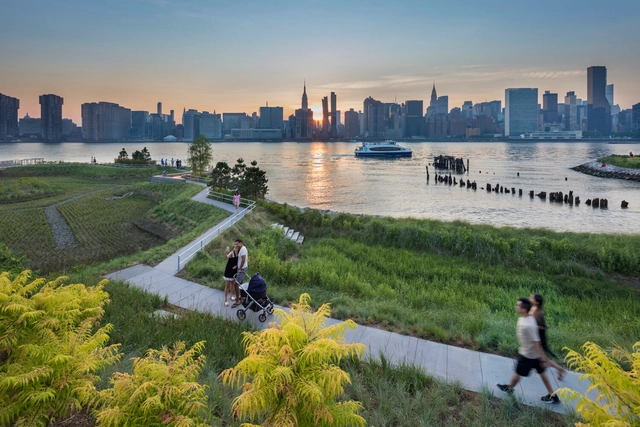
A Waterfront Park as Public Amenity and Climate Mitigator

This article was originally published on Common Edge.

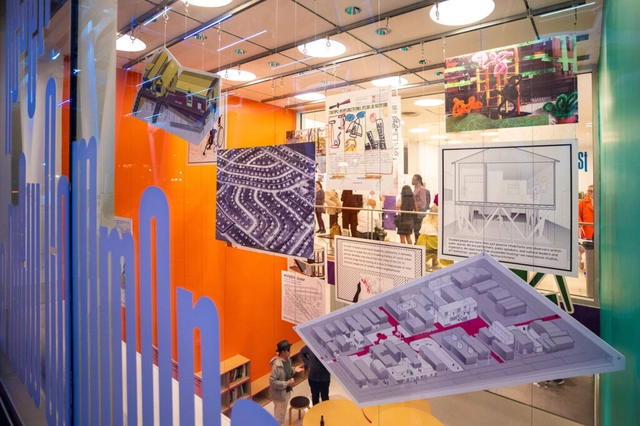
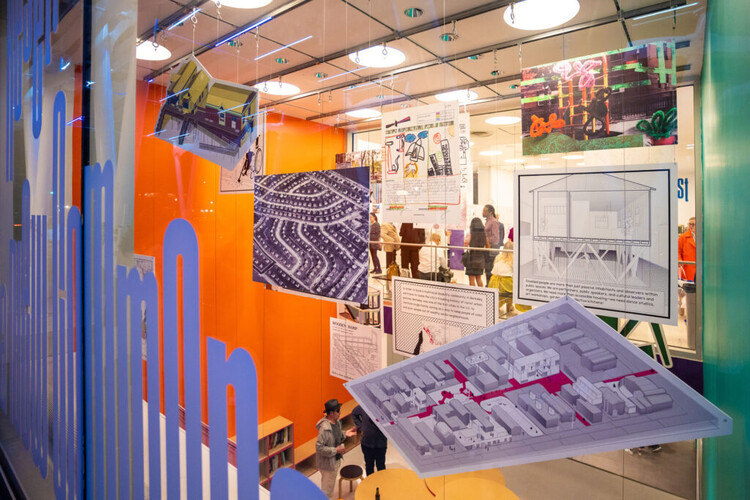
This week, the Museum of Modern Art officially launches a new series of exhibitions entitled Architecture Now. According to MoMA, “The first iteration of the series, New York, New Publics, will explore the ways in which New York City–based practices have been actively expanding the relationship of metropolitan architecture to different publics through 12 recently completed projects.”

The exhibition will showcase public-facing work, such as parks, community gardens, and pools, by Adjaye Associates, Agency—Agency and Chris Woebken, CO Adaptive, James Corner Field Operations, Kinfolk Foundation, nArchitects, New Affiliates and Samuel Stewart-Halevy, Olalekan Jeyifous, Only If, PetersonRich Office, SO – IL, and SWA/Balsley and Weiss/Manfredi.

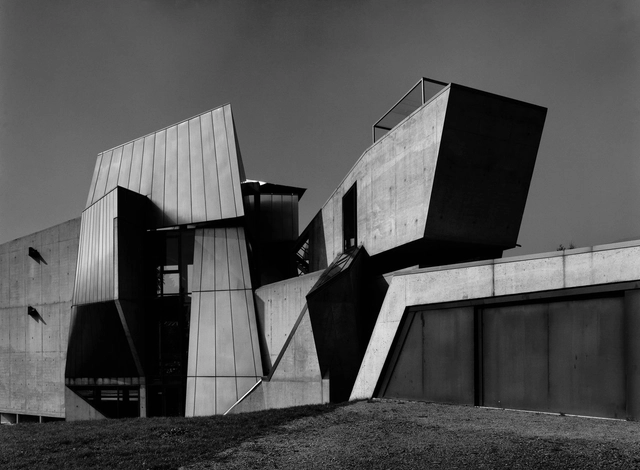
Who Was Günther Domenig, the Unknown Deconstructivist?

Subscriber Access | 

Domenig was one of Austria’s most radical architects and a major influence on many of architecture’s leading lights but remains widely unknown. A new exhibition aims to change that.

Who Was Günther Domenig, the Unknown Deconstructivist? - Image 1 of 4Who Was Günther Domenig, the Unknown Deconstructivist? - Image 2 of 4Who Was Günther Domenig, the Unknown Deconstructivist? - Image 3 of 4Who Was Günther Domenig, the Unknown Deconstructivist? - Image 4 of 4Who Was Günther Domenig, the Unknown Deconstructivist? - More Images+ 4

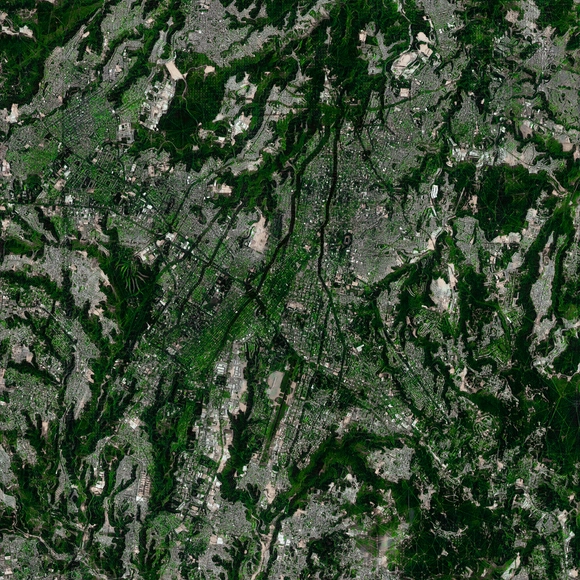
The City as an Organism

Nature has continually played muse to architects. Colors and forms from the natural world find themselves embedded in artificial edifices. Buildings are also shaped by patterns of the wind and sun, topography, and vegetation. While architecture is informed by the effects of nature, buildings have been proposed as inert objects that remain static in a biologically evolving world. Anthropocentric concrete “jungles” are devoid of life, separating humans from natural environments and causing imbalances that have manifested as pandemics. What would cities look like if there were no boundaries between humans and ecosystems?

The City as an Organism  - Image 1 of 4The City as an Organism  - Image 2 of 4The City as an Organism  - Image 3 of 4The City as an Organism  - Image 4 of 4The City as an Organism  - More Images+ 5

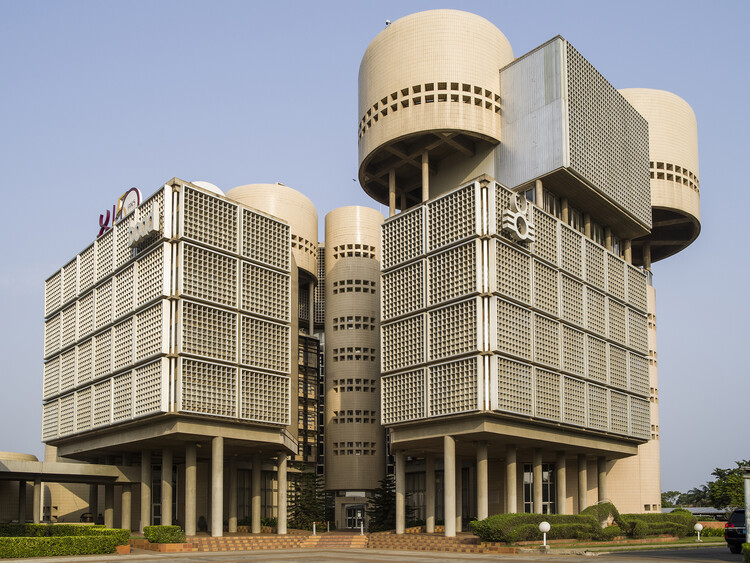
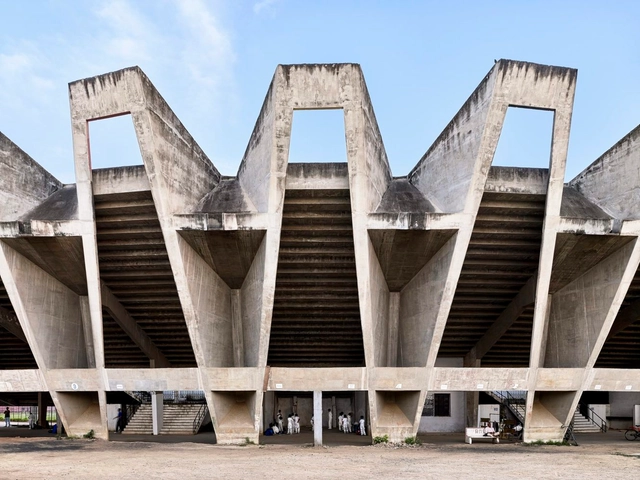
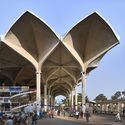
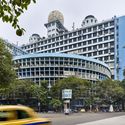
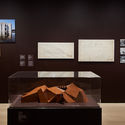
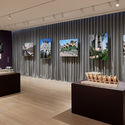
MoMA Exhibition Explores the Architectures of Decolonization in South Asia

The Museum of Modern Art - MoMA has announced the opening of an exhibition that explores the ways modern architecture in South Asia shaped up "idealistic societal visions and emancipatory politics" of the post-independence period. Titled The Project of Independence: Architectures of Decolonization in South Asia, 1947–1985, the exhibition includes over 200 works, ranging from sketches and drawings to photographs and architecture models sourced from prominent lenders and institutions in Bangladesh, India, Pakistan, and Sri Lanka.

MoMA Exhibition Explores the Architectures of Decolonization in South Asia - Image 1 of 4MoMA Exhibition Explores the Architectures of Decolonization in South Asia - Image 2 of 4MoMA Exhibition Explores the Architectures of Decolonization in South Asia - Image 3 of 4MoMA Exhibition Explores the Architectures of Decolonization in South Asia - Image 4 of 4MoMA Exhibition Explores the Architectures of Decolonization in South Asia - More Images+ 16

What Exactly is the Art Museum in Modern Times?

"Is a museum defined by its collection? Or by its architecture? In The Art Museum in Modern Times, Charles Saumarez Smith suggests it is both and still something more". Lauren McQuistion, an architectural designer and Ph.D. Candidate in the Constructed Environment at the University of Virginia School of Architecture discusses in her Architect's Newspaper piece, Saumarez's book, exploring the notion of a modern museum.

MoMA Launches Reconstructions: Architecture and Blackness in America

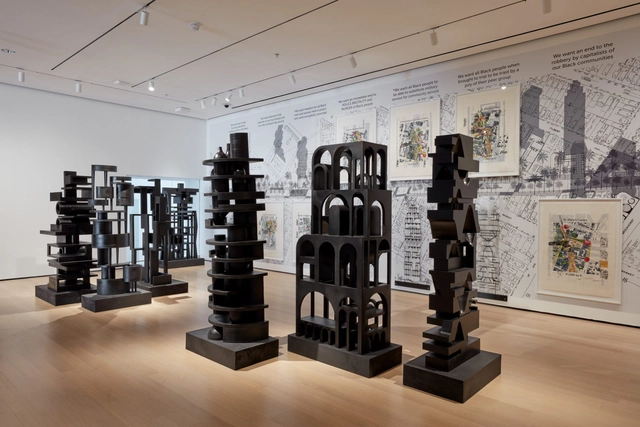
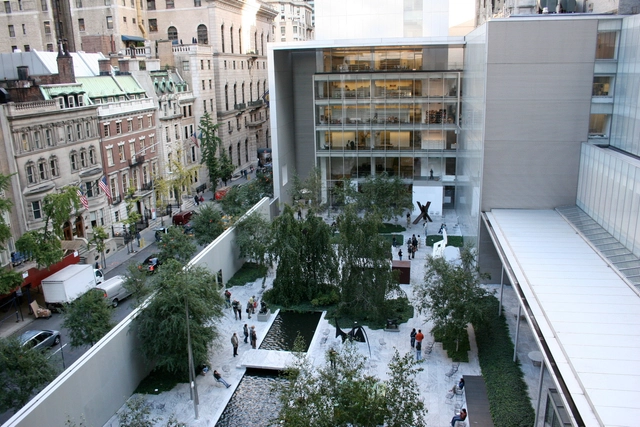
The Museum of Modern Art has launched Reconstructions: Architecture and Blackness in America, the fourth installment of the Issues in Contemporary Architecture series. Investigating the intersections of architecture, Blackness and anti–Black racism in the American context, the exhibition and accompanying publication examine contemporary architecture in the context of how systemic racism has fostered violent histories of discrimination and injustice in the United States.
MoMA Launches Reconstructions: Architecture and Blackness in America - Image 1 of 4MoMA Launches Reconstructions: Architecture and Blackness in America - Image 2 of 4MoMA Launches Reconstructions: Architecture and Blackness in America - Image 3 of 4MoMA Launches Reconstructions: Architecture and Blackness in America - Image 4 of 4MoMA Launches Reconstructions: Architecture and Blackness in America - More Images+ 2

MoMA PS1's Young Architects Program Placed on Hiatus

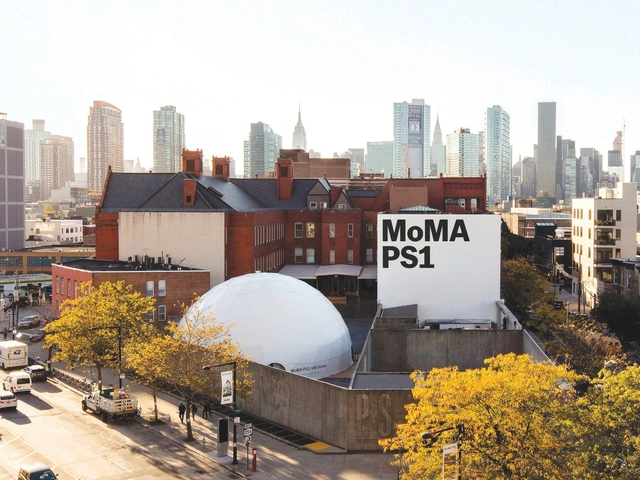
MoMA PS1 has announced that the Young Architects Program will be placed on a one-year hiatus. MoMA PS1, formerly P.S.1 Contemporary Art Center, is one of the oldest and largest nonprofit arts centers in the United States devoted to contemporary art. The Young Architects Program founded by MoMA and MoMA PS1 was made to offer emerging architectural talent the opportunity to design a temporary, outdoor installation in New York.

MoMA PS1's Young Architects Program Placed on Hiatus - Image 1 of 4MoMA PS1's Young Architects Program Placed on Hiatus - Image 2 of 4MoMA PS1's Young Architects Program Placed on Hiatus - Image 3 of 4MoMA PS1's Young Architects Program Placed on Hiatus - Image 4 of 4MoMA PS1's Young Architects Program Placed on Hiatus - More Images+ 3

MoMA Expansion by Diller Scofidio + Renfro Set to Open in New York

The complete Museum of Modern Art expansion by Diller Scofidio + Renfro and Gensler is set to open in New York. The expansion adds more than 40,000 square feet of gallery spaces for exhibiting art. Launched in 2014, the first phase of renovations on the east end was completed in 2017, and the second phase of expansion on the west end is now complete and ready to open to the public.

MoMA Expansion by Diller Scofidio + Renfro Set to Open in New York - Image 1 of 4MoMA Expansion by Diller Scofidio + Renfro Set to Open in New York - Image 2 of 4MoMA Expansion by Diller Scofidio + Renfro Set to Open in New York - Image 3 of 4MoMA Expansion by Diller Scofidio + Renfro Set to Open in New York - Image 4 of 4MoMA Expansion by Diller Scofidio + Renfro Set to Open in New York - More Images+ 15

Pedro and Juana Launch their 'Hórama Rama' at MoMA PS1

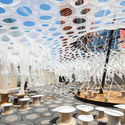
"Hórama Rama" by Pedro & Juana (Ana Paula Ruiz Galindo & Mecky Reuss) has been inaugurated as part of The Museum of Modern Art and MoMA PS1’s 20th annual Young Architects Program. This year’s architectural installation is an immersive junglescape set within a large-scale cyclorama that sits atop MoMA PS1’s courtyard walls. Selected from among five finalists, Hórama Rama will be on view through the summer, serving as a temporary built environment for MoMA PS1’s pioneering outdoor music series Warm Up.

Pedro and Juana Launch their 'Hórama Rama' at MoMA PS1 - Image 1 of 4Pedro and Juana Launch their 'Hórama Rama' at MoMA PS1 - Image 2 of 4Pedro and Juana Launch their 'Hórama Rama' at MoMA PS1 - Image 3 of 4Pedro and Juana Launch their 'Hórama Rama' at MoMA PS1 - Featured ImagePedro and Juana Launch their 'Hórama Rama' at MoMA PS1 - More Images+ 1