Women have played a pivotal role in the evolution of landscape architecture, overcoming the constraints of a male-dominated profession to introduce groundbreaking ideas and fresh perspectives. From early pioneers to contemporary leaders, their work has reshaped how we interact with public and private spaces, intertwining aesthetics, functionality, and sustainability in innovative ways.
In the late 19th and early 20th centuries, female landscape architects carved out their place in the profession, emphasizing harmony between built structures and natural landscapes. Their projects showcased a deep commitment to community and ecological balance, setting the stage for an inclusive and thoughtful approach to design that continues to inspire the field today.
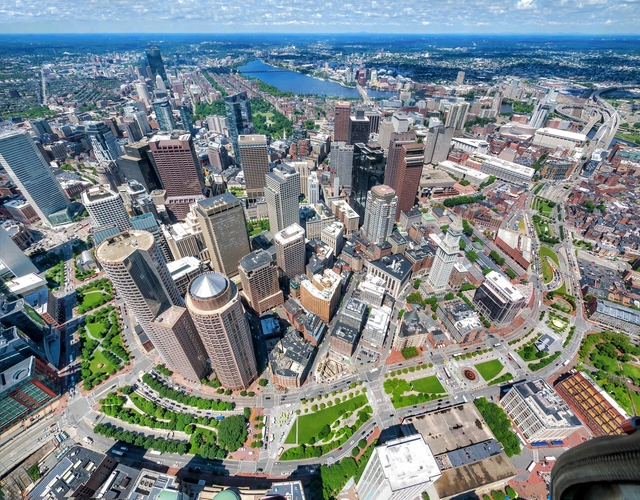
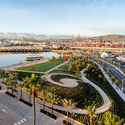
Greenways, as a typology of urban design, have become an essential element in the planning of modern cities. They emerge in response to the increasing fragmentation of urban landscapes by elements such as highways. They usually integrate natural and constructed spaces, providing much-needed connections across various parts of the city. At the same time, they promote pedestrian accessibility, recreation, and social interaction. The Rose Kennedy Greenway in downtown Boston, United States, exemplifies this human-centered approach to design. The project, which began construction in 1991, showcases the potential of greenways to reconnect urban environments and enhance community life. As a series of parks designed by various architecture firms, it aims to create physical links and meaningful spaces that foster social development and a sense of place.
Prioritizing people and the planet, when it comes to building construction and real estate development, is being seen as more than an ethical mandate - it is a highly profitable approach. Changing market demands, city ordinances, and regulations, and an emphasis on Environmental, Social, and Governance (ESG) factors are all influencing what successful development in the 21st century stands for.
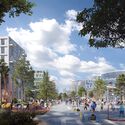
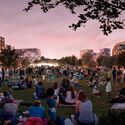
In Toronto, Canada, the ongoing Downsview Airport redevelopment project showcases this mindset in practice. While traditional development has generally focused on maximizing short-term returns, the Downsview project offers a holistic alternative that can invite significant long-term profits, all while addressing broader societal and environmental concerns.
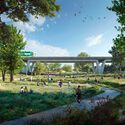
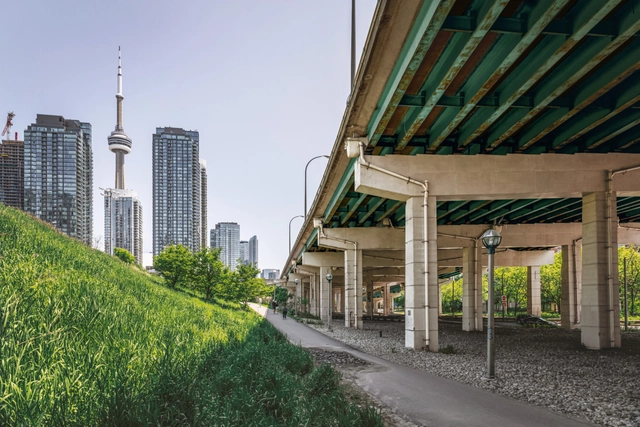
New York-based office Field Operations, renowned for their work on Seattle's waterfront and New York's High Line, along with Toronto's Brook McIlroy, have been tasked with transforming underutilized lands beneath the Gardiner Expressway in Toronto. The project was launched by The Bentway Conservancy, in partnership with the City of Toronto, and represents the second phase of the development aiming to revitalize underutilized spaces along the expressway. The initiative set out to transform three large traffic islands between Dan Leckie Way and Spadina Avenue into an 11,500-square-meter public space for recreation and community activities.
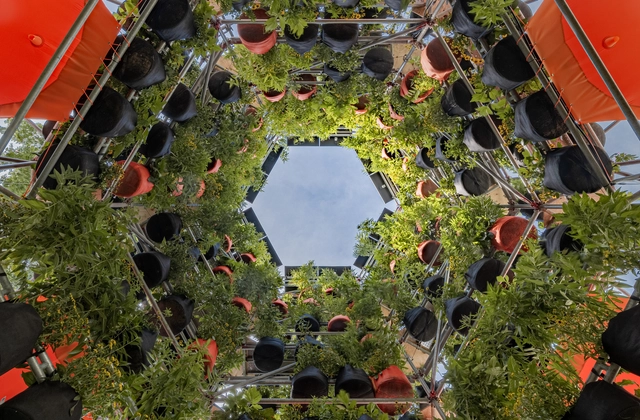
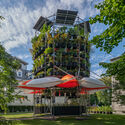
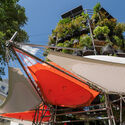
Architects Belinda Tato and Jose Luis Vallejo of Ecosistema Urbano have designed a plug-in public space designed to address the effects of climate change in ill-equipped urban environments. Titled Polinature, the installation has been funded by the Salata Institute for Climate and Sustainability at Harvard, and is now installed in the backyard of the Harvard Center for Green Buildings and Cities. The pavilion, featuring native plans set into a scaffolding, with an inflatable bioclimatic canopy, aims to demonstrate how small-scale interventions can create compound positive effects for the local micro-climate and biodiversity.
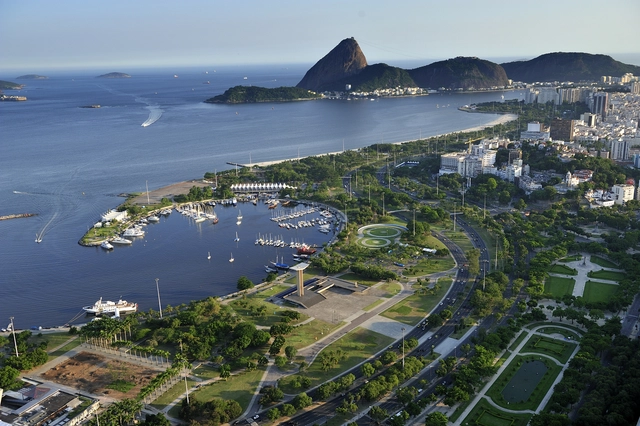
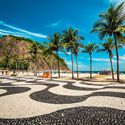
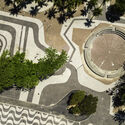
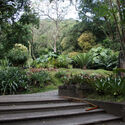
From the 1930s to the 1990s, Burle Marx's work anticipated many of today's concerns about sustainability and urban well-being. Long before terms like "sustainable design" or "green infrastructure" became commonplace, Burle Marx was already advocating for the use of native plants, recognizing their role in creating self-sustaining ecosystems that required minimal intervention. His projects often transformed neglected urban areas into vibrant, ecologically balanced spaces that not only improved the environment but also enhanced the quality of life for city dwellers.
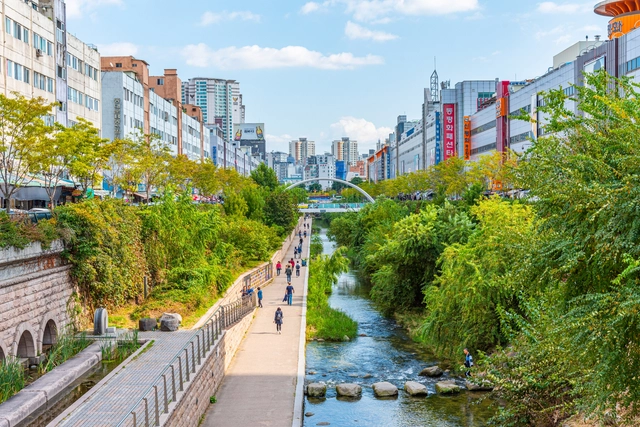
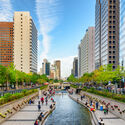
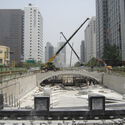
Cheongye Stream, known as Cheonggyecheon (청계천) in Korean, runs eastward through the heart of Seoul, passing through 13 neighborhoods in four districts of the capital of South Korea. Throughout its history, the stream played different roles in the city until it was covered by an elevated highway in the 1970s. For over 30 years, this natural artery remained hidden. It was not until 2003 that the city government launched a restoration project to reintegrate this urban waterway into the city fabric, revitalize the local economy, and revive the area's history and culture. The revitalization efforts were led by Mikyoung Kim Design. Since the project's completion in 2005, it quickly became one of Seoul's most visited tourist attractions. Moreover, it has become a focal point for ample urban research, with many studies offering positive assessments of the impact it had on Seoul's urban, economic, and ecological context.
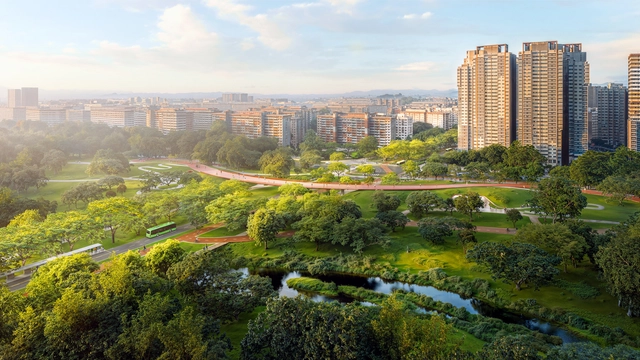
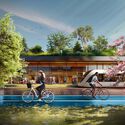
The team led by Henning Larsen, in collaboration with Ramboll, Cistri, Gehl, Participate in Design, and Camphora has won the commission for the master plan consultancy to design Singapore’s North-South Corridor’s surface streets. The project proposes an expansive urban transformation, aiming to integrate public transport, active mobility, community-focused spaces, and greenery along the 21.5km corridor. Local communities and stakeholders are also actively engaged in the design process through public engagement sessions. The initial master plan design is set to continue into 2026, over the next 18 months.
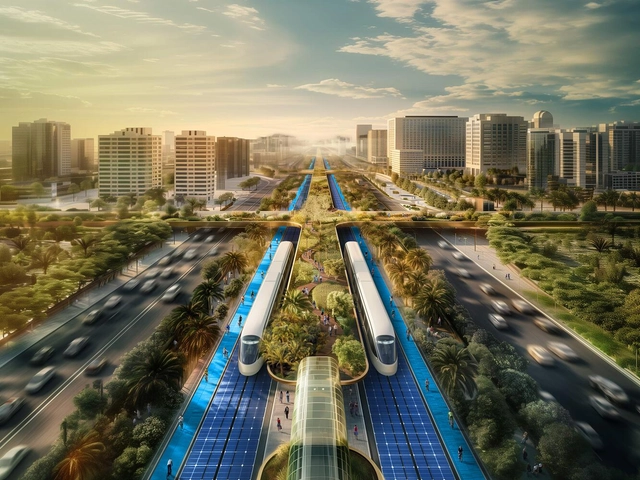
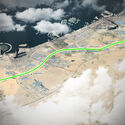
URB has revealed details about the Dubai Green Spine project, an urban development initiative aiming to introduce a 64-kilometer-long green corridor in Dubai. The project, aligned with the Dubai 2040 Urban Master Plan, hopes to improve urban mobility and environmental quality by converting one of the city’s major arterial roads into a multifunctional public space with ample greenery, urban farms, integrated non-motorized transportation infrastructures, and community zones.
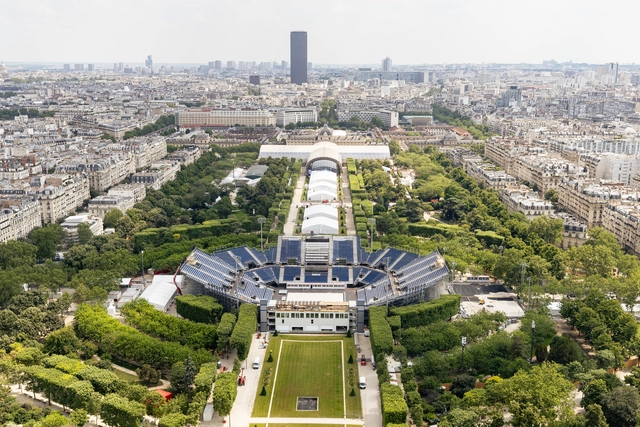
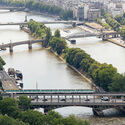
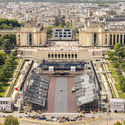
At the beginning of the 20th century, the Olympic games included some unusual medal competitions, including architectural design and town planning. While these are no longer awarded Olympic events, architecture and urban planning continues to continue to have a crucial effect on the development of the global sporting event. Cities that bid to host face an important challenge in adapting their infrastructure to accommodate not only the venues and facilities, but all the support structures needed for a safe and enjoyable edition. Paris is no different. While the city hosted 2 previous editions of the games over a century ago, the challenges of the modern-day Games have proven significant. However, the city’s expansive infrastructures have enabled officials to adjust the measures in an effort to have sustainable development for and after the Games. With less than a month to go until the opening ceremony, explore the measures taken by city officials and the long-lasting effects of hosting an Olympic event.
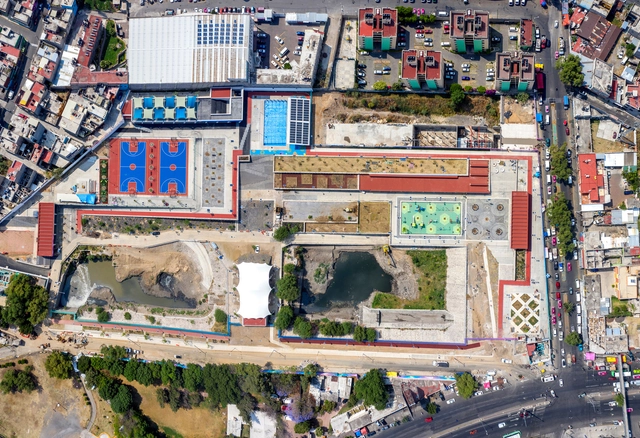
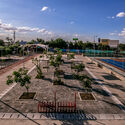
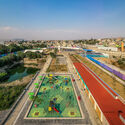
Within the framework of implementing green infrastructure projects for water management in the Basin of Mexico, utilizing existing public spaces, La Quebradora Water Park emerges as the first proposal for hydro-urban acupuncture. The project, developed by the team from the Institute of Social Research at UNAM, coordinated by Manuel Perló Cohen and Loreta Castro Reguera Mancera, aims to transform the site's infiltration into a landmark of good water management, public space creation, and strengthening of the social fabric through four levels: infrastructure, park, city, and viewpoint. Addressing part of the water and social issues facing the area, the proposal transforms urban infrastructure into a public and recreational space for the community in a densely populated area with scarce public spaces.
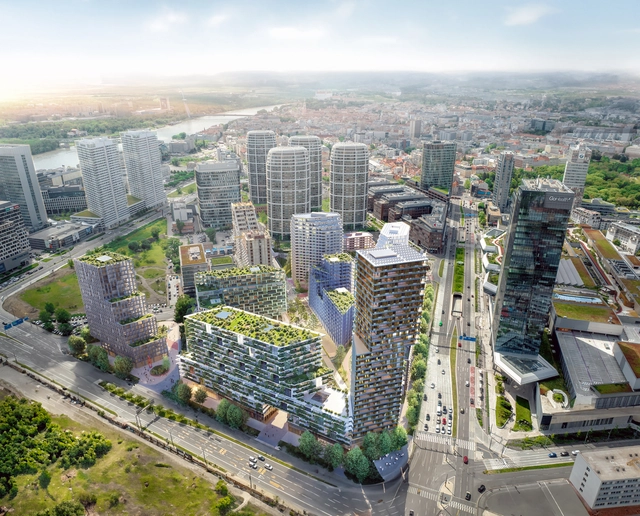
Stefano Boeri Architetti has been declared the winner of the international competition for the redevelopment of a former industrial site in downtown Bratislava. The project includes the transformation of one of the largest abandoned areas in the Slovak capital, with the aim of creating an active new central hub for the city, complete with parks and public spaces, residential units, and a variety of amenities. Stefano Boeri Architetti’s master plan proposal, titled “Urban Oasis,” has been appreciated by the jury for integrating familiar typologies, creating a “European matrix” of medium-density developments organized around accessible public spaces.
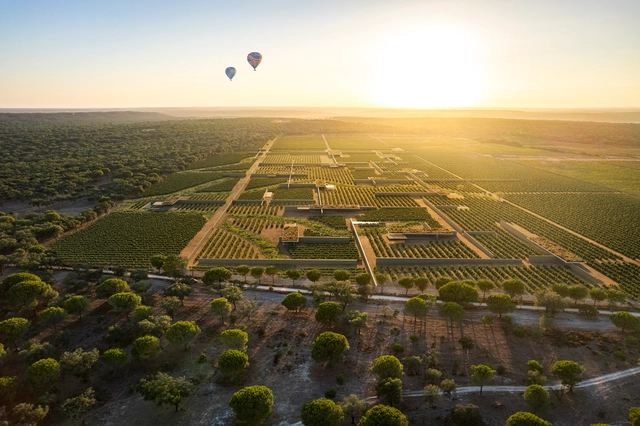
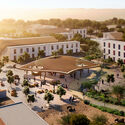
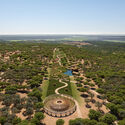
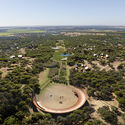
In collaboration with MassLab, OODA has been awarded first place in the Barrosinha Agricultural Company competition, aimed at creating a 2,000-hectare development seamlessly integrated into the agro-forestry heritage of Alcácer do Sal, Portugal. The master plan, covering a variety of functions for tourism, housing, commerce, and leisure, is designed in harmony with the United Nations Sustainable Development Goals, striving to transform Herdade da Barrosinha into a model of sustainable renewal.
In the highlands of the Central Andes, one finds the "bofedales." Known by some as 'high Andean wetlands,' bofedales are ecosystems and landscapes crucial for water regulation and storage in the Andes. Moreover, they are natural infrastructures that constitute a material and immaterial heritage to address contemporary climate crises and to sustain local Andean communities, which have nurtured them for generations.
https://www.archdaily.com/1012952/bofedales-natural-infrastructures-and-andean-landscapesDiego Vivas
In the rapidly evolving landscape of the 21st century, cities have emerged as models of innovation in terms of sustainable development goals. Cities creatively address pressing urban challenges, including density, transportation, housing, and resilience. They hold the potential to pioneer a comprehensive climate agenda, serving as laboratories for sustainable initiatives, cross-sectoral innovations and community-oriented strategies. Cities act as catalysts for revolutions, implementing impactful solutions that can be applied worldwide.
Cities are the bedrock of civilization. For millennia, they have attracted people with the promise of superior standards of living — from better economic and educational opportunities to easier access to quality public infrastructure such as housing, healthcare, and public transport. Today, however, many cities around the world are finding it challenging to live up to this promise. With urban migration accelerating at a dizzying rate – the United Nations projects that over two-thirds of the world's population will live in cities or urban centers by 2050 – existing resources and services in cities are coming under increasing pressure, rendering them dysfunctional and leading to glaring inequities.
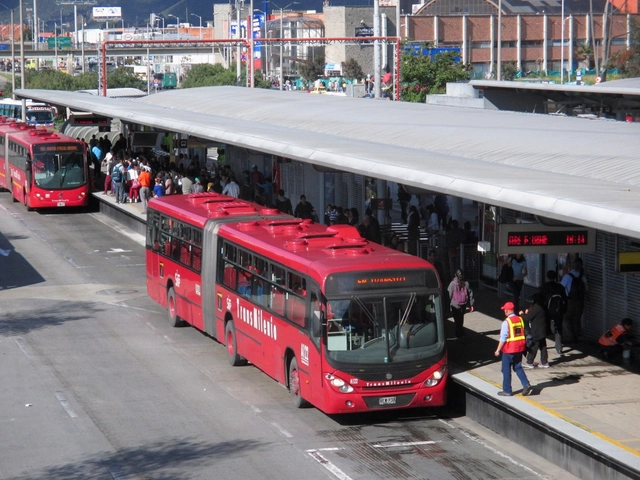
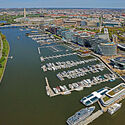
There is no singular way to define or assess liveability; every city has a unique set of characteristics, from its history, culture, geography, and demographics, to how it is governed and what urban issues plague it. Therefore, improving liveability requires concerted efforts from multiple stakeholders including people, governments, and experts, to identify critical problem areas and opportunities, and devise contextual solutions. The TV show Tale of Two Cities, where Indian architect and urbanist Dikshu C. Kukreja sits down with global leaders, brings out great insights into what some major cities in the world are doing to create more liveable environments for their inhabitants. Here we present five examples: from Bogotá, Kolkata, Hannover, Tirana, and Washington, D.C.
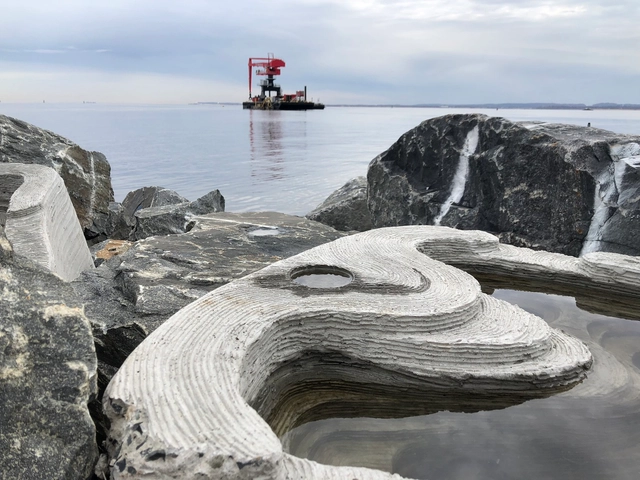
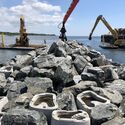
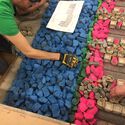
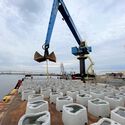
Focused in its fifth edition on Adaptation, the Obel Award has been granted to ‘Living Breakwaters’ in New York, a green infrastructure project off the shore of Staten Island. Awarded to SCAPE Landscape Architecture and its founder Kate Orff, masterminds behind ‘Living Breakwaters’, the yearly prize honors architectural contributions that positively impact both people and the planet.
The Obel Award is an international prize for architectural achievement presented annually by the Henrik Frode Obel Foundation, and each year, the jury sets a focus and awards a potential solution. Previously, it recognized Seratech, a carbon-neutral concrete solution, as the 2022 Obel Award winner, while in 2021, the concept of the 15-minute city received the prize for its value in creating sustainable and people-centric urban environments. The award ceremony will take place at the Sydney Opera House on 21 October 2023, and the winner will receive a prize sum of EUR 100,000 and a unique work of art by artist Tomás Saraceno as a trophy.