1. ArchDaily
  2. Exposed Concrete

Exposed Concrete: The Latest Architecture and News

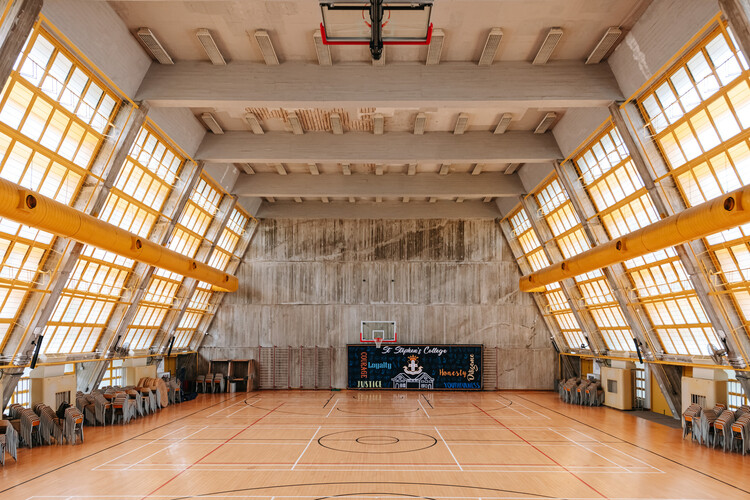
Beyond Imported Icons: Tao Ho and a Local Modernism for Hong Kong

Subscriber Access | 

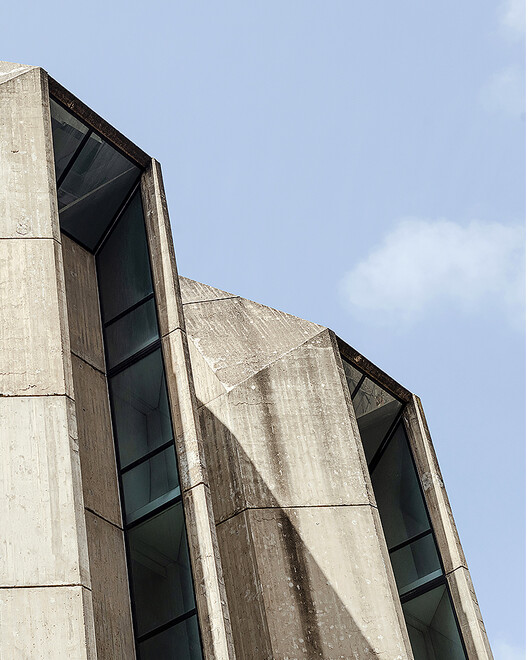
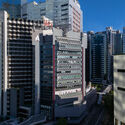
When Hong Kong's architectural story is told, it is often reduced to a handful of icons. Many people most readily name I.M. Pei—Pritzker Prize laureate and architect of the Bank of China Tower in Central (1990), as well as global works such as the Le Grand Louvre in Paris and the Miho Museum in Shiga. Looking elsewhere, one also encounters a long lineage of British and international architects whose imprints have shaped the city's institutional skyline: from Ron Phillips' civic works—most notably the former Murray Building (1969), now The Murray Hotel, and Hong Kong City Hall (1962)—to Norman Foster's infrastructural and corporate monuments, including the Hongkong and Shanghai Banking Corporation (HSBC) Tower (1986) and Hong Kong International Airport (1998), and, more recently, Zaha Hadid Architects' The Henderson (2024).

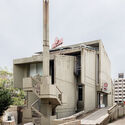
Yet within the same period as Pei and Foster, local architects were also producing buildings of enduring significance—works that carried the legacies of Bauhaus, but translated them into a language distinctly calibrated to Hong Kong's climate, density, and civic life. These projects may not always read as commercially prominent icons, yet they often register a sharper sense of social responsibility and public agenda. Among the most important figures in this lineage is the late architect Tao Ho, whose work and public role formed a quieter—but no less foundational—strand in Hong Kong's modern architectural heritage.

Beyond Imported Icons: Tao Ho and a Local Modernism for Hong Kong - Image 1 of 4Beyond Imported Icons: Tao Ho and a Local Modernism for Hong Kong - Image 2 of 4Beyond Imported Icons: Tao Ho and a Local Modernism for Hong Kong - Image 3 of 4Beyond Imported Icons: Tao Ho and a Local Modernism for Hong Kong - Image 4 of 4Beyond Imported Icons: Tao Ho and a Local Modernism for Hong Kong - More Images+ 14

Limbo Museum Opens Its Debut Exhibition Within an Unfinished Brutalist Building in Ghana, West Africa

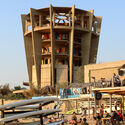
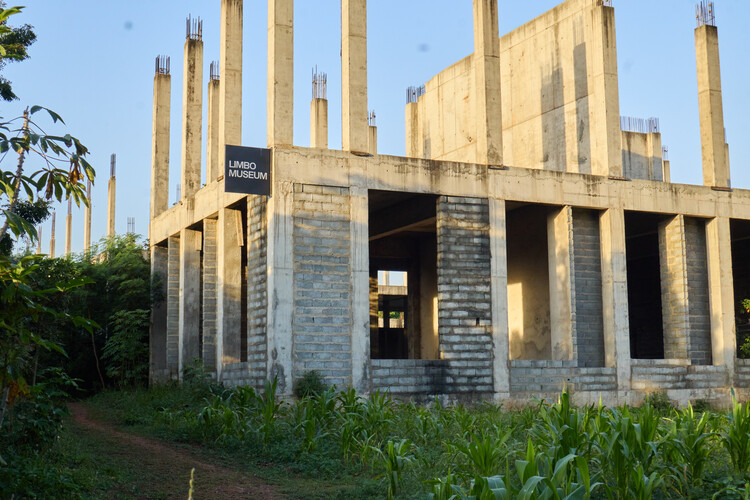
The Limbo Museum is a new institution dedicated to architecture, art, and design based in Ghana, West Africa. The museum challenges the concept of the ruin, operating from a formerly abandoned Brutalist estate that currently conveys the image of an unfinished building. The project was founded by Limbo Accra, a spatial design and research-based practice established in 2018 by Dominique Petit-Frère and Emil Grip, dedicated to "unlocking the potential of unfinished buildings across West Africa and beyond." On October 31, 2025, the museum opened its first public exhibition, On the Other Side of Languish by Reginald Sylvester II, developed through the institution's visiting artist residency program.

Limbo Museum Opens Its Debut Exhibition Within an Unfinished Brutalist Building in Ghana, West Africa - Image 1 of 4Limbo Museum Opens Its Debut Exhibition Within an Unfinished Brutalist Building in Ghana, West Africa - Image 2 of 4Limbo Museum Opens Its Debut Exhibition Within an Unfinished Brutalist Building in Ghana, West Africa - Image 3 of 4Limbo Museum Opens Its Debut Exhibition Within an Unfinished Brutalist Building in Ghana, West Africa - Image 4 of 4Limbo Museum Opens Its Debut Exhibition Within an Unfinished Brutalist Building in Ghana, West Africa - More Images+ 20

The 50 Best Latin American Houses of 2024

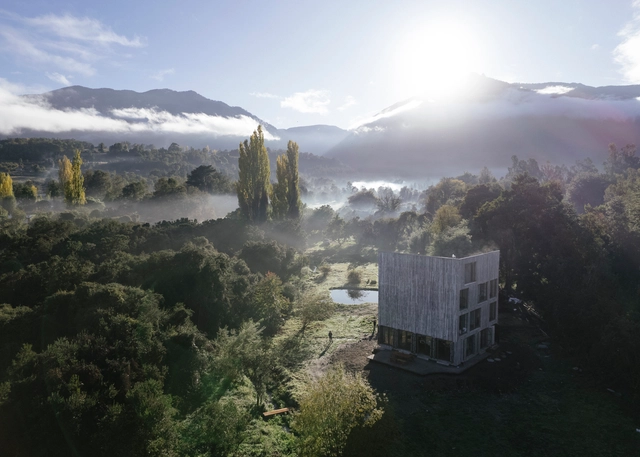
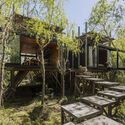
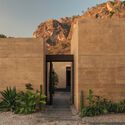
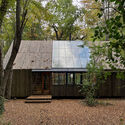
Annually, ArchDaily's curatorial team undertakes a rigorous selection process to identify exemplary projects in Latin American residential architecture. The goal is to share these works of architecture with our audience and highlight and promote good practices within contemporary architecture. This meticulous effort focuses on identifying projects that stand out for their design and their positive impact on the environment, innovative use of materials and techniques, and ability to address current needs.

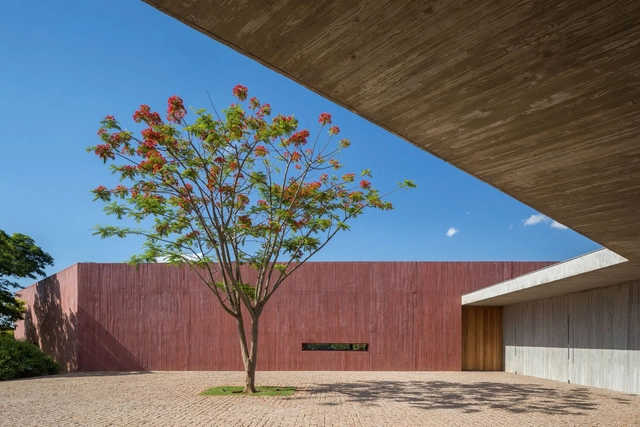
The 50 Best Latin American Houses of 2024 - Image 5 of 4The 50 Best Latin American Houses of 2024 - Image 9 of 4The 50 Best Latin American Houses of 2024 - Image 10 of 4The 50 Best Latin American Houses of 2024 - Image 8 of 4The 50 Best Latin American Houses of 2024 - More Images+ 54

Prefabrication and Formal Boldness in Belgian Modernism: The Story of the CBR and LH 187 Buildings in Brussels

Subscriber Access | 

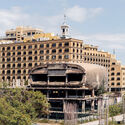
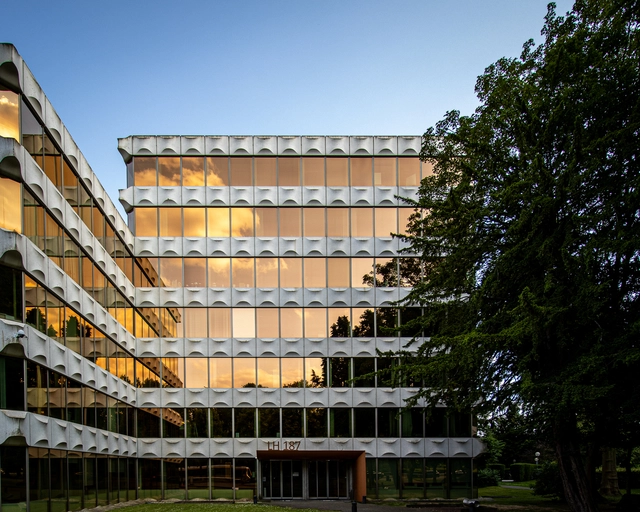
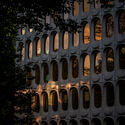
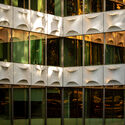
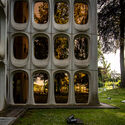
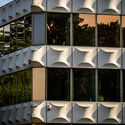
Between 1960 and 1976, Belgium's capital became a center for architectural experimentation, blending modernist ideals with prefabrication. This period led to the creation of two iconic buildings: the CBR Office Building (1967-1970) and LH 187 (1976), designed by Constantin Brodzki and Marcel Lambrichs. Located side by side, these buildings share a striking architectural style. Both feature facades made from large prefabricated concrete modules, showcasing the brutalist aesthetic and a dedication to using industrial materials and innovative construction techniques for their time.

Prefabrication and Formal Boldness in Belgian Modernism: The Story of the CBR and LH 187 Buildings in Brussels - Image 1 of 4Prefabrication and Formal Boldness in Belgian Modernism: The Story of the CBR and LH 187 Buildings in Brussels - Image 2 of 4Prefabrication and Formal Boldness in Belgian Modernism: The Story of the CBR and LH 187 Buildings in Brussels - Image 3 of 4Prefabrication and Formal Boldness in Belgian Modernism: The Story of the CBR and LH 187 Buildings in Brussels - Image 4 of 4Prefabrication and Formal Boldness in Belgian Modernism: The Story of the CBR and LH 187 Buildings in Brussels - More Images+ 20

Between the Sacred and the Profane: The Story Behind the Church of the Sacred Heart of Jesus in Lisbon

Subscriber Access | 

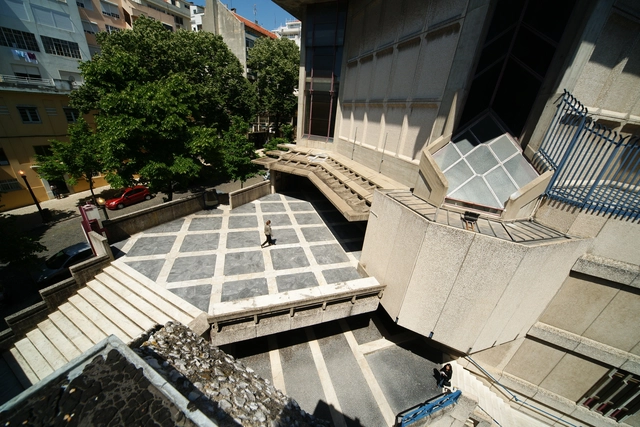
As a landmark of contemporary religious architecture in Portugal, the Church of the Sacred Heart of Jesus stands in contrast to traditional models, representing a work free from historicist stigmas. Resulting from a design competition organized in 1960, the church is notable for its civic dimension, urban role, and its anti-monumental and social significance. Integrated into the regular grid of the Avenidas Novas neighborhood, this example of the Movement for the Renewal of Sacred Art is part of a larger parish complex that often goes unnoticed by passersby. Its external street creates an unexpected public space, inviting people to enter and engage in a courtyard where architecture and the city merge. Finely crafted in terms of spatiality, detail, and light, the church holds many surprises for those who venture inside.

Between the Sacred and the Profane: The Story Behind the Church of the Sacred Heart of Jesus in Lisbon - Image 1 of 4Between the Sacred and the Profane: The Story Behind the Church of the Sacred Heart of Jesus in Lisbon - Image 2 of 4Between the Sacred and the Profane: The Story Behind the Church of the Sacred Heart of Jesus in Lisbon - Image 3 of 4Between the Sacred and the Profane: The Story Behind the Church of the Sacred Heart of Jesus in Lisbon - Image 4 of 4Between the Sacred and the Profane: The Story Behind the Church of the Sacred Heart of Jesus in Lisbon - More Images+ 12

The Expressiveness of Exposed Concrete: Exploring the Works of Luciano Kruk

Subscriber Access | 

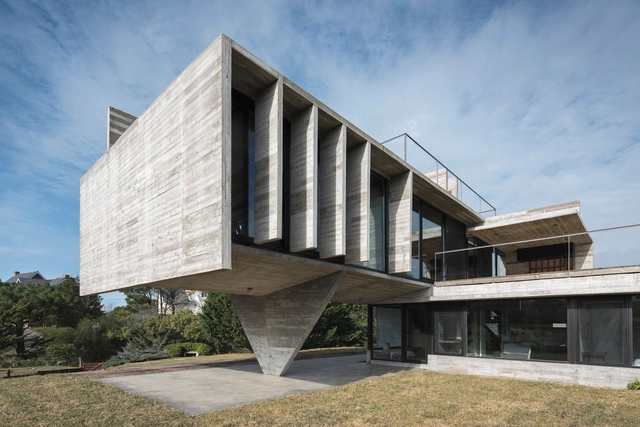
In response to the diverse topographies and natural conditions throughout the Argentine territory, the works of Luciano Kruk propose an architecture that works in harmony with the environment, the landscape, and the nature in which they are situated. Whether immersed in a forest, on sloping terrain, or on a rural plain, among other geographies, his intention is to enhance the relationship between the interior and exterior of the architecture, using concrete as the main material in most of his projects.
An Abstract Chapel in Portugal and a Museum in Iran: 10 Unbuilt Projects Featuring Concrete Designs

Subscriber Access | 

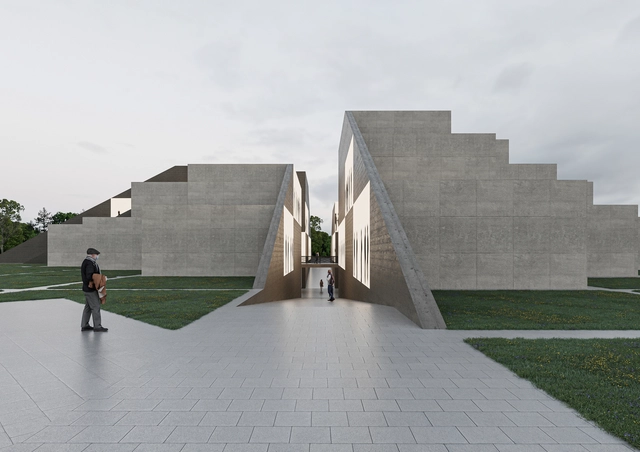
A cornerstone of architectural innovation for centuries, concrete has transformed the structural capabilities of buildings worldwide. As one of the more versatile and durable building materials, concrete has aided architects and engineers in pushing the traditional boundaries of design. Today, it is the most widely used construction material on the planet. According to the Guardian, concrete is also a “lifestyle concept,” using its “gritty, urban” aesthetic to shape the imagination of all our architectures at every scale.

Kenyatta International Convention Center: A Modernist Icon of Post-Colonial African Architecture

Subscriber Access | 

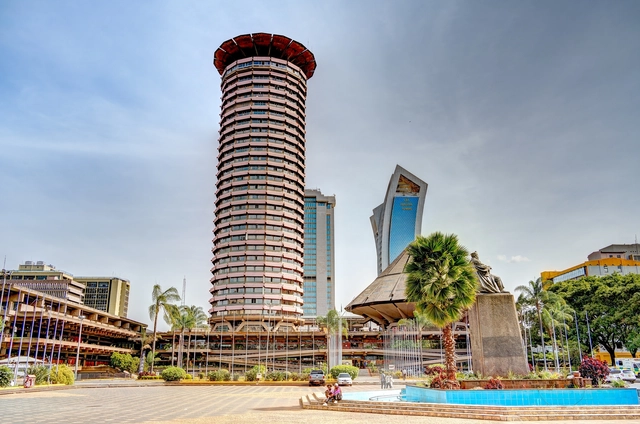
The modern and futuristic architecture of Sub-Saharan Africa reflects the aspirations and progressive spirit that dominated the early years of independence for many countries in this region between the late 1950s and early 1960s. This architectural production, coinciding with economic growth, employed complex construction methods in designs that seamlessly blended interior and exterior spaces (thanks to the tropical climate), focusing on form and expression of materiality. From this fusion of specific conditions emerged architectural masterpieces of unique value that demand 'rediscovery,' among them the Kenyatta International Convention Center (KICC) in Nairobi, Kenya.

The Legacy of Brutalism on Morocco’s Post-independence Architectural Landscape

Subscriber Access | 

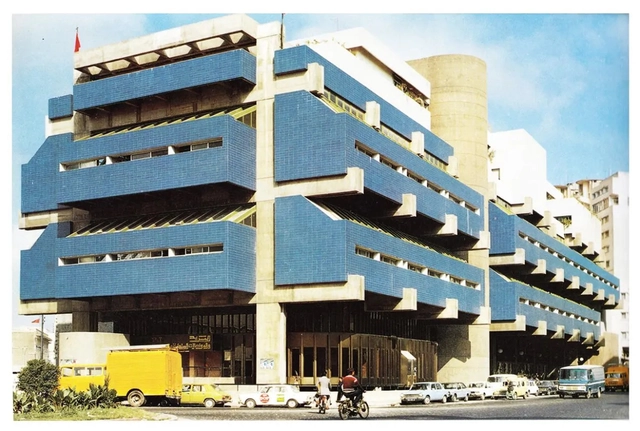
Several events have shaped Morocco since its independence. One of them is the Architects’ transition from serving the declining French empire to serving the newly independent Moroccan nation. Upon gaining independence in 1956, young Moroccan and foreign architects were tasked with constructing a self-sufficient Morocco. The demand for modern infrastructure, new administrative buildings, and improved education and health facilities led to a construction boom. This boom provided architects and planners the opportunity to express their vision.

Inspired by the popularity of modernism in Europe, architects experimented with buildings that embodied brutalism. This architectural style was not only a rebellion against the colonial vision of urban design in Morocco, but also a symbol of architectural unity in the urban landscape. Buildings were created in various typologies with the characteristic of exposed concrete, showcasing its inherent qualities of strength, durability, and functionality. These buildings, which can be seen in cities such as Agadir, Casablanca, Tangier, and parts of Marrakesh, represent a dialogue between brutalism and Moroccan culture, environment, and climate.

The Legacy of Brutalism on Morocco’s Post-independence Architectural Landscape - Image 1 of 4The Legacy of Brutalism on Morocco’s Post-independence Architectural Landscape - Image 2 of 4The Legacy of Brutalism on Morocco’s Post-independence Architectural Landscape - Image 3 of 4The Legacy of Brutalism on Morocco’s Post-independence Architectural Landscape - Image 4 of 4The Legacy of Brutalism on Morocco’s Post-independence Architectural Landscape - More Images+ 13

A Look at the First 10 Editions of the MPavilion in Melbourne, Australia

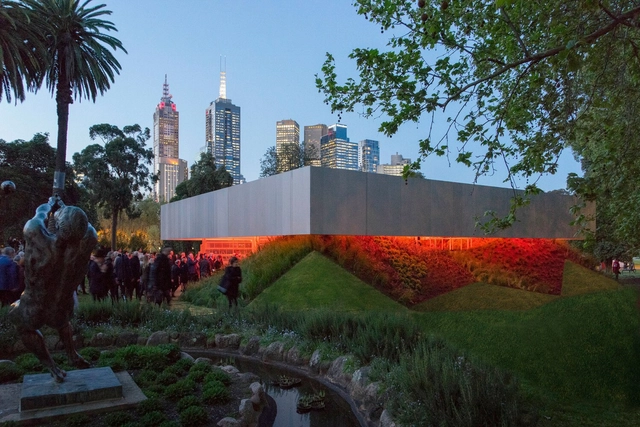
The MPavilion represents one of the most important architectural events happening annually in Melbourne, Australia. Initiated and founded by the Naomi Milgrom Foundation, the event was first launched in 2014 and has since brought internationally recognized architects to design a temporary structure in Melbourne's Queen Victoria Gardens in a system similar to London’s Serpentine Gallery Pavilion. From Sean Godsell's solar-actioned panels to Studio Mumbai‘s experimental bamboo structure, each pavilion explores craftsmanship and contemporary design while fostering a rich cultural program for several months before being disassembled and donated to one of the city’s parks. As the latest pavilion was recently inaugurated by Tadao Ando, we look back at the previous editions of Australia’s most famous annual structure.

A Look at the First 10 Editions of the MPavilion in Melbourne, Australia - Image 1 of 4A Look at the First 10 Editions of the MPavilion in Melbourne, Australia - Image 2 of 4A Look at the First 10 Editions of the MPavilion in Melbourne, Australia - Image 3 of 4A Look at the First 10 Editions of the MPavilion in Melbourne, Australia - Image 4 of 4A Look at the First 10 Editions of the MPavilion in Melbourne, Australia - More Images+ 5

Designed by Tadao Ando, MPavilion 10 Opens in Melbourne, Australia

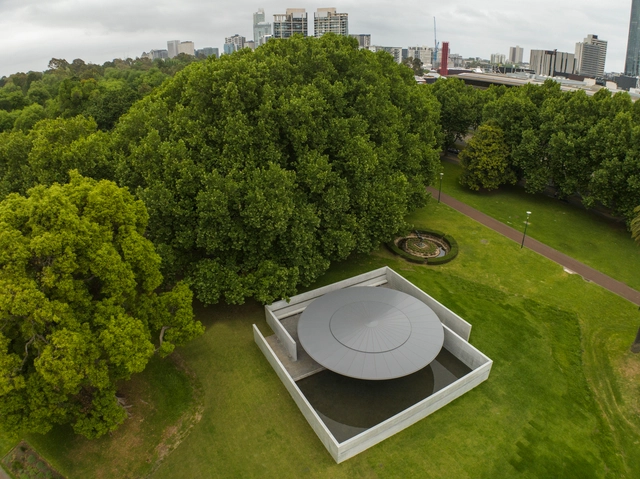
The tenth edition of the MPavilion opens in Queen Victoria Gardens in Melbourne, Australia. The structure was designed by Pritzker Prize-winner Tadao Ando, marking the architect’s first built project in Australia. The pavilion follows his signature use of geometric shapes in harmony with the natural landscape and the precise use of exposed concrete. On November 16, 2023, the official opening inaugurates the space with a public celebration and a wide array of art commissions selected by the Naomi Milgrom Foundation. The MPavilion will remain free and open to the public from 16 November to 28 March 2024, inviting visitors to engage with its diverse cultural program and find opportunities for contemplation and tranquility in its spaces.

Designed by Tadao Ando, MPavilion 10 Opens in Melbourne, Australia - Image 1 of 4Designed by Tadao Ando, MPavilion 10 Opens in Melbourne, Australia - Image 2 of 4Designed by Tadao Ando, MPavilion 10 Opens in Melbourne, Australia - Image 3 of 4Designed by Tadao Ando, MPavilion 10 Opens in Melbourne, Australia - Image 4 of 4Designed by Tadao Ando, MPavilion 10 Opens in Melbourne, Australia - More Images+ 3

The Impact of Pigmented Concrete in Latin American Residential Architecture

The use of pigmented concrete in Latin American architecture is growing - and influencing contemporary architectural expression. This can be seen in recent built works ranging from the INES Innovation Center designed by Pezo von Ellrichshausen in Chile to the Teotitlán del Valle Community Cultural Center by PRODUCTORA in Mexico.

Uncoated: 11 Apartments With Visible Structure

Subscriber Access | 

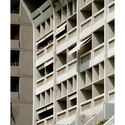
Housing is one of the primary aspects of the architecture profession. There are many ways to explore it, from a subordinate program such as a religious cloister to the splendor of a single-family home. Luis Fernández-Galiano is torn between the "waste" of a low-density area in this type of housing and its seductive formal charm. He reminds us that high-density collective housing, such as apartments, makes more sense in an urban context.

Uncoated: 11 Apartments With Visible Structure - Image 1 of 4Uncoated: 11 Apartments With Visible Structure - Image 2 of 4Uncoated: 11 Apartments With Visible Structure - Image 3 of 4Uncoated: 11 Apartments With Visible Structure - Image 4 of 4Uncoated: 11 Apartments With Visible Structure - More Images+ 22

OPEN Architecture Reveals Design for the Shanfeng Academy Campus in Suzhou, China

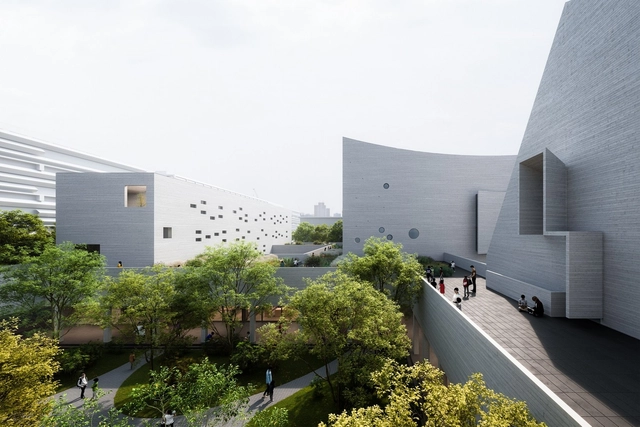
The architectural practice OPEN has revealed the design for the Shanfeng Academy, a project currently under construction that topped out at the end of April, marking the completion of its highest point. The new campus center, located in a new district of Suzhou city, will host a K-12 international school while also aiming to act as a cultural hub for the local community.

Surrounded by canals, the city of Suzhou is known for its historical gardens with temples, bridges, pavilions, and rock sculptures. These, along with traditional Chinese architecture sites, offer a counterpoint to the city’s active social life and fast-paced business sector. The challenge for OPEN architects was to create a large-scale urban project whilst being sympathetic to the heritage of the city.

OPEN Architecture Reveals Design for the Shanfeng Academy Campus in Suzhou, China - Image 1 of 4OPEN Architecture Reveals Design for the Shanfeng Academy Campus in Suzhou, China - Image 2 of 4OPEN Architecture Reveals Design for the Shanfeng Academy Campus in Suzhou, China - Image 3 of 4OPEN Architecture Reveals Design for the Shanfeng Academy Campus in Suzhou, China - Image 4 of 4OPEN Architecture Reveals Design for the Shanfeng Academy Campus in Suzhou, China - More Images+ 13

Concrete Barrel Vaults Applied in 10 Projects of Contemporary Architecture

Subscriber Access | 

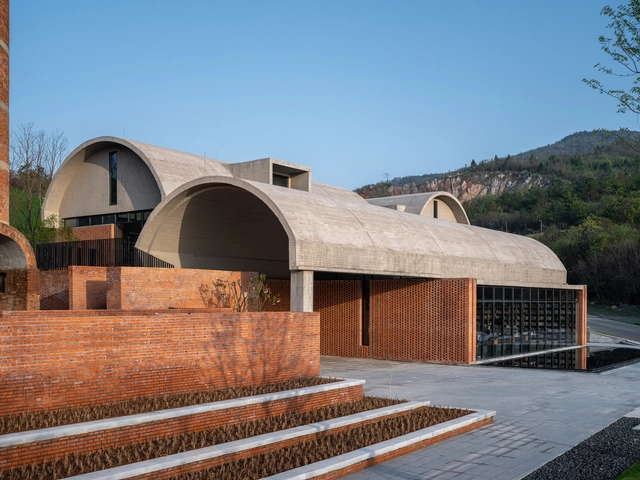
The oldest record of barrel vaults is estimated to date back to 4000 BC. These provided the spans in the Sumerian ziggurat at Nippur in Babylonia, built from fired bricks amalgamated with clay mortar. This type of vault was built as a continuous round arch and became a characteristic architectural element of Roman architecture, later used also in Renaissance architecture.

Concrete Barrel Vaults Applied in 10 Projects of Contemporary Architecture  - Image 1 of 4Concrete Barrel Vaults Applied in 10 Projects of Contemporary Architecture  - Image 2 of 4Concrete Barrel Vaults Applied in 10 Projects of Contemporary Architecture  - Image 3 of 4Concrete Barrel Vaults Applied in 10 Projects of Contemporary Architecture  - Image 4 of 4Concrete Barrel Vaults Applied in 10 Projects of Contemporary Architecture  - More Images+ 20

Cyclopean Concrete and Its Many Diverse Uses and Applications in Architecture

Subscriber Access | 

Historically, "cyclopean" referred to a building technique that superimposed large stone blocks together without any mortar. This allowed for a diverse array of structures across various civilizations, including defensive walls, talayots, navetas, nuraghes, temples, tombs, and forts. Nowadays, the term applies to any ancient structure consisting of large stones superimposed to form a polygonal shape.

Cork Trees House / TRAMA arquitetos

Cork Trees House / TRAMA arquitetos - Exterior Photography, House InteriorsCork Trees House / TRAMA arquitetos - Interior Photography, House Interiors, TableCork Trees House / TRAMA arquitetos - Interior Photography, House InteriorsCork Trees House / TRAMA arquitetos - Interior Photography, House Interiors, Bathroom, BathtubCork Trees House / TRAMA arquitetos - More Images+ 34

Brazilian Interiors With Exposed Structures

Subscriber Access | 

Many architects tend to prefer using materials and architectural elements in their natural or raw state. It is common to remove ceilings and finishings, especially in renovation projects, to expose a building's structure. This process of reclaiming the natural materials of construction - without incorporating elements to cover the framework, pipes, tubes, and cables - transforms these spaces into places that have nothing to hide.

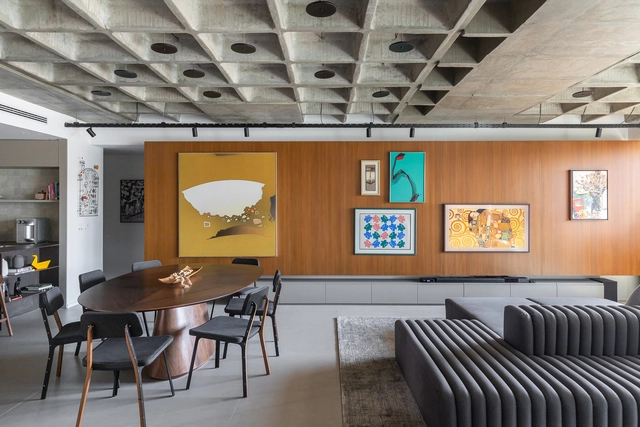
Brazilian Interiors With Exposed Structures - Image 1 of 4Brazilian Interiors With Exposed Structures - Image 7 of 4Brazilian Interiors With Exposed Structures - Image 10 of 4Brazilian Interiors With Exposed Structures - Image 12 of 4Brazilian Interiors With Exposed Structures - More Images+ 8