1. ArchDaily
  2. Dominique Petit-Frère

Dominique Petit-Frère: The Latest Architecture and News

Limbo Museum Opens Its Debut Exhibition Within an Unfinished Brutalist Building in Ghana, West Africa

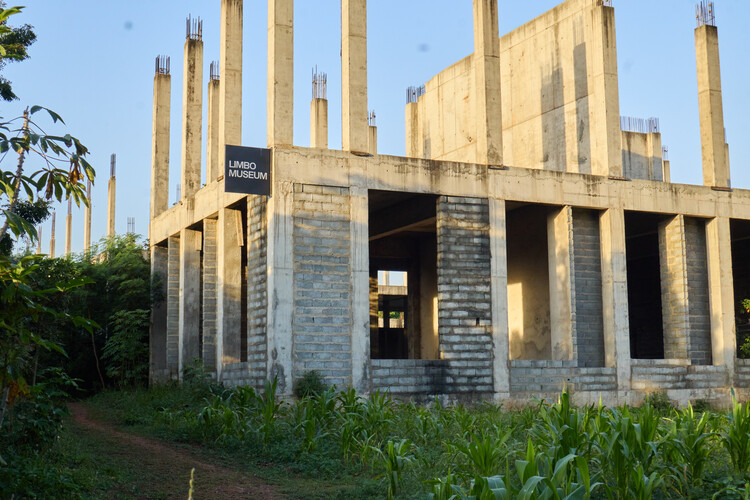
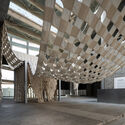
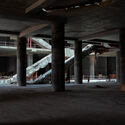
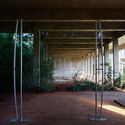
The Limbo Museum is a new institution dedicated to architecture, art, and design based in Ghana, West Africa. The museum challenges the concept of the ruin, operating from a formerly abandoned Brutalist estate that currently conveys the image of an unfinished building. The project was founded by Limbo Accra, a spatial design and research-based practice established in 2018 by Dominique Petit-Frère and Emil Grip, dedicated to "unlocking the potential of unfinished buildings across West Africa and beyond." On October 31, 2025, the museum opened its first public exhibition, On the Other Side of Languish by Reginald Sylvester II, developed through the institution's visiting artist residency program.
Limbo Museum Opens Its Debut Exhibition Within an Unfinished Brutalist Building in Ghana, West Africa - Image 1 of 4Limbo Museum Opens Its Debut Exhibition Within an Unfinished Brutalist Building in Ghana, West Africa - Image 2 of 4Limbo Museum Opens Its Debut Exhibition Within an Unfinished Brutalist Building in Ghana, West Africa - Image 3 of 4Limbo Museum Opens Its Debut Exhibition Within an Unfinished Brutalist Building in Ghana, West Africa - Image 4 of 4Limbo Museum Opens Its Debut Exhibition Within an Unfinished Brutalist Building in Ghana, West Africa - More Images+ 20

“Abandoned Buildings Provide the Potential for a Regenerative Future”: In Conversation With Limbo Accra

Subscriber Access | 

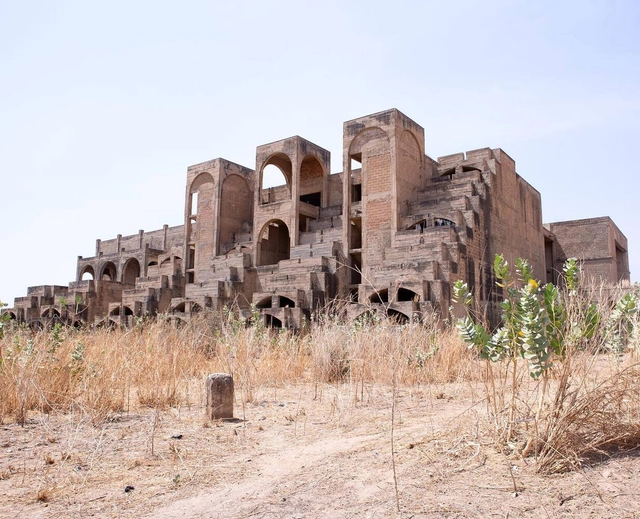
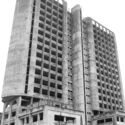
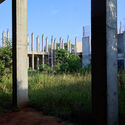
There is an increasing character of abandoned buildings in many African cities and Limbo Accra; a spatial design practice, roots itself in the experimentation of their repair, reuse, and transformation. The practice views these buildings as a unique architectural typology that includes key city landmarks, from the abandoned Independence house in Lagos to the incomplete airport tower in Accra, amongst others. They see them as major opportunities for modern public space and as symbolic sites for spatial justice. Through techniques such as photogrammetry, Limbo Accra has been creating a digital archive of these buildings and collaborating with artists and designers to propose new prospects for them. ArchDaily had the opportunity to speak with Dominique Petit-Frère, the co-founder of Limbo Accra, about the collective character of these buildings, Limbo Accra’s approach to their transformation, and navigating challenges in the adaptive reuse of these structures.

“Abandoned Buildings Provide the Potential for a Regenerative Future”: In Conversation With Limbo Accra - Image 1 of 4“Abandoned Buildings Provide the Potential for a Regenerative Future”: In Conversation With Limbo Accra - Image 2 of 4“Abandoned Buildings Provide the Potential for a Regenerative Future”: In Conversation With Limbo Accra - Image 3 of 4“Abandoned Buildings Provide the Potential for a Regenerative Future”: In Conversation With Limbo Accra - Image 4 of 4“Abandoned Buildings Provide the Potential for a Regenerative Future”: In Conversation With Limbo Accra - More Images+ 5