1. ArchDaily
  2. Eastern Europe

Eastern Europe: The Latest Architecture and News

Designed to Repeat, Forced to Adapt: The Parallel Architecture of Socialist Housing

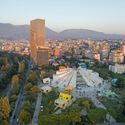
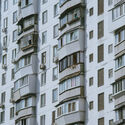
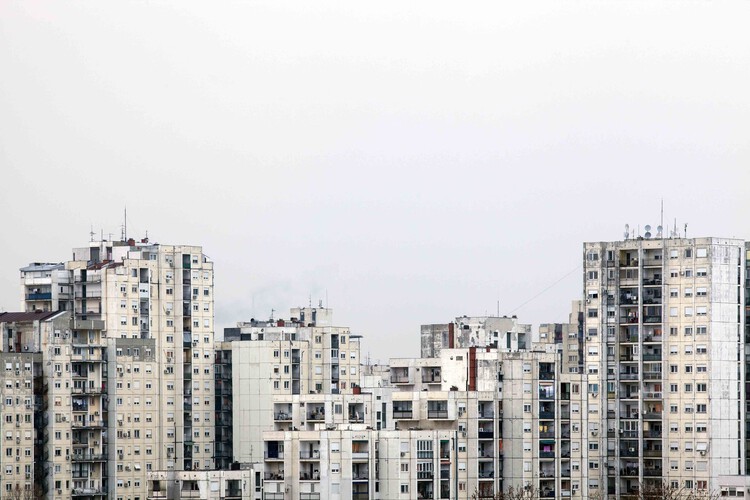
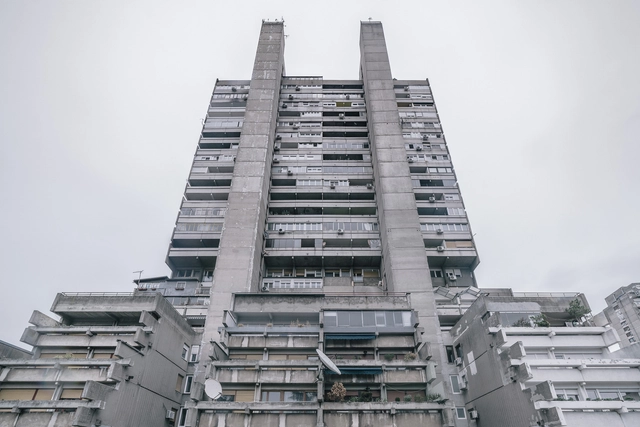
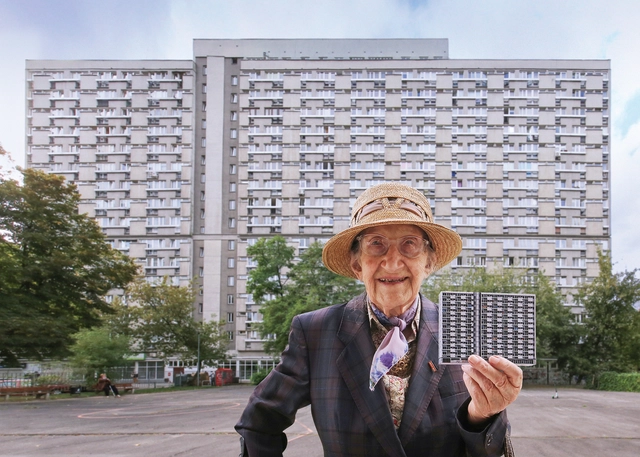
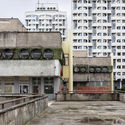
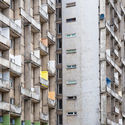
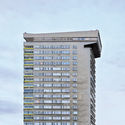
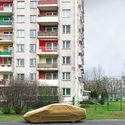
A housing block in New Belgrade appears orderly from a distance. Concrete slabs repeat with disciplined consistency, windows align into measured grids, and balconies stack with the confidence of a system certain of itself. However, proximity changes the reading. One balcony is enclosed in aluminum glazing, another softened with improvised shading. Insulation thickens part of a façade while laundry frames another edge like an accidental elevation study. The district still reads as planned, though occupation has made its order less uniform. Within that order, repetition has gradually been rewritten through occupation.

Designed to Repeat, Forced to Adapt: The Parallel Architecture of Socialist Housing - Image 1 of 4Designed to Repeat, Forced to Adapt: The Parallel Architecture of Socialist Housing - Image 2 of 4Designed to Repeat, Forced to Adapt: The Parallel Architecture of Socialist Housing - Image 3 of 4Designed to Repeat, Forced to Adapt: The Parallel Architecture of Socialist Housing - Image 4 of 4Designed to Repeat, Forced to Adapt: The Parallel Architecture of Socialist Housing - More Images+ 10

Tirana Architecture City Guide: Negotiating Identity Between Socialism and Urban Reinvention

Subscriber Access | 

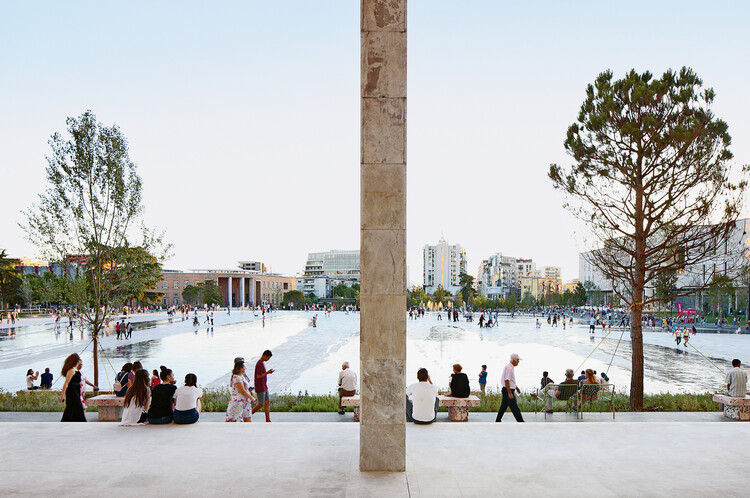
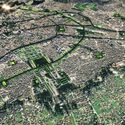
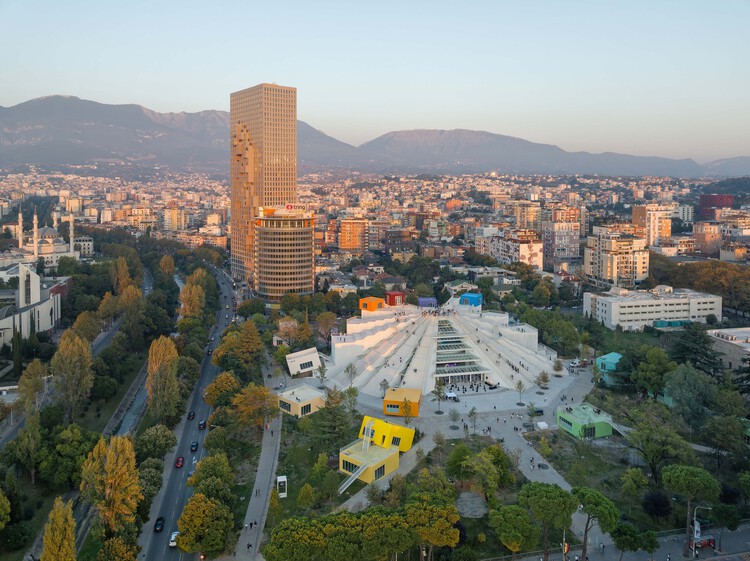
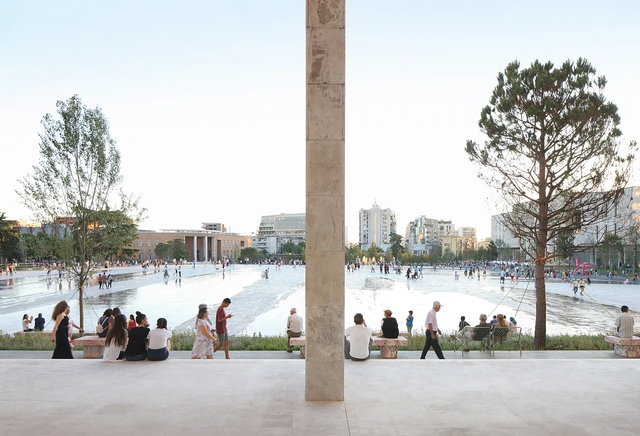
Located at the intersection of Adriatic landscapes and Balkan geopolitics, Tirana has undergone one of the most accelerated urban transformations in Europe over the last three decades. Once defined by rigid socialist planning and political isolation, the city has progressively reoriented itself through a combination of informal growth, international investment, and strategic urban interventions that seek to redefine its public image and spatial structure.

Since the early 2000s, a series of urban policies, most notably those initiated during the mayoral tenure of Edi Rama (now Albania prime minister), have promoted the use of color, public space, and architectural experimentation as tools for civic reactivation. Rather than relying solely on masterplans, Tirana's development has operated through interventions, where individual buildings and public spaces act as catalysts within a fragmented urban fabric.

Tirana Architecture City Guide: Negotiating Identity Between Socialism and Urban Reinvention - Image 1 of 4Tirana Architecture City Guide: Negotiating Identity Between Socialism and Urban Reinvention - Image 2 of 4Tirana Architecture City Guide: Negotiating Identity Between Socialism and Urban Reinvention - Image 3 of 4Tirana Architecture City Guide: Negotiating Identity Between Socialism and Urban Reinvention - Image 4 of 4Tirana Architecture City Guide: Negotiating Identity Between Socialism and Urban Reinvention - More Images+ 15

Coping with Extreme Heat: How Cities are Confronting the Heatwave in Eastern and Southern Europe

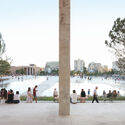
Eastern and Southern Europe is enduring a severe heatwave, with temperatures reaching over 40 degrees Celsius in many countries including Greece, Croatia, Macedonia, and Romania. Driven by hot air from North Africa, this prolonged heatwave has raised significant threats for residents and has strained the cities’ mechanisms for protection and climate mitigation. As the heatwaves expose the vulnerabilities of urban infrastructures, cities across Europe are striving to implement measures to address these challenges.

Coping with Extreme Heat: How Cities are Confronting the Heatwave in Eastern and Southern Europe - Image 1 of 4Coping with Extreme Heat: How Cities are Confronting the Heatwave in Eastern and Southern Europe - Image 2 of 4Coping with Extreme Heat: How Cities are Confronting the Heatwave in Eastern and Southern Europe - Image 3 of 4Coping with Extreme Heat: How Cities are Confronting the Heatwave in Eastern and Southern Europe - Image 4 of 4Coping with Extreme Heat: How Cities are Confronting the Heatwave in Eastern and Southern Europe - More Images

Brutalist Belgrade: Through the Eyes of Alexey Kozhenkov

Subscriber Access | 

Brutalism is a deeply dividing architectural style - a subcategory of the Modernist movement that featured bare concrete finishes, unusual shapes, and an undoubtedly unique aesthetic. Whilst emerging into prominence in 1950s Great Britain, the most iconic examples of this architectural style are arguably found in Eastern Europe - particularly in the territory formerly known as Yugoslavia.

Brutalist Belgrade: Through the Eyes of Alexey Kozhenkov  - Image 1 of 4Brutalist Belgrade: Through the Eyes of Alexey Kozhenkov  - Image 2 of 4Brutalist Belgrade: Through the Eyes of Alexey Kozhenkov  - Image 3 of 4Brutalist Belgrade: Through the Eyes of Alexey Kozhenkov  - Image 4 of 4Brutalist Belgrade: Through the Eyes of Alexey Kozhenkov  - More Images+ 4

Brutalist Interiors: Inside the Buildings of Belgrade

Subscriber Access | 

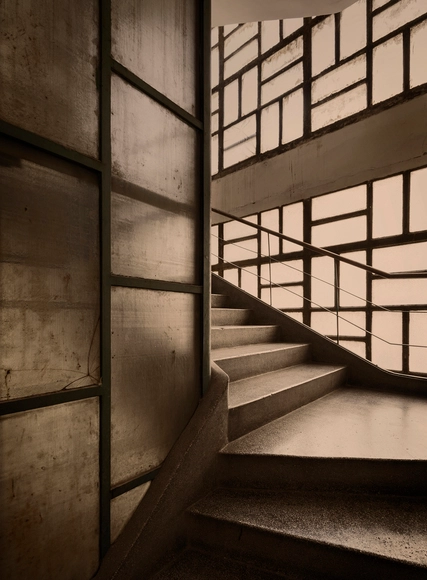
A city of electric architectural diversity – Belgrade’s Modernist structures give the Serbian capital a unique character. The grey of Belgrade’s Brutalist concrete is one of the city’s architectural signatures, existing in both complex volumetric facades and monolithic rectilinear forms. But while a plethora of architectural appraisals has been conducted on the external qualities of brutalist structures in Belgrade and beyond, photographic documentation of Belgrade’s brutalist interiors is relatively rare – something that photographer Inês d’Orey has sought to change in her most recent exhibition.

Brutalist Interiors: Inside the Buildings of Belgrade - Image 1 of 4Brutalist Interiors: Inside the Buildings of Belgrade - Image 2 of 4Brutalist Interiors: Inside the Buildings of Belgrade - Image 3 of 4Brutalist Interiors: Inside the Buildings of Belgrade - Image 4 of 4Brutalist Interiors: Inside the Buildings of Belgrade - More Images+ 7

Concrete Estates: The Legacy of Soviet-Era Housing

Subscriber Access | 

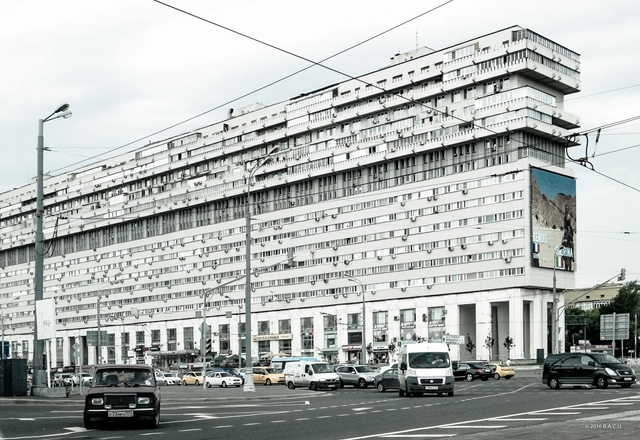
When cities grow, fuelled by an expanding population, housing becomes an essential component of the urban character of a metropolis. Across the world, housing experiments have been propagated by governments and states, with mixed results, and undoubtedly mixed opinions. The Soviet-era housing estates of Central and Eastern Europe are particularly interesting in that regard. These mass housing projects have been dismissed as eyesores and viewed as unimaginative monolithic structures. The legacy of these developments, however, is a lot more complicated than that.

Concrete Estates: The Legacy of Soviet-Era Housing - Image 1 of 4Concrete Estates: The Legacy of Soviet-Era Housing - Image 2 of 4Concrete Estates: The Legacy of Soviet-Era Housing - Image 5 of 4Concrete Estates: The Legacy of Soviet-Era Housing - Image 3 of 4Concrete Estates: The Legacy of Soviet-Era Housing - More Images+ 5

The Hungarian Pavilion at the 2021 Venice Biennale Explores Ways of Managing the Socialist Architectural Heritage

The Hungarian Pavilion at the 17th Venice Biennale explores the often challenging socialist architecture and looks at how this heritage could be reconsidered and given a new future. Titled Othernity – Reconditioning our Modern Heritage, the exhibition curated by Dániel Kovács presents twelve iconic modern buildings of Budapest and the visions of twelve architecture practices from Central and Eastern Europe for their reconditioning. The Hungarian Pavilion's project looks into how architecture can build on its past to foster resilience, sustainability and strong cultural identities.

The Hungarian Pavilion at the 2021 Venice Biennale Explores Ways of Managing the Socialist Architectural Heritage - Image 1 of 4The Hungarian Pavilion at the 2021 Venice Biennale Explores Ways of Managing the Socialist Architectural Heritage - Image 2 of 4The Hungarian Pavilion at the 2021 Venice Biennale Explores Ways of Managing the Socialist Architectural Heritage - Image 3 of 4The Hungarian Pavilion at the 2021 Venice Biennale Explores Ways of Managing the Socialist Architectural Heritage - Image 4 of 4The Hungarian Pavilion at the 2021 Venice Biennale Explores Ways of Managing the Socialist Architectural Heritage - More Images+ 20

The Brutalist Architecture that Shaped Poland's Urban Landscapes

Subscriber Access | 

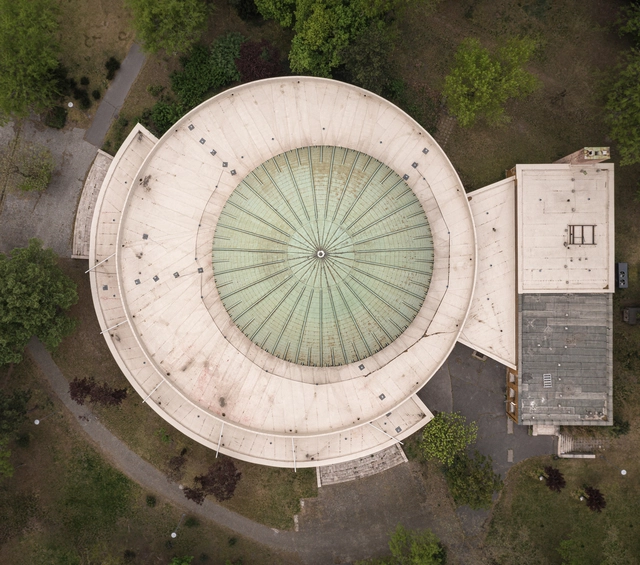
Recent years have prompted a rediscovery and a re-framing of some of the more controversial architectural phenomenons of the past century, with Brutalist architecture coagulating significant interest through its sheer scale, powerful expression and purist forms. Brutalist architecture across the former Eastern Bloc is inextricably associated with the totalitarian regimes that marked the history of this part of Europe during the last half of the 20th century. Following in line with the architecture of the Eastern Bloc, Poland’s urban landscape is dotted with large-scale prefab housing estates and stark brutalist public buildings constructed during the country’s Communist rule.

The Brutalist Architecture that Shaped Poland's Urban Landscapes - Films & ArchitectureThe Brutalist Architecture that Shaped Poland's Urban Landscapes - Films & ArchitectureThe Brutalist Architecture that Shaped Poland's Urban Landscapes - Films & ArchitectureThe Brutalist Architecture that Shaped Poland's Urban Landscapes - Films & ArchitectureThe Brutalist Architecture that Shaped Poland's Urban Landscapes - More Images+ 6

Reframing the Monumental: Reclaiming the Architecture and Public Spaces of the Former Eastern European Bloc

Remnants of the Socialist era, the large-scale architecture and urban spaces of the Eastern European Bloc still constitute a challenging legacy, at odds with contemporary urban environments and the values shaping cities today. This ideologically charged architecture is being reclaimed either through the reconciliation of the public opinion with this part of history, adaptive re-use, renovation, or through its re-contextualization as architectural heritage. By (re)introducing the human scale within these monumental architecture projects and public spaces, these entities are being restored to the urban and cultural life of cities.

Reframing the Monumental: Reclaiming the Architecture and Public Spaces of the Former Eastern European Bloc - Image 10 of 4Reframing the Monumental: Reclaiming the Architecture and Public Spaces of the Former Eastern European Bloc - Image 2 of 4Reframing the Monumental: Reclaiming the Architecture and Public Spaces of the Former Eastern European Bloc - Image 1 of 4Reframing the Monumental: Reclaiming the Architecture and Public Spaces of the Former Eastern European Bloc - Image 3 of 4Reframing the Monumental: Reclaiming the Architecture and Public Spaces of the Former Eastern European Bloc - More Images+ 9

Building History: Croatia's Secluded Homes Rethinking Tradition

Subscriber Access | 
Building History: Croatia's Secluded Homes Rethinking Tradition - Featured Image
© Bosnić+Dorotić

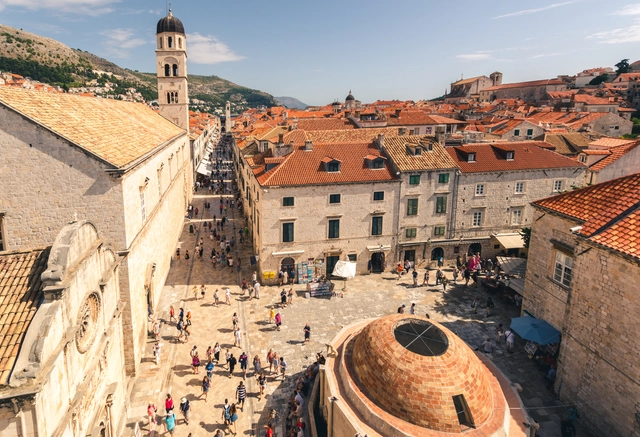
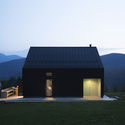
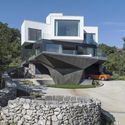
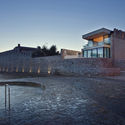
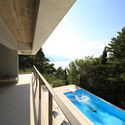
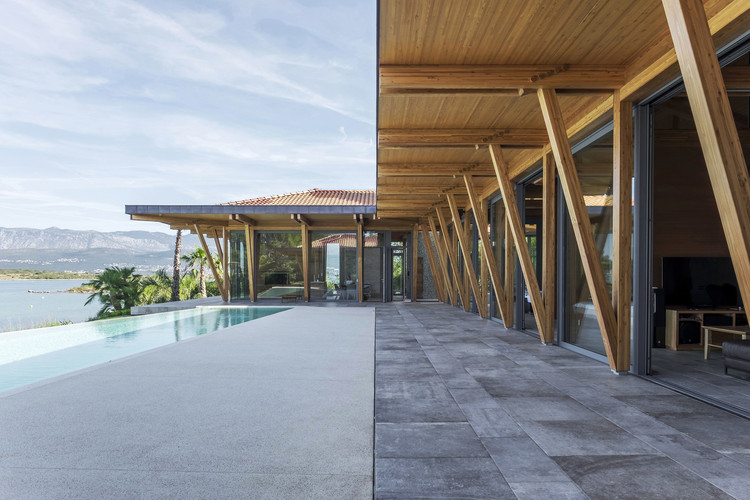
Croatia has long been a crossroads of culture. Located along the Adriatic Sea, it borders five countries and has some of the richest biodiversity in Europe. The built environment reflects influences from Central Europe and the Mediterranean, as well as both the Roman and Byzantine Empires. Today, a series of new housing projects are reinterpreting the country's past as architects and designers look to reimagine what the future holds.

Building History: Croatia's Secluded Homes Rethinking Tradition - Image 1 of 4Building History: Croatia's Secluded Homes Rethinking Tradition - Image 2 of 4Building History: Croatia's Secluded Homes Rethinking Tradition - Image 3 of 4Building History: Croatia's Secluded Homes Rethinking Tradition - Image 4 of 4Building History: Croatia's Secluded Homes Rethinking Tradition - More Images+ 7

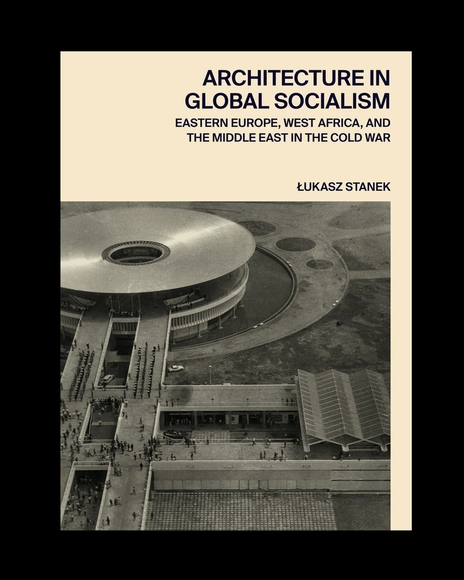
Architecture in Global Socialism: Eastern Europe, West Africa, and the Middle East in the Cold War

In the course of the Cold War, architects, planners, and construction companies from socialist Eastern Europe engaged in a vibrant collaboration with those in West Africa and the Middle East in order to bring modernization to the developing world. Architecture in Global Socialism shows how their collaboration reshaped five cities in the Global South: Accra, Lagos, Baghdad, Abu Dhabi, and Kuwait City.

CANactions International Architecture Festival

We made a difficult decision to postpone CANactions Festival 2020 for 2021 due to the global outbreak. New Festival dates will be announced soon, as well as the opening of ticket sales. At the same time, Festival speakers will perform on CANactions School Talk online that runs weekly on Thursdays: https://eng.canactions.com/events.
CANactions International Architecture Festival is one of the biggest annual architecture gatherings in Europe, running since 2008.

Overlooked Concrete Suburbs of Central and Eastern Europe

Subscriber Access | 

Post World War II, Brutalism found its way across Europe, redefining modernist architecture and establishing a new style for mass housing and communal buildings. Although most of the light was shed on concrete landmarks in major cities, European suburbs have also housed many exceptional brutalist buildings such as the 'Hammer-shaped Tower Blocks' or the 'Houses on Chicken Legs'.

To showcase Central and Eastern Europe's "unnoticed" brutalist architecture, Zupagrafika have shot and put together more than 100 photographs in a book titled 'Eastern Blocks', inviting readers to explore brutalist mass housing developments across Moscow, East Berlin, Warsaw, Budapest, Kyiv, and Saint Petersburg.

Overlooked Concrete Suburbs of Central and Eastern Europe - Image 1 of 4Overlooked Concrete Suburbs of Central and Eastern Europe - Image 2 of 4Overlooked Concrete Suburbs of Central and Eastern Europe - Image 3 of 4Overlooked Concrete Suburbs of Central and Eastern Europe - Image 4 of 4Overlooked Concrete Suburbs of Central and Eastern Europe - More Images+ 17