1. ArchDaily
  2. Cultural Architecture

Cultural Architecture: The Latest Architecture and News

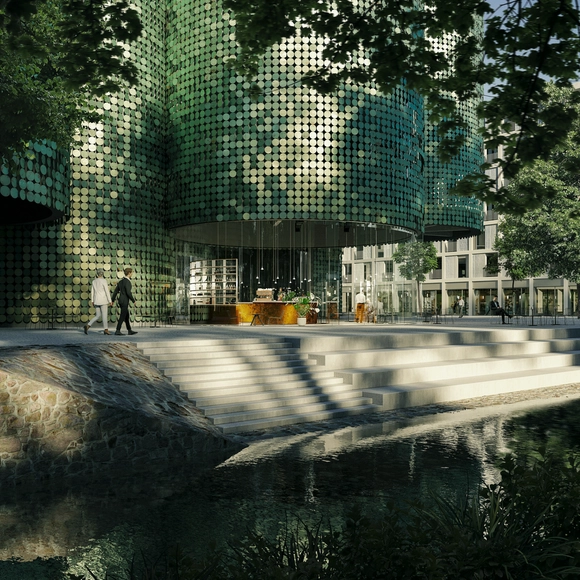
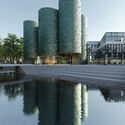
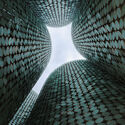
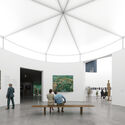
CHYBIK + KRISTOF Design Movable Copper Façade for a Private Art Gallery

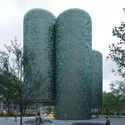
CHYBIK + KRISTOF have unveiled the design for a Public Art Gallery clad in movable copper plates. The conceptual project is located in a new public square, near a riverbank with access to the water. The cultural function marks the heart of the new development. The cylindrical volumes are inspired by past functions of the area: mining, smelting, and minting. Toward the public square, the cylinders are elevated with the purpose of connecting the interior of the building with the surrounding public space.

CHYBIK + KRISTOF Design Movable Copper Façade for a Private Art Gallery - Image 1 of 4CHYBIK + KRISTOF Design Movable Copper Façade for a Private Art Gallery - Image 2 of 4CHYBIK + KRISTOF Design Movable Copper Façade for a Private Art Gallery - Image 3 of 4CHYBIK + KRISTOF Design Movable Copper Façade for a Private Art Gallery - Image 4 of 4CHYBIK + KRISTOF Design Movable Copper Façade for a Private Art Gallery - More Images+ 2

"The Idea of Elasticity and the Pliability of the Architectural Grid is a Fundamental Aspect of Our Thinking ": Florian Idenburg on Their Work With SO–IL

Subscriber Access | 

Fortunately, architecture has the power to solve numerous issues of the modern world and how we live in it, and there are infinite ways of doing so. However, not all architecture is effective in providing solutions while also being sensitive and thought-provoking. With a portfolio that is getting richer every year, SO–IL, an architecture practice based in New York City, has proven that buildings can actually do this and much more.

"The Idea of Elasticity and the Pliability of the Architectural Grid is a Fundamental Aspect of Our Thinking ": Florian Idenburg on Their Work With SO–IL - Image 1 of 4"The Idea of Elasticity and the Pliability of the Architectural Grid is a Fundamental Aspect of Our Thinking ": Florian Idenburg on Their Work With SO–IL - Image 2 of 4"The Idea of Elasticity and the Pliability of the Architectural Grid is a Fundamental Aspect of Our Thinking ": Florian Idenburg on Their Work With SO–IL - Image 3 of 4"The Idea of Elasticity and the Pliability of the Architectural Grid is a Fundamental Aspect of Our Thinking ": Florian Idenburg on Their Work With SO–IL - Image 4 of 4The Idea of Elasticity and the Pliability of the Architectural Grid is a Fundamental Aspect of Our Thinking : Florian Idenburg on Their Work With SO–IL - More Images+ 11

9 Cultural Facilities That Show What Happens When the Architect Designs for Communities

9 Cultural Facilities That Show What Happens When the Architect Designs for Communities - Featured Image
Galeria Babilônia 1500 / Rua Arquitetos. Photo: © Damien Jacob

A public program fulfills several functions that, in addition to improving the social dynamics of the surroundings, can be an important factor in increasing the feeling of belonging, the offer of jobs and services, and the quality of life in the area. Therefore, after presenting popular housing projects developed in Brazilian communities, we searched for cultural equipment that occupy rural and urban areas that are less privileged in terms of infrastructure.

9 Cultural Facilities That Show What Happens When the Architect Designs for Communities - Image 1 of 49 Cultural Facilities That Show What Happens When the Architect Designs for Communities - Image 2 of 49 Cultural Facilities That Show What Happens When the Architect Designs for Communities - Image 3 of 49 Cultural Facilities That Show What Happens When the Architect Designs for Communities - Image 4 of 49 Cultural Facilities That Show What Happens When the Architect Designs for Communities - More Images+ 23

Black Chapel, Theaster Gates' 2022 Serpentine Pavilion is Now Open

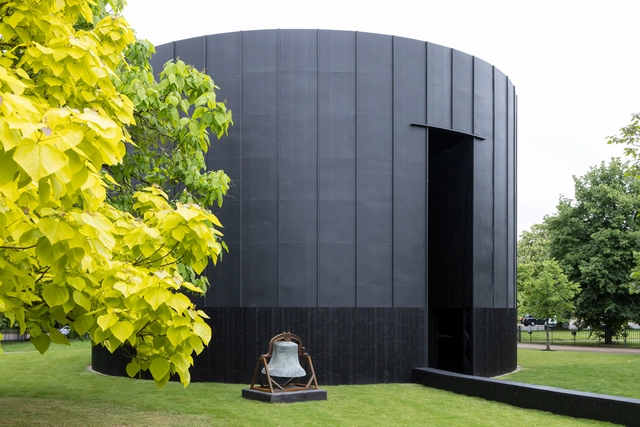
The 21st Serpentine Pavilion, Black Chapel, designed by Chicago-based artist Theaster Gates opens today, on June 10, 2022. On display until the 16th of October 2022, the project is realized with the architectural support of Adjaye Associates with Goldman Sachs’ patronage. In 2021, the Pavilion events program was planned to reflect Gates’ concept of interlinking architecture and music, particularly emphasizing artistic explorations of monastic sounds and hymns. The pavilion will act as a platform for Serpentine’s live program throughout the summer, offering the public space of reflection, connection, and joy.

Black Chapel, Theaster Gates' 2022 Serpentine Pavilion is Now Open - Image 1 of 4Black Chapel, Theaster Gates' 2022 Serpentine Pavilion is Now Open - Image 2 of 4Black Chapel, Theaster Gates' 2022 Serpentine Pavilion is Now Open - Image 3 of 4Black Chapel, Theaster Gates' 2022 Serpentine Pavilion is Now Open - Image 4 of 4Black Chapel, Theaster Gates' 2022 Serpentine Pavilion is Now Open - More Images+ 3

A Monolithic Museum in Portugal and a Digital Heritage Centre in South Korea: 10 Unbuilt Cultural Projects Submitted to ArchDaily

Subscriber Access | 
A Monolithic Museum in Portugal and a Digital Heritage Centre in South Korea: 10 Unbuilt Cultural Projects Submitted to ArchDaily - Featured Image
The Library of SONGDO International City BY DROO Da Costa Mahindroo Architect. Image © Visual Depiction

This week’s curated selection of Best Unbuilt Architecture highlights educational and cultural projects submitted by the ArchDaily community. Through examples from all around the world, the article explores how these spaces of knowledge and discovery are designed to inspire and inform.

Featuring a monolithic museum in Portugal, a digital heritage centre with a media facade in Korea and a mobility research centre in Turkey, the round-up spans various kinds of educational and cultural spaces, as well as different attitudes towards the built or natural environment. The following projects reveal the ideas that shape spaces of knowledge in different contexts, illustrating diverse approaches toward what constitutes an institution of culture.

A Monolithic Museum in Portugal and a Digital Heritage Centre in South Korea: 10 Unbuilt Cultural Projects Submitted to ArchDaily - Image 1 of 4A Monolithic Museum in Portugal and a Digital Heritage Centre in South Korea: 10 Unbuilt Cultural Projects Submitted to ArchDaily - Image 2 of 4A Monolithic Museum in Portugal and a Digital Heritage Centre in South Korea: 10 Unbuilt Cultural Projects Submitted to ArchDaily - Image 3 of 4A Monolithic Museum in Portugal and a Digital Heritage Centre in South Korea: 10 Unbuilt Cultural Projects Submitted to ArchDaily - Image 4 of 4A Monolithic Museum in Portugal and a Digital Heritage Centre in South Korea: 10 Unbuilt Cultural Projects Submitted to ArchDaily - More Images+ 52

OMA, Herzog & de Meuron, and ELEMENTAL to Design Three New Museums in Qatar

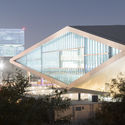
Following Qatar's ambitious museum-building project to further promote cultural institutes in the country, Her Excellency Sheikha Al Mayassa bint Hamad bin Khalifa Al Thani, Chairperson of Qatar Museums has announced that OMA, Herzog & de Meuron, and ELEMENTAL will be designing three new museums in Doha that explore the themes of Islamic art, contemporary art, and evolution of the automobile industry respectively.

OMA, Herzog & de Meuron, and ELEMENTAL to Design Three New Museums in Qatar - Image 1 of 4OMA, Herzog & de Meuron, and ELEMENTAL to Design Three New Museums in Qatar - Image 2 of 4OMA, Herzog & de Meuron, and ELEMENTAL to Design Three New Museums in Qatar - Image 3 of 4OMA, Herzog & de Meuron, and ELEMENTAL to Design Three New Museums in Qatar - Image 4 of 4OMA, Herzog & de Meuron, and ELEMENTAL to Design Three New Museums in Qatar - More Images

Frank Gehry Reveals New Design of Colburn Center in Los Angeles

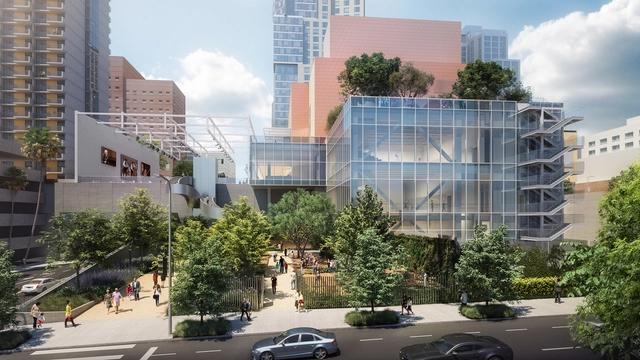
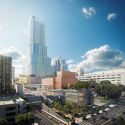
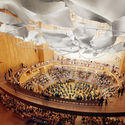
The Colburn School, Los Angeles' renowned school for music and dance, has unveiled architectural designs by Frank Gehry for the Colburn Center, a 100,000 square-foot campus expansion that aims to inspire and promote the region’s young performing artists and organizations. The center will serve as a cultural and civic hub in the heart of Downtown LA through public programs, as well as performance and educational collaborations with local and touring artists.

Frank Gehry Reveals New Design of Colburn Center in Los Angeles - Image 1 of 4Frank Gehry Reveals New Design of Colburn Center in Los Angeles - Image 2 of 4Frank Gehry Reveals New Design of Colburn Center in Los Angeles - Image 3 of 4Frank Gehry Reveals New Design of Colburn Center in Los Angeles - Image 4 of 4Frank Gehry Reveals New Design of Colburn Center in Los Angeles - More Images+ 5

HKS Designs Hollywood's First Creative Campus

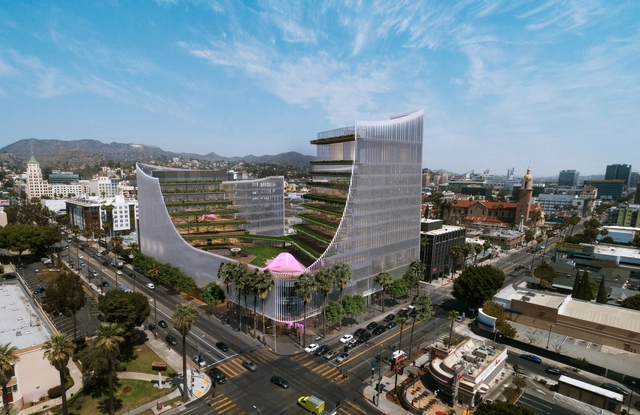
Architecture firm HKS and landscape designer Hood Design Studio have been selected by global entertainment and media company CMNTY Culture to design a new creative campus in the heart of Hollywood. Dubbed CMNTY Culture Campus, the project will feature production spaces, offices, performance venues, bringing together creative industries in a 500,000-square-foot development.

HKS Designs Hollywood's First Creative Campus - Image 1 of 4HKS Designs Hollywood's First Creative Campus - Image 2 of 4HKS Designs Hollywood's First Creative Campus - Featured ImageHKS Designs Hollywood's First Creative Campus - Image 3 of 4HKS Designs Hollywood's First Creative Campus - More Images

The Latest Exhibition at Aedes Showcases the Transformation of Stone Quarries into Cultural Infrastructure

The Latest Exhibition at Aedes Showcases the Transformation of Stone Quarries into Cultural Infrastructure - Featured Image
© Wang Ziling, DnA_Design and Architecture

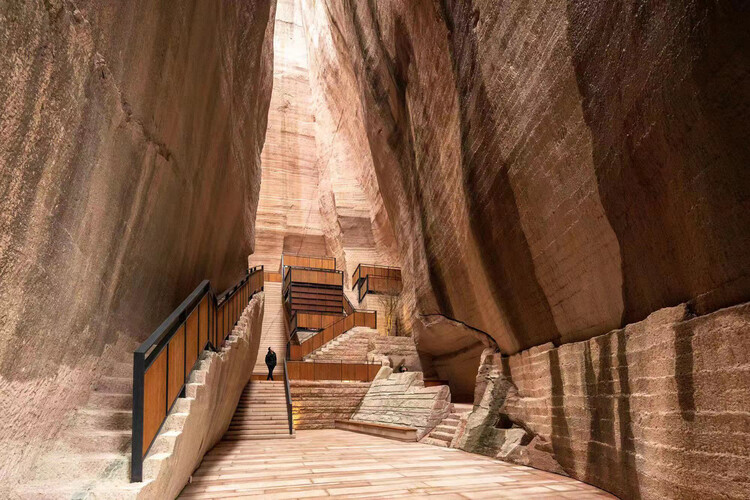
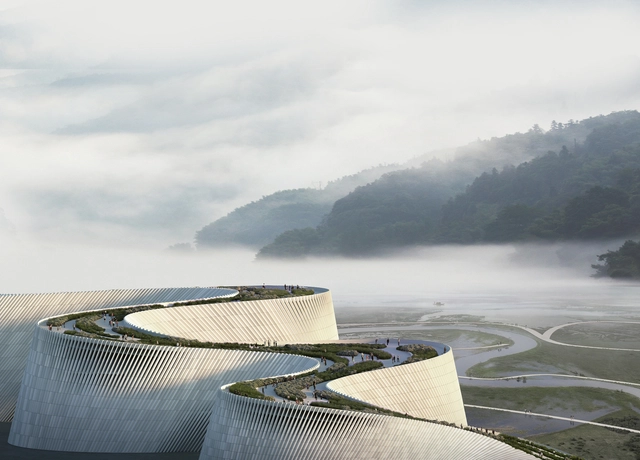
Aedes Architecture Forum recently inaugurated the "Jinyun Quarries – The Quarry as Stage" exhibition, which showcases the transformation of abandoned stone quarries in the Zhejiang Province, China, into a platform for cultural and social activities. Beijing architect Xu Tiantian and the team of DnA_Design and Architecture were tasked with developing a new public infrastructure inside nine of the mines in Jinyun County, thus opening up new economic perspectives for the local people. Running until May 5th, the exhibition highlights the extraordinary spatiality of the stone quarries while communicating the complexity of the structures through a series of models, plans and photographs of the interventions.

The Latest Exhibition at Aedes Showcases the Transformation of Stone Quarries into Cultural Infrastructure - Image 1 of 4The Latest Exhibition at Aedes Showcases the Transformation of Stone Quarries into Cultural Infrastructure - Image 2 of 4The Latest Exhibition at Aedes Showcases the Transformation of Stone Quarries into Cultural Infrastructure - Image 3 of 4The Latest Exhibition at Aedes Showcases the Transformation of Stone Quarries into Cultural Infrastructure - Image 4 of 4The Latest Exhibition at Aedes Showcases the Transformation of Stone Quarries into Cultural Infrastructure - More Images+ 10

Architectural Salvage: Cultural Hotspots using Adaptive Reuse

Subscriber Access | 

The dawn of the Anthropocene has thrown the idea of adaptive reuse into the limelight: effectively the pinnacle of urban regeneration and revitalization. It utilizes the presence of existing buildings with historic and cultural value and re-purposes them to be functional. Essentially a form of architectural salvage; a sustainable and viable means of rebuilding.

Recent events such as the pandemic has highlighted inequalities in our cityscape, the inadequate segments in a state of disuse and disrepair. Adaptive reuse can replenish these areas and create new cultural hotspots, encouraging activity and creating vibrant and healthy mixed-use environments.

Below is a diverse selection of cultural hotspots using Adaptive Reuse

Architectural Salvage: Cultural Hotspots using Adaptive Reuse  - Image 1 of 4Architectural Salvage: Cultural Hotspots using Adaptive Reuse  - Image 2 of 4Architectural Salvage: Cultural Hotspots using Adaptive Reuse  - Image 3 of 4Architectural Salvage: Cultural Hotspots using Adaptive Reuse  - Image 4 of 4Architectural Salvage: Cultural Hotspots using Adaptive Reuse  - More Images+ 10

A Temple Renovation in Hungary and a Wine Center in China: 14 Unbuilt Cultural Projects Submitted to ArchDaily

Subscriber Access | 

The diversity of civic spaces in cities and rural areas have continuously showcased how strongly they explore human connections regardless of program, construction technique, scale, and geography. Ranging from educational facilities and museums, to art centers, libraries, religious halls, and memorials, these projects have enriched urban fabrics with cultural programs that have provided members of the community with places to learn, entertain, create, and unwind.

This week’s curated selection of Best Unbuilt Architecture highlights cultural projects submitted by the ArchDaily community from across the world. From a water management system that targets the natural crises in Egypt to a structurally intertwined memorial in the United States, this round up of unbuilt projects showcases how architects responded to the contextual and spatial needs of their projects through innovative and local solutions. The article also includes projects from Italy, China, Uruguay, Poland, Iran, Hungary, Russia, and the United Kingdom.

A Temple Renovation in Hungary and a Wine Center in China: 14 Unbuilt Cultural Projects Submitted to ArchDaily - Image 20 of 4A Temple Renovation in Hungary and a Wine Center in China: 14 Unbuilt Cultural Projects Submitted to ArchDaily - Image 53 of 4A Temple Renovation in Hungary and a Wine Center in China: 14 Unbuilt Cultural Projects Submitted to ArchDaily - Image 83 of 4A Temple Renovation in Hungary and a Wine Center in China: 14 Unbuilt Cultural Projects Submitted to ArchDaily - Image 126 of 4A Temple Renovation in Hungary and a Wine Center in China: 14 Unbuilt Cultural Projects Submitted to ArchDaily - More Images+ 187

The 2022 Edition of the EU Mies van der Rohe Award Reveals Final List of Works Competing

The European Commission and the Fundació Mies van der Rohe have announced the second list of 85 works competing for the 2022 European Union Prize for Contemporary Architecture – Mies van der Rohe Award. Joining the batch of first nominations announced in February 2021, the full list comprises now of 532 competing works for the EU Mies Award 2022. The shortlist of 40 will be announced in January 2022, the winners in April 2022, and the Award ceremony will take place in May 2022.

The 2022 Edition of the EU Mies van der Rohe Award Reveals Final List of Works Competing - Image 1 of 4The 2022 Edition of the EU Mies van der Rohe Award Reveals Final List of Works Competing - Image 2 of 4The 2022 Edition of the EU Mies van der Rohe Award Reveals Final List of Works Competing - Image 3 of 4The 2022 Edition of the EU Mies van der Rohe Award Reveals Final List of Works Competing - Image 4 of 4The 2022 Edition of the EU Mies van der Rohe Award Reveals Final List of Works Competing - More Images+ 5

The Audrey Irmas Pavilion, OMA New York’s First Cultural Building in California Nears Completion

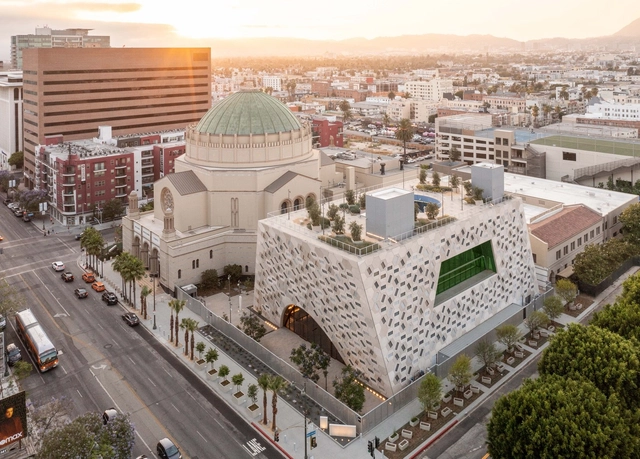
OMA / Shohei Shigematsu has completed its Audrey Irmas Pavilion at Wilshire Boulevard Temple, the firm’s first commission from a religious institution and first cultural building in California. Expected to open in January 2022, “the new 55,000 square foot Pavilion is a response to the Wilshire Boulevard Temple’s vision for its campus to create a much-needed space to convene”.

The Audrey Irmas Pavilion, OMA New York’s First Cultural Building in California Nears Completion - Image 1 of 4The Audrey Irmas Pavilion, OMA New York’s First Cultural Building in California Nears Completion - Image 2 of 4The Audrey Irmas Pavilion, OMA New York’s First Cultural Building in California Nears Completion - Image 3 of 4The Audrey Irmas Pavilion, OMA New York’s First Cultural Building in California Nears Completion - Image 4 of 4The Audrey Irmas Pavilion, OMA New York’s First Cultural Building in California Nears Completion - More Images+ 39

China’s Construction Landscape Sees World Leading Investments in Cultural Infrastructure and New Limits on Skyscrapers’ Height

The latest news and reports on China’s construction sector redefine the country’s future architectural landscape. A Cultural Infrastructure Index reflecting the data from 2020 places China and, more specifically, Shenzen as the world leader in investments regarding cultural facilities. Last year saw the announcement of 10 new cultural projects, all designed by world-renowned architects. At the same time, the Chinese authorities announced last month that buildings taller than 500 metres would no longer be approved, marking the end of an era that made the country home to 10 of the tallest 20 buildings in the world.

China’s Construction Landscape Sees World Leading Investments in Cultural Infrastructure and New Limits on Skyscrapers’ Height - Image 3 of 4China’s Construction Landscape Sees World Leading Investments in Cultural Infrastructure and New Limits on Skyscrapers’ Height - Featured ImageChina’s Construction Landscape Sees World Leading Investments in Cultural Infrastructure and New Limits on Skyscrapers’ Height - Image 1 of 4China’s Construction Landscape Sees World Leading Investments in Cultural Infrastructure and New Limits on Skyscrapers’ Height - Image 6 of 4China’s Construction Landscape Sees World Leading Investments in Cultural Infrastructure and New Limits on Skyscrapers’ Height - More Images+ 3

Herzog & de Meuron Completes its Concrete ST / Songeun Building in Korea

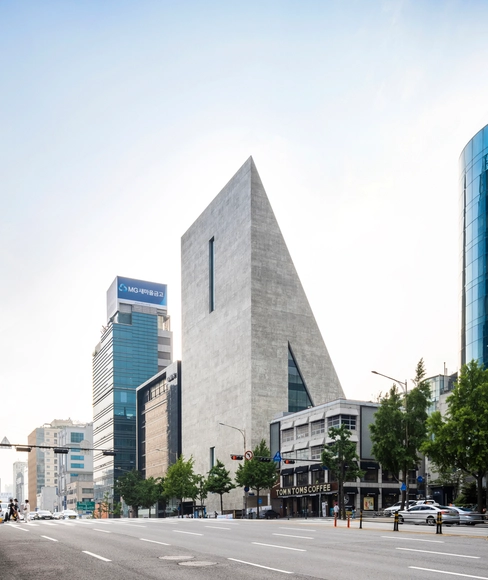
Herzog & de Meuron’s first realized project in Korea is completed and is set to open to the public in September 2021. Situated in the heart of Cheongdam Dong, one of the most commercial areas of Seoul, the ST International HQ and SongEun Art Space will offer non-commercial art spaces, a variety of new exhibition spaces, and offices for ST International both above and below ground, creating an inviting space for the public to engage with contemporary art. The first inaugural exhibition is expected to be on the 28th of September, and will be curated by the Swiss architecture firm in collaboration with SongEun Art and Cultural Foundation.

Herzog & de Meuron Completes its Concrete ST / Songeun Building in Korea  - Image 1 of 4Herzog & de Meuron Completes its Concrete ST / Songeun Building in Korea  - Image 2 of 4Herzog & de Meuron Completes its Concrete ST / Songeun Building in Korea  - Image 3 of 4Herzog & de Meuron Completes its Concrete ST / Songeun Building in Korea  - Image 4 of 4Herzog & de Meuron Completes its Concrete ST / Songeun Building in Korea  - More Images

Matsubara Civic Library / MARU。architecture

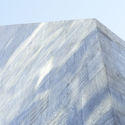
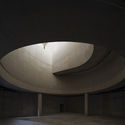
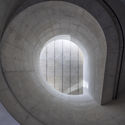
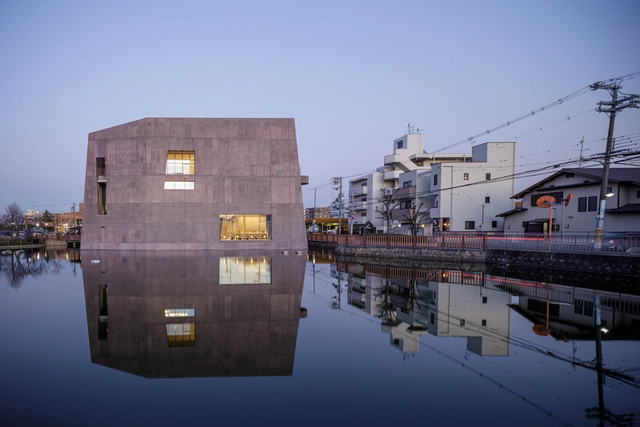
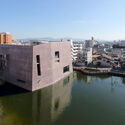
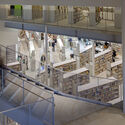
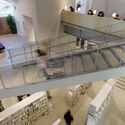
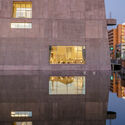
Matsubara Civic Library / MARU。architecture - Exterior Photography, LibraryMatsubara Civic Library / MARU。architecture - Interior Photography, Library, Handrail, StairsMatsubara Civic Library / MARU。architecture - Interior Photography, Library, StairsMatsubara Civic Library / MARU。architecture - Exterior Photography, Library, FacadeMatsubara Civic Library / MARU。architecture - More Images+ 22

Matsubara, Japan
  • Area Area of this architecture project Area:  2987
  • Year Completion year of this architecture project Year:  2019
  • Professionals: Arup

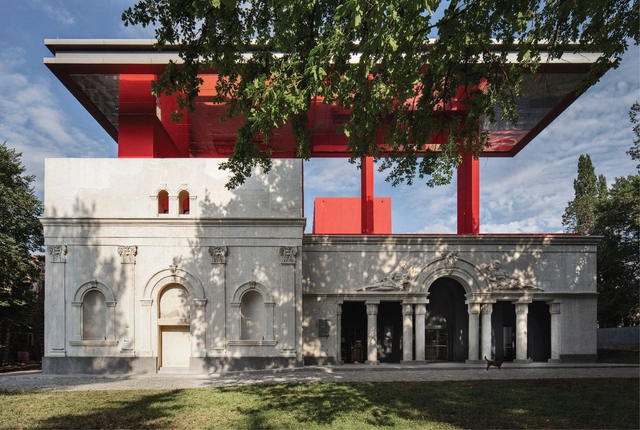
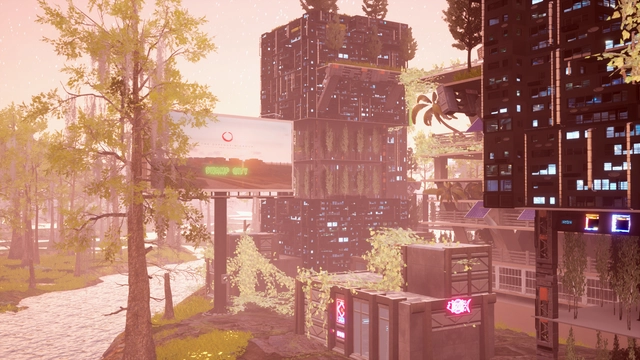
Russian Contribution to the Venice Biennale Explores Digital Environments and the Future of Cultural Institutions

The Russian Federation Pavilion for the 2021 Venice Biennale explores the role of cultural institutions across physical and digital spaces. Titled Open, the program investigates the subject on multiple fronts, from the renovation of its physical architecture to the research into the social role of virtual environments and a collection of perspectives on the new ways of thinking in the institutional realm. The contribution builds on the Open? project, which debuted in May 2020 and continued throughout the year as a virtual platform for creatives and thinkers.

Russian Contribution to the Venice Biennale Explores Digital Environments and the Future of Cultural Institutions - Image 1 of 4Russian Contribution to the Venice Biennale Explores Digital Environments and the Future of Cultural Institutions - Image 2 of 4Russian Contribution to the Venice Biennale Explores Digital Environments and the Future of Cultural Institutions - Image 3 of 4Russian Contribution to the Venice Biennale Explores Digital Environments and the Future of Cultural Institutions - Image 4 of 4Russian Contribution to the Venice Biennale Explores Digital Environments and the Future of Cultural Institutions - More Images+ 11

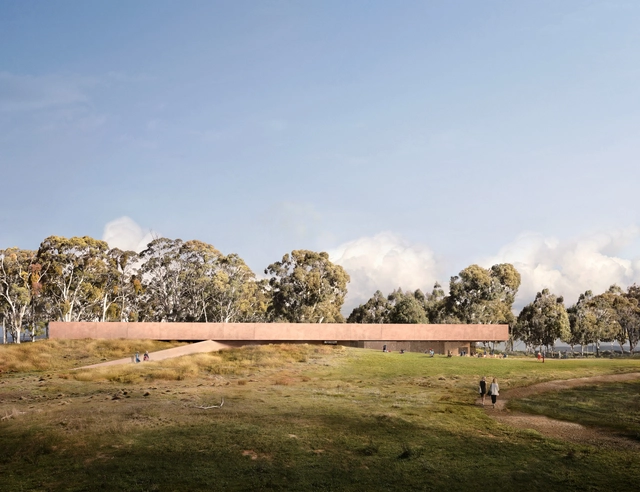
Snøhetta Reveals Plans for Gallery Project in Adelaide and Art Centre Expansion in Hanover

The internationally-acclaimed architecture firm Snøhetta has recently been selected to design two new art spaces in Australia and United States. Snøhetta will create the new Heysen Art Gallery in Adelaide- a rammed earth structure blending into the landscape and housing the works of renowned artists Hans and Nora Heysen. The studio was also selected to lead the expansion and re-design project for Dartmouth College Hopkins Center for the Arts, a vital creative hub for the New England Region.