1. ArchDaily
  2. Cultural Architecture

Cultural Architecture: The Latest Architecture and News

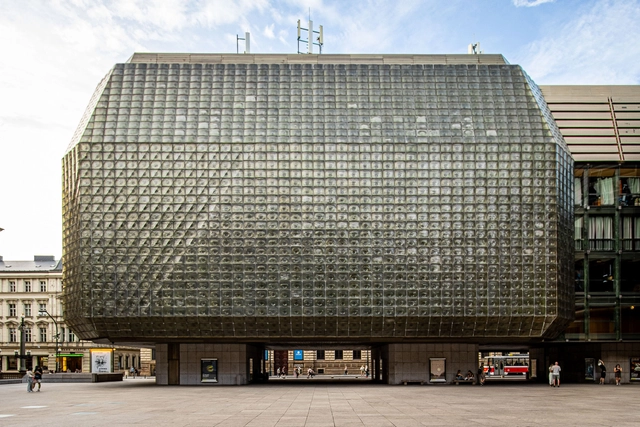
Nová Scéna: The Story Behind the Iconic Brutalist Extension of the National Theatre in Prague

Subscriber Access | 

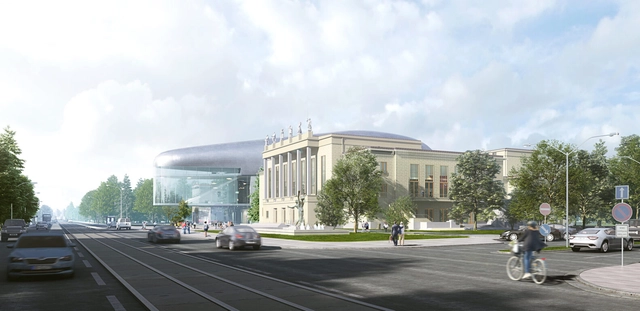
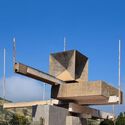
From 1977 to 1983, the National Theatre in Prague underwent a major transformation with the opening of Nová Scéna, a modern counterpart to the traditional Neo-Renaissance theatre. For many years, Nová Scéna hosted the renowned Laterna Magika, the world’s first multimedia theatre. This groundbreaking performance style combined classical theatre with computer-generated visual effects, creating a unique dramatic experience. The striking glass building, a symbol of the communist era, became an iconic representation of the political power of the time. In recognition of its significance, this building was part of the Open House Prague festival in 2024—an annual event that invites the public to explore and appreciate the value of architecture.

Nová Scéna: The Story Behind the Iconic Brutalist Extension of the National Theatre in Prague - Image 1 of 4Nová Scéna: The Story Behind the Iconic Brutalist Extension of the National Theatre in Prague - Image 2 of 4Nová Scéna: The Story Behind the Iconic Brutalist Extension of the National Theatre in Prague - Image 3 of 4Nová Scéna: The Story Behind the Iconic Brutalist Extension of the National Theatre in Prague - Image 4 of 4Nová Scéna: The Story Behind the Iconic Brutalist Extension of the National Theatre in Prague - More Images+ 9

Manifesta 15: Barcelona Metropolitana Confirms its Program and the Complete List of Participants for its Next Edition

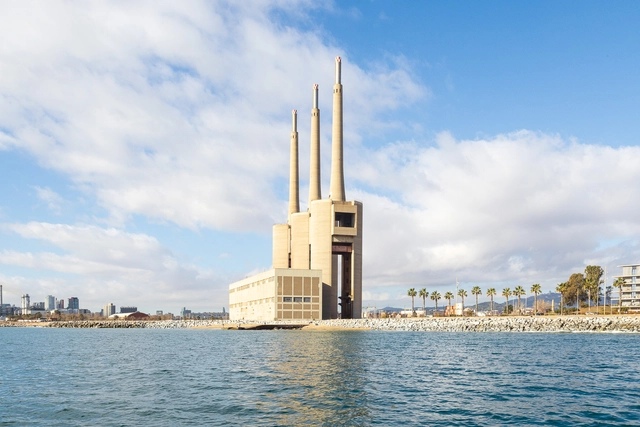
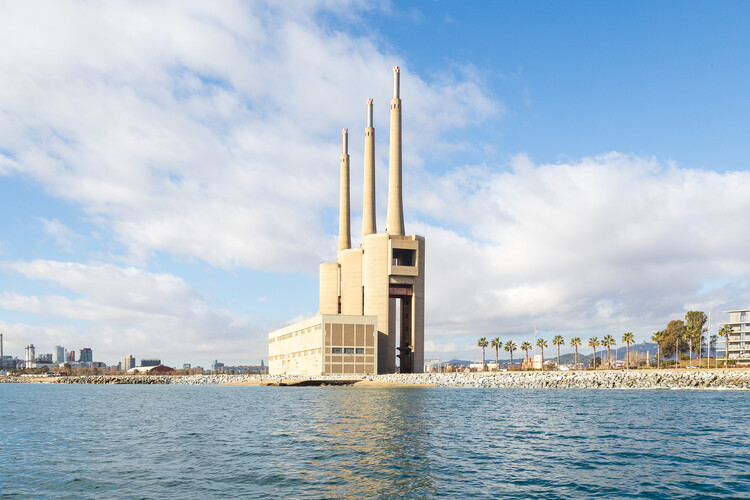
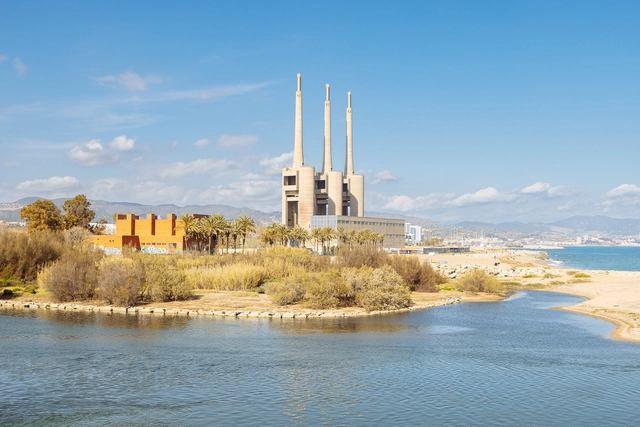
The city of Barcelona and the region are preparing to host Manifesta, the European nomadic biennial of art, architecture, and urbanism, which will celebrate its 15th edition on September 8, 2024. The event will take place in twelve cities over twelve weeks, where an extensive list of participants will materialize projects aimed at reimagining the future through art and architecture.

The first edition of Manifesta took place in Rotterdam in 1996. Over its 14 previous editions across 25 years, it has visited various European cities such as Luxembourg, Ljubljana, Frankfurt, San Sebastián, Trentino-South Tyrol, Murcia, Genk, Saint Petersburg, Zurich, Palermo, Marseille, and Pristina. One of the main pillars of Manifesta is based on critical urban research, promoting the construction of communities and cultural programs with a local identity that act as agents of change. While the nomadic character is a hallmark of the event, each city works with local artistic communities, citizens, and organizations to carry out projects that address issues inherent to the location.

Manifesta 15: Barcelona Metropolitana  Confirms its Program and the Complete List of Participants for its Next Edition - Image 1 of 4Manifesta 15: Barcelona Metropolitana  Confirms its Program and the Complete List of Participants for its Next Edition - Image 2 of 4Manifesta 15: Barcelona Metropolitana  Confirms its Program and the Complete List of Participants for its Next Edition - Image 3 of 4Manifesta 15: Barcelona Metropolitana  Confirms its Program and the Complete List of Participants for its Next Edition - Image 4 of 4Manifesta 15: Barcelona Metropolitana  Confirms its Program and the Complete List of Participants for its Next Edition - More Images+ 3

Ostrava Concert Hall by Steven Holl Architects Breaks Ground in Czech Republic

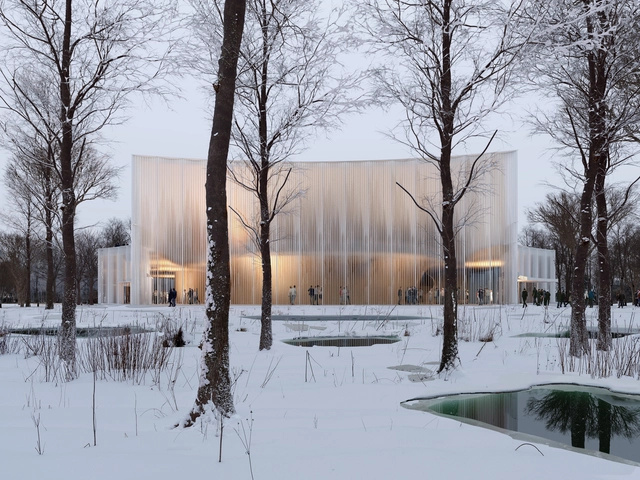
The Ostrava Concert Hall, designed by Steven Holl Architects, has just broken ground in the Czech Republic. Commemorating the start of construction, the concert hall “promises to be an inspiring venue for both locals and internationals who cherish Ostrava’s rich music heritage.” Designed for the Janacek Philharmonic Orchestra, it creates a dramatic contrast between old and new, aiming to create a cultural landmark.

Ostrava Concert Hall by Steven Holl Architects Breaks Ground in Czech Republic - Image 1 of 4Ostrava Concert Hall by Steven Holl Architects Breaks Ground in Czech Republic - Image 2 of 4Ostrava Concert Hall by Steven Holl Architects Breaks Ground in Czech Republic - Image 3 of 4Ostrava Concert Hall by Steven Holl Architects Breaks Ground in Czech Republic - Image 4 of 4Ostrava Concert Hall by Steven Holl Architects Breaks Ground in Czech Republic - More Images

Pavilions in Cities: 14 Structures that Foster Human Interactions

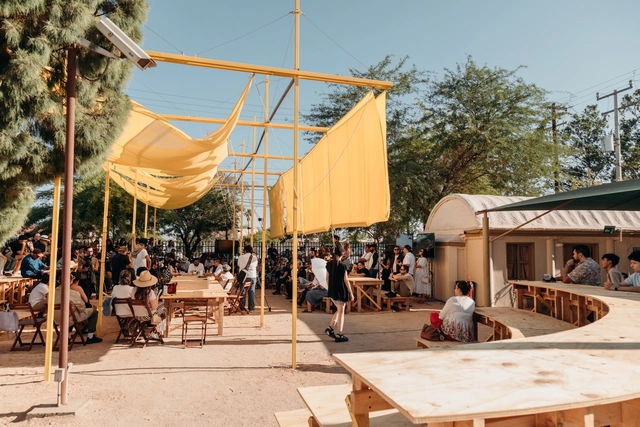
As dwellers of big cities, we tend to be dragged into a very fast-paced lifestyle. Surrounded by monumental buildings and infrastructure, we can easily lose sight of key spaces that connect us with our neighborhood and provide us with rare moments of peace and enjoyment. Appropriation of the environment we inhabit becomes an uncommon circumstance.

Pavilions in Cities: 14 Structures that Foster Human Interactions - Image 24 of 4Pavilions in Cities: 14 Structures that Foster Human Interactions - Image 23 of 4Pavilions in Cities: 14 Structures that Foster Human Interactions - Image 21 of 4Pavilions in Cities: 14 Structures that Foster Human Interactions - Image 1 of 4Pavilions in Cities: 14 Structures that Foster Human Interactions - More Images+ 23

A Royal Opera in Warsaw and a Center for the Arts in Canada: 8 Music and Performance Venues Submitted by the ArchDaily Community

Subscriber Access | 

Concert halls, music, and performance venues stand as iconic symbols of cultural vitality within urban landscapes. Through these structures, which often become landmarks of the city, the residents are invited to take part and experience artistic expression, fostering a sense of community and connection. For architects, this program poses the intricate challenge of balancing form and function, creating spaces that enhance the acoustic experience, allow for the flow of audience and performers, and create visual spectacles in their own right.

Featuring both emerging and internationally recognized offices, this week’s curated selection showcases music and performance venues, from mixed arts and cultural centers to opera and ballet halls. Including proposals for international competitions such as David Chipperfield Architects or SHL and PAX architects’ designs for the Polish Royal Opera in Warsaw or Hariri Pontarini Architects’ design for an integrated center for the arts in Canada, the selection explores the program of music venues across scales and programs.

A Royal Opera in Warsaw and a Center for the Arts in Canada: 8 Music and Performance Venues Submitted by the ArchDaily Community - Image 19 of 4A Royal Opera in Warsaw and a Center for the Arts in Canada: 8 Music and Performance Venues Submitted by the ArchDaily Community - Image 23 of 4A Royal Opera in Warsaw and a Center for the Arts in Canada: 8 Music and Performance Venues Submitted by the ArchDaily Community - Image 34 of 4A Royal Opera in Warsaw and a Center for the Arts in Canada: 8 Music and Performance Venues Submitted by the ArchDaily Community - Image 39 of 4A Royal Opera in Warsaw and a Center for the Arts in Canada: 8 Music and Performance Venues Submitted by the ArchDaily Community - More Images+ 45

Reviving Art in Architecture: A Look at France's '1% for Art' Policy

Subscriber Access | 

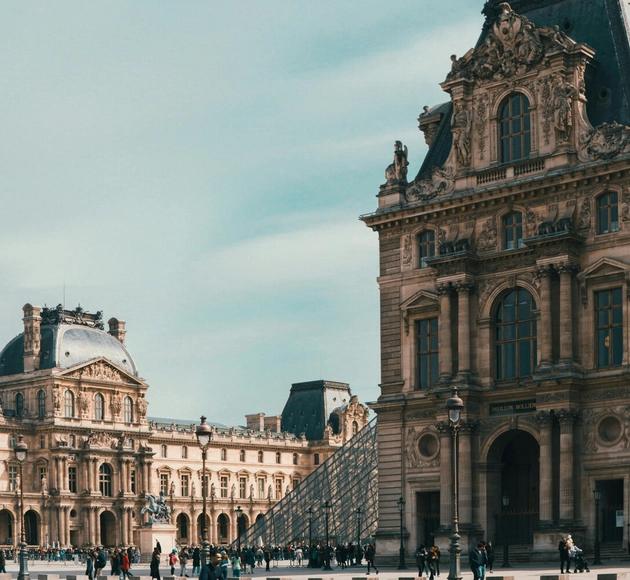
Throughout various historical civilizations and art movements, from Classical Greece and Rome to the Renaissance and the Bauhaus, the collaboration between art and architecture has been a significant societal expression. However, the 20th-century ideals of modernism and mass production resulted in the decline and near disappearance of art within buildings.

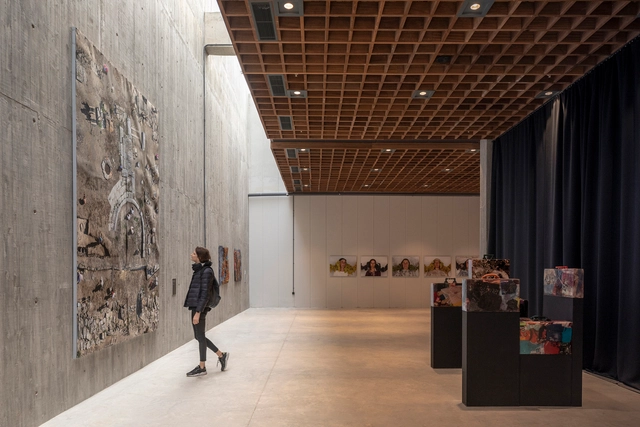
In response, many European countries have taken on the responsibility of promoting the collaboration between art and architecture. Schemes were created mandating that a percentage of the total cost of a new public building, place, or space must be spent on art. This legislation, commonly known as 'Percentage for Art', originated in France and has been explored by artists and architects over the years to create new architectural experiences.

Reviving Art in Architecture: A Look at France's '1% for Art' Policy - Image 1 of 4Reviving Art in Architecture: A Look at France's '1% for Art' Policy - Image 2 of 4Reviving Art in Architecture: A Look at France's '1% for Art' Policy - Image 3 of 4Reviving Art in Architecture: A Look at France's '1% for Art' Policy - Image 4 of 4Reviving Art in Architecture: A Look at France's '1% for Art' Policy - More Images+ 8

Reimagining the Role of Culture: Manifesta Announces 15th Biennial in Barcelona, Spain

Manifesta 15 Barcelona Metropolitana has unveiled a decentralized biennial event spanning across the landscape of Barcelona. Taking place from September 8th to November 24th, this edition of Manifesta, the European Nomadic Biennial, introduces a regionalized strategy. Famous for its avant-garde exploration of global challenges through cultural lenses, the approach aims to empower citizens in catalyzing a socio-ecological transformation across Catalonia. The event aims to reimagine the role of culture in societal transformation through art, dialogue, and collective action.

Reimagining the Role of Culture: Manifesta Announces 15th Biennial in Barcelona, Spain - Image 1 of 4Reimagining the Role of Culture: Manifesta Announces 15th Biennial in Barcelona, Spain - Image 2 of 4Reimagining the Role of Culture: Manifesta Announces 15th Biennial in Barcelona, Spain - Image 3 of 4Reimagining the Role of Culture: Manifesta Announces 15th Biennial in Barcelona, Spain - Image 4 of 4Reimagining the Role of Culture: Manifesta Announces 15th Biennial in Barcelona, Spain - More Images+ 20

The Legacy of Brutalism on Morocco’s Post-independence Architectural Landscape

Subscriber Access | 

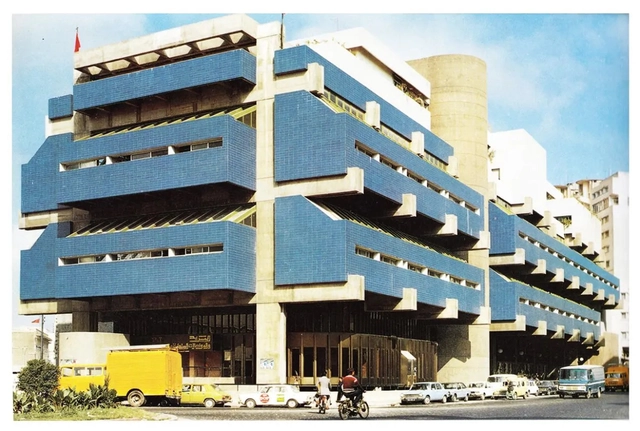
Several events have shaped Morocco since its independence. One of them is the Architects’ transition from serving the declining French empire to serving the newly independent Moroccan nation. Upon gaining independence in 1956, young Moroccan and foreign architects were tasked with constructing a self-sufficient Morocco. The demand for modern infrastructure, new administrative buildings, and improved education and health facilities led to a construction boom. This boom provided architects and planners the opportunity to express their vision.

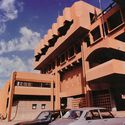
Inspired by the popularity of modernism in Europe, architects experimented with buildings that embodied brutalism. This architectural style was not only a rebellion against the colonial vision of urban design in Morocco, but also a symbol of architectural unity in the urban landscape. Buildings were created in various typologies with the characteristic of exposed concrete, showcasing its inherent qualities of strength, durability, and functionality. These buildings, which can be seen in cities such as Agadir, Casablanca, Tangier, and parts of Marrakesh, represent a dialogue between brutalism and Moroccan culture, environment, and climate.

The Legacy of Brutalism on Morocco’s Post-independence Architectural Landscape - Image 1 of 4The Legacy of Brutalism on Morocco’s Post-independence Architectural Landscape - Image 2 of 4The Legacy of Brutalism on Morocco’s Post-independence Architectural Landscape - Image 3 of 4The Legacy of Brutalism on Morocco’s Post-independence Architectural Landscape - Image 4 of 4The Legacy of Brutalism on Morocco’s Post-independence Architectural Landscape - More Images+ 13

Meet the 75 Finalists of the ArchDaily 2024 Building of the Year Awards

After two weeks of open voting in the 15th edition of the Building of the Year Awards, our readers have meticulously narrowed down a pool of over 4,000 projects to a select group of 75 finalists spanning 15 categories. This year's awards enthusiastically honor the pinnacle of design, innovation, and sustainability on a global scale, showcasing an exceptional range of projects within the shortlist. As a crowdsourced award, we take pride in affirming that your selections authentically mirror the current state of architecture, and the caliber of this year's finalists further underscores the excellence and diversity prevalent in the field.

The ArchDaily Building of the Year Awards is brought to you thanks to Dornbracht, renowned for leading designs for architecture, which can be found internationally in bathrooms and kitchens.

The New Life of Industrial Architecture in Cities: 20 Renovations and Conversions of Old Factories and Warehouses

Subscriber Access | 

In the same way that societies transform, times change, and cities evolve, industrial architecture modernizes and technifies, sometimes reaching a state of abandonment or ruin. Understanding its value as a built legacy and being vestiges of technological, social, and cultural changes, the renovation and/or conversion of numerous factories and industrial warehouses can lead to the revitalization, recovery, or growth of various areas in large cities, incorporating new uses and spaces for the enjoyment of their citizens.

How Can Architecture be Designed to Reflect Human Behavior?

Subscriber Access | 

Architecture is the design of spaces for human occupation. Despite architects’ skill in designing spaces to influence human behavior there often is a shortfall in anticipating and reacting to occupants’ behavior. To create environments that boost well-being, productivity, and social engagement, a symbiotic relationship between buildings and human behavior must be fostered. The intersection of architectural and anthropological studies forms an insightful framework for the design of physical spaces informed by human behavior and cultural context.

A Translucent Art Museum in Dubai and a Biennale Exhibition Hall in South Korea: 8 Unbuilt Cultural Institutions Submitted by the ArchDaily Community

Subscriber Access | 

In the contemporary context, museums face contradictory sets of ideas: becoming attractions on and of themselves but presenting an understated image that shifts the attention to the exhibits, creating a safe and protected environment for the artifacts, yet opening them up to the public, becoming repositories of history yet catalysts for innovation. Searching for the balance between all of these constraints has resulted in the flourishing of diverse types of museums and cultural institutions, from those dedicated to the remembrance of a single event or persona to temporary homes for cultural events or spaces that expand their cultural offering beyond exhibition areas.

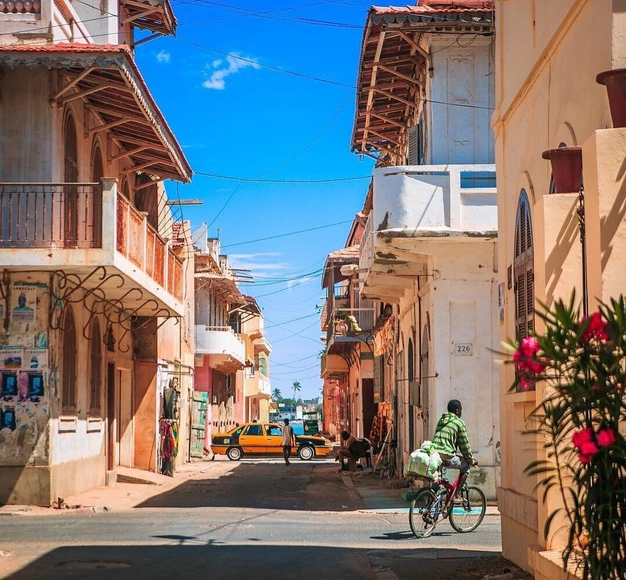
This curated selection of Best Unbuilt Architecture highlights projects submitted by the ArchDaily community that demonstrate the fusion of art, technology, and innovation within the realm of museums and cultural centers. Among the featured designs are works from renowned architectural offices, including CAA architects, NextOffice – Alireza Taghaboni, and Fentress Architects, along with several emerging firms. Ranging from a sculptural art museum in Dubai to a local cultural and recreational complex in Senegal, or an immersive science museum in Rome, Italy, this diverse compilation strives to showcase the spectrum of scales and purposes of cultural institutions.

A Translucent Art Museum in Dubai and a Biennale Exhibition Hall in South Korea: 8 Unbuilt Cultural Institutions Submitted by the ArchDaily Community - Image 6 of 4A Translucent Art Museum in Dubai and a Biennale Exhibition Hall in South Korea: 8 Unbuilt Cultural Institutions Submitted by the ArchDaily Community - Image 16 of 4A Translucent Art Museum in Dubai and a Biennale Exhibition Hall in South Korea: 8 Unbuilt Cultural Institutions Submitted by the ArchDaily Community - Image 21 of 4A Translucent Art Museum in Dubai and a Biennale Exhibition Hall in South Korea: 8 Unbuilt Cultural Institutions Submitted by the ArchDaily Community - Image 29 of 4A Translucent Art Museum in Dubai and a Biennale Exhibition Hall in South Korea: 8 Unbuilt Cultural Institutions Submitted by the ArchDaily Community - More Images+ 41

Snøhetta Unveils Design of New Opera House in Diriyah, Saudi Arabia

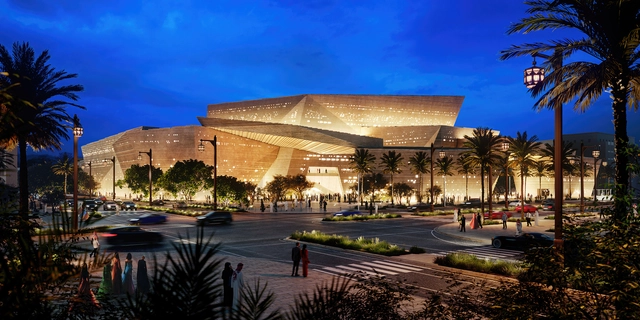
Snøhetta has revealed the design of a new opera house to be added to the historic area of Diriyah in Saudi Arabia. The proposal strives to blend the local cultural heritage and Najdi building traditions with the contemporary requirements of an international music and performing arts venue. Scheduled to open in 2028, the Royal Diriyah Opera House anchors a wider master plan to redevelop the Diriyah area on the outskirts of Riyadh, aiming to transform it into a cultural destination.

Snøhetta Unveils Design of New Opera House in Diriyah, Saudi Arabia - Image 1 of 4Snøhetta Unveils Design of New Opera House in Diriyah, Saudi Arabia - Image 2 of 4Snøhetta Unveils Design of New Opera House in Diriyah, Saudi Arabia - Image 3 of 4Snøhetta Unveils Design of New Opera House in Diriyah, Saudi Arabia - Image 4 of 4Snøhetta Unveils Design of New Opera House in Diriyah, Saudi Arabia - More Images+ 1

Top Stories of the Year Exploring the Architectural Identity of Local Communities

Local communities are more than just a collection of buildings and infrastructure. They possess a distinctive architectural character that mirrors their history, culture, and values. As part of our year in review, we take a deep dive into the top narratives that examine the architectural identity of different local communities.

These stories explore a wide range of topics, including unique geographic territories, cultural tribes, iconic landmarks, communal collaboration, and socio-ecological urban planning. Through these narratives, we uncover the captivating tales behind the buildings and public spaces that shape certain cities and towns.

Top Stories of the Year Exploring the Architectural Identity of Local Communities - Image 1 of 4Top Stories of the Year Exploring the Architectural Identity of Local Communities - Featured ImageTop Stories of the Year Exploring the Architectural Identity of Local Communities - Image 2 of 4Top Stories of the Year Exploring the Architectural Identity of Local Communities - Image 3 of 4Top Stories of the Year Exploring the Architectural Identity of Local Communities - More Images+ 5

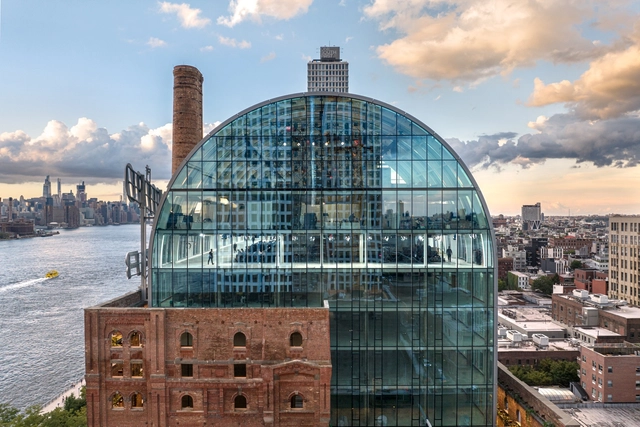
Unveiling New Images of Snøhetta's Spiraling Shanghai Opera House

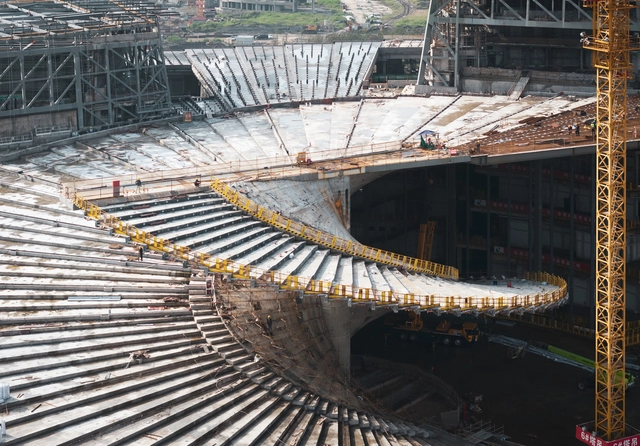
Snøhetta has just released construction images showing the progress on the studio’s long-awaited Shanghai Grand Opera House in China. With its iconic fan-shaped roof, the firm has been commissioned the scheme in 2019 following an international design competition. The project is set to be completed in 2025, seeking to attract a broad audience for traditional, classical, and experimental performances.

Unveiling New Images of Snøhetta's Spiraling Shanghai Opera House  - Image 1 of 4Unveiling New Images of Snøhetta's Spiraling Shanghai Opera House  - Image 2 of 4Unveiling New Images of Snøhetta's Spiraling Shanghai Opera House  - Image 3 of 4Unveiling New Images of Snøhetta's Spiraling Shanghai Opera House  - Image 4 of 4Unveiling New Images of Snøhetta's Spiraling Shanghai Opera House  - More Images+ 3

5 Ways to Create More Liveable Cities: Insights from TV Show "Tale of Two Cities" with Dikshu Kukreja

Cities are the bedrock of civilization. For millennia, they have attracted people with the promise of superior standards of living — from better economic and educational opportunities to easier access to quality public infrastructure such as housing, healthcare, and public transport. Today, however, many cities around the world are finding it challenging to live up to this promise. With urban migration accelerating at a dizzying rate – the United Nations projects that over two-thirds of the world's population will live in cities or urban centers by 2050 – existing resources and services in cities are coming under increasing pressure, rendering them dysfunctional and leading to glaring inequities.

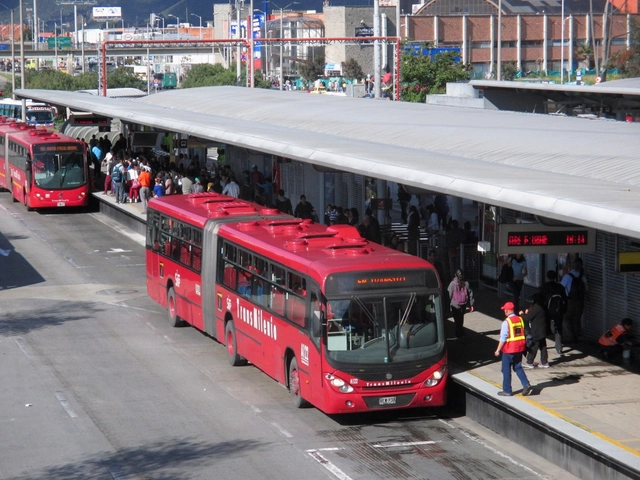
There is no singular way to define or assess liveability; every city has a unique set of characteristics, from its history, culture, geography, and demographics, to how it is governed and what urban issues plague it. Therefore, improving liveability requires concerted efforts from multiple stakeholders including people, governments, and experts, to identify critical problem areas and opportunities, and devise contextual solutions. The TV show Tale of Two Cities, where Indian architect and urbanist Dikshu C. Kukreja sits down with global leaders, brings out great insights into what some major cities in the world are doing to create more liveable environments for their inhabitants. Here we present five examples: from Bogotá, Kolkata, Hannover, Tirana, and Washington, D.C.

5 Ways to Create More Liveable Cities: Insights from TV Show "Tale of Two Cities" with Dikshu Kukreja - Image 1 of 45 Ways to Create More Liveable Cities: Insights from TV Show "Tale of Two Cities" with Dikshu Kukreja - Image 2 of 45 Ways to Create More Liveable Cities: Insights from TV Show "Tale of Two Cities" with Dikshu Kukreja - Image 3 of 45 Ways to Create More Liveable Cities: Insights from TV Show "Tale of Two Cities" with Dikshu Kukreja - Image 4 of 45 Ways to Create More Liveable Cities: Insights from TV Show Tale of Two Cities with Dikshu Kukreja - More Images+ 5

Zaha Hadid Architects Shortlisted in Cultural Center Competition in Sejong, Seoul

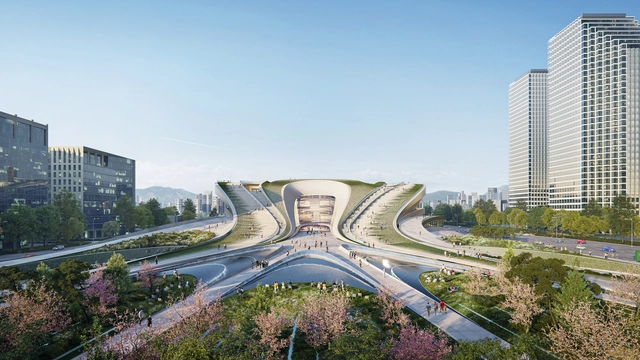
Zaha Hadid Architects has been shortlisted for their proposal for the 2nd Sejong Cultural Center. The proposal draws inspiration from the surrounding city’s lengthy history as well as future vision. Connecting Yeouido Park to the Han River, the 2nd Sejong Cultural Center is embedded within the park's natural landscapes, aiming to become an integral part of the public function in the city within a natural setting, seamlessly connecting indoor and outdoor spaces.

Zaha Hadid Architects Shortlisted in Cultural Center Competition in Sejong, Seoul - Image 1 of 4Zaha Hadid Architects Shortlisted in Cultural Center Competition in Sejong, Seoul - Image 2 of 4Zaha Hadid Architects Shortlisted in Cultural Center Competition in Sejong, Seoul - Image 3 of 4Zaha Hadid Architects Shortlisted in Cultural Center Competition in Sejong, Seoul - Image 4 of 4Zaha Hadid Architects Shortlisted in Cultural Center Competition in Sejong, Seoul - More Images+ 3

International Architecture Awards 2023 Announces Winners in Chicago, Illinois

For the 18th year, the International Architecture Awards has returned to celebrate outstanding architectural achievements globally. Based in Chicago, these awards feature exceptional new buildings, urban planning projects, and landscape architecture of 2023. Additionally, this month, the Chicago Architecture Biennial (CAB 5) is currently taking place in the city. Both the awards and the Biennial attempt to shed light on each country’s architectural, design, cultural, and social trends.

Since the inception of the International Architecture Awards in 2005, this annual program has served as a platform for celebrating contemporary architecture. Moreover, the awards institution believes in architecture’s potential to enhance the quality of life for individuals globally. This year, the selected winners span 48 countries, from Ethiopia to Tokyo and New York to Nova Scotia.

International Architecture Awards 2023 Announces Winners in Chicago, Illinois  - Image 1 of 4International Architecture Awards 2023 Announces Winners in Chicago, Illinois  - Image 2 of 4International Architecture Awards 2023 Announces Winners in Chicago, Illinois  - Image 3 of 4International Architecture Awards 2023 Announces Winners in Chicago, Illinois  - Image 4 of 4International Architecture Awards 2023 Announces Winners in Chicago, Illinois  - More Images+ 14