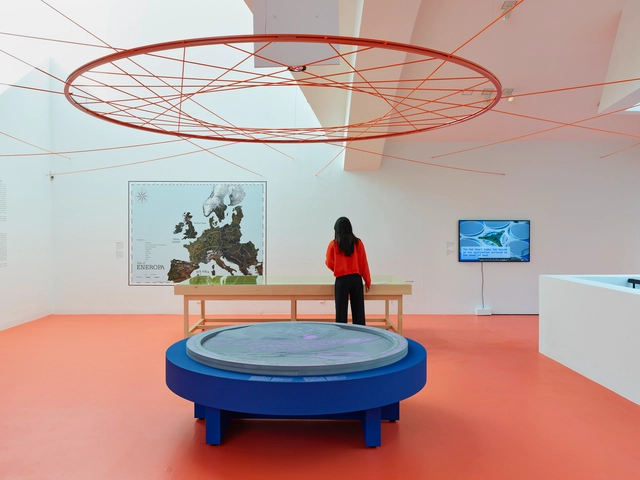
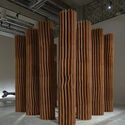
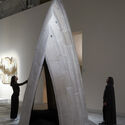
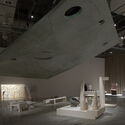
The Vitra Design Museum presents 'Transform! Designing the Future of Energy', an exhibition running from March 23rd to September 1st, 2024. As energy stands as the cornerstone of modern society, the subject encompasses political, social, and environmental dimensions. The exhibition aims to highlight design’s role in the effort to transform the energy sector into a more efficient, reliable, and sustainable one, relying more on renewable sources, smart mobility systems, and moving towards self-sufficient cities.
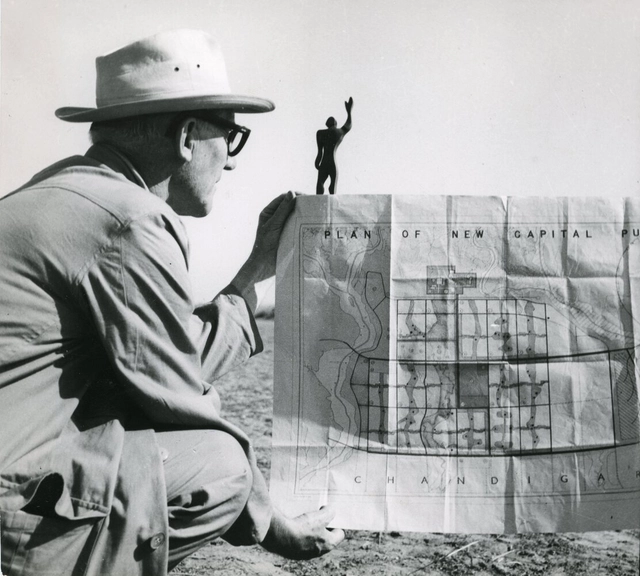
Courtesy of FDL, ADAGP 2014 | Le Corbusier in Chandigarh with the plan of the city and a model of the Modular Man, his universal system of proportion, 1951
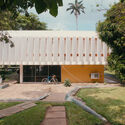
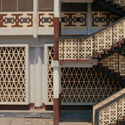
The Victoria & Albert Museum is set to present an expansive exhibition focused on Tropical Modernism, an architectural movement that emerged in the late 1940s. British architects Jane Drew and Maxwell Fry were instrumental in developing this approach, combining modernism’s functional goals with local climate adaptations in warm and humid weather. This movement, which embodies Britain's unique contribution to international modernism, evolved against a backdrop of anti-colonial resistance, blending colonial architectural principles with local needs.
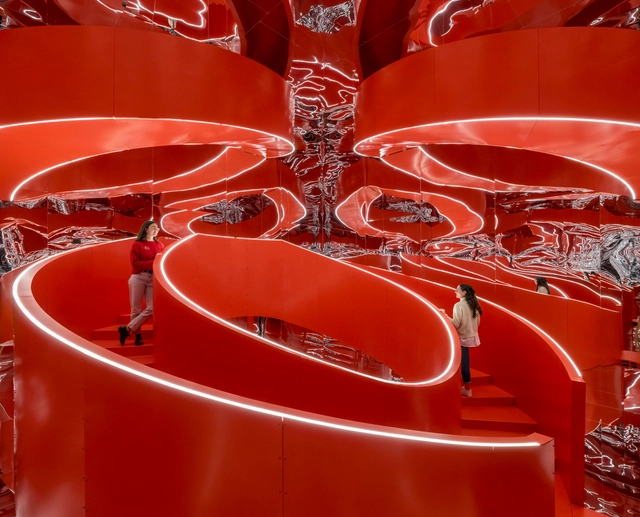
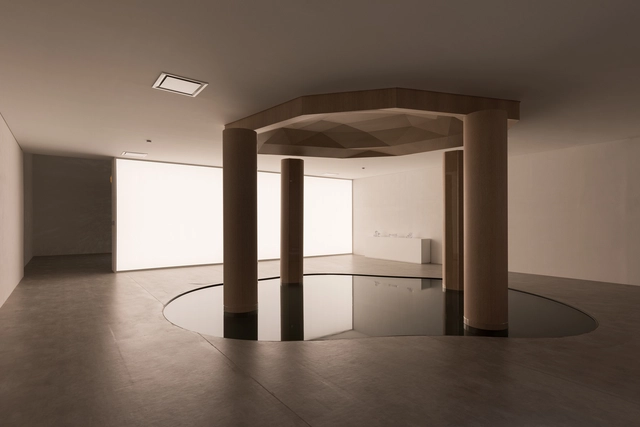
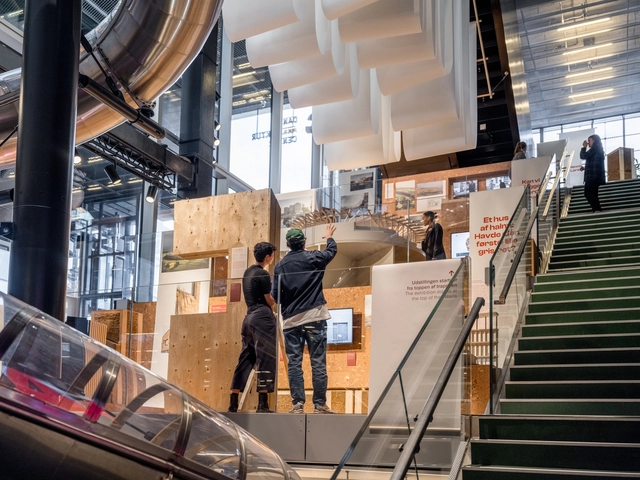
3XN/GXN has just opened its exhibition “Aware: Architecture and Senses,” hosted at the Danish Architecture Center until September 15th, 2024. The display invites visitors to explore, comprehend, and interrogate their relationships with architecture. In collaboration with the Danish Architecture Center, 3XN/GXN delves into the conversation between individuals and spaces, showcasing six life-sized installations.
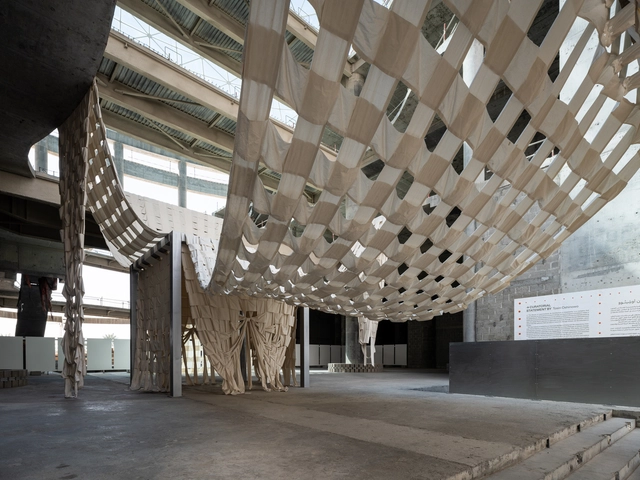
Running from November 11, 2023 until March 10, 2024, The Sharjah Architecture Triennial celebrates innovations in the built environment, particularly in the global south. The main goal of the display is to draw attention to sustainable, accessible, and equitable futures while highlighting the value of alternative responses to resource constraints. As the event draws to a close, ArchDaily explores 10 architectural installations that respond to the overarching theme through various mediums.
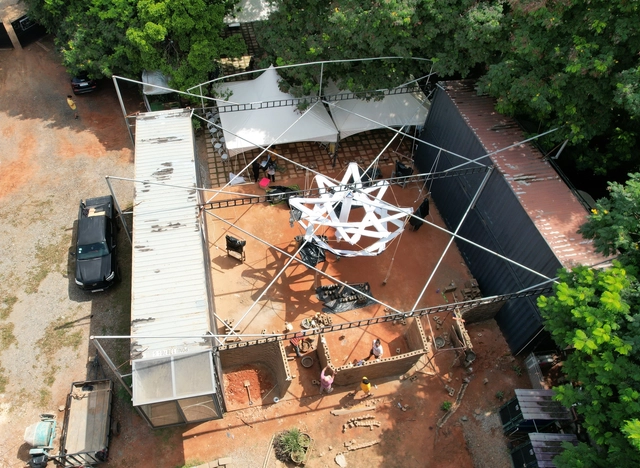
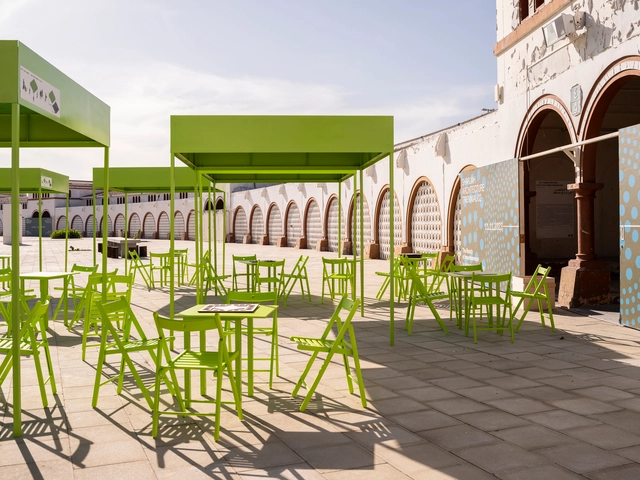
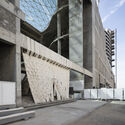
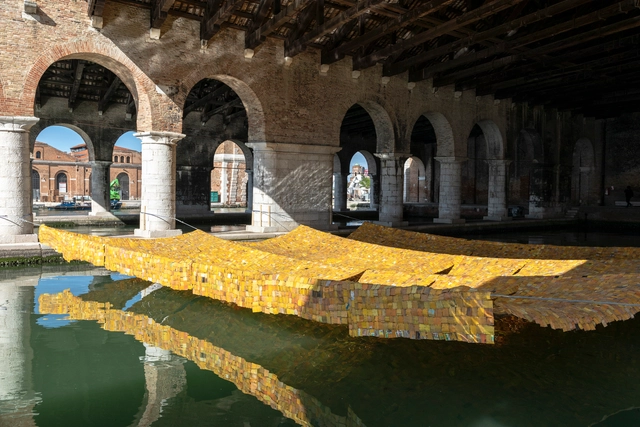
Curated by Tosin Oshinowo under the theme “The beauty of Impermanence: An Architecture of Adaptability,” the triennial has contributions from 29 architects and studios across 25 countries. From 51-1 Arquitectos transforming an unapproachable place into a dynamic play space featuring popular board games from various regions to Al Borde redefining a space with a custom-designed shading structure made with natural materials, the Sharjah Architecture Triennial presents a diverse array of architectural interventions. WaiWai's showcase spotlights three instances of modern architecture in Tashkent, Uzbekistan, highlighting their significant evolution. DAAR's "Concrete Tent" combines elements of a mobile tent and concrete house, exploring the concept of "permanent temporariness.” These installations offer innovative perspectives on adaptability, sustainability, and cultural significance within the architectural landscape.
Establishing a platform in the Arab world, Design Doha 2024 debuted its inaugural edition in Doha, Qatar. Facilitating dialogues between designers, the event challenges the misconception that the Arab world is composed of a singular culture. It highlights, therefore, the diversity of populations, landscapes, and histories it encompasses.
Centered on "Arab Design Now," a regional survey showcasing the works of over 70 Arab designers, featuring 38 commissioned pieces, Design Doha is running from February 24 to August 5, 2024. ArchDaily had the opportunity to talk to Rana Beiruti, curator of the main exhibition, during the event's opening, to grasp the significance of the biennial and delve into some of the key installations, exploring the stories behind these interventions, learning about the designers involved, and gaining insights into their creative processes.
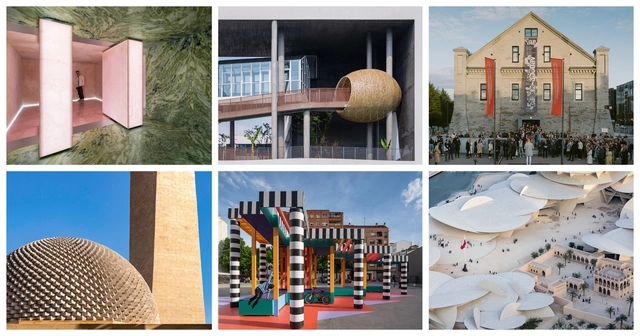
Spanning continents and cultures, architecture-focused events serve as platforms for the gathering of diverse groups of professionals to share innovations and embark on dialogues regarding some of the most pressing matters faced by our profession. Embodying the spirit of collaboration, highlighting local cultures and practices, and fostering open debates, this year’s list of events covers a diverse range of biennales, forums, city-wide celebrations, international fairs, and awards.
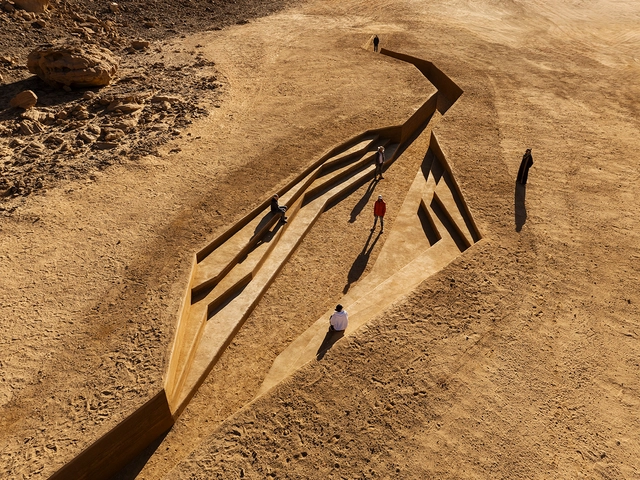
Returning for its third edition, Desert X AlUla 2024 invites artists to engage with the landscape, nature, and heritage of AlUla. The exhibition aims to position AlUla as the hub for monumental art experiences in the region. This year’s theme, “In the Presence of Absence,” challenges the concept of deserts as “empty spaces.” Artists worldwide are encouraged to investigate conceptual ideas of the invisible, engaging in a dialogue with AlUla’s environment.
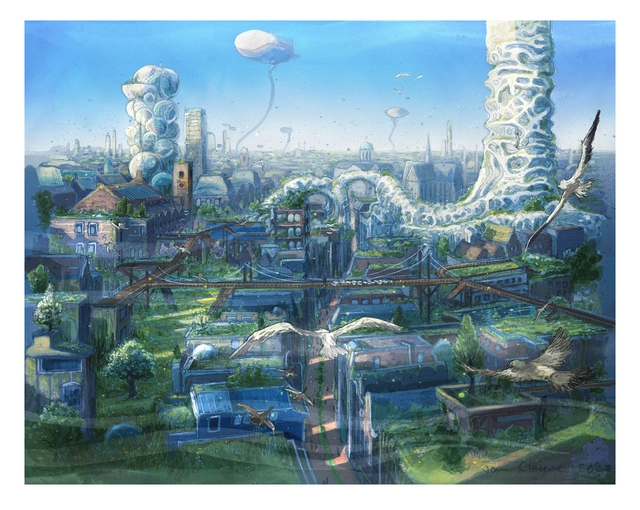
Studio Monnik, 'Alles Komt Goed', 2023. ‘Poreuze Stad’, Illustratie van Jan Cleijne. Een toekomstscenario voor Amsterdam in 2089. Image Courtesy of Het Nieuwe Instituut
Still, the country faces expected and unexpected challenges, from an acute housing shortage to raising concerns regarding climate change and shifting ideas of ecology. In the words of curator Suzanne Mulder, the country is “once again on the drawing board,” as architects, urban planners, and designers are reopening conversations about the future by looking at past lessons. To come to their help, Rotterdam’s Nieuwe Instituut is organizing the exhibition ‘Designing the Netherlands: 100 Years of Past & Present Futures.’
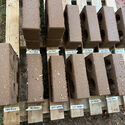
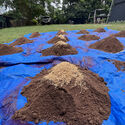
The “Soil Sisters” initiative explores how architectural design and sustainable material practices can contribute to soil nutrition and resilience. Partnering with SOM Foundation, their joint effort has resulted in an exhibition aiming to redefine our understanding of “environmentally conscious practices.” Titled “Soil Sisters: A Ceiling, A Chair and Table, A Wall and a Threshold,” the display showcases their dedication to redefining soil health as a cross-sectoral objective by emphasizing materiality and color in the built environment.
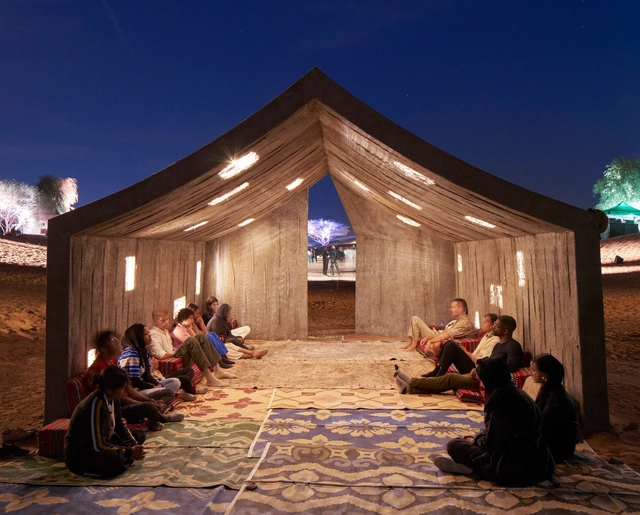
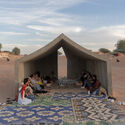
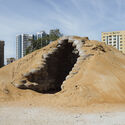
The Sharjah Triennial debuted on November 11th, 2023, with the theme of The Beauty of Impermanence: An Architecture of Adaptability. At the center of the abandoned 1970s “Al Madam,” in the eastern desert of Sharjah, the “Concrete Tent”, created by DAAR, an experimental Palestinian and Swedish Studio, combines elements of a mobile tent and a concrete house. Overall, the tent explores the notion of “permanent temporariness.”
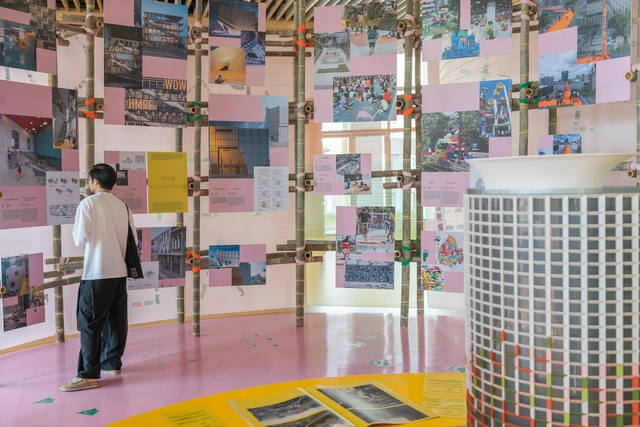
“ReviveR,” a new exhibition by MVRDV opened at the Shenzhen Women & Children’s Centre, focused on the different narratives surrounding its hosting building, from the role of play and social interaction, to the importance of fun environments for people of all ages, along with the need to reduce carbon emissions by applying principles of circularity. The exhibition is on display in the building’s 5th-floor auditorium from December 6, 2023, until February 28, 2024.
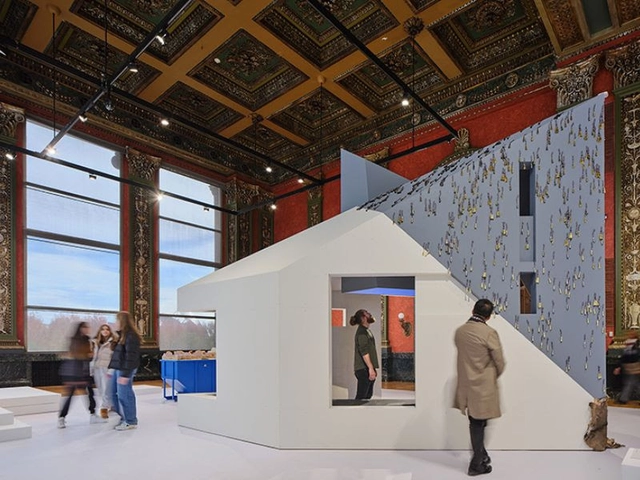
Inaugurated on September 21st, 2023, The Chicago Architecture Biennial is a city-wide festival that will continue until the end of the year. Titled “This is a Rehearsal,” the event is set up as a love letter to Chicago, activating ongoing dialogue around and in the city. One month after the biennial started, events are still ongoing, with open houses, theater performances, and virtual conferences happening throughout this week.
Arquitectos, Play You Are in Sharjah, 2023. Photo by Danko Stjepanovic. Image Courtesy of Sharjah Architecture Triennial
Inaugurated on November 11, 2023, and running until March 10, 2024, the Sharjah Architecture Triennial serves as a metaphor drawing attention to the design and technological innovations within the built environment, particularly in the global south. The exhibition features contributions from 29 architects and studios spanning 25 countries. Building upon Venice's global platform for experimentation at the 18th International Architecture Exhibition, the 2023 Triennial embarks on a similar journey, creating space for voices and discussions often overlooked in global exhibitions and unveiling elements that have long existed but remained unseen. With a keen awareness of the global south, but also of the global north, and an understanding of the polarities between them, as articulated by curator Tosin Oshinowo, this second edition of the exhibition focuses on "The Beauty of Impermanence: An Architecture of Adaptability."
Celebrating everything that exists, especially in the global south where places thrive amidst scarcity, the triennial adopts an optimistic approach, drawing lessons from current situations and revealing the value and sophistication of alternative responses that have emerged due to resource constraints. “We're able to celebrate them. We're able to learn from them”, adds the curator. The triennial aims to comprehend a more sustainable, accessible, and equitable future—a collective effort to address the challenges of climate change, explore the built environment, and embrace under-celebrated regional traditions. Highlighting solutions that have endured the course of time and others responding to contemporary difficulties, "The Beauty of Impermanence" emphasizes the necessity of nuanced hybridity essential for our urbanized world.
The 18th International Architecture Exhibition of La Biennale di Venezia closed on November 26th. A total of 285,000 people visited the exhibition, making it the second most highly attended Architecture Biennale in its history. Named "The Laboratory of the Future," this edition led by curator Lesley Lokko, has been the first to focus on Africa and its diaspora, exploring the “fluid and enmeshed culture of people of African descent that now straddles the globe,” in the words of the curator, with themes of decolonization and decarbonization.
This edition has attracted a wide array of visitors, 38% of whom are represented by students and young people. Visitors organized in groups represented 23% of the overall public, with a large majority of groups coming from schools and universities. The numbers denote an event centered on the transmission of knowledge and circulation of ideas.
In a bid to explore new materials and methods for more sustainable construction, Henning Larsen opens the “Changing our Footprint” exhibition at the Danish Architecture Center in Copenhagen. The initiative, open from November 17, 2023, until March 3, 2024, aims to showcase ideas for more climate-friendly architecture and to start conversations on architecture and construction’s role in mitigating the effects of climate change. This represents the second iteration of the exhibition, as the first version opened at the Aedes Architecture Forum in Berlin earlier this year.
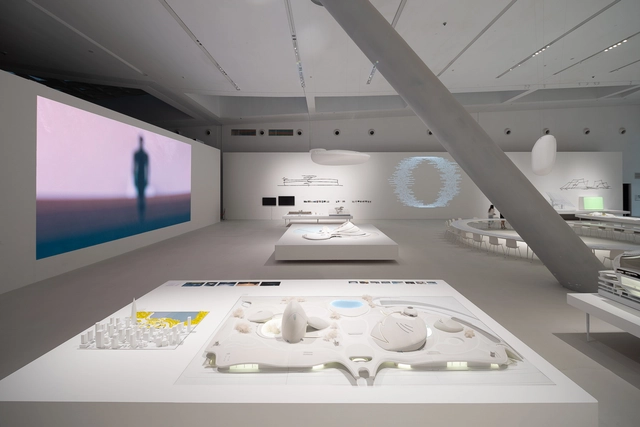
The Shenzhen Museum of Contemporary Art and Urban Planning in China (MoCAUP) has recently opened an exhibition titled “Ma Yansong: Landscapes in Motion.” This retrospective showcases the work of MAD Architects, led by Ma Yansong, Dang Qun, and Yosuke Hayano, spanning nearly two decades and 52 projects. Running until December 17, the display is envisioned as a platform for imaginative exploration of future urban life.
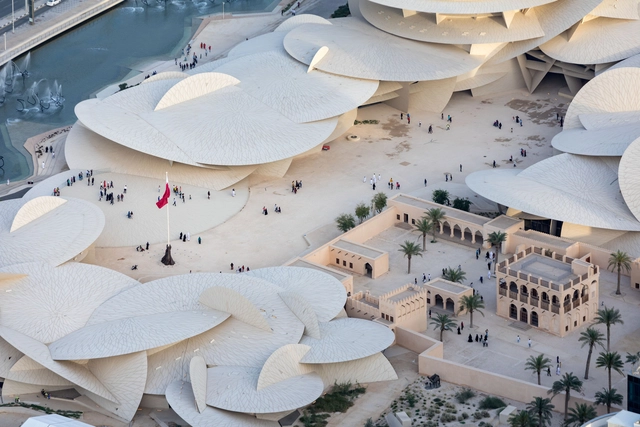
From October 21st, 2023, to March 3rd, 2024, the Vitra Design Museum is hosting a retrospective exhibition featuring the work of Iwan Baan. Known for his world-renowned architecture photography, “Iwan Baan: Moments in Architecture” provides a comprehensive overview of Baan’s extensive portfolio. At its core, it showcases the artist’s ability to capture the essence of contemporary architecture, along with the urban and social contexts associated with it and the people who inhabit these various spaces.
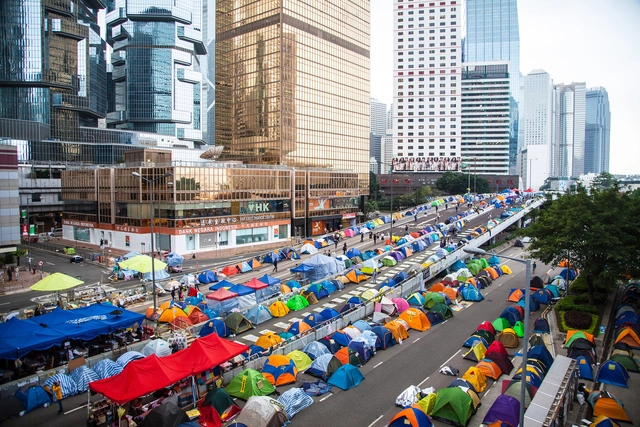
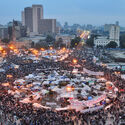
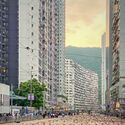
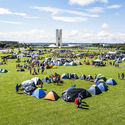
In terms of activism, disruption is a necessary element of effective protest. When acts of disruption spill into the public domain, they carve out spaces through blockades, defenses, and territorial claims, giving rise to ‘protest architecture.’ This concept is the focus of the exhibition organized by DAM – Deutsches Architekturmuseum and the MAK – Museum für Angewandte Kunst in Vienna. Titled “Protest/Architecture. Barricades, Camps, Superglue,” the event showcases a collection of models, photographs, and films depicting the evolution of protest architecture around the world. The exhibition, curated by Oliver Elser with curatorial assistance and research by Anna-Maria Mayerhofer, is open from September 16, 2023, until January 14, 2024, at the DAM OSTEND in Frankfurt.