1. ArchDaily
  2. Architecture and Gender

Architecture and Gender: The Latest Architecture and News

Fundació Mies van der Rohe Presents “Transnational Narratives,” a Documentary on Six South Asian Women Architects

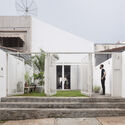
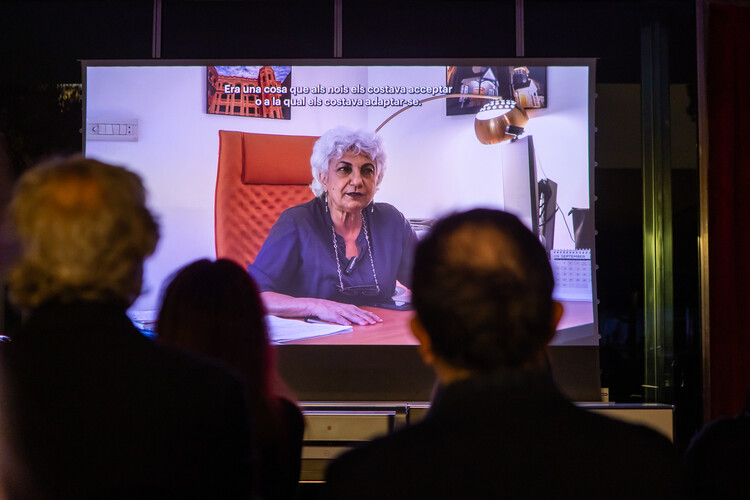
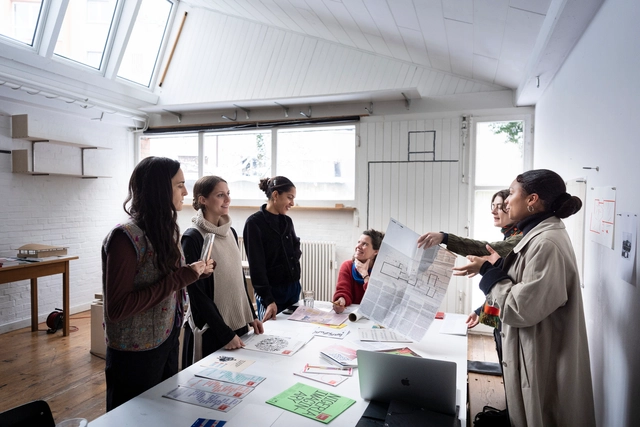
"Gender equity remains an ongoing problem in architecture. Women architects are roughly one-third of the profession or less worldwide." This is the opening statement of the documentary Transnational Narratives: A Documentary Celebrating South Asian Women in Architecture, a result of the 4th Lilly Reich Grant for Equality in Architecture. The grant, an initiative by the Fundació Mies van der Rohe, promotes equal access to opportunities in architectural practice and supports the study and dissemination of contributions to architecture that have been unfairly rendered invisible. Within this context, the documentary, created by Dr. Igea Troiani, Dr. Mamuna Iqbal, artist and researcher Paula Roush, and filmmaker Rime Tsujino, brings visibility to the experiences of six architects of South Asian origin: Sumita Singha, Chitra Vishwanath, Sara Khan, Fauzia Qureshi, Sajida Vandal, and Neelum Naz, whose professional careers span India, Pakistan, and the United Kingdom.

Fundació Mies van der Rohe Presents “Transnational Narratives,” a Documentary on Six South Asian Women Architects - Image 1 of 4Fundació Mies van der Rohe Presents “Transnational Narratives,” a Documentary on Six South Asian Women Architects - Image 2 of 4Fundació Mies van der Rohe Presents “Transnational Narratives,” a Documentary on Six South Asian Women Architects - Image 3 of 4Fundació Mies van der Rohe Presents “Transnational Narratives,” a Documentary on Six South Asian Women Architects - Image 4 of 4Fundació Mies van der Rohe Presents “Transnational Narratives,” a Documentary on Six South Asian Women Architects - More Images+ 8

Women in Architecture: Progress, Gaps, and the Work Still Ahead

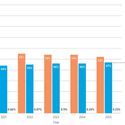
Each year, International Women's Day brings renewed attention to questions of gender within many professional fields, architecture among them. Public conversations often center on celebrating prominent figures or highlighting notable projects, moments that briefly illuminate the contributions of women within the discipline. Yet the visibility produced by these occasions sits within a longer and more complex trajectory. Over the past several decades, the architectural profession has undergone gradual shifts that have expanded opportunities and broadened participation, even as longstanding structures continue to shape how careers develop and how architectural work becomes visible.

Women in Architecture: Progress, Gaps, and the Work Still Ahead - Image 1 of 4Women in Architecture: Progress, Gaps, and the Work Still Ahead - Image 2 of 4Women in Architecture: Progress, Gaps, and the Work Still Ahead - Image 3 of 4Women in Architecture: Progress, Gaps, and the Work Still Ahead - Image 4 of 4Women in Architecture: Progress, Gaps, and the Work Still Ahead - More Images+ 13

Designing With, Not For: CatalyticAction’s Participatory Practice

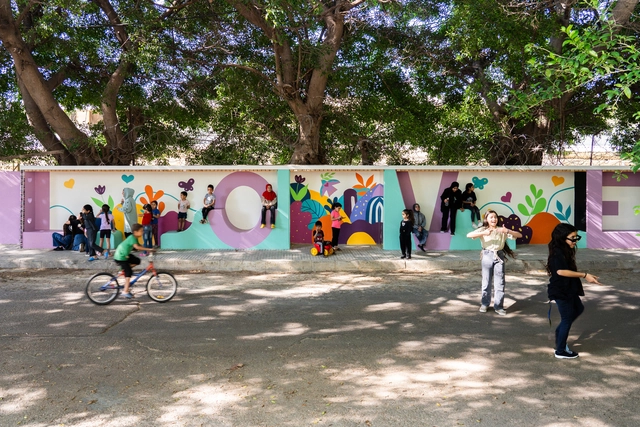
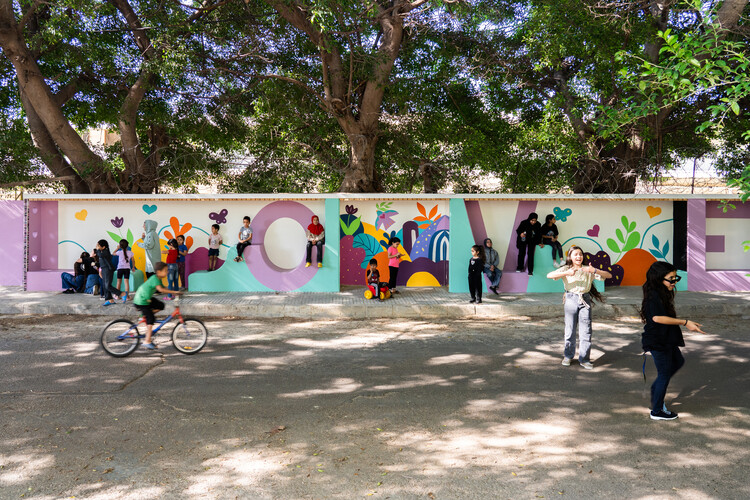
Architecture is often evaluated through finished forms, yet some practices operate in a different register, one where design unfolds through relationships, time, and use rather than through a single outcome. For CatalyticAction, participation is not a parallel social activity, but the means through which spaces are conceived, constructed, and sustained over time.

Based between Beirut and London, the practice has worked across the Middle East and Europe, developing public spaces, schools, playgrounds, and everyday urban infrastructures through long-term collaboration with local communities. Grounded in participatory research and collective decision-making, this approach was recognized through ArchDaily's 2025 Next Practices Awards, highlighting a mode of practice where architecture is understood as a shared, evolving process rather than a fixed object. In this context, architectural value is measured through continuity, use, and collective ownership, rather than through form alone.


Designing With, Not For: CatalyticAction’s Participatory Practice - Image 1 of 4Designing With, Not For: CatalyticAction’s Participatory Practice - Image 2 of 4Designing With, Not For: CatalyticAction’s Participatory Practice - Image 3 of 4Designing With, Not For: CatalyticAction’s Participatory Practice - Image 4 of 4Designing With, Not For: CatalyticAction’s Participatory Practice - More Images+ 21

Rising Architectural Voices and New Commissions: The Week’s Review

This week, architectural conversations were shaped by themes of resilience, equity, and cultural relevance, brought into focus by World Architecture Day. Across global contexts, the discipline continues to expand its understanding of strength, not only as structural endurance but as a framework for inclusive, adaptable, and environmentally conscious design. From strategies for gender-equitable public space to new commissions grounded in memory and reconciliation, recent developments reflect how architecture is increasingly positioned as a tool for social engagement and long-term stewardship in the face of ongoing global challenges.

Rising Architectural Voices and New Commissions: The Week’s Review - Image 1 of 4Rising Architectural Voices and New Commissions: The Week’s Review - Image 2 of 4Rising Architectural Voices and New Commissions: The Week’s Review - Image 3 of 4Rising Architectural Voices and New Commissions: The Week’s Review - Image 4 of 4Rising Architectural Voices and New Commissions: The Week’s Review - More Images+ 3

Make Space for Girls Launches Strategy for Gender-Inclusive Public Spaces

Make Space for Girls (MSFG) is a London-based charity that campaigns for public spaces and parks in the United Kingdom to be more inclusive of teenage girls. The organization conducts research on how public spaces are used and designed, raises awareness about perceived inequalities in their use, and collaborates with public and private institutions to promote the representation of teenage girls in the planning and design of outdoor environments. Their research indicates that their exclusion from the design of parks and public spaces often leaves them without places where they feel welcomed or valued, and that parks and public spaces for older children and teenagers are currently designed for the default male. From 8 to 15 October, the organization is running a fundraising campaign to support the implementation of its new three-year strategy aimed at promoting more inclusive public spaces.

Make Space for Girls Launches Strategy for Gender-Inclusive Public Spaces - Image 1 of 4Make Space for Girls Launches Strategy for Gender-Inclusive Public Spaces - Image 2 of 4Make Space for Girls Launches Strategy for Gender-Inclusive Public Spaces - Image 3 of 4Make Space for Girls Launches Strategy for Gender-Inclusive Public Spaces - Image 4 of 4Make Space for Girls Launches Strategy for Gender-Inclusive Public Spaces - More Images

Designing Inclusive Cities: The Role of Universal Design in Creating Accessible Urban Atmospheres

Contemporary cities are vibrant, complex, and constantly evolving. Above all, they are ever-changing, mutable, and diverse. What transformative changes are occurring, and where are they leading us? Urbanization continues to gain momentum in many regions of the world, generating visible and structural transformations. As this unfolds, data on the evolution of its configuration and the challenges we encounter begin to emerge. According to the World Bank, the urban population will continue to trend upward, with 90% of new urban residents concentrated in Africa and Asia. This growth raises essential questions: How can we consolidate a design approach that ensures equitable access to spaces, resources, and services? How can we make emerging and consolidated metropolises more inclusive and accessible?

The Swiss Pavilion at 2025 Venice Architecture Biennale Examines Historical Gender Dynamics

The Swiss Arts Council Pro Helvetia, represented by Sandi Paucic and Rachele Giudici Legittimo, has announced that the Swiss Pavilion at the Venice Architecture Biennale 2025 will host the exhibition "The final form is determined by the architect on site," curated by Elena Chiavi, Kathrin Füglister, Amy Perkins, Axelle Stiefel, and Myriam Uzor. This all-female team poses the question: What if Lisbeth Sachs, rather than Bruno Giacometti, had designed the Swiss Pavilion? The exhibition will explore this question by reviving one of the iconic works of Lisbeth Sachs, one of the first registered female architects in Switzerland and a contemporary of Giacometti.

The Swiss Pavilion at 2025 Venice Architecture Biennale Examines Historical Gender Dynamics - Image 1 of 4The Swiss Pavilion at 2025 Venice Architecture Biennale Examines Historical Gender Dynamics - Image 2 of 4The Swiss Pavilion at 2025 Venice Architecture Biennale Examines Historical Gender Dynamics - Image 3 of 4The Swiss Pavilion at 2025 Venice Architecture Biennale Examines Historical Gender Dynamics - Image 4 of 4The Swiss Pavilion at 2025 Venice Architecture Biennale Examines Historical Gender Dynamics - More Images+ 3

Spatial Equity in Urban Infrastructures: Public Restrooms Addressing Women’s Needs

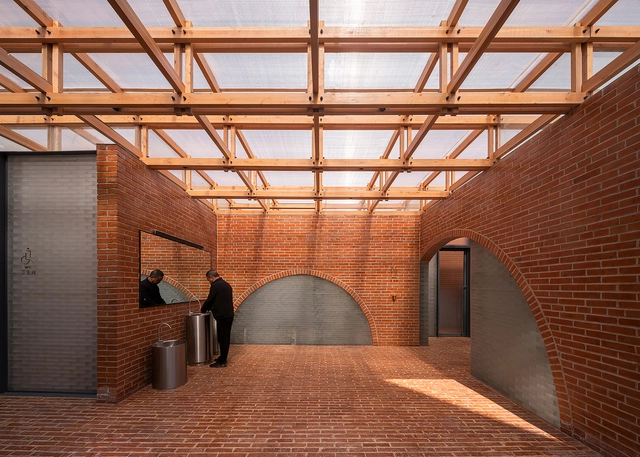
The design of public bathrooms and changing facilities has historically catered to a generalized notion of user needs, often oversimplifying the complexities of gender-specific requirements and falling short of supporting the unique needs of women. These needs extend beyond biological differences—such as the necessity for more stall privacy and differences in height and body posture—to include cultural factors that influence restroom use and expectations over time.

For instance, women's contemporary clothing often lacks adequate pocket space, resulting in the need to carry a handbag, even for simple essentials like phones and wallets. Despite efforts in recent architectural designs to address these disparities, the layered nuances of biological, cultural, and gender identity factors present a multifaceted challenge that defies a one-size-fits-all solution.

Spatial Equity in Urban Infrastructures: Public Restrooms Addressing Women’s Needs - Image 1 of 4Spatial Equity in Urban Infrastructures: Public Restrooms Addressing Women’s Needs - Image 2 of 4Spatial Equity in Urban Infrastructures: Public Restrooms Addressing Women’s Needs - Image 3 of 4Spatial Equity in Urban Infrastructures: Public Restrooms Addressing Women’s Needs - Image 4 of 4Spatial Equity in Urban Infrastructures: Public Restrooms Addressing Women’s Needs - More Images+ 23

Amplifying Female Voices: Premiering the Second Chapter of 'Women in Architecture"

"It's a long journey, but it's a valuable journey, and it's a journey that does reap rewards in the end". 

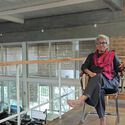
ArchDaily is excited to present the second installment of the docu-series Women in Architecture, a project launched by Sky-Frame and directed by Boris Noir. Following an initial episode featuring Toshiko Mori, Gabriela Carrillo, and Johanna Meyer-Grohbrügge, the documentary moves to Copenhagen and Lagos, spotlighting Dorte Mandrup and Tosin Oshinowo. "Two distinct personalities at very different stages in their lives and careers," as Boris Noir describes it, the protagonists bring unique perspectives to similar challenges.

Amplifying Female Voices: Premiering the Second Chapter of 'Women in Architecture" - Image 1 of 4Amplifying Female Voices: Premiering the Second Chapter of 'Women in Architecture" - Image 2 of 4Amplifying Female Voices: Premiering the Second Chapter of 'Women in Architecture" - Image 3 of 4Amplifying Female Voices: Premiering the Second Chapter of 'Women in Architecture" - Image 4 of 4Amplifying Female Voices: Premiering the Second Chapter of 'Women in Architecture - More Images+ 13

Bringing Intersectional Feminism into Architecture and Urbanism

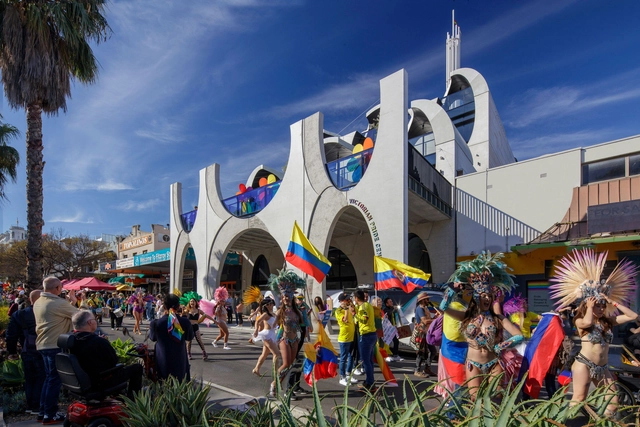
"One of the first hits I got when I was googling about female architecture was a high-rise building in Australia, whose architects said that they had been inspired by Beyoncé's curves when they built it," exclaimed the Dutch architect Afaina de Jong in her last talk for TEDxAmsterdamWomen in 2021. "I mean, really? Her body? Beyoncé? Of course, she is amazing, but to translate her body literally in a building… Is that female architecture?", she continued indignantly.

De Jong is the founder of AFARAI studio, where she works with an interdisciplinary methodology combining theory and research with design. She considers her studio as "a feminist practice that encourages change on social and spatial issues and that accommodates differences," so Afaina is likely familiar with the concept of 'intersectionality'.

Advancements in Gender Equity and Racial Diversity in Architecture: 2024 NCARB Numbers Report Findings

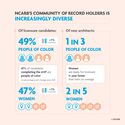
The National Council of Architectural Registration Boards (NCARB) released the 2024 edition of its “NCARB By The Numbers” report, an annual survey of the state of licensure in the United States. The numbers offer an overview of the architectural profession, showing the demographics of candidates pursuing architecture licensure. While the advancements in gender equity and racial diversity have been gradual, they highlight a positive trend supported by initiatives to make licensure more accessible to a diverse demographic, in hopes of promoting a more representative architectural community.

Advancements in Gender Equity and Racial Diversity in Architecture: 2024 NCARB Numbers Report Findings - Image 1 of 4Advancements in Gender Equity and Racial Diversity in Architecture: 2024 NCARB Numbers Report Findings - Image 2 of 4Advancements in Gender Equity and Racial Diversity in Architecture: 2024 NCARB Numbers Report Findings - Image 3 of 4Advancements in Gender Equity and Racial Diversity in Architecture: 2024 NCARB Numbers Report Findings - Image 4 of 4Advancements in Gender Equity and Racial Diversity in Architecture: 2024 NCARB Numbers Report Findings - More Images+ 7

Queer Urban Design: Planning for Inclusive Cities

Subscriber Access | 

Evolving theories in urban design seek to reframe how cities are built and experienced. As theory and practice grows more empathetic towards the needs of its diverse stakeholders, queer urban design brings a broad and holistic shift to understanding identity and community in publicly inhabited spaces. The approach challenges traditional - often rigid - methods of city planning by applying principles of queer theory to reflect fluidity and interconnectedness. On occasion of Pride Month 2024, ArchDaily investigates the building blocks of "queer urban design" to influence city planning practices to be more inclusive.

Queer Urban Design: Planning for Inclusive Cities - Image 1 of 4Queer Urban Design: Planning for Inclusive Cities - Image 2 of 4Queer Urban Design: Planning for Inclusive Cities - Image 3 of 4Queer Urban Design: Planning for Inclusive Cities - Image 4 of 4Queer Urban Design: Planning for Inclusive Cities - More Images+ 1

Film Premiere: "A Voice for the 450 Plus" by Black Females in Architecture

Subscriber Access | 

Black Females in Architecture (BFA) is a social enterprise supporting a membership of more than 450 Black women in built environment professions worldwide. Founded by architects Neba Sere, Selasi Setufe, and Akua Danso, the group advocates for diversity, race and gender equity across all sectors of the built environment, including architecture, urbanism, landscape, engineering, design, and construction.

We are happy to premiere their short film "A Voice for the 450 Plus" to a global audience for the first time since it was shown at the 2023 Venice Architecture Biennale. The film is a celebration of the ongoing contributions of Black women in the built environment fields, showing the world how they contribute to shaping the future of our cities.

Film Premiere: "A Voice for the 450 Plus" by Black Females in Architecture - Image 1 of 4Film Premiere: "A Voice for the 450 Plus" by Black Females in Architecture - Image 2 of 4Film Premiere: "A Voice for the 450 Plus" by Black Females in Architecture - Image 3 of 4Film Premiere: "A Voice for the 450 Plus" by Black Females in Architecture - Image 4 of 4Film Premiere: A Voice for the 450 Plus by Black Females in Architecture - More Images

Eyes on the Street: Jane Jacobs’ Concept and Contemporary Residential Architecture in Brazil

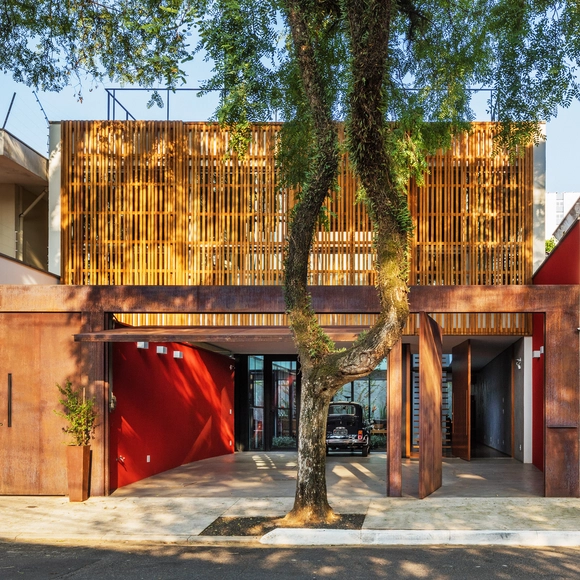
The concept of "eyes on the street" is perhaps the most famous within architectural and urban literature when it comes to urban security. Jane Jacobs uses this expression to refer to people who - consciously or unconsciously - use public spaces or observe them from their homes, generating natural surveillance. A movement that, within our discipline, is encouraged both through quality public spaces and through the powerful relationship between the public and private created through building facades. Advocating for this daily control, Jacobs believes in a way of making architecture and cities that condemns excessive verticalization, reinforced by isolated buildings and single-use ones that deny contact with the street

Eyes on the Street: Jane Jacobs’ Concept and Contemporary Residential Architecture in Brazil - Image 1 of 4Eyes on the Street: Jane Jacobs’ Concept and Contemporary Residential Architecture in Brazil - Image 2 of 4Eyes on the Street: Jane Jacobs’ Concept and Contemporary Residential Architecture in Brazil - Image 3 of 4Eyes on the Street: Jane Jacobs’ Concept and Contemporary Residential Architecture in Brazil - Image 4 of 4Eyes on the Street: Jane Jacobs’ Concept and Contemporary Residential Architecture in Brazil - More Images+ 5

How the Black Females in Architecture Network is Changing Industry Standards

Subscriber Access | 

In early 2018, spatial practitioner and Bartlett lecturer Neba Sere hosted a panel discussion at London's Architecture Foundation, where she was one of six young trustees. The topic: beginnings. How to go about them, move ahead, and transform them into something that lasts. Six years later, she looks back on the event as a beginning in itself: that day marked the creation of a WhatsApp group that would turn into Black Females in Architecture (BFA). BFA is now a 500-strong global membership network co-directed by Sere and fellow architects Selasi Setufe and Akua Danso.

BFA was initiated in response to the need for visibility of black women and female-identifying people with black heritage in architecture and the built environment. Last year, the group celebrated its fifth anniversary with the showing of a short film and a panel discussion at the Venice Architecture Biennale. Now, after putting in the groundwork of spreading information about the lack of diversity and equality in the industry and increasing their numbers, BFA is gearing up to drive physical change.

How the Black Females in Architecture Network is Changing Industry Standards - Image 1 of 4How the Black Females in Architecture Network is Changing Industry Standards - Image 2 of 4How the Black Females in Architecture Network is Changing Industry Standards - Image 3 of 4How the Black Females in Architecture Network is Changing Industry Standards - Image 4 of 4How the Black Females in Architecture Network is Changing Industry Standards - More Images+ 4

Architecture and Gender: Waiting Places, Spaces of Privilege

Subscriber Access | 

Space as a gender adjacency and sexuality's spatial dimension are recent themes in architecture. The case of the bathroom as a gender-regulating device is a constantly discussed topic at the intersections of queer theory in architecture. The discussion is even broader within LGBTQIA+ guidelines.

The Diversity in Architecture-DIVIA Award, Dedicated to Women Architects, Selects Five Finalists

The Diversity in Architecture Award (DIVIA) has selected its 5 finalists, from a list of 29 nominees: Tosin Oshinowo (Nigeria), May al-Ibrashy (Egypt), Marta Maccaglia (Peru), Noella Nibakuze (Rwanda), and Katherine Clarke and Liza Fior (UK). The prize, dedicated to women architects, celebrates female figures by awarding and validating their work. Based in Berlin, the award platform promotes equality between men and women, making the discipline observable to all, and setting an example for the next generation of younger women architects.

The  Diversity in Architecture-DIVIA Award, Dedicated to Women Architects, Selects Five Finalists  - Image 1 of 4The  Diversity in Architecture-DIVIA Award, Dedicated to Women Architects, Selects Five Finalists  - Image 2 of 4The  Diversity in Architecture-DIVIA Award, Dedicated to Women Architects, Selects Five Finalists  - Image 3 of 4The  Diversity in Architecture-DIVIA Award, Dedicated to Women Architects, Selects Five Finalists  - Image 4 of 4The  Diversity in Architecture-DIVIA Award, Dedicated to Women Architects, Selects Five Finalists  - More Images+ 10

How to Build Public Spaces for Teen Girls

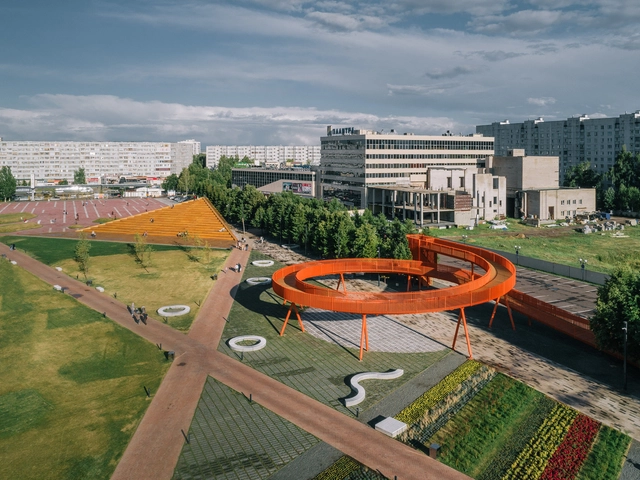
Teen girls are neither children nor adults, meaning they have specific needs and behaviours different from both these groups. Unfortunately, like many marginalized groups, these needs and behaviours have not been met or encouraged through our built environment as it has for others. For example, playgrounds are built for children to let off steam and sports courts that foster competition are targeted at men and teen boys. 

Accordingly, not building public spaces with the needs of teen girls in mind allows other groups of people, predominantly men who already take up 80% of public spaces, to continue to dominate them. Making teen girls feel ten times less secure in public spaces. Not only does this absence affect their social, physical, and mental development, but it also complicates how they see where they belong in public spaces.